Internal Audit Process Powerpoint Ppt Template Bundles

Rating:
90%
Internal Audit Process Powerpoint Ppt Template Bundles
Slide 1 of 23
Favourites Favourites

Try Before you Buy Download Free Sample Product

Audience Impress Your
Audience
Editable 100%
Editable
Time Save Hours
of Time
The Biggest Sale is ending soon in
0
0
:
0
0
:
0
0
Rating:
90%
Engage buyer personas and boost brand awareness by pitching yourself using this prefabricated set. This Internal Audit Process Powerpoint Ppt Template Bundles is a great tool to connect with your audience as it contains high-quality content and graphics. This helps in conveying your thoughts in a well-structured manner. It also helps you attain a competitive advantage because of its unique design and aesthetics. In addition to this, you can use this PPT design to portray information and educate your audience on various topics. With Fiften slides, this is a great design to use for your upcoming presentations. Not only is it cost-effective but also easily pliable depending on your needs and requirements. As such color, font, or any other design component can be altered. It is also available for immediate download in different formats such as PNG, JPG, etc. So, without any further ado, download it now.

FAQs for Internal Audit Process Powerpoint

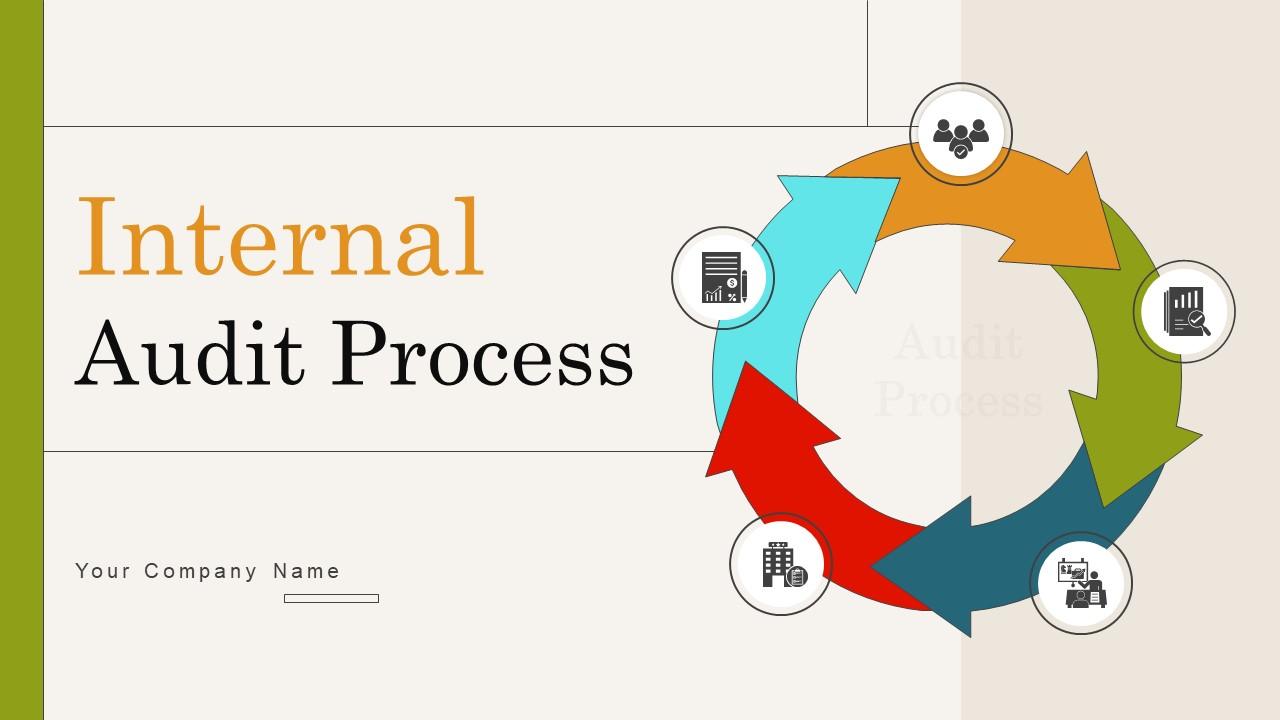
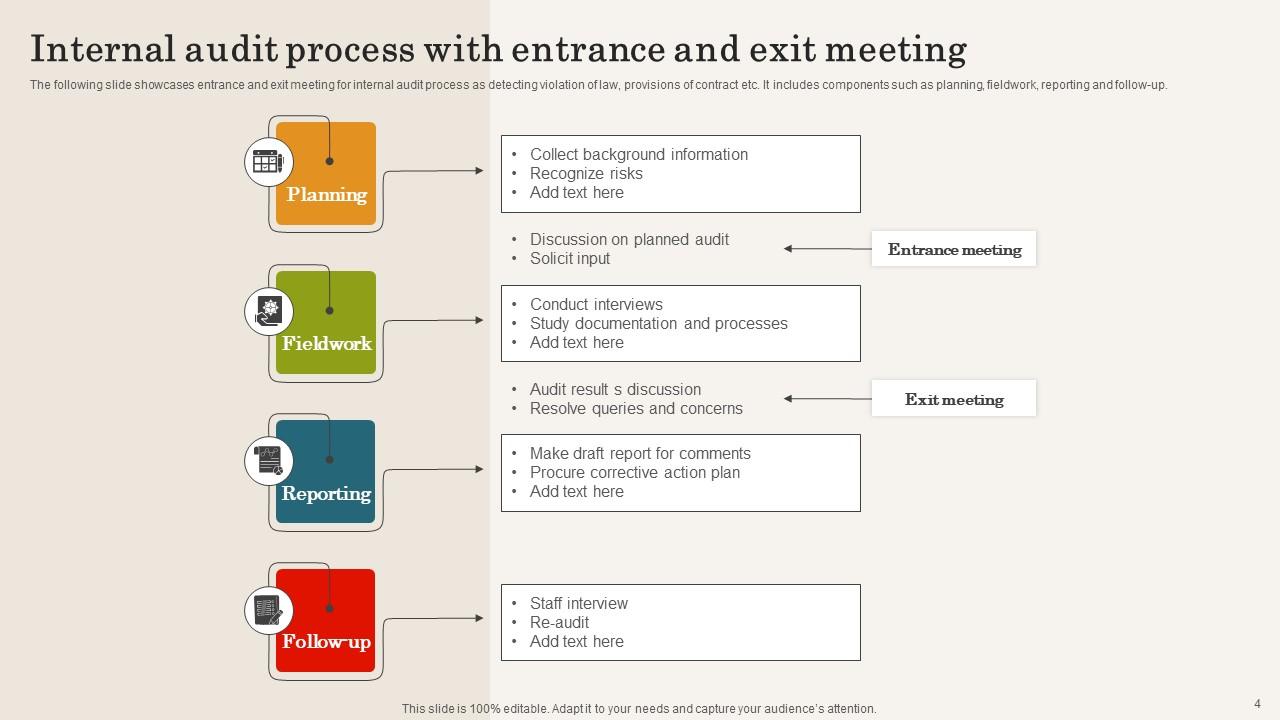
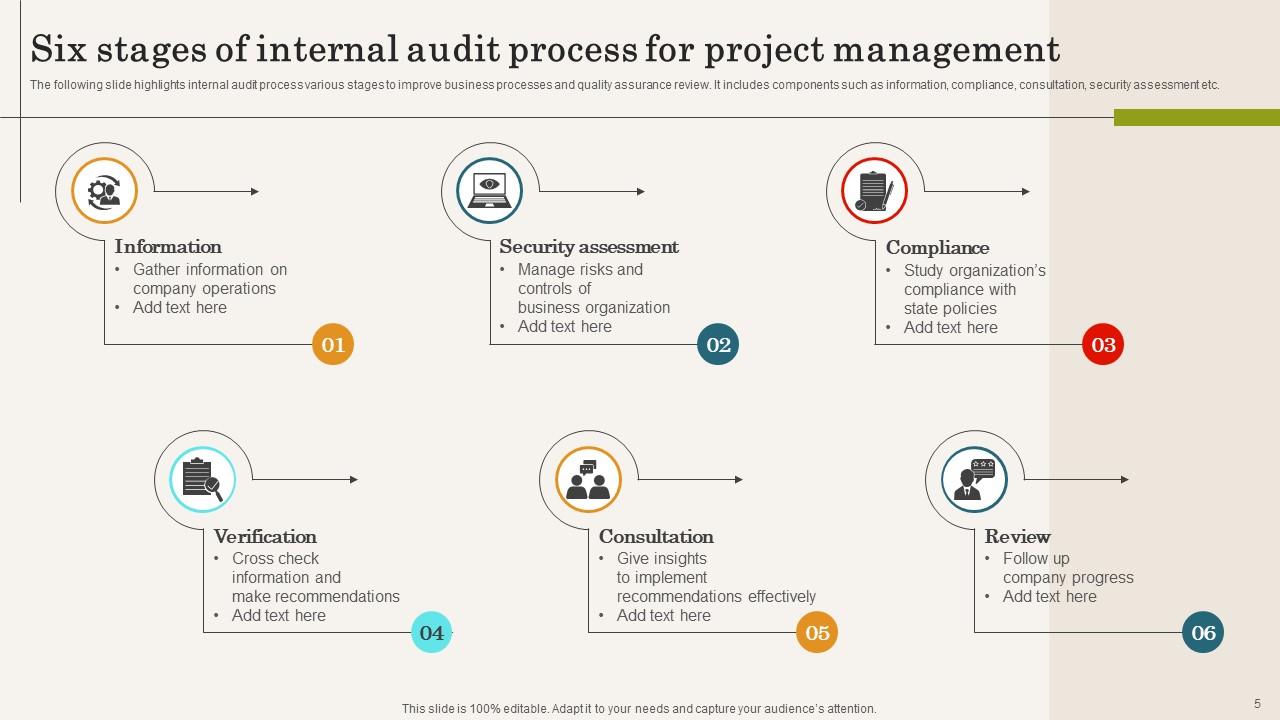
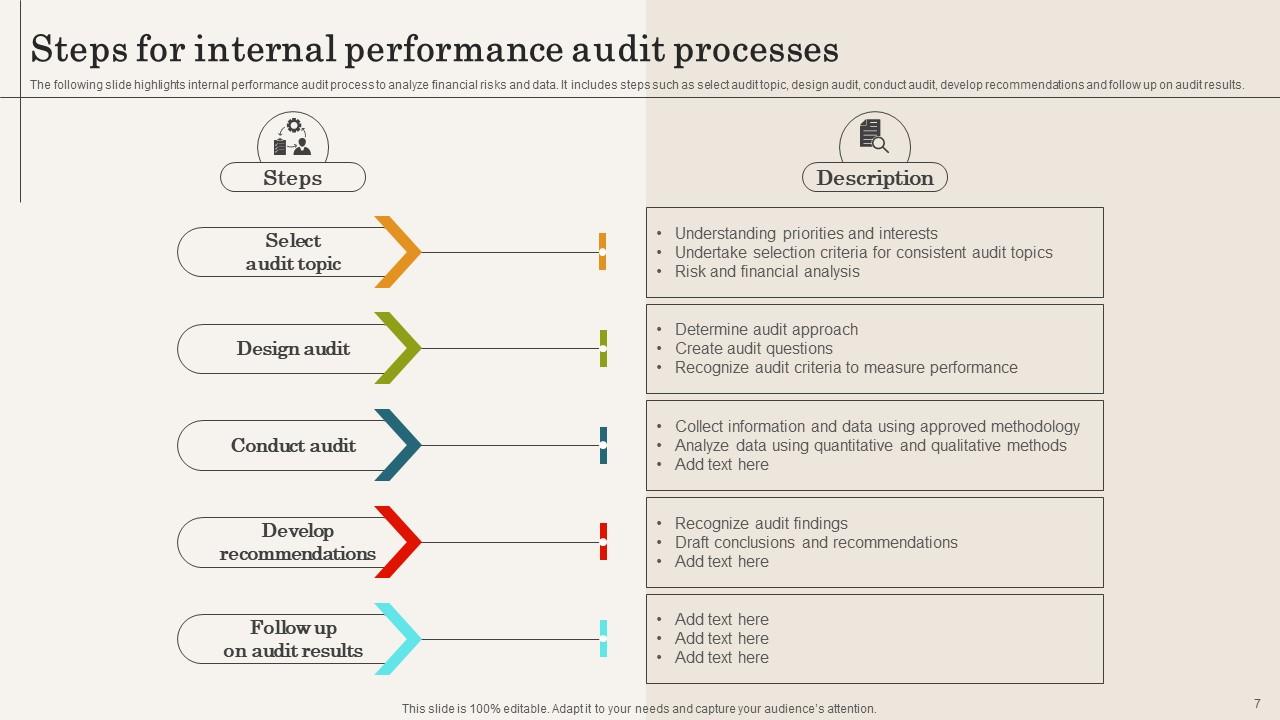
So there are basically four steps to internal auditing. Planning comes first - that's where you figure out risks and decide what to focus on. Honestly, this part is crucial because if you mess it up, everything else gets harder. Then you do fieldwork, which is the actual testing and evidence gathering. Pretty straightforward but can be tedious. After that you write up your findings and recommendations for management. Oh, and don't forget the follow-up part - you've got to check that they actually did something with your suggestions. I'd say spend extra time on planning upfront because it'll save you headaches later.

Start with your risk assessment - that's where the good stuff is. Hit the high-risk areas, recent changes, or anywhere controls have been sketchy before. I always peek at what's been audited lately because nobody wants to beat a dead horse (unless something's really broken). Resources and timeline obviously matter, plus whatever's keeping management up at night or regulatory stuff that can't wait. Honestly, being strategic beats being thorough every time. Map out your processes, locations, and timeframes upfront so there's no confusion later about what you're actually covering.

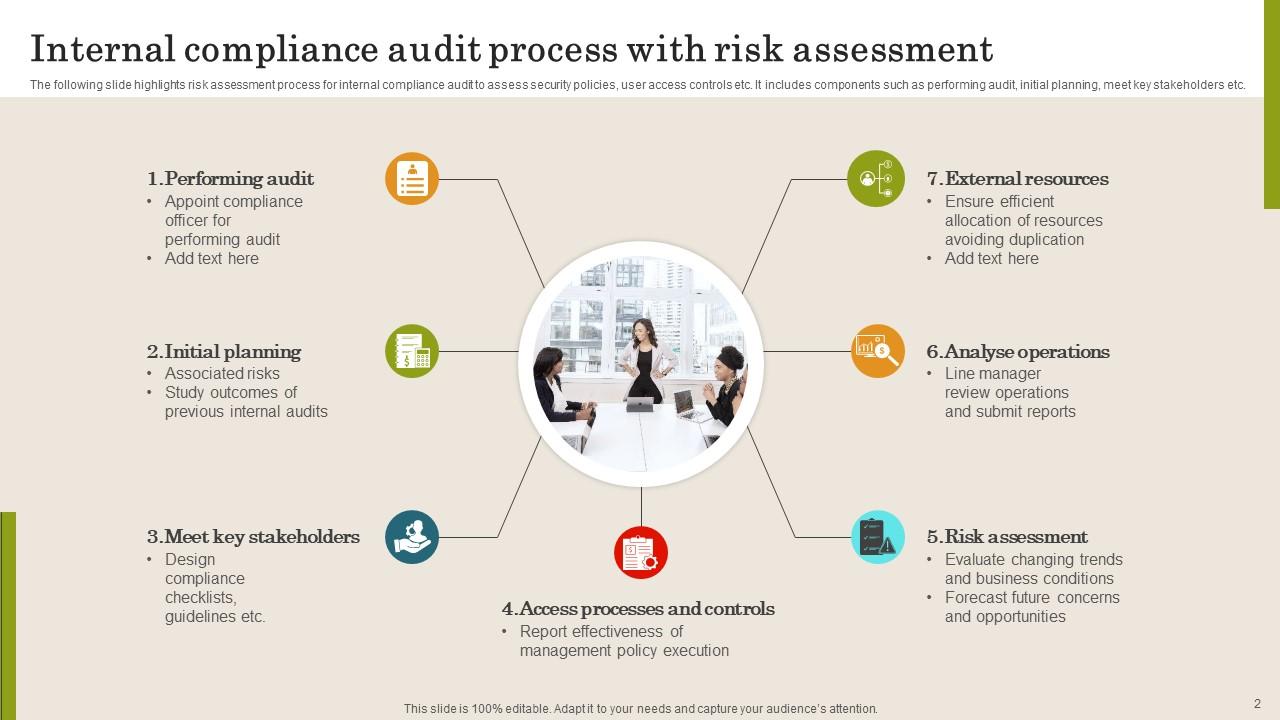
So risk assessment is basically your game plan for internal audits - it tells you where to spend your time instead of just wandering around hoping to find issues. Map out your biggest risks first (fraud, compliance stuff, operational disasters). That drives everything else. Honestly, most people skip this step and regret it later. It determines how deep you dig and what gets priority. Without it, you're kind of flying blind. Start there and your audit planning becomes way more focused. Trust me on this one.

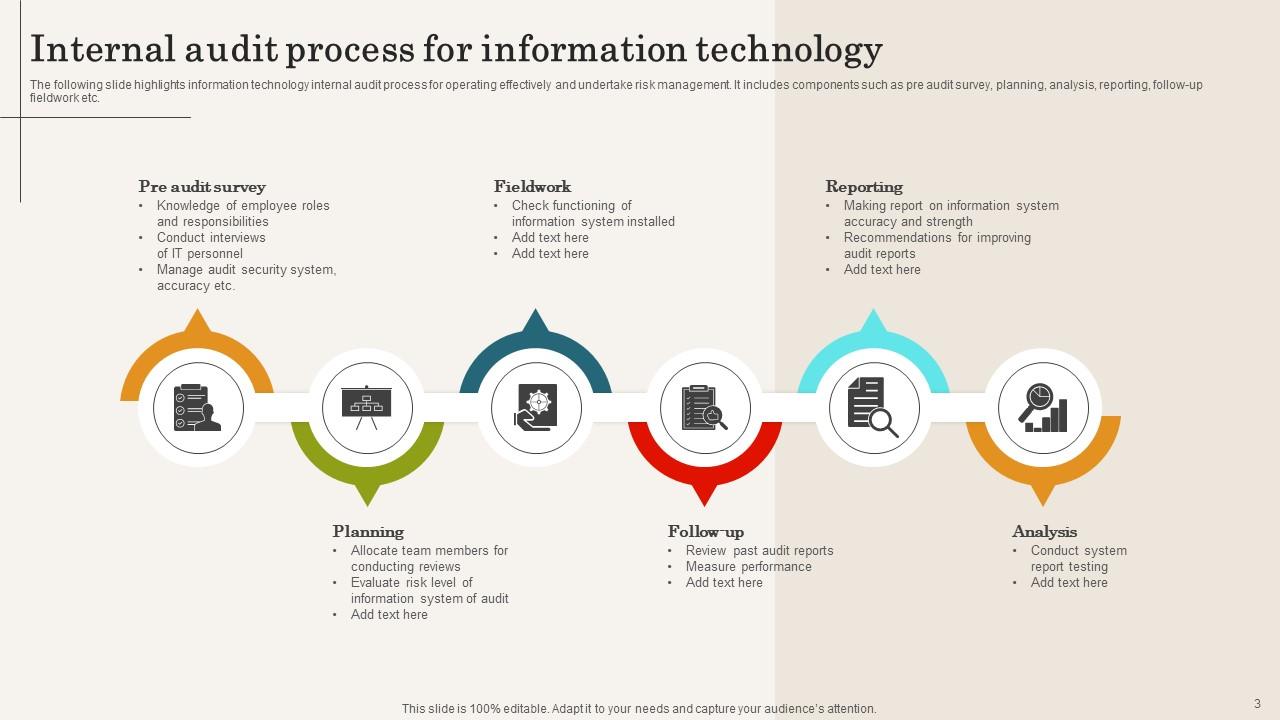
Honestly, tech can save you so much time on audits. Start with audit management software - it keeps everything organized instead of juggling a million spreadsheets. Data analytics tools will catch weird patterns way faster than you ever could manually. I'd probably tackle documentation first since that's usually the biggest pain point. Automated testing is a game changer too, covers way more ground than traditional sampling. Cloud platforms are clutch for team collaboration. The AI risk assessment stuff is getting scary good these days. Pick one thing to automate first, then build from there once you see how much easier life gets.

Honestly, the worst part is when everyone claims they're "too busy" for interviews or sending you docs. Classic move, right? Scope creep will kill you too - stakeholders love throwing in random extra requests halfway through. IT access restrictions are another headache, especially for sensitive stuff. Oh, and don't get me started on unrealistic deadlines. People want everything yesterday but won't give you what you need to actually do the work. Set your boundaries early though. Be upfront about timelines from day one or you'll regret it later.

First thing - round up all your docs, policies, transaction records, whatever they'll need to review. Give your team a heads up so nobody's blindsided (trust me, that never goes well). Set up a shared folder where auditors can grab everything easily. Pick someone to be the main contact for questions and scheduling stuff. Honestly, the more organized you are upfront, the smoother it goes. Schedule that kickoff meeting early to go over timelines and what they're expecting. Saves everyone from scrambling later when deadlines hit.

So there are four big things the IIA cares about: integrity, objectivity, confidentiality, and competency. Don't have conflicts of interest, stay unbiased when you're doing assessments. Never share sensitive stuff outside proper channels - that's non-negotiable. The competency thing means don't audit areas where you're clueless, though honestly we've all gotten those random assignments that make no sense. Stay independent from whatever you're auditing. Report your findings truthfully even when management won't love hearing it. Oh, and keep your certs updated and document everything properly or you'll regret it later.

Think of audit findings as free consulting - someone's telling you exactly where things are broken before they blow up. Yeah, it's annoying when you're already drowning in work, but these gaps they find? They're happening whether you know it or not. Focus on the high-risk stuff first and actually assign owners with real deadlines. The boring part is fixing processes, but honestly it beats explaining to your boss later why everything went sideways. Use the findings to prevent the big disasters, not just tick boxes.

Focus on being clear and getting reports out quickly. Start with your biggest risks first - that's what executives actually care about. Don't write a damn novel though, I've seen way too many auditors do that. Keep the executive summary tight since half the time that's all leadership reads anyway. Back up your findings with solid evidence and give them specific steps to fix things, not vague suggestions. Oh, and don't blindside people - communicate throughout the whole process. Nobody likes surprises in audit world. End with a formal meeting to nail down who's doing what by when.

Okay so basically you can't audit departments you've worked in recently - like within a year or whatever. Report straight to the audit committee, not management who'll obviously want you to downplay stuff. Rotate your assignments so you don't get too buddy-buddy with anyone (which happens more than you'd think). Document conflicts of interest right away. Your audit charter should spell out your independence clearly. Short version: you're paid to be the bad guy, so don't let politics mess with that. It's actually kind of liberating once you get used to it.

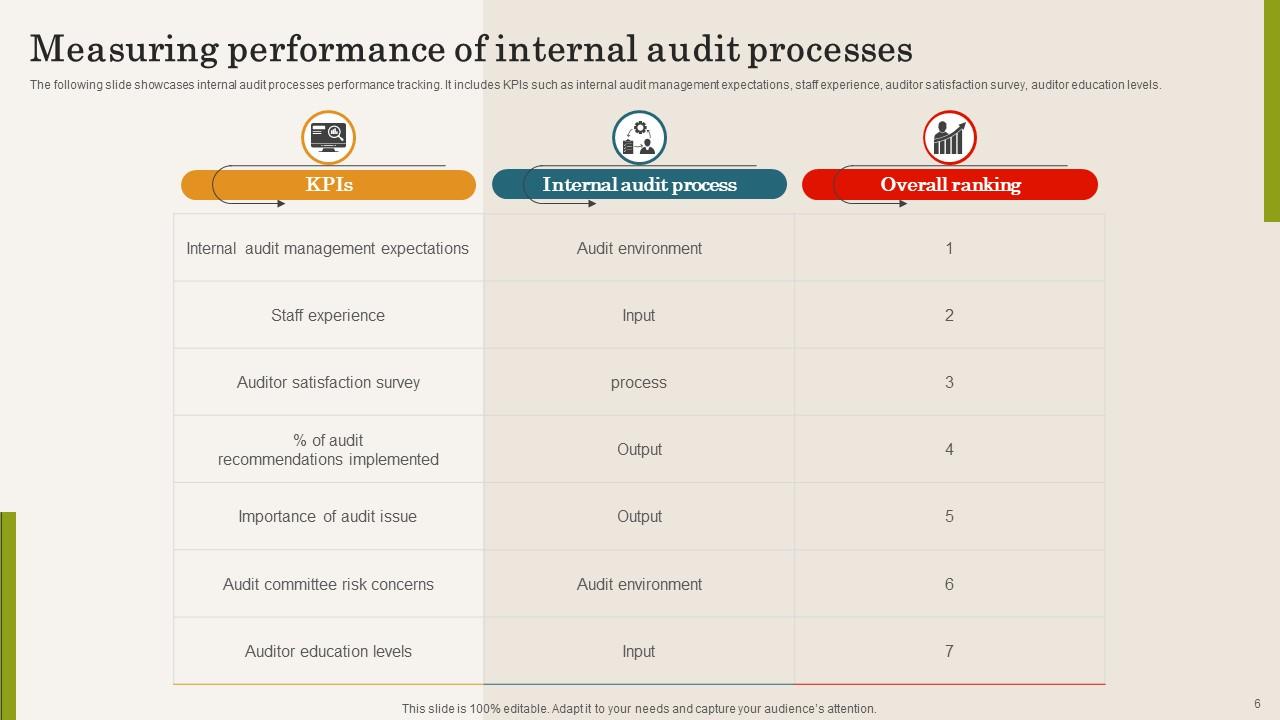
Most companies focus on audit cycle time and how many recommendations actually get implemented. Critical findings resolution is huge too. Management satisfaction scores matter, plus you want coverage of your high-risk areas. Some teams calculate cost-per-audit but honestly? That gets messy fast if you don't set it up right. The real question is whether audits are driving change - so track repeat findings and remediation time. Oh, and stakeholder feedback is gold. Don't go overboard though. Pick maybe 3-4 metrics that match what you're trying to accomplish.

Think of internal audits like a health checkup for your compliance stuff. You're catching problems before regulators show up at your door - trust me, that's way less stressful. Map your audit steps to whatever regs apply in your field, then document everything. Sounds boring but it shows regulators you're actually paying attention. The real trick? Don't just find issues and ignore them. That actually makes you look worse than doing nothing at all. Fix what you find, and you'll be golden when the external auditors come around.

You'll definitely need solid accounting basics and risk assessment skills. Communication is huge - you're constantly interviewing people and writing reports that executives will actually read. Being naturally curious helps a ton, honestly it's like playing detective for the company. Data analysis tools are pretty much essential now, along with audit software. Oh, and being a little skeptical doesn't hurt either. I'd push for getting your CIA certification if you're really considering this path. Staying updated on regulations in whatever industry you end up in is key too.

So it really depends on what industry you're in. Financial services gets hit with crazy compliance stuff - lending practices, capital requirements, the whole nine yards. Manufacturing? They're all about operational efficiency and safety. Healthcare is probably the worst though - HIPAA compliance alone will make your head spin, and don't get me started on the documentation. Tech companies mostly worry about cybersecurity and data governance these days. The basic audit principles don't change, but your testing methods will be completely different depending on where you work. I'd definitely check out some industry-specific frameworks before you dive in.

Look, follow-up activities are what separate real auditors from paper pushers. You've spotted the problems - great! But if you don't track whether management actually fixes them, you're basically wasting everyone's time. I can't tell you how many brilliant recommendations I've seen just... disappear into the void. Nobody follows up, nothing changes, and suddenly it's three years later with the same issues popping up again. Track their progress on your recommendations. Verify the fixes actually work (not just on paper). Set regular check-ins and stick to them. Otherwise your audit becomes just another report gathering dust somewhere.

Ratings and Reviews

90% of 100
Review Form
Write a review
Most Relevant Reviews
  1. 80%

    by Derek Mills

    I am so thankful for all of the templates I've found on your site. They have saved me hours every week and helped make my presentations come alive. Keep up with these amazing product releases! 
  2. 100%

    by Devin Daniels

    What an exhaustive collection of templates you guys have there in slideteam. Impressive!!!

2 Item(s)

per page: