

Cultural Intelligence Powerpoint Presentation Slides





Try Before you Buy Download Free Sample Product
 Impress Your
 Audience
 100%
100% Editable
 Save Hours
 of Time


Are you in search of finding the right resources for cultural intelligence Presentation? Well if yes then our cultural intelligence PowerPoint deck is beneficial for you. This deck of 24 creative and innovative slides has been designed for the business industry requirements. When you start working you have to meet people from different cultures and work with them to achieve both professional and personal goals. Like we measure IQ (Intelligence Quotient) to judge human intelligence, cultural quotient or intelligence is used to measure the professional approach of an individual. Most leading corporate firms are asked to create presentation on this topic but they have no idea as where to start and what all should they include in it. Spending hours on research and then show them in a professional way takes a lot out of you. Our Presentation Deck saves all that as it has been designed with all the necessary information that you want to include in your slides. Download this cultural intelligence PPT deck to present the concept. Our Cultural Intelligence Powerpoint Presentation Slides help find their favor. You will extract the best deal.
People who downloaded this PowerPoint presentation also viewed the following :
Content of this Powerpoint Presentation
Slide 1: This slide introduces Cultural Intelligence. State Your Company Name and get started.
Slide 2: This slide shows Cultural Intelligence Outline with these of the further sub points- Introduction, Key Statistics, Template, Elements, Five Step Skill-Building Process, In a Four Step Process, Dimensional Model, Framework, Circular Steps.
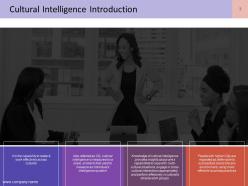
Slide 3: This slide showcases Cultural Intelligence Introduction.
Slide 4: This slide shows Cultural Intelligence Key Statistics.
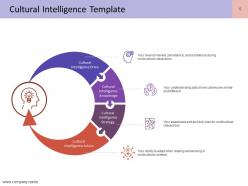
Slide 5: This slide presents Cultural Intelligence Template with these of the four important stages- Cultural Intelligence Drive, Cultural Intelligence Knowledge, Cultural Intelligence Strategy, Cultural Intelligence Action.
Slide 6: This slide showcases Cultural Intelligence Elements these of the following factors- Intrinsic, Extrinsic, Self Efficacy, Values, Systems, Leadership, Awareness, Planning, Speech - Acts, Non - Verbal, Verbal, Cultural Intelligence, Checking, Knowledge, Planning, Skills, Drive.
Slide 7: It is the prerequisite for developing cross-cultural effectiveness. Open Attitude Self Awareness Cultural Skills Cultural Knowledge Other Awareness
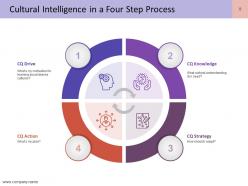
Slide 8: This slide shows Cultural Intelligence in a Four Step Process CQ Drive, CQ Knowledge, CQ Strategy, CQ Action.
Slide 9: This slide showcases Cultural Intelligence Dimensional Model showcases Cultural Intelligence CQ Drive (Motivational CQ), CQ Knowledge (Cognitive CQ), CQ Strategy (Metacognitive CQ), CQ Action (Behavioral CQ).
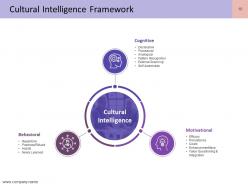
Slide 10: This slide presents Cultural Intelligence Framework with these of the three- Cognitive, Motivational, Behavioral.
Slide 11: This slide showcases Cultural Intelligence Circular Steps which further showcases - Drive, Knowledge, Strategy, Action.
Slide 12: This slide is titled Additional Slides to move forward.
Slide 13: This slide showcases Cultural Intelligence Icon Slide.
Slide 14: This slide presents Column Chart.
Slide 15: This slide showcases Stacked Bar.
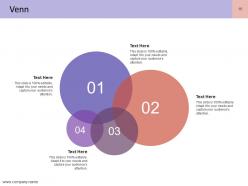
Slide 16: This is a Venn diagram image slide to show information, specifications etc.
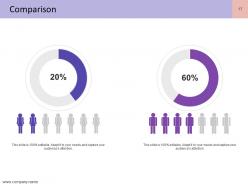
Slide 17: This is a Comparison slide to show comparison of two entities.
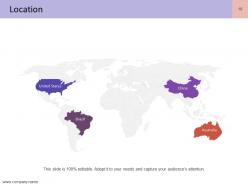
Slide 18: This is a Location slide to show global growth, presence etc. on world map.
Slide 19: This is a Vision, Mission and Goals slide. State them here.
Slide 20: This is a Post it slide to mark reminders, events etc.
Slide 21: This slide showcases Our Team with Name and Designation to fill.
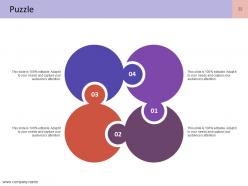
Slide 22: This is a Puzzle slide with the following subheadings- PPC Advertising, Media Marketing, Print Marketing, E-mail Campaigns.
Slide 23: This slide helps show- About Our Company. The sub headings include- Creative Design, Customer Care, Expand Company
Slide 24: This slide shows Thanks For Watching.
Cultural Intelligence Powerpoint Presentation Slides with all 24 slides:
Identify insignificant comments with our Cultural Intelligence Powerpoint Presentation Slides. Ensure folks don't give them excessive importance.













FAQs for Cultural Intelligence
So cultural intelligence breaks down into four parts. CQ Drive is basically how motivated you are to learn about other cultures. Then there's CQ Knowledge - actually understanding how different cultural systems work. CQ Strategy means planning your cross-cultural interactions (which honestly sounds more formal than it is). Finally, CQ Action is adapting how you behave. They feed into each other pretty naturally. Your motivation drives learning, better knowledge helps you strategize, and that leads to smoother interactions. Those experiences then boost your confidence for next time. I'd say figure out which area you're weakest in first and work on that.
Honestly, there are formal tests like the Cultural Intelligence Scale that measure your skills across different areas, but I think just being really honest with yourself works too. Ask yourself: do you actually try to understand different perspectives? How awkward do you feel in unfamiliar cultural situations? Do you change how you communicate depending on who you're with? Those moments when you're confused or frustrated during cross-cultural stuff - that's where the real learning happens. Maybe try jotting down your cultural encounters for a week or something. Sounds nerdy but it actually helps you notice patterns.
So cultural intelligence basically helps you figure out how to work with people from different backgrounds without stepping on toes. Like, some people need direct feedback while others prefer a softer approach - once you know that, everything clicks better. Honestly, it's a game changer for avoiding those weird moments when someone seems offended and you have no idea why. You can head off misunderstandings before they blow up into actual conflicts. My advice? Just ask your team straight up how they like to communicate and what works best for them. Way easier than guessing.
Honestly, cultural intelligence is a total game-changer for work communication. You start noticing how some people want super direct feedback while others need way more context around it. I used to think everyone just communicated like me - big mistake lol. There's this whole thing about high-context vs low-context cultures too. Some folks say exactly what they mean, others communicate through hints and subtext. The key is flexing your style based on who you're talking to. Once you get it down, conversations just flow better and you avoid so many awkward misunderstandings.
Oh definitely - cultural intelligence is like having a secret decoder ring for conflict situations. Half the time what looks like a real disagreement is actually just people talking past each other because of cultural differences. You'll spot whether someone's being "rude" or just direct in their culture, plus you won't miss those non-verbal signals that mean totally different things across cultures. The best part? You can actually adjust how you handle the situation based on what matters to each person's background. Honestly, I learned this the hard way in a work situation once. Just ask about cultural context first before diving into fixes.
Skip the boring diversity workshops - they don't actually work. Instead, pair people from different backgrounds as mentors. Those cheesy potluck lunches? They're surprisingly effective at breaking ice. Ask your team what cultural roadblocks they hit daily, then tackle those specific problems. International project teams are gold for this stuff. You'll want ongoing cultural learning, not just one-and-done training sessions. Give people chances to work with global clients or travel if possible. Oh, and definitely celebrate when someone brings a fresh perspective to meetings - makes people feel heard.
Honestly, the best thing you can do is just talk to people from different backgrounds - like actually have conversations, not just read articles about their cultures. Most folks are pretty cool about sharing their perspectives if you're genuinely curious (not just being polite). Join international project teams whenever you get the chance. Real practice beats those corporate training sessions any day. Also, watch for non-verbal stuff during conversations since communication styles are so different across cultures. Oh, and don't forget to check your own biases regularly - we all have them. The hands-on experience really makes the difference.
So cultural intelligence is basically your secret weapon for reading the room with diverse teammates. You'll start noticing when someone says "maybe we should consider..." they actually mean "hell no, this won't work." Different backgrounds totally shape how people view risk and timelines too. I learned this the hard way when half my team thought we'd made a decision while others were still wanting to hash it out - super awkward. Those communication styles vary so much between cultures. Next time you're making group decisions, just pause and think about what cultural stuff might be driving the conversation.
Honestly? The hardest part is catching your own bias and assumptions - like thinking everyone communicates the way you do. Plus there's that awkward feeling when cultural stuff seems totally foreign. But here's what actually helps: question your first instincts about other cultures. Ask real questions instead of guessing. Listen when people share their experiences rather than forming quick judgments. The discomfort of not knowing everything is actually good - lean into it! I've learned the most from just having casual conversations with coworkers from different backgrounds. You'll be surprised what you pick up.
Dude, cultural intelligence is basically knowing how different cultures communicate and do business. Some are super direct, others beat around the bush - you gotta match their energy. I learned this the hard way when I completely bombed a presentation in Japan once, lol. But seriously, when you understand their values and etiquette, customers actually trust you more. They feel like you "get" them instead of just pushing your agenda. Start by googling cultural norms for your main markets, but honestly? Just ask your international clients what they prefer. Most people appreciate when you're genuinely curious about doing things their way.
So here's the thing - when people feel like their coworkers actually *get* their cultural background, they stick around way longer. Nobody wants to constantly explain themselves or feel like the odd one out, you know? High cultural intelligence means better communication and way less awkward misunderstandings. People feel safe being themselves instead of putting on some work mask all the time. Honestly, just teaching managers about different communication styles makes a massive difference. Like, some cultures are super direct while others hint around - once you understand that, everything clicks better. Your diverse team members will feel way more connected.
Honestly, don't overthink it - just work cultural stuff into classes you already have instead of building whole new programs. Business students can dig into cross-cultural case studies. Literature courses should include more diverse voices anyway. International collaboration projects work great too. Study abroad is the obvious choice, but virtual exchanges with partner schools are way cheaper. Guest speakers from different backgrounds are clutch - students love hearing real stories. Oh, and definitely make it hands-on rather than just reading about it. I'd test it out with maybe two courses first and see what actually clicks with your students.
Honestly, start simple with just 2-3 things that actually matter to your situation. Check employee engagement across different cultural groups - that's huge. Retention rates tell you if diverse talent is sticking around. I'd definitely track how your international projects are going because that's where you'll really see if this stuff works. 360 feedback on cross-cultural skills is solid data too. Oh, and don't forget surveys about psychological safety - people need to feel comfortable being themselves. Set your benchmarks before you launch anything, then check quarterly. Trust me, trying to measure everything at once will just overwhelm you.
Honestly, tech makes learning about other cultures way easier now. VR lets you mess up cross-cultural situations without any real consequences - pretty cool actually. Language apps are clutch for picking up basics before you travel or work with international teams. Those interactive online cultural training modules beat sitting through terrible PowerPoint presentations any day. Plus you can connect with people worldwide through social media and video calls, which builds real relationships. Oh, and pick just one tool that fits how you learn best. Stick with it for a month consistently - that's when you'll actually see progress.
Oh totally! McDonald's is probably the best example - they do rice burgers in Taiwan and tons of veggie stuff in India. Netflix crushed it by making shows specifically for different regions instead of just slapping subtitles on everything American. IKEA's pretty smart about this too, honestly. They'll change their whole store layout depending on how people actually live in that country. Even their instruction manuals are different based on how people read things culturally, which is kinda wild when you think about it. The companies that really get this right? They hire diverse teams and actually do proper research locally.
No Reviews