


Diapositivas de presentación en PowerPoint de la estrategia de transformación digital






Try Before you Buy Download Free Sample Product
 Impress Your
 Audience
 100%
100% Editable
 Save Hours
 of Time


Muestre las estrategias clave de cambio tecnológico con nuestras diapositivas de presentación de PowerPoint de estrategia de transformación digital listas para el contenido. La plataforma completa de PowerPoint del plan de cambio digital fácil de usar incluye un conjunto de diapositivas diseñadas profesionalmente, como por qué es necesario, elementos centrales, barreras de la estrategia de cambio digital, formas de lograr la transformación digital, hoja de ruta de transformación, distribución de tareas, presupuesto de transformación, valor agregado desde la transformación, etc. El diseño de PPT de cambio digital cubre varios temas y destaca conceptos importantes como digitalización, integración de TI, transformación digital, plan de cambio tecnológico, la revolución digital, la revolución de la información y muchos más. Mejore sus conocimientos con esta plataforma bien investigada y presente sus ideas de manera eficaz. Demuestre las mejores prácticas para una transformación digital exitosa. Utilice este impresionante diseño de diapositivas PPT del plan de integración de TI para generar un impacto instantáneo en los espectadores. Descargue estas plantillas de PowerPoint de transformación empresarial digital para desarrollar capacidades centrales en diversas áreas comerciales. Resalte los factores externos con nuestras diapositivas de presentación en PowerPoint de la estrategia de transformación digital. Intente analizar el impacto que pueden tener.
People who downloaded this PowerPoint presentation also viewed the following :
Contenido de esta presentación de Powerpoint
Diapositiva 1 : esta diapositiva presenta la estrategia de transformación digital. Indique el nombre de su empresa y comience.
Diapositiva 2 : esta diapositiva muestra el contenido de la presentación.
Diapositiva 3 : Esta diapositiva muestra por qué es necesaria y describe: innovación, influencia del cliente, competencia, influencia de los empleados.
Diapositiva 4 : Esta diapositiva presenta los elementos centrales que describen: comprensión del cliente, puntos de contacto con el cliente, negocios modificados digitalmente, gestión del rendimiento, digitalización de procesos, crecimiento de la línea superior.
Diapositiva 5 : Esta diapositiva muestra las Barreras para la transformación digital en forma gráfica.
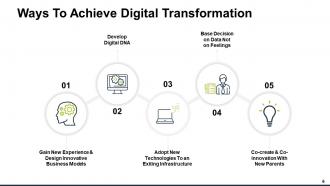
Diapositiva 6 : Esta diapositiva representa formas de lograr la transformación digital.
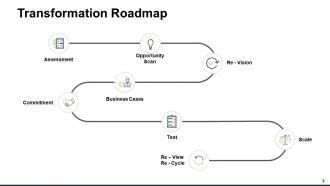
Diapositiva 7 : Esta diapositiva muestra la Hoja de ruta de transformación que describe: Análisis de oportunidades, Revisión, Casos comerciales, Compromiso, Prueba, Escala, Revisión, Reciclaje, Evaluación.
Diapositiva 8 : Esta diapositiva muestra la distribución de tareas en forma gráfica.
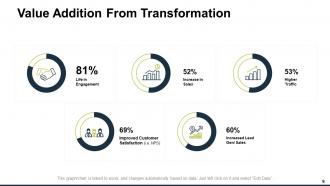
Diapositiva 9 : Esta diapositiva representa la adición de valor a partir de la transformación.
Diapositiva 10 : Esta diapositiva presenta el Presupuesto de transformación. Puede agregar o editar datos según los requisitos.
Diapositiva 11 : Esta diapositiva muestra los iconos de la estrategia de transformación digital.
Diapositiva 12 : esta diapositiva se titula Diapositivas adicionales para avanzar.
Diapositiva 13 : Esta es la diapositiva Acerca de nosotros para mostrar las especificaciones de la empresa, etc.
Diapositiva 14 : Esta es la diapositiva de Nuestro equipo con nombres y designaciones.
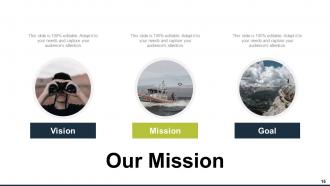
Diapositiva 15 : Esta es la diapositiva Nuestra misión con imágenes y texto relacionados.
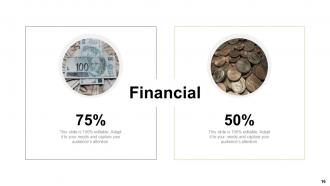
Diapositiva 16 : Esta es una diapositiva financiera. Muestre sus cosas relacionadas con las finanzas aquí.
Diapositiva 17 : Esta es una diapositiva financiera opcional.
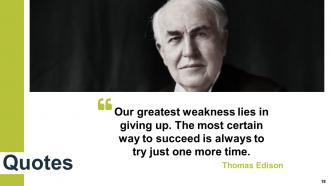
Diapositiva 18 : Esta es una diapositiva de Citas para transmitir mensajes, creencias, etc.
Diapositiva 19 : Esta es una diapositiva de la línea de tiempo para mostrar información relacionada con el período de tiempo.
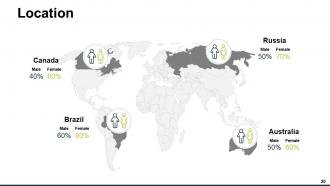
Diapositiva 20 : Esta es una diapositiva de Ubicación con mapas para mostrar datos relacionados con diferentes ubicaciones.
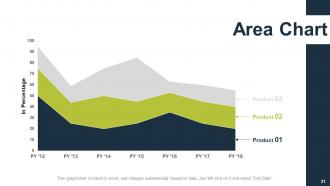
Diapositiva 21 : Esta diapositiva muestra el gráfico de áreas con una comparación de tres productos.
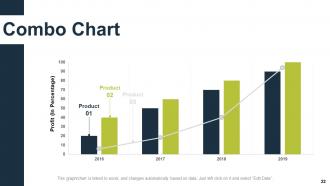
Diapositiva 22 : Esta diapositiva muestra un gráfico combinado con una comparación de tres productos.
Diapositiva 23 : Esta es una diapositiva de agradecimiento con dirección, números de contacto y dirección de correo electrónico.
Diapositivas de presentación de PowerPoint de la estrategia de transformación digital con las 23 diapositivas:
Elimine cualquier desorden con nuestras diapositivas de presentación en PowerPoint de la estrategia de transformación digital. Haga que sus cerebros vuelvan a funcionar con claridad.
-

Digital Transformation Strategy
-
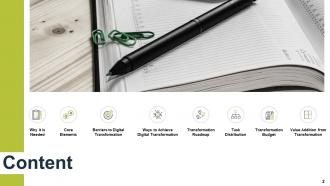
Content Slide
-
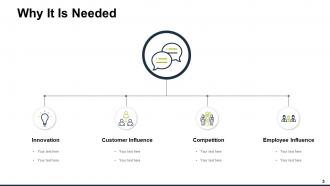
Why It Is Needed
-
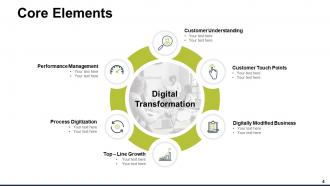
Core Elements
-
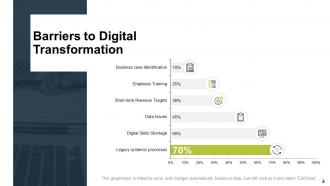
Barriers to Digital Transformation
-
Ways To Achieve Digital Transformation
-
Transformation Roadmap
-

Task Distribution
-
Value Addition From Transformation
-

Transformation Budget
-
Digital Transformation Strategy Icons Slide
-
Additional Slides
-

About Us
-

Our Team
-
Our Mission
-
Financial Comparison
-
Financial
-
Digital Transformation Strategy
-
Timeline
-
Location
-
Area Chart
-
Combo Chart
-

Digital Transformation Strategy
FAQs for Digital transformation strategy
Honestly, you need four main things to pull this off. First, know exactly where you're going - like have a real vision, not just "we want to be digital." C-suite backing is huge too because without executives actually caring, you're screwed. The technology piece? That's actually pretty straightforward these days. What kills most companies is the people side - your team will fight every change if they don't get why you're doing it. I've seen this happen so many times. Start by figuring out where you are now vs where you want to be. Then just work backwards from there to see what's missing.
Honestly, just grab any digital maturity assessment framework - they're all pretty similar anyway. Most will have you evaluate your tech infrastructure, data capabilities, team digital skills, and how well digital stuff is woven into your actual business processes. Don't get stuck choosing the "perfect" one because that's just procrastination in disguise. The real trick is being brutally honest about where you actually stand, not where you wish you were. I learned that the hard way! Once you've got that reality check, the biggest gaps become obvious and you can figure out what to fix first.
Honestly, you're dead in the water without solid leadership backing this thing. I've watched so many projects crash and burn because the executives were just paying lip service. Your leaders need to actually show up - not just throw money at it and disappear. They have to model the new way of doing things themselves, which is harder than it sounds. Plus someone's got to make the brutal calls about killing off those ancient systems everyone's weirdly attached to. Oh, and they can't just delegate this to IT and call it a day. Get real commitment upfront or don't even bother starting.
Honestly, start measuring stuff now even if you're already mid-transformation. Get your baseline numbers first - revenue, costs, how long things take. Track the obvious metrics like cost savings and productivity, but don't sleep on the softer stuff either. Customer satisfaction and employee happiness actually move the needle more than most people realize. Quarter by quarter, compare everything back to where you started. I know it sounds boring, but consistent tracking beats hunting for quick wins every time. Oh and productivity gains - those usually show up later than you'd expect, so be patient with it.
Cloud computing, AI tools, and data analytics are your big three - they're basically the foundation everything else builds on. API integrations matter way more than people think (trust me on this one). Moving stuff online means you can't ignore cybersecurity anymore. Customer experience platforms help too, along with decent collaboration tools. Honestly, I'd start by looking at what you've got now, then figure out the biggest holes. That's way better than just buying random tech and hoping it works together later.
Dude, this is SO important - I've watched companies blow millions because they ignored this part. Your team needs to actually know how to use the new stuff, otherwise they'll just get frustrated and find workarounds. But here's the thing - training isn't enough. People have to believe in WHY you're doing this whole transformation in the first place. Start with your office influencers, the ones everyone listens to. Get them excited first and they'll help convince the skeptics. Don't skip the hands-on practice either. Trust me, explaining the "why" upfront saves you tons of headaches later.
Honestly, the biggest mistake is trying to tackle everything at once - total disaster waiting to happen. Companies get obsessed with flashy new tech but skip understanding what they're actually doing now. Change management gets ignored too, which is nuts because people hate change. Like, they really hate it. You can't just throw new software at employees and expect magic. Oh, and rushing without knowing how you'll measure success? Recipe for wasting tons of money. Start with small pilot programs instead. Train people properly. Figure out your metrics first. I've seen so many organizations mess this up by going too big too fast.
Look, data governance is basically your safety net for digital transformation stuff. Without it? You're working with garbage data that'll tank whatever you're trying to build. I know it sounds boring as hell, but think of it like plumbing - unsexy but totally necessary. What it does is set up who owns which data, quality rules, and who gets access to what. That way your team can actually trust the numbers when making decisions. My advice? Start by figuring out where your data flows and who's responsible for it. You'll probably find gaps you didn't even realize were there.
Honestly, digital stuff can totally change how your customers feel about your business. Start by figuring out where people get most frustrated in their current experience - that's your goldmine right there. Data analytics help you personalize things (customers eat that up), and chatbots can handle basic questions 24/7. Most people actually prefer fixing stuff themselves through self-service portals anyway, which is great for you too. Automation makes everything faster and smoother across your website, app, whatever. Oh and set up ways to get real-time feedback - you'll catch problems before they blow up.
Honestly, don't fall into the "digital for digital's sake" trap like so many companies do - it's a waste of time and money. Pick your top 3-5 business goals first. Revenue growth? Cost cuts? Better customer experience? Whatever matters most to your business. Then figure out which tech actually helps you hit those targets. I've watched too many teams get excited about shiny new tools that don't move the needle at all. Track KPIs that actually connect your digital stuff to real business results, and check in regularly so you can pivot when things go off track.
Track the basics first - customer satisfaction, how fast people are adopting your new digital stuff, and whether processes actually run smoother. Revenue from digital channels is obvious but don't forget employee engagement. Your team's gotta be bought in or nothing works. Honestly? Most companies go overboard and track like 20 different things. Bad idea. Pick maybe 5-7 metrics that actually connect to what you're trying to achieve. Cost savings are great but if customers hate the experience, you're screwed anyway. Start small, get a baseline, then add more metrics once you know what's working.
Dude, don't make the same mistake I see everywhere - build security in from the start, not after. Do risk assessments before rolling out new tech. Encrypt everything, especially when data's moving around or stored in the cloud. Companies always rush cloud migrations and then panic later (been there!). Train your people too since they'll accidentally click on sketchy links. Multi-factor authentication is non-negotiable. Keep software updated. Honestly, the biggest thing? Get everyone thinking security-first so they actually care about protecting your stuff.
Look, AI and IoT are seriously game-changing for businesses right now. IoT gives you real-time data from everywhere - stuff you couldn't see before. Then AI takes all that info and automates decisions while finding patterns you'd miss completely. They work crazy well together too. Don't try to transform everything at once though, that's a recipe for disaster. Just pick one annoying process that's been bugging you and test these tools on it first. My friend's company did this with their inventory tracking and it was like night and day.
Honestly? Safety first - people need to know they won't get fired for trying something that flops. Get your teams talking to each other instead of staying in their little bubbles. Don't do that "innovate when you have free time" thing because nobody ever has free time, obviously. Leadership needs to actually back weird ideas, not just say they do. Regular hackathons help people test crazy stuff. Oh, and this is key - celebrate the smart failures. The ones that teach you something useful are worth their weight in gold for whatever you try next.
Honestly, collaboration tools are game-changers for digital transformation. They demolish department silos and actually get people working together. Slack, Teams, project management stuff - you know the drill. What's cool is the transparency they create. Everyone sees what's happening org-wide, which matters when you're changing how things work. Knowledge spreads way faster too, and teams that might push back on changes? They're more likely to get on board. Oh, and don't make my mistake - pick ONE tool first instead of overwhelming everyone with multiple platforms. That was a mess when we tried it.
No Reviews