


Dressing Etiquettes For Business Formal And Casual Attire Training Ppt




Try Before you Buy Download Free Sample Product
 Impress Your
 Audience
 100%
100% Editable
 Save Hours
 of Time


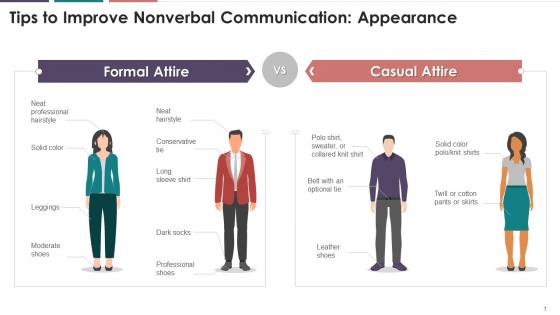
This slide provides information regarding office dressing tips for both formal and casual clothing.
People who downloaded this PowerPoint presentation also viewed the following :
Dressing Etiquettes For Business Formal And Casual Attire Training Ppt with all 17 slides:
Use our Dressing Etiquettes For Business Formal And Casual Attire Training Ppt to effectively help you save your valuable time. They are readymade to fit into any presentation structure.
-
Dressing Etiquettes For Business Formal And Casual Attire Training Ppt
-
Dressing Etiquettes For Business Formal And Casual Attire Training Ppt
-

Dressing Etiquettes For Business Formal And Casual Attire Training Ppt
-

Dressing Etiquettes For Business Formal And Casual Attire Training Ppt
-
Dressing Etiquettes For Business Formal And Casual Attire Training Ppt
-

Dressing Etiquettes For Business Formal And Casual Attire Training Ppt
-

Dressing Etiquettes For Business Formal And Casual Attire Training Ppt
-

Dressing Etiquettes For Business Formal And Casual Attire Training Ppt
-
Dressing Etiquettes For Business Formal And Casual Attire Training Ppt
-

Dressing Etiquettes For Business Formal And Casual Attire Training Ppt
-

Dressing Etiquettes For Business Formal And Casual Attire Training Ppt
-
Dressing Etiquettes For Business Formal And Casual Attire Training Ppt
-

Dressing Etiquettes For Business Formal And Casual Attire Training Ppt
-

Dressing Etiquettes For Business Formal And Casual Attire Training Ppt
-

Dressing Etiquettes For Business Formal And Casual Attire Training Ppt
-

Dressing Etiquettes For Business Formal And Casual Attire Training Ppt
-

Dressing Etiquettes For Business Formal And Casual Attire Training Ppt
FAQs for Dressing Etiquettes For Business Formal And Casual
Okay so first things first - check that invitation again for any dress code clues. Black tie = tuxedo or formal gown territory. Cocktail means suit or nice cocktail dress. Honestly, when in doubt just go slightly more formal than less, you won't regret it. Make sure whatever you pick actually fits properly - nothing screams "help me" like a baggy suit or tight dress. Don't forget about the little stuff either! Your shoes, accessories, and grooming matter way more than you'd think. Oh and colors should match the vibe and time of day. Trust me on the fit thing though - it's everything.
Dress codes can seriously make or break business relationships depending where you are. Some places are super conservative - you'll need covered shoulders and long pants even when it's blazing hot outside. Others are all about showing off expensive accessories as status symbols, while some prefer keeping things low-key. I totally bombed a client meeting in Dubai once because of this! My advice? Do some quick research on local business culture first, or just ask someone who works there. Honestly, going conservative is usually your safest move until you see what everyone else is wearing.
Look, people judge you based on how you dress - it sucks but it's true. Your clothes are basically sending signals about your values and how serious you are about work. I learned this the hard way tbh. Dress for where you want to be, not where you currently are. Check out the leaders in your industry and notice what their style says about them. You don't have to break the bank or anything, but showing up with intention makes people remember you for the right reasons. First impressions are annoyingly important in professional settings.
Definitely check what industry you're going into first. Tech places are usually chill with business casual, but finance and law? Full suit territory for sure. I always tell people to overdress a little if you're unsure - better safe than sorry, right? Creative jobs give you way more room to play around, though I'd still play it safe for the actual interview. You can always tone it down once you get the job. Oh, and stalk their website and LinkedIn photos to see what everyone's wearing. Just make sure whatever you pick feels like YOU while fitting their vibe. Also, lay everything out the night before - trust me on this one, you don't want to be stressing about clothes when you're already freaking out about the interview.
Honestly, most people either way overdress or totally underdress - like wearing a full suit on casual Friday or flip-flops to meet clients. Fit matters SO much more than whatever brand you're wearing too. I see people ignoring basic dress codes all the time (business casual isn't code for pajamas, people). Wrinkled shirts are an instant no. Oh, and definitely scope out what others wear first - then just dress slightly nicer than the bare minimum. Different industries have totally different vibes, so you've gotta read the room.
Look for little ways to sneak in personality while staying within the rules. Quality pieces that fit you well are your foundation, then have fun with accessories – shoes, watches, jewelry, scarves. Most places don't really police those details anyway! Bold glasses or a signature color palette work great too. Even fun socks if you're stuck wearing suits all the time (honestly, sometimes that's the only way to stay sane). Pick one thing you can consistently do that feels like *you* – maybe it's always wearing interesting earrings or carrying a distinctive bag. You'll look professional but won't feel like you're wearing a costume.
Dude, always dress slightly better than whatever you think other people will wear - shows respect and you'll stick out for good reasons. Business casual works when you're not sure. I totally bombed this once at a "casual" tech thing and felt like an idiot the whole time lol. Clean shoes matter way more than you'd think since you're talking to people up close. Also comfort is key because you'll be on your feet forever. Oh and make sure you've got pockets or bring a small bag for business cards - both yours and the pile you'll collect.
Honestly, I used to think color psychology was total BS until I started paying attention to how people reacted to me differently. Navy and dark gray make you look more authoritative - great for business stuff. But for networking? Go warmer with burgundy or forest green so you seem more approachable. Classic colors are your safest bet for formal events, though you can always add some personality with accessories. The weird thing is, once you start noticing how certain colors make YOU feel when wearing them, that becomes your best guide. Trust me on this one.
Honestly, just dress like you're going to the actual office - at least from the waist up. Solid colors are your friend here since busy patterns look super weird on camera. Trust me on this one. I'd skip the jewelry too because it can catch the light in annoying ways. Make sure whatever you're wearing contrasts with your background so you don't disappear into it. Oh, and throw on real pants even if nobody can see them - you never know when you'll need to grab something or stand up. Learned that lesson the hard way once!
Honestly, body language is like your secret weapon for nailing outfits. You can literally watch people's reactions and figure out if you're hitting the right vibe or totally missing the mark. Like, are they making eye contact or looking away? Do they seem relaxed around you? That tells you everything. Fashion's basically just silent communication anyway - and I'm obsessed with getting instant feedback on whether my look actually works. Sometimes I'll catch myself overthinking it though lol. But yeah, decide what message you want your clothes to send, then pay attention to how people receive it. Game changer.
Definitely go for comfort over style - athletic wear and good sneakers are perfect. I made the mistake of wearing khakis to a ropes course once and regretted it immediately! Check if you'll be outside or getting messy first. Layers work great since these things usually move around different spaces. Just avoid anything too revealing or with weird graphics since it's still work-related. Oh, and if you're unsure what to expect, just ask whoever's organizing it. They'll know exactly what you're getting into.
Oh totally! You'll want to swap out heavy stuff for breathable fabrics in summer - ditch the wool blazers for cotton or linen. Just don't go too revealing, obviously. Winter's weird because offices blast the heat, so layering becomes this whole strategic thing. Spring and fall are honestly the easiest seasons for work clothes - cardigans and light jackets are your best friend. I'd peek at what the senior people wear first though. Some offices get super relaxed about dress codes when it's 90 degrees out, others... not so much. When in doubt, err on the side of looking slightly overdressed rather than underdressed.
Okay so here's what I've figured out - dress one step fancier than whoever you're presenting to. Business casual audience? Go business formal. Navy, charcoal, or black are your safest bets since they won't compete with what you're saying. I once wore this crazy patterned shirt and looked like a disco ball on camera, not my finest moment lol. Your clothes need to actually fit though. Try everything on beforehand - sit, stretch your arms up, walk around. You don't want to be yanking at your sleeves while trying to make your big point. Comfort equals confidence, trust me on this one.
Ugh, accessories are seriously everything though! Like that time I wore these huge statement earrings to a client meeting - totally bombed. You've gotta read the room basically. Flashy watches and chunky jewelry? Perfect for weekend stuff. But in conservative offices? Nah, you'll stick out for all the wrong reasons. I always try to match how fancy my accessories are to whatever I'm doing. Business meetings get the simple studs and classic watch. Girls' night out is when I break out the fun pieces. Oh, and definitely invest in some versatile basics that work everywhere.
Honestly, fabric makes such a bigger difference than people think! Natural stuff like wool and cotton just looks way more expensive - plus it breathes better during long days. Polyester can get that weird shiny look that screams "cheap." The way good fabric drapes and moves with you is everything. I learned this the hard way after wearing a scratchy synthetic suit to an interview once (never again lol). Quality wool or a nice cotton shirt costs more upfront, but you'll actually feel more confident wearing it. The fit stays better too instead of getting all wrinkled and sad-looking.
-
A big thanks to SlideTeam! An incredible and diverse library of templates helped me with my business project presentation.
-
Excellent work done on template design and graphics.