

Apresentação em PowerPoint de Diligência Devida




Try Before you Buy Download Free Sample Product
 Impress Your
Audience
 100%
Editable
 Save Hours
of Time


Nossas Slides de Apresentação de Diligência Devida Powerpoint permitem a realização de sonhos. Você os encontrará como contribuintes capacitadores.
People who downloaded this PowerPoint presentation also viewed the following :
Conteúdo desta apresentação em PowerPoint
Slide 1: Este slide apresenta a Due Diligence. Declare o nome da sua empresa e comece.
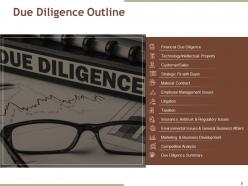
Slide 2: Este slide mostra o Esboço da Due Diligence com estas seções - Due Diligence Financeira, Tecnologia/Propriedade Intelectual, Cliente/Vendas, Adequação Estratégica com o Comprador, Contrato Material, Questões de Gestão de Funcionários, Litígios, Tributação, Seguros, Questões Antitruste e Regulamentares, Questões Ambientais e Assuntos Comerciais Gerais, Marketing e Desenvolvimento de Negócios, Análise Competitiva, Resumo da Due Diligence.
Slide 3: Este slide apresenta a Due Diligence Financeira. Adicione seus detalhes e faça uso dele.
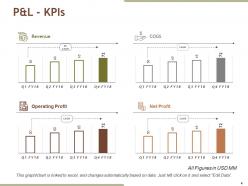
Slide 4: Este slide mostra P&L - KPIs com quatro dos recursos que apresentamos.
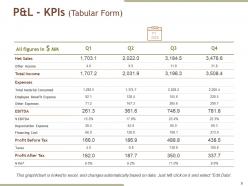
Slide 5: Este slide apresenta P&L - KPIs (Forma Tabular). Você pode adicionar os números neste e fazer uso dele.
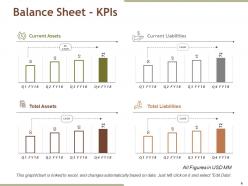
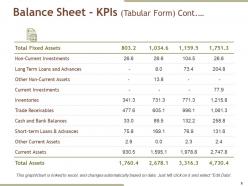
Slide 6: Este slide mostra Balanço Patrimonial - KPIs. Adicione os números e faça uso dele.
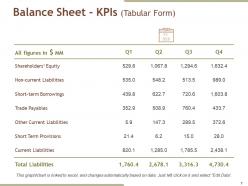
Slide 7: Este slide apresenta Balanço Patrimonial - KPIs (Forma Tabular). Você pode usar conforme sua necessidade.
Slide 8: Este slide mostra Balanço Patrimonial - KPIs (Forma Tabular) Cont. Você pode adicionar os dados ou informações e fazer uso.
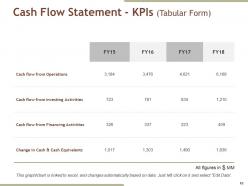
Slide 9: Este slide apresenta Demonstração de Fluxo de Caixa - KPIs com estes quatro gráficos que está mostrando.
Slide 10: Este slide mostra Demonstração de Fluxo de Caixa - KPIs (Forma Tabular). Você pode adicionar as informações e usá-las de acordo.
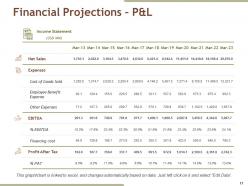
Slide 11: Este slide mostra Projeções Financeiras – Demonstração de Resultados, que mostra ainda a demonstração de resultados e outros parâmetros.
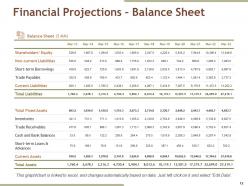
Slide 12: Este slide apresenta Projeções Financeiras – Balanço Patrimonial. Você pode adicionar os dados e fazer o melhor uso dele.
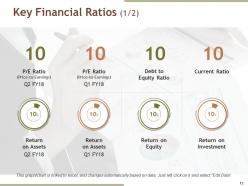
Slide 13: Este slide mostra Principais Índices Financeiros (1/2) com estes principais pontos que está mostrando.
Slide 14: Este slide apresenta Principais Índices Financeiros (2/2) com estes quatro pontos - Liquidez, Rentabilidade, Atividade, Solvência.
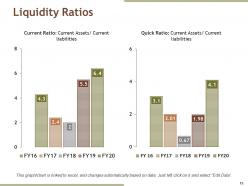
Slide 15: Este slide mostra Índices de Liquidez com estes dois parâmetros - Índice de Liquidez Corrente: Ativo Circulante / Passivo Circulante, Índice de Liquidez Seca: Ativo Circulante / Passivo Circulante.
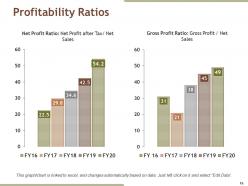
Slide 16: Este slide apresenta Índices de Rentabilidade, que mostra ainda - Margem Líquida: Lucro Líquido após Impostos / Receita Líquida, Margem Bruta: Lucro Bruto / Receita Líquida.
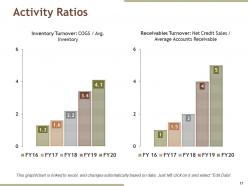
Slide 17: Este slide mostra Índices de Atividade com estes dois parâmetros - Giro de Estoque: CPV / Estoque Médio, Giro de Contas a Receber: Vendas a Prazo Líquidas / Contas a Receber Médio.
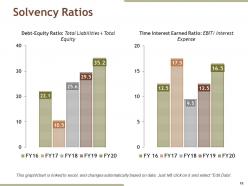
Slide 18: Este slide apresenta Índices de Solvência com estas duas amostras, como - Índice de Endividamento: Passivo Total ÷ Patrimônio Líquido Total, Cobertura de Juros: LAJI / Despesa de Juros.
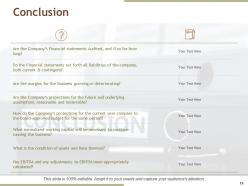
Slide 19: Este slide mostra Conclusão, com a qual você pode usá-la para as declarações.
Slide 20: Este slide mostra Tecnologia/Propriedade Intelectual. Você pode adicionar seus dados e fazer uso dele.
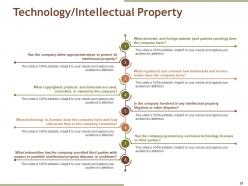
Slide 21: Este slide apresenta Tecnologia/Propriedade Intelectual com estes oito parâmetros.
Slide 22: Este slide mostra Clientes/Vendas, com o qual você pode adicionar e usar de acordo.
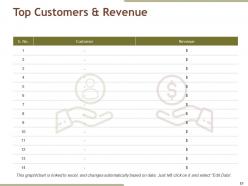
Slide 23: Este slide apresenta Principais Clientes e Receita.
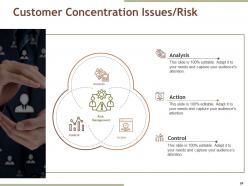
Slide 24: Este slide mostra Questões/Riscos de Concentração de Clientes com estes três fatores - Análise, Ação, Controle.
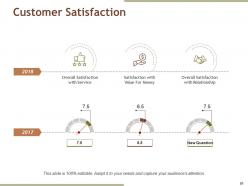
Slide 25: Este slide mostra Satisfação do Cliente, que está mostrando a jornada do cliente em um ano.
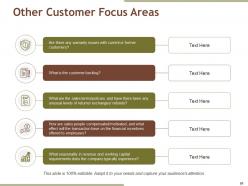
Slide 26: Este slide apresenta Outras Áreas de Foco do Cliente. Você pode adicionar a área e fazer uso dela.
Slide 27: Este slide mostra Adequação Estratégica com o Comprador com um fundo de imagem.
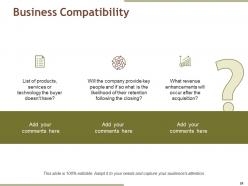
Slide 28: Este slide mostra Compatibilidade de Negócios com os fatores listados que mencionamos.
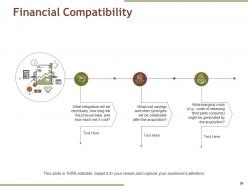
Slide 29: Este slide mostra Compatibilidade Financeira com estas características.
Slide 30: Este slide apresenta Contrato Material com um fundo de imagem.
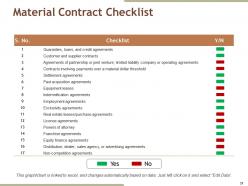
Slide 31: Este slide exibe a Lista de Verificação de Contrato Material com alguns dos fatores que precisamos adicionar.
Slide 32: Este slide mostra Questões de Gestão de Funcionários com um fundo de imagem.
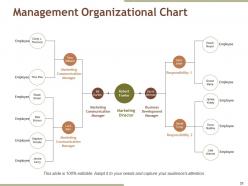
Slide 33: Este slide apresenta o Organograma Gerencial. Adicione os dados neste e faça uso dele.
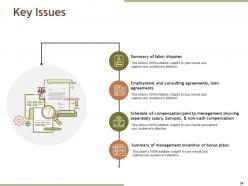
Slide 34: Este slide mostra Principais Questões com alguns dos quatro parâmetros.
Slide 35: Este slide apresenta Litígios, que apresenta ainda um fundo de imagem.
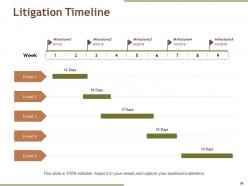
Slide 36: Este slide mostra a Linha do Tempo de Litígios com marcos e eventos.
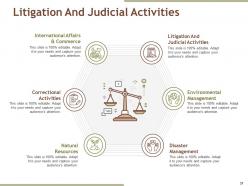
Slide 37: Este slide mostra Atividades Judiciais e Litígios com estas seis etapas - Assuntos Internacionais e Comércio, Atividades Correcionais, Recursos Naturais, Atividades Judiciais e Litígios, Gestão Ambiental, Gestão de Desastres.
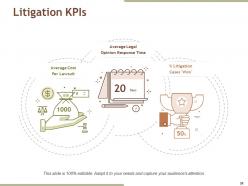
Slide 38: Este slide mostra KPIs de Litígios. Adicione os recursos e faça o melhor uso dele.
Slide 39: Este slide apresenta Tributação.
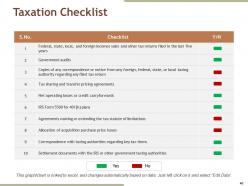
Slide 40: Este slide mostra a Lista de Verificação de Tributação com alguns dos fatores que listamos.
Slide 41: Este slide apresenta Seguros, Questões Antitruste e Regulamentares.
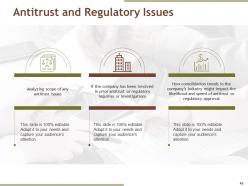
Slide 42: Este slide mostra Questões Antitruste e Regulamentares com três dos que mencionamos.
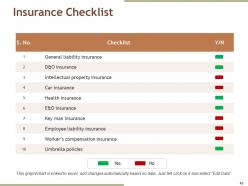
Slide 43: Este slide mostra a Lista de Verificação de Seguros com alguns dos pontos que tomamos.
Slide 44: Este slide apresenta Questões Ambientais e Assuntos Comerciais Gerais.
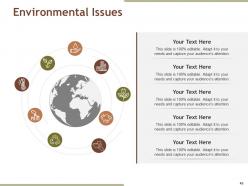
Slide 45: Este slide mostra Questões Ambientais. Adicione aquelas que você quiser.
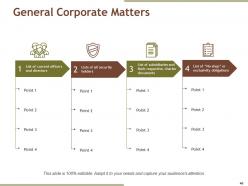
Slide 46: Este slide apresenta Assuntos Corporativos Gerais com estes quatro que listamos - Lista de diretores e executivos atuais, Lista de subsidiárias e seus respectivos documentos constitutivos, Lista de obrigações de "não negociação" ou exclusividade, Listas de todos os detentores de valores mobiliários.
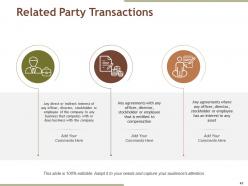
Slide 47: Este slide mostra Transações com Partes Relacionadas com os três parâmetros que propusemos.
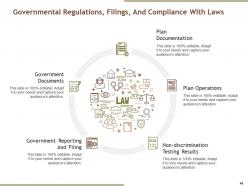
Slide 48: Este slide apresenta Regulamentos Governamentais, Registros e Conformidade com as Leis.
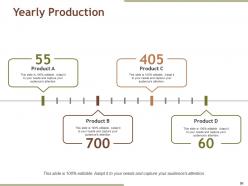
Slide 50: Este slide mostra a Produção Anual com comparação de quatro produtos.
Slide 51: Este slide apresenta Marketing e Desenvolvimento de Negócios.
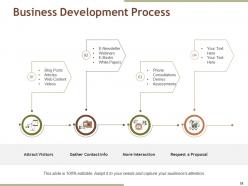
Slide 52: Este slide mostra o Processo de Desenvolvimento de Negócios com estas quatro etapas.
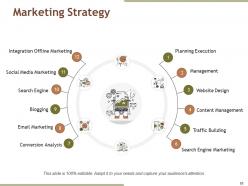
Slide 53: Este slide mostra a Estratégia de Marketing, que mostra ainda alguns dos pontos importantes.
Slide 54: Este slide apresenta Análise Competitiva com um fundo de imagem.
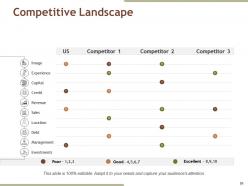
Slide 55: Este slide mostra o Panorama Competitivo.
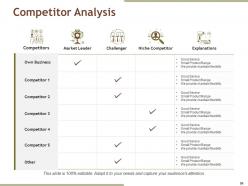
Slide 56: Este slide apresenta Análise de Concorrentes. Você pode adicionar os dados na tabela e fazer uso dela.
Slide 57: Este slide mostra Resumo com um fundo de imagem.
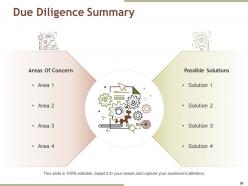
Slide 58: Este slide apresenta o Resumo da Due Diligence.
Slide 59: Este slide é uma imagem de Pausa para Café.
Slide 60: Este slide encaminha para Gráficos e Gráficos.
Slide 61: Este slide mostra um gráfico de barras empilhadas em termos de porcentagem e anos para comparação do Produto 01, Produto 02, Produto 03 etc.
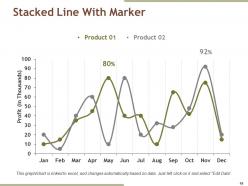
Slide 62: Este slide mostra um gráfico de linhas empilhadas em termos de porcentagem e anos para comparação de Produtos.
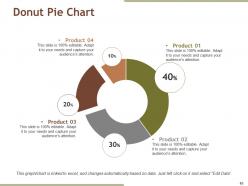
Slide 63: Este slide apresenta um Gráfico de Rosca. Você pode comparar a porcentagem através deste.
Slide 64: Este slide é intitulado Slides Adicionais.
Slide 65: Este slide representa Nossa Missão. Declare sua missão, metas etc.
Slide 66: Este slide mostra Nossa Equipe com Nome e Cargo para preencher.
Slide 67: Este slide ajuda a mostrar - Sobre Nossa Empresa. Os subtítulos incluem - Design Criativo, Atendimento ao Cliente, Expansão da Empresa.
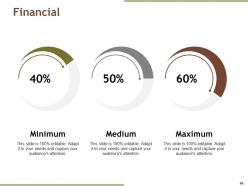
Slide 68: Este slide é intitulado Finanças. Mostre coisas relacionadas a finanças aqui.
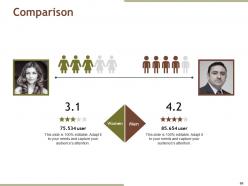
Slide 69: Este slide mostra a Comparação do número de usuários e Tempo.
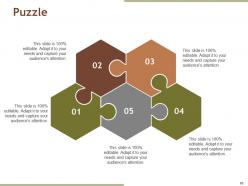
Slide 70: Este slide mostra um Quebra-cabeça com imagem.
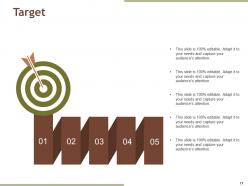
Slide 71: Este slide mostra uma imagem de Alvo com caixas de texto.
Slide 72: Este slide mostra um Mapa Mental para representar entidades.
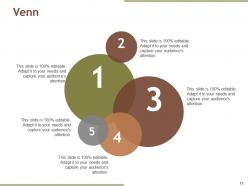
Slide 73: Este é um slide de Diagrama de Venn para mostrar informações etc.
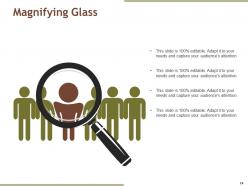
Slide 74: Este slide exibe uma Lupa com imagem de ícone.
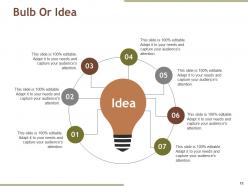
Slide 75: Este é um slide de Lâmpada ou Ideia para declarar uma nova ideia ou destacar especificações/informações etc.
Slide 76: Este é um slide de Obrigado com imagem.
Apresentação de slides em PowerPoint de Due Diligence com todas as 76 slides:
Tome a deixa da nossa Apresentação de Slides de Diligência Devida. Eles ajudarão seus pensamentos a emanar.




















FAQs for Due Diligence
Start with financials - audited statements, tax returns, cash flows. Legal stuff comes next: contracts, any lawsuits, IP rights. Operations matter too - who are the key people, how concentrated are customers, supply chain issues. Market analysis is honestly where I see people mess up the most. Check out competitors, growth trends, all that. Regulatory compliance depends on what industry you're dealing with. A tech startup's gonna need totally different scrutiny than some manufacturing business. Grab a standard template but don't be afraid to customize it based on deal size and sector.
Look, it really comes down to what you're trying to accomplish and what could blow up the deal. Buying a whole company? You'll want financial, legal, and operational reviews at bare minimum. Just partnering or investing? Focus on what actually matters - like IP stuff for tech deals or environmental issues if there's manufacturing involved. Most deals honestly work better when you check multiple areas since problems tend to be connected anyway. I'd start by listing your biggest worries and potential dealbreakers, then build your scope around those. Better to look at too much upfront than miss something important.
Dude, financial analysis is where you figure out if you're buying something solid or total garbage. Look at their cash flow, debt, and how they've been doing revenue-wise over time. Compare their numbers to what other companies in that space are pulling - gives you way better perspective. This step kills more deals than anything else, but also where you find the gems. Don't just trust what management says either, the numbers don't lie. You want to see the actual business health, not just this quarter's pretty picture.
Start with the boring stuff - financial audits and legal reviews to spot any sketchy business in their books. Supply chain issues and key person risks matter too, honestly more than people think. Check their reputation online because one bad viral moment can kill everything. Talk to their employees and customers if you can swing it - that's where you'll get the real dirt. Market analysis helps you see what threats they're actually facing. Oh, and build a risk matrix to rank everything you find, then work those concerns into your valuation.
Start with the big stuff - corporate formation docs, shareholder agreements, major customer/supplier contracts. IP is critical, especially patents and trademarks. Employment agreements matter too. Honestly, litigation files can bite you if you miss them - I've seen deals go sideways over that. Regulatory licenses and permits are industry-specific but super important. Make a document request list upfront. For smaller deals, you don't need to dig into every tiny vendor contract. Focus your energy on what could actually kill the deal.
Dude, you'll save so much time if you automate the boring stuff first - document collection, data checks, basic risk scoring. AI can rip through thousands of docs in minutes instead of your team spending days on it. Virtual data rooms work great for sharing files securely too. Pick something that plays nice with whatever systems you're already using though, because nobody wants to remember 15 different passwords. Oh and those workflow tools with built-in checklists? Total game changer for keeping everyone on schedule. I'd start with just document management and build from there.
Dude, don't rush the timeline even when everyone's breathing down your neck. Management will give you this polished presentation, but you gotta dig into the actual numbers yourself. Talk to customers and suppliers too - not just the executives doing their whole song and dance. Here's the thing that bites people: confirmation bias. You'll only hunt for stuff that backs up what you already think about the deal. Regulatory issues are brutal if you miss them. Honestly, just make a solid checklist from day one and actually follow it. I know it sounds boring but it saves your ass later.
Think of due diligence as collecting your best cards for negotiation. Find financial problems or legal mess? Perfect - now you can push for a lower price or make the seller keep those risks. Environmental issues work great too. I've seen deals where buyers found sketchy accounting and knocked 15% off the valuation. Don't go crazy though and nitpick every tiny thing or you'll just piss people off. Pick your battles with the stuff that actually matters. Use the big findings to restructure terms in your favor, or honestly just bail if it's too messy.
Honestly, cultural fit is what kills most mergers even when the money makes sense. Two companies can look perfect on spreadsheets, but if their teams work totally differently? You're screwed. Different communication styles, how they make decisions, even basic daily routines - it all matters way more than people think. I've watched deals that seemed bulletproof completely implode because nobody checked if the actual workers would mesh. Employee turnover goes crazy during these transitions. Don't just meet with executives either. Spend real time with their regular staff - that's where you'll see how they really operate day-to-day.
Okay so first thing - figure out what regulations actually apply to their industry. Then dig into their licenses and permits yourself, don't just trust what they tell you. I mean, actually look at the compliance docs, audit reports, all that boring stuff. Trust me, I've watched deals completely blow up because people got lazy here. Also check if there's any new regulations coming down the pipeline that'll hit them later. Oh and one more thing - be systematic about this whole process instead of just crossing your fingers and hoping nothing's wrong.
Commercial DD is all about market validation - does anyone actually want this thing you're buying? You're checking customer demand, competition, pricing strength, growth runway. Operational DD asks if the company can deliver without falling apart. Management quality, processes, tech systems, org structure - the nuts and bolts stuff. Honestly, I think of it as "can we win the market?" versus "can we actually run this place?" Both matter obviously, but you'll focus more on one depending if you're chasing growth or steady cash flow.
Honestly, you gotta do some detective work here. Background checks and litigation searches are your starting point - dig up any sketchy stuff. Reference calls with former colleagues or investors are where you'll get the real tea, especially off the record. LinkedIn's actually pretty clutch for mapping out their network and seeing how their career actually played out. Check industry publications too, go back a few years. Coffee chats with people who've worked with them before are perfect - way more casual than formal references. The whole thing is about getting info from multiple angles instead of just believing whatever they tell you directly.
Honestly, start with the free stuff first - SEC filings, state records, court databases. Takes forever but saves cash. PitchBook and Crunchbase are solid for financial digging, though Bloomberg's gonna murder your wallet (seriously overpriced imo). For operational research, try survey tools or simple Google searches - people overshare like crazy online. Virtual data rooms like Box work too. Industry reports from IBISWorld help fill gaps. My advice? Map out what you actually need first, then see which paid tools are worth it based on what the free sources missed.
Dude, international DD is domestic due diligence but way messier. Multiple regulations, different accounting rules, currency headaches - the works. You'll definitely need local lawyers in each country, which gets pricey quick. Cultural stuff trips people up more than you'd think too. Tax gets insane with all the transfer pricing nonsense and treaties. Way more paperwork than domestic deals, obviously. Honestly? I'd start the whole process like 30% earlier than normal and just accept you're gonna pay through the nose for legal fees. Better to know upfront than get blindsided later.
Look, good due diligence literally saves your ass later. You'll catch cultural clashes, crappy tech, and hidden problems before they blow up your timeline. DD shows you which systems need merging first and which people you can't afford to lose. Without it? You're basically flying blind into a mess. I've seen deals go sideways because nobody bothered checking if the two companies' software could even talk to each other - embarrassing but true. Just make sure your DD people actually communicate with whoever's running integration. Otherwise stuff falls through the cracks and you're scrambling.
-
Colors used are bright and distinctive.
-
Great experience, I would definitely use your services further.