

Due Diligence In Merger And Acquisition Powerpoint Presentation Slides





Try Before you Buy Download Free Sample Product
 Impress Your
 Audience
 100%
100% Editable
 Save Hours
 of Time


Due diligence refers to an investigating process used by a buying company to understand better the pertinent information about the sellers financials, contracts, and customers. Here is an efficiently designed Due Diligence in Merger and Acquisition template that will be helpful to the company to introduce its existing product in the new market by merging with or acquiring a company. At first, the company can use a performance glimpse of the firm section to highlight its valuable information such as key financials, financial ratios, etc. The M and A lifecycle overview section will help the company illustrate the activities related to its pre deal, pre announcement, and post announcement stages. After choosing the target company, the companys due diligence analysis section will help the company show the companys overview, team structure, etc. The due diligence process section covers financial, IT, intellectual property, legal, commercial, human resource, EHS, and tax diligence information of the target company. The service delivery operating model framework will illustrate the companys functioning post merger and integration. The company can implement its integration plan with the post merger integration plan section. Finally, the company can show the possible challenges during the M and A process and the proper measures to overcome them. Download it now.
People who downloaded this PowerPoint presentation also viewed the following :
Content of this Powerpoint Presentation
Slide 1: This slide introduces Due Diligence in Merger and Acquisition. State Your Company Name and begin.
Slide 2: This slide states Agenda of the presentation.
Slide 3: This slide presents Table of Content for the presentation.
Slide 4: This slide shows title for topics that are to be covered next in the template.
Slide 5: This slide provides the financial highlights covering gross profit margin, OPEX ratio, etc.
Slide 6: This slide displays financial ratios of the firm covering price to earnings ratio, debt to equity ratio, etc.
Slide 7: This slide presents domestic and global market share of the firm.
Slide 8: This slide showcases company presence at the global level.
Slide 9: This slide demonstrates monthly milestones achieved by the company in 2022 financial year.
Slide 10: This slide highlights title for topics that are to be covered next in the template.
Slide 11: This slide presents importance of merging with or acquiring any other business.
Slide 12: This slide represents overview of merger and acquisition lifecycle process.
Slide 13: This slide displays overview of merger and acquisition lifecycle process.
Slide 14: This slide highlights title for topics that are to be covered next in the template.
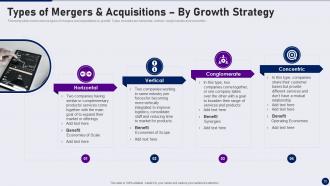
Slide 15: This slide represents various types of mergers and acquisitions by growth.
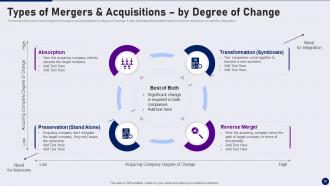
Slide 16: This slide showcases various types of mergers and acquisitions by degree of change.
Slide 17: This slide highlights title for topics that are to be covered next in the template.
Slide 18: This slide shows different points for setting M&A criteria.
Slide 19: This slide displays table covering screened potential targets.
Slide 20: This slide shows title for topics that are to be covered next in the template.
Slide 21: This slide covers the background of target company including company’s vision, mission and its history.
Slide 22: Following slide illustrates business goals of the target firm.
Slide 23: Mentions slide shows various products and services offered by the target company.
Slide 24: This slide shows information about major key clients catered by the target company.
Slide 25: This slide shows title for topics that are to be covered next in the template.
Slide 26: Mentioned slide shows the acquiring company team structure for conducting due diligence of the company.
Slide 27: This table illustrates functional responsibility of each team.
Slide 28: This slide shows title for topics that are to be covered next in the template.
Slide 29: Following slide shows due diligence objectives, general activities and outputs in three stages.
Slide 30: This slide shows title for topics that are to be covered next in the template.
Slide 31: This slide illustrates year over year income statement of the target company.
Slide 32: Following slide covers balance of the target company in financial year 2022.
Slide 33: Following slide covers year over year cash flow statement of the target company.
Slide 34: Following table illustrates various financial ratios of the target company.
Slide 35: This slide shows title for topics that are to be covered next in the template.
Slide 36: Following slide illustrates the five-year financial projection of the target company.
Slide 37: This slide shows the net working capital of the target company.
Slide 38: This slide shows year over year net debt of the target company.
Slide 39: Following slide covers finance due diligence checklist covering due diligence criteria, status and findings.
Slide 40: This slide shows title for topics that are to be covered next in the template.
Slide 41: Following slide illustrates IT landscape evaluation of target company.
Slide 42: This slide shows the information technology due diligence approach.
Slide 43: Mentioned slide covers information technology due diligence checklist.
Slide 44: This slide shows title for topics that are to be covered next in the template.
Slide 45: This slide covers the summary of registered intellectual property of target company.
Slide 46: Following slide provides legal due diligence checklist.
Slide 47: This slide covers commercial due diligence checklist including due diligence checklist, its description, status and findings.
Slide 48: This slide shows title for topics that are to be covered next in the template.
Slide 49: Following table covers human resource due diligence checklist.
Slide 50: This slide illustrates EHS due diligence checklist including checklist type, information to be provided and status.
Slide 51: This slide presents tax related information to be provided and its status.
Slide 52: This slide shows title for topics that are to be covered next in the template.
Slide 53: Following slide shows details about determining the purchase price of the firm to be acquired.
Slide 54: This slide shows details about operating model framework of the firm.
Slide 55: This slide shows title for topics that are to be covered next in the template.
Slide 56: This slide provides post merger integration plan of the acquiring firm.
Slide 57: This is another slide continuing post merger integration plan of the acquiring firm.
Slide 58: This slide explains various possible challenges that can occur during M&A.
Slide 59: This slide showcases Icons for Due Diligence in Merger and Acquisition.
Slide 60: This slide is titled as Additional Slides for moving forward.
Slide 61: This slide provides 30 60 90 Days Plan with text boxes.
Slide 62: This is Our Target slide. State your targets here.
Slide 63: This slide depicts Venn diagram with text boxes.
Slide 64: This is a Timeline slide. Show data related to time intervals here.
Slide 65: This slide presents Roadmap with additional textboxes.
Slide 66: This slide contains Puzzle with related icons and text.
Slide 67: This is a Financial slide. Show your finance related stuff here.
Slide 68: This is an Idea Generation slide to state a new idea or highlight information, specifications etc.
Slide 69: This is a Thank You slide with address, contact numbers and email address.
Due Diligence In Merger And Acquisition Powerpoint Presentation Slides with all 74 slides:
Use our Due Diligence In Merger And Acquisition Powerpoint Presentation Slides to effectively help you save your valuable time. They are readymade to fit into any presentation structure.
-

Due Diligence in Merger and Acquisition
-
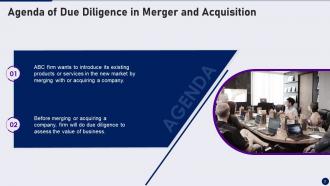
Agenda of Due Diligence in Merger and Acquisition
-
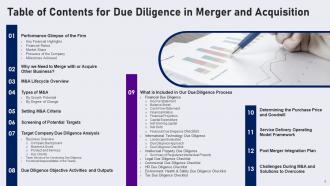
Table of Contents for Due Diligence in Merger and Acquisition
-
Table of Contents for Due Diligence in Merger and Acquisition
-
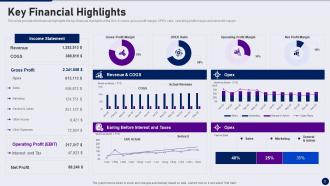
Key Financial Highlights
-
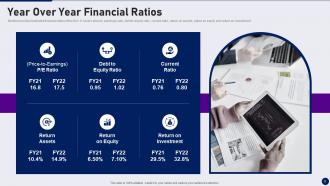
Year Over Year Financial Ratios
-
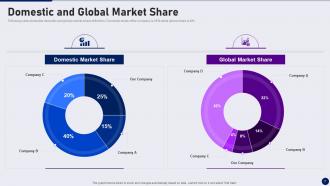
Domestic and Global Market Share
-
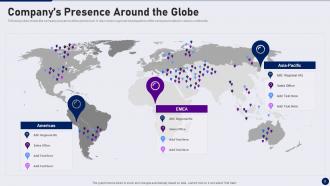
Company s Presence Around the Globe
-
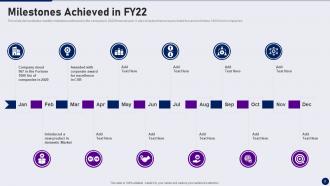
Milestones Achieved in FY22
-
Table of Contents for Due Diligence in Merger and Acquisition
-
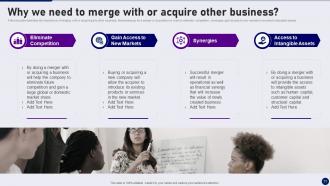
Why we need to merge with or acquire other business
-
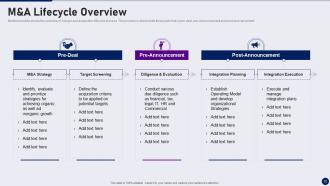
M A Lifecycle Overview
-
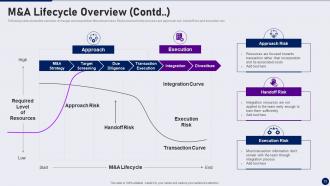
M A Lifecycle Overview Contd
-
Table of Contents for Due Diligence in Merger and Acquisition
-
Types of Mergers Acquisitions By Growth Strategy
-
Types of Mergers Acquisitions by Degree of Change
-
Table of Contents for Due Diligence in Merger and Acquisition
-
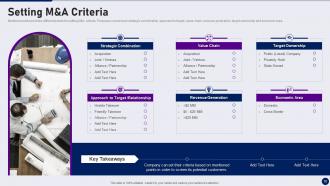
Setting M A Criteria
-
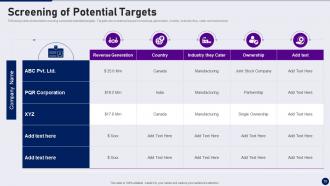
Screening of Potential Targets
-
Table of Contents for Due Diligence in Merger and Acquisition
-
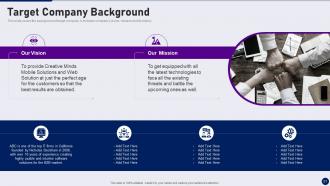
Target Company Background
-
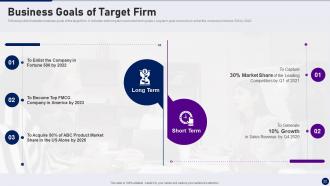
Business Goals of Target Firm
-
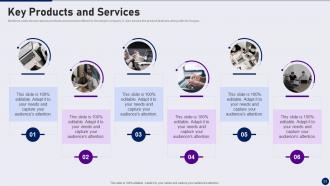
Key Products and Services
-
Major Key Clients Catered by the Company
-
Table of Contents for Due Diligence in Merger and Acquisition
-
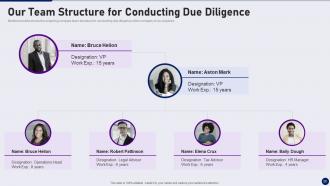
Our Team Structure for Conducting Due Diligence
-
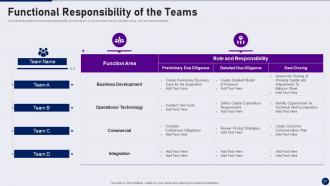
Functional Responsibility of the Teams
-
Table of Contents for Due Diligence in Merger and Acquisition
-
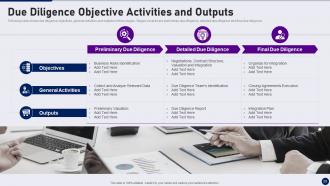
Due Diligence Objective Activities and Outputs
-
Table of Contents for Due Diligence in Merger and Acquisition
-
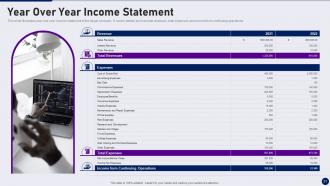
Year Over Year Income Statement
-
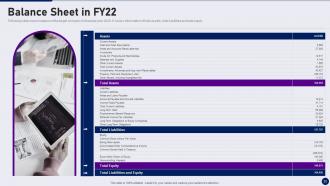
Balance Sheet in FY22
-
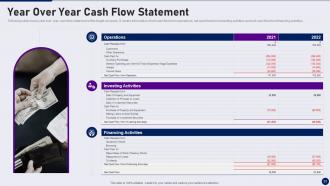
Year Over Year Cash Flow Statement
-
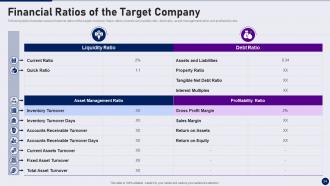
Financial Ratios of the Target Company
-
Table of Contents for Due Diligence in Merger and Acquisition
-
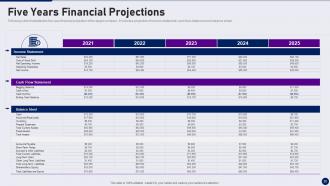
Five Years Financial Projections
-
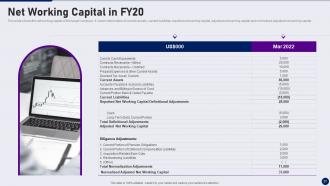
Net Working Capital in FY20
-
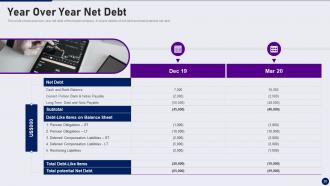
Year Over Year Net Debt
-
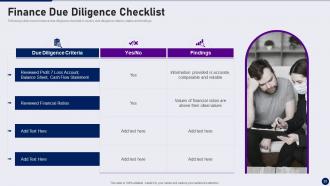
Finance Due Diligence Checklist
-
Table of Contents for Due Diligence in Merger and Acquisition
-
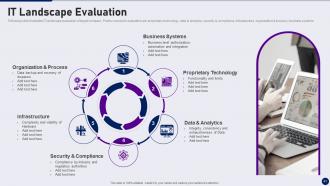
IT Landscape Evaluation
-
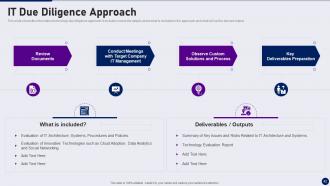
IT Due Diligence Approach
-
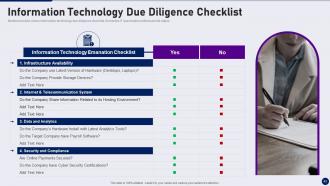
Information Technology Due Diligence Checklist
-
Table of Contents for Due Diligence in Merger and Acquisition
-
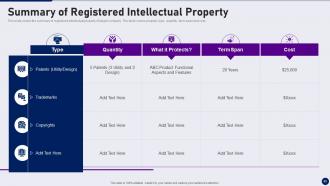
Summary of Registered Intellectual Property
-
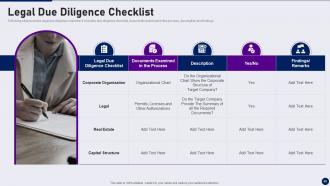
Legal Due Diligence Checklist
-
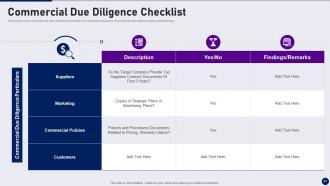
Commercial Due Diligence Checklist
-
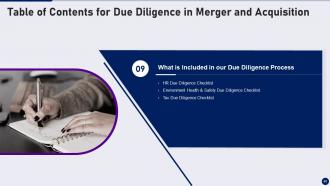
Table of Contents for Due Diligence in Merger and Acquisition
-
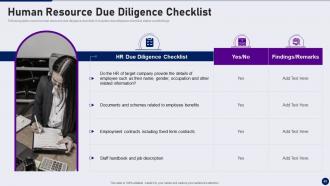
Human Resource Due Diligence Checklist
-
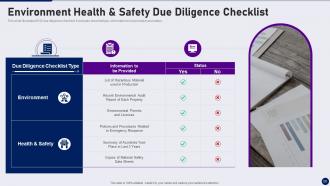
Environment Health Safety Due Diligence Checklist
-
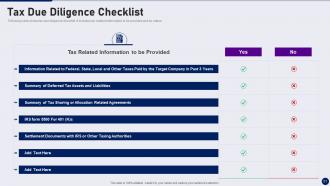
Tax Due Diligence Checklist
-
Table of Contents for Due Diligence in Merger and Acquisition
-
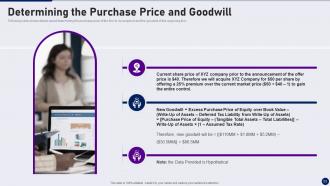
Determining the Purchase Price and Goodwill
-
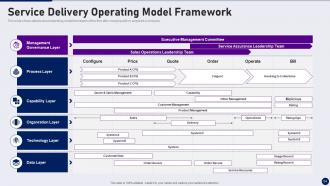
Service Delivery Operating Model Framework
-
Table of Contents for Due Diligence in Merger and Acquisition
-
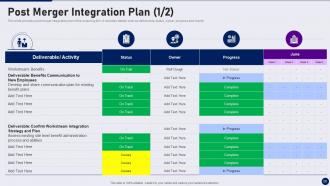
Post Merger Integration Plan 1 2
-
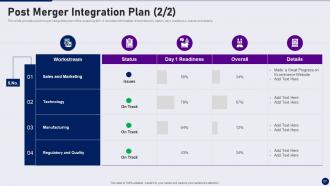
Post Merger Integration Plan 2 2
-
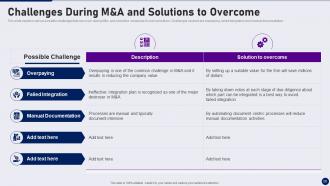
Challenges During M A and Solutions to Overcome
-
Icons Slide for Due Diligence in Merger and Acquisition
-

Additional Slides
-
30 60 90 Days Plan
-
Target
-
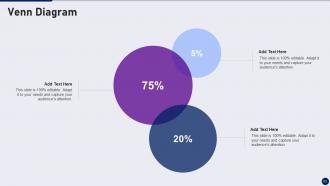
Venn Diagram
-
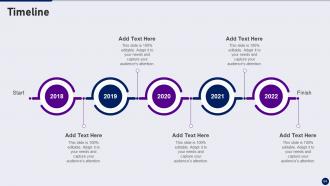
Timeline
-

Roadmap
-
Puzzle
-
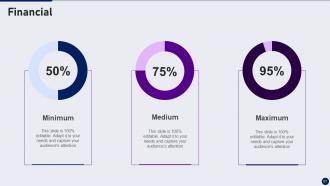
Financial
-

Idea Generation
-

Thanks for Watching
-

-

-

-

-

FAQs for Due Diligence In Merger And Acquisition
So you've got four main areas to hit: financial, legal, operational, and commercial due diligence. Start with financial and legal first - those are usually the deal killers if something's wrong. Financial DD means digging through their books, cash flows, making sure they're not cooking the numbers. Legal covers contracts, lawsuits, compliance stuff, IP rights. Then operational looks at their actual business - can their team deliver? How's their tech? Commercial is about market position and customer relationships. Honestly, the financial piece stresses me out the most, but it's crucial.
Okay so the thing about due diligence - it's totally different depending on what industry you're looking at. Tech deals? You're gonna be knee-deep in IP stuff, software licenses, and data privacy issues. Healthcare though, that's where things get messy with FDA approvals and HIPAA compliance. The financial side changes too since tech companies usually have that predictable recurring revenue while healthcare can take forever to develop anything. Oh and honestly, mapping out those industry risks early saves you from looking like an idiot later when something obvious bites you. Each sector has its own landmines basically.
Financial due diligence is your reality check before investing money anywhere. Basically you're digging through their financial statements, cash flow, revenue quality, and debt to see if they can actually make you money back. I've watched too many "amazing" deals crash because nobody checked their accounting or caught working capital red flags. Focus on sustainable cash generation, not just those flashy revenue numbers - cash flow is what actually pays you. Oh and their bookkeeping practices matter way more than people think.
Honestly, get your books cleaned up first - that's like 80% of the battle. Digitize everything and throw it in a data room: financials, contracts, employee stuff, all that boring paperwork. Make sure your taxes and permits are current too because nothing kills a deal faster than compliance issues. I learned this the hard way watching a friend scramble for basic docs when investors came knocking. Set up monthly time blocks to keep it all updated. Trust me, being proactive beats panicking when someone wants to see your records. Oh, and don't forget to document your IP properly - that stuff's valuable.
Honestly, the biggest mistakes I see are people rushing through everything and not actually verifying the docs they get. Management's gonna make everything sound amazing, so you can't just take their word for it. Red flags to watch for: weird data inconsistencies, pushback when you ask for stuff, or missing paperwork. Oh, and definitely check for any legal issues brewing. Set up your data room early - trust me on this one. Make checklists so you don't forget anything important. Before you even start, figure out what would kill the deal completely.
Dude, due diligence is totally different now. AI can churn through thousands of docs in hours - beats the hell out of those old paper marathons. Background checks run automatically, financial data updates in real-time, and everything's in digital data rooms so your whole team can work from wherever. The downside? Information overload is real. You'll get lost in all the data if you're not careful. My take: get decent software and figure out your priorities first, otherwise you'll waste weeks going down every random path that looks interesting.
Ugh, international due diligence is such a headache because you're juggling multiple legal systems. Get local lawyers in each country - what flies in the US could land you in hot water somewhere else. GDPR alone can block you from accessing half the documents you need, which is incredibly annoying. Oh, and don't even get me started on how different regulatory compliance works across borders. My advice? Map out every legal framework you'll hit right at the start. Then build your whole timeline around whatever country has the most pain-in-the-ass requirements.
Start with thorough document reviews and financial audits - that's where the red flags usually pop up first. Dig deep into legal issues, compliance stuff, and operational risks because honestly, that's where most nasty surprises are hiding. Interview the key people but don't just take their word for it - validate everything independently since everyone tends to oversell themselves. Build detailed risk matrices that rank problems by likelihood and potential damage. Then create specific plans to handle the high-priority items. Oh, and don't forget to negotiate protective clauses or escrow deals to cover yourself if things go sideways after closing.
Look at the founders first - do they actually know what they're doing or just good at pitching? Market size matters too, plus who they're competing against (so many investors half-ass this part). Go through their numbers carefully - burn rate, runway, all that financial stuff. Oh and definitely check the legal side: cap table, who owns what IP, existing investor deals. But honestly? Skip the pitch deck drama and just talk to their actual customers if you can. That'll tell you way more about whether this thing has legs or not.
Cultural due diligence can totally make or break cross-border deals. You're not just buying their financials - you're getting their entire work culture, communication quirks, decision-making styles, all of it. I've watched deals that looked amazing on spreadsheets completely implode because the teams just couldn't work together afterward. The cultural clashes turn into real operational nightmares pretty quickly. Figure out early how they communicate, make decisions, and structure management. Then honestly? Build your whole integration around fixing those friction points first. Don't underestimate how different "normal business practices" can be between countries.
Virtual data rooms are clutch - Intralinks and Ansarada handle secure doc sharing really well. For contracts, Kira Systems uses AI to pull key terms super fast (saves me hours honestly). PitchBook's solid for financial analysis and market research stuff. Monday.com keeps everyone on track with deadlines, though any decent project management tool works. The AI contract review tools have been pretty incredible lately - way better than I expected. Figure out what's eating up most of your time first, then grab tools that fix those specific headaches. Don't try to automate everything at once.
Your DD findings are pure gold when it comes to negotiations. Find financial red flags or legal issues? That's your ticket to demand price cuts, better terms, or warranties to cover the mess. I've watched deals where problems discovered during DD slashed 20% right off the asking price - crazy how much leverage that gives you. Clean results work in your favor too though, since they back up your original offer and keep things moving. Just don't jump into serious negotiations before you finish DD. Those discoveries will either save you money or give you peace of mind that you're not walking into a disaster.
Okay so first things first - focus on the money stuff like rent rolls, expenses, and tax records. Property inspection is huge too, plus environmental reports if you can get them. Legal side means title search, zoning checks, lease reviews. Insurance claims history is super tedious but saved my butt once when I found out about recurring water damage. Check occupancy rates and any lawsuits against the property. Oh, and pull comps from the area - sometimes sellers get creative with their pricing. Honestly the paperwork sucks but beats getting screwed later. Start with financials since that's where the big problems usually hide.
Get third-party experts with zero stake in the outcome - they'll tell you the truth. Mix up your due diligence team with different backgrounds so you don't get stuck in an echo chamber (seriously, groupthink is deadly). Don't let management cherry-pick what data they show you - demand everything, even the ugly stuff. Set your evaluation criteria before you start or feelings will mess with your judgment later. Oh, and make sure people can speak up about problems without getting their heads chopped off politically. Document everything from day one.
Honestly, you'll want third-party advisors because they catch stuff your team misses. Financial analysts and legal experts can dive into areas you don't know well - regulatory compliance, weird contract clauses, whatever. Plus they're not emotionally invested in the deal like you are. I've seen people get tunnel vision and ignore obvious red flags. Having independent validation is clutch when you're presenting to your board too. Just make sure you pick advisors who actually get your industry, not some random consultants who'll just give you generic advice.
-
I came across many PowerPoint presentations with excellent creatives and I believe they would be beneficial to my work.
-
It makes easy work of my work presentations. I’ve never had to be nervous about my presentations for meetings.