


Buy Side Of Merger And Acquisition Powerpoint Presentation Slides





Try Before you Buy Download Free Sample Product
 Impress Your
 Audience
 100%
100% Editable
 Save Hours
 of Time


The merger and acquisition M and A process may either be lengthy or short. It is common for it to take several years for transactions involving two major organizations with global operating footprints. The buying side applies broadly to fund managers, often referred to as institutional investors. They collect capital from investors and spend the money using various trading strategies across different asset classes. Our Buy Side of Merger and Acquisition provides various slides related to the acquisition of one company by another. It includes slides associated with the introduction of the company, such as the introduction of the investment bank, primary services provided, competitive advantages, significant clients, measuring the progress, top management team, and many more. This ppt shows the major successful deals done by the company in the past five years, and it also includes the retainer and success fee of investment banks. The presentation also covers the market overview in which various slides include the industry overview, top competitors of the company, comparison with the competitors, product differentiation, and how the investment bank is better than its competitors. In the end, this module highlights the business overview of the target company, post acquisition plans, and Pro-forma condensed combined statements of operations. Get access now.
People who downloaded this PowerPoint presentation also viewed the following :
Content of this Powerpoint Presentation
Slide 1: This slide introduces Buy-Side of Merger and Acquisition. State your company name and begin.
Slide 2: This slide shows Table of Content for the presentation.
Slide 3: This slide highlights title for topics that are to be covered next in the template.
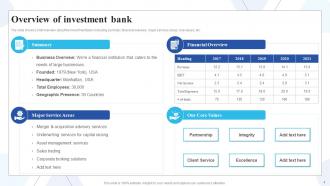
Slide 4: The slide shows a brief overview about the Investment Bank.
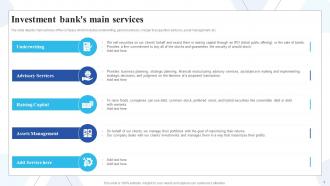
Slide 5: This slide presents Investment Bank's Main Services.
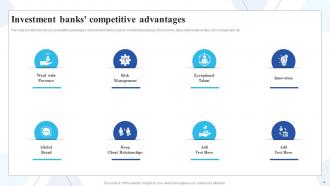
Slide 6: This slide displays Investment Banks' Competitive Advantages.
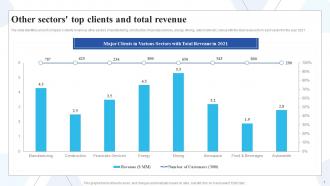
Slide 7: This slide represents Other Sectors' Top Clients and Total Revenue.
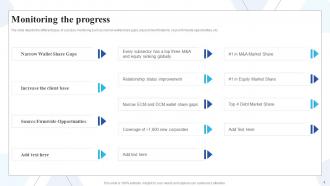
Slide 8: The slide depicts the different types of success monitoring.
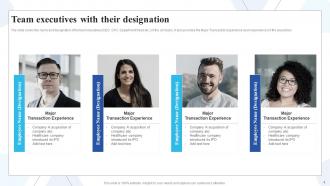
Slide 9: This slide showcases Team Executives with their Designation.
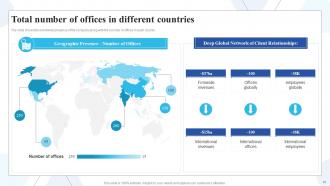
Slide 10: This slide shows Total Number of Offices in Different Countries.
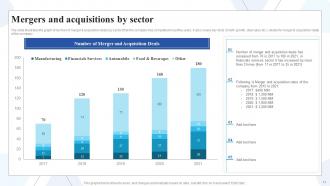
Slide 11: This slide presents Mergers and Acquisitions by Sector.
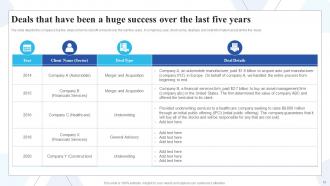
Slide 12: This slide displays Deals that Have Been a Huge Success Over the Last Five Years.
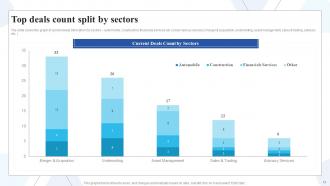
Slide 13: This slide represents Current Deals Count by Sectors.
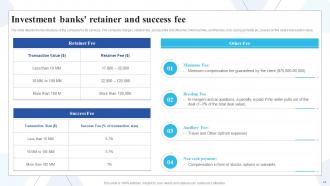
Slide 14: This slide showcases Investment Banks' Retainer and Success Fee.
Slide 15: This slide highlights title for topics that are to be covered next in the template.
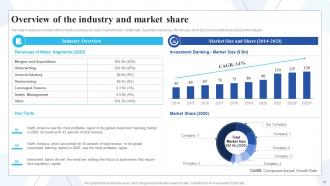
Slide 16: This slide shows Overview of the Industry and Market Share.
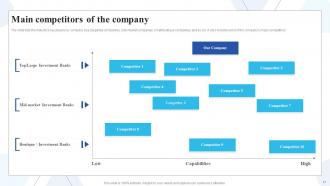
Slide 17: This slide presents Main Competitors of the Company.
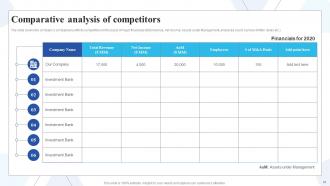
Slide 18: This slide displays Comparative Analysis of Competitors.
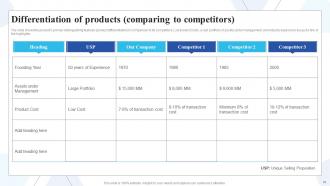
Slide 19: The slide shows the product's primary distinguishing features (product differentiation) in comparison to its competitors.
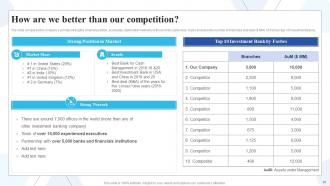
Slide 20: The slide compares the company's primary strengths.
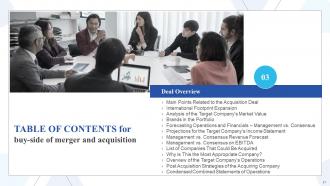
Slide 21: This slide highlights title for topics that are to be covered next in the template.
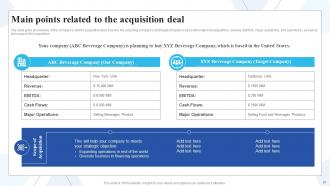
Slide 22: This slide presents Main Points Related to the Acquisition Deal.
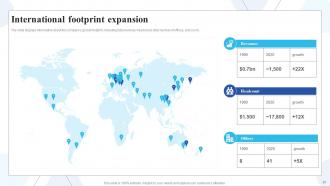
Slide 23: This slide displays International Footprint Expansion.
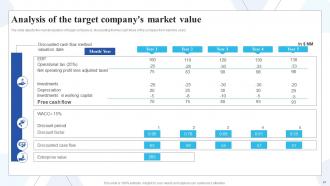
Slide 24: This slide represents Analysis of the Target Company's Market Value.
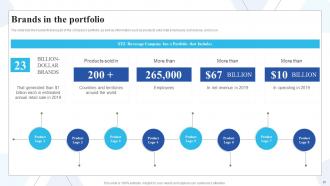
Slide 25: The slide lists the brands that are part of the company's portfolio.
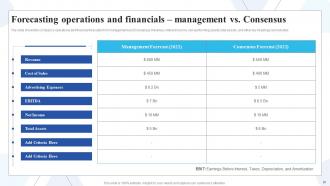
Slide 26: The slide shows the company's operations and financial forecasts from management and Consensus.
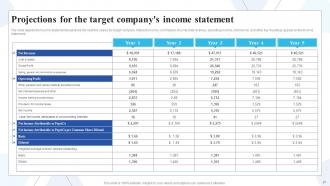
Slide 27: This slide presents Projections for the Target Company's Income Statement.
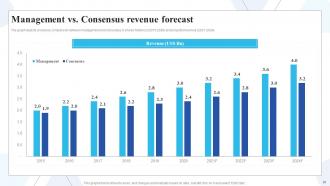
Slide 28: This slide displays Management vs. Consensus Revenue Forecast.
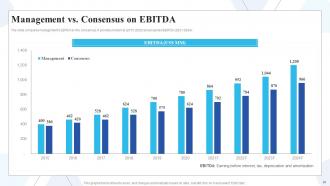
Slide 29: This slide represents Management vs. Consensus on EBITDA.
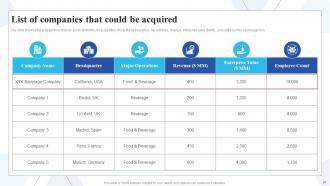
Slide 30: This slide showcases List of Companies that Could be Acquired.
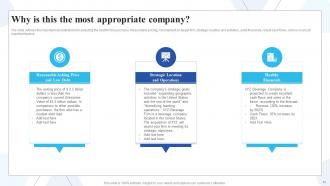
Slide 31: The slide outlines the important considerations for selecting the best firm for purchase.
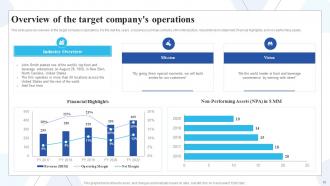
Slide 32: This slide shows Overview of the Target Company's Operations.
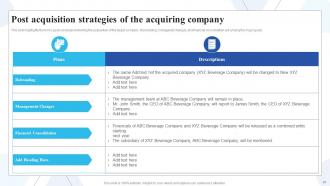
Slide 33: This slide presents Post Acquisition Strategies of the Acquiring Company.
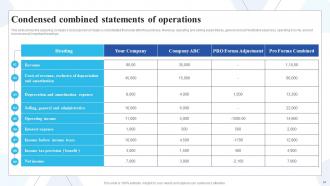
Slide 34: This slide displays Condensed Combined Statements of Operations.
Slide 35: This slide contains all the icons used in this presentation.
Slide 36: This slide is titled as Additional Slides for moving forward.
Slide 37: This is Our Goal slide. State your firm's goals here.
Slide 38: This slide displays Mind Map with related imagery.
Slide 39: This slide provides 30 60 90 Days Plan with text boxes.
Slide 40: This slide contains Puzzle with related icons and text.
Slide 41: This slide shows Post It Notes. Post your important notes here.
Slide 42: This slide displays Roadmap for process flow.
Slide 43: This is a Thank You slide with address, contact numbers and email address.
Buy Side Of Merger And Acquisition Powerpoint Presentation Slides with all 48 slides:
Use our Buy Side Of Merger And Acquisition Powerpoint Presentation Slides to effectively help you save your valuable time. They are readymade to fit into any presentation structure.
-

Buy Side Of Merger And Acquisition Powerpoint Presentation Slides
-
Buy Side Of Merger And Acquisition Powerpoint Presentation Slides
-
Buy Side Of Merger And Acquisition Powerpoint Presentation Slides
-
Buy Side Of Merger And Acquisition Powerpoint Presentation Slides
-
Buy Side Of Merger And Acquisition Powerpoint Presentation Slides
-
Buy Side Of Merger And Acquisition Powerpoint Presentation Slides
-
Buy Side Of Merger And Acquisition Powerpoint Presentation Slides
-
Buy Side Of Merger And Acquisition Powerpoint Presentation Slides
-
Buy Side Of Merger And Acquisition Powerpoint Presentation Slides
-
Buy Side Of Merger And Acquisition Powerpoint Presentation Slides
-
Buy Side Of Merger And Acquisition Powerpoint Presentation Slides
-
Buy Side Of Merger And Acquisition Powerpoint Presentation Slides
-
Buy Side Of Merger And Acquisition Powerpoint Presentation Slides
-
Buy Side Of Merger And Acquisition Powerpoint Presentation Slides
-

Buy Side Of Merger And Acquisition Powerpoint Presentation Slides
-
Buy Side Of Merger And Acquisition Powerpoint Presentation Slides
-
Buy Side Of Merger And Acquisition Powerpoint Presentation Slides
-
Buy Side Of Merger And Acquisition Powerpoint Presentation Slides
-
Buy Side Of Merger And Acquisition Powerpoint Presentation Slides
-
Buy Side Of Merger And Acquisition Powerpoint Presentation Slides
-
Buy Side Of Merger And Acquisition Powerpoint Presentation Slides
-
Buy Side Of Merger And Acquisition Powerpoint Presentation Slides
-
Buy Side Of Merger And Acquisition Powerpoint Presentation Slides
-
Buy Side Of Merger And Acquisition Powerpoint Presentation Slides
-
Buy Side Of Merger And Acquisition Powerpoint Presentation Slides
-
Buy Side Of Merger And Acquisition Powerpoint Presentation Slides
-
Buy Side Of Merger And Acquisition Powerpoint Presentation Slides
-
Buy Side Of Merger And Acquisition Powerpoint Presentation Slides
-
Buy Side Of Merger And Acquisition Powerpoint Presentation Slides
-
Buy Side Of Merger And Acquisition Powerpoint Presentation Slides
-
Buy Side Of Merger And Acquisition Powerpoint Presentation Slides
-
Buy Side Of Merger And Acquisition Powerpoint Presentation Slides
-
Buy Side Of Merger And Acquisition Powerpoint Presentation Slides
-
Buy Side Of Merger And Acquisition Powerpoint Presentation Slides
-
Buy Side Of Merger And Acquisition Powerpoint Presentation Slides
-

Buy Side Of Merger And Acquisition Powerpoint Presentation Slides
-
Buy Side Of Merger And Acquisition Powerpoint Presentation Slides
-

Buy Side Of Merger And Acquisition Powerpoint Presentation Slides
-
Buy Side Of Merger And Acquisition Powerpoint Presentation Slides
-
Buy Side Of Merger And Acquisition Powerpoint Presentation Slides
-
Buy Side Of Merger And Acquisition Powerpoint Presentation Slides
-

Buy Side Of Merger And Acquisition Powerpoint Presentation Slides
-

Buy Side Of Merger And Acquisition Powerpoint Presentation Slides
-

Buy Side Of Merger And Acquisition Powerpoint Presentation Slides
-

Buy Side Of Merger And Acquisition Powerpoint Presentation Slides
-

Buy Side Of Merger And Acquisition Powerpoint Presentation Slides
-

Buy Side Of Merger And Acquisition Powerpoint Presentation Slides
-

Buy Side Of Merger And Acquisition Powerpoint Presentation Slides
FAQs for Buy Side Of Merger And Acquisition
First, get your due diligence team sorted and build solid checklists for financial, legal, and operational stuff. Set up the data room early. Honestly? Management presentations usually reveal way more than spreadsheets ever will. Run your financial models while you're reviewing docs - don't wait until after. If it's tech-heavy, cybersecurity reviews are a must. The biggest screwup I see people make is rushing commercial DD. You've got to really dig into customer concentration and competitive dynamics - that's where the real risks hide. Oh, and maintain a running issues list throughout. Sounds obvious but you'd be surprised how many people forget.
Build a scoring system that weighs strategic fit against financial metrics and execution risk. Look for companies where you can actually create value through synergies - not just "cool" businesses that don't fit your strategy. I've watched too many deals crash because someone got starry-eyed over a flashy target. Check if their market position makes sense and if the numbers work at reasonable valuations. Start with maybe 10-15 prospects, then cut it down to your top 3-5. Base those decisions on real data, not hunches. The boring stuff like operational improvements often creates more value than the sexy plays anyway.
Start with the big three: revenue growth, EBITDA margins, and free cash flow. Those tell you if the business actually works. Debt-to-equity ratio is huge too - you don't want to inherit a financial mess. Customer concentration is something people overlook but it's critical. If 40%+ of revenue comes from one client, that's terrifying honestly. Also check working capital trends and return on invested capital. Capex requirements matter too - some businesses just eat cash constantly. Oh, and compare their capex to revenue to see if you're buying a money pit. Once you nail these basics, then dive into whatever metrics matter for their specific industry.
Dude, this stuff matters way more than people think. Sure, the numbers look great on paper, but if your teams hate each other? You're screwed. I've watched deals completely fall apart because nobody checked if the cultures would mesh. Smart buyers dig deep into how the target company actually operates - like, how do they make decisions? What's the leadership vibe? You can't just assume you'll figure it out later. Some gaps you can work with. Others will tank the whole thing no matter how much money you throw at integration.
Look, market analysis is your roadmap for finding good acquisition targets. Shows you industry trends, growth areas, where consolidation makes sense. You want fragmented markets perfect for roll-ups, or declining industries where you can grab distressed assets on the cheap. Emerging sectors work too, before they get crazy expensive. Honestly? Most people skip this part and jump straight to financial modeling - big mistake. Without understanding the market first, you're basically guessing. Map out the competitive landscape and figure out what's driving growth. That's usually where the sweet spots are hiding. Way more important than people think.
Honestly, tech can be a game-changer for due diligence if you pick the right stuff. AI-powered VDRs automatically flag important contract terms, which saves tons of manual reading. Data rooms are way better than those awful email chains we used to deal with - your whole team can actually work together in real time. Predictive analytics let you run different scenarios and catch financial red flags that would take forever to spot manually. Market intelligence platforms give you current comp data too. I'd say start by figuring out what's eating up most of your time in deals right now, then find tools that actually solve those specific problems.
Don't fall in love with the deal - that's when you lose all your negotiating power. Also, everything connects to everything else, so if you cave on price, maybe push harder for better warranties or earnout terms. Your lawyers will try to take over (mine did this too), but honestly they can slow things down if you're not careful. Get your financing sorted before you even start serious conversations. Sellers can tell when you're scrambling for cash. And write stuff down! I can't stress this enough - after three weeks of back-and-forth, nobody remembers what was actually agreed on.
Don't just wave more money around - get creative with how you structure the deal. Try earnouts based on hitting certain targets, or see if the seller will finance part of it. Sometimes a lower all-cash offer actually wins over something higher but riskier. Speed's huge too, so line up your financing first. Here's the thing though - you gotta figure out what they really want. Is it certainty? Quick close? Maximum payout? I've seen people lose deals by assuming it's always about the highest number. Structure around what matters most to them and you'll often beat higher bids.
Hit these three things hard: due diligence, deal structure, and regulatory stuff. Most disasters happen during due diligence - dig deep into their contracts, IP mess, any lawsuits, compliance nightmares. Your deal structure better cover reps, warranties, indemnification. Don't forget escrow terms either. Antitrust approvals can torpedo everything if you're not careful. Employment law gets tricky too when you're taking on their people. Honestly, the lawyers should be your first call, not your last. Yeah it's expensive upfront, but way cheaper than discovering problems after you've already shaken hands on a number.
Dude, integration planning is seriously where deals live or die. Start mapping that stuff out during diligence - I can't stress this enough. Don't wait until after you close, that's when things get messy. I've watched so many acquisitions tank because the numbers looked great but nobody thought about how to actually merge the companies. Figure out who your key people are early on. Cultural fit matters way more than you'd think, honestly. Systems integration timelines, personnel retention, all that operational stuff - it's where the real money gets made or lost. Your integration plan should be just as detailed as your valuation spreadsheets.
Don't put all your eggs in one basket with valuation - you need at least three methods: comps, precedent deals, and a DCF. Management will obviously talk up their projections, so strip out all the one-time stuff and question their assumptions hard. Synergies sound great on paper but honestly, most companies way overestimate them. Build sensitivity tables so you know your range under different scenarios. Oh, and don't forget integration costs - they add up fast and everyone pretends they won't be a big deal until they are.
Look, macro conditions basically control your whole M&A strategy. Low rates? You can get more aggressive with debt financing and those higher valuations don't sting as much. But once rates jump, that "must-have" target suddenly looks overpriced. Here's the thing though - uncertainty actually helps with negotiations since sellers get more flexible. Your board will probably freak out about big deals though. You've gotta screen targets differently depending on which sectors are getting crushed. Timing matters huge here. I'd build out a few different scenarios now so you're not caught off guard later when things change.
For your M&A team, start with internal people - strategy, finance, and business unit heads need to be in from the beginning. External help is where it gets expensive but necessary. Investment bankers obviously, plus M&A lawyers (seriously don't cheap out here, the paperwork nightmare is real). Tax advisors should come in early since how you structure this thing affects everything later. Tech deal? Add cybersecurity and IT integration people. Oh and get everyone lined up before negotiations heat up. Nothing worse than trying to find experts when you're already knee-deep in term sheets and deadlines.
Okay so you need to hit four main areas: financial, legal, operational, and strategic stuff. Financial first - audit their books, look for sketchy liabilities, make sure their revenue is actually real. Legal side covers litigation, compliance issues, IP problems. Operations is where it gets interesting though - are their systems legit scalable or just barely hanging on? I've seen some nightmare setups that somehow still function. Don't forget strategic risks like market position and whether your cultures will clash horribly. Oh, and start a risk register right away. Keep adding to it as you find more issues.
So PE is absolutely insane right now - competition is brutal and pushing valuations through the roof. ESG stuff isn't optional anymore, which honestly makes sense. Digital deals are massive, especially anything touching AI or data analytics. Cross-border activity bounced back too after being dead for a while. Oh, and buyers are going nuts with cybersecurity due diligence - like way more thorough than before. Same with regulatory compliance checks. You should probably get ESG frameworks built into your process ASAP if you haven't started yet.
-
The designs by SlideTeam are honestly the best I have seen so far. Will be definitely coming back for more.
-
What a stunning collection of customizable templates! Really a time-saver..