

Mergers And Acquisitions Framework Powerpoint Presentation Slides






Try Before you Buy Download Free Sample Product
 Impress Your
Audience
 100%
Editable
 Save Hours
of Time


If you are about to execute an M&A, our Mergers And Acquisitions Framework PowerPoint Presentation Slides can help you to focus on the right things. M&A involves buying selling and combing companies. Business valuation comprehensive PowerPoint deck helps you to present each and every aspect in detail as it contains set of professionally designed template such as key steps, company overview, business, and financial overview, determining new growth market, types of inorganic opportunities, M&A criteria, identify targets, balance sheet KPIs, cash flow statement, financial projections, key financial ratios, liquidity and profitability ratios, activity and solvency ratios, M&A synergy framework, company valuation methodologies, valuation results, business due diligence process, post-merger integration framework, challenges and performance tracker etc. The mergers and acquisitions are crucial as organizations moving towards expansion. Download incredible mergers and acquisitions presentation to save time in delivering an exceptional business presentation. Let nothing disturb your concentration. Our Mergers And Acquisitions Framework Powerpoint Presentation Slides will keep you focused.
People who downloaded this PowerPoint presentation also viewed the following :
Content of this Powerpoint Presentation
Slide 1: This slide introduces Mergers And Acquisitions Framework.State Your Company Name and begin.
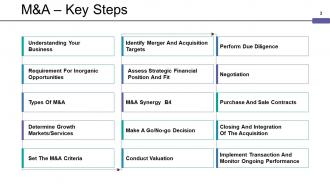
Slide 2: This slide presents M&A – Key Steps with these of the factors- Understanding Your Business, Requirement For Inorganic Opportunities, Types Of M&A, Determine Growth Markets/Services, Set The M&A Criteria, Identify Merger And Acquisition Targets, Assess Strategic Financial Position And Fit, M&A Synergy B4, Make A Go/No-go Decision, Conduct Valuation, Perform Due Diligence, Negotiation, Purchase And Sale Contracts, Closing And Integration Of The Acquisition, Implement Transaction And Monitor Ongoing Performance.
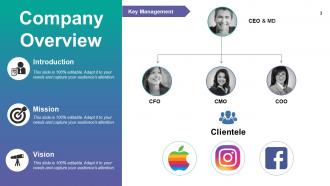
Slide 3: This slide Company Overview. Add the intro, mission and vision.
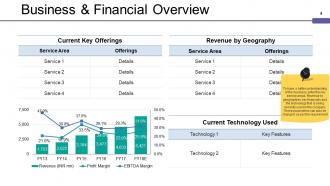
Slide 4: This slide showcases Business & Financial Overview. To have a better understanding of the business, enter the key service areas, Revenue by geographies, key financials and the technology that is being currently used in the company. These parameters can also be changed as per the requirement.
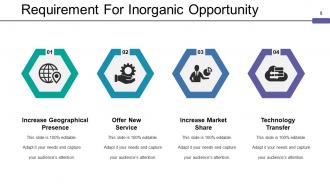
Slide 5: This slide presents Requirement For Inorganic Opportunity with these four of the parameters- Audience’s attention, Increase Geographical Presence, Offer New Service, Increase Market Share, Technology Transfer.
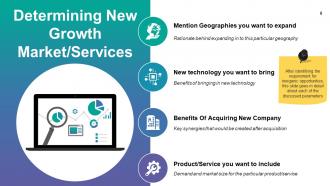
Slide 6: This slide showcases Determining New Growth Market/Services these of the services we have listed- Mention Geographies you want to expand, New technology you want to bring, Product/Service you want to include, Demand and market size for the particular product/service, After identifying the requirement for inorganic opportunities, this slide goes in detail about each of the discussed parameters.
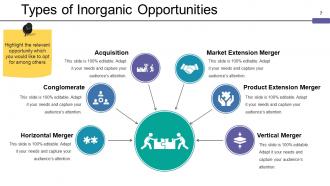
Slide 7: This slide showcases Types of Inorganic Opportunities with these of the parameters- Market Extension Merger, Vertical Merger, Product Extension Merger, Acquisition, Conglomerate, Horizontal Merger, Highlight the relevant opportunity which you would like to opt for among others
Slide 8: This slide presents Types of Inorganic Opportunities with these of the factors- Horizontal Merger, Conglomerate, Acquisition, Market Extension Merger, Product Extension Merger., Vertical Merger, Highlight the relevant opportunity which you would like to opt for among others
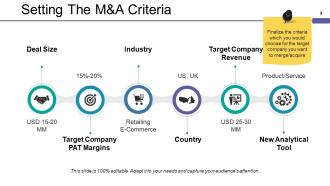
Slide 9: This slide presents Setting The M&A Criteria.Finalize the criteria which you would choose for the target company you want to merge/acquire.
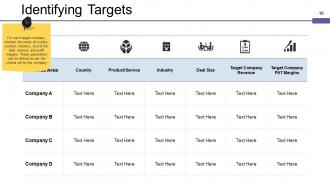
Slide 10: This slide showcases Identifying Targets. For each target company, mention the name of country, product, Industry, size of the deal, revenue and profit margins. These parameters can be altered as per the criteria set by the company
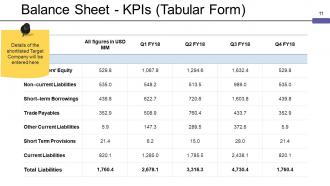
Slide 11: This slide Balance Sheet - KPIs (Tabular Form). Details of the shortlisted Target Company will be entered here.
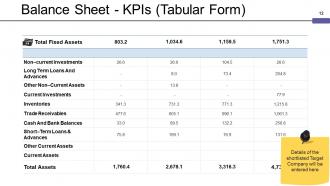
Slide 12: This slide showcases Balance Sheet - KPIs (Tabular Form). Details of the shortlisted Target Company will be entered here
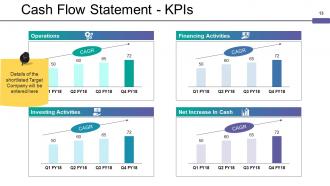
Slide 13: This slide showcases Cash Flow Statement - KPIs. Details of the shortlisted Target Company will be entered here
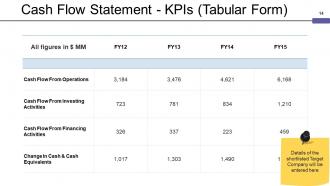
Slide 14: This slide presents Cash Flow Statement - KPIs (Tabular Form). Details of the shortlisted Target Company will be entered here
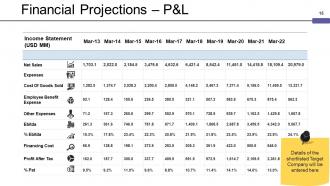
Slide 15: This slide showcases Financial Projections – P&L. Details of the shortlisted Target Company will be entered here
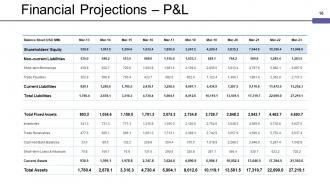
Slide 16: This slide presents Financial Projections – P&L.
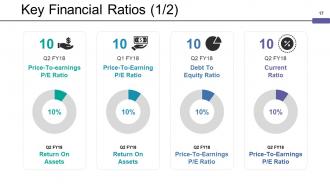
Slide 17: This slide showcases Key Financial Ratios (1/2). You can use this for further showing of the finacial figures.
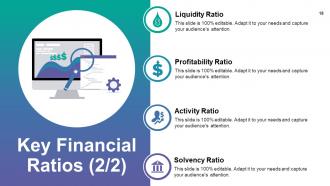
Slide 18: This slide presents Key Financial Ratios (2/2) with these of the four factors- Liquidity Ratio, Profitability Ratio, Activity Ratio, Solvency Ratio.
Slide 19: This slide shows Liquidity Ratios. Details of the shortlisted Target Company will be entered here.
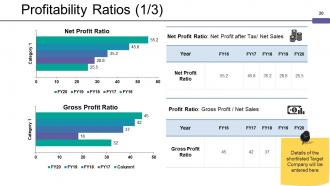
Slide 20: This slide showcases Profitability Ratios (1/3).Details of the shortlisted Target Company will be entered here.
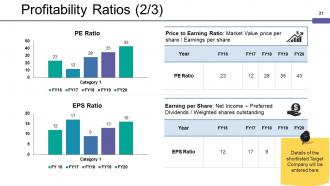
Slide 21: This slide shows Profitability Ratios (2/3).Details of the shortlisted Target Company will be entered here.
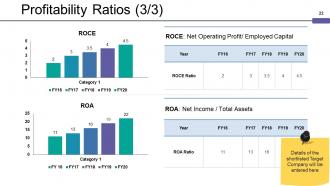
Slide 22: This slide presents Profitability Ratios (3/3). Details of the shortlisted Target Company will be entered here
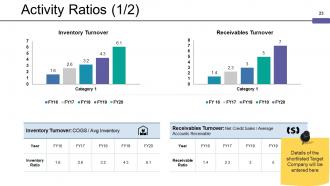
Slide 23: This slide showcases Activity Ratios (1/2) with these of the parameter- Inventory Turnover, Receivables Turnover, Details of the shortlisted Target Company will be entered here.
Slide 24: This slide presents Activity Ratios (2/2) with these two of the parameters- Fixed Asset Turnover, Total Asset Turnover, Details of the shortlisted Target Company will be entered here.
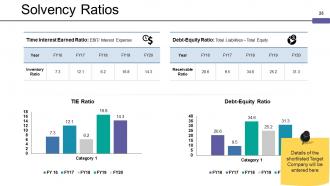
Slide 25: This slide shows Solvency Ratios which further showcases- Debt-Equity Ratio, TIE Ratio, Details of the shortlisted Target Company will be entered here.
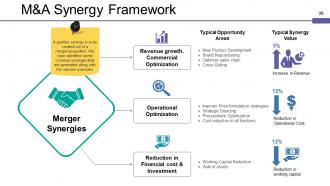
Slide 26: This slide presents M&A Synergy Framework. A positive synergy is to be created out of a merger/acquisition. We have identified some common synergies that are generated along with the relevant examples.
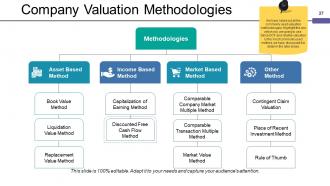
Slide 27: This slide shows Company Valuation Methodologies.
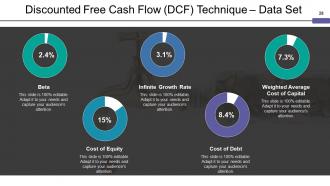
Slide 28: This slide presents Discounted Free Cash Flow (DCF) Technique – Data Set Beta, Infinite Growth Rate, Weighted Average Cost of Capital Cost of Debt, Cost of Equity.
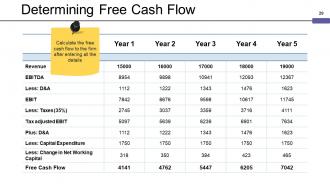
Slide 29: This slide presents Determining Free Cash Flow. Calculate the free cash flow to the firm after entering all the details.
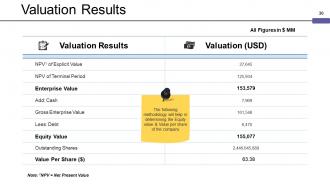
Slide 30: This slide shows Valuation Results. The following methodology will help in determining the Equity value & Value per share of the company.
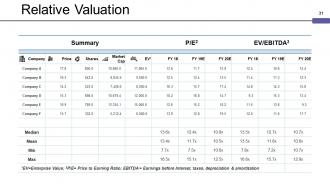
Slide 31: This slide shows Relative Valuation.
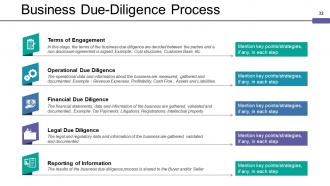
Slide 32: This slide presents Business Due-Diligence Process Terms of Engagement, Operational Due Diligence, Financial Due Diligence, Legal Due Diligence, Reporting of Information.
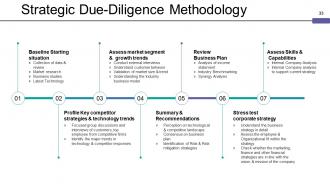
Slide 33: This slide presents Strategic Due-Diligence Methodology with seven of the different stages we have mentioned.
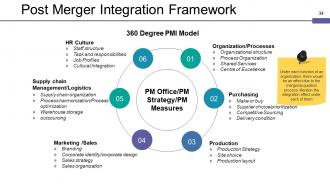
Slide 34: This slide showcases Post Merger Integration Framework. Under each function of an organization, there would be an effect due to the merger/acquisition process. Mention the integration effect under each of them
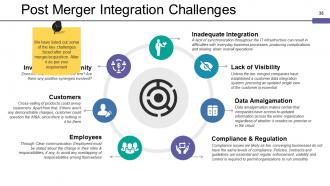
Slide 35: This slide presents Post Merger Integration Challenges. We have listed out some of the key challenges faced after post merger/acquisition. Alter it as per your requirement.
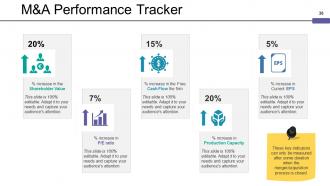
Slide 36: This slide presents M&A Performance Tracker.These key indicators can only be measured after some duration when the merger/acquisition process is closed.
Slide 37: This slide presents Mergers And Acquisitions Framework Icon Slide.
Slide 38: This is a Coffee Break slide to halt. You may change it as per requirement.
Slide 39: This slide is titled Charts & Graphs to move forward.
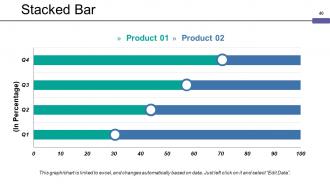
Slide 40: This slide shows a Stacked Line graph in terms of percentage and years for comparison of Product 01, Product 02, Product 03 etc.
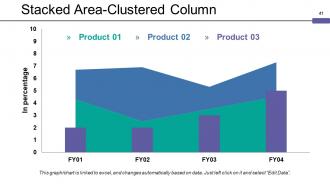
Slide 41: This slide presents Stacked Area-Clustered Column.
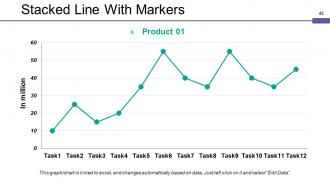
Slide 42: This slide showcases Stacked Line With Markers.
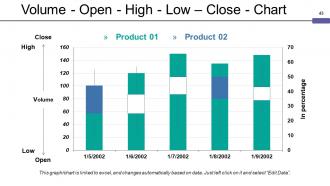
Slide 43: This slide presents Volume - Open - High - Low – Close - Chart.
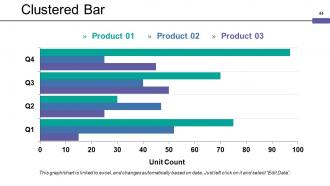
Slide 44: This slide shows Clustered Bar.
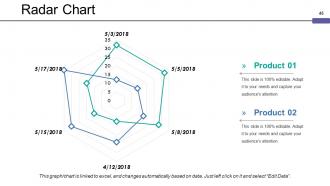
Slide 45: This slide showcases Radar Chart.
Slide 46: This slide is titled Additional Slides.
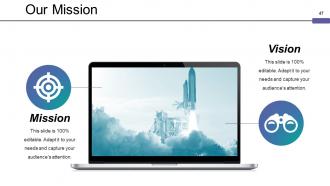
Slide 47: This slide represents Our Mission. State your mission, goals etc.
Slide 48: This slide showcases Our Team with Name and Designation to fill.
Slide 49: This slide helps show- About Our Company. The sub headings include- Creative Design, Customer Care, Expand Company .
Slide 50: This slide shows Our Goals for your company.
Slide 51: This slide shows Competitive Analysis in the form of a Comparison Table.
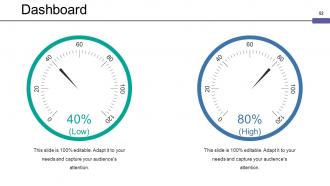
Slide 52: This is Dashboard slide to show information in percentages etc.
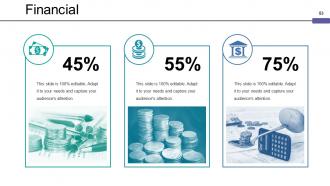
Slide 53: This slide presents Financial scores to display.
Slide 54: This is a Quotes slide to highlight, or state anything specific.
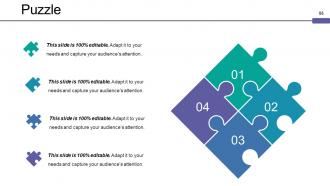
Slide 55: This slide presents a PUZZLE slide with the following subheadings- Integrity and Judgment, Critical and Decision Making, Leadership, Agility.
Slide 56: This is a Target slide. State your targets here.
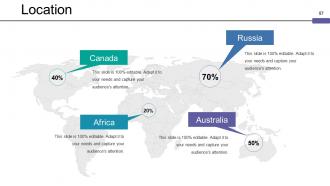
Slide 57: This is a Location slide of World map to show global presence, growth etc.
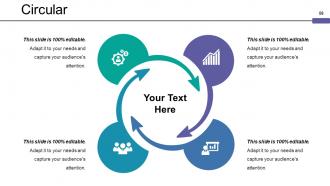
Slide 58: This is a Circular image slide to show information, specifications etc.
Slide 59: This is a Venn diagram image slide to show information, specifications etc.
Slide 60: This slide shows a Mind map for representing entities
Slide 61: This is a Silhouettes slide to show people specific information etc.
Slide 62: This slide displays a Magnifying Glass with icon imagery.
Slide 63: This is a Bulb or Idea slide to state a new idea or highlight specifications/information etc.
Slide 64: This is a Thank You slide with Address# street number, city, state, Contact Number, Email Address.
Mergers And Acquisitions Framework Powerpoint Presentation Slides with all 64 slides:
Gravitate to the classy with our Mergers And Acquisitions Framework Powerpoint Presentation Slides. Your brand will acquire an exclusive aura.



















FAQs for Mergers And Acquisitions Framework
Honestly, strategic fit is everything - make sure the companies actually work together beyond just looking good on spreadsheets. Cultural alignment matters way more than people think. If teams can't mesh, your brilliant strategy becomes worthless pretty fast. Due diligence is tedious but you'll thank yourself later when you avoid hidden financial disasters. Oh, and don't drag the process out forever - kills momentum and freaks everyone out. My biggest tip? Figure out team integration early and keep communication super transparent. I've seen too many deals tank because nobody knew what was happening.
Dude, culture stuff will absolutely wreck your M&A deal if you're not careful. I mean, the numbers might look perfect, but if the teams hate each other? Good luck. You'll watch people quit left and right, productivity tanks, and suddenly those fancy projections are garbage. Honestly, I think way too many people skip this part. When cultures actually mesh though - that's when the magic happens. Integration becomes so much easier. Do yourself a favor and check out the culture fit during due diligence. Trust me on this one.
So due diligence is like doing a super thorough background check before you buy a company. You're digging into their finances, legal stuff, operations - basically hunting for red flags like lawsuits or sketchy bookkeeping. It's kinda like getting a home inspection but way more intense and for businesses instead. The whole point? Making sure what you're actually getting matches those fancy presentations they showed you. I've seen people skip this step to save time and wow, that never ends well. Those hidden problems you don't catch become your headaches later.
Honestly, the valuation methods are basically the same - DCF, comps, precedent transactions, all that stuff. But here's where it gets different: mergers are more about figuring out synergies and how to split things fairly between "equals." Acquisitions? Way more straightforward since you're just buying the whole thing outright. Control premiums matter way more in acquisitions - like, how much extra are you willing to pay to actually own it? With mergers, you're spending most of your time modeling synergies instead. Oh and mergers can get messy with the politics of it all, but that's another story.
Antitrust reviews are probably your biggest headache - regulators hate deals that look monopoly-ish. Banking, healthcare, telecom? Those need special approvals that take forever. Cross-border stuff is getting worse too, especially if you're touching sensitive data or industries. Honestly, the foreign investment reviews are such a mess right now. Securities filings will bury you in paperwork. Don't wait until after you've agreed on terms to loop in your regulatory people - that's backwards. Get them in during due diligence or you'll regret it.
Honestly, tech stuff can totally make or break these deals. Due diligence gets so much better when you dig into their systems early - like checking for cybersecurity issues or massive tech debt that'll bite you later. Compatible systems? Game changer for integration. Nobody has time to spend six months trying to mesh two completely different platforms together. Sometimes you'll find hidden gems though - proprietary software or data that's actually worth way more than expected. But man, those ancient legacy systems... they're deal killers. My advice? Get IT people involved from day one to spot both the good and ugly before you're in too deep.
Look, different groups need different info - employees worry about their jobs, investors want the money side explained, customers just want to know their service won't get screwed up. Don't overshare negotiations though, deals fall through all the time and you'll look stupid. Pick one person to handle all messaging so nobody gets confused stories. Hit the big milestones but honestly? Don't spam people with updates every five minutes. All-hands for your team, calls for investors, reach out directly to your biggest clients. Oh and timing matters way more than you'd think.
Dude, communication is everything - that's literally where most of these things crash and burn. Get your cross-functional teams going early for all the boring operational crap (IT, HR policies, reporting). The people side will mess you up way more than you think it will. Keep everyone updated constantly because gossip spreads like wildfire and kills morale. Oh, and don't try fixing everything at once - I've seen that backfire so many times. Set clear 100-day milestones with actual owners. Build your integration playbook before you even close, and make sure both leadership teams aren't just nodding along but actually agree on what matters most.
Honestly, M&A is your shortcut when you want to break into new markets fast. Instead of spending years building everything yourself, you just buy a company that already has the customers and distribution you need. Think of it like skipping the line - costs way more upfront but you get instant access to their expertise and market knowledge. The trick is finding companies that actually fit with what you're already doing. Oh, and don't skip the due diligence part because integration can get messy if the cultures don't mesh well.
Yeah, economic conditions totally shape M&A activity, but it's different for each industry. Retail and manufacturing get hit with distressed deals during downturns. Meanwhile, healthcare and utilities become hot targets because they're stable - everyone needs those services. Tech is honestly unpredictable though. Sometimes low valuations create feeding frenzies, other times funding just vanishes. Good economies? That's when cash-heavy companies go on shopping sprees and private equity starts throwing money around. Watch interest rates closely - they're usually the best indicator of whether deals will actually happen.
PE firms are basically house flippers but for companies - they want quick fixes they can execute in 3-7 years then sell. Cost cuts, debt restructuring, operational tweaks. Strategic buyers think longer term since they're folding you into their existing business. They'll actually pay more for synergies or tech that fits their portfolio. Honestly, PE moves way faster because they don't have all the internal politics to deal with. Strategic buyers can be a nightmare with committees and integration planning. Figure out who values what you've built more - that's your best bet for getting top dollar.
Honestly, most M&As crash because of culture clashes and wildly overestimated synergies. Like when a scrappy startup gets swallowed by some corporate behemoth and everyone's suddenly miserable. Shoddy due diligence kills deals too - you think you're buying gold but find out it's fool's gold when you dig into their actual books. Communication falls apart during integration, which is just painful to watch. Oh, and overpaying in bidding wars? That's basically shooting yourself in the foot before you even start. Focus way more on whether the teams will actually mesh together than getting fancy with deal structure.
Talk to everyone constantly - people absolutely lose their minds when they don't know what's happening. Explain timelines, who's doing what, what's changing. Have those awkward retention talks with your best people early (yeah, might mean throwing money at them). Middle performers matter too though, they actually keep the lights on. Quick wins are clutch for morale. Oh, and set up ways for people to complain to you directly - way better than finding out someone quit because they were pissed about something fixable. Regular meetings where people can ask whatever they want.
Honestly, you'll want to watch your revenue synergies and cost savings super closely - compare them against where you were before the deal. Customer retention is make-or-break territory here. I've seen deals go sideways fast when key clients bail during all the integration messiness. Employee turnover matters too, especially your star players. Don't forget operational stuff like market share and productivity numbers. Timeline milestones are critical since delays always mean budget blow-outs. Build a dashboard and check it monthly for the first two years. And actually dig into the data when something looks off - the why matters more than the what sometimes.
Honestly, cross-border deals are a nightmare compared to domestic ones. You're juggling different regulators, accounting standards, and currency swings that'll mess with your numbers. Cultural stuff gets ignored but it's huge for integration later. Tax implications across countries are tricky, some places have foreign investment limits, and approval timelines drag forever. National security reviews? Ugh, don't get me started. Here's what I'd do - budget 30% extra for legal costs and timeline. Get local advisors in each country right away, not halfway through when you're already behind.
-
Innovative and attractive designs.
-
Excellent work done on template design and graphics.