


Desarrollo de sistemas dinámicos Modelarlo Diapositivas de presentación de Powerpoint




Try Before you Buy Download Free Sample Product
 Impress Your
 Audience
 100%
100% Editable
 Save Hours
 of Time


La gestión de proyectos coherente desempeña un papel vital en la finalización de proyectos de software a tiempo y dentro del presupuesto. Las organizaciones se están centrando más en la adopción de marcos y modelos de entrega ágiles para que la gestión de proyectos sea más sencilla. El método de desarrollo de sistemas dinámicos DSDM es un modelo de entrega elegante que aborda todo el ciclo de vida del proyecto y proporciona un marco para construir y mantener sistemas. Aquí hay una plantilla diseñada profesionalmente en el Modelo de desarrollo de sistemas dinámicos que ayudará a las empresas a educar a las partes interesadas críticas sobre la metodología ágil de desarrollo de software, a saber, DSDM. Esta presentación proporciona información detallada sobre DSDM. Las organizaciones pueden abordar las principales estadísticas, el marco, la composición y las fases utilizando las estadísticas clave de las diapositivas sobre el método de desarrollo de sistemas dinámicos, el marco que define el proceso de desarrollo de DSDM y las cinco etapas del ciclo de vida del producto DSDM. Por último, una organización puede educar a sus partes interesadas sobre las diferentes herramientas, técnicas, principios, beneficios, roles y factores de éxito utilizando las herramientas y técnicas básicas de diapositivas utilizadas en DSDM, los beneficios de adoptar DSDM y los factores instrumentales de éxito de DSDM. Además, reserve una demostración gratuita con nosotros. Hable con nuestros expertos para todas sus consultas y obtenga acceso a la mejor plantilla del mercado ahora. Tiene plantillas diseñadas profesionalmente con imágenes relevantes y contenido basado en temas. Esta plataforma de presentación tiene un total de treinta diapositivas. Obtenga acceso a las plantillas personalizables. Nuestros diseñadores han creado plantillas editables para su comodidad. Puede editar el color, el texto y el tamaño de fuente según sus necesidades. Puede agregar o eliminar el contenido si es necesario. Estás a solo un clic de distancia para tener esta presentación lista. Haga clic en el botón de descarga ahora.
People who downloaded this PowerPoint presentation also viewed the following :
Contenido de esta presentación de Powerpoint
Diapositiva 1 : Esta diapositiva muestra el título, es decir, 'Modelo de desarrollo de sistema dinámico (TI)' y el nombre de su empresa.
Diapositiva 2 : Esta diapositiva presenta la agenda del proyecto.
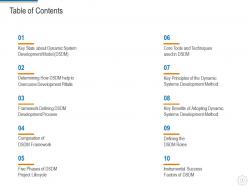
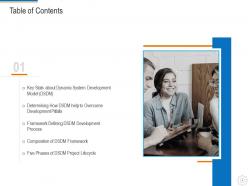
Diapositiva 3 : Esta diapositiva muestra la tabla de contenido del proyecto.
Diapositiva 4 : Esta diapositiva muestra el título para una descripción general del proyecto.
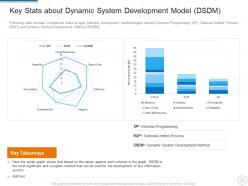
Diapositiva 5 : Esta diapositiva proporciona estadísticas comparativas sobre metodologías ágiles de desarrollo de software, a saber, Programación extrema (XP), (RUP) y Método de desarrollo de sistemas dinámicos (DSDM).
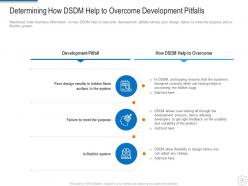
Diapositiva 6 : Esta diapositiva ilustra información sobre cómo el DSDM ayuda a superar los escollos del desarrollo, a saber, el diseño deficiente, el incumplimiento del propósito y el sistema inflexible.
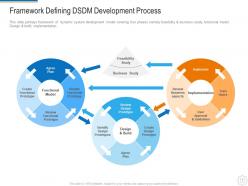
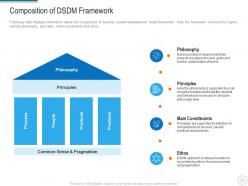
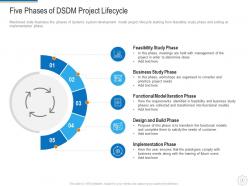
Diapositiva 7 : Esta diapositiva muestra el marco del modelo de desarrollo de sistemas dinámicos que abarca cuatro fases, a saber, estudio de viabilidad y comercial, diseño y construcción, implementación, etc.
Diapositiva 8 : Esta diapositiva es 100% editable. Adáptalo a tus necesidades y capta la atención de tu audiencia.
Diapositiva 9 : Esta diapositiva es 100% editable. Adáptalo a tus necesidades y capta la atención de tu audiencia.
Diapositiva 10 : esta diapositiva muestra el título de las herramientas y técnicas principales utilizadas en DSDM.
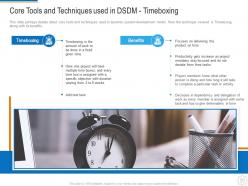
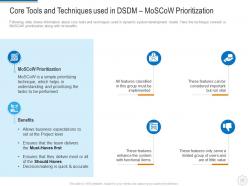
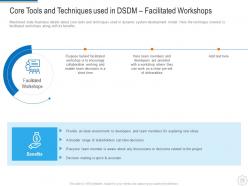
Diapositiva 11 : esta diapositiva muestra detalles sobre las herramientas y técnicas principales utilizadas en el modelo de desarrollo de sistemas dinámicos. Aquí la técnica cubierta es Timeboxing junto con sus beneficios.
Diapositiva 12 : esta diapositiva es 100 % editable. Adáptalo a tus necesidades y capta la atención de tu audiencia.
Diapositiva 13 : esta diapositiva es 100 % editable. Adáptalo a tus necesidades y capta la atención de tu audiencia.
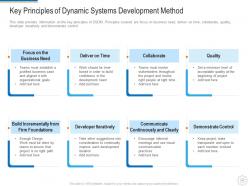
Diapositiva 14 : Esta diapositiva explica los principios clave de DSDM. Los principios cubiertos son el enfoque en la necesidad comercial, la entrega a tiempo, el desarrollo iterativo y la demostración de control, etc.
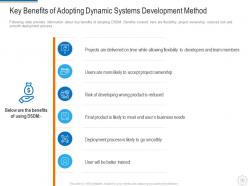
Diapositiva 15 : Esta diapositiva proporciona información sobre los beneficios clave de adoptar DSDM.
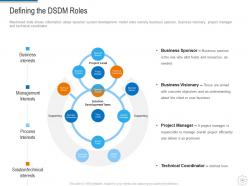
Diapositiva 16 : Esta diapositiva muestra información sobre los roles del modelo de desarrollo de sistemas dinámicos, a saber, patrocinador comercial, visionario comercial, gerente de proyecto y coordinador técnico.
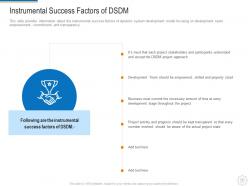
Diapositiva 17 : Esta diapositiva muestra los factores instrumentales de éxito del modelo de desarrollo de sistemas dinámicos que se centran en el empoderamiento, el compromiso y la transparencia del equipo de desarrollo.
Diapositiva 18 : Esta es la diapositiva de iconos para el proyecto.
Diapositiva 19 : esta diapositiva muestra el título de las diapositivas adicionales.
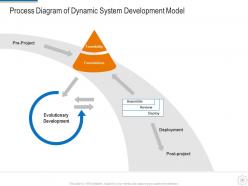
Diapositiva 20 : Esta diapositiva muestra el diagrama de proceso del proyecto.
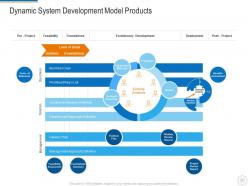
Diapositiva 21 : Esta diapositiva muestra productos de modelos de sistemas dinámicos.
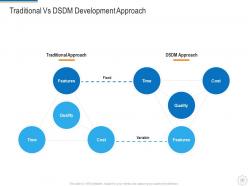
Diapositiva 22 : Esta diapositiva muestra el enfoque utilizado en el proyecto.
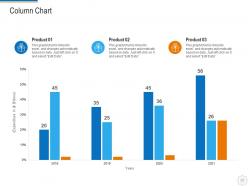
Diapositiva 23 : Esta diapositiva presenta el gráfico de columnas para diferentes productos. Los gráficos están vinculados a Excel.
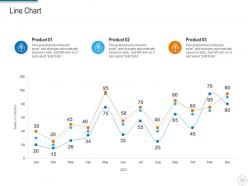
Diapositiva 24 : Esta diapositiva presenta el gráfico de líneas para diferentes productos. Los gráficos están vinculados a Excel.
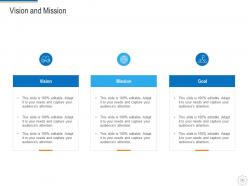
Diapositiva 25 : esta diapositiva muestra la visión, la misión, las estrategias y los objetivos de su empresa.
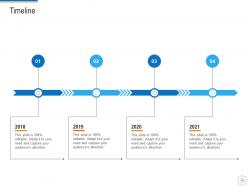
Diapositiva 26 : Esta diapositiva muestra la cronología anual de la empresa.
Diapositiva 27 : esta diapositiva muestra las publicaciones relacionadas con las experiencias pasadas de los clientes.
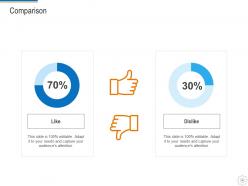
Diapositiva 28 : esta diapositiva presenta la comparación de sus productos según selecciones.
Diapositiva 29 : Esta diapositiva presenta los objetivos de su empresa.
Diapositiva 30 : Esta es la diapositiva de agradecimiento y muestra los detalles de contacto de la empresa, es decir, la dirección de la oficina, el número de contacto, etc.
Dynamic System Development Model It Diapositivas de presentación de Powerpoint con las 30 diapositivas:
Utilice nuestras diapositivas de presentación Powerpoint Model It de desarrollo de sistemas dinámicos para ayudarlo a ahorrar su valioso tiempo de manera efectiva. Están listas para encajar en cualquier estructura de presentación.

FAQs for Dynamic system development model it
DSDM's got eight principles but don't worry, they're not as overwhelming as they sound. The main ones? Focus on business need, hit your deadlines, collaborate constantly, keep quality high, build in chunks, iterate like crazy, communicate clearly, and stay in control. What's cool is that timelines and quality are non-negotiable - you flex on features instead. Makes sense when you think about it. I'd honestly start with just one principle though. "Focus on business need" is solid because it'll completely change how you handle requirements. The rest will click once you get that foundation down.
DSDM's basically the middle ground between Waterfall and pure Agile - you get iterative development but with way more structure than typical Agile approaches. The cool thing is they flip the usual script: instead of fixing features first, you lock down time and budget, then adjust what gets delivered. There are eight principles to follow (stuff like "deliver on time" and "collaborate") plus specific roles and timeboxed iterations. Honestly, I think it's pretty smart for teams that need Agile flexibility but can't deal with completely unpredictable delivery dates. Perfect when you want user involvement throughout but your boss still needs concrete timelines - which, let's be real, is most projects.
DSDM breaks down into five phases that actually make sense. You start with pre-project - basically asking "is this worth doing?" Then feasibility study goes deeper into whether it'll work technically and business-wise. Foundations is where you nail down architecture and requirements (honestly the most critical part, so don't skimp here). Evolutionary development is the fun bit - iterative building in timeboxes where stuff actually gets made. Deployment wraps it up by getting everything live. What's cool is how they all connect with constant feedback loops. Figure out which phase your project needs help with first.
Dude, user involvement in DSDM is everything - seriously. They're not just giving input, they're actually on your dev team the whole time. So you're getting real feedback constantly instead of guessing what people want. Way better than those old-school projects where users vanish after the first meeting and you don't see them until launch (awkward). You'll catch problems early, avoid rebuilding stuff, and actually solve real issues. Just make sure you get the right users - ones who can actually make decisions, not people who need to "check with their boss" about everything.
Timeboxing is huge in DSDM - basically you set fixed deadlines for each iteration and don't budge on them. Instead of extending timelines when stuff gets messy, you adjust what features make it in. Time and resources stay locked, so your team has to prioritize like crazy. Honestly took me forever to get used to this mindset shift. But it works! You end up shipping actual working software regularly instead of getting stuck in endless development cycles. My advice? Pick realistic timeboxes for your current work and stick to them no matter what. The focus it creates is pretty incredible.
So DSDM does incremental delivery by dropping working software in small pieces instead of one massive release at the end. Each piece actually adds real value users can jump on right away. Way better than waiting months to see anything, honestly. You use MoSCoW to figure out what's most critical first. Stakeholders love it because they're seeing constant progress and can give feedback early - saves you from those brutal "this isn't what we wanted" moments later. It's like renovating room by room instead of gutting your whole house at once.
So DSDM basically locks down your time and budget first, then you work backwards on features. Pretty smart actually. You use MoSCoW prioritization - Must have, Should have, Could have, Won't have. Sounds cheesy but it works. The timeboxing thing forces you into regular check-ins where issues pop up fast instead of festering. Your stakeholders need to get comfortable with "good enough" though - that's honestly the hardest sell. Once everyone stops obsessing over perfect scope, it's way less stressful. Just set those hard boundaries upfront and prioritize everything else around them.
DSDM is all about timeboxing - basically cramming work into 2-4 week chunks. Works surprisingly well once you get used to it. The MoSCoW thing (Must have, Should have, etc.) is a game-changer for dealing with stakeholders who want everything yesterday. They run lots of workshops instead of endless email chains, which honestly saves so much time. You're constantly building prototypes and working directly with business people throughout, not just dumping requirements at the start. Oh, and scope creep becomes way less of a nightmare. I'd start with mastering those two techniques first - timeboxing and MoSCoW prioritization.
So DSDM basically forces everyone to actually work together - you get business users, devs, and sponsors all in the same room for these workshops. Way better than drowning in email threads, trust me. Stakeholders can't just vanish after requirements either since they're needed throughout each timebox. The frequent software deliveries keep people focused too. You're discussing real working features instead of vague ideas floating around. Honestly, the hardest part is getting your key users to commit the time upfront. But once you do, those early workshops make everything smoother.
DSDM's your go-to when deadlines are breathing down your neck and requirements are still kinda fuzzy. Business-critical stuff works great - CRM rollouts, customer apps where you need constant feedback. Those fixed timeboxes? Total lifesaver for avoiding scope creep (seriously, who hasn't dealt with that nightmare). Works best when your team can actually talk to each other and business users don't disappear after kickoff. Honestly, if you need something decent shipped fast while keeping stakeholders happy, it's worth considering. Just don't expect miracles if your team's scattered across different time zones.
DSDM handles risk management pretty naturally through its iterative setup. Each timebox, you spot risks and deal with them right away instead of letting them snowball. Way less panic than waterfall projects, trust me. MoSCoW prioritization is clutch here - you knock out the riskiest "Must Have" stuff first so you're not sweating bullets later. Stakeholder reviews and prototypes catch problems when they're still cheap to fix. Honestly, just start with a basic risk register at kickoff and update it during your weekly standups. Works every time.
So DSDM basically expects things to change - which honestly makes way more sense than pretending you'll nail requirements upfront. Short timeboxes let requirements evolve between iterations. MoSCoW prioritization is clutch here because you focus hard on "Must haves" while keeping everything else flexible. The whole framework involves users constantly, so requirements get better as you build and get feedback. Don't chase that perfect solution though - aim for 80% and you're golden. Oh, and set those timebox boundaries early but keep talking to stakeholders throughout. Game changer for messy projects.
Look, DSDM's main win is getting actual working software out fast instead of drowning in planning forever. The timeboxing thing keeps everyone focused - no more scope creep disasters that destroy your timeline. You'll get constant user feedback too, so you're not building some fantasy product nobody wants. Quality controls are baked in, which honestly matters way more than people think. Short bursts work better anyway. If requirements keep changing or deadlines are brutal, it gives you structure without being rigid. Plus users see progress regularly instead of waiting months for some big reveal that might suck.
So DSDM basically builds quality checks into everything instead of saving it all for the end. Testing and reviews happen constantly throughout each sprint - you're validating stuff as you go. The cool thing is you literally can't move forward without hitting your quality benchmarks first (trust me, this prevents so many disasters down the road). Users stay involved the whole time, plus you get peer reviews and testing cycles that catch problems early when fixing them won't break your budget. Honestly? Start adding those quality checkpoints to your current sprint now - waiting just makes everything messier.
Yeah, there are some pretty good DSDV stories out there. The UK's Driver and Vehicle Licensing Agency totally nailed their vehicle registration overhaul - came in on time AND under budget, which is basically unheard of for government tech stuff. British Telecom did something similar with their billing system and cut dev time by 40%. Both projects really leaned into that timeboxing thing DSDV does, plus they kept users super involved the whole way through. Kept everyone happy and stopped the usual feature creep nightmare. Oh wait, I think there's detailed stuff on the DSDV Consortium site if you want the full breakdown.
-
Design layout is very impressive.
-
Awesomely designed templates, Easy to understand.
-
I discovered this website through a google search, the services matched my needs perfectly and the pricing was very reasonable. I was thrilled with the product and the customer service. I will definitely use their slides again for my presentations and recommend them to other colleagues.
-
Very unique and reliable designs.
-
Great quality slides in rapid time.