


Economic growth powerpoint presentation slides




Try Before you Buy Download Free Sample Product
 Impress Your
 Audience
 100%
100% Editable
 Save Hours
 of Time


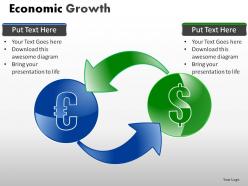
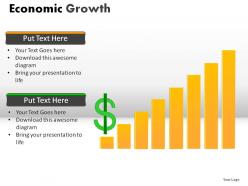
Your thoughts have brought you a long way. Set course for the future with our Economic Growth Powerpoint Presentation Slides.
People who downloaded this PowerPoint presentation also viewed the following :
Economic growth powerpoint presentation slides with all 23 slides:
Our Economic Growth Powerpoint Presentation Slides are the stuff of legends. Your words will prove truly mightier than any sword.


FAQs for Economic growth
Look at GDP growth first - that's your main indicator for total economic output. Employment rates are huge too since they show how regular people are actually doing. Don't just look at one month though, you need trends over several quarters to see what's really happening. Consumer spending and business investment are solid predictors for future growth. Productivity and inflation matter but honestly GDP and jobs data will tell you most of what you need to know. Pull the quarterly GDP reports and monthly employment numbers - that combo gives you the clearest read on where things are headed.
So basically the government controls economic growth through three main things - spending, taxes, and regulations. It's like they're driving the whole economy. Fiscal policy deals with spending and taxes, while monetary policy works alongside it to boost investment and keep businesses confident. Regional stuff is more specific though - like creating special zones or building infrastructure in certain areas. Honestly, policymakers have way more power than most people realize! The tricky part is they can't just focus on quick fixes. They need to think about what'll work long-term too, which makes analyzing growth strategies pretty complex.
So tech is basically transforming emerging markets right now. Productivity goes through the roof when companies get automation and better tools. Mobile banking is insane - Kenya's M-Pesa thing completely changed how people handle money there. Foreign investors love markets with solid digital infrastructure too. Here's what's cool though: these countries can just skip entire generations of tech. Why mess with landlines when you can build mobile networks from scratch? Way smarter approach honestly. If you're thinking investments, look for places where tech fixes basic infrastructure problems. That's where the real opportunities are hiding.
Honestly, entrepreneurs are like the secret sauce for economic growth. They're out there creating jobs and solving actual problems while big corporations just... exist, you know? New businesses bring fresh ideas and keep everyone on their toes. Plus they're way faster at adapting when markets shift or people need different things. The cool part is they often come up with greener solutions too. If governments actually supported them better with funding and decent policies instead of making everything complicated, we'd probably see way more growth. It's one of those things that just makes sense long-term.
Trade deals can really boost a country's economy by opening new markets and cutting down barriers. Companies get cheaper materials, which helps with production costs. Your exporters suddenly have way more potential customers too. The competition thing is pretty cool - it pushes local businesses to step up their game, though some definitely struggle at first. Foreign investors also love these agreements since they get easier access to multiple markets at once. Oh, and if you're looking at any country's growth potential, definitely check what trade relationships they've got going on. Makes a huge difference.
Look, it's pretty messy honestly. Growth can actually help reduce inequality if it creates good middle-class jobs - you see this in some countries. But here's the thing: in most rich nations lately, it's been doing the opposite. The benefits keep flowing to people who already own stuff or have fancy degrees. Meanwhile everyone else? Their wages barely budge. I think the real question is whether governments actively spread those benefits around through better schools and tax policies, or just let wealth pile up at the top. Makes a huge difference which path you take.
Look, it really depends on how countries handle their resources. Norway and Canada? They struck oil and minerals but were smart about it - built up other industries and didn't put all their eggs in one basket. Meanwhile Nigeria and Venezuela totally screwed themselves over. Got way too dependent on exports while corruption ate everything from the inside. Here's what made the difference: good governments actually invest resource money into schools, roads, other sectors instead of just stealing it. Honestly, corruption ruins everything. So whenever you're looking at a resource-rich country, see if they're diversifying or just digging stuff up.
So education is basically like a growth hack for developing countries. You'll see higher productivity and more skilled workers who can tackle complex stuff. Honestly, it's one of the best predictors of long-term GDP growth - way better than some other investments countries make. Primary education takes forever though, like 10-15 years to really pay off. But higher ed and vocational training? That can boost growth pretty fast since you're creating the workforce manufacturers and service companies actually need. The tricky part isn't just getting kids enrolled - you need decent quality education that teaches skills people can use.
Yeah so countries that dump money into roads, bridges, broadband - they almost always see GDP jump in the next few years. Makes total sense when you think about it. Better infrastructure = more efficient businesses = more investment flowing in. Plus you get jobs from the actual construction AND long-term benefits after. Developing countries see this effect way more dramatically since their infrastructure usually sucks to begin with. Oh and here's a tip - if you're watching economic forecasts, infrastructure spending plans are honestly one of the best predictors of where growth's headed.
Yeah, rapid growth usually means we're just burning through resources faster - more pollution, trashing habitats, the whole mess. China did this hardcore in the 2000s with that "get rich first, worry about the environment later" mentality. You can totally avoid this though. Green tech helps, plus circular economy stuff and carbon pricing. Denmark's actually managed to grow their economy while cutting emissions, which is pretty cool. The trick is baking environmental costs into your planning right from the start instead of scrambling to fix things afterward. What sustainability stuff does your industry already measure?
So basically, when populations age or grow, it totally changes how the economy works. Japan's a perfect example - they've been struggling with slow growth for years because most people are older and fewer are working. Countries with younger populations? They usually do way better since more people are entering the workforce and spending money. The weird thing is these changes happen super gradually, like over decades. So governments have to think way ahead about schools, roads, all that stuff - otherwise they miss out on the good times when demographics are actually working in their favor.
Okay so three main things to focus on here. Education and skills training is huge - you want everyone able to compete in today's economy, not just people who can afford good schools. Then there's the safety net stuff - healthcare, unemployment benefits, that whole thing. So many places completely mess this up tbh. Progressive taxes help too, plus targeted programs for communities that get left behind. The real challenge isn't growing the economy, it's making sure those gains don't just flow to the wealthy. Oh and actually measure inequality alongside GDP - otherwise you're flying blind on what matters most.
FDIs are actually pretty great for local economies - they bring money, jobs, and know-how. Foreign companies hire locally and usually teach workers new skills. They buy from local suppliers too, so the benefits spread around. Tax revenue is nice bonus. But honestly? Not all FDI is created equal. Some companies just want cheap labor, which sucks. You want the ones that actually transfer real knowledge and create decent jobs. My econ professor always said quality beats quantity with this stuff. The ripple effects can be huge when done right.
Honestly, there's no magic formula that works everywhere. South Korea's playbook won't necessarily fix your economy today. Japan nailed it with strategic government investment, while tiny Singapore showed that size doesn't matter if you're smart about specialization. Nordic countries somehow managed high growth AND great social programs - pretty impressive tbh. Education investment is huge across all success stories. Political stability matters too. But here's the thing: you can't just copy-paste policies. Countries that thrive adapt strategies to fit their specific situation rather than blindly following what worked elsewhere.
Honestly, global economic integration is kinda tricky - it can really speed up growth or mess things up. You'll get access to bigger markets and foreign investment, plus all that tech transfer stuff that boosts productivity. But then you're also way more exposed to external shocks and your domestic industries might get crushed by competition. Look at COVID - some countries got hit way harder because of how connected their supply chains were. I think the trick is not going all-in on either extreme. You want some openness for the growth benefits, but you can't ignore how vulnerable it makes you to global market swings.
-
Best Representation of topics, really appreciable.
-
Very unique, user-friendly presentation interface.