

Edge computing it powerpoint presentation slides




Try Before you Buy Download Free Sample Product
 Impress Your
 Audience
 100%
100% Editable
 Save Hours
 of Time


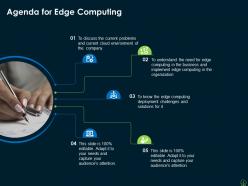
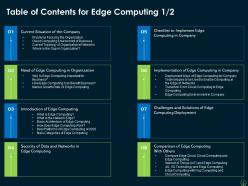
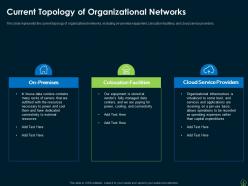
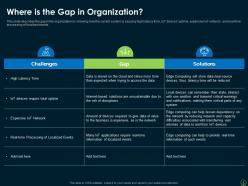
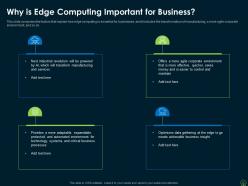
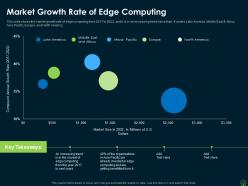
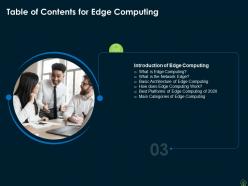
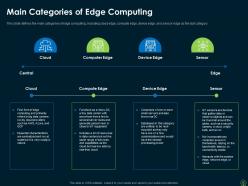
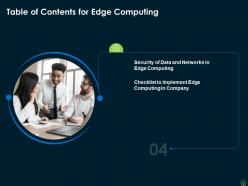
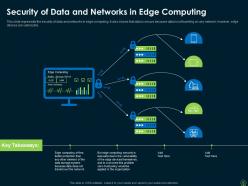
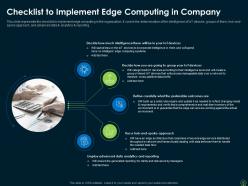
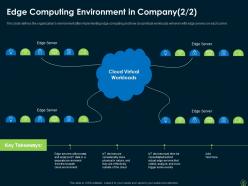
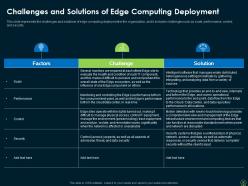
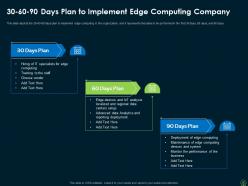
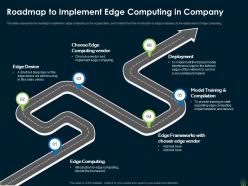
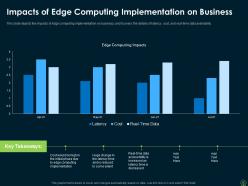
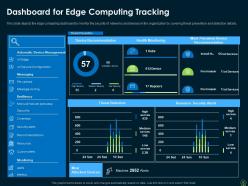
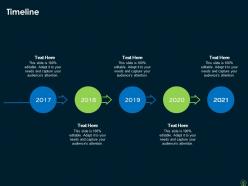
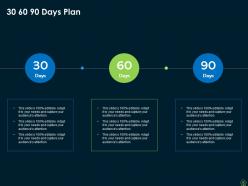
Edge computing is a distributed, open IT infrastructure that enables mobile computing and Internet of Things IoT technologies by providing dispersed processing capacity. This PowerPoint presentation gives a brief idea about problems experienced by organizations, existing cloud environments, to understand the need for edge computing and implement edge computing in the organization. In this Edge Computing PowerPoint Presentation, we have covered the current topology of organizational networks, gap analysis, benefits of edge computing to the business, and market growth rate of edge computing. In addition, this Distributed Computing PPT contains an introduction of edge computing by covering topics network edge, basic architecture, its working, best platforms of edge computing, and main categories of it. Furthermore, this Distributed Information Technology template includes the security of data and networks, a checklist to implement edge computing, implementation and challenges, and solutions to implement edge computing. Moreover, this Edge Computing PPT caters to a comparison of edge computing with Fog Computing, Internet of Things IoT, Cloud Computing, 4G and 5G technology, and use cases of edge computing in different sectors such as healthcare, cloud gaming, financial sector and so on. Lastly, this Distributed Computing deck comprises a training program, budget, timeline, a 30 60 90 days plan, roadmap, dashboard, and impacts of edge computing after implementing in the organization. Download our 100 percent editable and customizable template which is also compatible with google slides.
People who downloaded this PowerPoint presentation also viewed the following :
Edge computing it powerpoint presentation slides with all 69 slides:
Use our Edge Computing IT Powerpoint Presentation Slides to effectively help you save your valuable time. They are readymade to fit into any presentation structure.

FAQs for Edge computing it
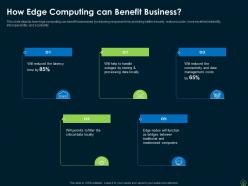
Honestly, edge computing is pretty sweet for two big reasons - way less lag and better reliability. Your data gets crunched right where you need it instead of bouncing to some server farm miles away. Response times are insane fast, which matters a ton for stuff like self-driving cars. Oh and if your internet craps out? Edge devices keep working locally anyway. You'll save money on bandwidth too since you're not constantly uploading everything to the cloud. Definitely worth looking into if you've got time-sensitive apps or sketchy connectivity.
So basically edge computing cuts out the middleman. Instead of your data traveling hundreds of miles to some server farm and back, it gets processed right there locally. We're talking milliseconds vs seconds - which honestly makes a huge difference. Think of it like having a smart assistant right next to you instead of calling someone across the country every time you need help. For stuff like self-driving cars or factory sensors, those delays can be make-or-break. If you're working with anything time-sensitive, you'll probably want to look into edge processing. Game changer for real-time applications.
So edge computing is huge for manufacturing, healthcare, and self-driving cars - basically anywhere you can't wait for data to travel to some distant server and back. Factories use it for real-time maintenance alerts, hospitals for patient monitoring that literally can't lag, and autonomous vehicles that need instant reactions. Retail's getting into it too with smart checkout systems. Honestly, it's pretty straightforward - if lives are on the line or you need split-second decisions, edge computing isn't optional anymore. Network outages become way less scary when everything's processed locally.
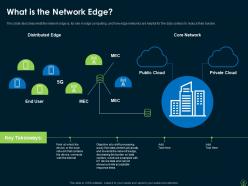
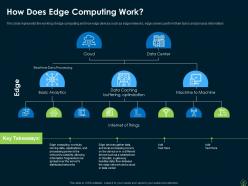
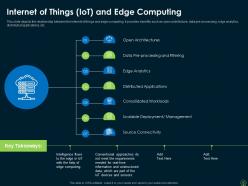
Think of edge computing like having a mini data center right next to your IoT devices instead of shipping everything off to some server farm hundreds of miles away. Your sensors can crunch numbers locally and make quick decisions without that annoying lag time. It's honestly a game-changer for anything that needs instant responses. You'll save on bandwidth costs too since you're not constantly uploading data. Plus when your internet decides to have a bad day (because it will), your devices keep working. I'd start by figuring out which processes absolutely can't wait around for cloud responses.
So basically edge computing keeps your sensitive stuff local instead of sending it all over to some distant cloud server. Way less risky during transmission that way. Think of it like - why ship your valuables across town to a bank vault every single time when you could just use a home safe? You're cutting down all those network hops where hackers might grab your data. Honestly, I think having more control over where your info actually sits is huge. Just make sure whatever edge devices you're using aren't total garbage security-wise, or you'll defeat the whole purpose.
Honestly, network issues are gonna be your worst nightmare - like trying to manage a bunch of scattered devices that don't want to cooperate. Security gets tricky fast since you're not just protecting one central spot anymore. Your IT folks might be cloud pros, but edge computing? Totally different beast. Oh, and if you've got old legacy systems (which, let's be real, everyone does), integration becomes a whole mess. My advice? Don't jump in headfirst. Try a small pilot first to see what breaks.
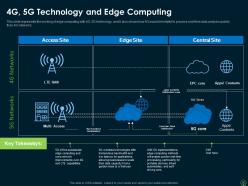
So 5G makes edge computing way faster - we're talking milliseconds instead of waiting for data to bounce back to some distant server. The bandwidth boost is insane too, which means you can actually run heavy stuff like real-time video analysis or AR apps that would've been impossible before. Autonomous cars need this kind of speed to work properly. 4G just can't handle it. Oh and the connection stability is miles better than what we had. If you're thinking about setting up edge infrastructure anywhere, definitely check 5G coverage first - it'll make or break what you can actually deploy.
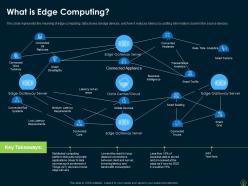
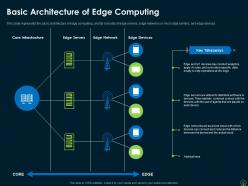
So you've got edge nodes - basically your compute devices doing the actual work. Then there's networking layers connecting everything and a management system running the show. Local storage, security gateways, and usually some AI processing stuff too. Honestly, the modular setup is pretty sweet because you can pick what you need. Edge nodes could be tiny IoT gateways or full mini data centers - really depends on your situation. Oh, and figure out your latency needs first, then work backwards from there. Makes the whole component selection way easier.
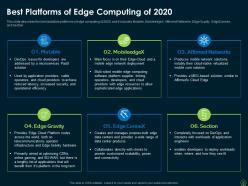
Kubernetes is probably your best bet - grab one of those edge-specific distributions. Most companies that nail this start with a centralized control plane that pushes workloads wherever they're needed. It's basically like having a smart traffic controller, which sounds cheesy but actually makes sense when you see it working. Automate your deployment pipelines so you can shift stuff around based on latency or demand spikes. The biggest thing? Don't think of edge and cloud as separate systems. Treat them like one big infrastructure. Oh, and definitely start small with just one use case first - I've seen too many teams try to boil the ocean right away.
Honestly, just pick one thing and test it small first - don't go crazy trying to deploy everywhere at once. Security's huge here because edge devices get compromised all the time (seriously, it's bad out there). Only put stuff at the edge where you actually need that speed boost, not just because it sounds fancy. You'll definitely want good monitoring since you can't drive out to check on these things. Oh and figure out your data flow early - what stays local vs what goes back to your main systems. That part trips up a lot of people. Get one use case working really well, then build from there.
So basically edge computing means your data gets processed right where it happens - like at your store or warehouse - instead of traveling to some far-off cloud server. Makes everything way faster, we're talking milliseconds instead of waiting around forever. Perfect for catching fraud instantly, predicting when machines might break, or showing customers personalized stuff on the spot. Honestly, the travel time alone kills most real-time applications. Look at where delays are actually costing you - could be customers bouncing or equipment failing while you're still processing data from yesterday.
So basically edge computing cuts your carbon footprint by keeping data processing local instead of ping-ponging everything to far-off data centers. Way less energy wasted on transmission that way. Plus servers aren't constantly grinding through network traffic - which honestly, at global scale, is kinda insane how much power that burns. Network congestion drops too, so you need less infrastructure overall. I mean, my buddy works in data and says the transmission costs alone are wild. Bottom line: if you're building something that crunches local data, edge processing is faster AND actually better for the planet.
So basically you can run ML models right on the device instead of shipping everything to the cloud. Way faster responses - we're talking milliseconds instead of waiting around. Smart cameras catch problems instantly, IoT stuff predicts when machines might break, that kind of thing. Your data never leaves the device either, which honestly feels way better privacy-wise. Autonomous cars are huge for this since they can't afford to wait for cloud processing. Same with medical monitoring. I'd say start with whatever's giving you the worst latency headaches right now and try moving that to edge first.
Edge computing's about to get crazy AI-heavy - like, specialized chips everywhere for running ML models right on device. 5G is gonna make real-time processing actually feel instant, which is wild. Honestly, the standardization happening across platforms is long overdue. Security's shifting to zero-trust models too. Oh, and hybrid cloud integration is getting way smoother. You should definitely dive into edge AI frameworks now if you're thinking about new projects. That's where all the cool stuff's happening. Trust me on this one.
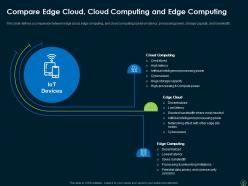
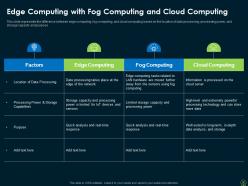
So edge computing is basically putting the processing power right where your data comes from instead of shipping everything off to some distant server. Think mini data centers at cell towers or in buildings. Way less stuff has to travel across networks that way. Your security cameras can actually analyze footage on the spot and only ping you when something sketchy happens - no more uploading hours of boring hallway footage. It's pretty solid for IoT stuff and anything that needs to work in real time. You should probably look at what data you're currently sending around and see what could stay local instead.
-
Very unique and reliable designs.
-
Innovative and attractive designs.
-
Topic best represented with attractive design.
-
Very unique and reliable designs.