

Effective Leadership And Management Styles And Approaches Powerpoint Presentation Slides




Try Before you Buy Download Free Sample Product
 Impress Your
 Audience
 100%
100% Editable
 Save Hours
 of Time


Our Effective Leadership And Management Styles And Approaches Powerpoint Presentation Slides are topically designed to provide an attractive backdrop to any subject. Use them to look like a presentation pro.
People who downloaded this PowerPoint presentation also viewed the following :
Effective Leadership And Management Styles And Approaches Powerpoint Presentation Slides with all 51 slides:
Use our Effective Leadership And Management Styles And Approaches Powerpoint Presentation Slides to effectively help you save your valuable time. They are readymade to fit into any presentation structure.





FAQs for Effective Leadership And Management Styles And Approaches
Honestly? Being adaptable is everything right now. Things change so fast you'll get left behind if you can't pivot. Emotional intelligence matters way more than people think - like actually getting what motivates your team instead of just assuming. Communication's obviously huge, especially with everyone working remotely (Slack misunderstandings are the worst). But authenticity beats everything else hands down. People can tell when you're being fake instantly. Don't pretend you know stuff you don't. Empower your team instead of breathing down their necks. Oh, and ask them what actually works - they'll tell you.
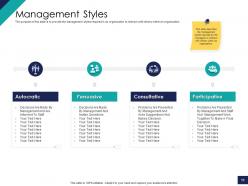
Oh man, your management style makes a huge difference in how your team actually performs. Autocratic managers get fast results but people end up feeling micromanaged and just... bleh. Democratic and coaching approaches work way better for morale - your team feels heard and grows. Smart managers I know switch it up though. Crisis mode? Be directive. Planning sessions? Go collaborative. You've gotta read the room and know what your team needs in that moment. Also helps to actually tell people which mode you're in so they're not confused.
Honestly, the best leaders I've worked with create that safe space where people aren't scared to pitch crazy ideas. You know how some managers make you feel stupid for thinking outside the box? These ones do the opposite. They get everyone pumped about this bigger vision - like you actually want to show up Monday morning, which is saying something. They're always investing in training and letting people experiment, even if half the stuff flops. What really matters is they walk the walk themselves and celebrate when someone finds a creative solution. Ask your team what wild ideas they've been keeping to themselves - bet you'll be surprised.
Look, autocratic leadership is perfect for crises or crazy deadlines - people know exactly what's expected. But your team might start feeling micromanaged after a while. With democratic leadership, you'll get way more buy-in and creative ideas since everyone gets a voice. The downside? Making decisions takes forever when you're trying to please everyone (trust me on this one). Honestly, the best leaders I know just flip between both depending on what's happening. Quick decision needed? Be autocratic. Got time for input? Go democratic. Don't overthink it.
Honestly, you've got to figure out each person individually first. Ask them straight up how they like feedback and what actually motivates them - don't just guess. I made this mistake once and totally micromanaged someone who just needed space to work. Big mistake! Some people want constant check-ins, others will hate you for it. Mix up your approach depending on the situation too. Sometimes you're coaching, sometimes you're just delegating and staying out of their way. Oh and team dynamics matter - don't put all the quiet people together on one project, you know? Start with one-on-ones where you actually listen.
EQ is everything in leadership, seriously. I've watched super smart people bomb as managers because they can't read the room or handle conflict without making things weird. The best leaders? They stay cool under pressure and know how their mood affects everyone else. Like, if you're stressed and snappy, your whole team feels it. Being able to give tough feedback without destroying someone's confidence is an art. Same with keeping people motivated when everything's falling apart - that's pure emotional intelligence right there. Honestly, just start noticing how your energy impacts others and you'll already be ahead of most managers.
Oh man, leading global teams is like learning a whole new language every time. What kills it in the US - being super direct - can totally bomb in places like Japan where everything's more subtle. I've seen managers crash and burn trying to use the same approach everywhere. Some cultures want that hierarchy respect, others hate it and want everyone equal. Feedback styles? Completely different too. You basically gotta research each culture on your team first, then switch up how you communicate and make decisions. Sounds exhausting but honestly it makes you a way better leader.
Honestly, you've gotta lead by example first - admit when you screwed up or don't know something. That gives everyone permission to be real too. Set up regular chances for different teams to actually work together (not just those boring cross-functional meetings). Listen, I've watched way too many managers talk about collaboration while hoarding decisions. Ask people what they think before you decide stuff. When someone has a good idea, shout them out publicly. Oh, and deal with team drama head-on instead of hoping it'll magically disappear. Start simple - ask each person "what's one thing I could do better to help you?"
So servant leadership basically means you serve your team instead of bossing them around. Pretty different from most managers, right? You help them grow, clear roadblocks, and actually support their success rather than just barking orders. Honestly, I think it works way better than the whole "I'm the boss so listen up" thing. Teams stay longer, trust you more, and come up with better ideas when they feel supported. Plus engagement goes through the roof. Start simple though - just ask what's blocking them and actually help fix it.
Look at engagement scores and retention rates first - that's your foundation. Exit interviews are gold since people tell the truth when they're leaving. Track how fast teams hit goals under different managers, plus promotion rates from within. 360 feedback helps too, though honestly some people just aren't great at giving feedback. Customer satisfaction matters since bad managers usually mess that up somehow. Pulse surveys every quarter will show you trends without being annoying. Don't forget productivity metrics - they tell a story when you compare across teams.
Honestly, you've gotta ask around - your team, boss, whoever works with you regularly. Yeah, it sucks when feedback hits wrong, but set up regular check-ins or maybe anonymous surveys so people actually tell you stuff. Here's what most people miss though: follow up! When someone gives you advice, circle back later and show them what you changed. Makes them way more likely to be real with you next time. Oh, and don't try to fix everything at once - that's overwhelming. Just pick one thing this week and make it obvious you're working on it.
Look, trust is everything in business right now. People can spot fake leadership instantly - they'll literally quit over it. You build credibility by actually doing what you say you're gonna do. Sounds simple but most leaders mess this up constantly. Your team gets stronger, retention improves, the whole thing works better when you lead with real integrity. And honestly? One screw-up goes viral so fast these days. I've seen careers tank over stupid ethical choices that could've been avoided. Just be consistent between your words and actions - that's literally where it all starts.
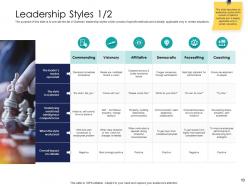
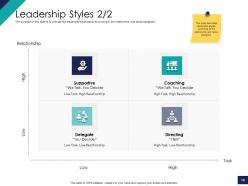
Honestly, situational leadership is like being a chameleon with your team. You're constantly shifting between directing, coaching, supporting, or just letting people run with things - all depends on what they need for that specific task. The trick is actually reading the room correctly, which takes practice tbh. Some people need more hand-holding, others just want you to get out of their way. It's pretty freeing once you figure it out because you stop trying to use the same approach for everyone (spoiler: that never works). Start by checking where each person stands - are they skilled but unmotivated? New but eager? Then adjust from there.
Dude, you basically can't hover anymore - which honestly filters out the micromanagers real quick. Results matter way more than just being "present." Communication becomes everything since you can't assume people know what's happening. Some of your team will love the independence, others? They'll need way more check-ins than you'd expect. I'd overcommunicate goals like crazy and set up regular touchpoints. Trust building gets trickier without grabbing coffee together. Your whole leadership style has to flex more. Clear expectations become your best friend when you can't just pop by someone's desk.
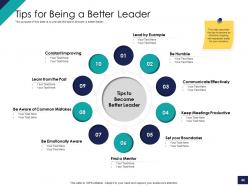
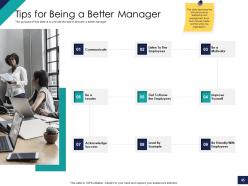
Honestly, start with actually listening to your people - like really hearing what they're saying, not just waiting for your turn to talk. Emotional intelligence is everything. Most managers think barking orders makes them leaders, but that's backwards. You've gotta speak their language and figure out what actually motivates each person. Oh, and feedback that doesn't suck - be specific when someone does good work. People see through fake praise instantly. Building trust takes forever but it's worth it. Try this: have real conversations with your team about their goals, not just deadlines. Works way better than you'd think.
-
Very unique and reliable designs.
-
Excellent products for quick understanding.
-
Informative design.
-
Really like the color and design of the presentation.
-
Innovative and Colorful designs.