


Wöchentlicher Arbeitsplan für Mitarbeiter




Try Before you Buy Download Free Sample Product
 Impress Your
 Audience
 100%
100% Editable
 Save Hours
 of Time


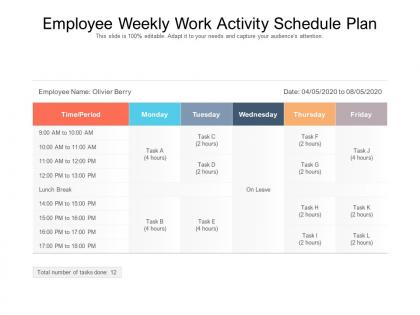
Unser wöchentlicher Arbeitsplan für Mitarbeiter ist thematisch so gestaltet, dass er jedem Thema einen attraktiven Hintergrund bietet. Verwenden Sie sie, um wie ein Präsentationsprofi auszusehen.
People who downloaded this PowerPoint presentation also viewed the following :
Wöchentlicher Arbeitsplan der Mitarbeiter mit allen 2 Folien:
Verwenden Sie unseren wöchentlichen Arbeitsplan für Mitarbeiter, um effektiv Ihre wertvolle Zeit zu sparen. Sie sind gebrauchsfertig und passen in jede Präsentationsstruktur.

FAQs for Employee weekly work
Honestly, the scheduling nightmare is real. You'll spend forever juggling everyone's availability windows and trying not to blow your labor budget. People calling out sick last minute? That's gonna happen constantly. Good luck keeping everyone happy with their preferred shifts too - someone's always gonna be mad. Break requirements and overtime rules will trip you up if you're not careful. Plus you need the right people working during your busy hours, which is trickier than it sounds. Get scheduling software ASAP though, seriously. I tried doing it with spreadsheets at first and wanted to throw my laptop out the window.
Dude, these scheduling tools are game-changers. They do all that annoying math stuff - checking who's available, handling shift swaps, making sure you're not accidentally breaking labor laws. Your team can request time off right in the app instead of texting you at random times (thank god). The software catches things you'd totally miss, like when someone's about to hit overtime or if you're short-staffed on Tuesday. Takes what used to be hours of headache and knocks it out in minutes. Honestly, just grab a free trial of whatever's popular and see how much sanity you get back.
Honestly, getting everyone's availability straight is huge - like, you can't make a decent schedule without it. I learned this the hard way when people would randomly tell me they couldn't work shifts I'd already posted. So annoying. Now I make everyone update their availability regularly, and it's saved me tons of headaches. Your team feels way better when you actually respect their time constraints too. The real eye-opener though? Actually look at who's available during your crazy busy times. I bet you'll find some serious gaps you didn't even realize were there.
Honestly, just figure out what you absolutely can't budge on first - like having enough people during busy times. Then give your team real choices around those limits. Maybe they can swap shifts or pick from a few schedule options. I'd probably survey everyone about what they actually want schedule-wise before doing anything else. The trick is being super clear about what's set in stone vs what they can control. Trust me, this cuts down on so many annoying conversations later. Oh, and rotating who gets the good shifts keeps things fair.
Ugh, bad scheduling is seriously the worst - it'll tank your team's morale so fast. Last-minute changes and inconsistent hours stress everyone out. People get resentful when shifts feel unfair, and honestly, who can blame them? Work quality nosedives because they're constantly worried about their schedule instead of focusing. You'll see more turnover too since people want stability. Try to get schedules out two weeks ahead if you can. Being upfront about how you assign shifts helps a ton - like way more than you'd think. Short sentences mixed with longer ones work better for readability btw.
Honestly, data analytics is a game changer for scheduling. Track your numbers for a month first - you'll start seeing patterns like how Tuesdays are dead but Fridays need way more people. It beats just guessing every week. The cool part is you can spot your most reliable workers and predict who's gonna call out sick (we all know *that* person). Plus you'll catch overtime costs before they get crazy. I mean, it's basically going from always scrambling to actually being ahead of things. Way less stressful once you get the hang of it.
Ugh, scheduling changes are the worst! Here's what saved my butt though - keep a running list of people who actually want extra shifts (shocking, I know some exist). Group texts at 6am are pure chaos, so make sure everyone has your number AND knows who the backup manager is. Document everything right away or you'll forget who you promised what to. Even an hour's notice beats springing it on someone as they're walking in. Oh, and if you can build in little buffers when making schedules, do it. Trust me, something will always go sideways and you'll thank yourself later.
Honestly, remote scheduling is so much less painful now with the right tools. Calendly and When2meet are lifesavers - they handle time zones automatically so you're not doing math at 2am trying to figure out what time it is in Berlin. Most teams already use Slack or Teams anyway, and they've got decent scheduling stuff built right in. No more endless email chains asking "does Thursday work?" You can actually see who's swamped before piling more meetings on them. Oh, and people can block off their deep work time which is clutch. Just start with whatever your team's already using - bet there's features you haven't even discovered yet.
Honestly, just set up a clear rotation system from day one - weekly or monthly works great so nobody gets permanently screwed with night shifts. Some people actually don't mind weekends or late hours, so ask around first. I'd definitely use scheduling software to track who's done what recently... saves you from accidentally being that manager who plays favorites (seen it happen, total mess). Document everything so people can see you're being fair. Oh and give people advance notice when shifts change - like at least a week if possible. Consistency is everything here.
Honestly, your schedule is make-or-break for customer happiness. Think about it - if you're short-staffed during lunch rush, people are gonna wait forever and get pissed. I've seen places lose regulars over this stuff. You want your A-team working when it's busy, not your newest hire who's still figuring things out. The trick is actually looking at when customers show up instead of just winging it. Good scheduling means having enough people when you need them. Bad scheduling? That's how you end up with angry customers and stressed employees.
Ugh scheduling rules are such a pain but you definitely need to cover your bases. Overtime kicks in after 40 hours and that's time-and-a-half pay. Your state probably has specific rules about meal breaks and rest periods too - some are way more strict than others. Watch out for minimum shift requirements and on-call pay stuff. Oh, and obviously don't schedule people in ways that could look discriminatory. I'd honestly just double-check your local laws since they're often tougher than federal ones. Maybe bounce your policies off HR first?
Honestly, just ask them what they want - wild idea, I know. Get some scheduling software where they can plug in their preferred shifts and time-off requests. Have regular chats about their availability too. Build their preferences right into your process instead of treating it like an afterthought. Be upfront when you can't accommodate something because of business needs. Oh, and rotate who gets first dibs on the good shifts so nobody feels screwed over. Trust me, a little fairness goes a long way with keeping people happy.
Look at your old sales data first - that's where the gold is. When were you slammed? What months sucked? I'd also check what's happening locally - concerts, festivals, even weird weather can mess with your staffing. Some people go crazy with fancy software, but honestly I just use a basic spreadsheet most of the time. Track holidays too since they're sneaky predictors. Oh, and start documenting everything now because you'll hate yourself later if you don't have data when busy season hits. Past schedules tell you way more than you'd think about future needs.
Honestly, cross-training is a lifesaver for scheduling. You won't be stuck when someone calls out sick or randomly quits on you. Multiple people can cover different jobs, so you can actually build schedules around what you need instead of just working with whoever knows what. That whole "understaffed but somehow overstaffed" thing? Cross-training fixes it. Move people where they're needed during rush periods. No more panic hiring every time there's a gap. I'd start with your best employees first - they usually pick things up faster anyway. Figure out which skills actually overlap between roles, then train from there. Your sanity will thank you later.
Dude, these apps are seriously worth it. Your employees can swap shifts without bugging you, check schedules instantly, and request time off through the app. You'll get notifications when someone calls out sick and can update schedules from anywhere - even from your couch at 11pm (not that I'm speaking from experience or anything). The real-time labor cost tracking is pretty clutch too. No more guessing if you're over budget. Honestly? The shift-swapping thing alone will save your sanity. People feel way more in control of their schedules, so they stick around longer. Try it for a month.
No Reviews