


Energy Conservation Powerpoint Presentation Slides




Try Before you Buy Download Free Sample Product
 Impress Your
 Audience
 100%
100% Editable
 Save Hours
 of Time


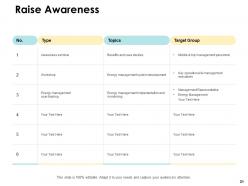
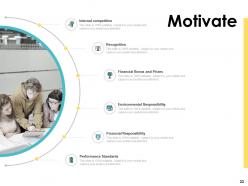
Save natural energy using these Energy Conservation PowerPoint Presentation Slides. Take the assistance of the energy management PowerPoint templates to depict the importance of optimum utilization of energy. Assess the performance of energy processes using various steps like gathering data, establishing baselines, benchmarking, analyzing data, conducting technical assessments, etc. Take advantage of this energy consumption PowerPoint slideshow to expound the action plan for energy saving like the determination of roles and resources, implementation of the action plan, etc. Utilize the energy utilization PPT visuals to reveal your communication plan. Use the energy PPT layouts to raise awareness about energy management through seminars, energy workshops, etc. Take the help of a control chart to track and monitor your used energy. Download the amazing energy-saving PowerPoint infographics and encourage people to save energy at home, offices and public places. Create exuberance with our Energy Conservation Powerpoint Presentation Slides. Give cause for great celebration.
People who downloaded this PowerPoint presentation also viewed the following :
Content of this Powerpoint Presentation
Natural resources are precious. So, as an essential part of society, we all need to do our bit to conserve as much energy as possible for a better and brighter future.
However, conserving energy and the planet’s natural resources requires a well-thought-out and much more carefully executed plan, which may be easier said than done. There’s no need to worry, though, as these energy conservation PowerPoint Presentation slides should help you get through the process. Establish goals or keep tabs on how much energy and resources you are consuming. Create and review plans to track projects related to conserving energy or conduct technical audits and assessments, all with the help of these presentation templates.
These PPT Slides are completely editable and customizable, so you can add what you think is necessary and remove all that you don’t need, depending on your requirements.
So, let’s explore these energy conservation PowerPoint Presentation templates and how they can help you with your projects.
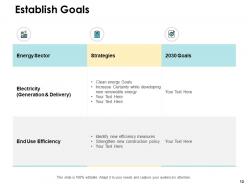
Template 1: Establish Goals
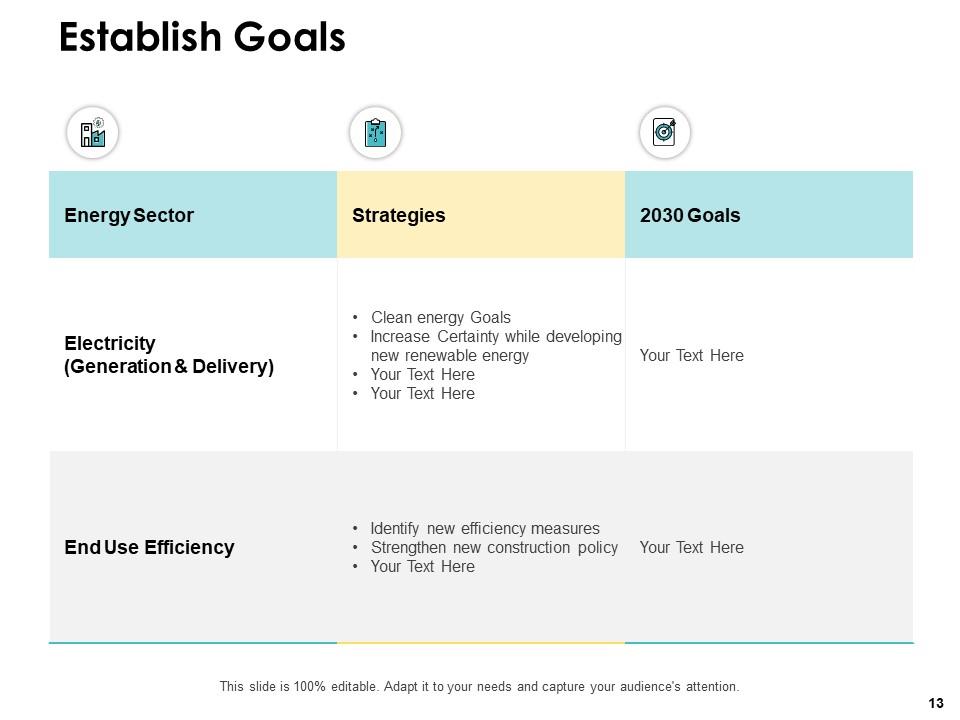
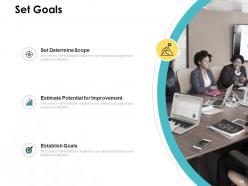
Establishing goals for achieving energy efficiency when generating and delivering electrical power is crucial to energy conservation. Formulate electricity generation and delivery strategies and improve end-user efficiency with this presentation template. Establish energy conservation objectives to achieve by 2030 or develop energy-saving strategies when generating and delivering electricity to households and business establishments. Set clean energy goals and improve the reliability of renewable energy resources. Use this PPT Layout to achieve your end-user electrical energy efficiency goals by identifying new and improved measures and strengthening policies.
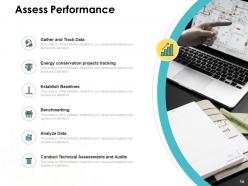
Template 2: Assess Performance
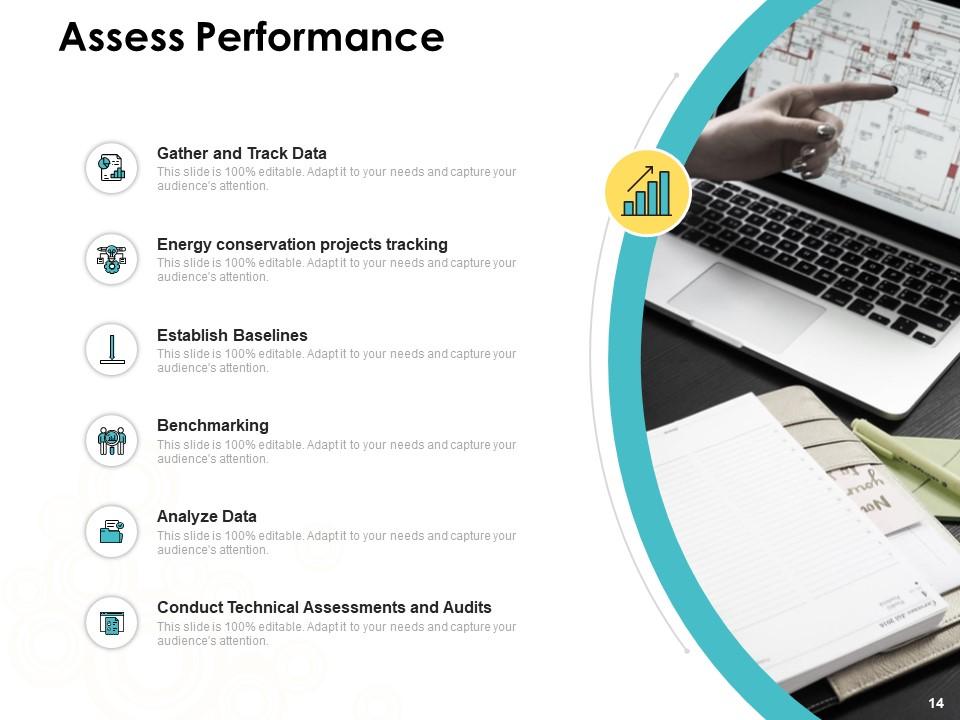
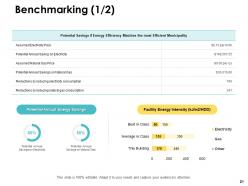
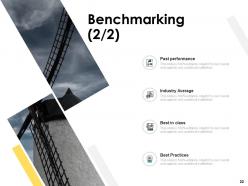
Assessing the performance of your energy conservation projects is equally important as it lets you know what’s working and what’s not working. So, use this editable and customizable PPT Design to gather and track data. Analyze the data collected and set benchmarks and baselines for measuring the performance of your energy conservation campaigns. Use the baselines and benchmarks to conduct technical assessments and audits. This handy presentation slide can help you assess the performance of your energy conservation projects and identify what works and what needs improvement.
Template 3: Gather and Track Data
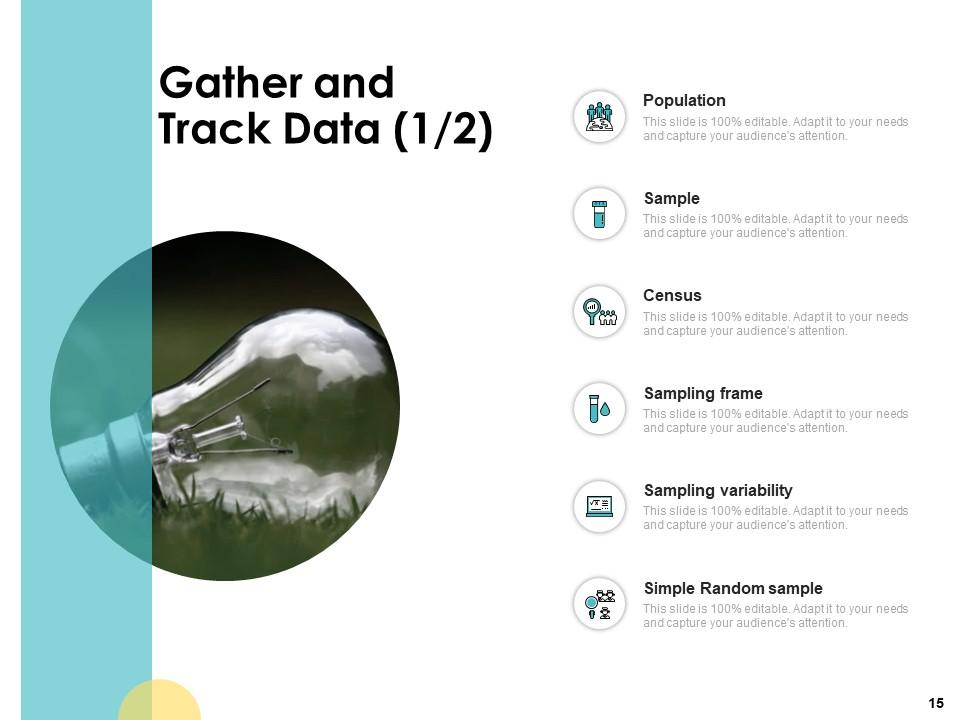
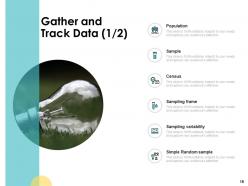
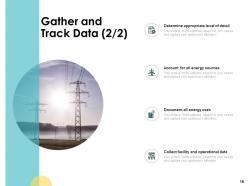
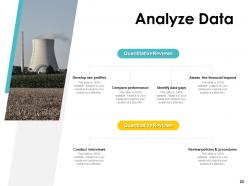
Analyzing data can be crucial for developing turnkey solutions to energy conservation problems. However, before that, you will need to gather the required data. Use this customizable PowerPoint Layout to design ways to collect the information necessary for your energy conservation projects. Sample collection could be based on the population present in an area or census, and analysis could involve sampling frames and variability or simple random samples.
Template 4: Energy Conservations Projects Tracking
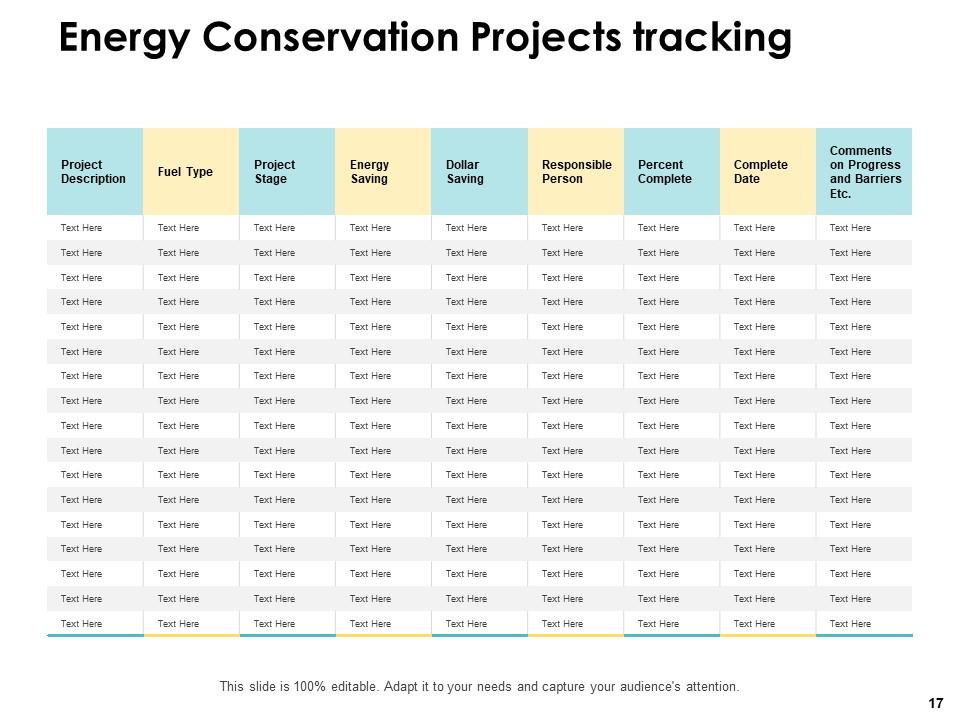
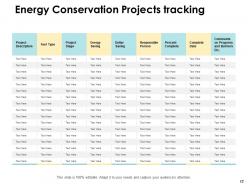
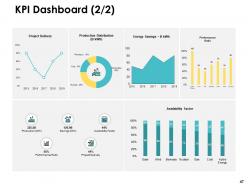
Use this PPT template to track your projects, depending on stage and status, energy saved, and cost savings. Also, track the persons involved and responsible, progress, and any barriers or obstacles that may hold you back from completing the project. Also, track fuel type and the energy resource you are trying to conserve with this editable presentation design.
Template 5: Establish Baselines
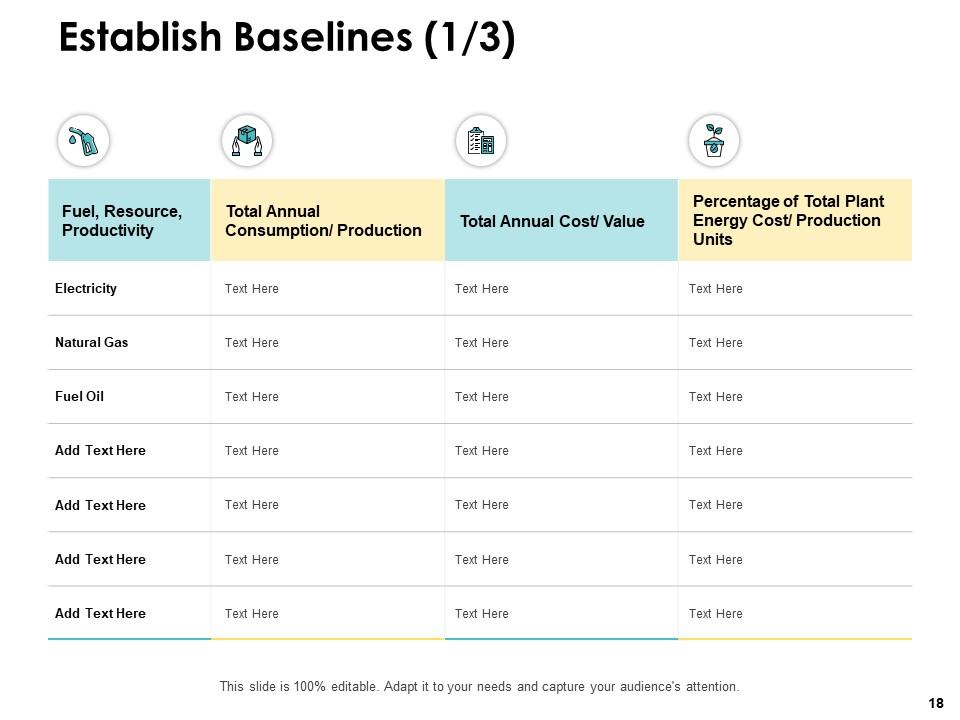
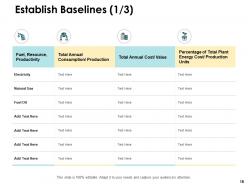
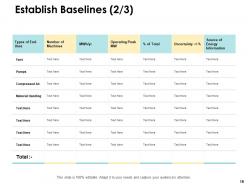
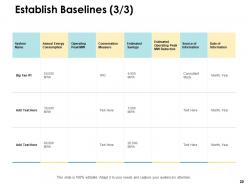
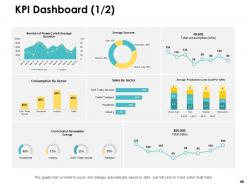
Establishing baselines for different parameters can help you better track your energy conservation projects and their progress. With this PPT Layout, you can develop and track baselines, such as fuel or resource, total annual consumption or production, total annual cost or value, and total plant energy cost percentage. Use this customizable PowerPoint Slide to track energy production, consumption, and price for various resources, including electricity, natural gas, and oil.
Template 6: Conduct Technical Assessments and Audits
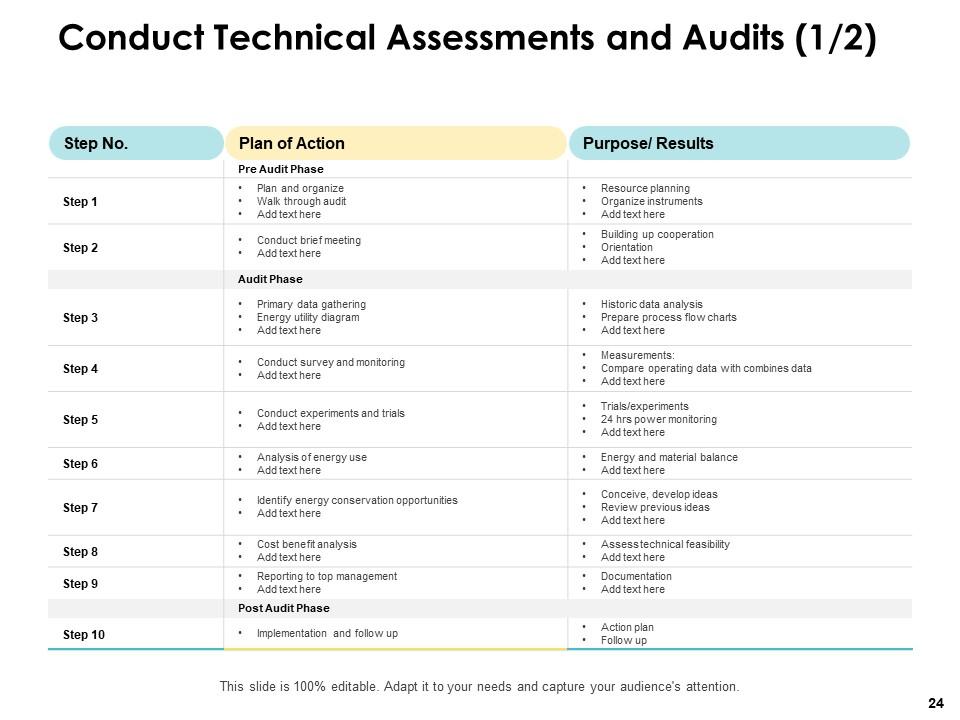
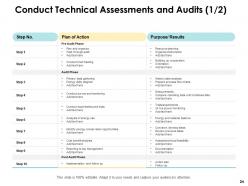
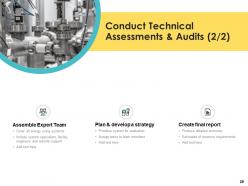
Technical assessments and audits are vital to energy conservation projects. Use this powerful PPT Design to create a plan for conducting technical audits. Technical audits consist of three phases: pre-audit, audit, and audit. In addition to laying out an action plan, outline the project's purpose. Also, track the results that your projects have yielded so far. The purpose and results of each project could vary, and they may involve resource planning, organizing instruments, analyzing and comparing historical data, and conducting measurements and experiments.
Template 7: Determine Roles and Resources
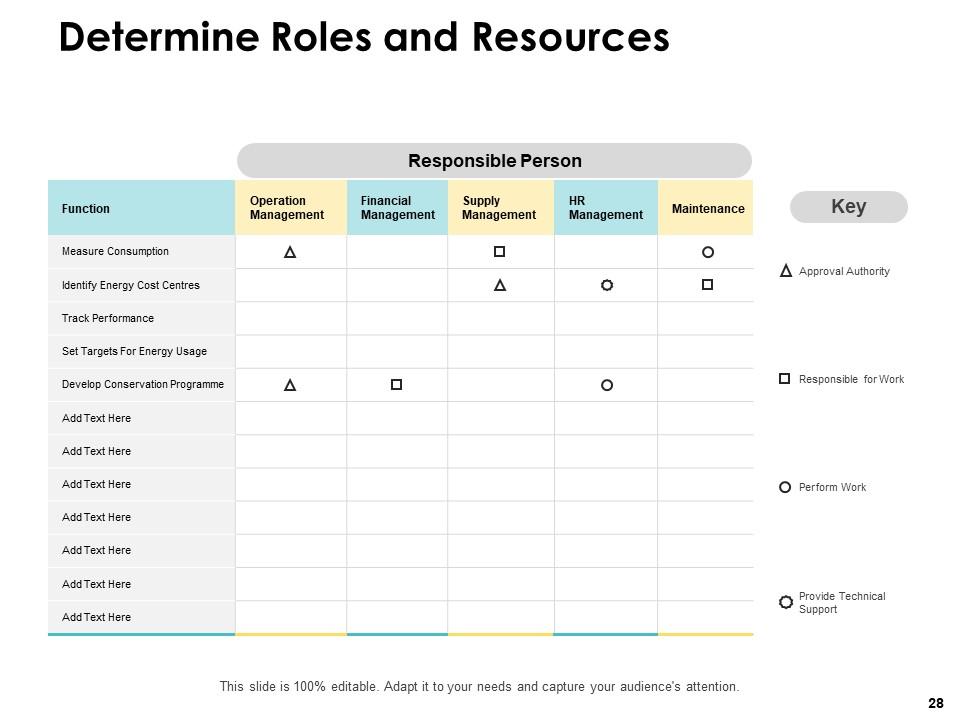
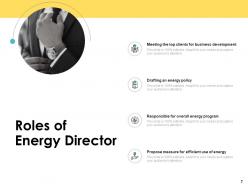
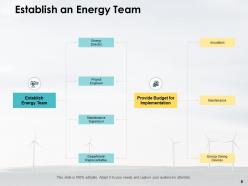
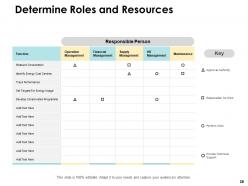
Determining and allocating resources and assigning roles is one of the foremost aspects of project planning. Use this presentation layout to assign roles in operational management, financial management, supply-chain management, HR, and maintenance. Identify the different roles and functional areas, including measuring consumption, identifying energy cost centers, tracking project performance, setting targets for energy use, and developing energy conservation programs. The ‘Keys’ feature comes in handy for assigning responsibilities, such as approval authority, work performance, and technical support for assigning roles and responsibilities.
Template 8: Create a Communication Plan
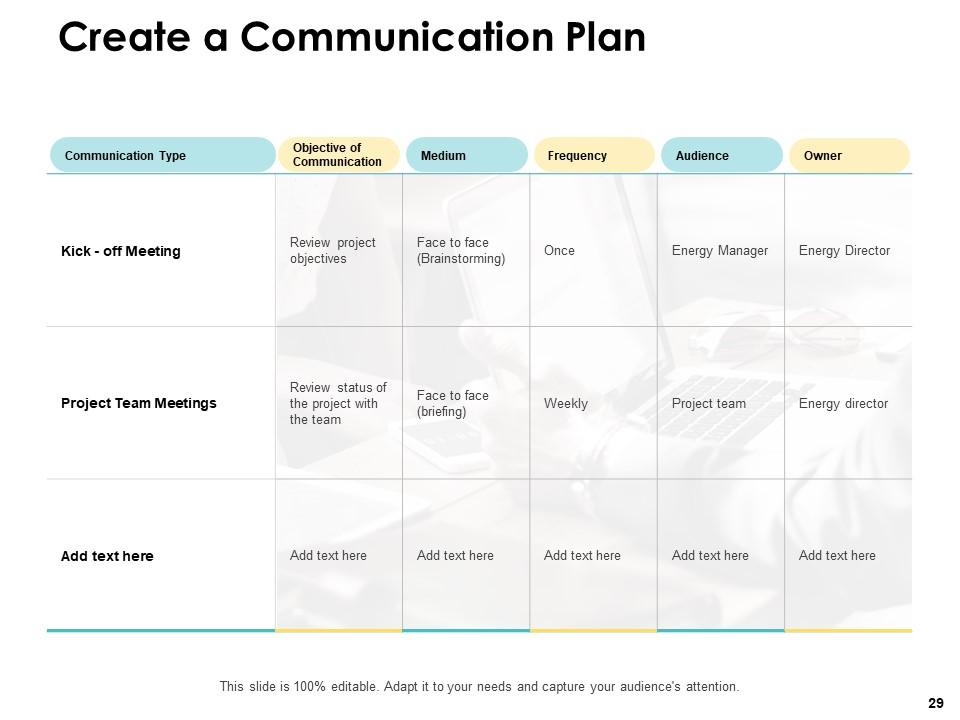
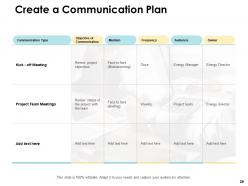
An effective communication plan can help keep team members informed about projects. Create a robust communication plan with this template that conveys the right messages Specify the communication type. It could be kick-off meetings, project team meetings, or other such meetings. Also, mention the purpose or objective of the communication and the medium. State when the communication will occur - once, weekly, or monthly. Use the ‘Audience’ feature to notify who should attend the meeting or the ‘Owner’ feature to inform the attendees of the host.
Template 9: Track and Monitor (1/2)
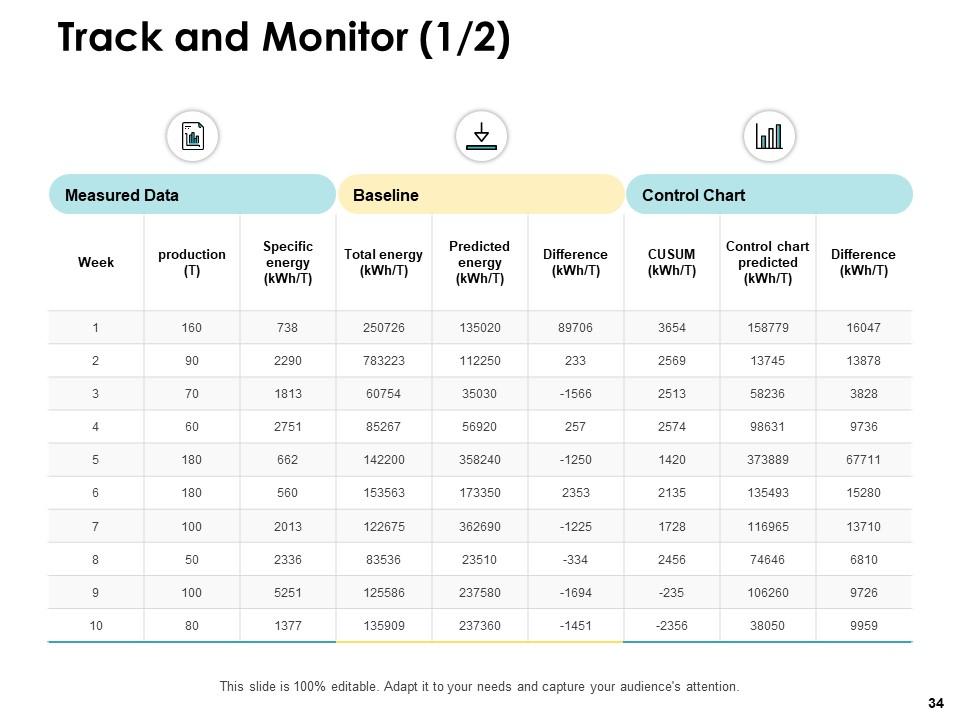
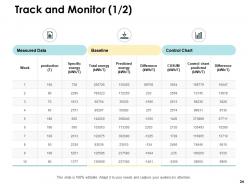
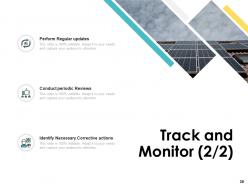
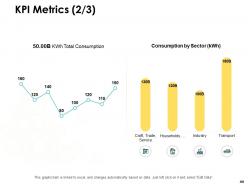
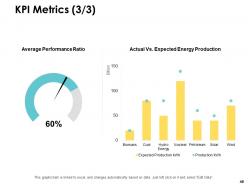
Track and monitor the performance of your energy conservation projects with ease with this powerful PPT Slide. Keep tabs on the number of weeks, productivity, and specific energy output in kWh per unit of time. Measure baseline data, such as total energy output in kWh per unit of time and predicted energy output, and the differences between the two measurements. Rely on the control chart to track CUSUM, control chart predictions, and the difference between the two metrics in kWh per unit time.
Template 10: Review Action Plan
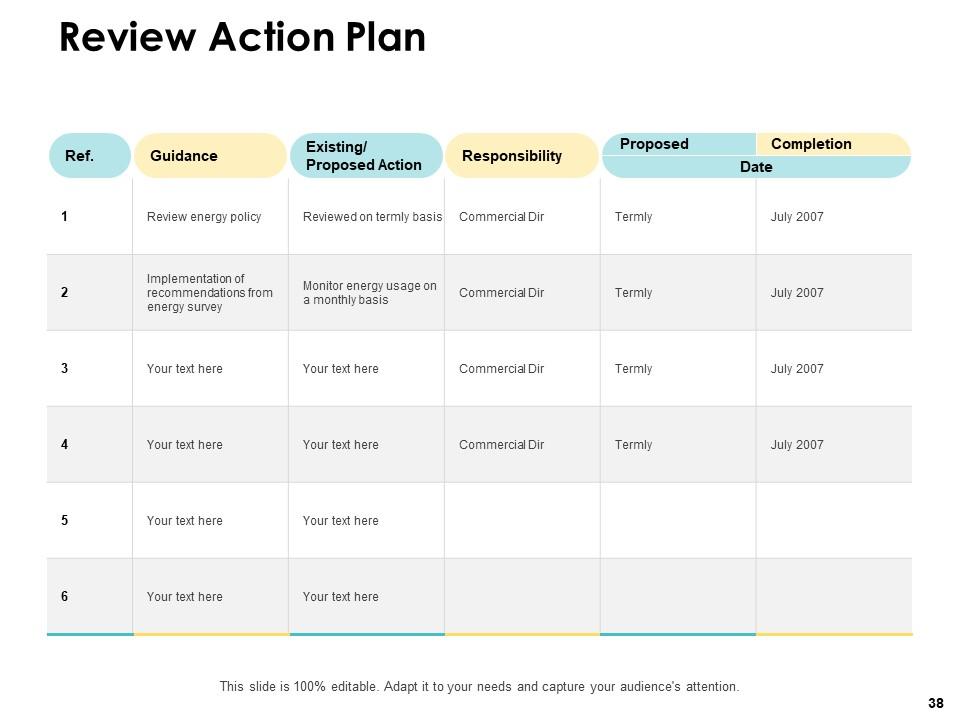
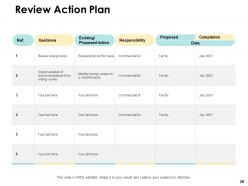
Action plans need to be reviewed and revised periodically. Use this presentation template to review your energy policies and their implementation, depending on recommendations from energy surveys. Review existing and proposed action plans per term and track energy usage every month. Assign roles and responsibilities, such as those of commercial directors, and propose plans to review projects. Track progress using the completion date feature. Conduct reviews of your energy policies, projects, and their implementation with this handy PowerPoint presentation.
Save Energy Today for a Brighter Tomorrow
Conserving energy and resources is crucial as it not only takes off much of the burden on the planet but also vouches for a better and brighter future. Saving energy resources, be it fossil fuels or any other resource, and using renewable energy resources wherever possible means that the next generation can live as happily as the current one.
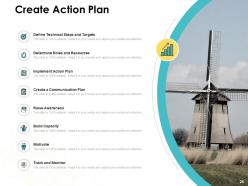
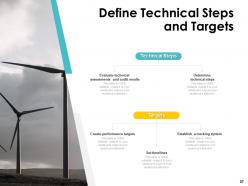
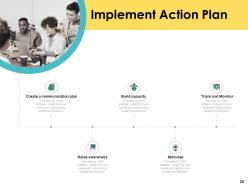
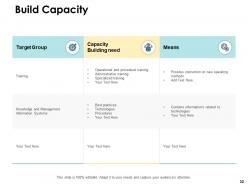
These PPT Sides present the ten essential steps to plan and implement energy conservation projects. The most crucial steps include establishing energy conservation goals, gathering, tracking, and monitoring the data required to execute projects, creating action and communication plans, and reviewing them. Similarly, other essential steps to plan and manage energy conservation projects may include determining the resources required, assigning roles and responsibilities, and conducting technical audits and assessments.
PS: Track the performance and progress of your other energy conservation projects with this dedicated tabular PPT Template.
Energy Conservation Powerpoint Presentation Slides with all 66 slides:
Use our Energy Conservation Powerpoint Presentation Slides to effectively help you save your valuable time. They are readymade to fit into any presentation structure.





FAQs for Energy Conservation
Honestly, start with heating and cooling - that's where you'll see the biggest difference, like 20-30% savings easy. LED bulbs are dirt cheap now and use way less power than those old bulbs. I love my smart thermostat because it actually learns when I'm home and doesn't blast heat into an empty house. Weatherstripping around windows helps more than you'd think. Oh and here's something annoying - all those plugged-in devices still suck power even when they're "off." The phantom load thing is real. Maybe get an energy audit first? They'll show you exactly where you're hemorrhaging money so you don't waste time on small stuff.
Oh totally! Start with an energy audit - that'll show you where you're bleeding money. LEDs are a no-brainer, and honestly the newer ones look way better than those harsh fluorescents anyway. Set your HVAC on a schedule so it's not cranking when nobody's there. When equipment breaks, replace it with efficient stuff. Get everyone to shut down computers at night - sounds basic but it adds up fast. Don't go crazy changing everything at once though, that's where productivity tanks. A lot of the newer energy-efficient gear actually works better too.
Honestly, tech makes energy stuff so much easier to track. Smart thermostats are clutch - they figure out your schedule and adjust automatically. Your old fridge is probably the biggest energy hog (mine was ancient and basically heating my kitchen). LED bulbs and smart power strips help without making you feel like you're living in a cave. Those energy monitoring apps are eye-opening too - you'll actually see where your money's going each month. Even utilities are getting smarter with grid distribution. I'd start with just downloading a tracking app or getting one of those smart strips. You don't need to go full smart home right away.
Oh totally, they work great together! First figure out where you're wasting the most energy - like that ancient fridge that's probably sucking up way too much power. Conservation cuts down what you actually need, then renewables can handle the rest way easier. Solar panels on an efficient house? No problem. Solar panels trying to power a total energy hog? Good luck with that bill. It's honestly like losing weight before buying new clothes - makes everything fit better. Wind and solar become way more realistic when you're not fighting crazy high demand.
Honestly, just start with the obvious stuff and you'll see a difference. Turn off lights when you walk out of rooms - sounds basic but my electric bill dropped like $30 doing this consistently. Unplug your chargers and random electronics when they're not being used. Cold water for laundry works fine for most stuff, and air-drying saves tons. Oh, and bump your thermostat up or down a couple degrees depending on season. You seriously won't feel 2-3 degrees but your wallet will. LED bulbs are worth it too if you're still using those old ones. Don't try everything at once though - pick maybe 2-3 things to focus on first.
So basically, less energy use = fewer emissions since most electricity still comes from fossil fuels. Cut your energy by 20% and your carbon footprint drops about the same amount. Pretty straightforward math - every kilowatt-hour you skip means less coal getting burned at power plants. I'd focus on the biggest energy suckers first: heating, AC, and your water heater. That's where you'll actually see results. My friend did this last year and was shocked how much her bill dropped too.
Honestly, you'll see like 10-25% knocked off your bills pretty much immediately. My electric company threw money at me when I got my new fridge - I'm talking 20-50% rebates, which was wild. The new stuff also breaks down way less often, so there's that. Water heater or HVAC is where I'd start since those are the real bill killers. Oh, and your home value goes up a bit too if you're thinking about selling later. The savings really do stack up over time though.
Honestly, start with rebates - people love getting money back on efficient appliances. Then do some community workshops on weatherization stuff. Building codes help too, like requiring better insulation standards. Partner with your utility company if you can swing it. Lead by example with your own municipal buildings - LED streetlights, solar panels, whatever makes sense. Oh, and public education campaigns work, but the financial incentives always get better results than just lecturing people about conservation. Pick one visible program first to get some wins, then build from there. Money talks way louder than guilt trips.
So you want to know about energy audits? They're basically like getting a checkup for your building - finding all the spots where you're bleeding money on utilities. A pro comes in and spots stuff you'd never notice, like insulation gaps or your HVAC running inefficiently. Honestly, the lighting alone usually has tons of room for improvement. You get actual data on where your energy's going instead of just guessing what's wrong. It's way better than throwing money at random fixes and hoping something works. The audit shows you which upgrades will save the most cash first.
Think of insulation like a blanket for your house - it stops heat from escaping in winter and keeps cool air trapped in summer. Your HVAC won't cycle on nearly as much, which is where the real savings happen. Good insulation in walls, attics, and around windows makes the biggest difference. Honestly, I'd start with the attic if you're thinking about upgrades since that's your biggest energy leak. It's one of those things that pays for itself pretty quickly through lower bills.
Think of it like this - efficiency means getting the same stuff done but using way less energy. Like swapping out old bulbs for LEDs or buying a better dishwasher. You're still getting the same results, just smarter about it. Conservation is different though. That's actually changing what you do - turning off lights, lowering the heat, maybe skipping the dryer sometimes. Honestly, conservation takes more willpower since you're giving something up. Both slash your bills, but efficiency is more about upgrading your gear while conservation is just using less energy overall. Do both if you can swing it!
Honestly, people respond way better when you hit their wallet first - like "save $200/year with this one change" instead of just the save-the-planet angle (though that's important too obviously). Show them real examples from neighbors, not some random stock photo family. Give specific steps they can do right now. Don't dump a huge list on them - pick one thing at a time. Oh, and definitely get local people they actually trust to help spread the word. Makes it feel way more genuine than some corporate campaign.
Tax breaks for energy-efficient stuff work really well - like rebates when you upgrade insulation or buy better appliances. Building codes are getting stricter too. Some utilities charge more if you're a heavy user, which honestly makes sense. There's also those renewable energy requirements for power companies. Oh, and some cities do trade-in programs for old water heaters (kinda like cash-for-clunkers but boring lol). Carbon taxes exist but they're more roundabout. If you're lobbying for this stuff, push the money angle first. People care way more about saving cash now than saving polar bears later.
So it really depends on what kind of business you're running. Manufacturing places usually go after equipment efficiency and heat recovery stuff. Office buildings? They're all about HVAC and better lighting. Data centers are honestly just energy hogs - they spend crazy money on cooling alone. Retail focuses on refrigeration and those bright storefront displays that cost more than you'd think. Healthcare is tricky because patients need comfort but the equipment uses tons of power. Just look at your electric bill first though. It'll show you exactly where you're bleeding money, then tackle the biggest problems.
Honestly, it's mostly about money and politics. Leadership wants instant returns, but green initiatives take time to pay off. Getting employees to actually change is harder than you'd think - like, people will literally fight you over leaving computers on overnight, it's wild. Then there's all the old building infrastructure that costs a fortune to upgrade. Most places don't even know where to start measuring energy waste. My advice? Pick something super obvious first - LED lights or programmable thermostats. Quick wins make the higher-ups happy, then you can push for the expensive stuff later.
-
The Designed Graphic are very professional and classic.
-
Informative presentations that are easily editable.