


Engagement Survey Results Powerpoint Ppt Template Bundles




Try Before you Buy Download Free Sample Product
 Impress Your
 Audience
 100%
100% Editable
 Save Hours
 of Time


Our Engagement Survey Results Powerpoint Ppt Template Bundles are topically designed to provide an attractive backdrop to any subject. Use them to look like a presentation pro.
People who downloaded this PowerPoint presentation also viewed the following :
Engagement Survey Results Powerpoint Ppt Template Bundles with all 17 slides:
Use our Engagement Survey Results Powerpoint Ppt Template Bundles to effectively help you save your valuable time. They are readymade to fit into any presentation structure.






FAQs for Engagement Survey Results Powerpoint
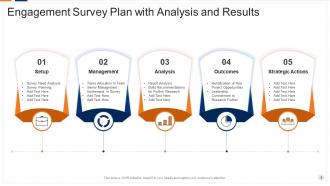
So your survey results came back and honestly, it's a mixed bag. Remote work flexibility is still what everyone wants most. But people are getting really frustrated about unclear career paths - that development piece is hurting you badly. Communication scores tanked too, which makes sense since nobody feels informed about big company decisions anymore. Work-life balance got a tiny bit better (thank god), though compensation satisfaction dropped with all this inflation stuff. Oh, and there's this weird generational split happening - younger people want more mentoring while the senior employees just want better recognition. I'd tackle the career development thing first since it's affecting everyone's retention.
Wow, your sales team is absolutely killing it - bet those commissions don't hurt! But yeah, there's like a 15-20 point spread between departments. IT and ops are dragging the numbers down compared to sales. Communication and recognition seem to be the main issues, which honestly makes sense since these teams work so differently. I'd dig into those specific comments from the lower-scoring groups first. Maybe throw together some focus groups after that? Oh, and don't be surprised if the feedback gets pretty specific about management styles between departments.
Yeah, so compensation and workload stuff tanked our engagement scores - pretty much what you'd expect. Those Q3 project overlaps didn't help your team either. The flexible work thing actually worked out great though, plus the mentorship program really bumped up our career development numbers. Work-life balance improved too. Manager communication stayed the same, which is weird considering all that training we did. Oh, and recognition scores were flat. Honestly? I'd tackle the compensation transparency issue first since literally every department mentioned it in their feedback.
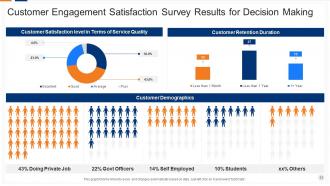
So the numbers were pretty interesting actually. Your newer people (under 2 years) scored 15% higher than the veterans, which I totally didn't see coming. Remote folks beat out the office crowd too. Age-wise, that 25-35 group is killing it with engagement scores. Engineering and Marketing are crushing it department-wise, but Operations is kinda dragging behind. I'd definitely figure out what's up with that whole tenure thing - maybe your longtime employees need better growth opportunities? And whatever you're doing with remote culture, bottle that stuff because it's clearly working.
Focus on your top 2-3 pain points from the survey - the ones that kept showing up everywhere. Quick wins first: bump up communication or start recognizing people more. That stuff works fast and gets everyone excited. The bigger issues like career paths? Yeah, those take forever to fix properly. Don't go crazy trying to solve everything - I've seen too many companies do that and then nothing actually happens. Set up small teams for each problem, give them 30-60-90 day goals, and keep everyone posted on progress. People get cynical fast if they think you're ignoring their feedback.
Yeah, we've been tracking this stuff and engaged teams definitely crush their targets more - like 15-20% better hit rates. Once engagement hits above 7/10, that's where the magic happens with output. Makes total sense though, right? Happy workers just get more done. Those high-scoring departments? Way better retention, fewer sick days, all that good stuff that actually moves the needle. Honestly, I'd go after the middle-tier teams first - they're usually the quickest wins. Low-hanging fruit and all that. Much easier than trying to fix the really broken ones from scratch.
So from our survey data, leadership is hands down the biggest factor affecting engagement. Teams with solid managers score like 40% higher than ones with crappy leadership - which honestly isn't shocking, but the numbers really prove it. Clear communication and regular feedback make a huge difference. Plus when managers actually invest in your growth instead of just managing tasks? Engagement scores shoot up. My advice: nail those one-on-ones and career development talks. That's where you'll see the most impact. I know it sounds basic, but it works.
Industry benchmarks are your best bet here - engagement numbers are all over the place depending on your sector. Gallup and Culture Amp usually have this stuff built into their dashboards, which is honestly why I'd pick them over building something custom. Super convenient. If you can't access those, companies like Glint and Workday put out yearly reports with industry breakdowns. Stick to comparing the same metrics though, like overall engagement percentages. Don't get too caught up in the details. Really you just need 3-4 similar companies in your space to make it worthwhile.
Honestly? Skip the fancy stuff and just do regular check-ins - like monthly pulse surveys or skip-level meetings work great. Anonymous suggestion boxes are solid too. But here's the thing that actually matters: you've gotta show people what changed because of their feedback. Otherwise they'll stop caring real fast. Monthly beats annual surveys by a mile since problems don't sit there getting worse for months. Oh, and psychological safety is huge - people need to feel safe speaking up without getting burned later. My advice? Pick ONE thing you'll actually stick with instead of starting a bunch of initiatives you'll forget about. Better to nail one approach than half-ass several.
Yeah, I've noticed remote people always answer those surveys differently. Higher autonomy and work-life balance scores, but way lower on feeling connected to the team. Makes total sense honestly. Here's what's interesting though - remote workers are probably giving you more honest answers since they're not worried about Karen from accounting overhearing their responses. Response rates are usually better too because they can fill it out whenever without office chaos. You should definitely split your results by remote vs in-office so you can see these patterns clearly and figure out what each group actually needs.
So the big patterns I'm seeing: communication breakdowns, people feeling stuck career-wise, and everyone drowning in work. Leadership transparency was huge - like, people are desperate to know what's actually happening with company decisions. Work-life balance came up tons too (the meeting complaints were SO real). Better recognition and clearer promotion paths also kept showing up. Most of this stuff is fixable though, assuming leadership actually cares enough to act on it. Definitely grab some direct quotes from the feedback - way more powerful than just summarizing themes.
Just be completely honest with everyone - seriously, don't give your frontline workers the watered-down version while executives see everything. Show the real data in all-hands meetings, good and bad stuff included. I've watched companies only share positive numbers and then act shocked when nobody trusts them anymore. Put the full report where everyone can access it, walk through how you got these results, then actually tell people what you're gonna do about it with real deadlines. Oh, and follow up consistently - you can't just dump info once and disappear.
So looking at your survey data, manager training should be your first move - bad supervisor relationships totally killed engagement across the board. Get them some coaching on giving feedback and actually recognizing people's work. Communication workshops are huge too since everyone feels completely in the dark about company decisions. Career development kept coming up, which honestly caught me off guard after that promotion cycle you just had. But people clearly want to know where they're headed. Start with the manager stuff though. It's gonna fix multiple problems at once and honestly, good managers make everything else easier.
Honestly, twice a year works best for most teams. Once annually gives you decent data but you might miss stuff brewing under the surface. Quarterly is way too much - people will literally start ignoring your surveys. During big changes like new leadership or restructuring, maybe do every 6 months temporarily. But consistency matters more than frequency, so pick whatever schedule you can actually stick with. Otherwise you can't track trends properly. I'd start with twice yearly and see how it goes. Your team will let you know pretty quick if it's too much.
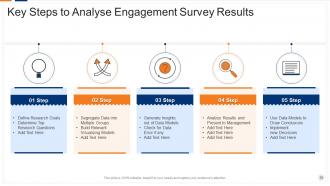
First thing - grab the top 3 problems from your survey and make actual plans for fixing them. Don't let this thing disappear into the void (people get so annoyed when that happens). Get your team involved in figuring out solutions together. Monthly pulse checks are probably smart to see if you're moving the needle. But honestly? Pick one thing you can knock out in the next month. Something visible that shows you're not just talking. That builds trust faster than anything. Then do regular check-ins to keep the momentum going.
-
Very unique, user-friendly presentation interface.
-
Best Representation of topics, really appreciable.