


Escalation process for projects powerpoint presentation slides




Try Before you Buy Download Free Sample Product
 Impress Your
 Audience
 100%
100% Editable
 Save Hours
 of Time


Escalation is a systematic procedure for bringing a problem to the attention of a higher authority, as described by the projects escalation mechanism. Here is a professionally designed template on the Escalation Process for Projects. We have focused on the current state analysis of the company where the company is running on costs and project delays, challenges faced by project management, and issues faced by the manager have been discussed. We have outlined the escalation team structure and their roles. Furthermore, we have covered the various types of escalation, such as hierarchical and functional. The main focus of this PowerPoint template is on the escalation approach wherein we have worked on process flowchart, identification, validation, analysis, tracking and reporting, etc. The implementation plan, impact of the escalation project, and various dashboards are covered in this module. Understanding how to use escalation techniques correctly is crucial for project managers. Escalation should be viewed as a professional activity carried out in a timely and efficient manner. Customize this 100 percent editable template. Download it now.
People who downloaded this PowerPoint presentation also viewed the following :
Content of this Powerpoint Presentation
Slide 1: This slide introduces Escalation Process for Projects. State Your Company Name and begin.
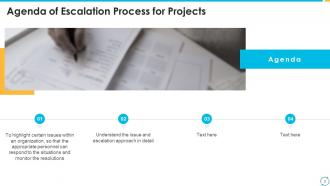
Slide 2: This slide shows Agenda of Escalation Process for Projects.
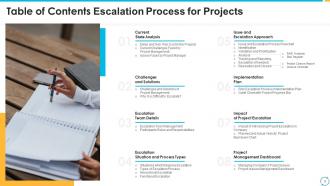
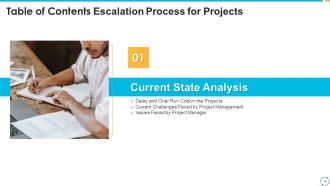
Slide 3: This slide presents Table of Contents Escalation Process for Projects.
Slide 4: This slide shows Table of Contents Escalation Process for Projects.
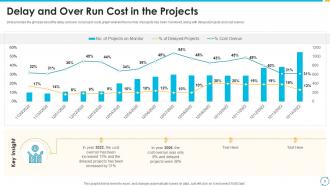
Slide 5: This slide displays delay and over run project costs graph wherein the number of projects has been monitored.
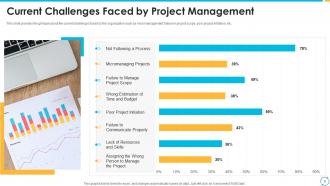
Slide 6: This slide represents current challenges faced by the organization such as micromanagement, failure in project scope, etc.
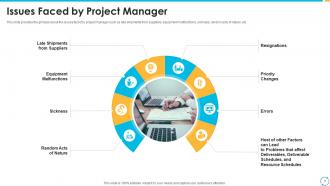
Slide 7: This slide shows issues faced by project manager such as late shipments from suppliers, equipment malfunctions, etc.
Slide 8: This slide presents Table of Contents Escalation Process for Projects.
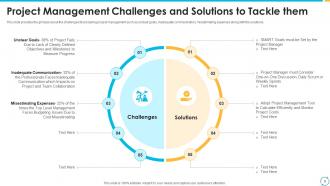
Slide 9: This slide shows Project Management Challenges and Solutions to Tackle them.
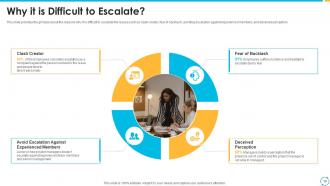
Slide 10: This slide displays reasons why it is difficult to escalate the issues such as clash creator, fear of backlash, etc.
Slide 11: This slide represents Table of Contents Escalation Process for Projects.
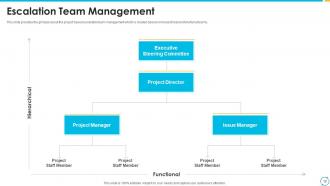
Slide 12: This slide shows project based escalation team management which is created based on hierarchical and functional teams.
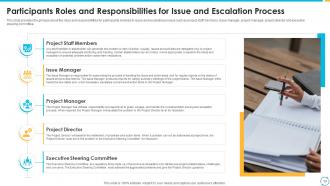
Slide 13: This slide presents Participants Roles and Responsibilities for Issue and Escalation Process.
Slide 14: This slide shows Table of Contents Escalation Process for Projects.
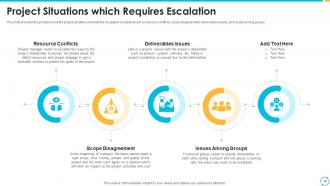
Slide 15: This slide displays project situations wherein the escalation is needed such as resource conflicts, scope disagreement, etc.
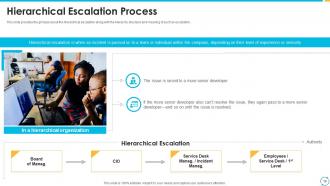
Slide 16: This slide represents hierarchical escalation along with the hierarchy structure and meaning of such an escalation.
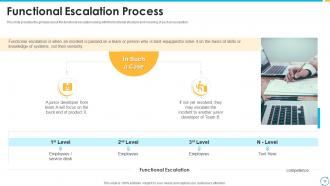
Slide 17: This slide shows functional escalation along with the functional structure and meaning of such an escalation.
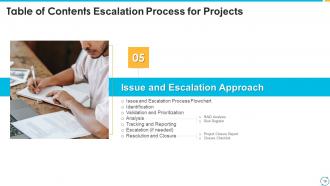
Slide 18: This slide presents Table of Contents Escalation Process for Projects.
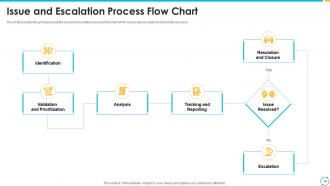
Slide 19: This slide shows issue and escalation process flowchart which covers various steps involved in this process.
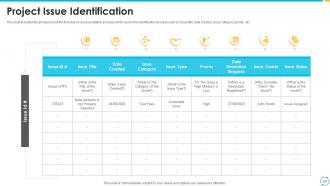
Slide 20: This slide displays first step of issue escalation process which covers the identification process such as issue title, date created, etc.
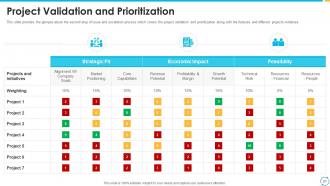
Slide 21: This slide represents second step of issue and escalation process which covers the project validation and prioritization.
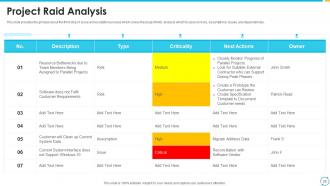
Slide 22: This slide shows third step of issue and escalation process which covers the project RAID analysis.
Slide 23: This slide presents current challenges faced by the organization such as customer churn rate, company’s revenues, etc.
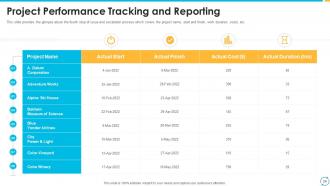
Slide 24: This slide shows fourth step of issue and escalation process which covers the project name, start and finish, work duration, etc.
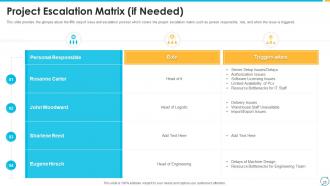
Slide 25: This slide displays fifth step of issue and escalation process which covers the project escalation matrix.
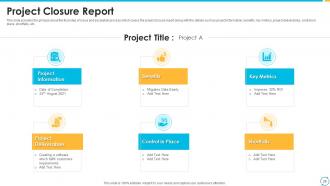
Slide 26: This slide represents final step of issue and escalation process which covers the project closure report.
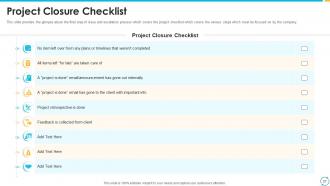
Slide 27: This slide shows final step of issue and escalation process which covers the project checklist.
Slide 28: This slide presents Table of Contents Escalation Process for Projects.
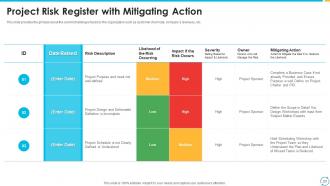
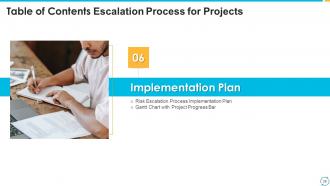
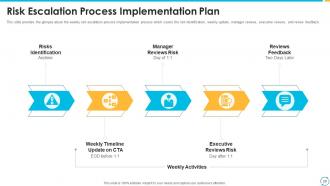
Slide 29: This slide shows weekly risk escalation process implementation process which covers the risk identification, weekly update, etc.
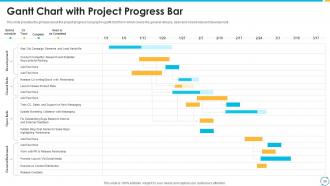
Slide 30: This slide displays project progress bar graph in gantt chart form which covers the general release, open and closed beta, etc.
Slide 31: This slide represents Table of Contents Escalation Process for Projects.
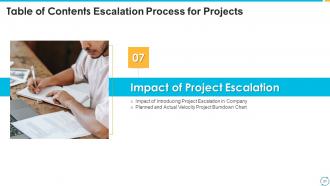
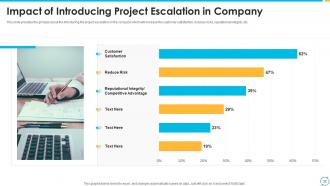
Slide 32: This slide shows introducing the project escalation in the company which will increase the customer satisfaction, reduces risks, etc.
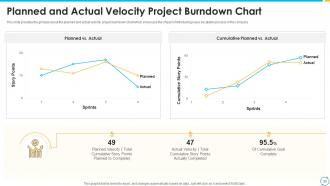
Slide 33: This slide presents Planned and Actual Velocity Project Burndown Chart.
Slide 34: This slide shows Table of Contents Escalation Process for Projects.
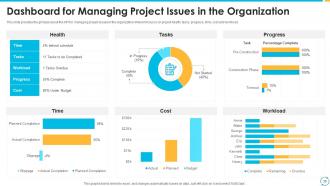
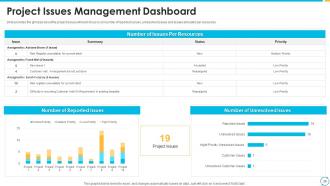
Slide 35: This slide displays Dashboard for Managing Project Issues in the Organization.
Slide 36: This slide represents project issues wherein focus is on number of reported issues, unresolved issues and issues allocated, etc.
Slide 37: This slide shows Icons for Escalation Process for Projects.
Slide 38: This slide is titled as Additional Slides for moving forward.
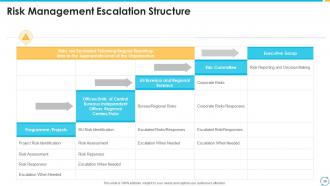
Slide 39: This slide shows Risk Management Escalation Structure.
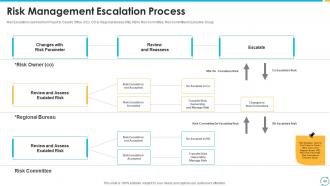
Slide 40: This slide displays Risk Management Escalation Process.
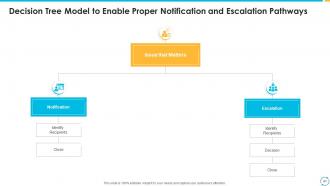
Slide 41: This slide represents Decision Tree Model to Enable Proper Notification and Escalation Pathways.
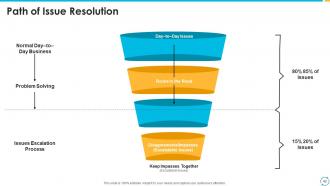
Slide 42: This slide shows Path of Issue Resolution with additional textboxes.
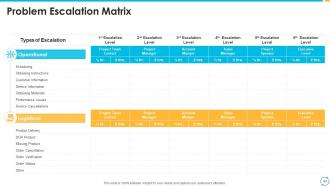
Slide 43: This slide presents Problem Escalation Matrix with related icons and text.
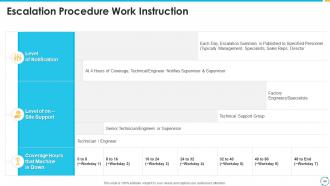
Slide 44: This slide shows Escalation Procedure Work Instruction.
Slide 45: This is About Us slide to show company specifications etc.
Slide 46: This is Our Mission slide with related imagery and text.
Slide 47: This is Our Team slide with names and designation.
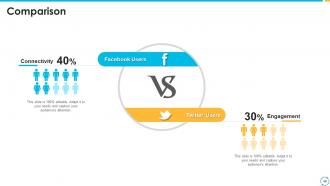
Slide 48: This is a Comparison slide to state comparison between commodities, entities etc.
Slide 49: This slide shows Venn diagram with text boxes.
Slide 50: This slide displays Circular Process with related icons and text.
Slide 51: This slide represents Roadmap with additional textboxes.
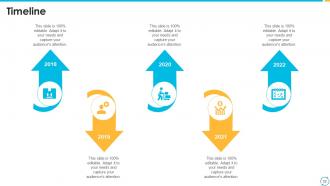
Slide 52: This is a Timeline slide. Show data related to time intervals here.
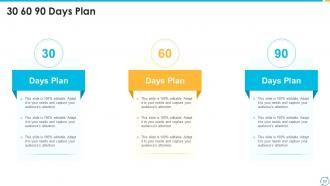
Slide 53: This slide presents 30 60 90 Days Plan with text boxes.
Slide 54: This is a Thank You slide with address, contact numbers and email address.
Escalation process for projects powerpoint presentation slides with all 54 slides:
Use our Escalation Process For Projects Powerpoint Presentation Slides to effectively help you save your valuable time. They are readymade to fit into any presentation structure.





FAQs for Escalation process for projects
Look, anything over 10-15% budget overrun needs to go up the chain. Same with delays past two weeks. Scope creep is tricky though - sometimes it's manageable, but when stakeholders keep adding "just one more thing," that's your cue. Resource conflicts are huge too, especially when you're stuck waiting for people or equipment. Oh, and quality issues? Don't even hesitate on those. Here's the thing - stakeholder drama kills projects just as fast as technical problems do. My rule is if you're debating whether to escalate, you probably should. Way better to flag early than deal with a dumpster fire later.
Honestly, cut straight to how this affects their bottom line or timeline - stakeholders don't care about technical stuff. I always lead with the business impact first because that's what gets their attention. Give them 2-3 clear options instead of just dropping a problem on them. Skip the PM jargon too, these people are swamped with other fires. Oh, and definitely set a deadline for when you need an answer back. Can't tell you how many times I've waited forever because I didn't specify that. Follow up with an email after you talk so there's no "wait, what did we decide?" moments later.
Think of risk assessment as your heads-up system before stuff hits the fan. Look at what could go wrong - budget disasters, missed deadlines, scope creep - and figure out how likely they are to actually happen. Most teams I've worked with just wing it and then act shocked when everything's on fire. Document the risks with severity ratings so you'll know exactly when to escalate. Quick risk checks during weekly meetings work great. Seriously saves you from those late-night panic calls later.
Honestly, most escalations happen because nobody talked through the scary stuff upfront. During kickoff, spend like 30 minutes mapping out what could go sideways - dependencies, tight deadlines, all that fun stuff. Build in buffer time (I know, everyone hates hearing that). Check in with people regularly instead of waiting for those useless weekly reports. Oh, and make sure everyone knows who can actually make decisions vs who needs to ask permission first. Trust me, a little paranoid planning now beats staying late putting out fires later. Works every time.
Honestly, the worst part is when people sit on issues way too long thinking they'll magically fix themselves. Been guilty of that myself lol. Then you get this mess where nobody knows whose problem it actually is - especially with multiple teams involved. By the time it reaches someone who can actually do something, half the context is gone. Super frustrating. Write everything down from day one and set real deadlines for each step. Otherwise you'll be stuck in those endless "so... what's happening?" meetings forever.
Focus on what's breaking stuff right now or will definitely break soon - that goes first. Critical path issues and anything blocking key people get priority too. Don't overthink it though, I've watched way too many PMs spiral on this when it's actually pretty simple. Budget changes or stuff completely out of your control? That needs to go up the chain. Keep your docs short so leadership gets it fast. Oh, and if something's hitting your timeline hard or affecting tons of people, escalate today. Trust me on this one.
Start by figuring out who handles what level of problem - minor issues vs major disasters. You'll need clear triggers for each level, like missed deadlines or budget overruns. Document the steps and get everyone on board (honestly, this is harder than it sounds because people hate following procedures). Include contact details and how much info to pass up the chain. Most companies mess this up by making it too complicated - keep it simple. Test it out with a few fake scenarios first. Oh, and look at what usually goes wrong in your projects since that's probably where you'll need escalation most.
Honestly, it all comes down to your company's vibe. Some places are super hierarchical - people won't speak up because they're terrified of going over their boss's head. Others are way more chill about escalation since it's just seen as fixing problems, not backstabbing. You gotta figure out which camp you're in first. My old job was ridiculously formal, so I learned to document everything and stick to the chain of command religiously. But if your workplace is more collaborative? Skip levels when things are urgent. The culture basically dictates how fast issues actually get resolved and whether people even feel safe raising them.
Honestly, Monday.com or Asana are your best bet - they've got those red/yellow/green status things that make problems super obvious. Jira works great too if you're already using it. You could even do a simple Excel tracker with alerts, though that's kind of old school. The real issue isn't which tool you pick - it's getting your team to actually update the damn thing regularly. I've seen so many fancy dashboards just sit there collecting digital dust. Pick whatever feels easiest to get everyone on board with, then set up some automated reminders so people don't forget.
Honestly, you'll want feedback at three spots in your escalation process. Do a quick debrief within 48 hours - what worked, what sucked, how fast things moved. Survey your stakeholders too about communication and response times. Getting people to actually fill those out is annoying, but even 2-3 responses help. Also track your escalation frequency and resolution times over a few months to catch patterns. The key thing is reviewing this stuff quarterly and tweaking your process based on what you find. Otherwise you're just collecting data for no reason.
So you bring in senior management when you've already tried going through normal channels and hit a wall. They're the big guns - use them for stuff like getting budget approval that's way beyond your department's limit, sorting out fights between departments, or making those huge strategic calls that'll change your whole project scope. Look, these people are slammed with meetings all day, so don't bug them unless you've really exhausted other options first. When you do go to them, have your stuff together - know exactly what the problem is, what you've already tried, and what you need from them. Keep it short and have your paperwork ready.
Dude, documentation is literally your lifeline when stuff hits the fan on projects. Start tracking things early - timelines, who decided what, solutions you already tried. I learned this the hard way when an escalation totally bombed because we couldn't prove our side of the story. Make it chronological and stick to facts. Anyone should be able to read it and understand what went down, even if they weren't in those painful meetings. Honestly, most people wait until everything's already burning to start writing things down. Don't be those people.
Honestly, just be super upfront with your team from the start. Tell them escalation isn't punishment - it's bringing in backup so you can actually win. I've watched teams completely fall apart when they think getting escalated means they screwed up, which sucks for everyone. Keep them involved in the solutions though, don't let leadership just steamroll over their ideas. Oh, and definitely shield them from whatever political nonsense comes with it. Frame it like you're calling in reinforcements, not replacing them. That mindset shift makes all the difference in how they'll handle it.
Okay so here's the thing - data analytics is basically your early warning system for when projects are about to go sideways. Track stuff like how long responses take, resolution rates, and which types of projects usually explode (spoiler: it's always the ones with tight deadlines). Your dashboard might show you that marketing campaigns blow up 40% more during Q4, or maybe Team A fixes problems twice as fast as everyone else. Honestly pretty handy for predicting drama before it happens. Set up alerts when projects hit those danger zones so you're not scrambling later.
Look, just be straight about what's actually going down - don't sugarcoat the big stuff or blow up tiny problems. Escalate based on real impact, not because someone's being annoying (though honestly, that temptation is real). Give people a shot to fix things first before you go around them. When you do escalate, stick to facts instead of getting all emotional about it. Oh, and protect the stakeholders, not just your own butt. Really comes down to this: are you doing what's best for everyone involved? That's your north star.
-
Great product with highly impressive and engaging designs.
-
Designs have enough space to add content.
-
Understandable and informative presentation.