


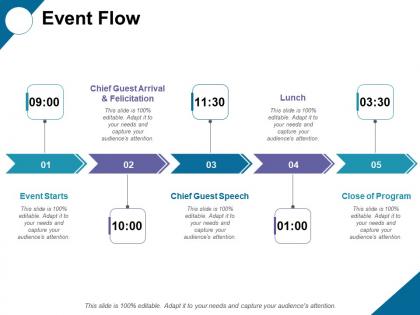
Event flow with time management ppt show infographic template




Try Before you Buy Download Free Sample Product
 Impress Your
 Audience
 100%
100% Editable
 Save Hours
 of Time


Establish control over the influence of external forces with our Event Flow With Time Management Ppt Show Infographic Template. Handle the extent of the impact they have
People who downloaded this PowerPoint presentation also viewed the following :
Event flow with time management ppt show infographic template with all 5 slides:
Identify causes of delinquency with our Event Flow With Time Management Ppt Show Infographic Template. Get the community to address important aspects.

FAQs for Event flow with time management ppt
Okay so first thing - nail down your event sequencing and get proper buffering set up. Monitoring/logging is absolutely critical because stuff will break at 2am when you're asleep. You need real-time processing plus infrastructure that won't die under heavy load. Rollback procedures saved my butt more times than I can count. Design for idempotency from day one since duplicate events happen constantly. Start with standardizing your event schema, then build a decent monitoring dashboard. Oh and solid error handling obviously - that one's boring but necessary. Trust me, catch problems before users start complaining.
Honestly, tech can save your butt here - automated check-ins and queue management are game changers. Mobile apps let you push notifications when sessions change (because something always goes wrong). QR codes make registration super quick, and digital wayfinding stops people from wandering around lost. Heat mapping shows where crowds bunch up so you can move staff around. But here's the thing - don't go crazy with every cool tool you see. Pick maybe 2-3 that'll actually fix your biggest headaches. I learned this the hard way when I tried using like six different platforms once.
Start with throughput and latency - how many events you're processing per second and how long they take to move through your system. Error rates are obvious but queue depth is honestly where most people mess up, because backed-up events create nasty bottlenecks. CPU and memory matter too since event spikes can wreck your infrastructure fast. Oh, and don't sleep on data quality metrics. Malformed events will quietly break stuff downstream and you won't know until it's too late. Those basics will cover you, then just add whatever business metrics make sense for your specific setup.
Honestly, scheduling is what makes or breaks your whole event. Map out literally everything - setup, breakdown, speaker switches, breaks, even where people go to pee if it's a big crowd. I always add 15-20% buffer time to each segment because something WILL go wrong or take forever. Share the timeline with your team so nobody's confused about timing. Oh, and bathroom logistics might sound weird but trust me, you don't want 200 people wandering around looking for restrooms during your keynote. Short sentences work. Longer ones keep things flowing naturally when you're explaining the details.
Look at what blocks other stuff first - that's your starting point. I break everything into three piles: things that'll break the whole system, stuff that makes users annoyed, and whatever can sit on the back burner. Dependencies are huge here, like you gotta map out what needs what before you even think about ranking. Don't get caught up in the "everything's urgent" trap either - half the time it really isn't. Work backwards from your critical path and you won't be putting out fires every damn day. Time matters but impact matters more.
Dude, the worst mistake is not leaving enough buffer time between stuff. Also those handoff points between team members? Make them crystal clear or you're screwed. I've watched people create these insanely complicated flow charts that fall apart the second something goes wrong. Simple is better, trust me. Don't forget about tech meltdowns or bad weather if you're outside. Build in extra time for your critical stuff and have backups ready. Oh, and work backwards from when you need to be done - start with what absolutely has to happen.
So after every event, I basically treat feedback like detective work - surveys from attendees, team debriefs, the whole thing. Track what bombed vs what you actually planned. Honestly, my early event timelines were disasters but that's part of it! Look for those annoying bottlenecks like slow registration or weird speaker transitions. Then you'll want to build in buffer time and backup plans next round. Oh, and make a feedback template you use every time - sounds boring but you can actually spot patterns when you're comparing similar data. Makes the next event way less stressful.
Honestly, just always build in buffer time - trust me on this one. Have backup plans ready for your speakers, venue, tech stuff, whatever could go wrong. Communication is huge too; make sure everyone knows who's making the call when shit hits the fan. I had a keynote speaker completely ghost us once and it was a nightmare! Brief your team beforehand on different scenarios so they're not scrambling. Oh, and start keeping notes on what goes wrong at each event. Sounds boring but you'll thank yourself later when the same issues pop up again.
Honestly, reading the room is everything when you're running an event. If people are super engaged, you can pick up the pace and get into the really good stuff. But when you see glazed-over faces? Time to pump the brakes and throw in more questions or maybe switch up your approach entirely. Engaged crowds basically do half your work for you - they create this natural flow that makes transitions way smoother. Dead rooms though... ugh, even your best content feels like you're pushing a boulder uphill. I always have a few backup tricks ready because you never know when the energy's gonna tank mid-presentation.
So I've been down this rabbit hole before - start with Eventbrite for tickets and registration, then grab Whova or Attendify for keeping people engaged. Asana's solid for managing all the behind-the-scenes chaos. No single platform does it all well, which is honestly annoying but whatever. If you're doing hybrid stuff, Streamyard or Zoom Events work great. Really depends on your event size though. A basic corporate thing? Keep it simple. 500-person conference? You'll need the full toolkit. Map out what you actually need first, then find tools that play nice together.
Floor decals and directional arrows are lifesavers for crowd control - way better than having staff point people around all day. Color-coded lanyards work too for different access levels. People always take the easiest route, so make it super obvious where they should go. Put your signs wherever someone might pause and think "wait, where am I supposed to go?" Decision points are key. Oh, and definitely do a test run beforehand! I learned that one the hard way at my first event when everyone got stuck trying to find the bathrooms.
Timing's everything here - seriously. Get it wrong and your events start firing out of order, creating those annoying race conditions. Some events might just disappear completely if the systems they're trying to reach aren't ready yet. Picture a relay race where everyone's slightly out of sync. That's basically what happens. You need proper delays and timeouts so each system has enough time to actually process stuff before passing it along. I learned this the hard way last year - always monitor your event latencies. Bottlenecks sneak up fast and then everything goes sideways.
Look, the biggest thing is getting rid of those awful waiting periods where one team finishes but the next team has no clue. Regular check-ins help a ton - even just quick daily syncs. Set up shared dashboards so everyone can see what's actually happening instead of playing the guessing game. Honestly, most problems happen at the handoff points anyway. Map those out first and figure out where people stop talking to each other. Once teams can see dependencies in real time, you'll stop getting those panicked "wait, what stage are we at?" messages. It's pretty straightforward but makes a huge difference.
Dude, venue layout will totally make or break your whole event. Wide hallways and multiple exits = smooth sailing. Cramped spaces? Pure nightmare fuel. Make sure people can actually see where they're going - lost guests are the worst. Oh, and check how far apart everything is... registration to bathrooms to food stations. That distance matters way more than you'd think. Seriously though, walk through the space yourself before you commit. Map out where people will go from the second they arrive until they leave. Trust me on this one.
Honestly, just think about the three biggest waste culprits first - all that registration crap, signage everywhere, and those terrible swag bags (seriously, why do we still do plastic tote bags?). Map out your whole event flow and spot where you're being wasteful. Digital check-ins are a game changer btw. Find local vendors who actually care about sustainability instead of just saying they do. Look at your logistics too - can people walk between venues instead of shuttling around? The trick is building these green alternatives into your planning template from the start. That way you don't have to remember to be sustainable, it just happens automatically.
-
Helpful product design for delivering presentation.
-
Excellent template with unique design.