

Exemplo de Apresentação de Investidor Apresentação de Slides de Apresentação de PowerPoint





Try Before you Buy Download Free Sample Product
 Impress Your
Audience
 100%
Editable
 Save Hours
of Time


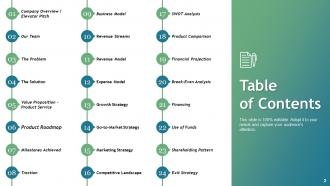
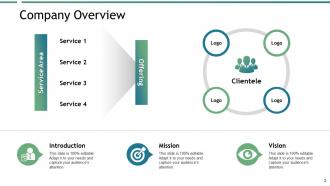
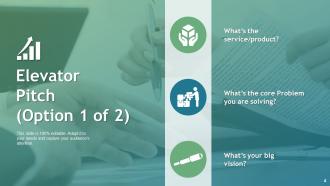
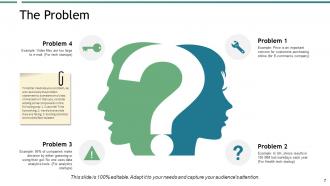
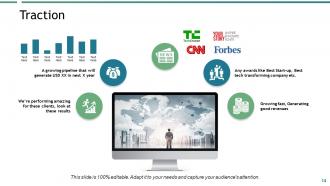
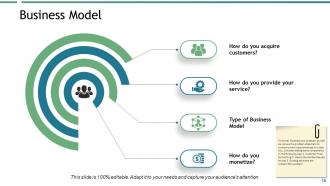
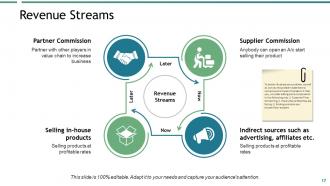
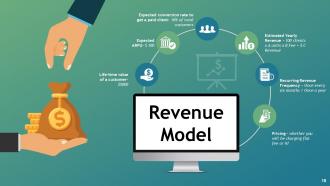
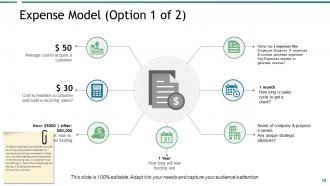
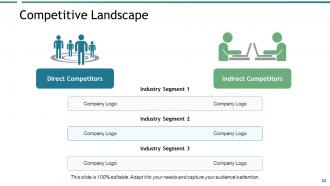
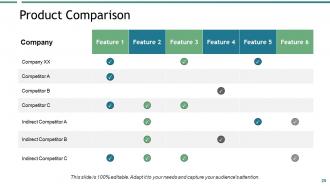
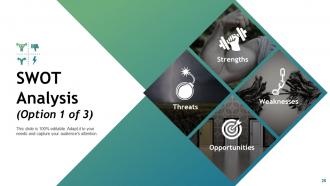
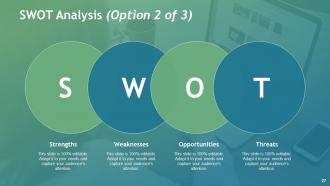
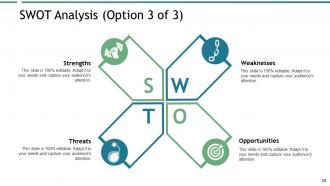
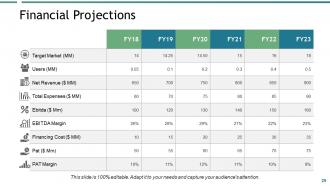
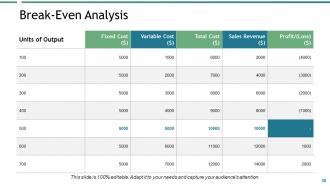
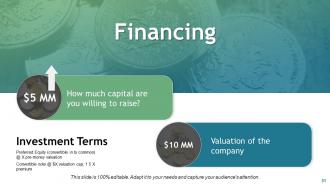
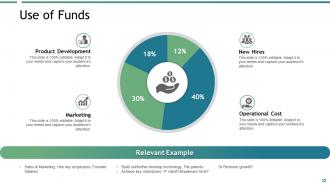
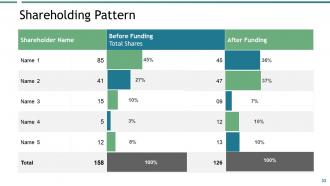
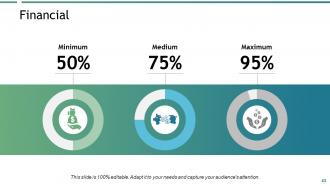
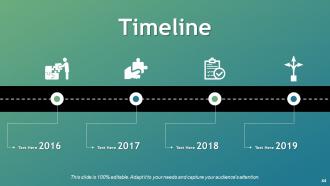
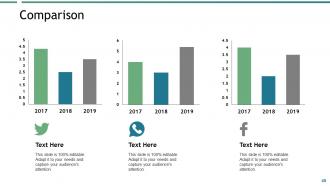
Apresentação de Investidor de Exemplo Apresentação de PowerPoint Slides que fornece uma visão geral de um plano de negócios. A apresentação de captação de recursos para investidores PowerPoint contém slides prontos, como visão geral da empresa, elevator pitch, nossa equipe, o problema, a solução, proposta de valor, roteiro do produto, marcos alcançados, tração, modelo de negócios, fluxos de receita, modelo de receita, modelo de despesas, estratégia de crescimento, estratégia de go-to-market, panorama competitivo, comparação de produtos, análise SWOT, projeções financeiras, análise de ponto de equilíbrio, uso de fundos, padrões de participação acionária, estratégia de saída, etc. O modelo de apresentação de proposta de investimento de negócios PowerPoint também pode ser usado para apresentar o escopo do negócio e o desempenho financeiro. Mostre o desempenho financeiro projetado aos seus potenciais investidores usando este deck de apresentação de pitch de investidor PPT. Explique como você alcança seus clientes-alvo. Convença a audiência de que você tem uma estratégia de go-to-market eficaz. Baixe este layout de apresentação de pitch de negócios para fornecer uma visão completa do cenário competitivo. Crie um clima saudável para discussão com nossa Apresentação de Investidor de Exemplo Apresentação de PowerPoint Slides. Conduza-os em um ambiente cordial.
People who downloaded this PowerPoint presentation also viewed the following :
Conteúdo desta apresentação em PowerPoint
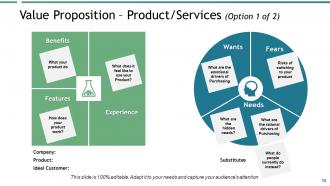
Um resumo lacônico, claro e intrusivo de sua empresa é fornecido aos possíveis investidores por meio de uma apresentação para investidores. Lançamos este exclusivo deck de slides de Apresentação para Investidores PowerPoint que contém um resumo detalhado da organização de seu plano de negócios para investidores. A latitude do desempenho financeiro e da empresa pode ser facilmente manifestada usando este modelo de PowerPoint, que contém excelentes ideias para planejar seu negócio e exibir seus objetivos, motivação, conceitos e realizações para seus investidores.
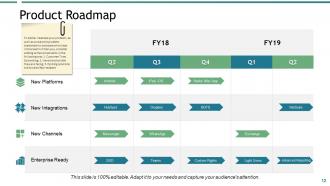
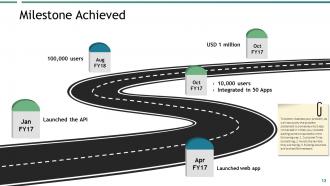
Nosso slide de Apresentação para Investidores PowerPoint contém tópicos importantes, como modelo de negócios, elevador pitch, roteiro de produto, estratégia de crescimento, marco alcançado e muitos outros slides cruciais que podem ajudar sua empresa a apresentar a sua audiência e investidores como sua empresa é superior em estratégia de mercado do que outras. Use nossos slides de PPT para se comunicar com seus investidores, fornecer-lhes ideias de negócios apropriadas e saber mais sobre a Apresentação para Investidores.
Esta apresentação em PowerPoint para investidores pode ser útil para sua empresa, pois fornece resultados financeiros e comerciais. Mostre aos seus potenciais investidores seu tão esperado crescimento e sucesso financeiro com o esclarecimento correto usando nossa Apresentação para Investidores PowerPoint. Nossos slides oferecem ótima orientação sobre como fazer uma Apresentação para Investidores que sua empresa pode explorar para apresentar a potenciais investidores.
Apresentação de slides da apresentação do investidor
Habilite as pessoas a construir uma impressão autêntica com nossos Slides de Apresentação de Apresentação do Investidor de Exemplo. Certifique-se de que elas estejam corretamente informadas.
















FAQs for Example Investor Presentation
Okay so you need the basics: problem, solution, market size, how you make money, any traction you've got (even super early stuff counts), competitors, financial projections, and why your team rocks. Keep it 10-15 slides tops - seriously, nobody wants to sit through 50. Tell a story that makes sense from start to finish. What's the problem? Here's how you fix it. Why will you crush it? I always end with exactly what I need and where the money goes. Oh, and practice until you're not just reading slides like a robot.
Honestly, visual storytelling is what makes investors actually pay attention instead of zoning out during your pitch. You're basically turning boring data into a story they'll remember - problem, solution, why you're crushing it, where the money is. Netflix vibes, not some dry research paper, you know? Good visuals help people connect with your vision emotionally while making complicated stuff easier to digest. Map out your story first, then find visuals that actually support each part. Consistent design matters too. The whole thing should flow logically toward your big ask at the end.
Dude, biggest thing I see founders mess up? They get obsessed with how amazing their features are instead of proving there's actually a market that'll pay for it. Like, cool tech is nice but investors care way more about traction and revenue potential. Also - and I can't stress this enough - you HAVE to nail your numbers. They'll tear apart your unit economics if you seem shaky on the basics. Oh, and stop making your pitch so damn complicated! Tell a simple story, practice until it feels natural, then honestly just cut like 30% of it. Less is more.
Okay so first thing - walk them through your assumptions step by step. Don't just throw random numbers at people. Charts and graphs are your friend here, way better than boring spreadsheet dumps (seriously, nobody wants to stare at rows of data). Break everything into chunks: what drives revenue, main costs, big milestones. You'll definitely want three scenarios - best case, realistic, worst case. Oh and here's the thing investors really care about - tie it all back to your actual strategy and why the market opportunity makes sense. Makes the whole pitch way more convincing.
Look, market analysis is what separates serious founders from dreamers - investors need to see you actually get the space you're entering. Show them market size, growth patterns, who you're up against. I've watched too many pitches crash because people just improvised this part. Your research validates the problem AND proves timing matters. Be specific about where your data comes from. Don't inflate those TAM numbers either - honestly, investors spot BS immediately. This section proves there's real money to be made and you're not just guessing.
Think of data as your proof and story as what makes investors actually give a damn about that proof. Lead with a solid story about the problem you're tackling, then drop your best metrics to show why it matters and why you're crushing it. Most people just vomit charts everywhere - terrible move. Instead, work 2-3 key numbers into each part of your story. So when you're talking market opportunity, start with the customer pain point, then BAM - hit them with TAM numbers. Every metric should feel like the obvious next piece after your story setup.
Dude, forget the boring "About Us" intro - nobody cares yet. Jump straight into your biggest win or some crazy market stat that makes people sit up. I always tell founders to practice that opening line like crazy because you literally get one shot at a first impression. Keep the slide super clean visually, maybe just your logo and one punchy line. Then give them a quick roadmap of what's coming next so they're not wondering where this is headed. Oh, and test it on your mom or someone who has zero clue about your business first - if they're not hooked, investors definitely won't be.
Hey! So problem first, then market size and your solution. Business model comes next, followed by traction and competitive stuff. Your team credentials matter too. Here's the thing though - get that demo in early, like right after you explain the problem. Trust me on this one. Investors check out if you make them wait forever to see what you actually built. Financials and funding ask go at the end with specific use of funds. Keep sections to 2-3 slides each and practice those transitions so it doesn't feel choppy. The whole pitch should flow like you're telling a story, not just throwing facts at them.
Dude, investors are gonna want to see your revenue growth and customer acquisition costs first thing. LTV matters too - shows you're not just burning cash on users who vanish. If you're SaaS, MRR is basically everything. Your burn rate tells them how long you'll survive, which honestly feels brutal but whatever. Retention rates and market size stuff round it out nicely. Here's the thing though - don't dump like 15 charts on them. Pick maybe 6 solid metrics and actually tell a story. They'll grill you hard on the numbers during questions, so know your stuff inside out.
Honestly, templates are lifesavers - you won't be sitting there staring at blank slides forever. The whole structure is already mapped out, so you can jump straight into your actual story and data. No more wasting time wondering if market size goes before the problem slide (I've literally spent hours on that kind of stuff). Your messaging stays consistent too, which investors appreciate. If you're working with teammates, everyone knows the format already. I learned this the hard way after my first pitch was all over the place. Just find a decent template and plug in your content.
Dude, you've gotta do your homework on each type first. VCs are obsessed with scale and disruption potential. Angels? They want to fall in love with you and your story - the passion stuff really matters to them. PE guys live and breathe numbers and exit plans, period. Your pitch deck should change too. Growth-stage investors want proof of traction right up front, but early-stage ones need the big vision first. Pro tip I learned the hard way: spend like 10 minutes before each meeting checking out their recent deals. You'll pick up on what actually excites them vs just saying the right buzzwords.
Know your numbers cold - practice that stuff until you could recite it in your sleep. But here's what most people miss: prepare for the weird questions too. Think about what they'll grill you on regarding competitors, market size, all that fun stuff. Honestly, the biggest mistake is trying to wing it when you get stumped. Just be straight up - "Great question, let me circle back on that tomorrow" then actually do it. I swear investors would rather hear that than watch you flail around making stuff up. Oh, and write down their questions as you go so you don't forget anything.
Honestly, investors will judge you in like 3 seconds based on how your deck looks. I've watched amazing companies get shut down because their slides looked straight out of 2003 - it's brutal but true. Bad design makes you look amateur, and then they start wondering if you can actually execute anything properly. You don't have to become some design genius, but get a solid template or find someone who knows their stuff. Clean layouts, matching fonts, consistent colors - that stuff matters way more than you'd think. First impressions are everything in this game.
So after your pitch, get them an executive summary ASAP - like within 24 hours while you're still on their radar. Financial projections are obviously huge. Include your detailed spreadsheet plus any market research you mentioned. Oh, and definitely send the actual pitch deck as a PDF (I've seen people forget this somehow). A simple one-pager with key metrics helps too since they'll probably discuss you internally later. Honestly, investors see so many pitches that having everything organized makes you stand out. Just don't overwhelm them with random stuff they didn't ask for.
Honestly, watch how people react during your pitch - are they scribbling notes or checking their phones? That tells you a lot right there. The real proof comes after though. Do they actually email back asking for financials or want to grab coffee next week? I've seen people nail the presentation part but then... crickets. Track your follow-up response rates in a basic spreadsheet or something. How many "great pitch!" comments turn into actual meetings? That's your real metric. Oh and if multiple investors are passing for similar reasons, probably time to tweak the deck.
No Reviews