


Business Investment Proposal Powerpoint Presentation Slides
Want to present business investment proposal plan? Our content-ready business investment proposal PowerPoint presentation will help you out. It can be presented by investment bankers, consultants and company stock management to the potential investors. This business funding plan PPT presentation comprises of 59 slides including agenda, problem template, marketing gap opportunity template, value proposition product benefits, underlying magic, business model, go to market plan, go to market strategy roadmap, market segmentation, channel strategy, competitive analysis, scatter chart, comparison table, portative analysis bubble chart, matrix chart, management team template, financial projections and key metrics, conversion rate, current status of product, accomplishments to date, roadmap for future, use of funds and many more. The venture capital plan presentation templates are apt to present various topics such as initial public offering, seed funding options for a new venture, angel investing, equity crowd funding, financing stages, seed money, private equity, debt offering, economic development and entrepreneurial venture. Therefore, Download our professionally content ready Business Proposal ppt to impress your audiences and launch your product at right time .
Want to present business investment proposal plan? Our content-ready business investment proposal PowerPoint presentation w..

















-

- Google Slides is a new FREE Presentation software from Google.
- All our content is 100% compatible with Google Slides.
- Just download our designs, and upload them to Google Slides and they will work automatically.
- Amaze your audience with SlideTeam and Google Slides.
-

Want Changes to This PPT Slide? Check out our Presentation Design Services
-

- WideScreen Aspect ratio is becoming a very popular format. When you download this product, the downloaded ZIP will contain this product in both standard and widescreen format.
-

- Some older products that we have may only be in standard format, but they can easily be converted to widescreen.
- To do this, please open the SlideTeam product in Powerpoint, and go to
- Design ( On the top bar) -> Page Setup -> and select "On-screen Show (16:9)” in the drop down for "Slides Sized for".
- The slide or theme will change to widescreen, and all graphics will adjust automatically. You can similarly convert our content to any other desired screen aspect ratio.
Compatible With Google Slides

Get This In WideScreen
You must be logged in to download this presentation.


Do you want to remove this product from your favourites?
PowerPoint presentation slides
PowerPoint presentation includes 59 slides. PPT templates are useful for potential stakeholders, and investors. Templates content and designs are 100 % editable. PPT slides are accessible in both widescreen and standard format. All PowerPoint templates are compatible with Google Slides. We offer premium customer support. The editable and finely crafted convertible deck consists of business investment proposal etc.

People who downloaded this PowerPoint presentation also viewed the following :
Content of this Powerpoint Presentation
Slide 1: This slide introduces Business Investment Proposal. State Your Company Name and begin.
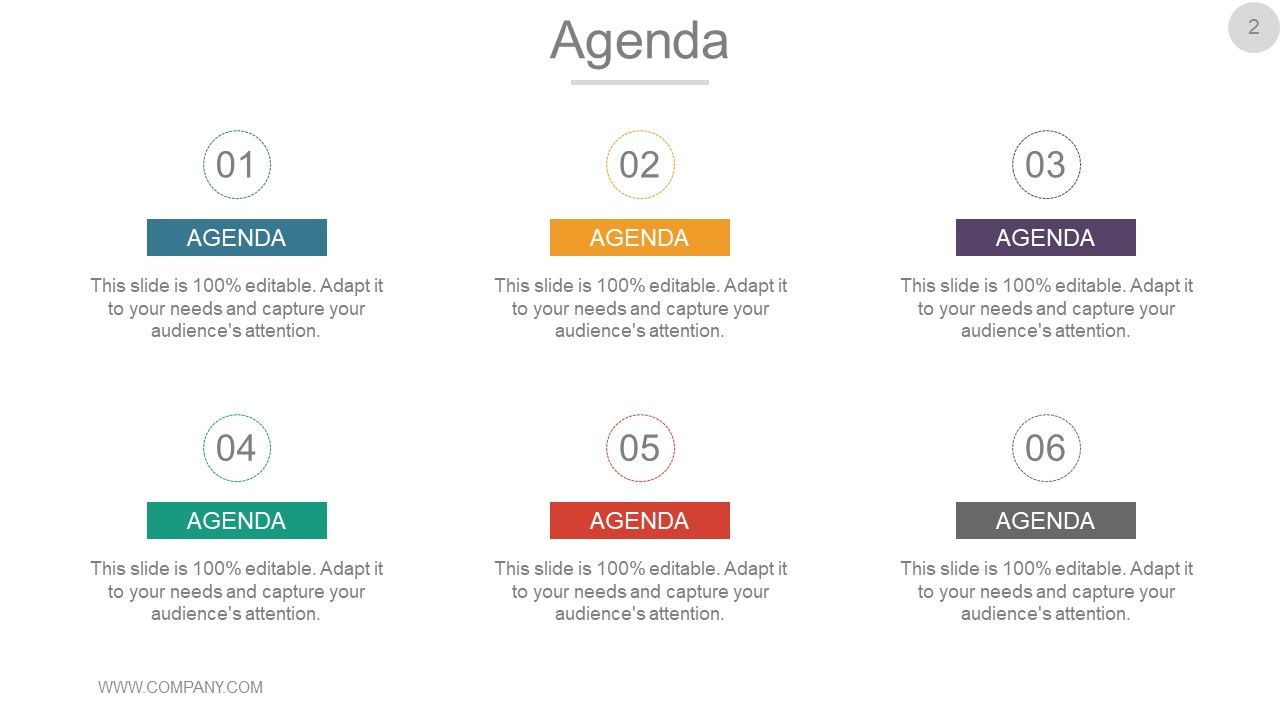
Slide 2: This is an Agenda slide. Present your agendas here.
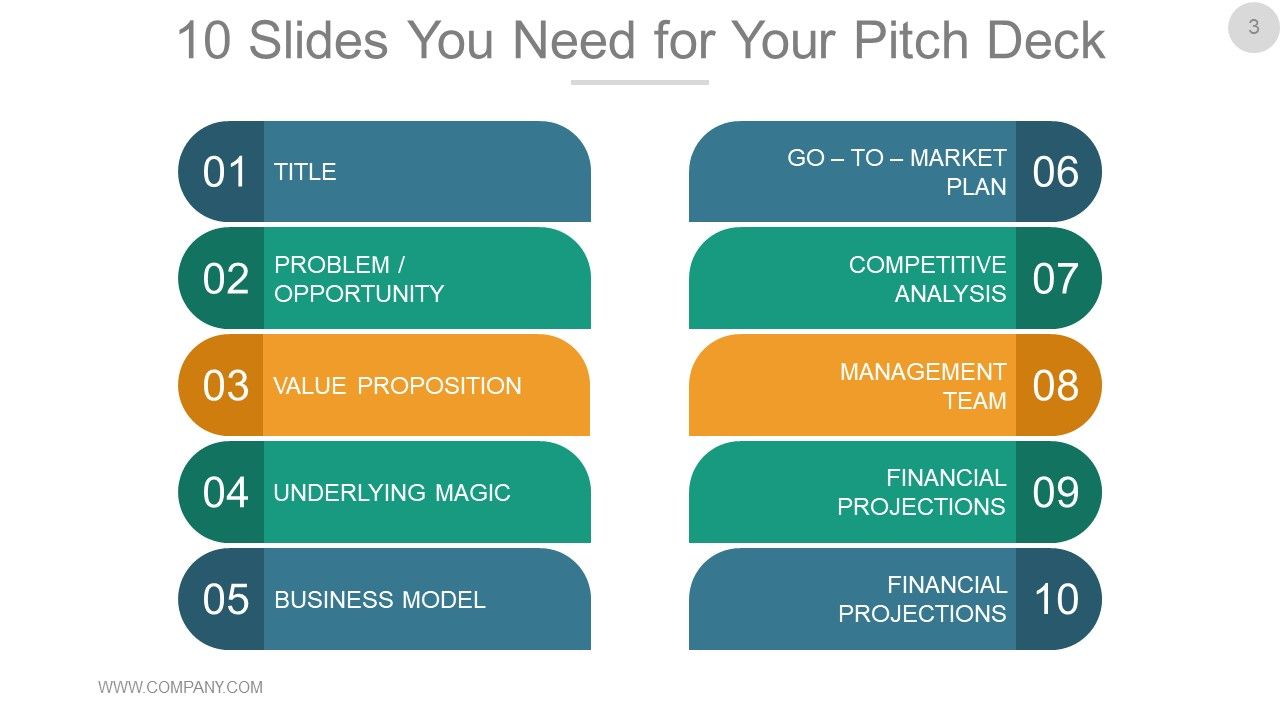
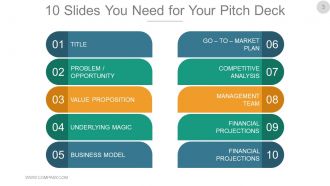
Slide 3: This slide showcases 10 Slides You Need for Your Pitch Deck. They are listed as- 01-Title, 02-Problem / Opportunity, 03-Value Proposition, 04-Underlying Magic, 05-Business Model, 06-Go– To– Market Plan, 07-Competitive Analysis, 08-Management Team, 09-Financial Projections, 10-Financial Projections.
Slide 4: This slide presents the first Problem Template.
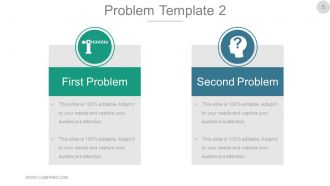
Slide 5: This slide presents the second Problem Template with the following points- First Problem, Second Problem.
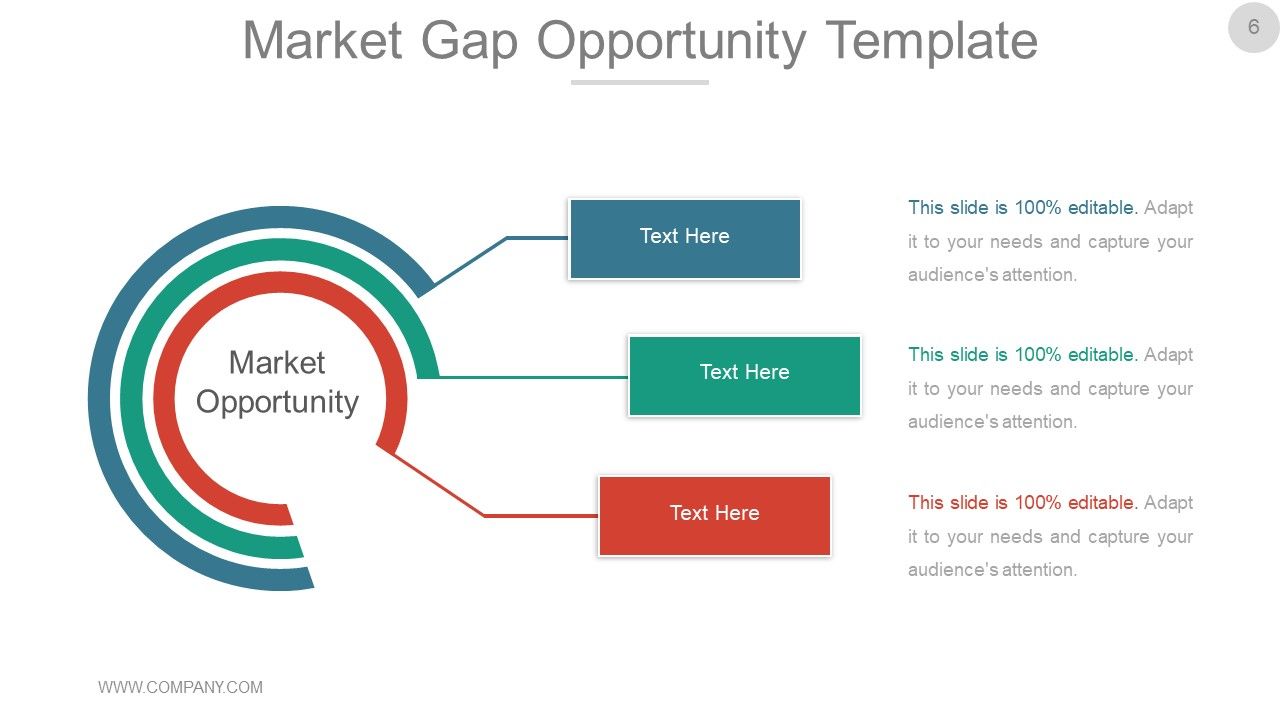
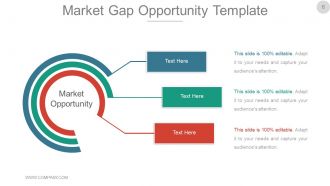
Slide 6: This slide shows Market Gap Opportunity Template with imagery and text boxes to describe. n.
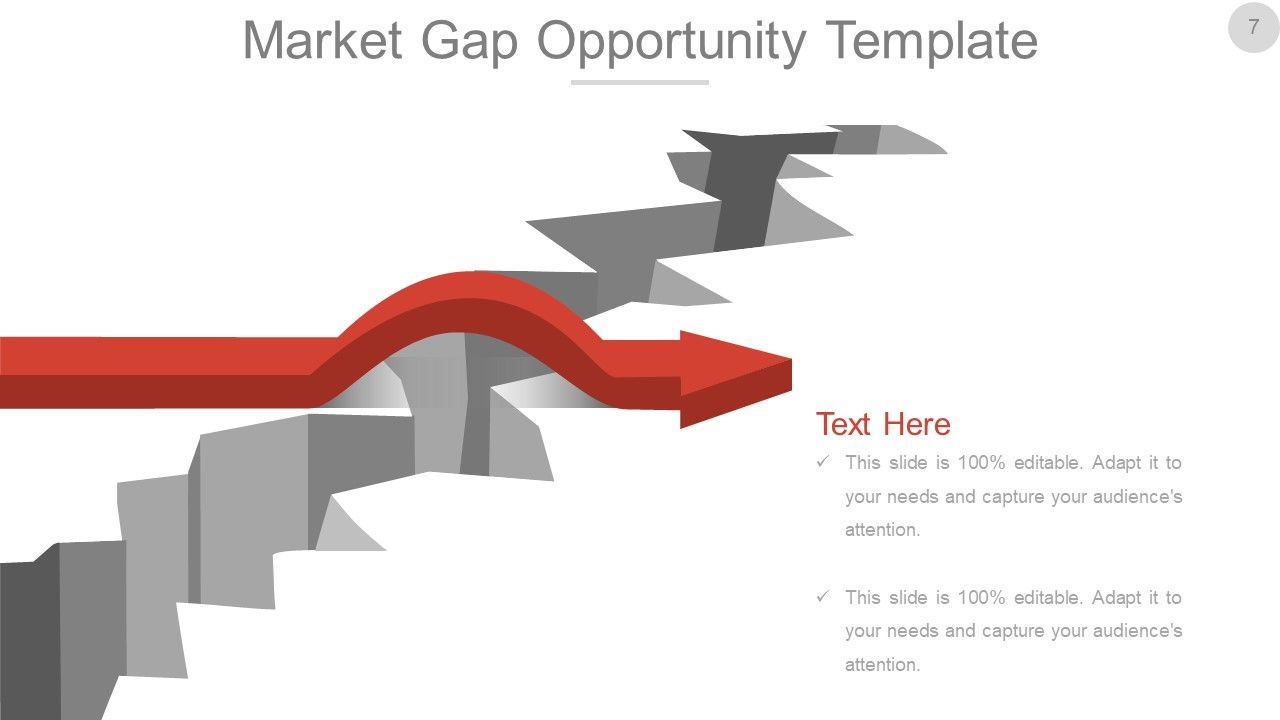
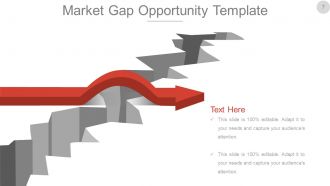
Slide 7: This slide also shows Market Gap Opportunity Template with imagery and text boxes to describe.
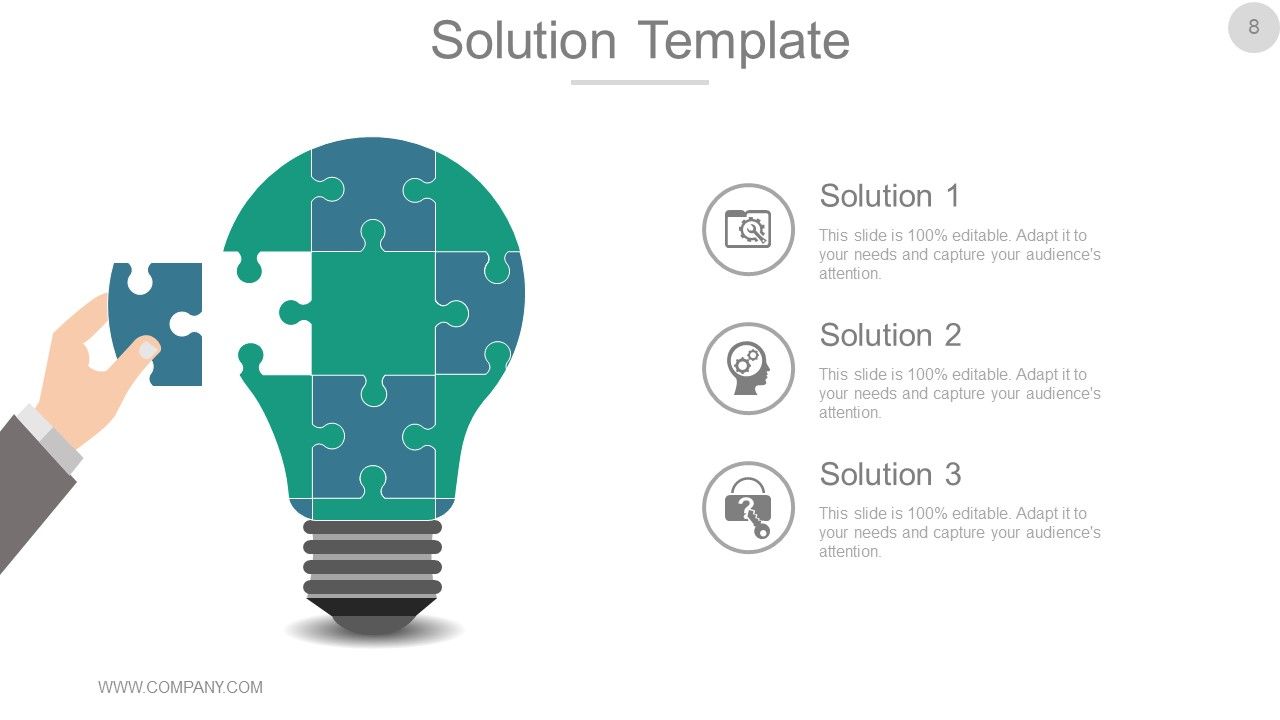
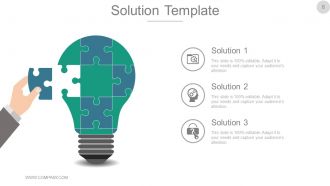
Slide 8: This slide showcases a Solution Template with bulb puzzle imagery.
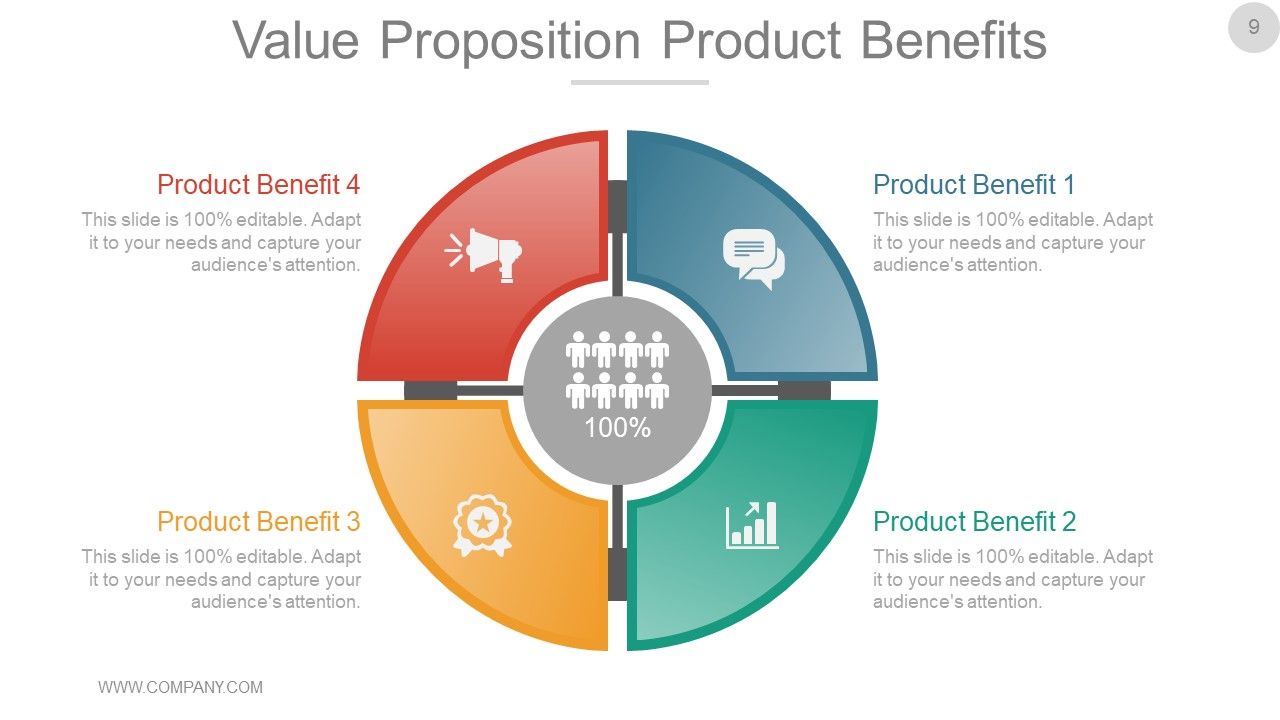
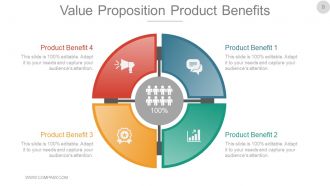
Slide 9: This slide also presents Value Proposition Product Benefits with imagery and text boxes to go with.
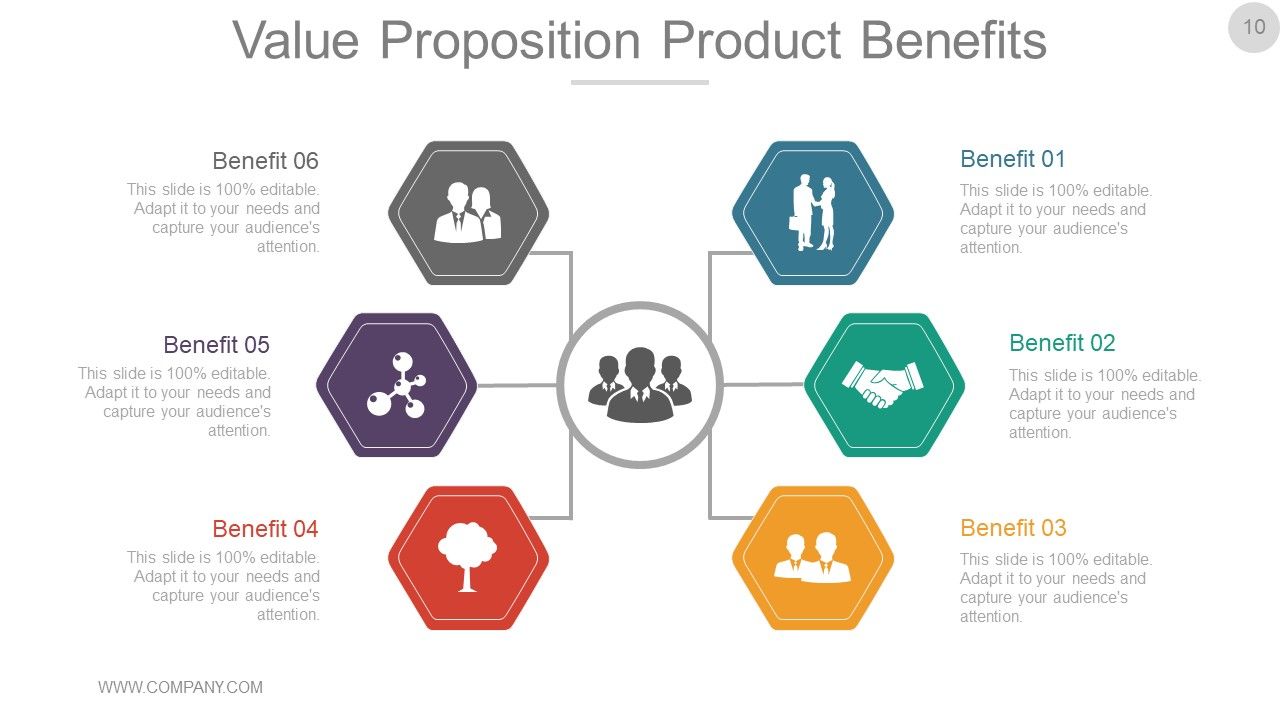
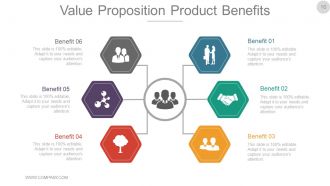
Slide 10: This slide also presents Value Proposition Product Benefits with imagery and text boxes to go with.
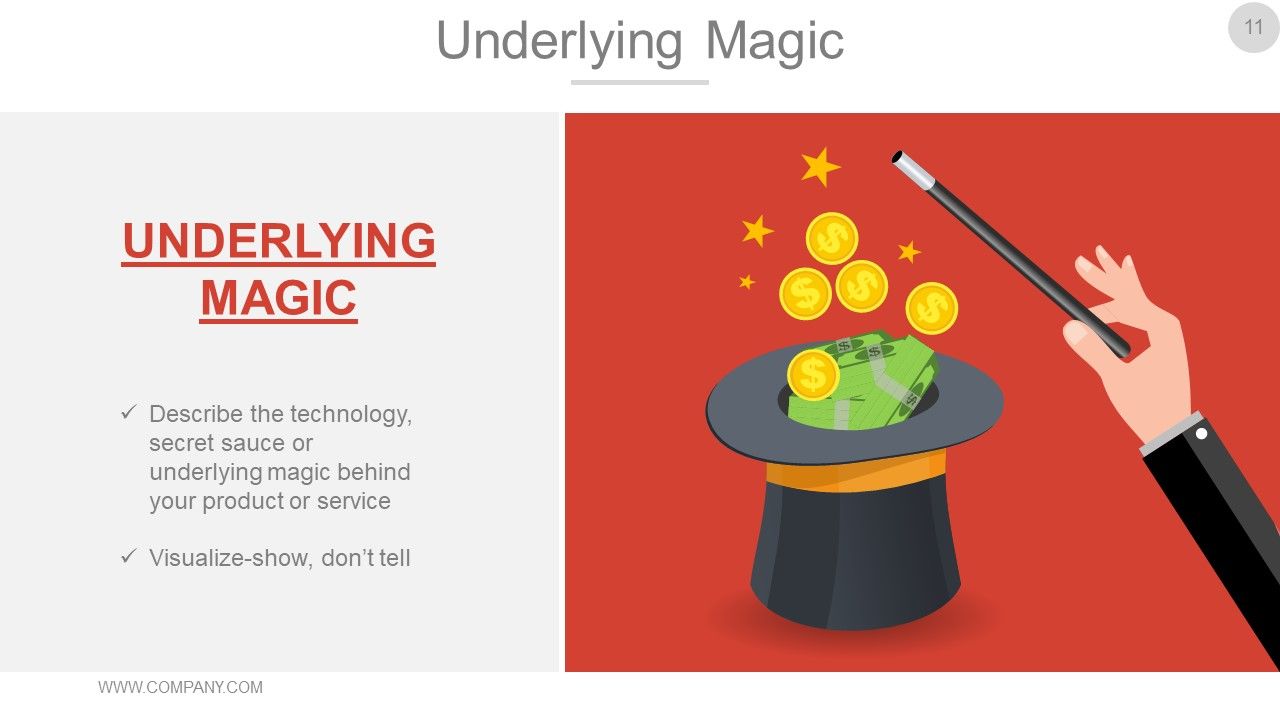
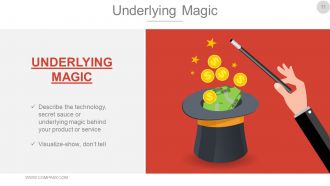
Slide 11: This slide showcases the Underlying Magic factors. Describe the technology, secret sauce or underlying magic behind your product or service. Visualize-show, don’t tell
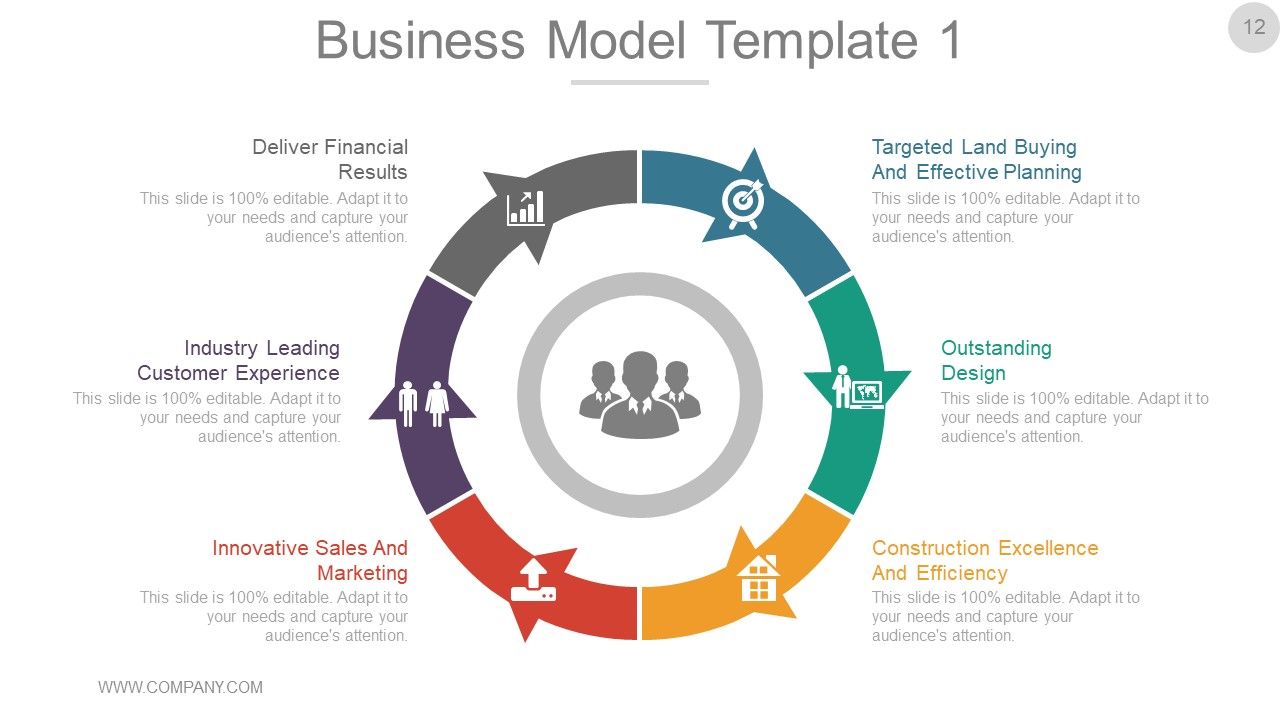
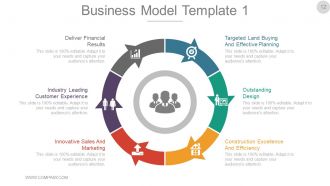
Slide 12: This slide presents the first Business Model Template with the following sub points- Construction Excellence And Efficiency, Outstanding Design, Targeted Land Buying And Effective Planning, Innovative Sales And Marketing, Industry Leading Customer Experience, Deliver Financial Results.
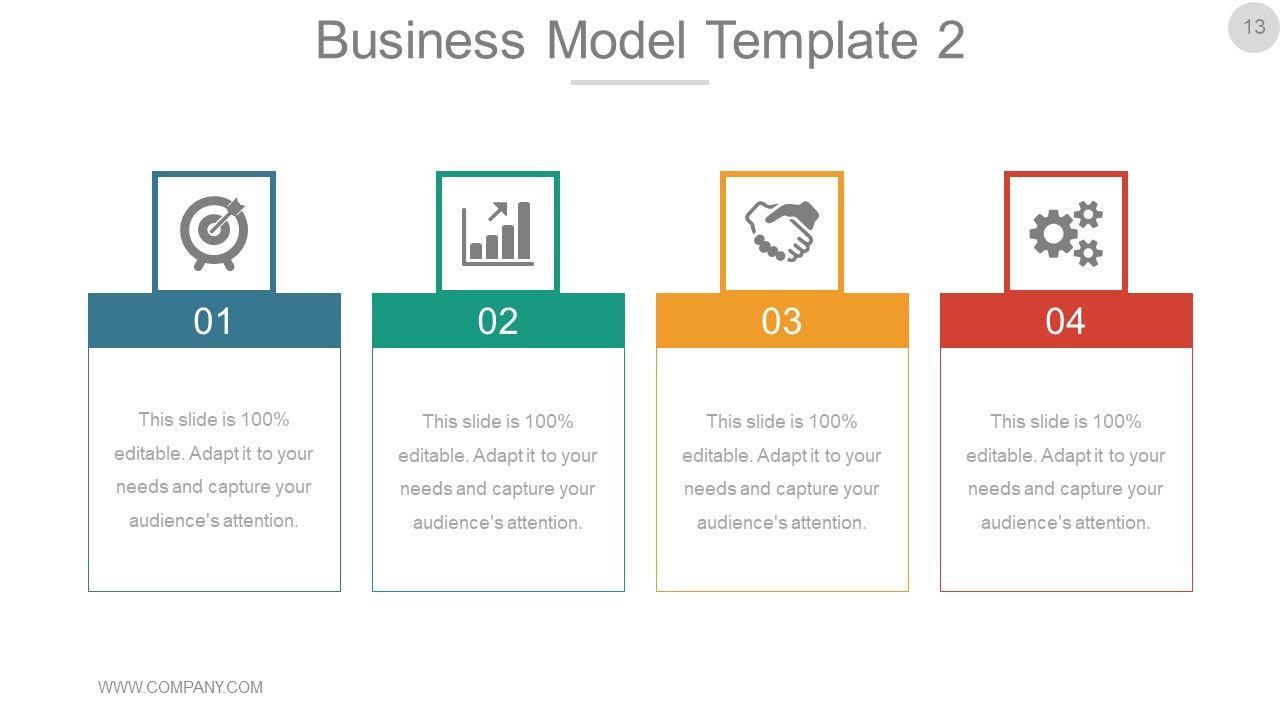
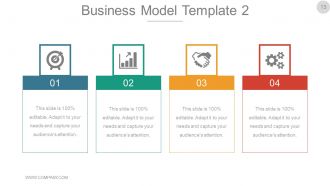
Slide 13: This slide presents the second Business Model Template.
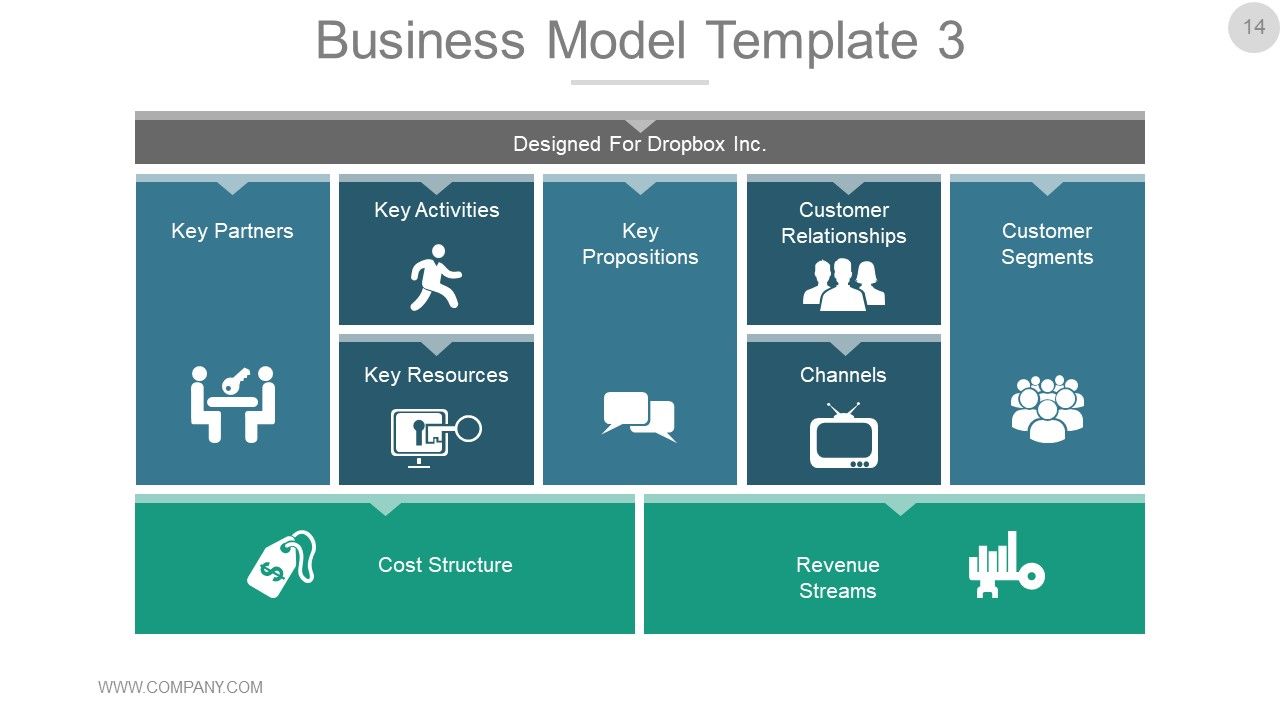
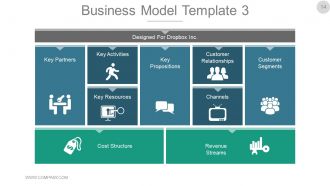
Slide 14: This slide presents the third Business Model Template with the following sub points- Customer Segments, Customer Relationships, Channels, Revenue Streams, Cost Structure, Key Resources, Key Activities, Key Propositions, Key Partners, Cost Structure.
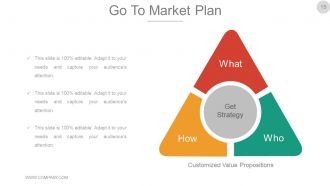
Slide 15: This slide shows Go To Market Plan with- What, Who, How, Get Strategy, Customized Value Propositions.
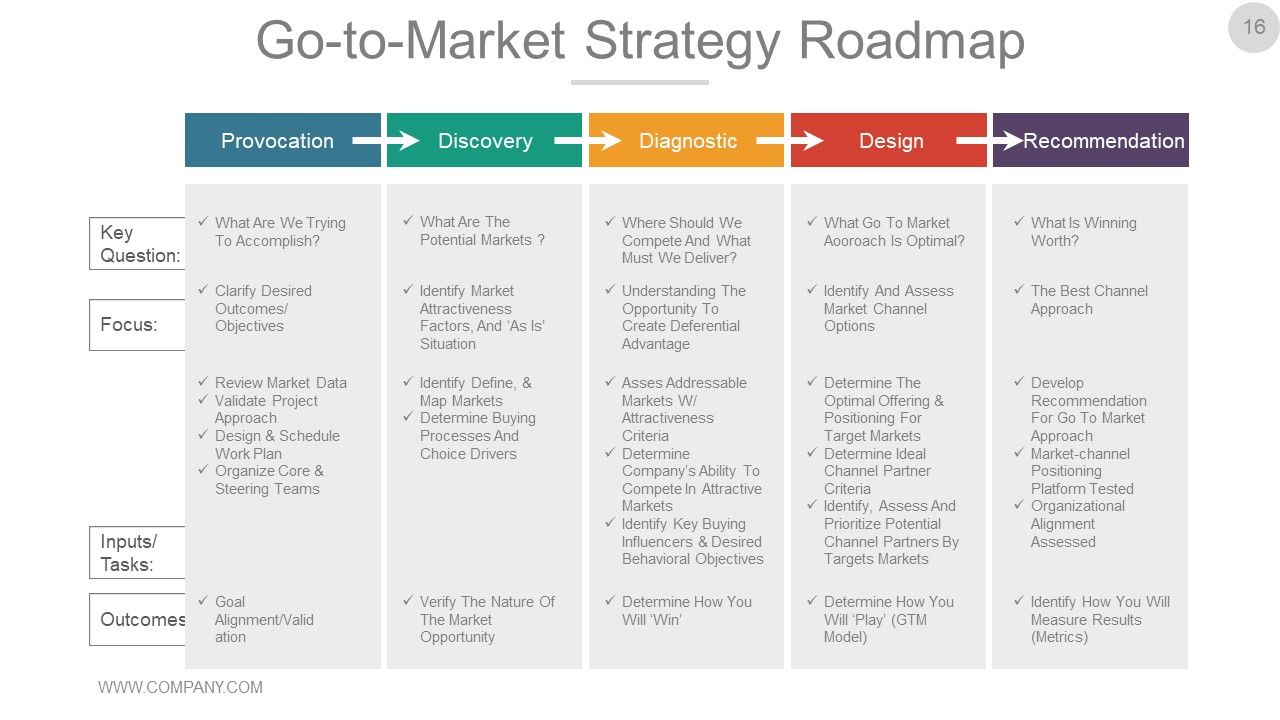
Slide 16: This slide presents a Go-to-Market Strategy Roadmap showcasing- Key Question, Focus, Inputs/ Tasks, Outcomes, Provocation, Discovery, Diagnostic, Design, Recommendation.
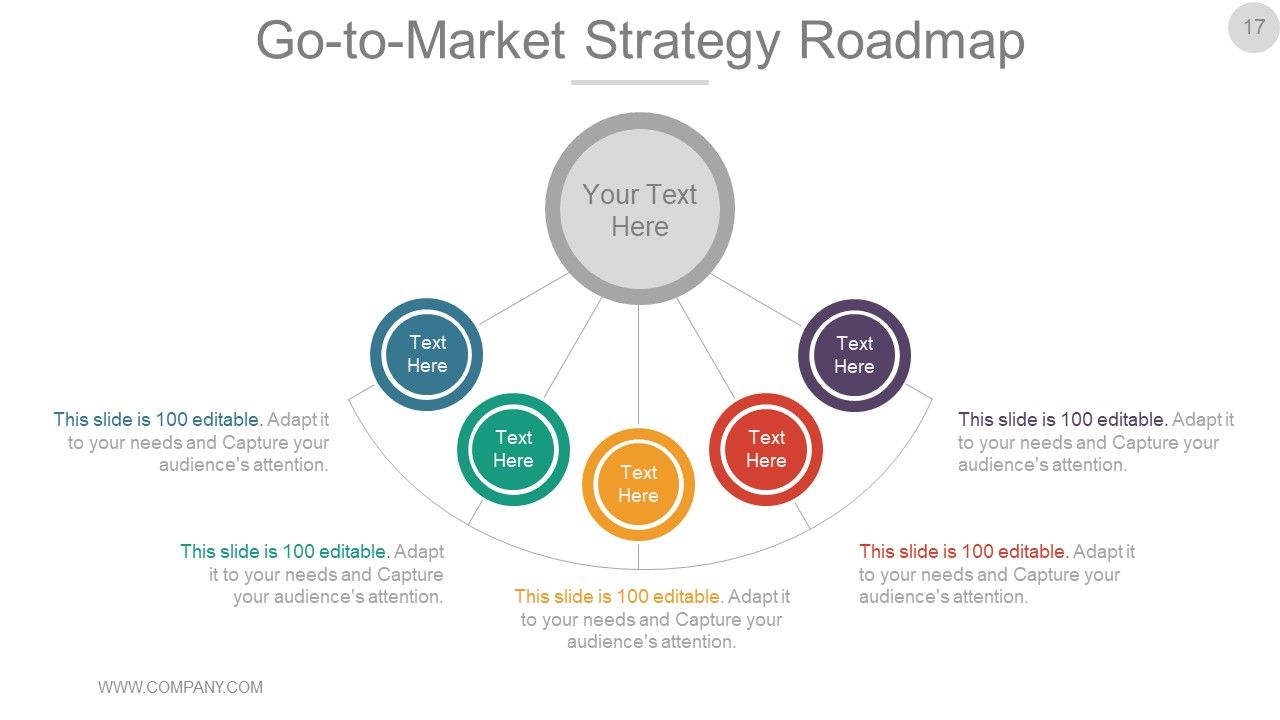
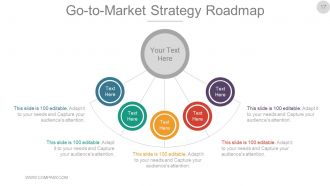
Slide 17: This slide shows a blank Go-to-Market Strategy Roadmap. Fill in as per your need.
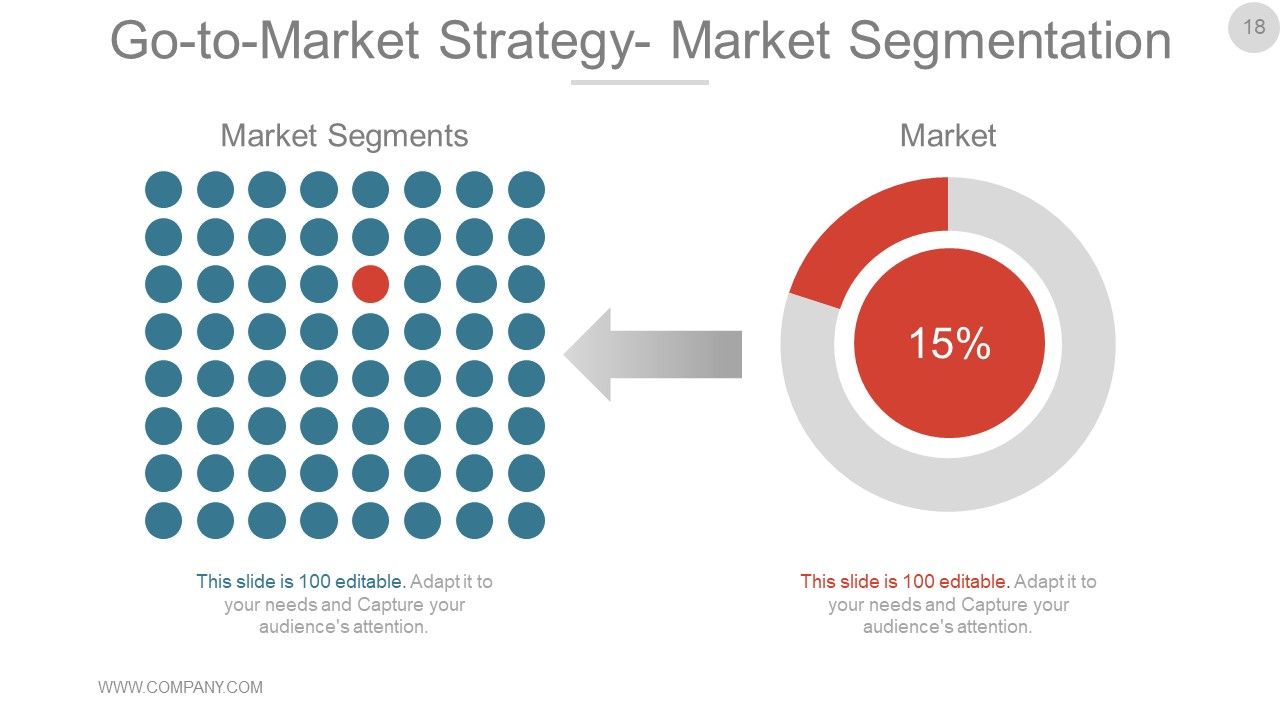
Slide 18: This slide Go-to-market Strategy- Market Segmentation with- Market & Market Segments.
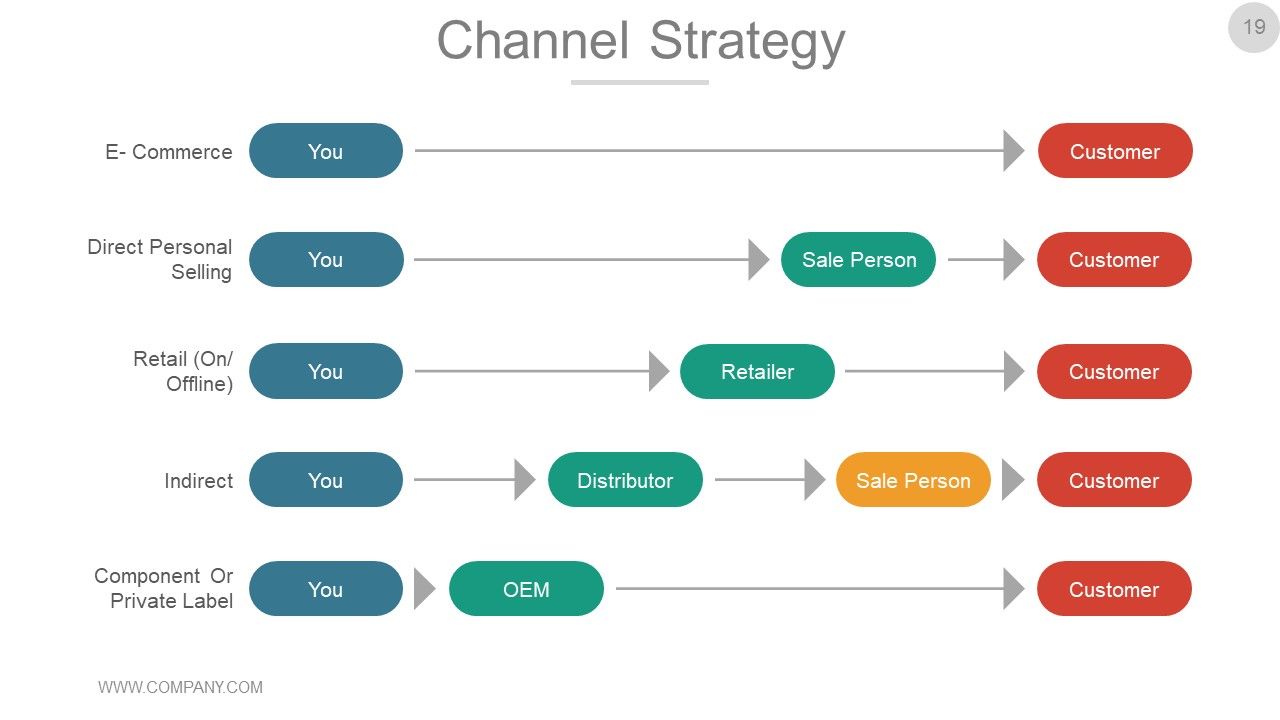
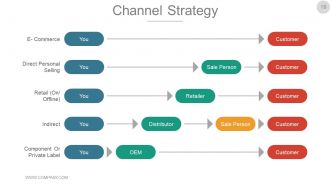
Slide 19: This slide displays the Channel Strategy with the following points- Customer, Sale Person, Retailer, Distributor, OEM, You, E- Commerce, Direct Personal Selling, Retail (On/ Offline), Indirect, Component Or Private Label.
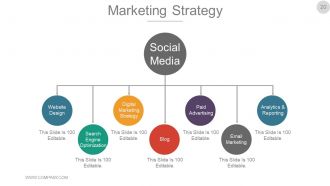
Slide 20: This slide shows the Marketing Strategy through- Social Media, Email Marketing, Analytics & Reporting, Paid Advertising, Search Engine Optimization, Website Design, Blog, Digital Marketing Strategy.
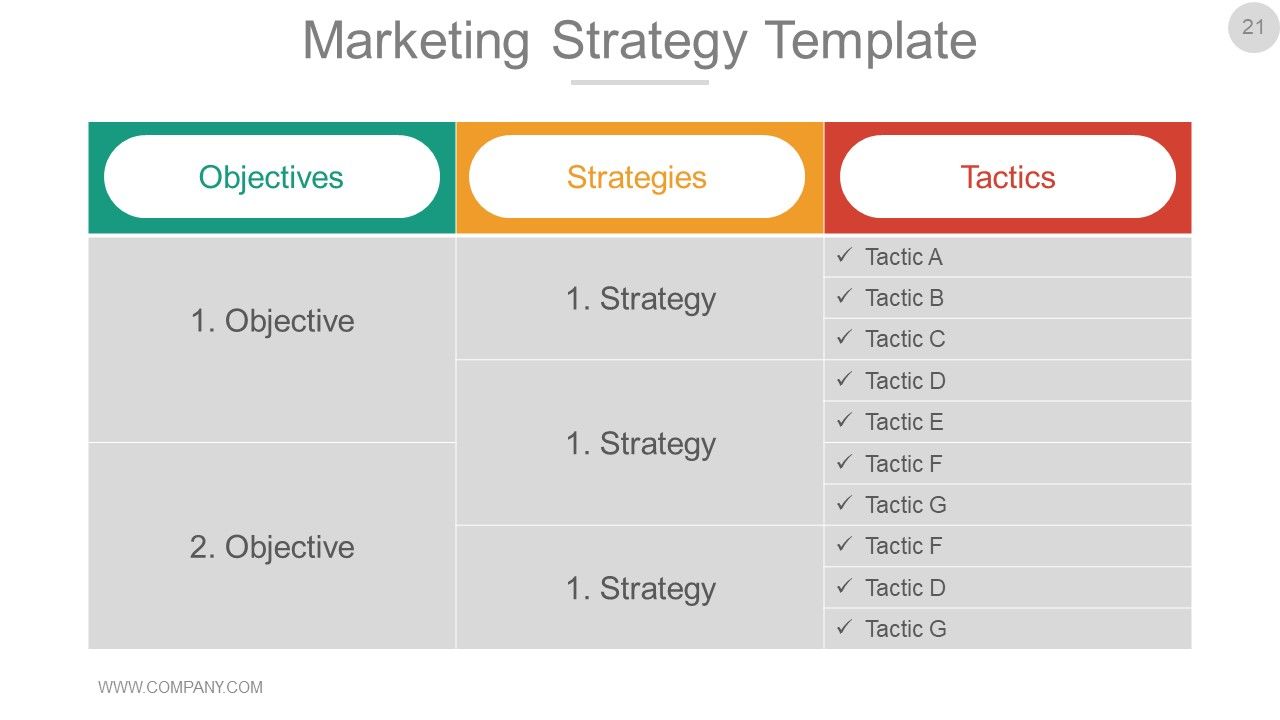
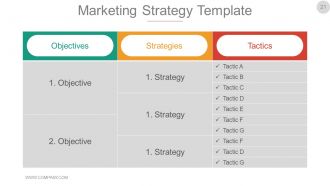
Slide 21: This slide presents Marketing Strategy Template with Objectives, Strategies and Tactics.
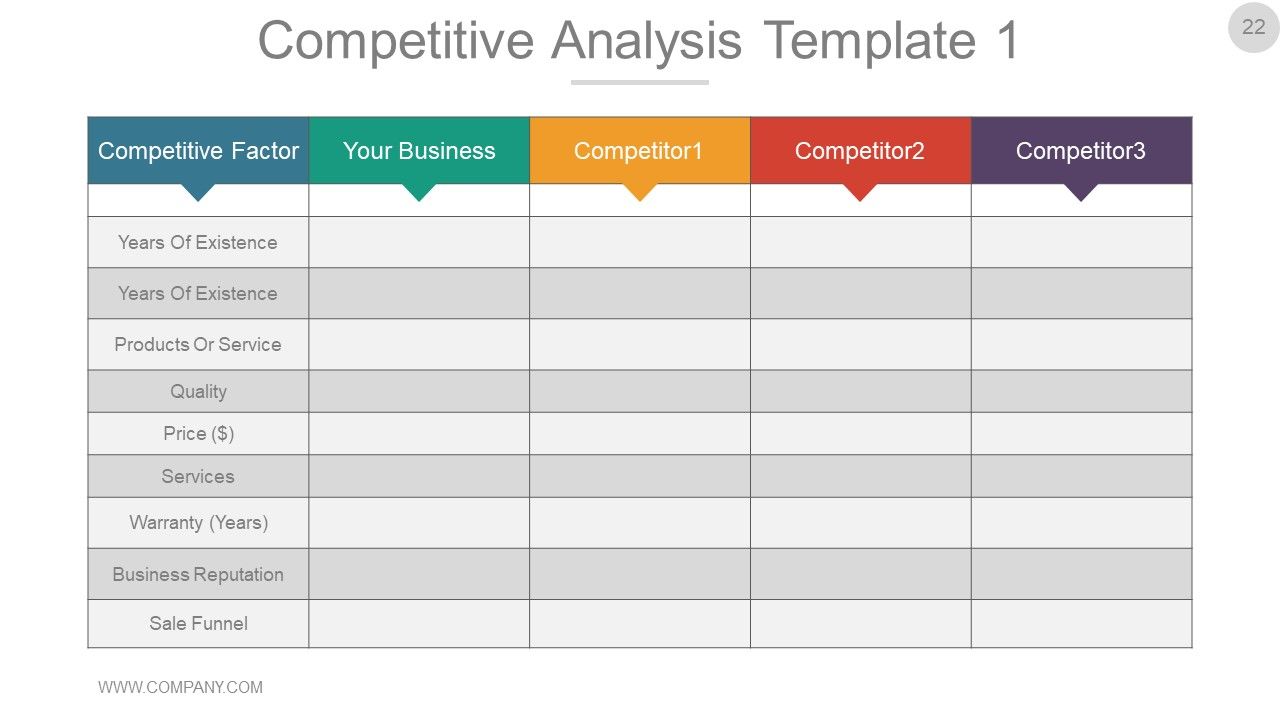
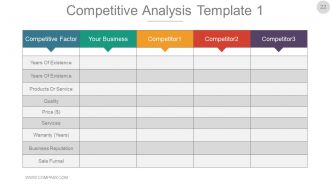
Slide 22: This slide presents the first Competitive Analysis Template.
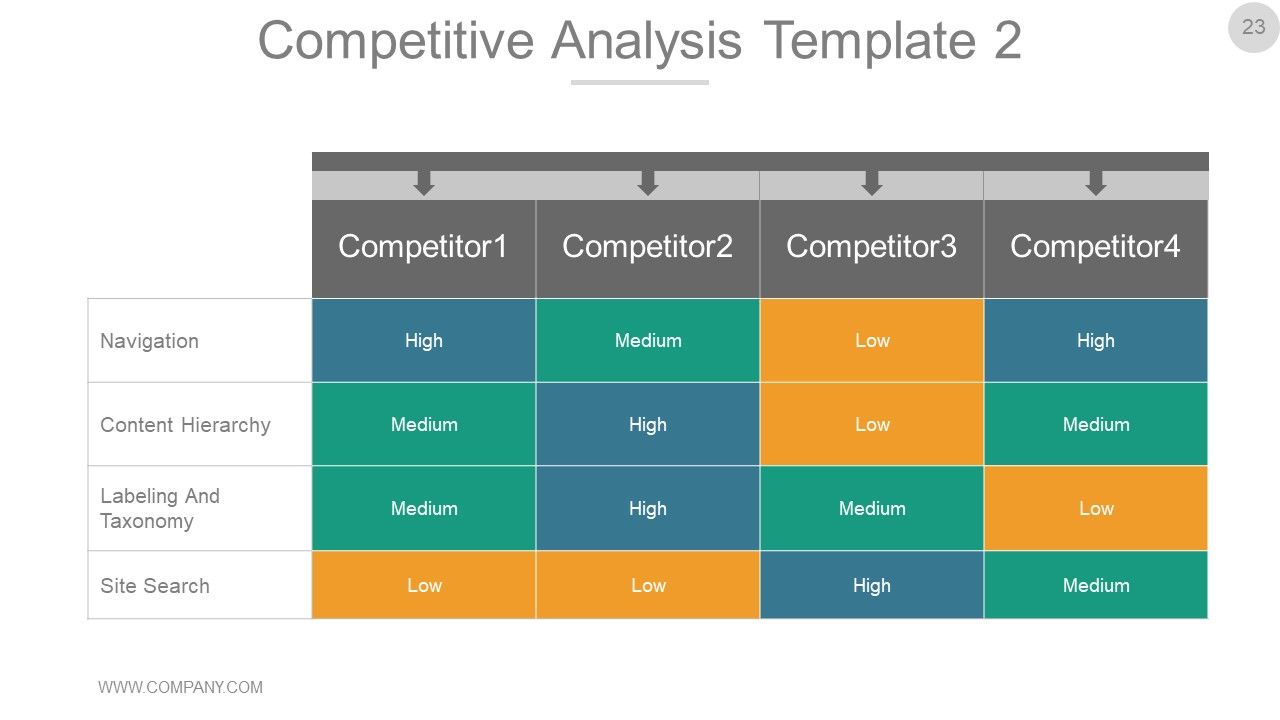
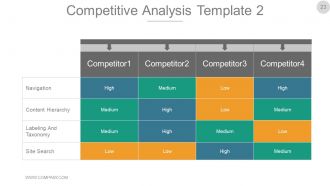
Slide 23: This slide presents the second Competitive Analysis Template in tabular form.
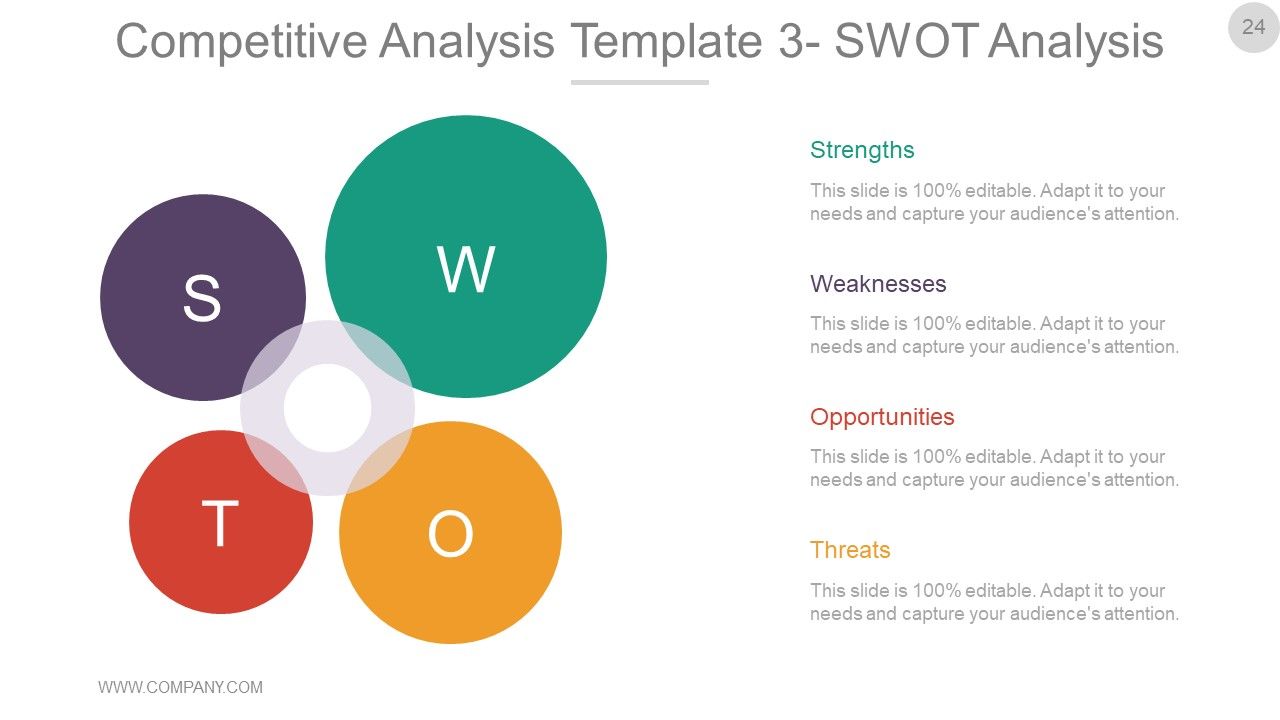
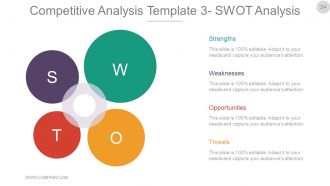
Slide 24: This slide showcases the third Competitive Analysis Template with SWOT.
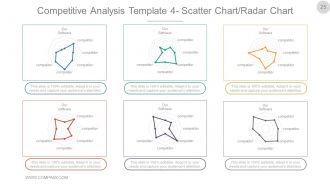
Slide 25: This slide presents the fourth Competitive Analysis Template in Scatter/Radar Chart form.
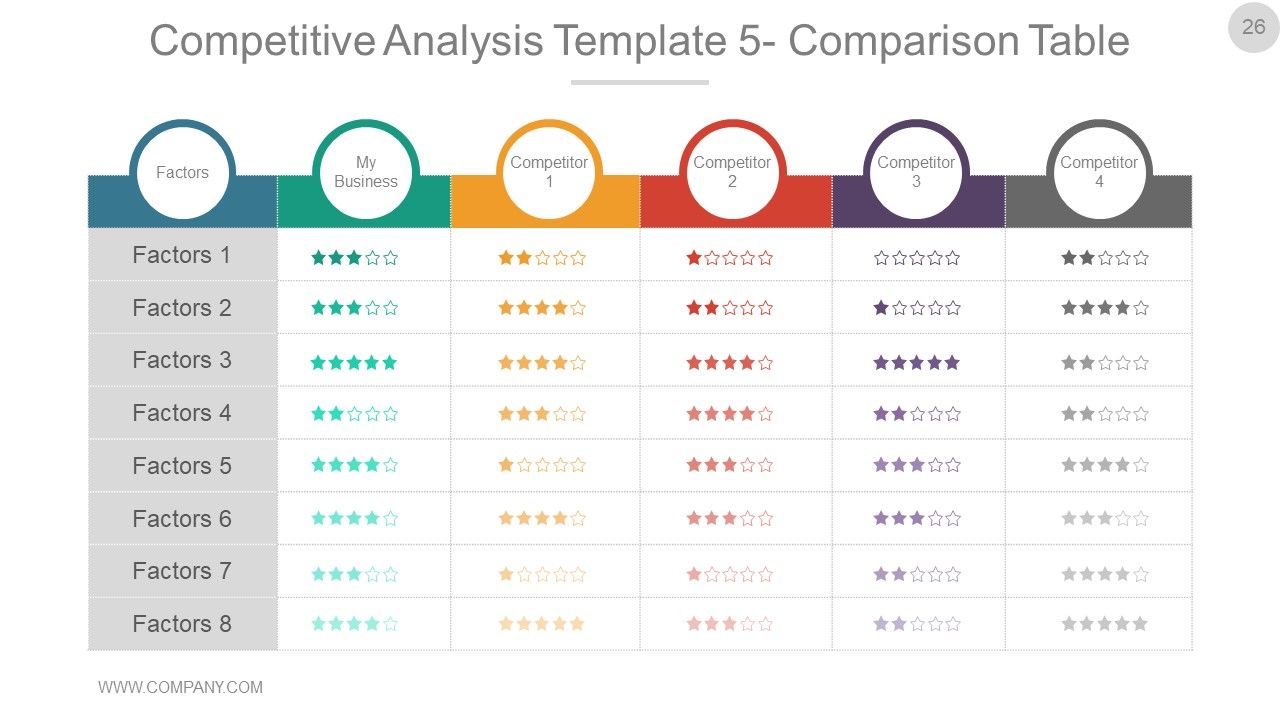
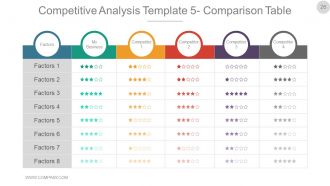
Slide 26: This slide displays the fifth Competitive Analysis Template in Comparison Table form.
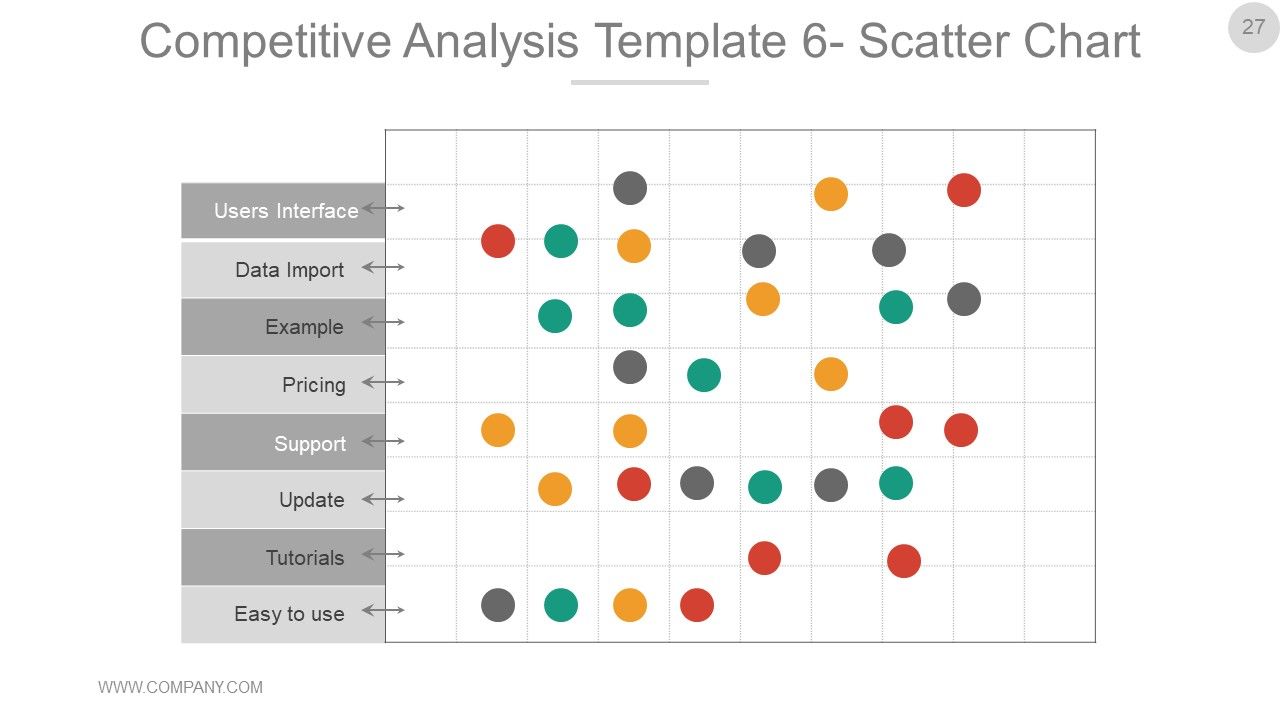
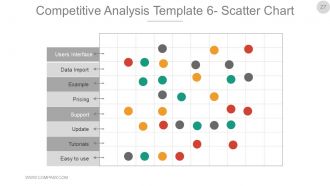
Slide 27: This slide shows the sixth Competitive Analysis Template in Scatter Chart form.
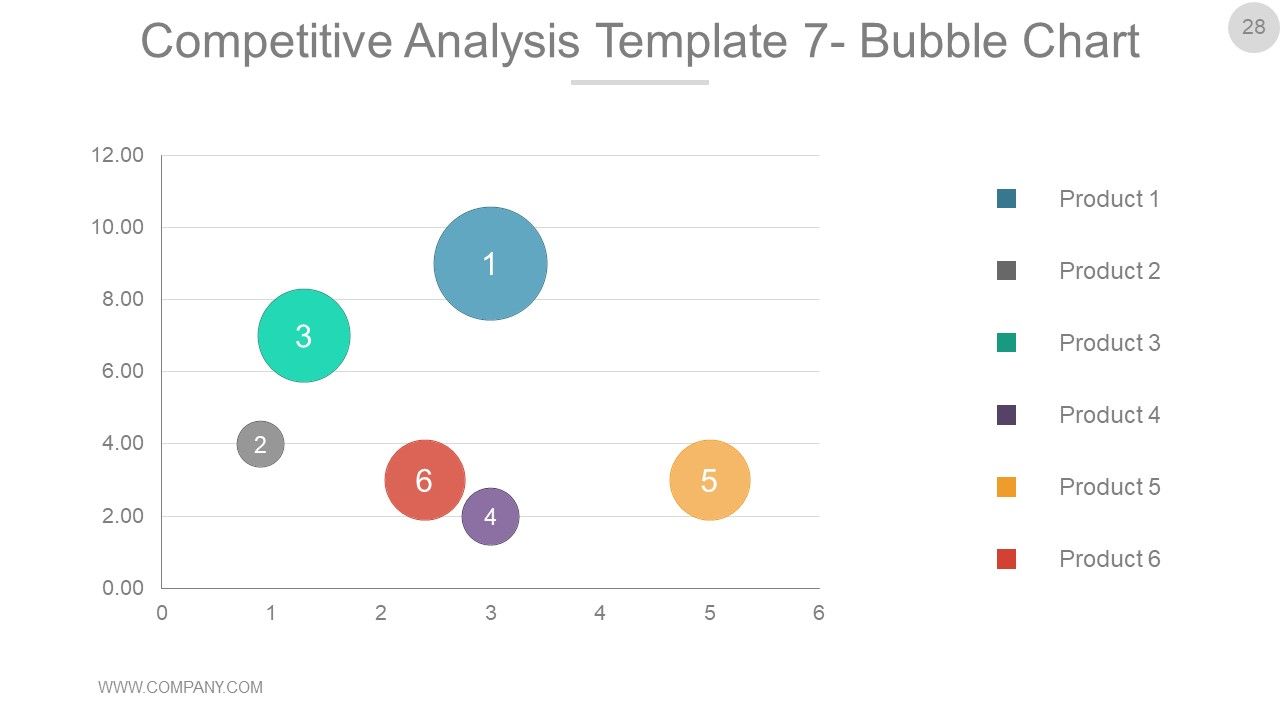
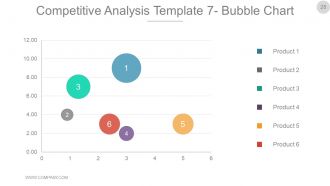
Slide 28: This slide presents the seventh Competitive Analysis Template as Bubble Chart.
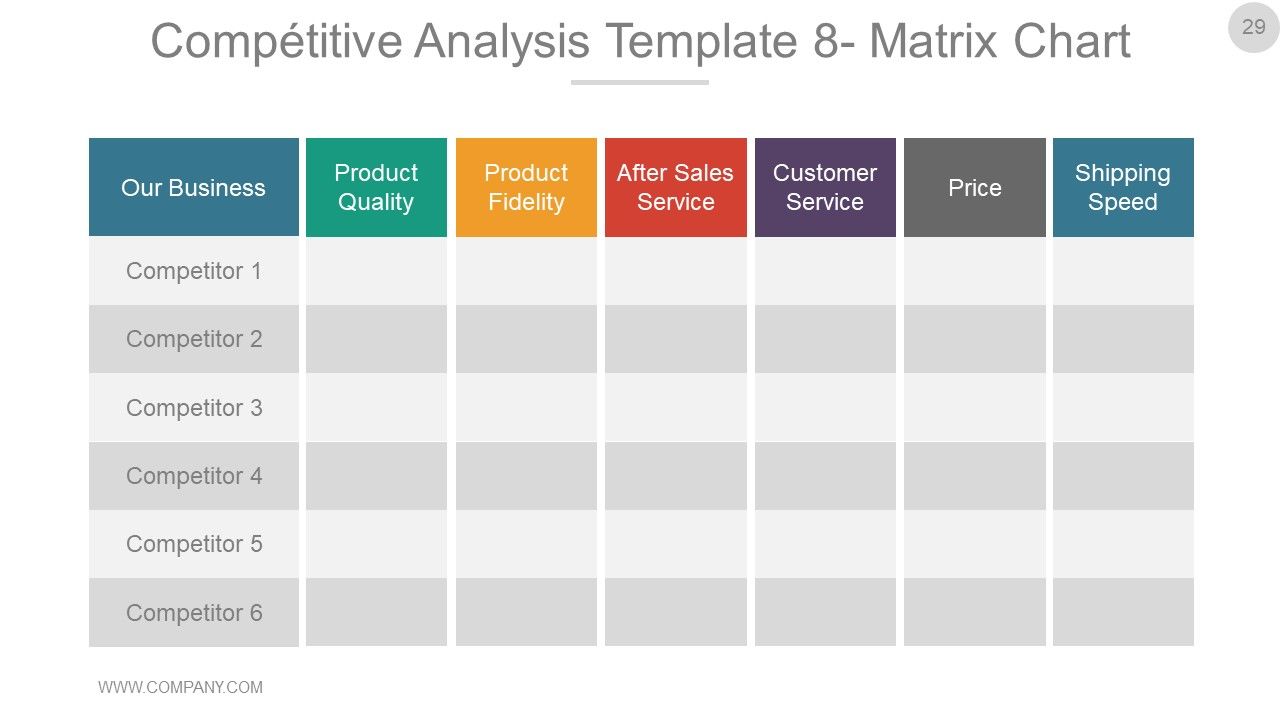
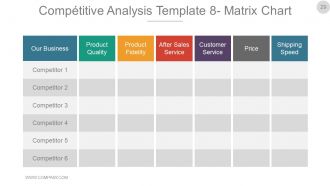
Slide 29: This slide displays the eighth Competitive Analysis Template as Matrix Chart.
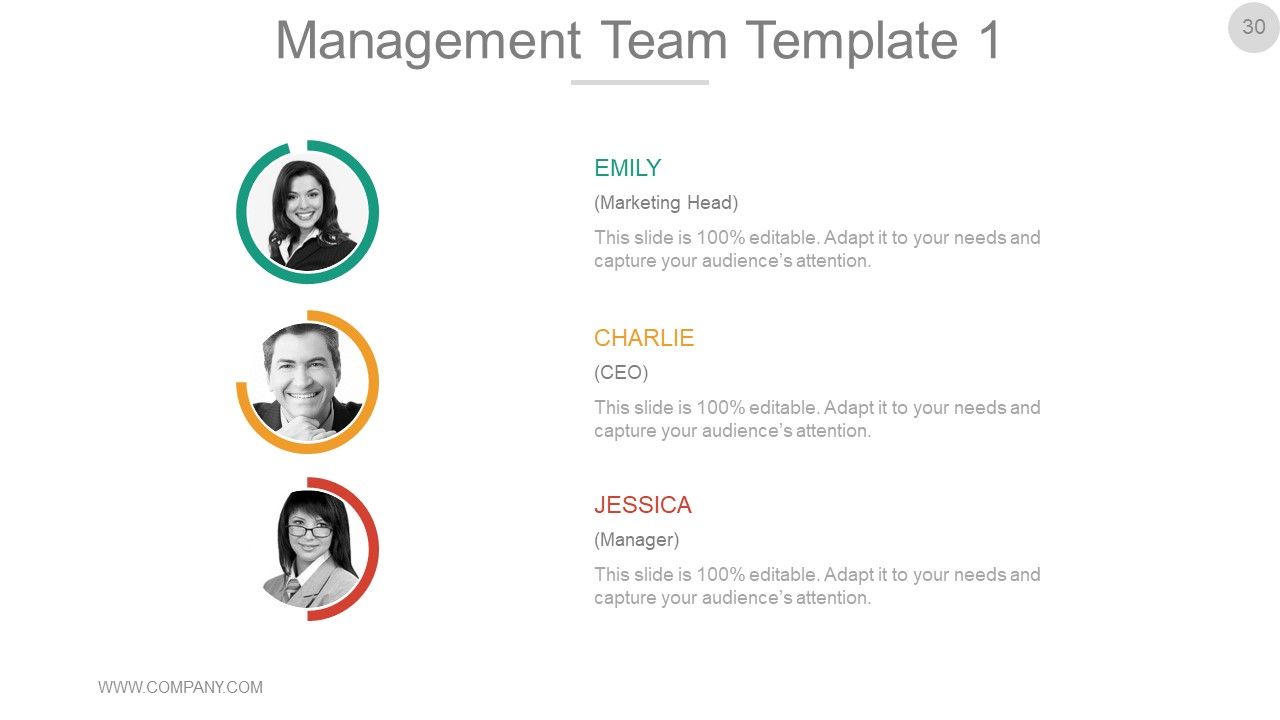
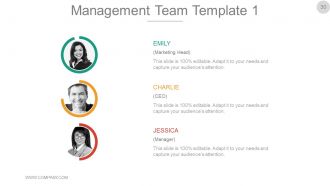
Slide 30: This slide shows Management Team Template with name, designation and image boxes.
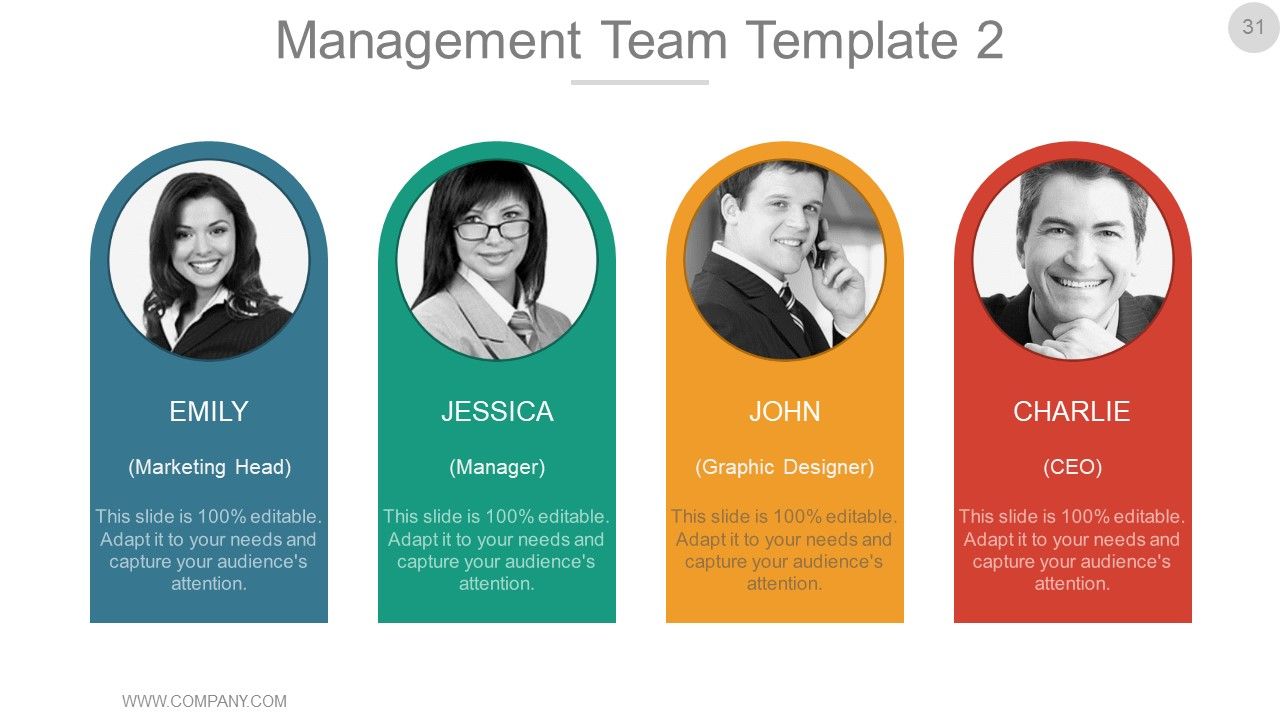
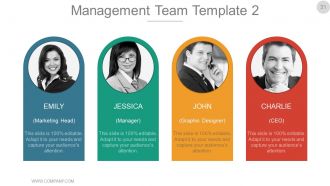
Slide 31: This slide shows the second Management Team Template with name, designation and image boxes.
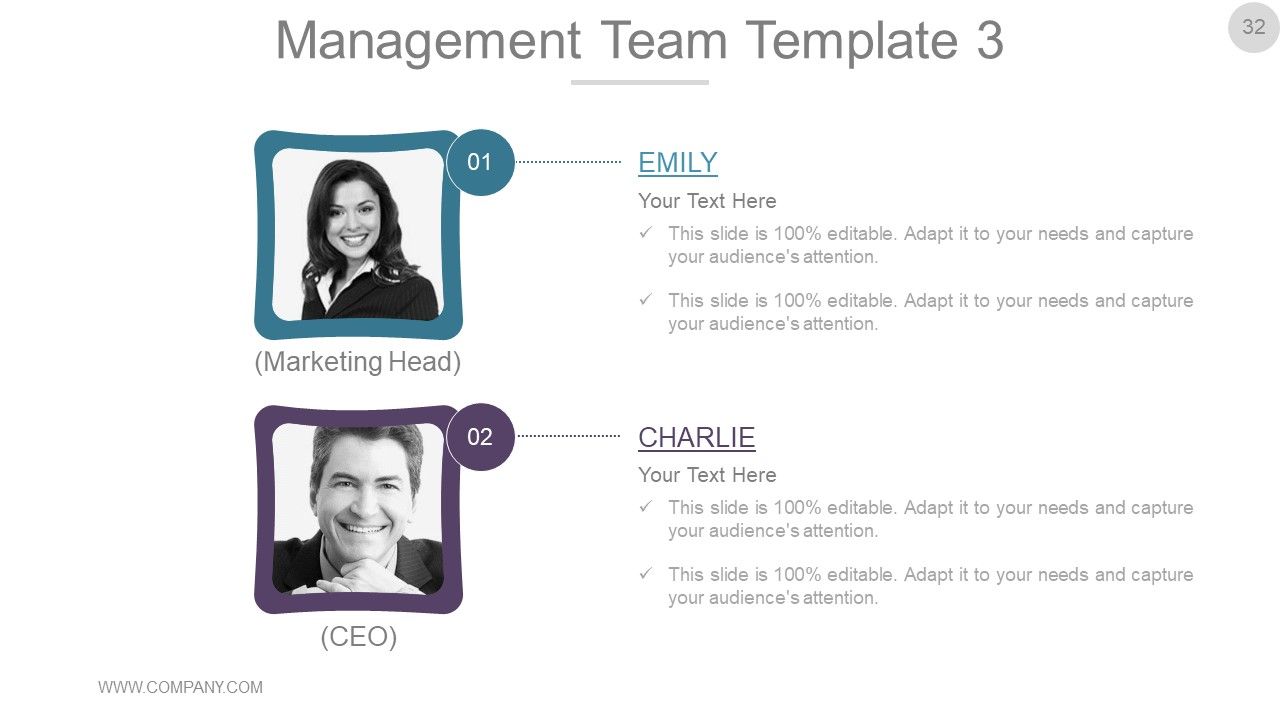
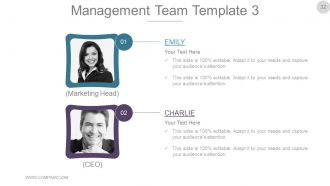
Slide 32: This slide showcases the third Management Team Template with name, designation and image boxes.
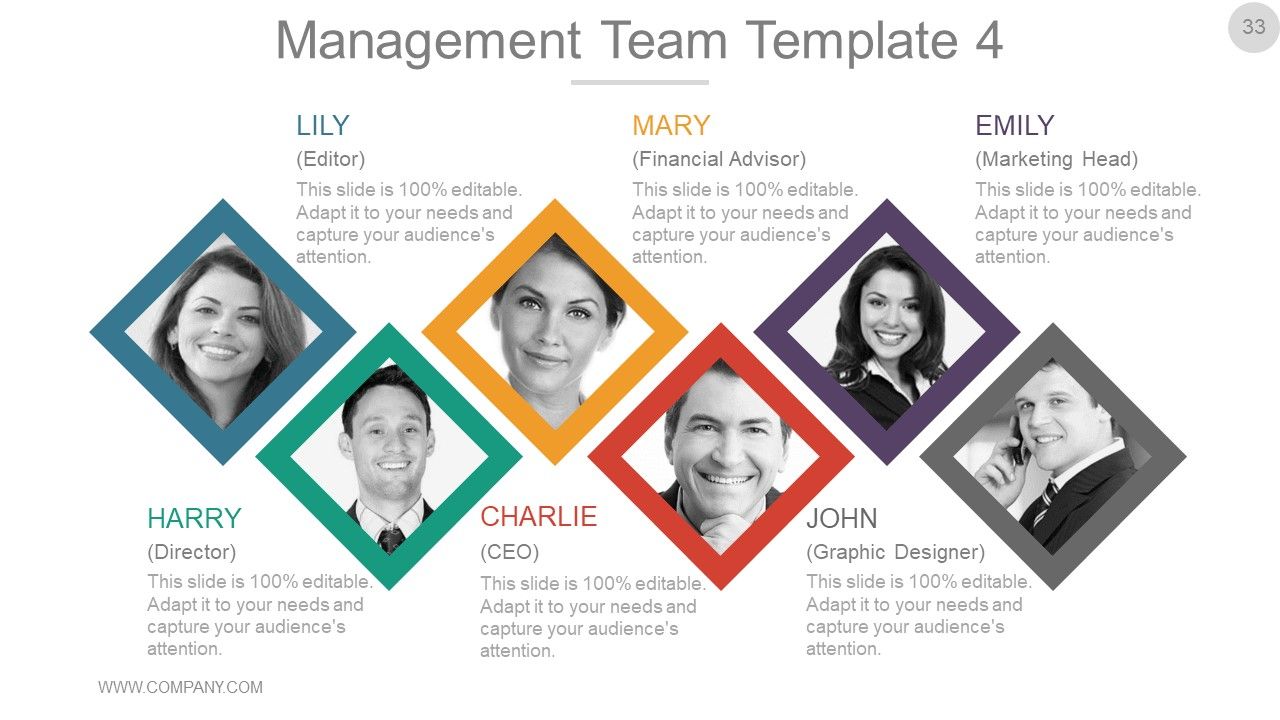
Slide 33: This slide presents the fourth Management Team Template with name, designation and image boxes.
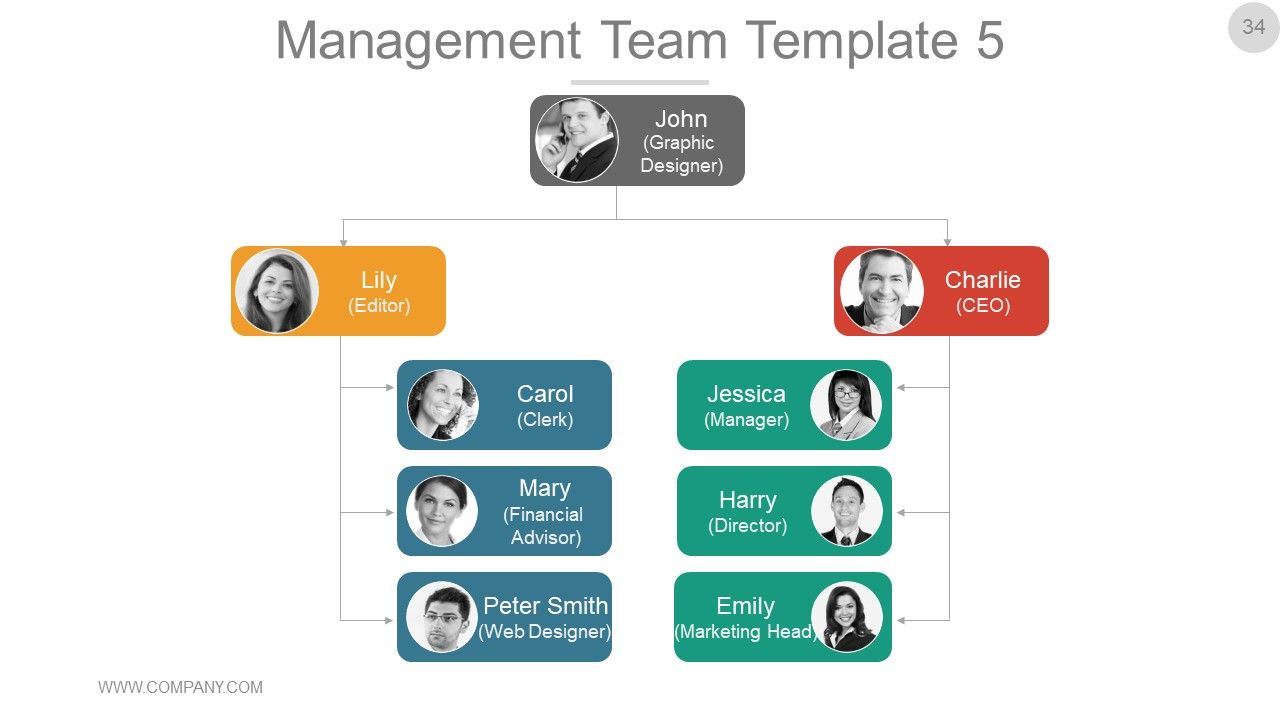
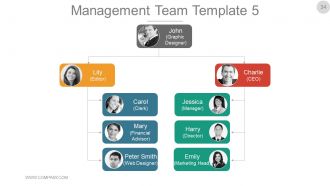
Slide 34: This slide shows the fifth Management Team Template with name, designation and image boxes.
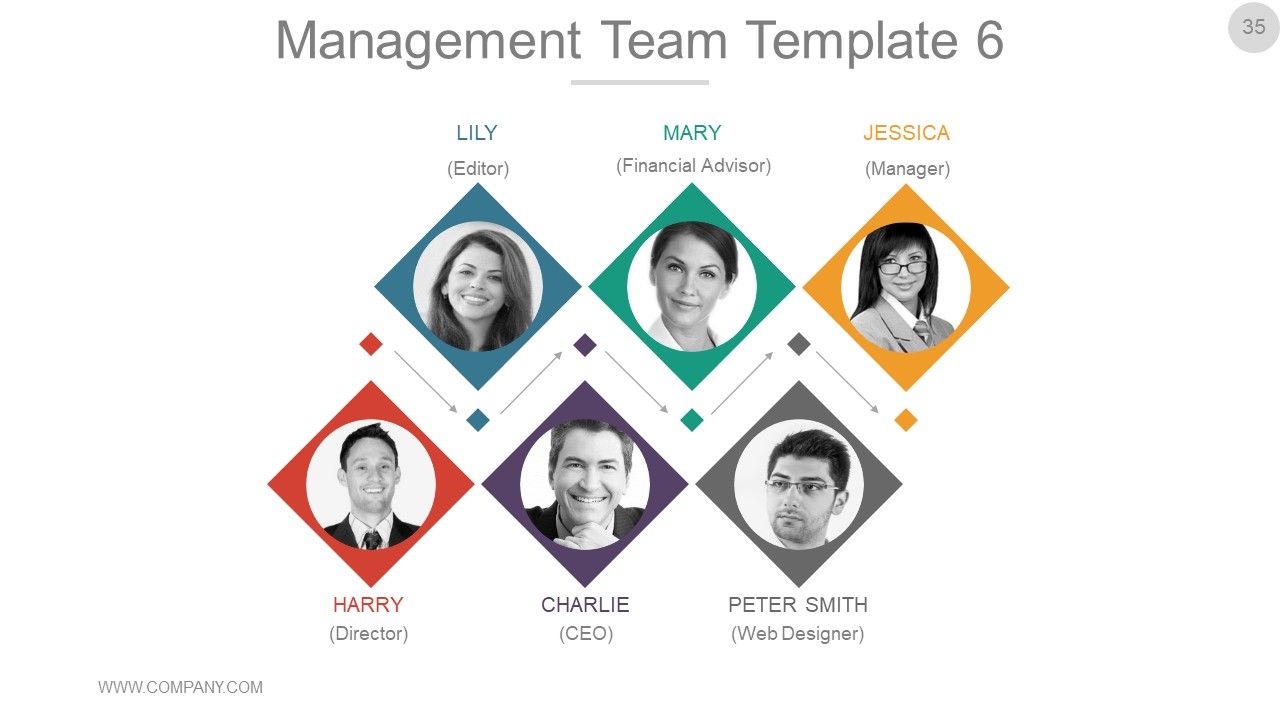
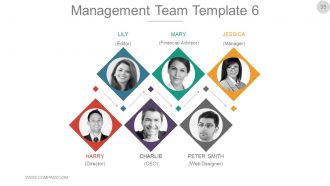
Slide 35: This slide presents the sixth Management Team Template with name, designation and image boxes.
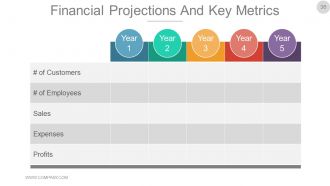
Slide 36: This slide showcases Financial Projections And Key Metrics with no. of years and metrics.
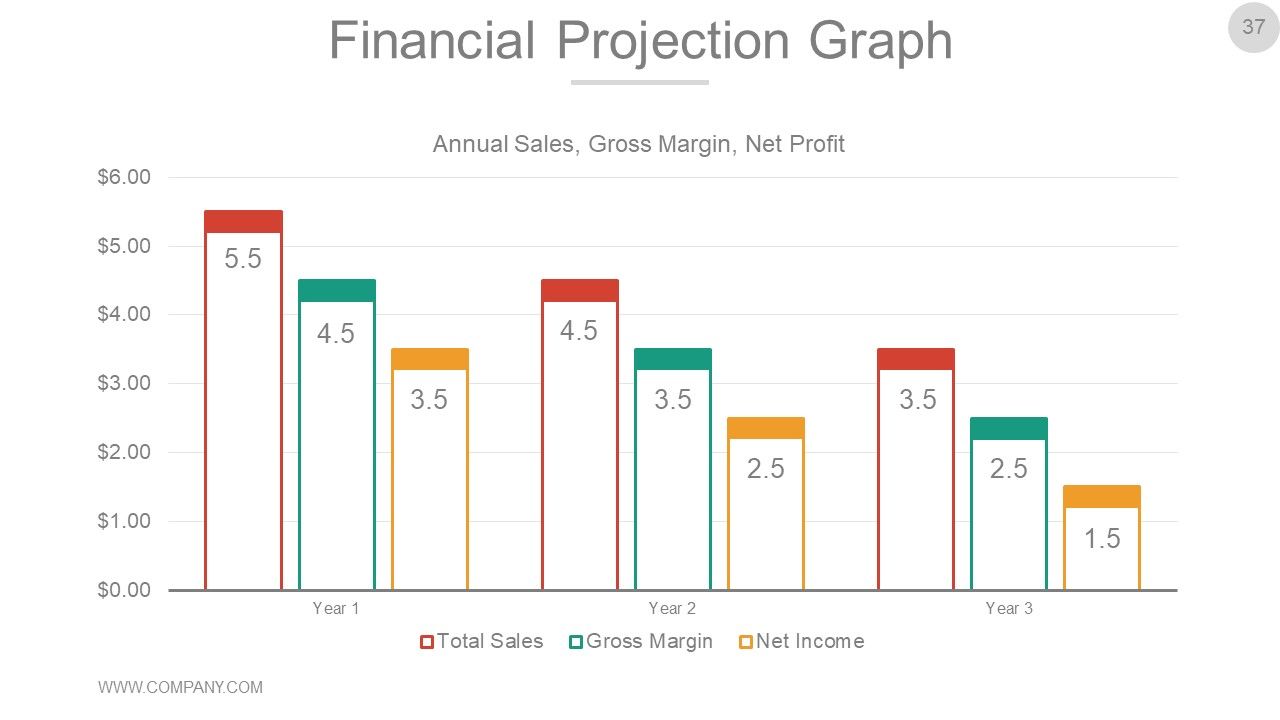
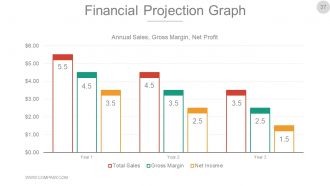
Slide 37: This slide shows a Financial Projection Graph to show data etc.
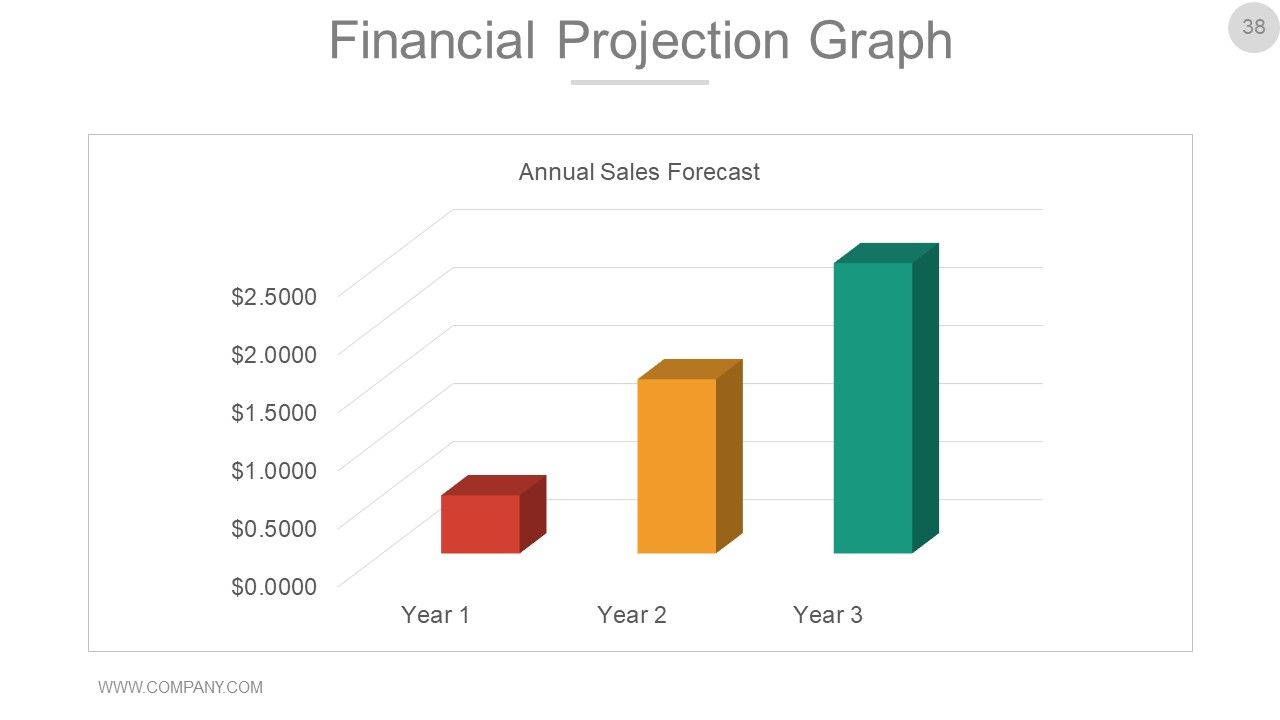
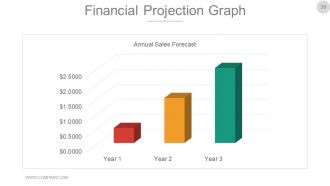
Slide 38: This slide showcases another Financial Projection Graph to show data etc.
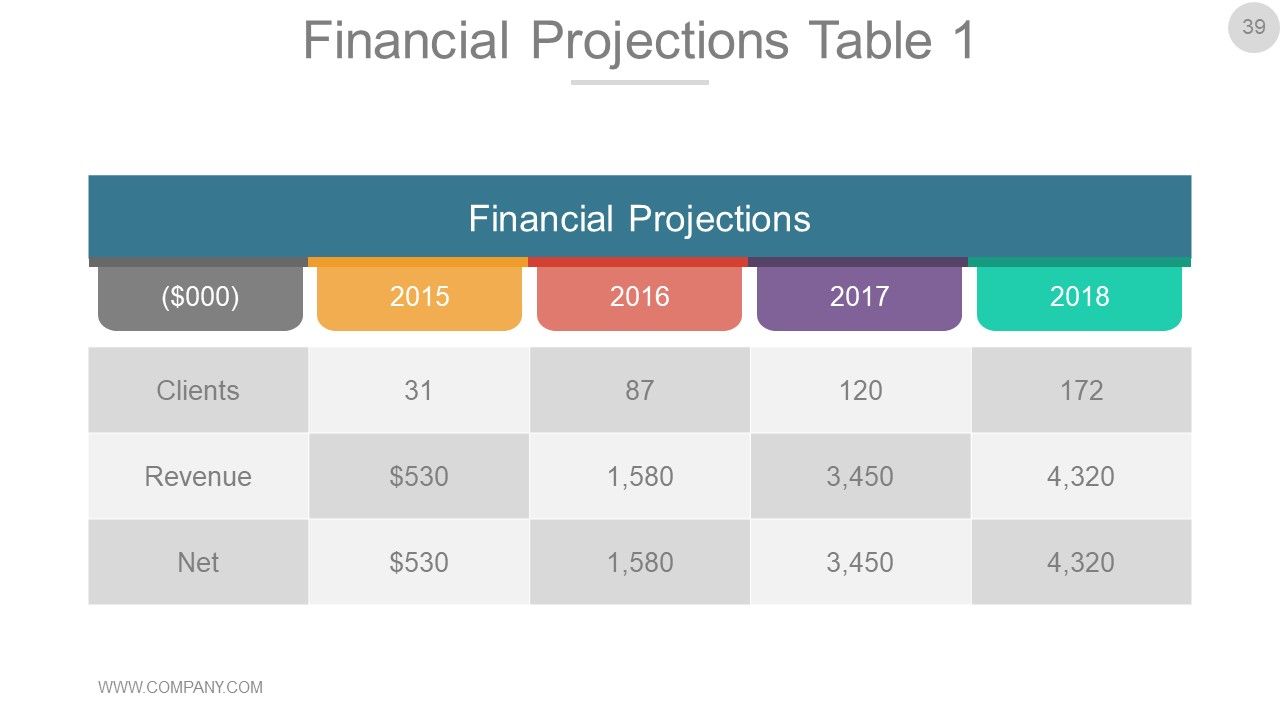
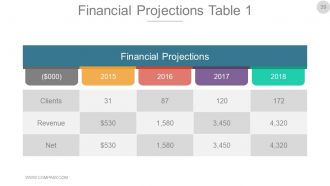
Slide 39: This slide displays a Financial Projections Table.
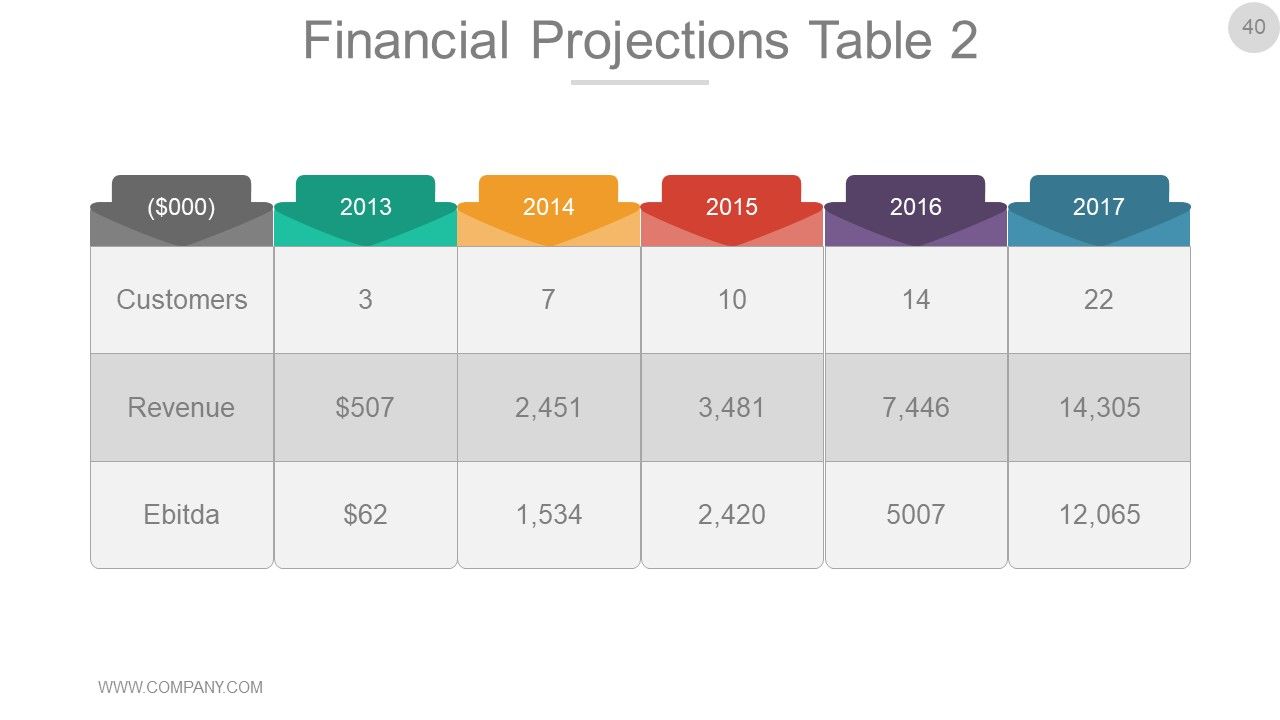
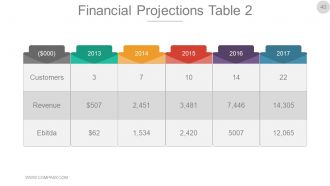
Slide 40: This slide shows another Financial Projections Table.
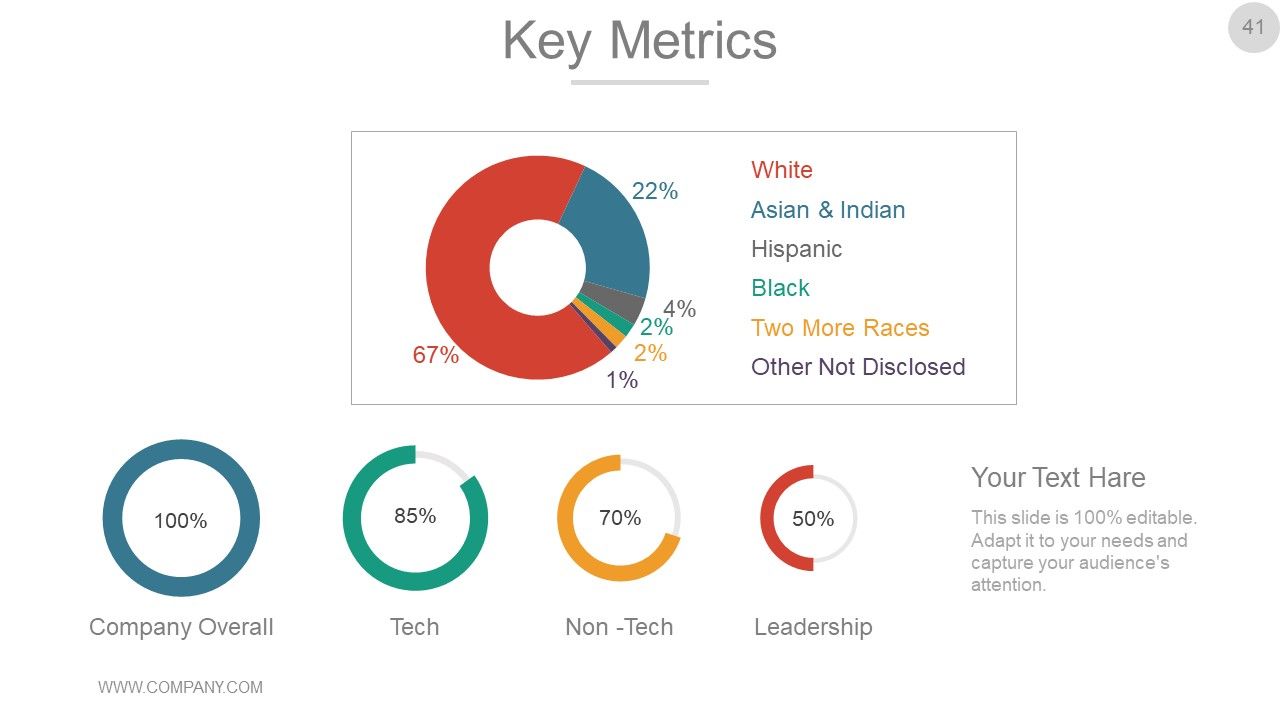
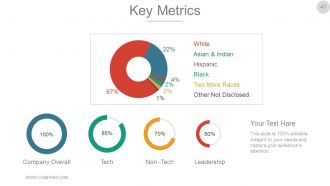
Slide 41: This slide displays Key Metrics with Donut Chart to show data, information etc.
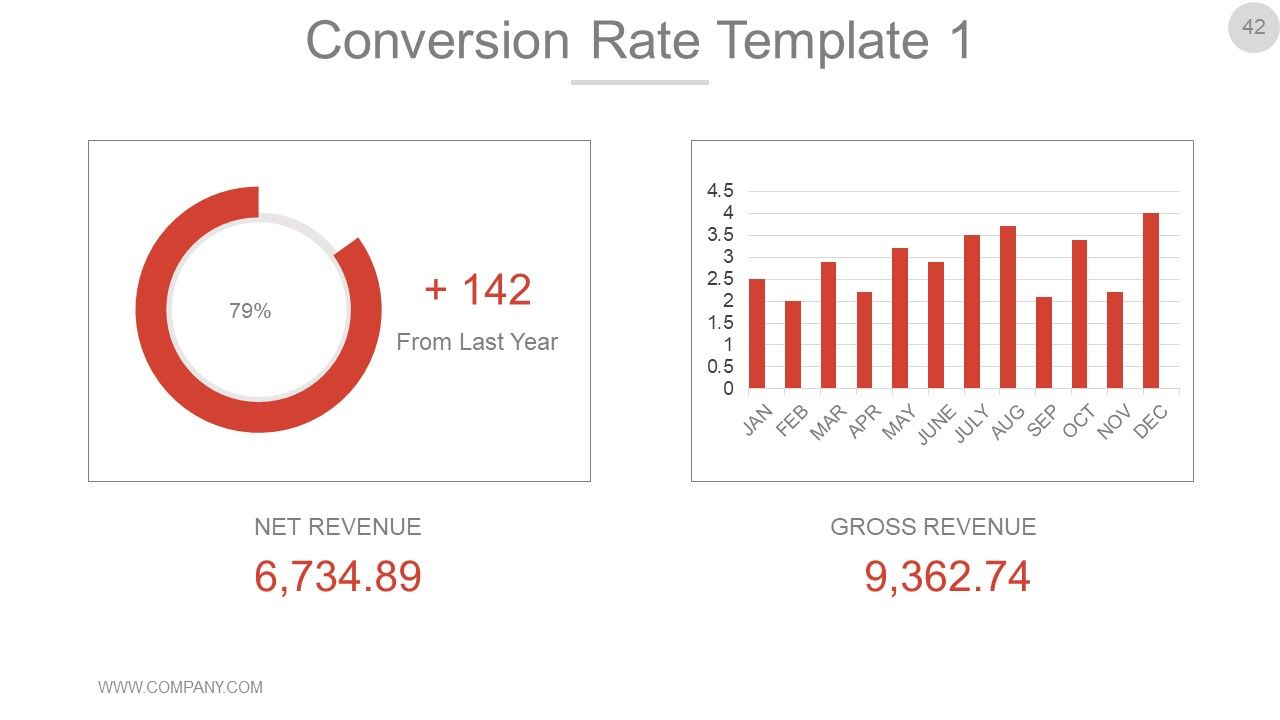
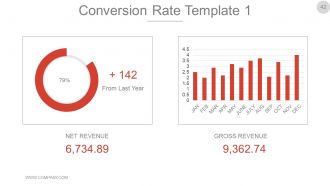
Slide 42: This slide shows a Conversion Rate Template for displaying GROSS REVENUE, NET REVENUE.
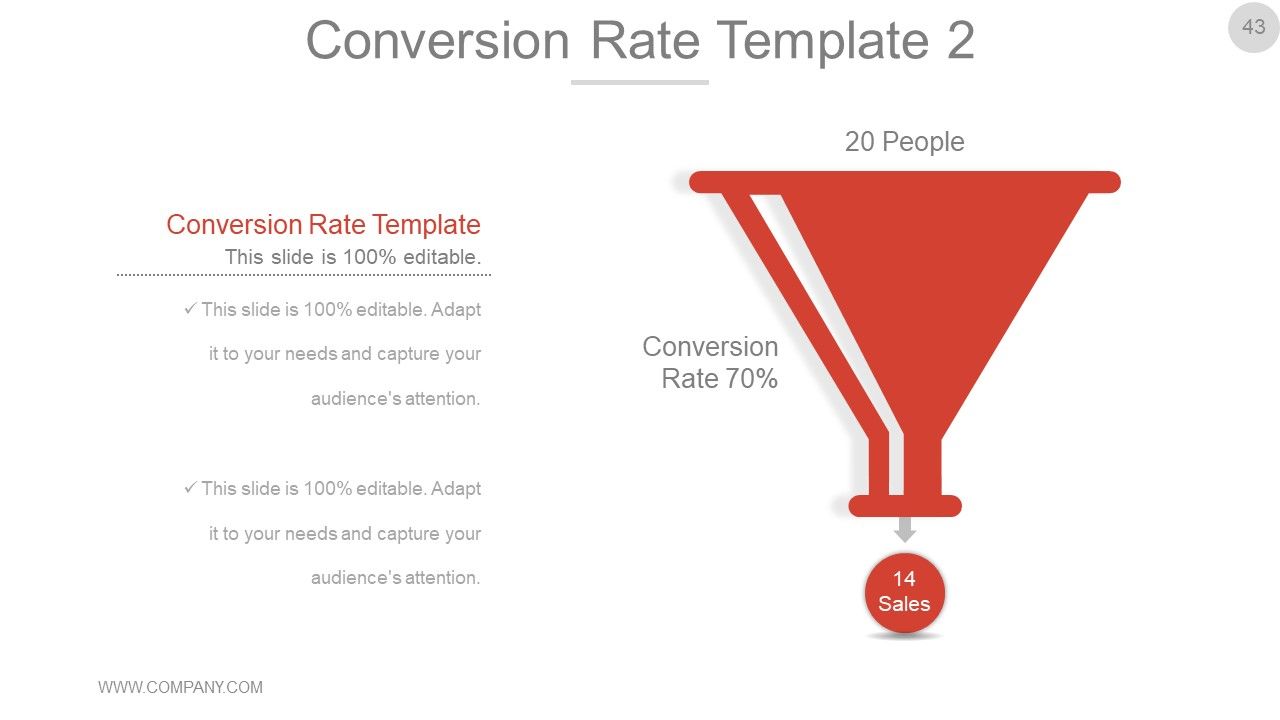
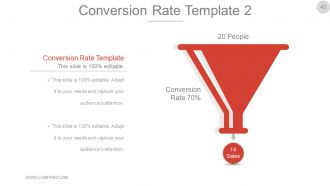
Slide 43: This slide presents a second Conversion Rate Template in funnel form to show data, information etc.
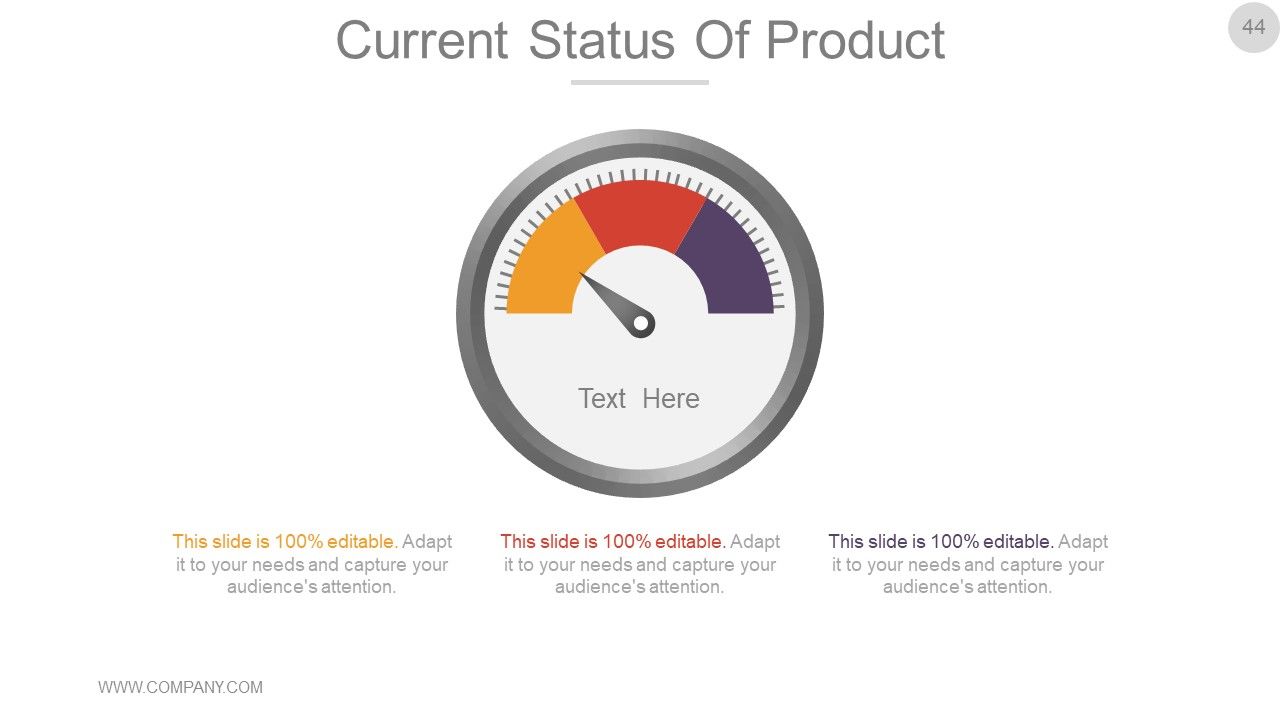
Slide 44: This slide shows Current Status Of Product in metric scale image form.
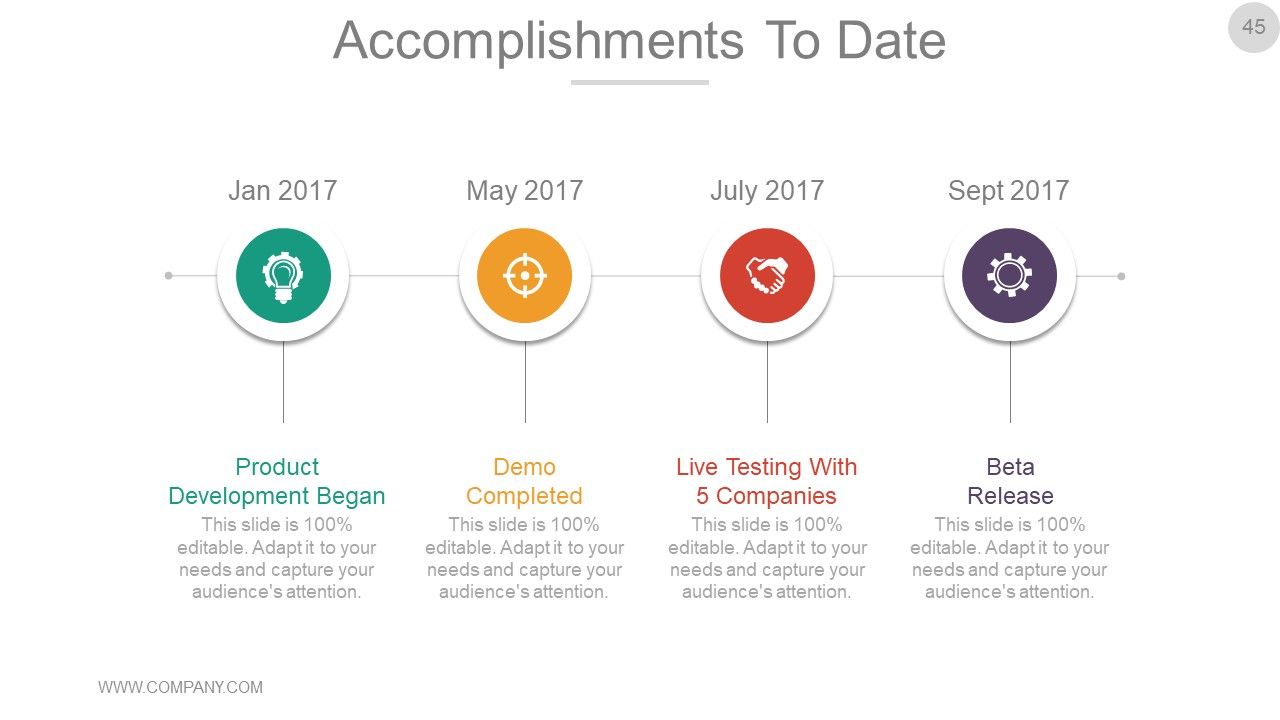
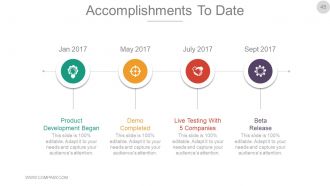
Slide 45: This slide shows Accomplishments To Date in timeline form.
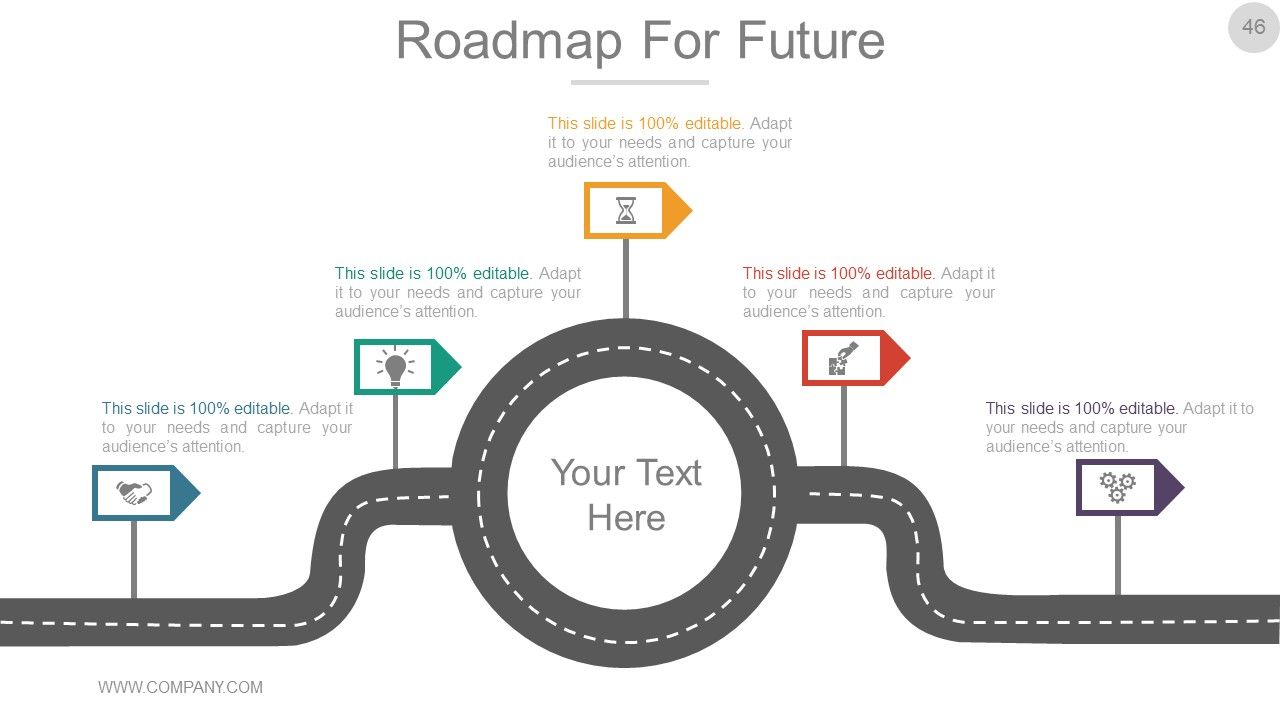
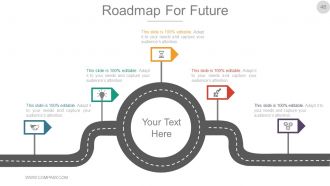
Slide 46: This slide presents a Roadmap For Future to mark growth, highlighting factors etc.
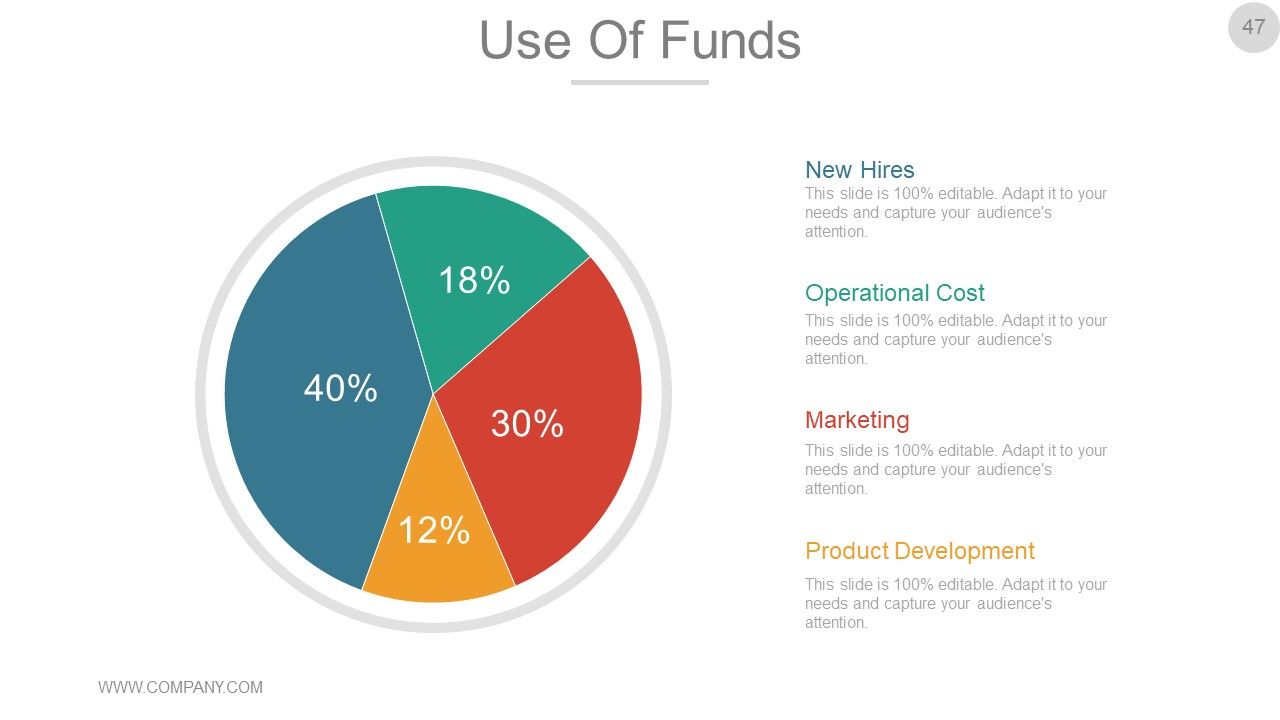
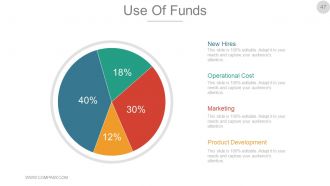
Slide 47: This slide shows Use Of Funds for- New Hires, Operational Cost, Marketing, and Product Development.
Slide 48: This slide is titled Additional Slides to proceed forward. Change/alter the slide content as per requirement.
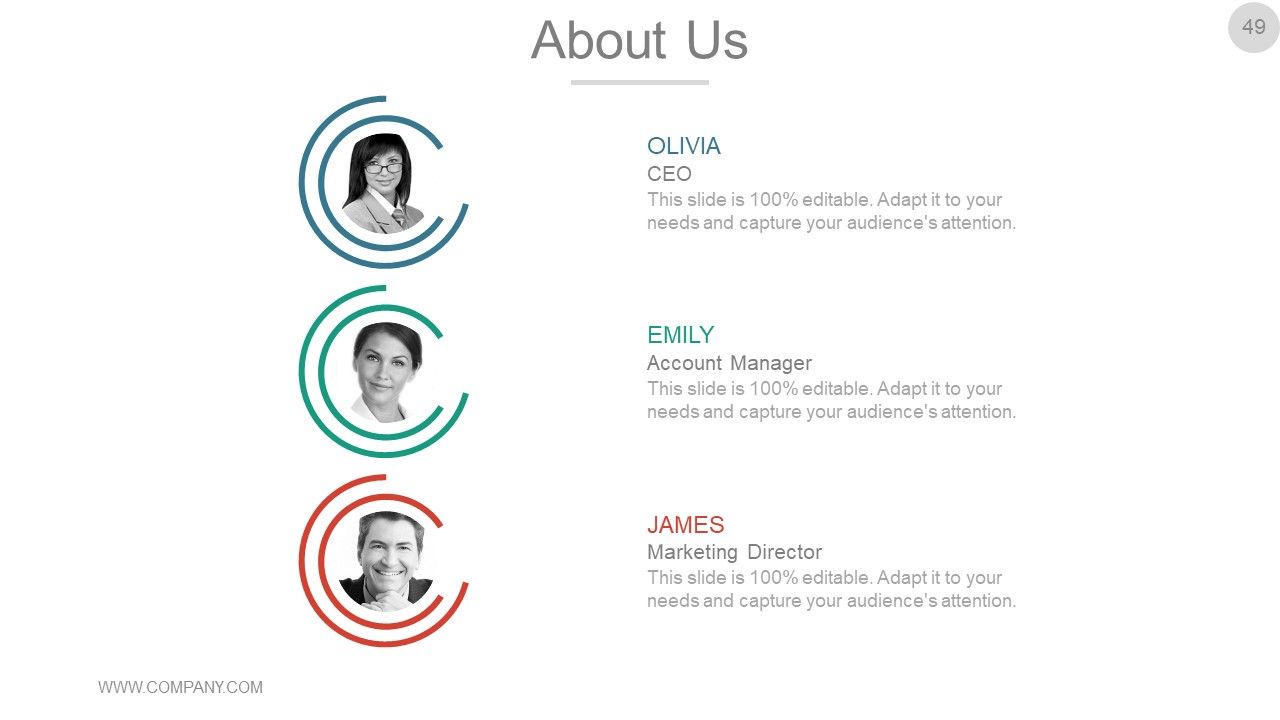
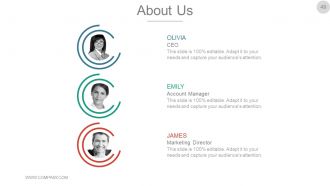
Slide 49: This is an About Us slide. State company/team specifications here. S
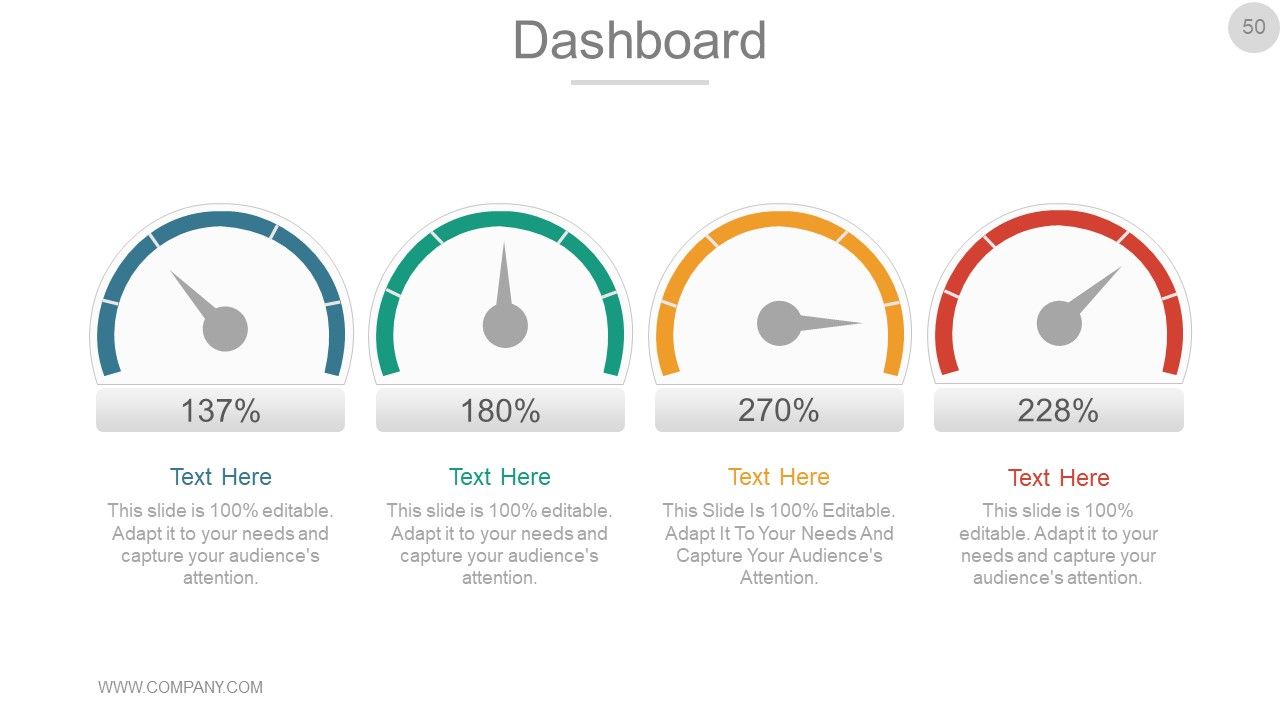
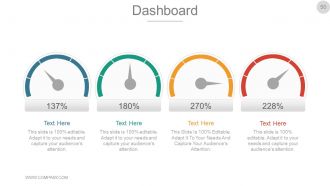
Slide 50: This slide showcases a Dashboard slide to present information at one place such as kpis, metrics etc.
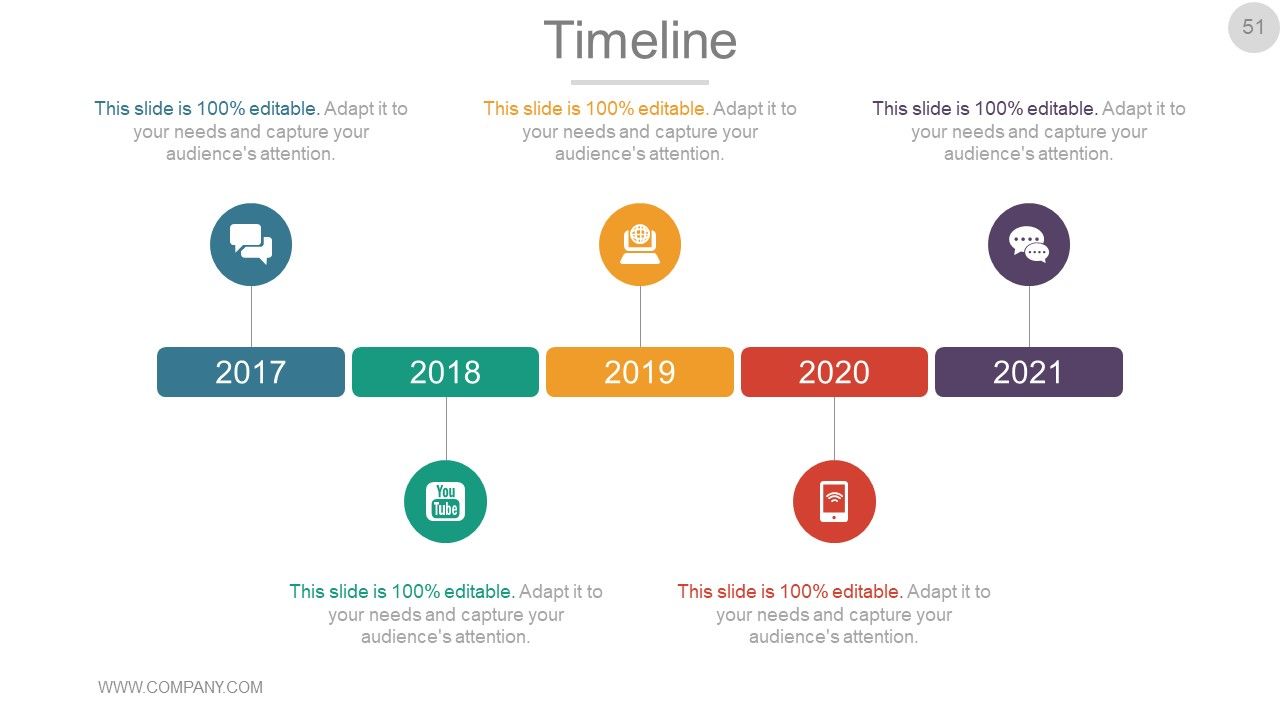
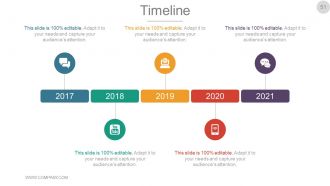
Slide 51: This is a Timeline slide to show growth factors, milestones, highlights, etc.
Slide 52: This is a News Paper image slide to show events, news etc. Adapt it to your needs and change the slide content as required.
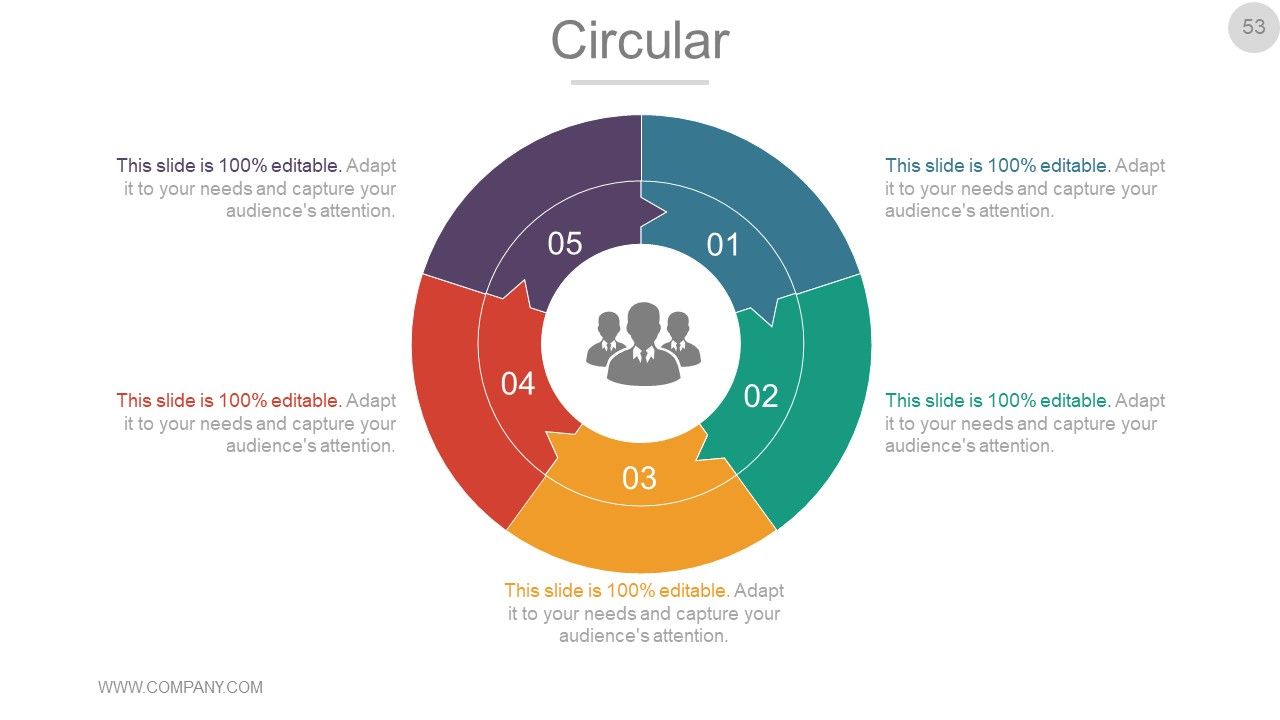
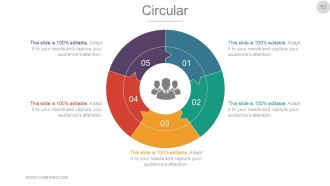
Slide 53: This is a Circular image slide to present information, specifications etc.
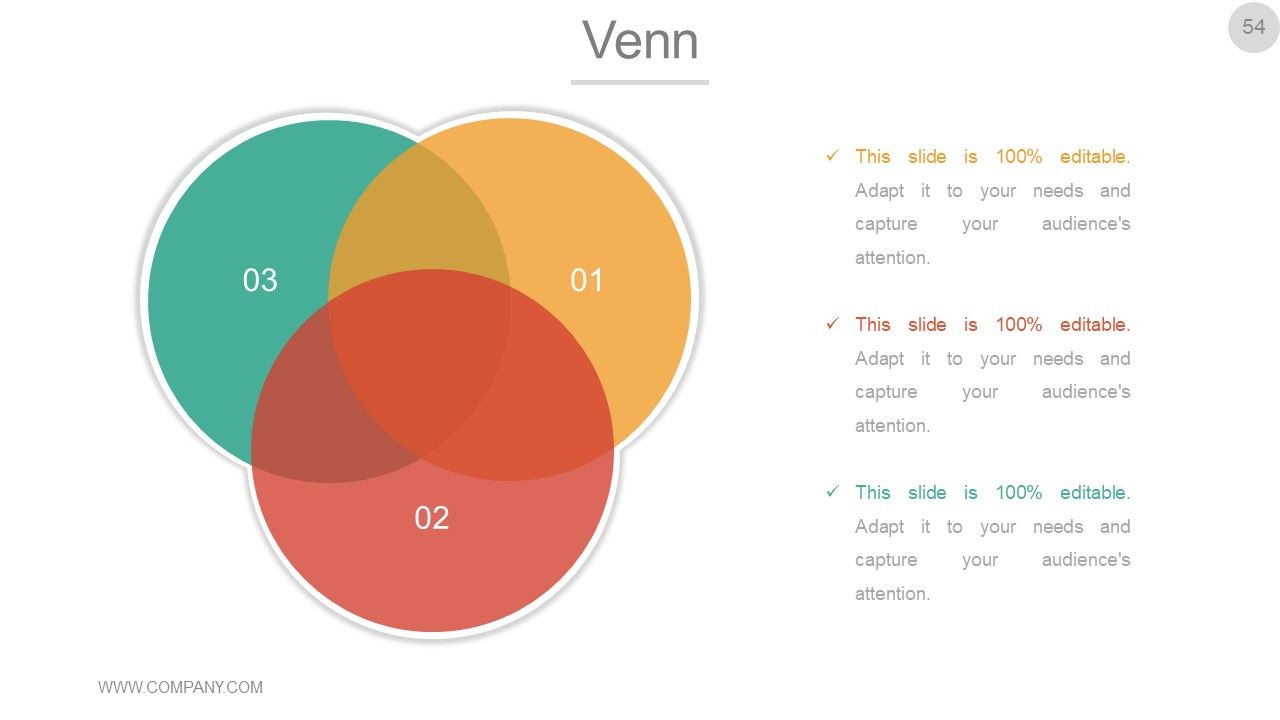
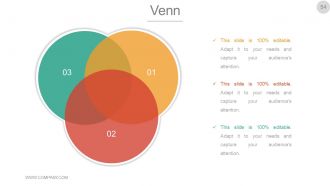
Slide 54: This is a Venn diagram image slide to present information, specifications etc.
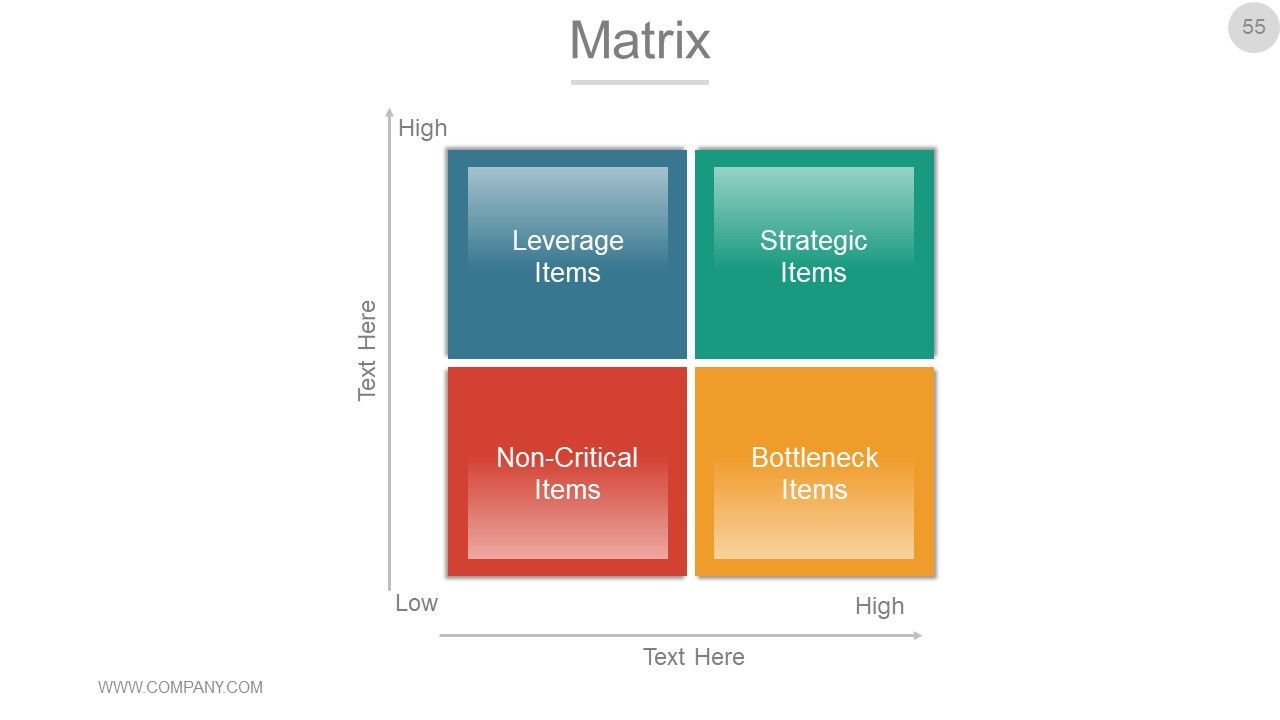
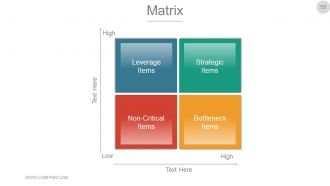
Slide 55: This is a Matrix slide showing Leverage Items, Strategic Items, Non-Critical Items, Bottleneck Items.
Slide 56: This is a Silhouettes image slide to show people specific information or specifications.
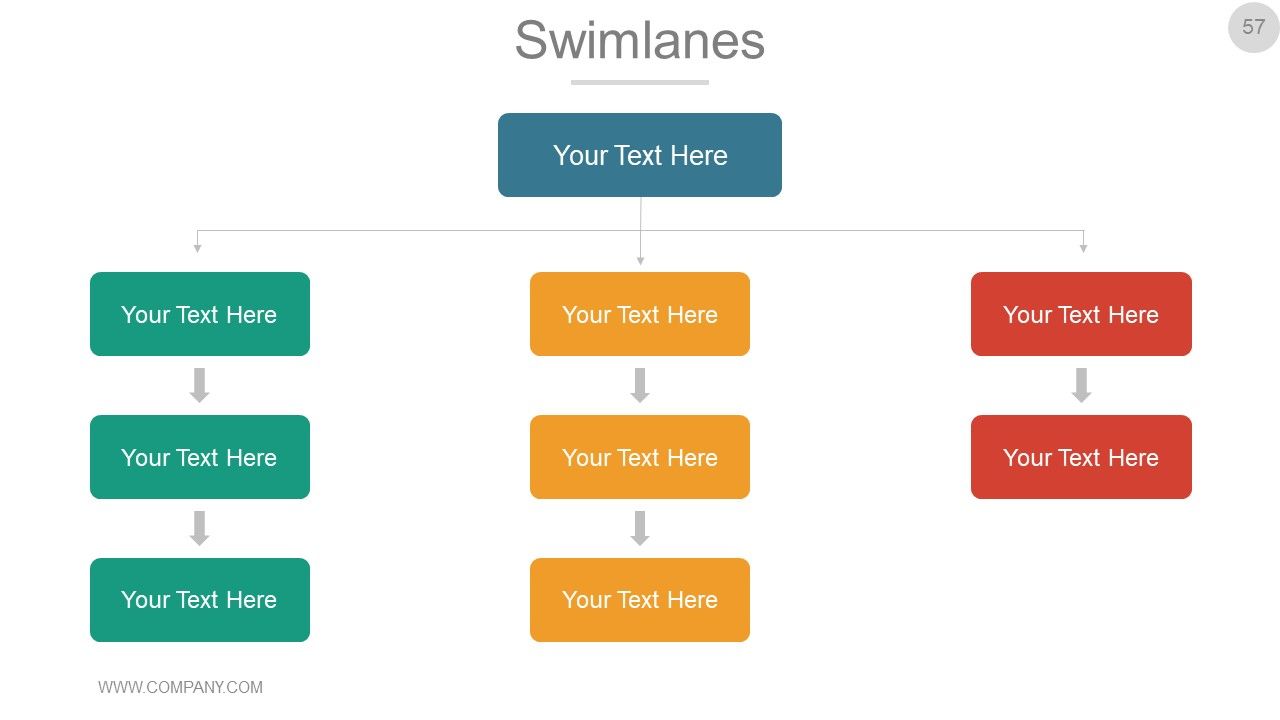
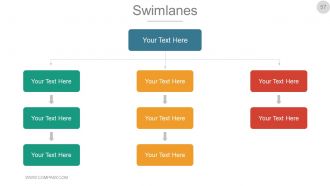
Slide 57: This slide shows Swimlanes for displaying information etc.
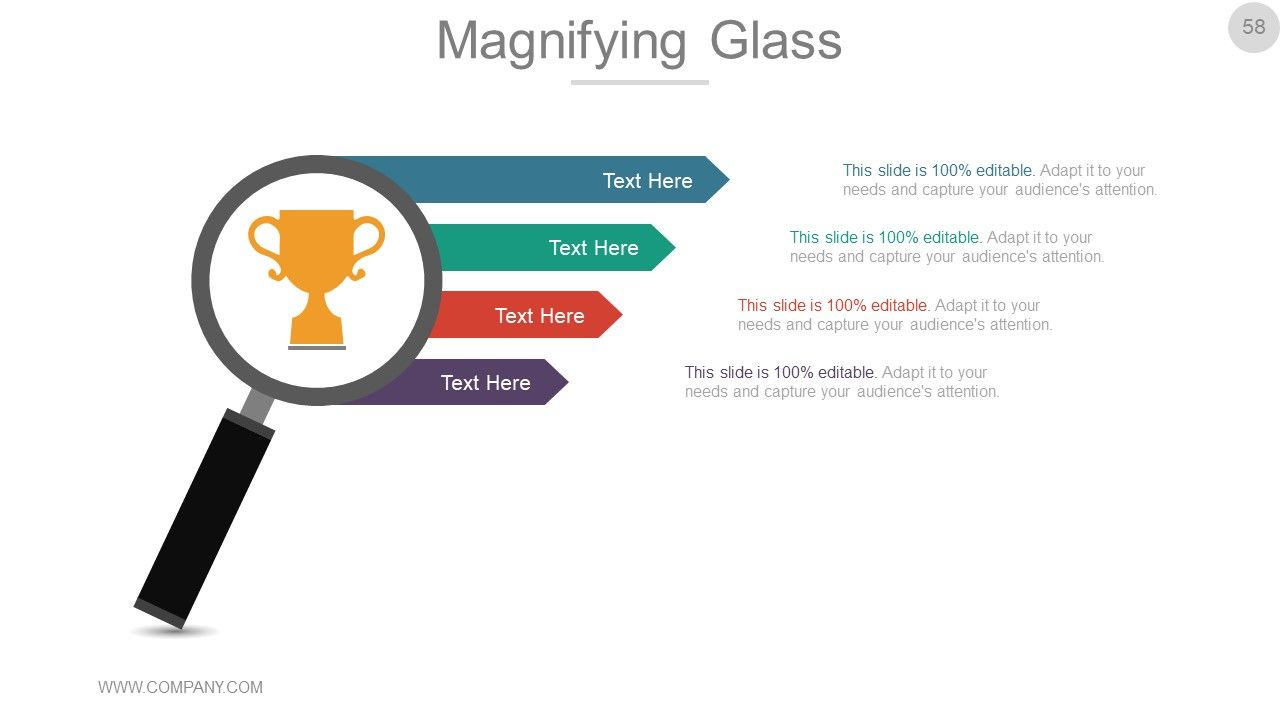
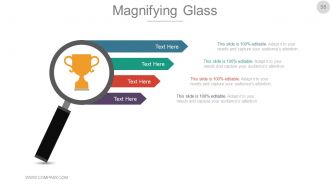
Slide 58: This is a Magnifying Glass image slide to present information, specifications etc.
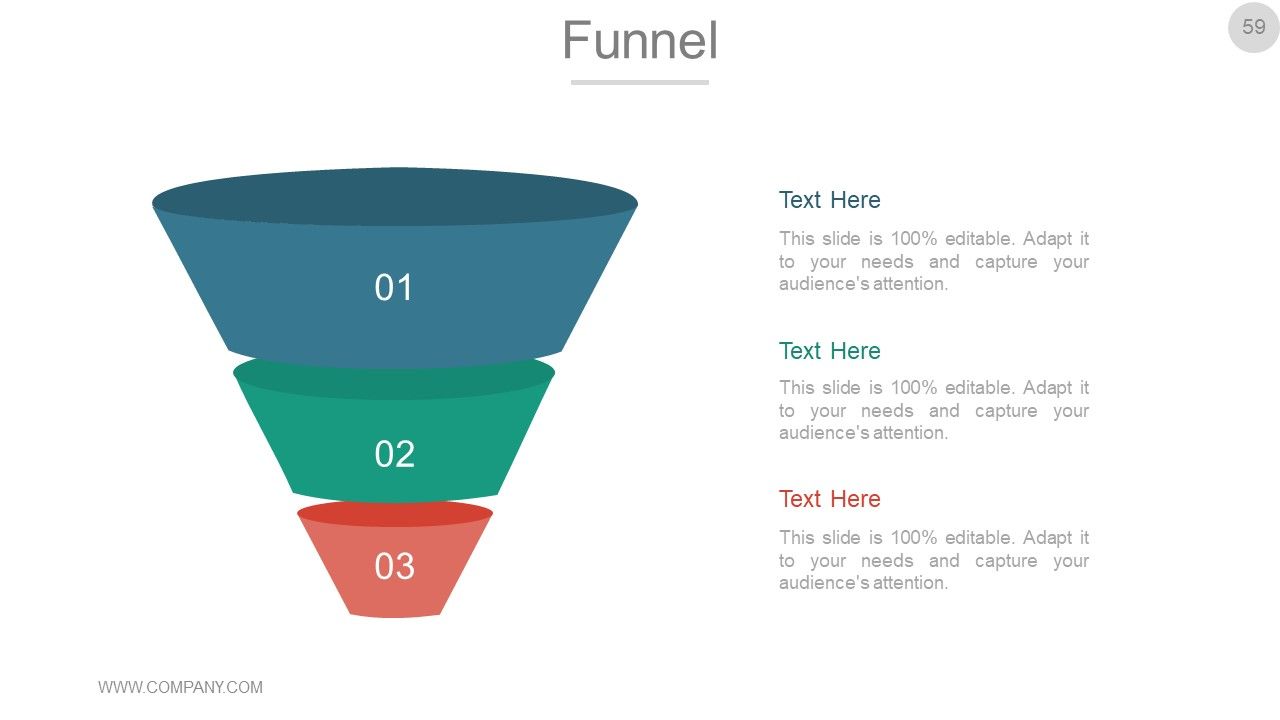
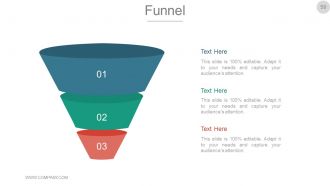
Slide 59: This is a Funnel image slide to showcase information, specifications etc.
Slide 60: This is a Thank You slide with Address # street number, city, state, Contact Numbers, Email Address to be put and displayed.
Business Investment Proposal Powerpoint Presentation Slides with all 60 slides:
Our Business Investment Proposal Powerpoint Presentation Slides believe in a clutter free approach. Their excellent graphics are a great example.
-
Innovative and Colorful designs.
-
It saves your time and decrease your efforts in half.
