

Diapositivas de presentación en PowerPoint con descripción general ejecutiva






Try Before you Buy Download Free Sample Product
 Impress Your
Audience
 100%
Editable
 Save Hours
of Time


Estamos orgullosos de presentar nuestras diapositivas de presentación en PowerPoint con descripción general ejecutiva para la descripción general ejecutiva de su plan de negocios. Estos diseños de élite se han elaborado con imágenes, logotipos y títulos que le facilitan la representación de sus adornos profesionales. Nuestros arquitectos de powerpoint han realizado un estudio exhaustivo relacionado con el tema y han invertido su tiempo para salvar el suyo. Los temas que se tratan aquí incluyen una descripción general y un resumen ejecutivo, su visión y misión, metas y objetivos, valores fundamentales. Además, aquí se han utilizado gráficos de barras para demostrar las tablas de crecimiento a fondo; sus aspectos y objetivos financieros se pueden mostrar fácilmente a través de estos diseños. Además, hemos mantenido un enfoque práctico y hemos incluido diapositivas informales, ya que entendemos que las reuniones y los planes profesionales tardan horas en completarse. Por lo tanto, represente los resúmenes ejecutivos de sus estrategias comerciales de una manera impresionante. Los iconos interesantes que se utilizan aquí dan una mejor idea sobre el tema de interés. Descárguelo ahora para comenzar y ahorrar tiempo. Resumen ejecutivo Las diapositivas de presentación en PowerPoint son una manera fácil de resumir sus propuestas o informes extensos. Presente un resumen ejecutivo que haga que su presentación sea nítida y al grano.
People who downloaded this PowerPoint presentation also viewed the following :
Contenido de esta presentación de Powerpoint
Diapositiva 1 : esta diapositiva presenta la descripción general ejecutiva. Indique el nombre de su empresa y comience.
Diapositiva 2 : Esta es una diapositiva de Resumen ejecutivo con Introducción, Visión, Misión, Ofertas clave (Servicio y detalle), Clientela (Logotipo).
Diapositiva 3 : Esta es una diapositiva de Resumen ejecutivo con: Descripción general de la compañía: (Línea de presentación de la Compañía XX, USP clave y ventaja competitiva, Clientes clave, Acreditaciones y certificaciones importantes para la compañía, Infraestructura de la compañía con ventaja de ubicación, si corresponde, Líder del mercado / producto líder / nuevo producto / idea, Primero en implementar algo, Personal / actualizaciones de fuerza laboral), Transacción: {(Los promotores pueden considerar una venta de participación secundaria (XX%), Infusión primaria + infusión opcional (dependiendo de las oportunidades inorgánicas), Venta de participación secundaria de Inversores de PE). y finanzas (ingresos, EBITDA, etc.)}
Diapositiva 4 : Esta diapositiva muestra un resumen ejecutivo con los siguientes títulos: a: ¿Qué es el servicio / producto? b: ¿Cuál es el problema central que está resolviendo? c: ¿Cuál es tu gran visión? Utilice estos títulos para responder a sus consultas.
Diapositiva 5 : Esta diapositiva muestra un resumen ejecutivo con la visión y misión de la empresa. También muestra el gráfico de aspectos financieros destacados con CAGR (Ingresos, EBITDA, Ingresos netos). Otros subtítulos incluyen: antecedentes (agregue detalles sobre la historia de la empresa, línea de servicios anterior, cómo comenzó todo, etc. Otros puntos clave), acreditación (lista de acreditaciones principales, si las hubiera, capacidades (servicios clave ofrecidos / capacidad de producción, hitos alcanzados en los servicios ofrecidos). / producción Proyectos clave gestionados) (Promotores y tenencia de acciones Una línea sobre los antecedentes de CMD Una línea sobre los antecedentes del CEO Una línea sobre el accionista clave de la empresa; por ejemplo, inversionista PE).
Diapositiva 6 : Esta diapositiva muestra nuestra visión y misión. Exprese su visión y misión aquí.
Diapositiva 7 : Esta diapositiva presenta Nuestras metas y objetivos. Se puede mostrar mediante los siguientes encabezados: Sistemas y soluciones, Operación de la solución, Programadores para objetivos estratégicos, Plan de negocios, Plan de negocios. Indíquelos con la ayuda de estos subtítulos.
Diapositiva 8 : Esta diapositiva presenta los valores fundamentales de la empresa / organización. Algunos ejemplos son: integridad, búsqueda de la excelencia, responsabilidad y colaboración, pasión, respeto mutuo.
Diapositiva 9 : Esta es otra diapositiva sobre los valores fundamentales con ejemplos como Colaborativo, Apasionado, Excelencia, Integridad, Progresivo, Respeto.
Diapositiva 10 : Esta es una diapositiva de Coffee Break para detener. Puede cambiar el contenido de la diapositiva según sus necesidades.
Diapositiva 11 : Esta diapositiva se titula Cuadros y gráficos para seguir adelante.
Diapositiva 12 : Esta diapositiva presenta un gráfico de columnas para mostrar dos productos en comparación.
Diapositiva 13 : Esta diapositiva presenta un gráfico de líneas para comparar dos productos / entidades.
Diapositiva 14 : Esta diapositiva presenta un gráfico de acciones para comparar dos productos. Los parámetros que se muestran son: Volumen, Abrir, Bajo, Alto, Cerrar.
Diapositiva 15 : esta diapositiva se titula Diapositivas adicionales para avanzar.
Diapositiva 16 : Esta diapositiva muestra Visión y Misión con Visión, Misión y Objetivo. Indíquelos aquí.
Diapositiva 17 : Esta diapositiva presenta a Nuestro equipo con cuadros de texto e imágenes para acompañar. Diga sobre su equipo aquí.
Diapositiva 18 : Esta diapositiva presenta Nuestro objetivo con imágenes de iconos. Indique sus metas aquí.
Diapositiva 19 : Esta diapositiva muestra una comparación en términos de: Medio, Máximo, Mínimo.
Diapositiva 20 : Esta diapositiva muestra el aspecto financiero con cuadros de texto. Indíquelos aquí.
Diapositiva 21 : Esta es una diapositiva de Cotizaciones. Indique los aspectos más destacados, la especificación, etc. por Cotización aquí.
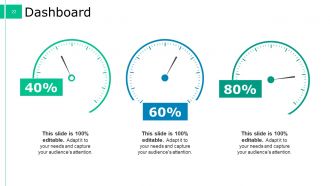
Diapositiva 22 : esta diapositiva muestra el panel con la imagen del panel y los cuadros de texto.
Diapositiva 23 : esta diapositiva muestra una línea de tiempo en forma de flecha. Presentar aquí el crecimiento, los hitos, la evolución, etc. de la empresa.
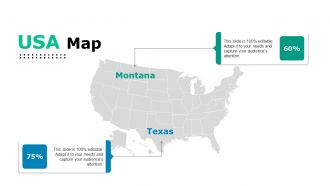
Diapositiva 24 : Esta diapositiva presenta un mapa de EE. UU. Para indicar el crecimiento específico, marcado de acuerdo con la segmentación geográfica.
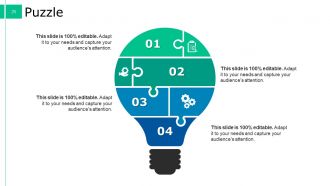
Diapositiva 25 : esta es una diapositiva de rompecabezas con cuadros de texto. Indique información, especificaciones, etc. aquí.
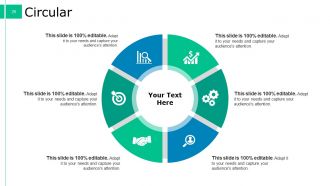
Diapositiva 26 : esta es una diapositiva de imagen circular con iconos y cuadros de texto.
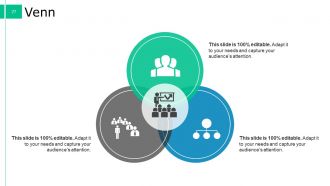
Diapositiva 27 : esta diapositiva muestra un diagrama de Venn con cuadros de texto. Indique información, etc. aquí.
Diapositiva 28 : Esta es una diapositiva de destino. Indique sus objetivos aquí.
Diapositiva 29 : Esta es una diapositiva de mapa mental para mostrar la segmentación del comportamiento, información o cualquier cosa relativa.
Diapositiva 30 : Esta es una diapositiva de bombilla o idea con cuadros de texto para mostrar el aspecto innovador, nuevas empresas, etc.
Diapositiva 31 : Esta es una diapositiva de agradecimiento con dirección # número de calle, ciudad, estado, dirección de correo electrónico, números de contacto.
Resumen ejecutivo Presentación en PowerPoint Diapositivas con las 31 diapositivas:
Controle los dominios críticos con nuestras diapositivas de presentación de Powerpoint de descripción general ejecutiva. Establezca el control sobre las áreas centrales.
-

Executive Overview
-
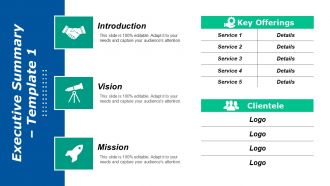
Executive Summary Template 1
-
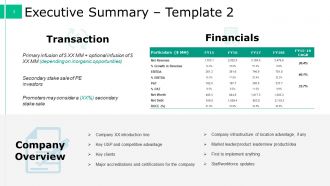
Executive Summary Template 2
-
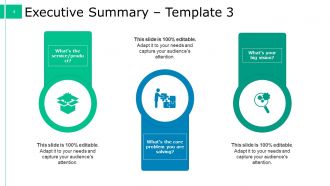
Executive Summary Template 3
-
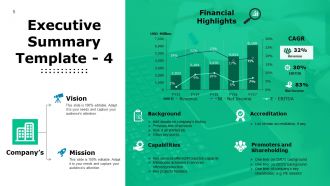
Executive Summary Template 4
-

Our Vision And Mission
-
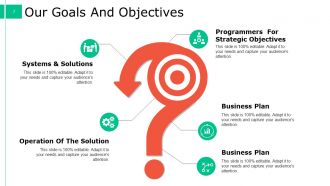
Our Goals And Objectives
-
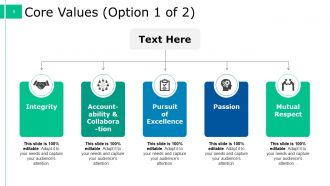
Core Values Option 1 of 2
-
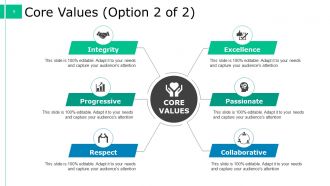
Core Values Option 2 of 2
-

Coffee Break Sign
-

Charts Graphs
-
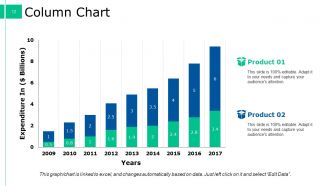
Column Chart
-
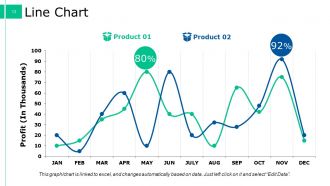
Line Chart
-
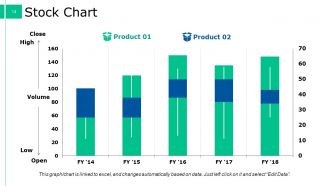
Stock Chart
-

Additional Slides
-

Vision Mission
-

Our Team
-
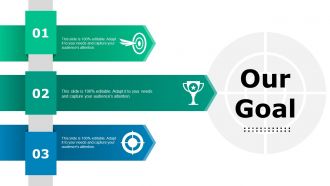
Executive Overview
-
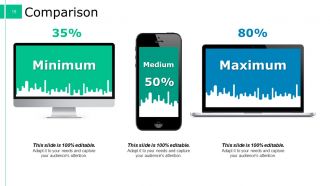
Comparison
-

Financial
-

Executive Overview
-
Dashboard
-

Timeline
-
USA Map
-
Puzzle
-
Circular
-
Venn
-
Target
-

Mind Map
-
Blub Or Idea
-
Thank You
FAQs for Executive Overview
So you need four main things: what problem you're fixing, your solution, the impact it'll have, and what resources you need. Honestly, pretend like busy executives will only glance at this one slide - because they probably will! Start with the business impact, not all the techy stuff. Each bullet should be one crisp sentence with real numbers if you've got them. Someone should be able to grasp your whole pitch just from reading this overview. Pro tip: write this part last but stick it right up front in your presentation.
Dude, charts and infographics are your best friend here - they'll save executives from drowning in boring text blocks. Use callout boxes for your biggest numbers and color-code different business areas so people can scan quickly. Honestly, most execs have like a 30-second attention span anyway. Short sentences work great. Then mix in longer ones that actually explain the why behind your data. Don't go crazy with the visuals though - they should back up what you're saying, not turn your overview into some weird art project. Start with whatever data point would make your boss's eyes light up.
Honestly, you gotta tailor it based on who's reading. C-suite folks want the money stuff upfront - ROI, strategic impact, all that high-level stuff. Don't bog them down with operational details. Department heads though? They actually need the nitty-gritty since they're doing the work. Board members care about risk and governance issues. I've watched so many reports crash and burn because they tried cramming everything into one version. Front-load what each group cares about most - executives barely read past the first paragraph, so you better nail it there. Oh, and keep sentences punchy for the busy ones.
So basically, exec overviews are way more strategic than your typical project summary. Project summaries get into the weeds - tasks, timelines, all that detailed stuff. But execs? They want the big picture. What's the business impact? How does this align with company goals? You might have 15 different work streams, but honestly, leadership only cares about the three key outcomes that'll actually matter. It's a totally different audience too. C-suite folks don't want step-by-step breakdowns - they're thinking "why should I fund this?" Keep it to one page max and lead with the business case. ROI is your friend here.
Dude, execs live and die by good visuals - they're not gonna wade through spreadsheets like we do. Charts and dashboards need to tell the story instantly because these people have like 30 seconds of attention span, max. Your best bet? Lead with the biggest metric that actually moves the needle, then build everything else around that. Make it brain-dead obvious what they're looking at and why they should care. Honestly, half the battle is just making the "so what?" crystal clear without them having to think too hard about it.
Lead with your main point - what do they need to decide or know? Then I work backwards and only include the stuff that actually supports that conclusion. Three or four bullets max because let's be real, nobody reads past that anyway. Numbers and deadlines matter way more than explaining your whole process. Keep the language simple - if you're using jargon, you probably don't get it yourself. Oh, and always wrap up with who's doing what next. Otherwise you'll just have another meeting about the meeting.
Don't cram everything in there - execs hate reading novels. Skip the jargon too, especially if you've got people from different departments in the room. Here's what works: jump straight into your main findings instead of boring them with background stuff first. Actually, I learned this the hard way when my first exec summary put everyone to sleep. Make sure you spell out why they should care and what they need to do about it. One page max. Focus on what happened, not how you figured it out. End with clear next steps.
Start with a story that'll grab them right away - like "Company X was bleeding customers last quarter until..." Executives eat this stuff up because they've been there. Way better than diving straight into numbers and boring them to death. Connect that real scenario directly to how your solution fixed things. Those before-and-after moments are gold, honestly. But don't drag it out - keep your opening to maybe 2-3 sentences tops. You want to make the business case feel human first, then hit them with your data. Trust me, the story hooks them way better than spreadsheets ever will.
Lead with your big ask - what you want them to decide. Then boom, hit them with 3-4 bullet points that back it up. One sentence each, max. Think elevator pitch but written down. These execs have maybe two minutes to skim this thing, so don't waste their time with background stuff they already know. Jump straight to what's new or what needs action. Honestly, I've seen too many reports that bury the lead on page 3. Don't do that. Keep it to one page, use bullets everywhere, and wrap up with who's doing what by when. Short sentences work. Your future self will thank you.
Okay so first thing - actually read your company's strategic plan. I know it sounds boring but most people totally skip this step and then wonder why their exec summary falls flat. While you're writing, keep those annual goals open in another tab. Map everything back to what leadership actually cares about, and honestly? Use their exact language and metrics when you can. The whole point is making your overview feel connected to the bigger strategy, not like some random project you threw together. Focus on outcomes that actually matter to them. If they're obsessed with customer retention, don't lead with operational efficiency stuff, you know?
Stick to 3-4 metrics max that actually matter to your big picture goals. Revenue growth and customer acquisition costs are obvious ones. Maybe add team productivity or customer satisfaction depending on what your leadership obsesses over. Here's the thing - executives get decision fatigue from too many numbers. They just want to know if you're crushing it or not. Each metric needs a target and should show trends quarter-over-quarter. Oh, and make sure these are things your team can actually move the needle on through their day-to-day choices.
Dude, culture totally makes or breaks these things. Japanese and German execs want way more background info and formal structure. Americans? Just give them the bottom line first. I bombed a European presentation once because I didn't get this! Data presentation varies too - some love charts, others want the story behind the numbers. Hierarchy's another thing... some expect you to kiss the ring, others hate that formal stuff. Oh and definitely check if they're big on relationship context versus pure facts. Research their business norms beforehand - it'll save you from looking like an idiot.
Honestly, just grab a Canva template - they've got tons of business ones that don't scream "I downloaded this for free." Adobe Creative Suite works too if you're already paying for it. PowerPoint gets roasted constantly but their executive templates are actually pretty solid. Before you even touch design though, try Miro or Lucidchart to brain dump your key points visually. Makes everything clearer. Figma's great if you want more control over the look, but honestly? Don't get too hung up on making it perfect. A clean template with killer messaging beats fancy design with weak content every time.
Build feedback right into your process from day one. Just ask your audience directly afterward what worked and what didn't - executives actually like the straight-up approach. Quick 2-minute debriefs work great and show you if you nailed the detail level or rambled too much. Here's what really matters though: track which overviews actually sparked decisions or action items. That's your real success metric. Create some basic template to capture feedback consistently, then check quarterly for patterns. You'll start seeing what clicks with different audiences. Honestly beats guessing what went wrong weeks later.
Case studies are gold for exec overviews - they turn your abstract ideas into something real that actually happened. Perfect for showing ROI or proving a strategy worked somewhere else. Think "show, don't tell" but keep them super tight. Executives hate long stories, so just hit the key outcome and impact. Pick cases that match whatever decision you're pushing for. Oh, and numbers are your friend - quantify the results whenever you can. Honestly, a good case study does half the convincing for you.
-
Design layout is very impressive.
-
Top Quality presentations that are easily editable.