


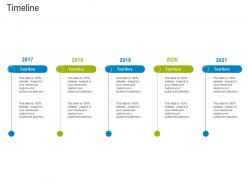
First funding round pitch deck timeline ppt powerpoint presentation portfolio ideas





Try Before you Buy Download Free Sample Product
 Impress Your
 Audience
 100%
100% Editable
 Save Hours
 of Time


Our First Funding Round Pitch Deck Timeline Ppt Powerpoint Presentation Portfolio Ideas are topically designed to provide an attractive backdrop to any subject. Use them to look like a presentation pro.
People who downloaded this PowerPoint presentation also viewed the following :
First funding round pitch deck timeline ppt powerpoint presentation portfolio ideas with all 2 slides:
Use our First Funding Round Pitch Deck Timeline Ppt Powerpoint Presentation Portfolio Ideas to effectively help you save your valuable time. They are readymade to fit into any presentation structure.
FAQs for First funding round pitch deck timeline ppt powerpoint
You'll want around 10-12 slides: problem, solution, market size, business model, traction, competition, team, financials, funding ask, and how you'll spend the money. Honestly, I always screw up the order on my first draft too. Lead with a problem that makes investors think "oh shit, I deal with this." Then show how you solve it differently than everyone else. Real numbers matter here - revenue, users, whatever proves you're not just an idea anymore. One point per slide. Keep it tight, maybe 10-15 minutes tops. Oh and practice until you're not just reading off slides like a robot.
Keep it to 10-15 minutes max, then leave another 15 for questions. Investors get bored fast - I learned this the hard way at my first pitch. Hit your main stuff: the problem you're solving, your solution, market size, any traction you've got, team intro, money stuff, and what you're asking for. Don't rush through it, but don't drag either. Practice the timing because running over looks sloppy. Oh, and if they want more details? That's what the Q&A is for. Better to leave them wanting more than to overwhelm them upfront.
Honestly, stick to 10-12 slides max. I've sat through way too many 25-slide disasters where everyone's phones come out by slide 15. Hit the basics - problem, solution, market, business model, your team, numbers, and what you need money-wise. Each slide should be like 1-2 minutes of talking, so you're done in 15-20 minutes tops. Here's the thing though - your deck isn't supposed to be your whole life story. It's just meant to get them interested enough to ask questions. That's where you can really dive deep with backup slides if they want specifics.
Honestly, keep it super simple - investors need to "get it" in like 30 seconds or they're already mentally checked out. Show your revenue streams, main costs, and definitely include real unit economics numbers. Those crazy flowchart things that look like subway maps? Skip them entirely. One clean slide for the overview, then maybe dive deeper on pricing or customer acquisition costs on the next one. Oh, and definitely test it on someone who has zero clue about your business first - if they're confused, investors will be too. Money flow should be obvious at first glance.
Honestly, just stick to what proves you're actually growing. Revenue growth is king - even tiny numbers going up fast gets VCs excited. If you're SaaS, show your MRR. Customer acquisition cost and lifetime value matter too, plus that LTV to CAC ratio everyone obsesses over. Burn rate's crucial because they want to see you're not hemorrhaging cash like crazy. Gross margins show if your business actually works. Maybe throw in engagement stuff if it fits your model. But seriously, don't go overboard. Pick like 4-6 metrics max that actually tell your story instead of boring them with every number you've got.
Dude, seriously - don't underestimate how much design matters for your pitch deck. I've watched incredible startups get completely dismissed because their slides looked like garbage. Investors see sloppy visuals and immediately think you don't sweat the details. Clean layouts and consistent fonts aren't just pretty - they show you actually care about execution quality. Honestly, some founders spend months perfecting their business model but can't be bothered to fix wonky charts. You don't need some expensive designer either. Just grab a decent template and make sure it's polished and readable.
Dude, storytelling makes or breaks your pitch. Nobody wants to sit through spreadsheets and boring stats. You've got to craft a narrative that shows the problem, why it's massive, and how you're the person to solve it. Think about it - what's the story that got you obsessed with this idea? That's your hook. Best pitches feel like you're sharing something that genuinely excites you, not reciting bullet points. Honestly, I'd work out your story first before you even open PowerPoint. Everything else flows from there. Makes the whole deck way more natural.
Honestly, you've gotta tailor your pitch for whoever's in the room. VCs are obsessed with massive markets and how fast you can scale - hit them with your TAM right away. Angels? They're betting on YOU personally, so spend time on the problem you're solving and why you're the one to fix it. Strategic investors want to know how you fit into their world - talk partnerships and how you complement what they already do. Family offices are more conservative, focus on steady returns. Oh and definitely stalk their LinkedIn before meetings so you know what gets them excited. Reorder your slides based on what they actually care about.
Dude, the worst thing you can do is dump paragraphs of text everywhere - investors hate that shit. Keep it visual with bullet points they can actually read. Also, don't be that person who says "we have no competition" because honestly, that just sounds naive. Your market size needs to be realistic too, not some crazy inflated number that makes you look amateur. Oh and competition slides are mandatory, even if you think your idea is totally unique. Stick to 10-12 slides, practice your timing so you don't ramble, and be specific about your ask - like exactly how much cash and what it's for.
You've gotta tell a story that actually adds up. Skip the whole "$50 billion market" thing - investors roll their eyes at that stuff. Focus on your actual serviceable slice instead and get specific about it. Show growth trends and explain the pain points you're fixing, plus why timing matters right now. Honestly, charts make everything way easier to digest than just throwing numbers at people. The key part? Connect your market size directly to revenue projections. That's where investors really pay attention - they need to see the math works out.
Look, investors want to see you actually get your market - not just assume you're the only genius who thought of this idea. Do your homework on competitors. What are they crushing? Where do they suck? That's where you come in. Honestly, I've seen so many founders act like competition doesn't exist (major cringe). Smart investors will immediately know you're either lying or clueless. Show them you're realistic about the challenges but also explain why you'll win. It's basically proving you can think strategically instead of just dreaming big.
Dude, you gotta hit them with the real numbers that scream momentum. I'm talking specific stuff - "300% user growth in 6 months" beats saying "we're growing fast" any day. Hockey stick charts are classic for a reason, but don't pad them with BS because investors will call you out instantly. Revenue jumps, customer acquisition rates, solid partnerships - whatever your strongest metrics are, lead with those. Map out your market size too and explain how you'll grab your piece. Oh and pro tip - be ready to defend every single number when they start grilling you in the follow-ups.
Dude, give yourself like 8-12 weeks minimum. I learned this the hard way lol. First few weeks should be all research and number crunching - the boring stuff but whatever. Then spend a month actually building the deck and making it not suck. Here's the thing though - you NEED those last 2-3 weeks for practice runs with advisors. They'll tear it apart (in a good way) and you'll realize half your slides make zero sense. Save the final week or two for polish and setting up meetings. Seriously don't wing this - investors have seen every rushed deck ever made.
Group the feedback by theme first - you'll notice patterns like "market size too small" or "team needs more experience." Honestly, making a spreadsheet sounds boring but it actually saves time later. Hit the most common concerns from your target investors first. Three VCs questioning your revenue model? Way more urgent than tweaking fonts. Don't try pleasing everyone though - some feedback just doesn't fit your story. Test any big changes with advisors you trust before rolling them out. Substance beats pretty slides every time.
Show them revenue growth (even if it's tiny), user numbers, and retention rates. Partnerships are gold too. Honestly? Most pitch decks are boring as hell, so make yours stand out with clean visuals. Don't dump every metric you've tracked - pick 3-4 that actually tell a story. Include the big moments like launching your product or key hires. What investors really want to see is momentum. They're not just buying your idea, they're betting you can actually pull it off. Oh, and context matters - 100 new users might sound small, but if it's 50% month-over-month growth, that's huge.
-
Unique and attractive product design.
-
Innovative and Colorful designs.
-
Excellent template with unique design.
-
Innovative and Colorful designs.