

FMEA Method For Evaluating Major Steps In Failure Mode And Effects Analysis Process




Try Before you Buy Download Free Sample Product
 Impress Your
 Audience
 100%
100% Editable
 Save Hours
 of Time


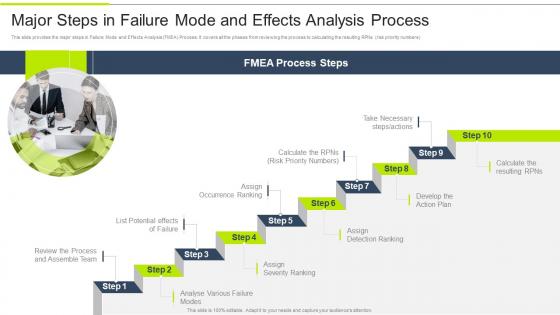
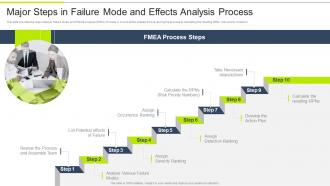
This slide provides the major steps in Failure Mode and Effects Analysis FMEA Process. It covers all the phases from reviewing the process to calculating the resulting RPNs risk priority numbers.
People who downloaded this PowerPoint presentation also viewed the following :
FMEA Method For Evaluating Major Steps In Failure Mode And Effects Analysis Process with all 6 slides:
Use our FMEA Method For Evaluating Major Steps In Failure Mode And Effects Analysis Process to effectively help you save your valuable time. They are readymade to fit into any presentation structure.





FAQs for FMEA Method For Evaluating Major Steps In Failure Mode And
So for FMEA, start by mapping out your system and what you're actually looking at. Then hunt down all the ways each part could fail - this part's honestly pretty fun once you get into it. Rate how bad each failure would be, figure out what causes them and how likely that is. Don't forget to check how good your current detection methods are. The math gets annoying but just multiply severity × occurrence × detection for your RPN scores. Focus on the highest numbers first since those are your biggest headaches waiting to happen. Action plans come last to tackle the worst risks.
Just fold it into your design reviews and risk meetings - it actually fits way better than you'd expect. Take whatever failure modes you find and drop them straight into your existing risk registers. Then let those findings drive your project timelines and resource planning. Honestly, the biggest mistake is treating FMEA like some scary separate thing. It's really just part of your normal workflow once you get the hang of it. Maybe try it on one pilot project first? See how your team vibes with it before rolling it out everywhere. Once people get comfortable with the process, it becomes second nature.
DFMEA looks at what could break in your actual product design - like component failures or wonky interfaces. PFMEA is different though, it's all about the manufacturing side. What happens when your equipment craps out or someone messes up a step? They actually work pretty well together. You can nail the design but still end up with garbage if your production process is terrible. I'd probably run DFMEA first while you're still designing, then hit PFMEA before you start making stuff. Both will save you headaches later.
So basically you use this thing called RPN - just multiply severity × occurrence × detection ratings (1-10 each). Like if something's severity 8, occurrence 6, detection 4, that's 192. Most people set their threshold around 100-125, anything above that needs fixing first. Work from highest RPN down. Don't stress too much about getting the exact numbers perfect though - I've seen teams argue for hours over whether something's a 6 or 7. The ranking's what actually matters. Focus on knocking out those big risks and you'll be good.
Honestly, you NEED different departments in your FMEA sessions or you're gonna miss stuff. Design people see different problems than manufacturing folks do. Service teams know what actually breaks in the field - they deal with angry customers all day. I've watched so many FMEAs tank because one group tried doing it alone. Mix it up with quality, production, maybe even sales if it makes sense. Each person brings their own horror stories, which is exactly what you want. Don't just invite them though - actually listen when they talk. Some of their ideas might sound weird but trust me, they know their stuff.
FMEA software basically saves you from drowning in spreadsheets - trust me on this one. It automates the boring stuff like RPN calculations and lets you build reusable templates. The cool part? It connects to your existing data like maintenance logs and design specs. Some tools even suggest failure modes based on similar components you've done before. Real-time collaboration means your team can actually work together instead of emailing versions back and forth. Oh, and skip trying to force Excel to work - just get a proper FMEA tool from the start.
Honestly, the two biggest mistakes I see are being way too vague about failures and not getting the right people in the room from day one. Skip the generic "component fails" stuff - dig into HOW things actually break. Also watch out for that one person who takes over every meeting, because you'll miss other viewpoints that matter. Teams get stuck arguing about RPN numbers for hours when they should just focus on real risks. Keep your FMEA updated when designs change or it becomes worthless paperwork. Oh, and stick to actual failure scenarios your team has seen before, not some weird edge case that'll never happen.
Honestly, using real data from your past failures makes FMEA so much better than just winging it with estimates. Pull your warranty claims, maintenance logs, field reports - whatever you've got from the last 2-3 years. You'll actually see which failures happen most and how bad they really are. Way better than sitting in a room guessing, which is what most teams do (been there). The severity and occurrence ratings become way more realistic. Plus you'll probably catch failure modes you never even thought of. Takes a bit more work upfront but it's worth it.
So you want to see if your FMEA's actually doing anything, right? RPN reduction is huge - compare your original risk numbers to what they are after you make changes. That shows real progress. Also track failure rates and customer complaints for the specific problems you flagged. Detection rates matter too because they tell you if you're catching stuff before it hits customers. Oh, and cost metrics like rework and scrap are pretty telling. Honestly, warranty claims can be brutal but they're good indicators. Just pick 3 or 4 that make sense for your situation and stick with them consistently.
So FMEA is basically your safety net for catching problems early - way before they turn into expensive nightmares. Think of it like planning for Murphy's Law in advance. You map out each step of your process, then brainstorm everything that could possibly go wrong at each point. Rate how likely each failure is and how bad the damage would be. Honestly, it feels tedious at first but it's so worth it when you're fixing issues during design instead of after launch. The whole point is prioritizing which risks to tackle first so you're not just shooting in the dark.
FMEA is like having compliance insurance - it catches regulatory failures before they bite you. Think FDA violations in pharma, safety issues in automotive, that kind of stuff. Honestly saved my butt during audits more than once. You map out how failures could trigger violations, rate how bad they'd be, then build controls around them. Aerospace and medical device companies swear by it. Food processing too, obviously. The trick is matching your critical compliance stuff to where your processes might actually fail. It's pretty straightforward once you get the hang of it.
Look, you want to catch problems while you can still fix them without going broke. Running FMEA early means finding issues when your design isn't set in stone yet - changes are way cheaper then. Your team gets forced to think through all the ways things could go wrong before you're drowning in testing surprises. Honestly, I've watched teams do FMEAs super late and it just becomes this pointless paperwork nightmare. Nobody has time for that mess. Do it during concept phase, not after you've already built prototypes. Trust me on this one - future you will be grateful you didn't wait.
Get everyone in the room from the start - engineering, quality, ops, maintenance. Each group spots different failure modes that others miss. Define roles upfront so people know what they're supposed to contribute. Regular review meetings are crucial, and process maps help keep things on track instead of wandering into random tangents (which happens more than you'd think). Document who owns what actions afterward. Don't make it feel like just another compliance thing to check off. Treat it like you're actually solving problems together. I've watched so many of these crash because someone forgot to include the right people early on.
FMEA catches problems before your customers do, which is huge for satisfaction and safety. You're basically preventing those nightmare scenarios where someone gets hurt or receives a broken product. Way better than dealing with recalls later - those are expensive and messy. Plus your customers actually get stuff that works properly. I mean, there's nothing worse than angry customers calling about defective products, right? The safety piece gives you peace of mind too. You'll know you've thought through the risks beforehand instead of crossing your fingers. My advice? Start with whatever processes scare you most. That's where you'll see the biggest wins first.
Honestly, go with the AIAG-VDA FMEA handbook training first - it's basically the industry standard. Most consulting firms run these 2-3 day workshops with real examples, way better than trying to muddle through textbooks. You'll definitely want an experienced facilitator for your first few sessions because trust me, those risk ranking conversations get intense! ASQ has solid online courses for backup material too. The trick is practicing on your actual stuff, not just hypothetical scenarios. Oh, and book a pilot FMEA within two weeks while it's all still stuck in everyone's heads.
-
Thanks for all your great templates they have saved me lots of time and accelerate my presentations. Great product, keep them up!
-
Informative presentations that are easily editable.