

Guide To Build Strawman Proposal Powerpoint Presentation Slides




Try Before you Buy Download Free Sample Product
 Impress Your
 Audience
 100%
100% Editable
 Save Hours
 of Time


Management usually discusses critical concerns areas of improvement by analyzing crucial information. The template is considered a solution space for management to brainstorm various solutions provided for organizational progress. Here is a competently designed Guide to Build Strawman Proposal that comprises details about company overview with key people involved, firms product portfolio, and firm strategic objectives. It will cover the firms present scenario by analyzing financial summary, capital funding, financial ratios, and assessing several overheads essential for business operations. The template will cover details about financial statements. The template will cover details about critical concerns firms face in corporate failures, quality-related problems, and operational issues. The organizational improvement initiative addresses functional considerations vital for firm growth, determines three cases future scenario analysis, assesses business priorities crucial for development, analyzes brand building strategies, etc. It implements organizational change by analyzing employees skills, workforce upskilling plan, coordination activities to improve stakeholder communication. This insightful proposal will help users improve marketing effectiveness by potential prospect nurturing, etc. Get access to this 100 percent editable proposal now.
People who downloaded this PowerPoint presentation also viewed the following :
Content of this Powerpoint Presentation
Slide 1: This slide introduces Guide to Build Strawman Proposal. State Your Company Name and begin.
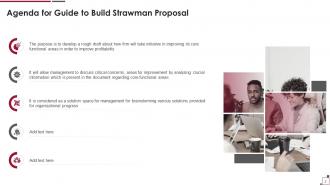
Slide 2: This slide states Agenda of the presentation.
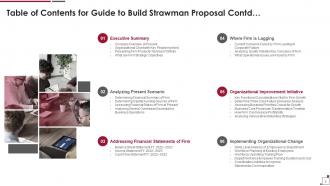
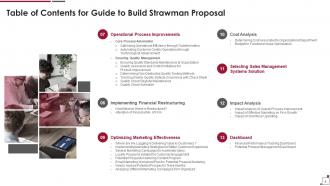
Slide 3: This slide presents Table of Content for the presentation.
Slide 4: This is another slide continuing Table of Content for the presentation.
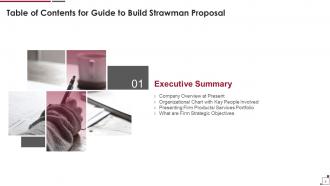
Slide 5: This slide depicts title for four topics that are to be covered next in the template.
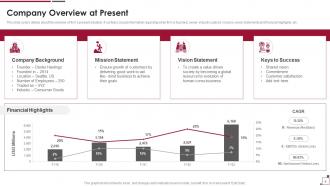
Slide 6: This slide covers details about the overview of firm’s present situation.
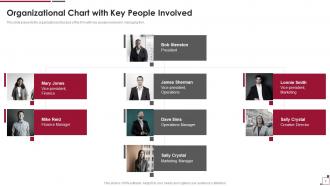
Slide 7: This slide presents the organizational structure of the firm with key people involved in managing firm.
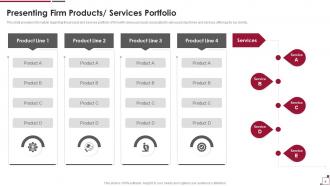
Slide 8: This slide provides information regarding the product and services portfolio of firm with various products.
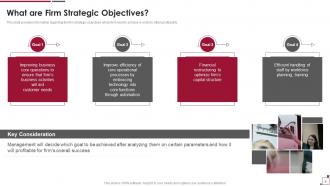
Slide 9: This slide provides information regarding the firm strategic objectives which firm need to achieve in order to attain profitability.
Slide 10: This slide depicts title for four topics that are to be covered next in the template.
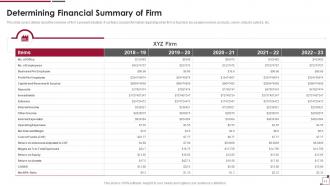
Slide 11: This slide covers details about the overview of firm’s present situation.
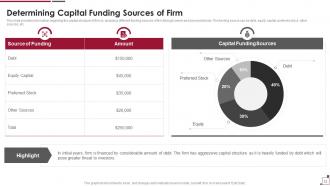
Slide 12: This slide provides information regarding the capital structure of firm by analyzing different funding sources of firm.
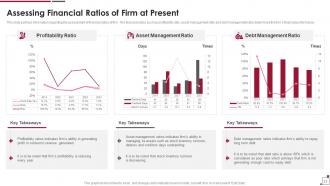
Slide 13: This slide portrays information regarding the assessment of financial ratios of firm.
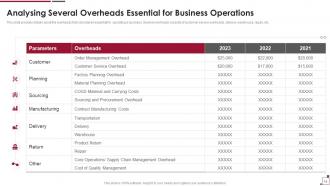
Slide 14: This slide provides details about the overheads that considered essential for operating a business.
Slide 15: This slide depicts title for three topics that are to be covered next in the template.
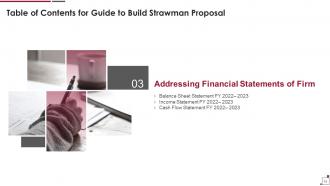
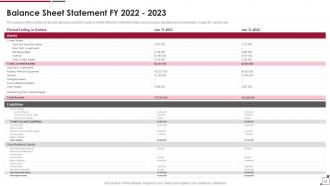
Slide 16: This slide provide glimpse about the balance sheet of the firm with information about assets, liabilities and shareholder’s equity for current year.
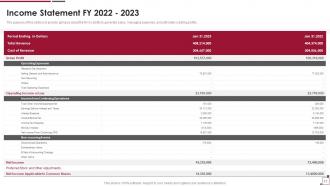
Slide 17: This slide provide glimpse about the firm’s ability to generate sales, managing expenses, and ultimately creating profits.
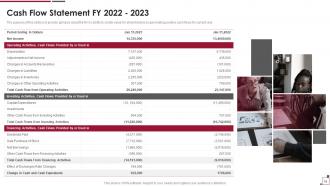
Slide 18: This slide provide glimpse about the firm’s ability to create value for shareholders by generating positive cash flows for current year.
Slide 19: This slide depicts title for four topics that are to be covered next in the template.
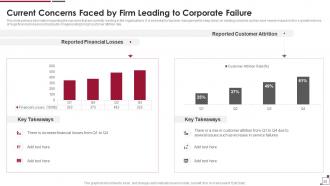
Slide 20: This slide portrays information regarding the concerns that are currently existing in the organizations.
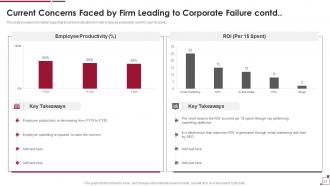
Slide 21: This slide provides information regarding the present situation firm with employee productivity and ROI (per1$ spent).
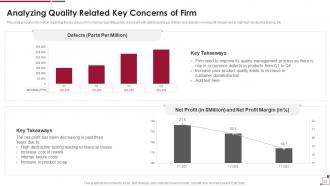
Slide 22: This slide provides information regarding the key issues firm is facing regarding quality at present with defects(parts per million).
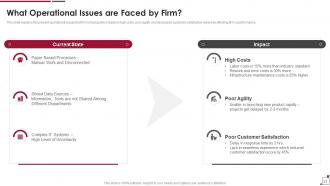
Slide 23: This slide explains the present operational issues that firm is facing which leads to high costs, poor agility, etc.
Slide 24: This slide depicts title for six topics that are to be covered next in the template.
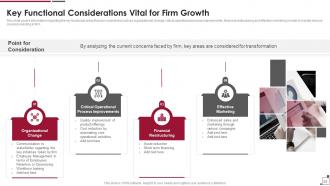
Slide 25: This slide covers information regarding the key functional areas that are considered such as organizational change, etc.
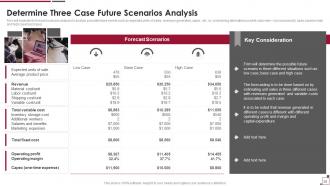
Slide 26: This slide displays 'Determine Three Case Future Scenarios Analysis'.
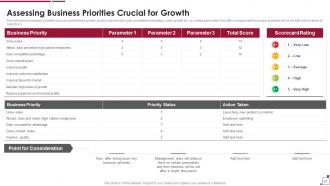
Slide 27: This slide presents 'Assessing Business Priorities Crucial for Growth'.
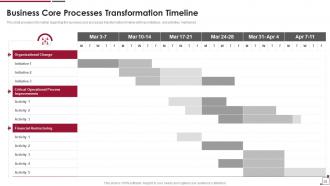
Slide 28: This slide provides information regarding the business core processes transformation timeline with key initiatives and activities mentioned.
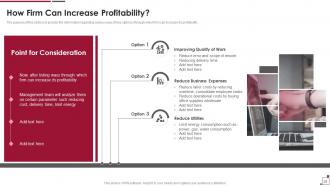
Slide 29: This slide provide the information regarding various ways (three options) through which firm can increase its profitability.
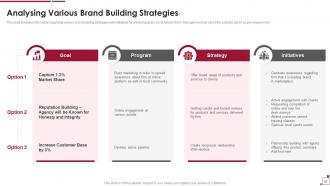
Slide 30: This slide provides information regarding various brand building strategies with initiatives for achieving goals associated to them.
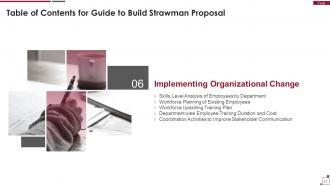
Slide 31: This slide depicts title for five topics that are to be covered next in the template.
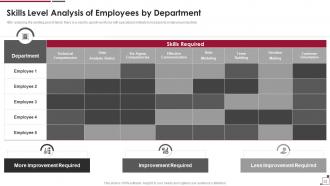
Slide 32: This slide exhibits 'Skills Level Analysis of Employees by Department'.
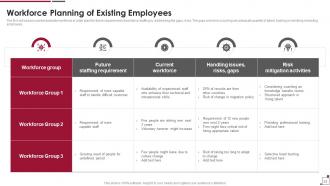
Slide 33: This slide showcases 'Workforce Planning of Existing Employees'.
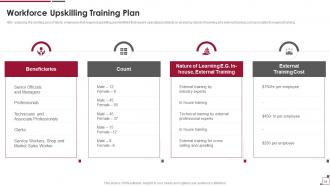
Slide 34: This slide illsutrates 'Workforce Upskilling Training Plan'.
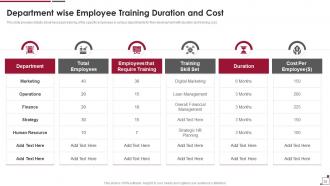
Slide 35: This slide provides details about necessary training of the specific employees in various departments.
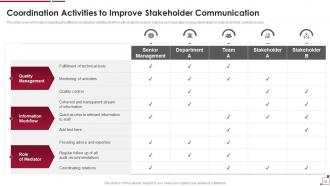
Slide 36: This slide covers information regarding the different coordination activities that firm will conduct.
Slide 37: This slide depicts title for two topics that are to be covered next in the template.
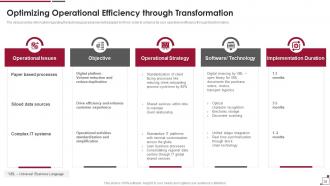
Slide 38: The slide provides information regarding the technological advancement adapted by firm.
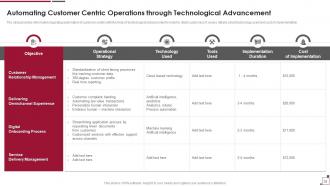
Slide 39: The slide provides information regarding automation of customer centric with the help of technological advancement.
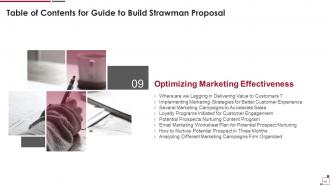
Slide 40: This slide depicts title for six topics that are to be covered next in the template.
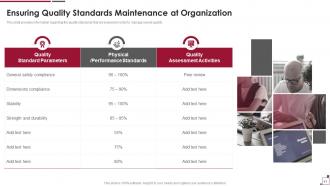
Slide 41: This slide provides information regarding the quality standards that are ensured in order to manage overall quality.
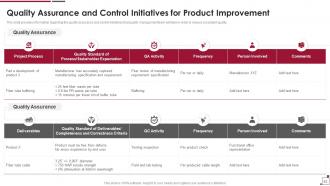
Slide 42: This slide provides information regarding the quality assurance and control initiatives.
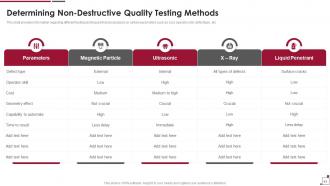
Slide 43: This slide provides information regarding different testing techniques that are analyzed on certain parameters such as cost, operator skill, defect type, etc.
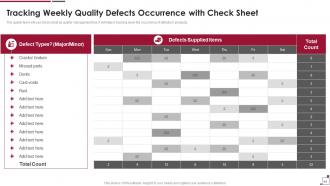
Slide 44: This slide presents 'Tracking Weekly Quality Defects Occurrence with Check Sheet'.
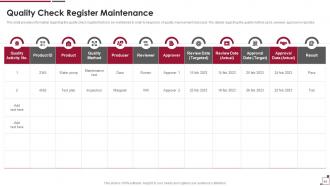
Slide 45: This slide provides information regarding the quality check register that is to be maintained in order to keep track of quality improvement of product.
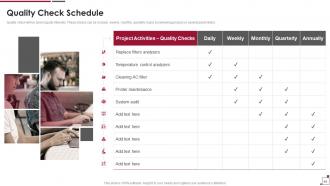
Slide 46: This slide exhibits 'Quality Check Schedule'.
Slide 47: This slide depicts title for two topics that are to be covered next in the template.
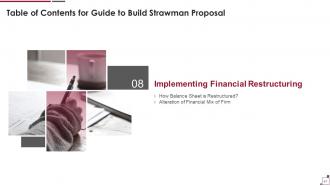
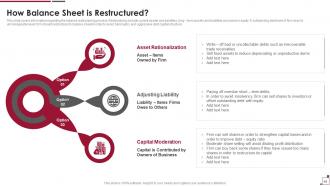
Slide 48: This slide covers information regarding the balance restructuring process.
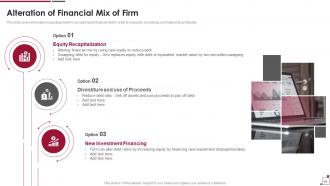
Slide 49: This slide covers information regarding how firm can optimize its financial debt in order to reduce its borrowings and improve its profitability.
Slide 50: This slide depicts title for eight topics that are to be covered next in the template.
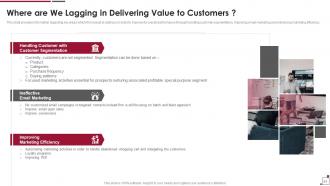
Slide 51: This slide provides information regarding key areas which firm needs to address.
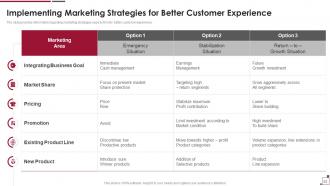
Slide 52: The slide provides information regarding marketing strategies used by firm for better customer experience.
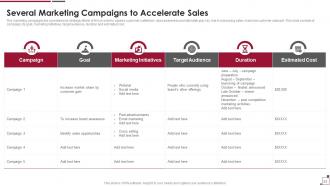
Slide 53: This slide displays 'Several Marketing Campaigns to Accelerate Sales'.
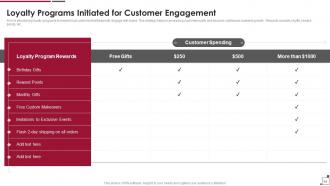
Slide 54: This slide presents 'Loyalty Programs Initiated for Customer Engagement'.
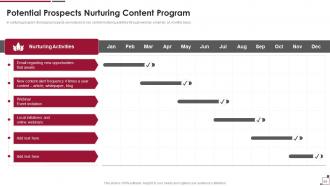
Slide 55: This slide exhibits 'Potential Prospects Nurturing Content Program'.
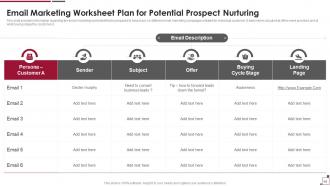
Slide 56: This slide provides information regarding the email marketing worksheet that is prepared to keep track on different email marketing campaigns.
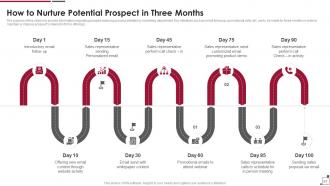
Slide 57: This slide showcases 'How to Nurture Potential Prospect in Three Months'.
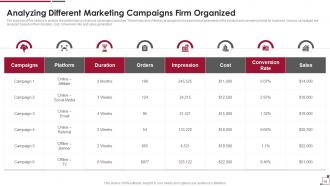
Slide 58: This slide highlights 'Analyzing Different Marketing Campaigns Firm Organized'.
Slide 59: This slide depicts title for two topics that are to be covered next in the template.
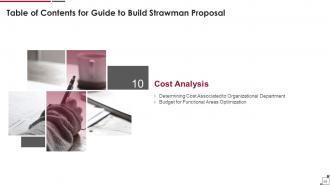
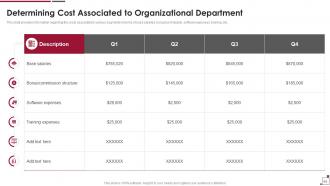
Slide 60: This slide provides information regarding the costs associated to various segments in terms of base salaries, etc.
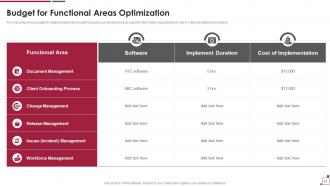
Slide 61: This slide displays 'Budget for Functional Areas Optimization'.
Slide 62: This slide depicts title for one topic that is to be covered next in the template.
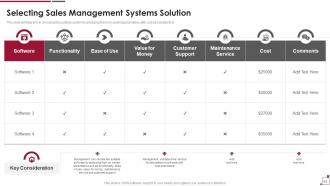
Slide 63: This slide will help firm in choosing the suitable system by analyzing them on several parameters with cost associated to it.
Slide 64: This slide depicts title for three topics that are to be covered next in the template.
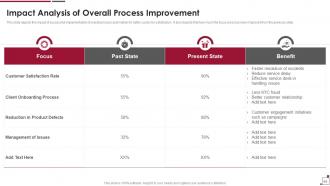
Slide 65: This slide depicts the impact of successful implementation of overall process automation for better customer satisfaction.
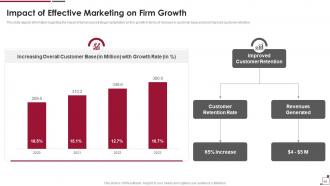
Slide 66: This slide depicts information regarding the impact of turnaround strategy implantation on firm growth.
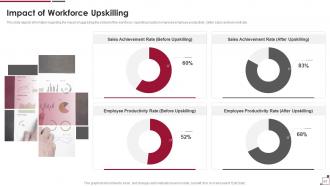
Slide 67: This slide depicts information regarding the impact of upgrading the skillset of the workforce.
Slide 68: This slide depicts title for two topics that are to be covered next in the template.
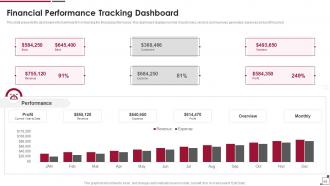
Slide 69: This slide presents the dashboard which will help firm in tracking the financial performance.
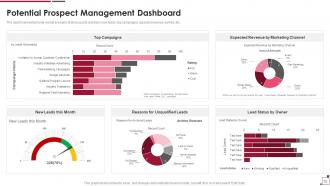
Slide 70: This slide will provide overall scenario of all accounts and track new leads, top campaigns, expected revenue earned, etc.
Slide 71: This slide displays Icons for Guide to Build Strawman Proposal.
Slide 72: This slide is titled as Additional Slides for moving forward.
Slide 73: This slide provides 30 60 90 Days Plan with text boxes.
Slide 74: This slide shows Weekly Timeline with Task Name.
Slide 75: This slide presents Roadmap for Process Flow.
Slide 76: This is About Us slide to show company specifications etc.
Slide 77: This slide shows Post It Notes. Post your important notes here.
Slide 78: This is Our Mission slide with related imagery and text.
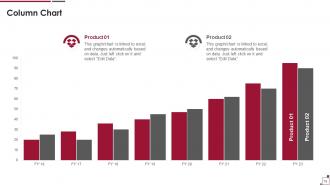
Slide 79: This slide displays Column chart with two products comparison.
Slide 80: This slide depicts Venn diagram with text boxes.
Slide 81: This is Our Goal slide. State your firm's goals here.
Slide 82: This is a Timeline slide. Show data related to time intervals here.
Slide 83: This is a Thank You slide with address, contact numbers and email address.
Guide To Build Strawman Proposal Powerpoint Presentation Slides with all 88 slides:
Use our Guide To Build Strawman Proposal Powerpoint Presentation Slides to effectively help you save your valuable time. They are readymade to fit into any presentation structure.







FAQs for Guide To Build Strawman Proposal
So a strawman proposal is just a crappy first draft you throw out there knowing it'll get destroyed. That's literally the whole point though. You're not trying to be perfect - you want people to rip it apart and tell you what's wrong. It gets everyone arguing about actual ideas instead of sitting around going "hmm, what should we do?" forever. I honestly think it's genius when teams are totally stuck. Way better than those polished proposals where everyone's scared to give real feedback. You just toss it out there, watch the chaos, then build something way better from the wreckage.
Dude, strawman proposals are everywhere in software and product planning. Basically you throw out a rough first draft when your team's stuck spinning on some problem. Nobody expects it to be good - honestly, the whole point is getting people to tear it apart so you can actually move forward. Product managers do this constantly with feature specs. System architects use them too. Even execs throw these around in strategy meetings (though they sometimes forget the "rough draft" part lol). Just make sure everyone knows you want them to find problems with it.
Honestly, strawman proposals are a lifesaver when your team's just going in circles. Basically you throw together a rough, deliberately imperfect draft of the solution - everyone knows it'll change. Way easier for people to tear apart something real than sit around brainstorming abstract ideas. Plus it forces out all those hidden assumptions before you waste months building the wrong thing. I swear I've watched teams debate vague concepts forever and get nowhere. A strawman cuts through that - suddenly everyone's actually talking about the same problem. Next time your kickoffs feel like broken records, just draft something quick and dirty to react to.
Honestly, strawman proposals are genius because people hate blank pages but love tearing things apart. Throw out a deliberately rough first draft - doesn't matter if it's kinda terrible. Everyone suddenly has opinions and starts building on it or completely ripping it to shreds, which is actually perfect. Way better than those brainstorming meetings where you sit there staring at each other. It gets the real issues on the table fast. People find it so much easier to fix something that already exists than create from nothing. Trust me, next time you're stuck just draft something messy and watch everyone come alive with feedback.
Honestly, don't fall in love with your first draft - it's gonna get shredded anyway. I see people all the time treating these things like they're the final answer instead of just something to get the ball rolling. Keep it simple so others can tear it apart easily. Oh, and don't assume you know all the constraints upfront (trust me on that one). You want people talking and throwing out ideas, not presenting some polished masterpiece. Short sentences work. But mix in longer ones that actually flow naturally when you're explaining the meat of it. Think of it like sketching - you're just getting the basic shape down so everyone can start building on it.
Honestly, strawman proposals are a game changer when your team's just spinning wheels. You throw out something concrete - even if it's half-baked - and suddenly everyone has opinions. Way better than staring at empty whiteboards forever. People love tearing things apart more than building from nothing, which sounds harsh but it's true. Gets you past that paralysis where everyone's overthinking. Plus you'll discover requirements nobody even thought about before. I've seen teams waste weeks "ideating" when they could've just sketched something rough and iterated from there. Next time you're stuck, draft whatever comes to mind and let them loose on it.
Keep your strawman focused on one core problem - don't try solving everything at once. Concrete examples work way better than jargon (seriously, people's eyes glaze over). Structure's key: problem, solution, next steps. Oh, and call out what you're NOT tackling so folks don't spiral into tangents. Frame it as a conversation starter, not some final decree. You want good debate, not everyone nodding along immediately. I always think of it like... you're throwing out the first idea to get everyone's brains going.
Honestly, strawman proposals work in pretty much any field - just gotta tweak the format. Tech teams love wireframes or user stories. Healthcare? Patient journey maps work great. Manufacturing usually goes with process flows. The whole point is making something concrete enough to get real feedback, but messy enough that people won't hesitate to rip it apart. I learned this the hard way when I made my first one too polished and nobody wanted to critique it. Start with whatever format your team already uses for brainstorming sessions and you'll be fine.
Honestly, visuals are a game changer for strawman proposals. People can actually see what you're talking about instead of trying to picture some vague concept in their head. Wireframes or even basic sketches work great - anything beats walls of text. You'll get way better feedback too since folks can point to specific parts they like or hate. It's kinda like showing someone a photo versus describing it, you know? Plus templates keep everything looking clean and organized. I always start with simple diagrams first, then build from there. Way less confusing for everyone involved.
Honestly, collaboration is the whole point of doing a strawman in the first place. You're basically throwing out a rough idea to get everyone arguing about it - and that's exactly what you want. Their pushback helps you spot the holes you missed and makes the whole thing way better. Short sentences work. Longer ones let people's input actually shape your messy first draft into something that might work. I always tell people to actively hunt for critiques, not just sit there collecting polite "looks good" comments. Without that back-and-forth, you're just doing a regular presentation. The best strawmans I've seen get people fired up and debating - that's when you know it's working.
Don't defend your strawman - that's literally the point of it being flimsy! Listen to what people are actually worried about when they tear it apart. Ask "what would fix this?" instead of explaining why it's already good. I know it's hard not to take personally, but their pushback is gold. Document everything they say because you'll want to reference it later. The whole thing is supposed to evolve into something way better than what you started with. Short sentences help sometimes. Also, "what am I missing?" works better than you'd think.
Start with the problem you're trying to solve and sketch out your solution - main features, timeline, what you'll need. Don't stress about making it perfect! I always throw in some success metrics too, plus any big assumptions I'm working with. The real goal here is giving people something solid to poke holes in. Honestly, that's when you get the best feedback. List out potential roadblocks while you're at it. Think "good enough to start a real conversation" instead of polished presentation. You can always refine it once people start reacting.
Honestly, strawman proposals are clutch because they give people something real to tear apart instead of sitting around going "so... what should we do?" Put a rough draft out there - doesn't have to be perfect - and suddenly everyone's got opinions. Way easier to say "this sucks, here's why" than staring at a blank page together. Plus it forces people to actually think through their ideas early instead of just nodding along. I've seen too many meetings where we talked in circles for an hour. Start your next project with a simple one-pager and watch how much faster you'll align on direction.
Honestly, strawman proposals are genius for getting people engaged. Way easier to react to something concrete than stare at a blank page, you know? People love critiquing specific ideas - they'll speak up way more than if you ask them to brainstorm from nothing. Just frame it upfront as "hey, this is a starting point, not set in stone" so they don't think you're bulldozing them. Even harsh feedback helps because you're getting real reactions to actual concepts. The trick is actually listening and changing things based on what they say. That's when people start buying in for real.
So basically the feedback becomes your roadmap for the real version. People are way better at tearing apart something concrete than just brainstorming in a vacuum - which honestly makes sense when you think about it. You'll catch what's missing, what stakeholders actually want (spoiler: it's never what you first assumed), plus any weird roadblocks you didn't see coming. Document which feedback you're using and why. Shows you listened. Start with the big concerns first, then work down. Don't invest tons of time before testing your logic this way - saves you from major rewrites later.
-
I was able to find the right choice of PPT template for my thesis with SlideTeam. Thank you for existing.
-
“Excellent information with easy access.”