

Guide to consumer behavior analytics powerpoint presentation slides




Try Before you Buy Download Free Sample Product
 Impress Your
 Audience
 100%
100% Editable
 Save Hours
 of Time


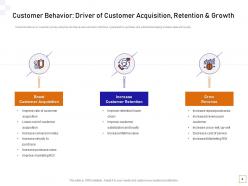
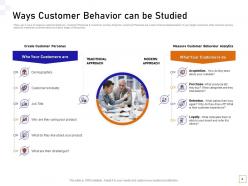
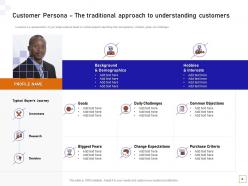
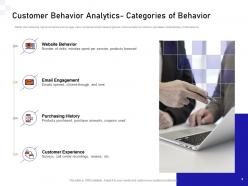
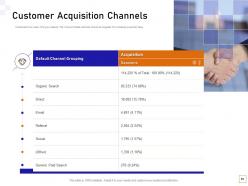
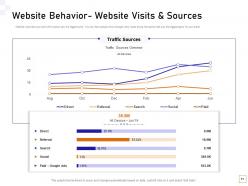
Boost your business by employing this Guide To Consumer Behavior Analytics PowerPoint Presentation Slides. Understand the process of successful marketing along with digital tools and technologies through this consumer behavior metrics PowerPoint theme. Utilize our content-specific buyer persona PPT presentation to introduce the concept of customer behavior in market trends. Identify the growth drivers of customer retention and acquisition by taking the assistance of these customer behavior PPT slides. Mention the list of various lead generation channels like organic search, direct, email, referral, and social media through this customer engagement PPT slideshow. Analyze the interaction between potential customers and your organization by tracking the website visits and sources using these client-centric approach PPT layouts. Stay ahead of the competition by evaluating the changing consumer needs and demands and updating company policies by taking the assistance of this behavior analytics PowerPoint presentation. Download this expertly designed behavioral marketing PowerPoint deck to save your time and quickly impress your audience.
People who downloaded this PowerPoint presentation also viewed the following :
Guide to consumer behavior analytics powerpoint presentation slides with all 53 slides:
Use our Guide To Consumer Behavior Analytics Powerpoint Presentation Slides to effectively help you save your valuable time. They are readymade to fit into any presentation structure.
FAQs for Guide to consumer behavior analytics
Honestly, reviews and social proof are everything now - people won't buy without checking what others say first. Your mobile site better be fast too because nobody has patience for slow loading. I'd say start with fixing your mobile experience since that's where most shopping happens anyway. Personalized recommendations work really well if you can pull browsing data. Oh, and make your return policy super clear upfront - sketchy return policies are an instant turnoff. Social media influence is huge too. Quick wins? Audit your reviews first, then tackle mobile speed.
Look, consumer values shift constantly based on cultural stuff happening around them, so your analytics can't stay static. Five years ago nobody cared about sustainability - now it's make-or-break for purchases. TikTok trends, social movements, generational differences... they all mess with buying patterns overnight. Numbers alone won't tell you the story. You've got to add cultural context when you're reading the data. Honestly, I'd start tracking sentiment around big cultural moments and see how they match up with behavior shifts. It's wild how fast things change these days.
Honestly, big data is a game-changer for understanding customers. You're looking at millions of transactions, social posts, browsing habits - stuff that shows what people actually do versus what they claim in surveys. The cool part? When you mix different data sources together, you get this complete picture of who your customers really are. Predictive analytics can even tell you what they'll probably buy next, which still feels like magic to me. My advice though - don't try to boil the ocean right away. Pick one customer group and really dig into their patterns first.
Dude, predictive analytics is honestly a game-changer for targeting. You can figure out which customers are about to buy and hit them with the perfect message at that exact moment. No more throwing ads at everyone and crossing your fingers. It shows you who's ready to convert, their favorite channels, even warns you when someone's about to bail. I'd say start small though - maybe pick one customer group and test it on their buying patterns first? The results are pretty wild once you get it dialed in. Way better than guessing.
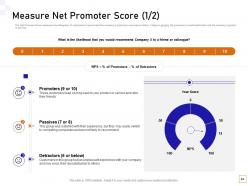
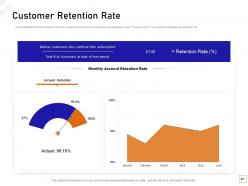
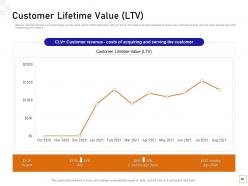
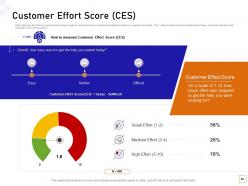
honestly CLV is where it's at - way better than tracking likes or whatever. Start with repeat purchase rate, customer lifetime value, and NPS. Those are your bread and butter. Email open rates and time on site matter too, but CLV actually shows revenue impact. For loyalty stuff specifically? Look at how often people buy again and retention rates. Purchase frequency tells you everything. You can get into fancier metrics like customer effort scores once you nail the basics, but these core ones will give you what you need to start.
Dude, emotional triggers totally mess with people's logic when they're shopping. Like those "only 2 left!" alerts? Pure manipulation but it works. Social proof is massive too - we see good reviews and suddenly we're convinced. Nostalgia marketing gets me every single time, not gonna lie. FOMO drives so many impulse buys it's crazy. Here's the thing though - people buy with their emotions first, then scramble to justify it with facts later. If you're tracking this stuff, figure out which emotional hooks actually convert for you and lean into those hard.
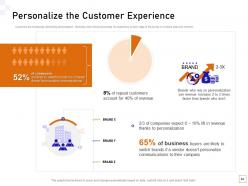
So personalized marketing basically makes people expect everything to be tailored for them specifically. Gone are the days of generic ads - now consumers want stuff that actually fits their needs. It's made us all pretty demanding tbh. When companies nail the timing and targeting though, people buy way more impulsively. The tricky part? You can't just look at broad demographics anymore. You've gotta track individual customer journeys and those split-second moments when someone's ready to purchase. Higher engagement for sure, but man, the expectations keep climbing.
Honestly, just stick to three key things: get proper consent, be transparent about what you're tracking, and don't collect more data than you actually need. That whole burying-stuff-in-terms-and-conditions thing? Pretty shady if you ask me. You'll also want to watch out for algorithm bias - like, could your insights hurt certain groups unfairly? Here's my go-to test though: would you be cool with some company doing this exact analysis on YOUR personal data? If that makes you squirm even a little, you're probably crossing a line somewhere.
Oh totally, demographics do create pretty clear patterns you can use. Gen Z shops completely different than Boomers - like different channels, timing, everything. Gender plays into product preferences and how people research stuff before buying too. But honestly, don't go crazy with generalizations since people within those groups still vary tons. What works best is mixing demographic data with purchase history and engagement stuff - gives you way more insight. I'd start by just breaking down your current customers by age and gender first, see what jumps out.
Dude, the AI stuff is getting insane - companies can literally predict what you'll buy before you even think about it. Real-time analytics track everything from your website clicks to how you walk around stores. There's even computer vision that reads facial expressions now, which feels a bit creepy honestly. Sentiment analysis crawls through social media to figure out how people actually feel about brands. The data collection is just nuts these days. But here's the thing - you need tools that give you real insights, not just fancy-looking charts that don't tell you anything useful.
Honestly, social media is like having millions of people telling you what they want in real-time. Track hashtags and mentions about your brand - you'll catch trends way before they blow up everywhere else. The sentiment stuff is gold too because people say what they really think, not just what they click. I'd set up some automated tools first though, otherwise you'll go crazy scrolling all day. Engagement patterns show you who's actually driving conversations. Start small with one platform - maybe Instagram if your audience is there? Then add more once you get the hang of it.
Look, B2B is way messier - you're dealing with committees that take forever to decide anything. Multiple people touching the deal, months of back-and-forth. B2C is more direct since it's usually one person buying. Though honestly, even consumer stuff gets complicated with all the apps and websites people bounce between these days. For B2B you'll need account-based tracking to follow whole companies, not just individuals. Different metrics too - pipeline influence matters more than quick conversions. B2C focuses on individual behavior and lifetime value. Your tools have to match what you're actually measuring.
Honestly, neuromarketing is kind of a game-changer because it shows you what people's brains are actually doing instead of what they claim they want. You can track eye movements, brain activity, all that stuff - and it's crazy how different the real data is from what surveys tell you. People lie or just don't know why they buy things half the time anyway. The emotional triggers you'll discover are pretty revealing. Even something basic like eye-tracking can totally shift how you understand your customers. Worth starting small if you're curious about it.
Ugh, where do I even start? Your data's probably all over the place - CRM here, web analytics there, social stuff scattered everywhere. Getting that mess to actually talk to each other is brutal. Leadership won't care until you show them real money, which is annoying but whatever. Don't even get me started on privacy laws like GDPR making everything complicated. You'll need someone who can actually read the data too, not just collect it. Honestly? Pick one small thing first. Prove it works, then expand from there.
Honestly, the best approach is setting up dashboards that track website clicks, social engagement, and purchase patterns in real-time. When you spot trends, pivot immediately - like if cart abandonment spikes, test different payment options or throw up instant discounts. I'd focus on automated alerts for major behavior shifts because reacting days later is pretty much useless. Oh, and don't try to track everything at once. Pick one metric first and expand from there. It's way less overwhelming that way, plus you'll actually stick with it.
-
Unique research projects to present in meeting.
-
Awesome presentation, really professional and easy to edit.
-
Easy to edit slides with easy to understand instructions.
-
Excellent template with unique design.
-
Attractive design and informative presentation.