


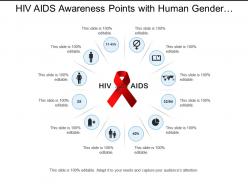
Hiv aids awareness points with human gender pie chart images





Try Before you Buy Download Free Sample Product
 Impress Your
 Audience
 100%
100% Editable
 Save Hours
 of Time


Gift folks good advice with our Hiv Aids Awareness Points With Human Gender Pie Chart Images. They will feel intensely grateful.
People who downloaded this PowerPoint presentation also viewed the following :
Hiv aids awareness points with human gender pie chart images with all 5 slides:
Gain the upper hand from the first instance with our Hiv Aids Awareness Points With Human Gender Pie Chart Images. Ensure a good beginning to the journey.



FAQs for Hiv aids awareness points with human gender
So honestly, peer-to-peer stuff works best - like getting community health workers who actually live there. Trust me, people listen way more when it's coming from someone they know vs some outsider. Hit multiple spots too - workshops, social media, local radio. Oh and barbershops are gold for this kind of thing! Your messaging has to tackle the specific myths floating around that area though. Don't just lecture people either - make it interactive. Partner with groups that already have street cred in the community. They've done the hard work of building trust already.
Honestly, social media is perfect for HIV awareness because that's where everyone lives now anyway. You can target the exact people who need to see it most. Real stories from people with HIV hit way harder than any boring health pamphlet - those testimonials actually get shared around. Quick videos and infographics about prevention spread like crazy too. Testing locations? Just drop a pin and boom, people know where to go. Oh and the best part - you can see what's actually working through the analytics instead of just guessing like we used to.
Look, you're probably one of the first people someone opens up to about their status, so your reaction matters huge. Just treat it like any other chronic condition - don't make it weird. Some of my coworkers still have these cringe attitudes that honestly need to die already. Use person-first language and share actual facts when myths come up. Oh, and check your own biases first because that stuff shows even when you think it doesn't. When you're chill and knowledgeable about it, patients feel way more normal about managing their health. It's really not the death sentence people think anymore.
So the coolest thing happening right now? Long-acting shots - you get them every month or two instead of popping daily pills. Game changer. PrEP cuts infection risk by 90%+ if you stick with it, which is honestly insane progress from where we were ten years ago. Treatment as prevention works too - undetectable means you can't pass it on. Oh, and the newer meds don't mess you up like those brutal cocktails from back in the day. If someone you know needs help, definitely get them hooked up with providers who actually know this newer stuff.
Dude, peer support groups seriously work wonders for HIV patients. People stick with their meds way better when they're connected to others who actually understand the struggle. The isolation is real otherwise. Sharing experiences helps kill that shame that keeps folks from getting help in the first place. You'll also pick up solid practical advice - like how to handle side effects or figure out disclosure stuff. I mean, who better to learn from than someone who's been there? Definitely worth connecting your patients to local groups or even online communities if that's easier.
Honestly, people get this so wrong. The biggest myth is that you can catch HIV from hugging someone or sharing food - total BS. Mosquitoes can't spread it either, which sounds random but people actually think that. Oh, and the idea that it only affects certain groups? That just creates awful stereotypes. Reality is, HIV only spreads through specific body fluids during unprotected sex, needle sharing, or mother-to-child transmission. Your friend with HIV isn't gonna give it to you by borrowing your phone or whatever. Just focus on the real transmission facts when you're talking to people about it.
Check your state's health standards first - that'll save you headaches later. Start with basic transmission/prevention stuff in middle school health classes. High school kids can handle more detailed content like testing and treatment options. Local health organizations are honestly clutch for this - free speakers and materials so you don't have to create everything from scratch. Focus on facts and empathy instead of scary tactics (nobody learns when they're freaked out). Creating space for actual questions is huge. Just make sure you're hitting those state requirements while covering what students really want to know.
Honestly, you've gotta go where people already are instead of expecting them to come to you. Partner with organizations they already trust - community centers, clinics, shelters, whatever makes sense for your crowd. Younger folks? Hit up social media and dating apps for sure. But here's the thing - nobody wants to read some boring health department flyer. Train actual community members to spread the word naturally through their own circles. They'll listen to people who get their world, not some outside "expert." Start by figuring out which local groups already have solid relationships with whoever you're trying to reach. Way more effective than the usual approach.
So intersectionality is when someone deals with multiple types of discrimination at once - like being Black, gay, AND poor while having HIV. Each layer makes things harder. A Black woman with HIV faces totally different barriers than a white gay guy, even though they both have the same virus. The racism, homophobia, and money issues all pile up and make getting care way more complicated. That's why HIV programs need to think about people's whole situation, not just treat everyone the same. Makes sense when you think about it - life's messier than just one label.
Cultural beliefs totally make or break HIV prevention efforts. Some places won't even talk about sex, so good luck with education there. The stigma can be brutal too - people literally avoid getting tested because they're terrified of being shamed. My cousin works in public health and says it's devastating to see. But then you've got other communities where everyone rallies together and prevention becomes this shared mission. Religious views complicate things since abstinence-only messaging misses so much. If you're doing this work, definitely connect with local leaders first - they hold the real keys to change.
So your local government could fund community education programs and partner with healthcare orgs for free testing events. Policy changes help too - anti-discrimination laws, needle exchange programs, that kind of thing. Some cities get super creative with mobile testing units at festivals or team up with barber shops (honestly genius since people are already chatting there). Oh, and mapping existing HIV services first makes sense so you know what gaps need filling. The whole trick is going where people already hang out instead of making them come find help. Way more effective that way.
Look at Australia's "Grim Reaper" ads from the 80s - super controversial but they worked. Thailand basically required condoms in all brothels and their infection rates plummeted. Uganda's "ABC" thing (Abstain, Be faithful, Condoms) dropped HIV from 15% to 5% in the 90s which is honestly incredible. South Africa went after teens specifically with their loveLife campaign using young ambassadors. The pattern I'm seeing? They mixed scary messaging with actual practical advice and knew their audience. Can't just scare people - you gotta tell them what to do next, right? That combo seems to be what actually changes behavior instead of just making noise.
Look, first thing - your HR folks need to keep medical stuff locked down tight. No gossip, no exceptions. Then you'll want some education sessions because people are still weirdly ignorant about HIV in 2024. Flexible sick days are huge, plus make sure health benefits actually cover the meds. Remote work helps too when someone's not feeling great. Oh, and train your managers not to be weird about it - honestly, some of them need basic human decency lessons. It's just another health thing people manage these days. Check your current policies for obvious holes.
Hey! So biggest thing is don't make people feel ashamed or stigmatized. Use "people with HIV" instead of like "victims" or whatever. Those scary 80s campaigns were honestly trash and just made things worse. Focus on how it's totally manageable now with treatment. Make sure you're including actual voices from the community - not just talking about them. Test your facts with real doctors obviously. Short version: be informative but don't create more discrimination. People already deal with enough judgment around this stuff.
Art hits different when it comes to HIV/AIDS awareness - it gets people emotionally invested in ways regular health campaigns can't. Visual stuff, music, theater, storytelling... all of it works because you're connecting with real human experiences instead of just facts. The AIDS Memorial Quilt still makes me tear up honestly. Creative approaches also reach people who might tune out traditional messaging, especially younger folks. If you're doing awareness work, definitely team up with local artists or host community events where people can tell their stories through whatever medium speaks to them. It breaks down barriers that statistics just can't touch.
-
Great quality slides in rapid time.
-
Easy to edit slides with easy to understand instructions.