

HR KPI Powerpoint Ppt Template Bundles




Try Before you Buy Download Free Sample Product
 Impress Your
 Audience
 100%
100% Editable
 Save Hours
 of Time


Our HR KPI Powerpoint Ppt Template Bundles are topically designed to provide an attractive backdrop to any subject. Use them to look like a presentation pro.
People who downloaded this PowerPoint presentation also viewed the following :
HR KPI Powerpoint Ppt Template Bundles with all 16 slides:
Use our HR KPI Powerpoint Ppt Template Bundles to effectively help you save your valuable time. They are readymade to fit into any presentation structure.
-

HR KPI
-
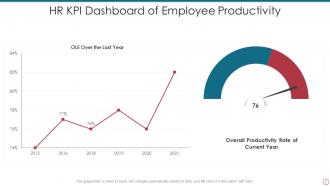
HR KPI Dashboard of Employee Productivity
-
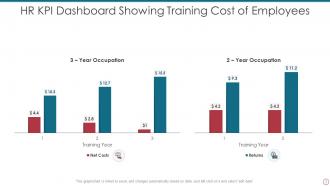
HR KPI Dashboard Showing Training Cost of Employees
-
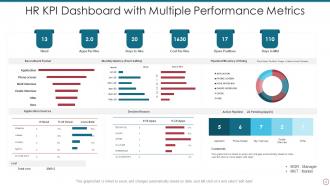
HR KPI Dashboard with Multiple Performance Metrics
-
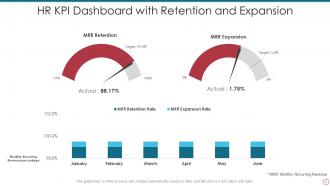
HR KPI Dashboard with Retention and Expansion
-
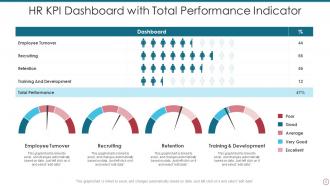
HR KPI Dashboard with Total Performance Indicator
-
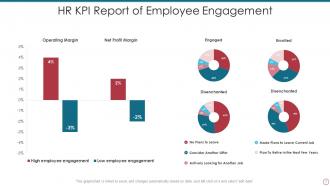
HR KPI Report of Employee Engagement
-
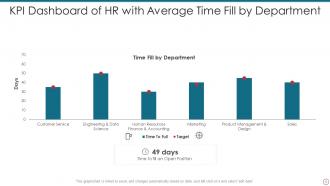
KPI Dashboard of HR with Average Time Fill by Department
-
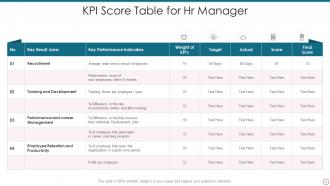
KPI Score Table for HR Manager
-
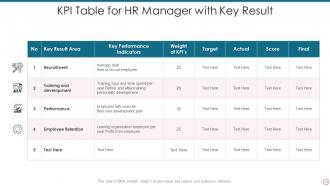
KPI Table for HR Manager with Key Result
-
Thank You
-

-

-

-

-

FAQs for HR KPI Powerpoint
Honestly, I'd start with employee Net Promoter Score and turnover rates - those tell you everything. Absenteeism's huge too. Oh, and check how many people actually show up to company events or training sessions. Nobody talks about this, but time-to-fill for job openings is super telling since teams with low morale are way harder to hire into. Survey response rates matter because when people stop caring enough to even respond, you've got bigger problems. Don't go crazy tracking like 15 different things though. Pick maybe 3 or 4 that actually matter to your situation and stick with those consistently.
Honestly, start with what actually matters for your type of business - turnover rates, how long it takes to hire someone, employee engagement stuff like that. SHRM has decent benchmarking reports, and LinkedIn Talent Insights is way more helpful than you'd think. Industry associations work too if you can find good data. Just don't compare your tech startup to some massive manufacturing company - totally different worlds. I'd track everything quarterly once you get baseline numbers. Then set targets based on what's actually doable for you, not what sounds impressive in a presentation.
Honestly, HR KPIs are like having a crystal ball for your team planning. Track stuff like turnover rates and how long it takes to fill positions - that way you're not panicking when someone quits unexpectedly. Skill gap analysis is huge too. The trick is watching the early warning signs instead of scrambling after problems hit. I learned this the hard way at my last job when we ignored our metrics for months. Pick maybe 4-5 KPIs that actually matter for your goals and check them monthly. You'll thank yourself later.
So I'd focus on maybe 3-4 HR metrics that actually matter for your goals. Time-to-hire and cost-per-hire are solid starting points - they'll show you if your process is dragging or burning cash. Quality of hire scores are clutch too, honestly that's where most companies mess up. You can see which job boards give you decent candidates vs just spam applications. If candidates are waiting weeks for feedback, that's obviously a red flag for your interview flow. I check mine monthly since things shift pretty quickly. The whole point is spotting what's broken so you can fix it before it gets worse.
Honestly, clean visuals are everything for HR presentations. Bar charts work great for comparisons, line charts for trends over time. I always color-code stuff - green for wins, red for problem areas. But here's the thing: context matters SO much. Like, is 85% turnover catastrophic or normal for your field? Include those benchmarks. Oh, and resist the urge to dump every single data point onto one slide (I've totally done this before). Pick your main point first, then build the visuals around that story.
Turnover rate shows how many people quit in a given timeframe - think of it as your company's retention report card. When it's high, you've probably got issues with pay, bosses, or just toxic workplace vibes that need fixing ASAP. Replacing someone costs a fortune too (recruiting, training, all that lost knowledge walking out the door). You can track it across the whole company or zoom in on specific departments. Honestly, monthly reports are your best bet for catching problems before they snowball. Just make sure you're comparing against industry standards so you know if you're actually doing terrible or not.
Honestly, measuring training is way simpler than most companies make it. First, check if people actually liked the program and absorbed the info - basic reaction scores and quick assessments work fine. But here's what really matters: are they using it day-to-day? Look for behavior changes on the job. The money stuff is where it gets interesting though - productivity bumps, fewer mistakes, better sales numbers after training. Oh, and people tend to stick around longer when training doesn't suck. My advice? Pick like 2-3 things that actually connect to your goals. Don't go crazy trying to track everything.
Honestly, HR KPIs are game-changers for D&I work. Start tracking stuff like hiring diversity percentages, promotion rates across different groups, and pay gaps. Employee engagement scores broken down by demographics tell you a lot too. Here's the thing - once leadership sees these numbers monthly, they actually start caring more (shocking, I know). Focus on 3-4 metrics that match your company's goals first. Don't go overboard initially. Retention rates by group and inclusion survey results are solid picks. Build simple dashboards so everyone can see progress. The whole "what gets measured gets managed" thing is real.
Honestly, you've gotta track time-to-hire or you'll lose the good people. Great candidates won't stick around while you're fumbling through approvals for weeks - they'll take the first decent offer they get. Start measuring from job posting to signed offer, then break it down by department. You'll probably find some ridiculous bottlenecks, like maybe HR takes forever to schedule interviews or something. The whole thing costs way more when it drags out too. I'd focus on whatever department has the worst delays first and fix that mess before moving on.
Honestly, HR metrics are clutch for catching retention issues early. I'd focus on engagement scores and promotion timelines first - those usually tell the real story. Exit interview patterns are huge too, especially if you're seeing the same complaints pop up. Department turnover rates? Super telling. Sometimes it's just one terrible manager ruining everything (been there, seen that mess). Monthly dashboards work well - pick like 3-4 KPIs that actually matter to your company instead of tracking everything under the sun. You'll spot the red flags way before people start heading for the door.
Look, satisfaction scores are basically your company's mood ring - they'll show you when things are going south with management or communication issues. High scores mean your culture actually exists beyond some poster in the break room. But here's what matters: it's not really about the numbers themselves. How you handle the feedback is everything. Ignore bad scores? You're basically telling people to shut up, which obviously makes everything worse. I'd say use the data to figure out what's broken, then actually do something visible about it. Otherwise you're just collecting pointless surveys.
Look for patterns in your HR data before problems actually show up in your numbers. Employee turnover's a good example - don't just track who left. Analyze performance reviews, engagement scores, tenure stuff to predict who might quit in the next 6 months. Works for spotting high-potential people too, or figuring out when you'll need to hire. Honestly, the models get crazy good once you have enough historical data to work with. Pick one KPI that's been bugging you, grab 2-3 years of related data, then run basic correlation analysis. You'll start seeing what actually drives those outcomes.
Honestly, data quality is your biggest headache - most HRIS systems are a total disaster. Leadership buy-in is tough too since managers love their "gut instincts" over actual numbers. Don't try measuring everything at once though, that's just asking for chaos. Pick maybe 3-5 solid KPIs that actually connect to business results. The whole leading vs lagging indicators thing will mess with your head initially. Oh, and you'll probably spend way too much time convincing people to actually look at the dashboards you build. Start small, prove it works, then expand from there.
Just ask your leadership what their top 3 priorities are first - everything flows from there. Don't make my old mistake of tracking stuff that sounds impressive but means nothing to executives. Time to hire? Cool, but show how faster hiring for sales roles actually bumps quarterly revenue. That's what gets attention. Revenue, growth, customer satisfaction - tie your metrics directly to that stuff instead of generic HR numbers. I learned this the hard way honestly. Map your KPIs backward from business goals and you'll finally get leadership to care about your data.
Dude, you're basically making decisions in the dark without those metrics. When turnover spikes or people start checking out, you won't catch it until it's a mess. And good luck getting budget approved when you can't show what's actually working - I learned that the hard way at my last job. Companies burn through months chasing the wrong fixes because they're not tracking anything meaningful. Pick maybe 4-5 KPIs that actually matter to your business goals. Trust me, guessing whether your hiring process sucks gets old fast.
-
Designs have enough space to add content.
-
Very well designed and informative templates.