


Impact Of AI On Lifestyle Training Ppt




Try Before you Buy Download Free Sample Product
 Impress Your
 Audience
 100%
100% Editable
 Save Hours
 of Time


This set of slides discusses the impact of AI on our lifestyle. Some examples include digital assistants, web searching, email communications, and self-driven vehicles.
People who downloaded this PowerPoint presentation also viewed the following :
Content of this Powerpoint Presentation
Slide 1
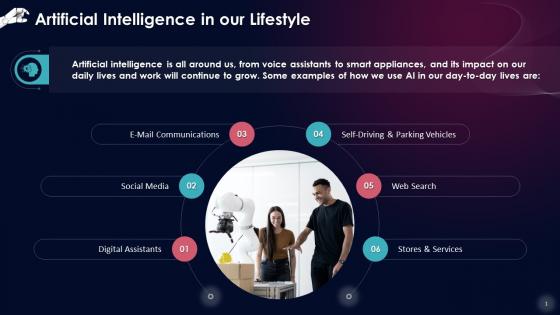
This slide discusses the influence of Artificial Intelligence on our lifestyle since it is all-pervasive now. Some examples include social media, digital assistants, web searching, etc.
Slide 2
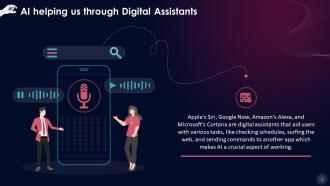
This slide highlights how Artificial Intelligence helps us through digital assistants such as Siri, Alexa, Cortana, etc in our day-to-day lives.
Slide 3
This slide showcases improvement due to implementation of Artificial Intelligence in social media platforms. For example, Twitter uses deep neural networks to handle a large amount of data to learn users' preferences over time.
Slide 4
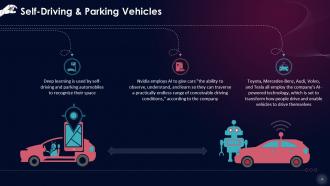
This slide talks about self-driving and parking vehicles and the Artificial Intelligence technology backing these.
Impact Of AI On Lifestyle Training Ppt with all 20 slides:
Use our Impact Of AI On Lifestyle Training Ppt to effectively help you save your valuable time. They are readymade to fit into any presentation structure.








FAQs for Impact Of AI On
Dude, AI basically gives your clients super personalized training based on their actual data and how they're progressing. Real-time insights let you tweak programs instantly. Plus the automated tracking saves you from drowning in paperwork - which honestly is reason enough right there. The predictive stuff is wild too - it'll warn you when someone's about to quit before they even know it themselves. Your clients stay hooked because everything adapts to their weird schedules automatically. Just start with one tool for tracking or program customization and you'll see how much bigger your impact gets.
So basically, AI looks at your workout history and goals to build you a personalized plan. It figures out what you hate (bye burpees lol) and swaps stuff around. The cool part? It actually learns from your sleep, how sore you get, and whether you're crushing workouts or dragging. Some apps even know if you've only got 20 minutes or you're stuck at home with zero equipment. Just gotta be honest with your data - like actually log when you feel like garbage. That way it keeps tweaking things so you don't plateau or burn out.
So basically, ML looks at all your users' data - workout habits, sleep tracking, what they're eating, even how seasons affect their behavior - and spots patterns you'd never notice. It's honestly kind of creepy how well it works. Like, the system will predict someone's about to get into yoga in January before they've even thought about it themselves. Over time, these algorithms get scary good at figuring out what people want next. You can use that to build features and content that actually hits, instead of just guessing what'll work.
So basically AI watches everything through your fitness tracker, apps, whatever - then spots patterns you'd totally miss. Like it'll tell you "hey, you're dehydrated today" or suggest switching up when you work out based on your energy levels. The cool part? It adjusts suggestions instantly instead of making you wait for some weekly summary. Honestly, the real-time feedback is pretty impressive. I'd say just connect one device first and see how their insights match what you think is happening with your progress. Sometimes it catches stuff that's obvious in hindsight but you just didn't notice.
So basically, AI coaches are great because they actually get to know you - like, your specific goals and what motivates you. They'll tweak workouts on the fly if you're struggling or crushing it. The timing of their pep talks is weirdly perfect too. What I love is you don't have to coordinate schedules since they're always there. The whole gamification thing isn't cheesy either - feels more personal than those generic "Great job!" notifications. Oh, and they adapt how they talk to you based on what clicks. If you're thinking about this for work, maybe figure out what's bugging people about engagement first?
Honestly, the whole consent thing is huge - you're grabbing super personal data like health stuff and daily routines. People get weirded out fast if they feel like they're being watched constantly. Your AI needs that info to actually work well, but users should know what you're collecting and have real control over it. Data security is obviously critical too, plus how long you keep everything stored. Oh and third-party sharing - that's where things get sketchy. Just be upfront about everything from day one and let people actually customize their privacy settings in a way that matters.
So basically your brain loves getting those little dopamine hits from points and badges - makes healthy stuff feel way less boring. AI just cranks this up by personalizing everything. Instead of some random "walk 10k steps" goal, it might notice you always crash at 3pm and suggest a quick walk then. Pretty smart, honestly. The cool part is how it adjusts difficulty on the fly so you're not overwhelmed but still challenged. I'd definitely track what rewards actually work for you though - some people are all about streaks, others just want the badges.
Oh totally! AI picks up on emotional stuff that tanks your progress. Like it'll notice when you're stress eating or making excuses to skip workouts based on your mood data and how you talk about things. Pretty neat actually - it catches negative self-talk patterns and those cycles where your feelings just wreck everything. Then it throws personalized suggestions at you, maybe breathing exercises when you're freaking out or different activities when you're down. Just gotta be real with what you tell it though, otherwise it can't help you see your own blind spots.
So Noom's AI actually helped people lose 5% more weight than regular apps - it nails the timing on when to suggest meals. Fitbit improved sleep quality by 23% with their AI coaching thing. But honestly? Headspace is where it gets interesting. Their AI figured out when people actually want to meditate and boosted daily practice by 40%. Even boring corporate wellness programs saw 30% better engagement once they added AI. The secret sauce is really in how they time those little nudges based on your behavior patterns. That's what makes it work.
Dude, you should totally check out AI fitness apps that connect to your wearable. They actually create custom workouts based on your real data - heart rate, sleep quality, stress levels, all that stuff. Way better than those cookie-cutter routines everyone does. The cool part is how it adapts daily. Like if you slept terribly, it'll suggest something lighter. Or if your recovery metrics look good, time to push harder. I've been blown away by how spot-on the recommendations are now. Just make sure whatever app you pick plays nice with your current device - most do, but worth double-checking first.
Ugh, data quality is such a nightmare - everyone's lifestyle info is messy and subjective as hell. Sleep, exercise, stress levels... it's all over the place between users. Privacy's a massive concern too since you're dealing with really personal stuff. The real challenge though? Actually getting people to stick with recommendations instead of just giving them the same boring "eat better, move more" advice. People's lives are chaotic - they don't follow predictable patterns like code does. I'd focus on building systems that roll with the punches when users inevitably fall off track rather than rigid programs that break.
Yeah, you really can't do the same approach everywhere. Different cultures have totally different takes on authority, individualism, time, healthy habits - all of it. Mediterranean folks might be all about family dinners while Asian cultures lean more toward balance and moderation. Communication style matters too - some cultures want direct feedback, others think that's super rude. Honestly, the motivational techniques that work vary wildly. Even your UI design should match cultural values. I'd dig into the cultural frameworks of whoever you're targeting first, before you build anything. Saves headaches later.
The biggest shift is AI that actually gets context and reads your emotions. Like, chatbots now remember what you talked about last week and adjust if you sound super frustrated vs motivated. It's honestly kind of creepy how well they pick up on subtext now. You can throw messy questions at them like "I'm stressed about my diet but hate meal prep" and actually get useful advice back. The dialogue systems maintain real conversations across weeks instead of forgetting everything. Natural language processing has gotten scary good - maybe test your current apps with more emotional, conversational language? You might be shocked at how much better they respond.
Honestly, the cool thing about AI is it actually watches your patterns instead of giving you some cookie-cutter plan. Like when you always skip Thursday workouts or stress-eat around 3pm - it picks up on that stuff and sends you reminders right when you need them. The algorithms can spot trends you don't even realize exist, which is honestly kind of creepy but helpful lol. It'll celebrate when you hit small goals and totally switch things up when your schedule goes to hell. Way better than those rigid programs that make you feel like garbage when you can't stick to them. Just find one that learns from what you actually do, not just what you said you'd do in some quiz.
Honestly, AI's about to get crazy personal with fitness stuff. Like, it'll coach you differently based on whether you're tired or stressed, maybe even figure out if your bad mood is work stress versus personal drama. Pretty wild, right? Your watch won't just count steps anymore - it'll actually predict when you might get sick before symptoms hit. The apps will start pulling from everything too... your calendar, what you buy, even social media patterns to give better advice. I'd mess around with some AI fitness apps now so you're not totally lost when this stuff really takes off.
-
Fantastic and innovative graphics with useful content. The templates are the best and latest in the industry.
-
I didn’t expect such a good service for the money I am paying. But, they exceed my expectations. Great work SlideTeam.