


Plano de Desenvolvimento Individual Apresentação de Slides do PowerPoint





Try Before you Buy Download Free Sample Product
 Impress Your
 Audience
 100%
100% Editable
 Save Hours
 of Time


Aperfeiçoe suas habilidades e qualidades com slides de apresentação em PowerPoint prontos para uso do Plano de Desenvolvimento Individual. Trabalhe em seu objetivo, defina metas, aumente a autoestima a novos níveis, melhore as perspectivas de empregabilidade e torne-se uma versão melhor de si mesmo usando modelos de apresentação em PowerPoint de plano de desenvolvimento individual. Organizamos esta apresentação em PowerPoint com modelos profissionais para o desenvolvimento pessoal. Alguns dos modelos de apresentação em PowerPoint de plano de desenvolvimento individual são: estabelecer seu propósito, identificar necessidades de desenvolvimento, identificar oportunidades de aprendizagem, formular um plano de ação, realizar o desenvolvimento, avaliar e revisar, registrar os resultados, etc. Esses modelos são editáveis. Você pode usá-los para criar seu próprio plano de desenvolvimento pessoal. Esses modelos de apresentação em PowerPoint de plano de desenvolvimento individual o ajudarão a escolher opções e decisões eficazes para o crescimento pessoal e profissional. Determine o que você deseja alcançar, para onde deseja ir, metas de curto e longo prazo, trabalhe nas atividades de desenvolvimento para atender a essas necessidades. Incorpore modelos de apresentação em PowerPoint de plano de desenvolvimento individual, aumente sua confiança e leve a uma vida mais satisfatória e melhorada. O conceito básico de nossos slides de apresentação em PowerPoint do Plano de Desenvolvimento Individual é essencialmente bom. Ele tem uma vantagem intrínseca.
People who downloaded this PowerPoint presentation also viewed the following :
Conteúdo desta apresentação em PowerPoint
Slide 1: Este é um slide introdutório para o Plano de Desenvolvimento Individual. Declare o nome da sua empresa e comece.
Slide 2: Este é um slide de agenda. Apresente suas agendas aqui.
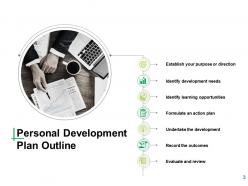
Slide 3: Este slide apresenta o Esboço do Plano de Desenvolvimento Pessoal mostrando - Estabeleça seu propósito ou direção, Avalie e revise, Identifique as necessidades de desenvolvimento, Identifique oportunidades de aprendizagem, Formule um plano de ação, Realize o desenvolvimento, Registre os resultados.
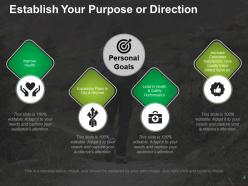
Slide 4: Este slide mostra Estabelecer Seu Propósito ou Direção com os seguintes pontos - Metas Pessoais, Melhorar a Saúde, Planos de Expansão na Cidade e Além, Liderar em Desempenho de Saúde e Segurança, Aumentar a Satisfação do Consumidor. Ofereça Serviços de Valor Agregado de Qualidade.
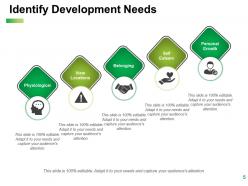
Slide 5: Este slide mostra Identificar Necessidades de Desenvolvimento, como - Fisiológicas, Visualizar Locais, Pertencimento, Autoestima, Crescimento Pessoal.
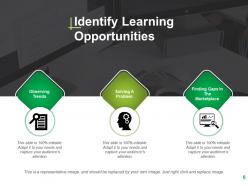
Slide 6: Este slide mostra Identificar Oportunidades de Aprendizagem em termos de - Observar Tendências, Resolver um Problema, Encontrar Lacunas no Mercado.
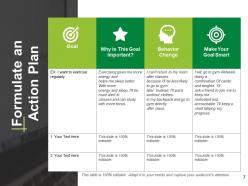
Slide 7: Este slide apresenta Formular um Plano de Ação em forma tabular.
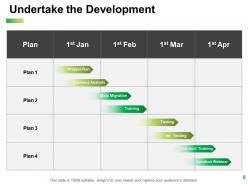
Slide 8: Este slide mostra Realizar o Desenvolvimento em forma de gráfico de Gantt com os seguintes pontos - Plano de Projeto, Análise de Negócios, Migração de Dados, Treinamento, Testes, Testes Int., Realizar Treinamento, Realizar Webinar.
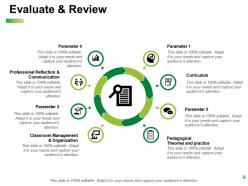
Slide 9: Este slide mostra Avaliar e Revisar com os seguintes pontos - Parâmetros, Teorias e Práticas Pedagógicas, Currículo, Reflexão e Comunicação Profissional, Gestão e Organização de Sala de Aula.
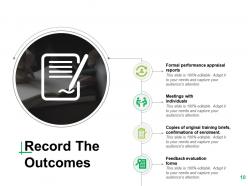
Slide 10: Este slide apresenta Registrar os Resultados em termos de - Reuniões com indivíduos, Relatórios formais de avaliação de desempenho, Cópias dos briefings de treinamento originais, confirmações de inscrição, Formulários de avaliação de feedback.
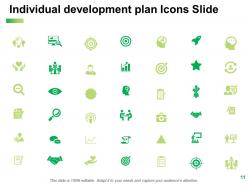
Slide 11: Este slide apresenta Ícones do Plano de Desenvolvimento Individual. Use-os conforme necessário.
Slide 12: Este slide mostra uma imagem de Pausa para Café. Você pode alterar o conteúdo do slide conforme necessário.
Slide 13: Este slide é intitulado Slides Adicionais para Avançar. Você pode alterar o conteúdo do slide conforme necessário.
Slide 14: Este é o slide Nossa Missão com Visão, Missão e Objetivo. Declare-os aqui.
Slide 15: Este é o slide Nossa Equipe com nomes, designações e caixas de texto para declarar informações.
Slide 16: Este slide exibe uma imagem de Alvo com caixas de texto para mostrar informações, especificações etc.
Slide 17: Este slide exibe uma imagem de Quebra-cabeça com caixas de texto para mostrar informações, especificações etc.
Slide 18: Este é um slide de imagem de Lâmpada ou Ideia para mostrar informações inovadoras, especificações etc.
Slide 19: Este slide exibe uma imagem de lupas com caixas de texto para mostrar informações, especificações etc.
Slide 20: Este slide é intitulado Gráficos e Gráficos. Você pode alterar o conteúdo do slide conforme necessário.
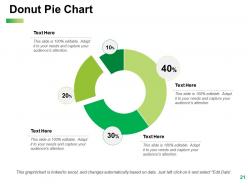
Slide 21: Este é um slide de gráfico de rosca. Declare especificações, comparação de produtos/entidades aqui.
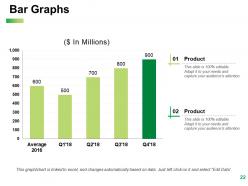
Slide 22: Este é um slide de gráfico de barras. Declare especificações, comparação de produtos/entidades aqui.
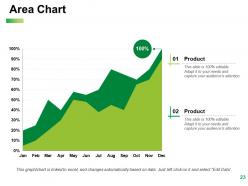
Slide 23: Este é um slide de gráfico de área. Declare especificações, comparação de produtos/entidades aqui.
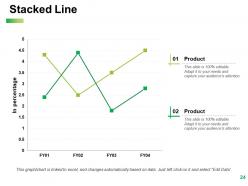
Slide 24: Este é um slide de gráfico de linhas empilhadas para mostrar comparação de produtos, especificações etc.
Slide 25: Este é um slide de Obrigado com Endereço# número da rua, cidade, estado, Número de Contato, Endereço de E-mail.
Plano de Desenvolvimento Individual Apresentação de slides do PowerPoint com todas as 25 slides: Slide 1: Introdução ao Plano de Desenvolvimento Individual Slide 2: Definição do Plano de Desenvolvimento Individual Slide 3: Benefícios do Plano de Desenvolvimento Individual Slide 4: Componentes-chave do Plano de Desenvolvimento Individual Slide 5: Estabelecendo Metas e Objetivos Slide 6: Identificando Pontos Fortes e Áreas de Melhoria Slide 7: Criando um Plano de Ação Slide 8: Monitoramento e Revisão do Progresso Slide 9: Papel do Gerente/Supervisor Slide 10: Papel do Funcionário Slide 11: Alinhamento com os Objetivos Organizacionais Slide 12: Desenvolvimento de Habilidades Técnicas Slide 13: Desenvolvimento de Habilidades Comportamentais Slide 14: Oportunidades de Aprendizagem e Treinamento Slide 15: Mentoria e Coaching Slide 16: Feedback e Reconhecimento Slide 17: Desafios Comuns no Plano de Desenvolvimento Individual Slide 18: Superando Obstáculos Slide 19: Melhores Práticas para Implementação Eficaz Slide 20: Exemplos de Planos de Desenvolvimento Individual Slide 21: Medição e Avaliação do Impacto Slide 22: Alinhamento com a Gestão de Talentos Slide 23: Integração com Outros Processos de RH Slide 24: Sustentabilidade e Melhoria Contínua Slide 25: Conclusão e Próximos Passos
Envolva as pessoas na conquista de objetivos comuns com nossos slides de apresentação do Plano de Desenvolvimento Individual. Dê a causa para unir forças.






FAQs for Individual Development Plan
So you need really specific goals that actually connect to where you want your career to go. Do an honest look at what skills you're missing right now. Then make concrete steps with actual deadlines - none of that vague "I want to get better at leadership" nonsense. Set up regular check-ins with your boss too. Find real resources like training programs or mentors who can help. Oh, and track everything! Seriously, most people write these things and never look at them again. Make your goals measurable so you'll know when you're winning.
Honestly, most people totally mess this up by treating their IDP like some fantasy career wishlist. You gotta connect what you want with what your company actually needs. Say you're eyeing a leadership role - perfect, because they probably need better project management anyway. Focus your development there. Have real talks with your manager about what opportunities are coming up. I mean, they'll know way before you do about openings or new projects. The magic happens when your growth helps the team hit their goals AND gets you closer to that next role. It's like killing two birds with one stone, but in a good way.
Check your company's HR portal first - they usually have templates sitting there. LinkedIn Learning's pretty decent for figuring out what skills you need to work on. Honestly though? A simple Google Doc works just fine if you want flexibility. Your manager probably knows about fancier platforms like Cornerstone, but those are honestly way more complicated than they need to be. I'd skip the bells and whistles for now. Pick something you'll actually stick with - that's what matters most. Start basic, set maybe 2-3 goals you can check on every few months. Keep it simple.
Check it every quarter to see how you're doing on your goals. Honestly, priorities shift constantly so you'll probably need to adjust things anyway. Once a year, do a bigger review where you look at your whole career direction and figure out new areas to work on. I learned this the hard way - don't just write it once and ignore it for months. Major stuff happens fast. New role, tough feedback, company restructuring? Update that thing immediately or it becomes useless. The quarterly thing keeps you honest, but the annual review is where you actually think big picture.
Your manager and mentor are like your IDP wingmen, honestly. Managers help you set goals that actually make sense for your career path and the business - plus they control the budget for training and can create those stretch assignments. Mentors? They've been there before and can warn you about the landmines you haven't stepped on yet. Without both of them, your IDP is basically just a nice document collecting digital dust. Regular check-ins are crucial though. Don't wait around for them to reach out - you need to drive those conversations yourself.
Honestly, most places treat development planning like some annoying HR task they have to check off. Your managers need to actually care about it - like really asking about growth goals in one-on-ones and then following up with real resources. People should feel safe admitting they suck at something without worrying it'll hurt them later. I've worked places where saying "I need help with X" felt dangerous, which is nuts! Train your managers to have decent conversations about this stuff. Budget for it properly. When someone levels up, celebrate that win. Oh, and connect development to actual career moves - otherwise people see right through the BS and know it doesn't matter.
Honestly, the trick is just not letting your IDP become this massive thing you avoid. I break mine into monthly chunks - way less scary that way. Schedule those check-ins with your manager too, because otherwise they never happen (learned that the hard way). Oh, and here's what actually works - connect your goals to stuff you're already working on. You're not adding more to your plate, just being smarter about the growth ops that are right there. Build in some wiggle room because priorities always shift. That's just life. Most people write these things once and forget about them, but if you make it manageable from the start, you'll actually stick with it.
Figure out how your brain actually works first - visual learner? Hands-on? Love reading everything? Match your development activities to that. Like if you're visual, skip the boring articles and go for workshops or infographics instead. Honestly, the biggest thing is being real about what you actually want career-wise. Leadership track needs totally different skills than staying technical. Don't just follow what sounds impressive, you know? Pick 2-3 concrete goals, then find learning methods that won't make you want to quit after a week. Trust me on this one.
Honestly, you'll want to track both the obvious stuff and the more subtle signs. Skill assessments and training completion rates are good starting points. Performance reviews before vs after tell a pretty solid story, though other things can mess with those numbers too. I'd pick 2-3 specific metrics when you first set up the IDP - don't go overboard. Manager feedback matters a lot here. Check in quarterly to see if you're actually making progress on what counts for their growth. The trick is measuring real development, not just ticking boxes because it feels productive.
Look, IDPs work because people actually feel valued when you invest in their growth instead of just squeezing productivity out of them. Your team will stick around way longer when they see a real path forward. Regular goal-setting keeps them focused on building their future at your company rather than job hunting. Honestly, most managers sleep on this - it's such an easy win. Just ask your people what skills they want to build. That one conversation alone makes a huge difference, trust me.
Don't let your IDP just sit there collecting dust! Bring it up during your regular one-on-ones with actual examples of what you're working on. I swear, people treat development planning like it's completely separate from their day-to-day performance - drives me crazy. Your manager should see how your development stuff is affecting your work and vice versa. Keep notes throughout the year on wins, roadblocks, whatever. That way your formal review won't be this awkward scramble to remember what happened six months ago. Basically, make development part of your ongoing conversations instead of saving it all for one big annual dump.
Honestly, tech makes IDPs so much easier to manage. Apps let you track progress in real-time and send you reminders so you don't forget about your goals. There's a ridiculous amount of online learning content now too - some platforms even create custom learning paths based on what you do and where you want to go. Way better than those old paper forms we used to fill out once a year. You can share everything with your manager instantly instead of those endless email threads. I'd start with whatever your company already has, then maybe look at LinkedIn Learning if they don't offer much.
Don't make your IDP super vague - like "get better at communication" means nothing without actual steps. Pick 2-3 solid goals max. I've seen people try to tackle like 10 different skills and they just burn out. Make sure whatever you choose actually matters for where you want to end up career-wise, not just stuff that sounds good. Set real deadlines and check-in dates. Oh and definitely loop in your manager regularly - they need to know you're serious about this thing.
Pick 2-3 areas outside your department that actually interest you or would help your role. Marketing person? Maybe data analysis or UX basics. Then get specific about it in your IDP - set up job shadowing, crash other teams' meetings, or grab small cross-department projects. Lunch and learns work great too, honestly less intimidating than formal stuff. I'd definitely work with your manager on this since they can open doors. Just don't make it vague like "learn finance sometime" - you need real timelines and ways to measure if it's working.
Dude, regular feedback on your IDP is seriously clutch. Monthly check-ins with your manager - even just 15 minutes - stop you from chasing the wrong stuff for months. Your goals stay current instead of becoming totally irrelevant. Annual reviews? Pretty much garbage for real development. But when you're getting consistent input, you can pivot quickly if something's not working. It keeps you motivated too since you actually see progress getting noticed. I know it sounds like extra work, but those brief touchpoints make a massive difference in staying on track.
-
Great thanks
-
Great product with effective design. Helped a lot in our corporate presentations. Easy to edit and stunning visuals.
-
Designs have enough space to add content.