


Industry Analysis With Porter Five Forces Nestle Strategic Management Report Strategy SS





Try Before you Buy Download Free Sample Product
 Impress Your
 Audience
 100%
100% Editable
 Save Hours
 of Time


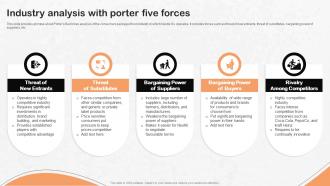
This slide provides glimpse about Porters five forces analysis of the consumers packaged food industry in which Nestle SA operates. It includes forces such as threat of new entrants, threat of substitutes, bargaining power of suppliers, etc.
People who downloaded this PowerPoint presentation also viewed the following :
Industry Analysis With Porter Five Forces Nestle Strategic Management Report Strategy SS with all 6 slides:
Use our Industry Analysis With Porter Five Forces Nestle Strategic Management Report Strategy SS to effectively help you save your valuable time. They are readymade to fit into any presentation structure.





FAQs for Industry Analysis With Porter Five Forces Nestle Strategic Management
Nestlé runs on four key pillars. Their "Good food, Good life" thing - honestly sounds cheesy but they actually use it to guide decisions. Health and wellness is huge for them as a differentiator. They're also obsessed with Creating Shared Value (CSV), which is basically sustainable profits. Digital transformation rounds it out. Here's the thing though - they connect short-term wins with long-term sustainability goals really well. When you're tracking what they'll do next, just see how their moves fit these areas. Makes their strategy way more predictable once you get the pattern.
So Nestlé's everywhere, right? Like 180+ countries, which is kinda crazy when you think about it. They can't just copy-paste the same product globally - what sells in Switzerland totally bombs in India. Different tastes, regulations, economic situations. But here's the thing: this actually works in their favor. They test stuff in smaller markets first, then scale up. Plus they're not screwed if one economy tanks since they're spread out everywhere. Honestly, their supplier deals must be insane with that kind of buying power. Smaller companies can't even compete with that setup.
Yeah so Nestlé's been completely overhauling their lineup to chase health trends. They sold off their US candy business and went all-in on plant-based stuff, organic foods, coffee premiumization with Nespresso. Smart move honestly. You'll see way more of their products labeled "natural" now - totally intentional. They've also been buying up vitamin companies left and right to ride the wellness wave. I mean, who isn't obsessed with functional nutrition these days? The interesting part is watching them try to keep their cash cow brands profitable while betting big on where the market's headed.
Yeah, Nestlé's pretty much built their whole strategy around sustainability now. Their "Creating Shared Value" thing isn't just marketing bs - they're actually restructuring how they operate. Net-zero by 2050, recyclable packaging, all that. Honestly, they had to do something after all the bad press over the years. But it's real - they've woven environmental metrics right into how they measure success. Supply chains, product development, everything revolves around these targets now. They know consumers care about this stuff, and it's becoming crucial for staying competitive long-term.
So Nestlé basically uses data analytics throughout their whole operation to stay competitive. They analyze consumer behavior to spot trends early, then use that info to develop products faster than everyone else. Their supply chain runs on real-time data too - adjusting prices and inventory across different markets instantly. What's really smart is how they've set up systems that automatically turn insights into actual business changes, not just pretty dashboards that sit there. That's honestly what separates them from companies that just hoard data without doing anything useful with it. For your strategy stuff, focus on building those feedback loops between data and operations.
Nestlé's partnership game is actually pretty solid. They've got that joint venture with General Mills handling Cheerios overseas, plus the Starbucks deal for global coffee distribution. Smart move, honestly - way cheaper than building everything from scratch. You'll see they also team up with tech companies for innovation stuff and work with suppliers on sustainability (which is huge right now). The whole strategy lets them jump into new markets fast and split R&D costs. Oh, and they get access to better distribution networks too. What's cool is how they structure these deals so both sides actually benefit long-term.
So Nestlé basically puts compliance teams in every country they operate in - smart move. They spend tons of money figuring out local food safety rules and what labels need to say. Plus they hire people who actually know the regulatory stuff inside out, not just corporate types parachuting in. They work with local suppliers too which helps. Oh and they're super active in industry groups to catch regulation changes early. Honestly their biggest thing is just not being cheap about hiring local expertise. If you're thinking international expansion, that government relations piece is huge - way more important than most companies realize.
Nestlé's gone from being this old-school food company to basically a tech-savvy data machine. COVID was huge for their online sales - perfect timing honestly. They're using AI to fix supply chain issues and rolling out personalized nutrition stuff, which is pretty cool. Their whole approach now revolves around understanding what people actually want through data analytics. It's helped them speed up how they create new products too. Oh, and they've built these direct-to-consumer platforms that let them skip the middleman. The transformation's been wild - they make decisions way faster now across everything they do.
So Nestlé basically maps out every possible weak spot in their supply chain - financial health of suppliers, political stuff, climate risks, you name it. They've got this real-time monitoring system that's honestly pretty impressive. Regular audits plus third-party intelligence help them catch problems early. Smart move they make is having backup plans for everything - multiple suppliers, different shipping routes, all that redundancy stuff. Oh, and their sustainability reports are actually worth reading if you're into this kind of thing. They break down their whole approach there.
So Nestlé actually puts about 3.2% of sales into R&D every year - which is pretty huge for food companies. They've got research centers everywhere but also partner with startups and universities to catch trends early. The smart part? They dig deep into consumer data to spot market gaps before building products. Right now they're obsessed with sustainability innovation. Oh, and here's what I think makes them different - they balance global research with adapting stuff for local markets. That combo is honestly where they crush it compared to competitors.
So Nestlé basically went all-in on online sales when COVID hit - totally restructured their supply chains to be way more flexible. Smart move honestly. They also jumped on the health craze hard, pushing immunity products when everyone was paranoid about getting sick. Supply chain stuff got interesting too - they figured out how to handle those crazy demand spikes during lockdowns while still investing in digital transformation. Oh and they ramped up sustainability messaging because people suddenly cared more about that. Went from old-school retail to this omnichannel thing that could adapt fast.
So Nestlé calls their CSR approach "Creating Shared Value" - they tackle social problems while making money. Smart, right? Their big focus areas are water management, sustainable sourcing, and nutrition stuff. Some people think it's just fancy marketing (and maybe they're not wrong), but the scale is legit massive. The whole thing ties back to their business goals though - building trust with consumers, protecting their supply chains, keeping up with competitors. What's interesting is they don't separate CSR from regular business decisions. It's all mixed together, which honestly makes sense in today's market where everyone cares about this stuff.
So Nestlé does this thing where they hit quarterly numbers but also pump money into R&D and sustainability stuff that won't pay off for ages. They're weirdly good at balancing it. Like, they'll actually take smaller margins now to fund plant-based products or better packaging because they see where things are headed. Pretty smart if you ask me. The trick is they're super upfront with shareholders about these long-term bets - keeps everyone from freaking out when profits dip slightly. Oh, and definitely check out their earnings calls if you want to see how they spin these decisions.
Nestlé's whole thing is basically using their massive brand recognition to own shelf space and charge more. KitKat, Nescafé, Maggi - they just slap these trusted names on new products instead of starting from zero. Way smarter than building brands from scratch, honestly. Their reputation gets them better deals with retailers too. Plus when competitors try to muscle in, people stick with what they know. I mean, who doesn't recognize that Nestlé logo? The real genius is how they stretch existing brands into new stuff rather than creating totally new ones. That's where the money is.
Honestly, Nestlé's gotta jump on personalized nutrition - like AI analyzing your health data to suggest foods. Plant-based stuff isn't slowing down either. The packaging thing is huge too because people are still mad about plastic waste. Direct-to-consumer is moving crazy fast, way faster than these old companies thought it would. Climate change keeps screwing with coffee and cocoa supplies, so they need backup plans. My take? Don't wait around for the "perfect" moment - just start testing small stuff in each area now.
-
Amazing product with appealing content and design.
-
The content is very helpful from business point of view.