

Apresentação de slides de powerpoint sobre investimentos




Try Before you Buy Download Free Sample Product
 Impress Your
 Audience
 100%
100% Editable
 Save Hours
 of Time


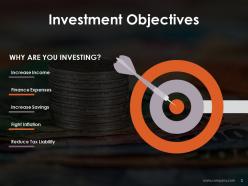
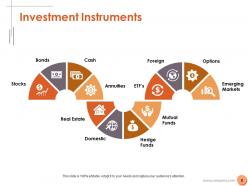
Utilize Slides de Apresentação em PowerPoint de Investimentos para educar seus clientes sobre vários esquemas de investimento, investimentos de longo prazo, benefícios e muito mais. O gerente de investimentos pode apresentar seus diferentes portfólios aos potenciais investidores. Este deck de apresentação completa em PowerPoint de investimentos prontos para conteúdo visa atender a objetivos de investimento específicos em benefício dos investidores. Incorpore modelos como objetivos de investimento, instrumentos de investimento, fundos mútuos, tipos de fundos mútuos, SIPs, fundos negociados em bolsa e muito mais. Este conjunto de slides de apresentação completa de investimentos pode ser usado em vários outros tópicos, como alocação de ativos, análise de demonstrações financeiras, seleção de ações, monitoramento de investimentos existentes, implementação de planos, etc. Os modelos de apresentação em PowerPoint de gestão de investimentos são totalmente personalizáveis. Você pode editar os slides do PPT de acordo com sua conveniência. Edite a cor, o texto, o ícone e o tamanho da fonte conforme necessário. Adicione ou exclua o conteúdo da apresentação, se necessário. Baixe modelos de apresentação em PowerPoint de investimentos prontos para uso para criar um portfólio de investimentos para seus clientes. Familiarize as pessoas com o campo dos computadores com nossos Slides de Apresentação em PowerPoint de Investimentos. Seja capaz de aumentar a exposição digital.
People who downloaded this PowerPoint presentation also viewed the following :
Conteúdo desta apresentação em PowerPoint
Mergulhar nas finanças sem orientação adequada sempre parecerá vagar por uma densa floresta sem um caminho claro. Mas imagine ter um conjunto de Slides do PowerPoint, cada um iluminando o intimidante mundo das finanças, tornando-o mais fácil de entender e conquistar.
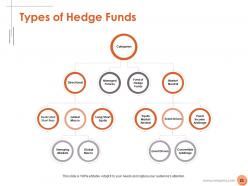
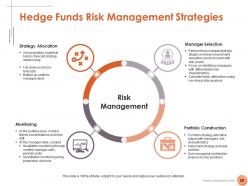
Cada slide de apresentação conta uma história que certamente transformará estratégias de investimento complexas em insights acionáveis. Desde o mundo estável dos títulos até as altas e baixas do mercado de ações, tudo é dividido em partes simples e fáceis de entender. Imagine um slide de apresentação simplificando fundos de hedge com um fluxograma ou mostrando como os ETFs crescem, tudo de uma maneira fácil de entender.
Considere estes mais do que simples Slides do PPT; estes são seu guia pela selva financeira, projetados para ajudá-lo a tomar decisões informadas com confiança.
Então, vamos começar essa jornada juntos. Seja dando conselhos ou apenas começando, esses modelos de apresentação são sua bússola no mundo das finanças, guiando-o em direção ao sucesso. Mergulhe, e deixe cada Template do PPT levá-lo mais perto de dominar a arte do investimento, tornando o complexo mundo das finanças um pouco mais amigável.
Apresentação de slides em PowerPoint sobre investimentos com 44 slides: 1. Introdução aos investimentos 2. Tipos de investimentos 3. Mercado de ações 4. Mercado de renda fixa 5. Fundos de investimento 6. Diversificação de carteira 7. Análise de risco e retorno 8. Planejamento financeiro 9. Tributação de investimentos 10. Investimento em imóveis 11. Investimento em ouro e metais preciosos 12. Investimento em criptomoedas 13. Investimento em startups 14. Investimento em fundos de venture capital 15. Investimento em fundos de private equity 16. Investimento em fundos de hedge 17. Investimento em fundos de índice 18. Investimento em fundos de renda variável 19. Investimento em fundos de renda fixa 20. Investimento em fundos multimercado 21. Investimento em fundos de previdência 22. Investimento em fundos de investimento imobiliário 23. Investimento em fundos de infraestrutura 24. Investimento em fundos de crédito 25. Investimento em fundos de ações 26. Investimento em fundos de renda fixa 27. Investimento em fundos de cambio 28. Investimento em fundos de commodities 29. Investimento em fundos de moedas 30. Investimento em fundos de juros 31. Investimento em fundos de crédito privado 32. Investimento em fundos de dívida 33. Investimento em fundos de ações internacionais 34. Investimento em fundos de renda fixa internacional 35. Investimento em fundos de cambio internacional 36. Investimento em fundos de commodities internacional 37. Investimento em fundos de moedas internacional 38. Investimento em fundos de juros internacional 39. Investimento em fundos de crédito privado internacional 40. Investimento em fundos de dívida internacional 41. Estratégias de investimento 42. Monitoramento e rebalanceamento de carteira 43. Considerações éticas e sustentáveis 44. Conclusão e próximos passos
Apresentação de slides de investimento Elabore sobre a cadeia de eventos que o trouxeram até aqui.











FAQs for Investment
Honestly, start with what you're actually trying to do with your money - like are you saving for a house or just trying to grow wealth? Risk vs return is obvious but liquidity matters too if you might need the cash. Fees will eat you alive if you're not careful, I learned that the hard way. For stocks, dig into the company's basics - are they actually making money? Don't invest in anything that'll make you obsess over your portfolio at 2am. Oh and your timeline matters huge - if you need the money in two years, maybe skip the volatile stuff.
So basically, you spread your money around different stuff - stocks, bonds, international funds, whatever. One thing crashes? The others usually don't all tank at the same time. It's that whole "don't put all your eggs in one basket" thing, which sounds cheesy but actually works. Different investments react weird to market drama, so they kinda balance each other out. Honestly, I learned this the hard way in 2020. Start mixing it up and you'll see way less scary swings in your account. Your future self will thank you.
Look, market research is basically your roadmap for not losing your shirt. It shows you market trends, company basics, and what the competition's doing. Plus you can spot red flags early. I mean, would you buy a house without checking it out first? Same logic applies here. Research separates actual opportunities from all the garbage pumped on social media these days. Works for stocks, bonds, whatever you're into. Oh, and find 2-3 sources you actually trust and can understand - don't overcomplicate it. Without research you're just gambling.
Hey! So basically short-term is like day trading to maybe a couple years - you're constantly watching the market trying to time everything. Super stressful honestly. Long-term is more chill, you buy good stuff and just let it grow for 5+ years. The compound interest does most of the work for you. Short-term means way more fees and taxes eating into your gains. Plus you gotta have nerves of steel. Long-term is more forgiving when you mess up (and trust me, we all do). If you're new to this whole thing, definitely go long-term first.
So behavioral finance is basically about how we're all pretty irrational when it comes to money decisions. Like, you'll probably hold onto losing stocks way too long because nobody wants to admit they screwed up. During market crashes, everyone panics and sells at the worst possible time - it's like a weird herd mentality thing. I mean, the textbooks love to talk about "efficient markets" but that's total BS since real people are making these trades, not emotionless computers. All these psychological quirks add up and create bubbles and crashes. Once you recognize your own biases though, you can actually start making smarter moves.
Oh man, definitely don't dump everything into one stock - learned that one the hard way watching GameStop drama unfold. Diversify that shit. Also? Stop panic selling every time the market has a bad day, and quit chasing whatever stock TikTok's hyping this week. Everyone thinks they can time things perfectly but spoiler alert: they can't. Just grab some boring index funds, throw money at them consistently, and chill for like 10+ years. Trust me, you'll save yourself so many headaches by ignoring all the daily market freakouts.
So basically, economic indicators show you what's happening with the economy and help guide where to invest. Strong GDP + low unemployment usually means growth stocks are safer bets. But if you're seeing stuff like rising unemployment or weird yield curve patterns, maybe stick to bonds or defensive plays instead. Honestly, I've been watching employment reports and GDP data lately - they're pretty solid starting points. It's not perfect obviously, but these signals give you decent context for timing and what to buy. Way better than just guessing, you know?
Honestly, real estate's pretty sweet for steady rent money and it usually goes up when everything else gets more expensive. Plus there's something cool about actually owning a building, you know? But man, you're stuck dealing with tenants and repairs, and you need way more cash upfront. Stocks are the opposite - super easy to buy and sell whenever, and you can spread your money across tons of companies. They bounce around more though, and most don't pay you regularly like rent does. Real estate's usually more stable but locks up your money. Really depends on how much risk you can handle and whether you want to be a landlord or just click "buy" on your phone.
Honestly, robo-advisors are pretty solid for auto-rebalancing your portfolio without thinking about it. Investment apps give you real-time data and make trading super easy. There's also AI stuff for analyzing your portfolio and checking risk levels - though half these apps do basically the same thing with different packaging. Focus on budgeting apps first to see how much you can actually invest, then set up automatic transfers so you don't skip months. Morningstar's great for research when you're picking stocks or funds. Tax-loss harvesting tools are worth it too since they'll save you money come April. Don't try using everything at once though.
Honestly, geopolitical stuff can wreck your investments pretty fast. Markets go crazy, currencies swing all over the place, and whole sectors just tank. Look at what happened with Russian stocks after Ukraine - basically worthless overnight. Investors always run to boring safe stuff like bonds and gold when things get messy, which hammers everything else. Supply chains break down, oil prices go nuts. The annoying thing? You can't really predict this stuff. I mean, who saw that coming exactly when it did? Best you can do is spread your money around different countries and asset types. Don't panic sell when the news gets wild.
So basically interest rates and your investments move in opposite directions - it's this whole seesaw thing. Rates go up? Bond prices tank because newer bonds pay better, plus stocks usually drop since companies can't borrow as cheaply. Your mortgage gets pricier too, obviously. Flip side is when rates fall - bonds do well, stocks often rally from cheaper corporate debt, and you can refinance for less. Honestly the whole system feels backwards sometimes. Just watch your bond duration right now with all this rate chaos, and if you've got variable debt... yeah, that could hurt.
So asset allocation is just spreading your money across different investments - stocks, bonds, whatever. Don't put everything in one place because when stocks crash, maybe your bonds stay solid. It smooths out the crazy ups and downs. You gotta figure out what mix works for your age and how much risk you can handle. Like, I'm more aggressive than my parents would be. Set target percentages for each type, then rebalance every so often when things get too out of whack. Pretty straightforward once you get the hang of it.
Honestly, diversification is your best friend here - spread your money across different types of investments. Dollar-cost averaging works great too, just invest the same amount regularly instead of trying to time the market. I usually rebalance every few months, which basically forces you to buy low and sell high without thinking about it. Having an emergency fund is clutch so you won't panic-sell when things get ugly. Oh and set up automatic investing if you can - takes all the emotional drama out of it. Sounds simple but it actually works.
Taxes will absolutely wreck your returns if you don't think about where stuff goes. Put bonds and REITs in your 401k or IRA since they're tax hogs. Index funds can sit in regular accounts - they're pretty chill tax-wise. Tax-loss harvesting is honestly like found money if you do it right. Oh, and hold things longer than a year before selling. Long-term gains get way better tax rates than short-term. I learned this the hard way my first year investing lol. Always compare what you'll actually keep after taxes, not the flashy gross numbers everyone talks about.
Climate ETFs are huge right now, plus impact bonds targeting specific outcomes. AI screening tools are way better at catching greenwashing than the old methods - honestly, it's about time. Transition investing is blowing up too, where you fund companies that aren't perfect but actually trying to improve. Board diversity requirements are pushing capital around like crazy. Carbon credits are exploding but super volatile. Oh, and I'd probably start by checking your current portfolio's ESG scores - most brokers have free tools for that now. Way easier than starting from scratch.
No Reviews