


Islamic Banking And Finance Fin CD V




Try Before you Buy Download Free Sample Product
 Impress Your
 Audience
 100%
100% Editable
 Save Hours
 of Time


Explore the comprehensive Islamic Banking and Finance PowerPoint presentation, an essential tool for gaining profound insights into the principles and practices of Shariah-compliant finance. This informative Non-interest finance deck thoroughly examines fundamental concepts, regulations, and instruments in Islamic Finance, emphasizing avoiding interest-based transactions, promoting profit and loss sharing, and embracing social and ethical responsibility. Moreover, the Shariah-compliant module explains various financing modes, including Mudarabah, Musharakah, Murabaha, and more. Further, the Profit and loss sharing finance PPT is tailored for finance professionals, entrepreneurs, and those keen on expanding their knowledge. Lastly, this Interest-free finance presentation is valuable for understanding interest-free, asset-based, and Halal finance. Elevate your expertise in ethical finance by accessing this invaluable resource today.
People who downloaded this PowerPoint presentation also viewed the following :
Content of this Powerpoint Presentation
Slide 1: This slide introduces Islamic banking and finance.
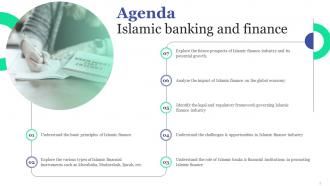
Slide 2: This slide states Agenda of the presentation.
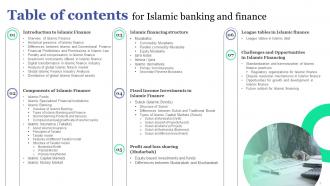
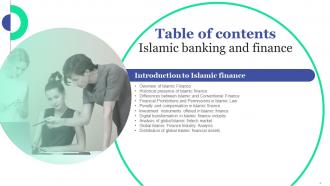
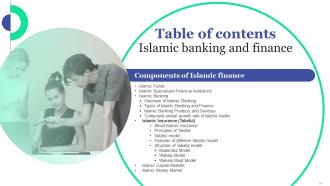
Slide 3: This slide shows Table of Content for the presentation.
Slide 4: This slide highlights title for topics that are to be covered next in the template.
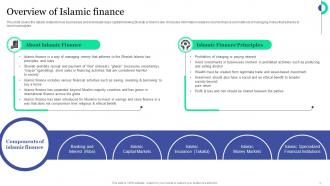
Slide 5: This slide shows Overview of Islamic finance.
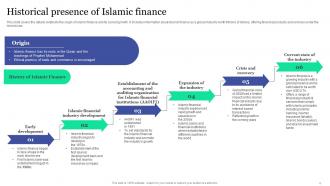
Slide 6: This slide presents Historical presence of Islamic finance.
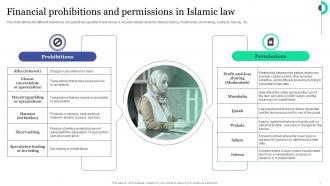
Slide 7: This slide displays Financial prohibitions and permissions in Islamic law.
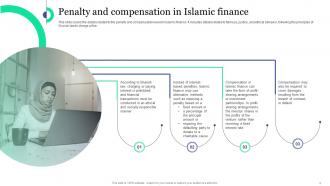
Slide 8: This slide represents Penalty and compensation in Islamic finance.
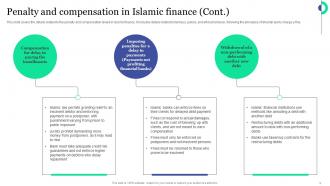
Slide 9: This is another slide continuing Penalty and compensation in Islamic finance.
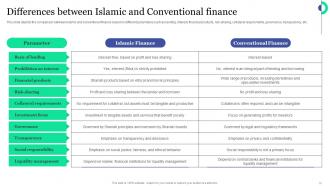
Slide 10: This slide showcases Differences between Islamic and Conventional finance.
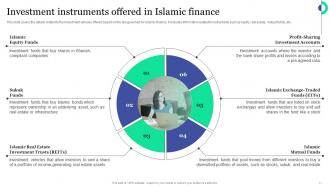
Slide 11: This slide shows Investment instruments offered in Islamic finance.
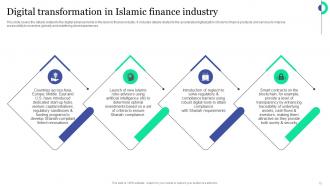
Slide 12: This slide presents Digital transformation in Islamic finance industry.
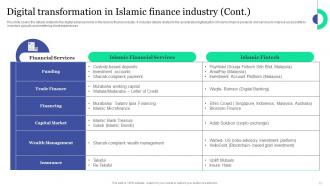
Slide 13: This is another slide continuing Digital transformation in Islamic finance industry.
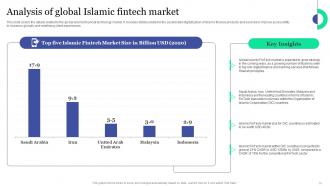
Slide 14: This slide displays Analysis of global Islamic fintech market.
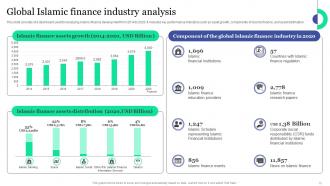
Slide 15: This slide represents Global Islamic finance industry analysis.
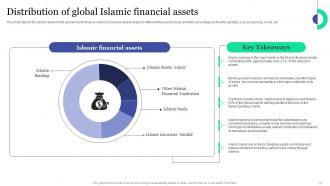
Slide 16: This slide showcases Distribution of global Islamic financial assets.
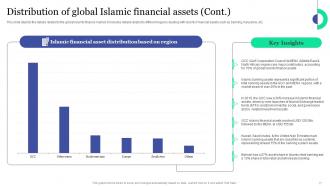
Slide 17: This is another slide continuing Distribution of global Islamic financial assets.
Slide 18: This slide highlights title for topics that are to be covered next in the template.
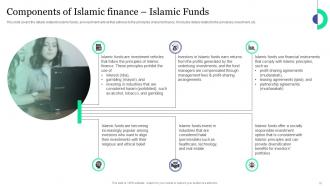
Slide 19: This slide covers the details related to Islamic funds, an investment vehicle that adheres to the principles of Islamic finance.
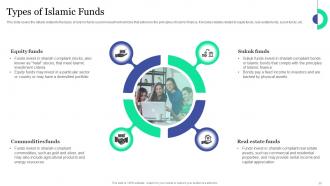
Slide 20: This slide presents types of Islamic funds used in investment vehicles that adhere to the principles of Islamic finance.
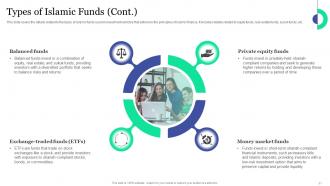
Slide 21: This is another slide continuing Types of Islamic Funds.
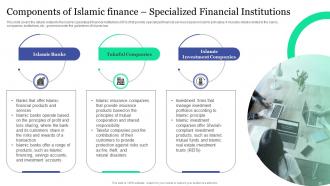
Slide 22: This slide displays Components of Islamic finance – Specialized Financial Institutions.
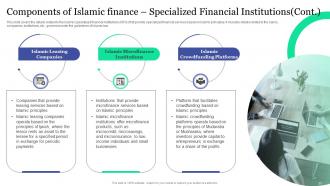
Slide 23: This is another slide continuing Components of Islamic finance – Specialized Financial Institutions.
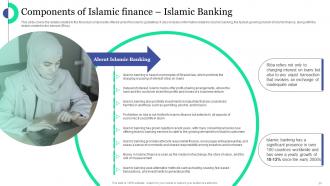
Slide 24: This slide represents Components of Islamic finance – Islamic Banking.
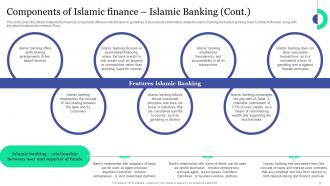
Slide 25: This is another slide continuing Components of Islamic finance – Islamic Banking.
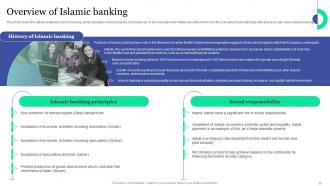
Slide 26: This slide showcases Overview of Islamic banking.
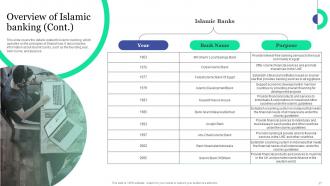
Slide 27: This is another slide continuing Overview of Islamic banking.
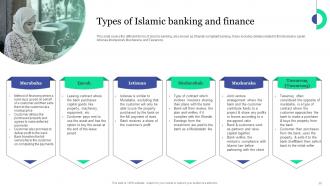
Slide 28: This slide shows Types of Islamic banking and finance.
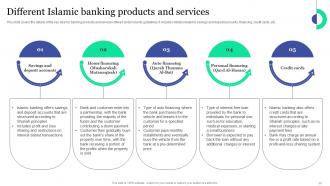
Slide 29: This slide presents Different Islamic banking products and services.
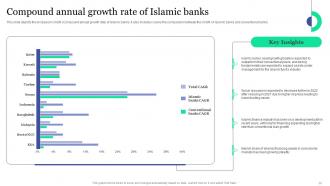
Slide 30: This slide displays Compound annual growth rate of Islamic banks.
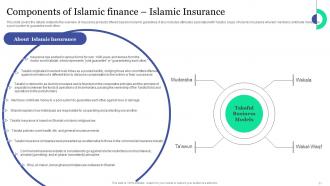
Slide 31: This slide represents Components of Islamic finance – Islamic Insurance.
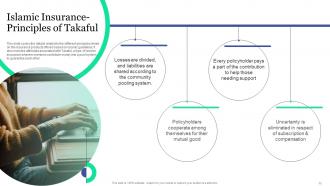
Slide 32: This slide showcases Islamic Insurance- Principles of Takaful.
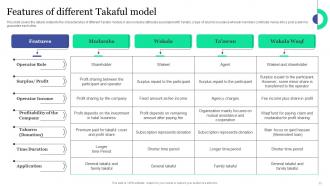
Slide 33: This slide shows Features of different Takaful model.
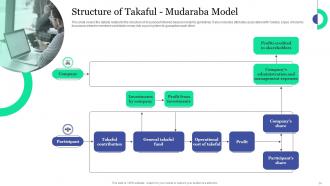
Slide 34: This slide presents Structure of Takaful - Mudaraba Model.
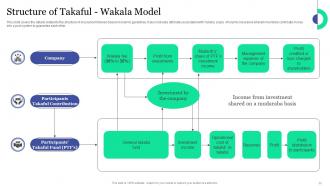
Slide 35: This slide displays Structure of Takaful - Wakala Model.
Slide 36: This is another slide continuing Structure of Takaful - Wakala-Waqf Model.
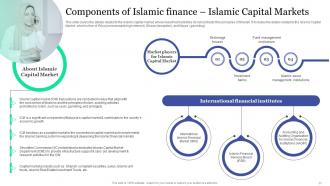
Slide 37: This slide covers the details related to the Islamic capital market, where investment activities do not contradict the principles of Shariah.
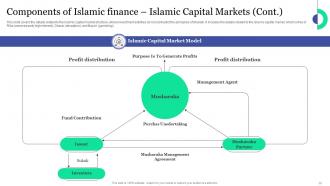
Slide 38: This slide displays Components of Islamic finance – Islamic Capital Markets.
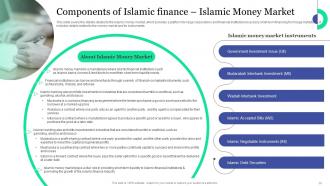
Slide 39: This slide represents Components of Islamic finance – Islamic Money Market.
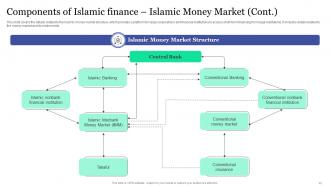
Slide 40: This slide showcases Components of Islamic finance – Islamic Money Market (Cont.).
Slide 41: This slide shows Table of Content for the presentation.
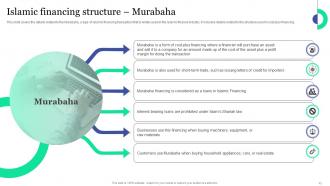
Slide 42: This slide covers the details related to the Murabaha, a type of Islamic financing transaction that is widely used in the Islamic finance industry.
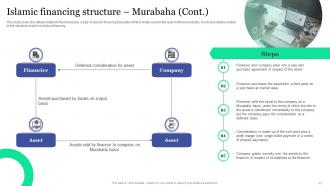
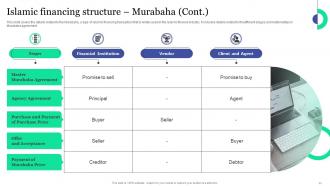
Slide 43: This is another slide continuing Islamic financing structure – Murabaha.
Slide 44: This is another slide continuing Islamic financing structure – Murabaha.
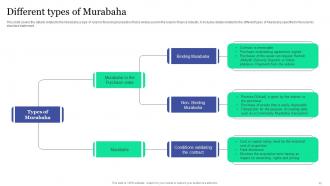
Slide 45: This slide presents Different types of Murabaha.
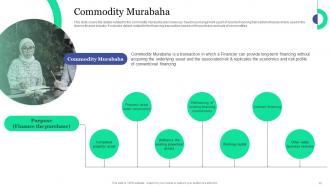
Slide 46: This slide covers the details related to the commodity murabaha also known as Tawarruq Arrangement a part of Islamic financing transactions.
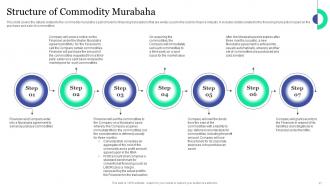
Slide 47: This slide displays Structure of Commodity Murabaha.
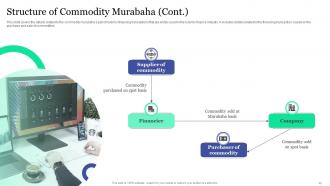
Slide 48: This slide represents Structure of Commodity Murabaha.
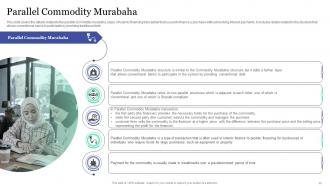
Slide 49: This slide showcases Parallel Commodity Murabaha.
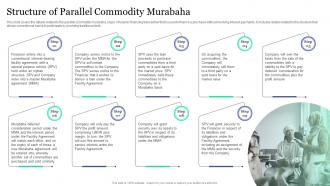
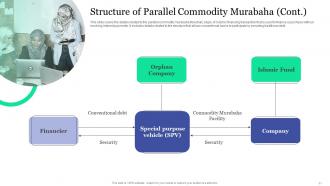
Slide 51: This is another slide continuing Structure of Parallel Commodity Murabaha .
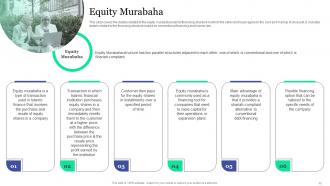
Slide 52: This slide covers the details related to the equity murabaha Islamic financing structure.
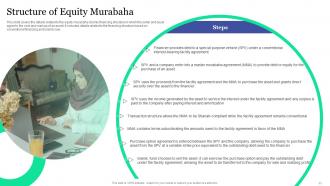
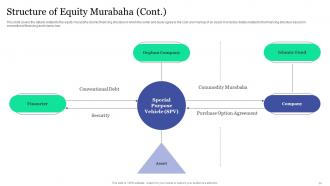
Slide 53: This slide showcases Structure of Equity Murabaha.
Slide 54: This is another slide continuing Structure of Equity Murabaha.
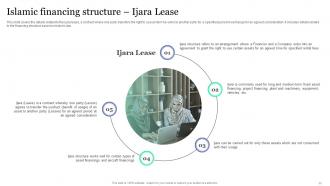
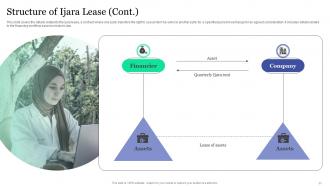
Slide 55: This slide covers the details related to the ijara lease.
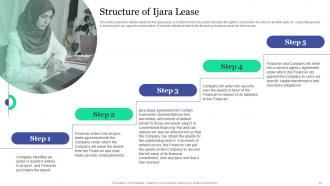
Slide 56: This slide presents Structure of Ijara Lease.
Slide 57: This is another slide continuing Structure of Ijara Lease.
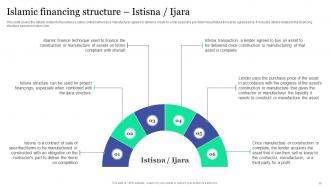
Slide 58: This slide covers the details related to the istisna a sales contract whereby a manufacturer agrees to deliver a made-to-order asset at a pre-determined future time at an agreed price.
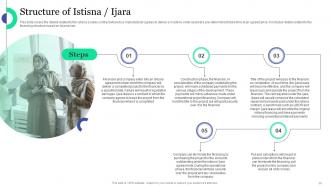
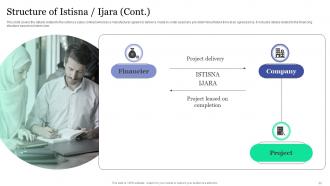
Slide 59: This slide covers the details related to the istisna a sales contract whereby a manufacturer agrees to deliver a made-to-order asset.
Slide 60: This slide covers the details related to the istisna a sales contract.
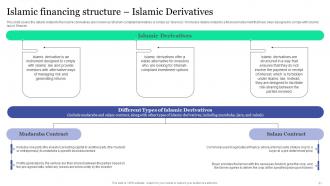
Slide 61: This slide covers the details related to the Islamic derivatives also known as Shariah-compliant derivatives.
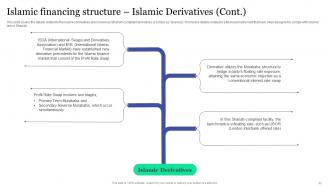
Slide 62: This is another slide continuing Islamic financing structure – Islamic Derivatives.
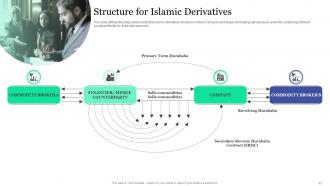
Slide 63: This slide displays Structure for Islamic Derivatives.
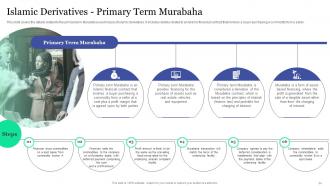
Slide 64: This slide represents Islamic Derivatives - Primary Term Murabaha.
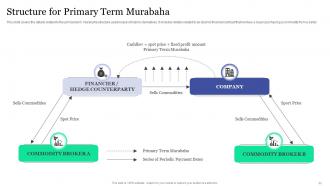
Slide 65: This slide showcases Structure for Primary Term Murabaha.
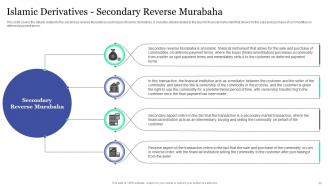
Slide 66: This slide shows Islamic Derivatives - Secondary Reverse Murabaha.
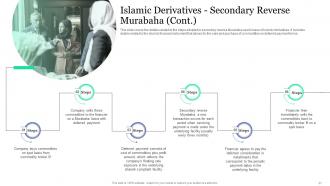
Slide 67: This is another slide continuing Islamic Derivatives - Secondary Reverse Murabaha.
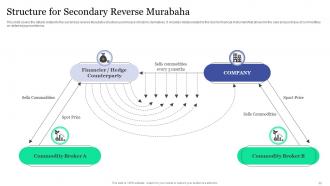
Slide 68: This slide presents Structure for Secondary Reverse Murabaha.
Slide 69: This slide highlights title for topics that are to be covered next in the template.
Slide 70: This slide displays Fixed income investments in Islamic finance.
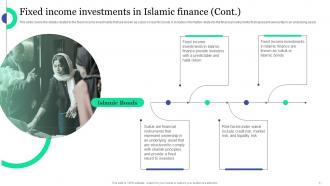
Slide 71: This is another slide continuing Fixed income investments in Islamic finance.
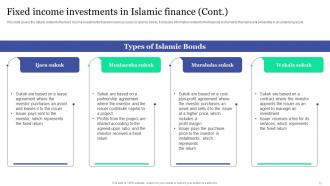
Slide 72: This is another slide continuing Fixed income investments in Islamic finance.
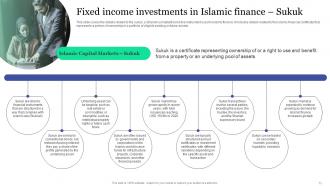
Slide 73: This slide covers the details related to the sukuk, a Shariah-compliant bond-like instrument used in Islamic finance.
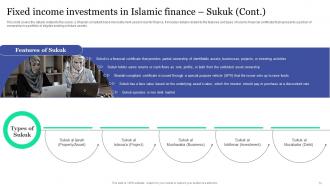
Slide 74: This is another slide continuing Fixed income investments in Islamic finance – Sukuk.
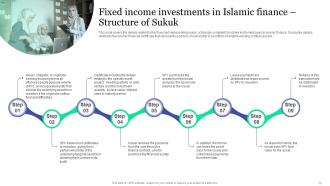
Slide 75: This slide shows Fixed income investments in Islamic finance – Structure of Sukuk.
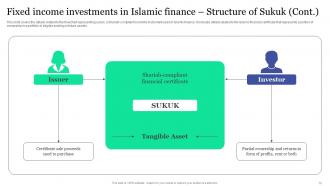
Slide 76: This slide presents Fixed income investments in Islamic finance – Structure of Sukuk.
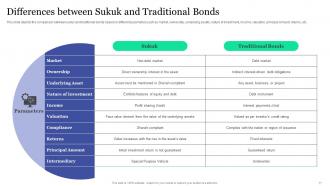
Slide 77: This slide displays Differences between Sukuk and Traditional Bonds.
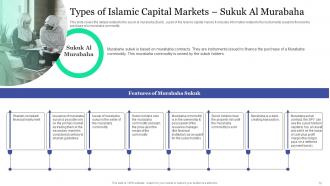
Slide 78: This slide represents Types of Islamic Capital Markets – Sukuk Al Murabaha.
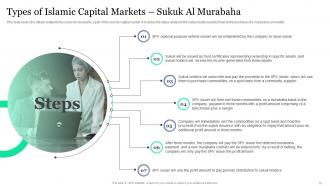
Slide 79: This slide showcases Types of Islamic Capital Markets – Sukuk Al Murabaha.
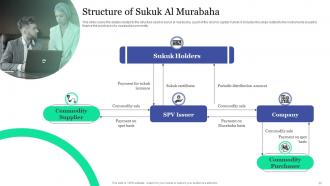
Slide 80: This slide shows Structure of Sukuk Al Murabaha.
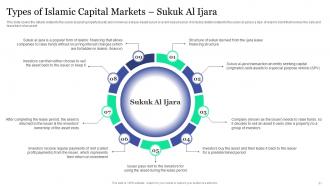
Slide 81: This slide presents Types of Islamic Capital Markets – Sukuk Al Ijara.
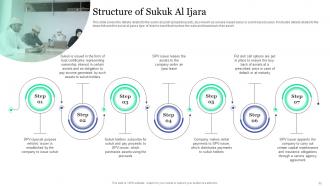
Slide 82: This slide displays Structure of Sukuk Al Ijara.
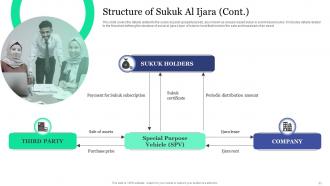
Slide 83: This slide represents Structure of Sukuk Al Ijara.
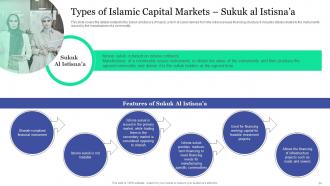
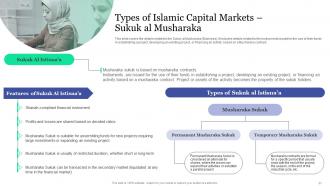
Slide 84: This slide showcases Types of Islamic Capital Markets – Sukuk al Istisna’a.
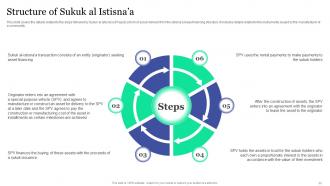
Slide 85: This slide covers the details related to the steps followed by Sukuk al Istisna’a (Project) a form of sukuk derived from the istisna'a lease financing structure.
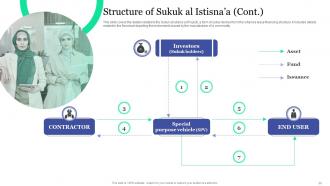
Slide 86: This is another slide continuing Structure of Sukuk al Istisna’a.
Slide 87: This slide shows Types of Islamic Capital Markets – Sukuk al Musharaka.
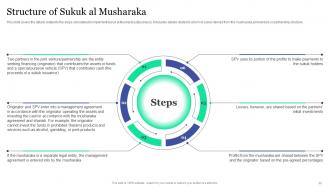
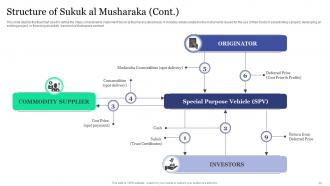
Slide 88: This slide presents Structure of Sukuk al Musharaka.
Slide 89: This is another slide continuing Structure of Sukuk al Musharaka.
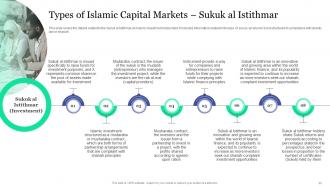
Slide 90: This slide displays Types of Islamic Capital Markets – Sukuk al Istithmar.
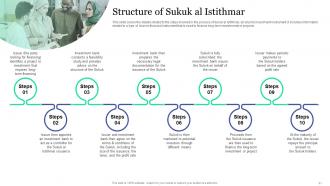
Slide 91: This slide represents Structure of Sukuk al Istithmar.
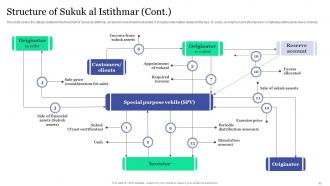
Slide 92: This is another slide continuing Structure of Sukuk al Istithmar.
Slide 93: This slide highlights title for topics that are to be covered next in the template.
Slide 94: This slide covers the details related to equity-based investments and funds provided based on Islamic law guidelines.
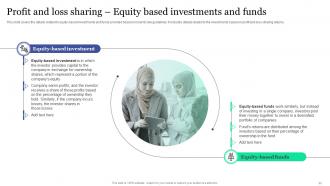
Slide 95: This slide presents Profit and loss sharing – Equity based investments and funds.
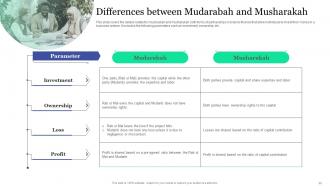
Slide 96: This slide displays Differences between Mudarabah and Musharakah.
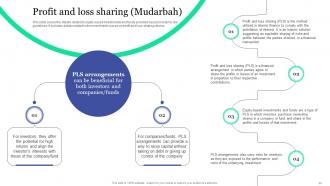
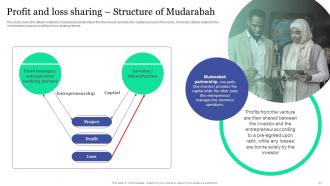
Slide 97: This slide represents Profit and loss sharing – Structure of Mudarabah.
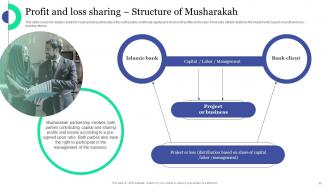
Slide 98: This slide showcases Profit and loss sharing – Structure of Musharakah.
Slide 99: This slide highlights title for topics that are to be covered next in the template.
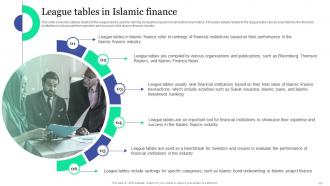
Slide 100: This slide covers the details related to the league tables used for ranking companies based on Islamic financial metrics.
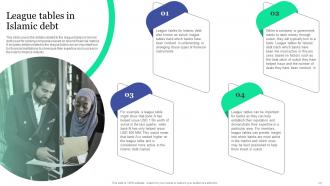
Slide 101: This slide presents League tables in Islamic debt.
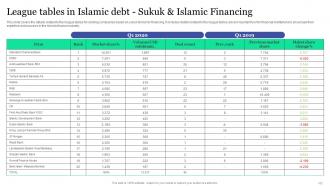
Slide 102: This slide displays League tables in Islamic debt - Sukuk & Islamic Financing.
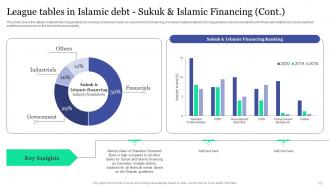
Slide 103: This is another slide continuing League tables in Islamic debt - Sukuk & Islamic Financing.
Slide 104: This slide highlights title for topics that are to be covered next in the template.
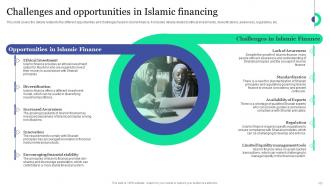
Slide 105: This slide represents Challenges and opportunities in Islamic financing.
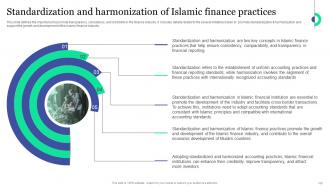
Slide 106: This slide showcases Standardization and harmonization of Islamic finance practices.
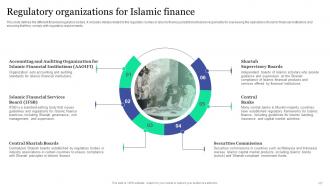
Slide 107: This slide shows Regulatory organizations for Islamic finance.
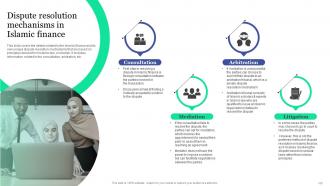
Slide 108: This slide presents Dispute resolution mechanisms in Islamic finance.
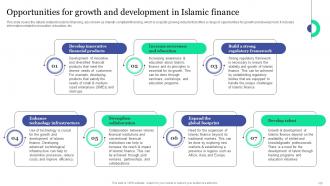
Slide 109: This slide displays Opportunities for growth and development in Islamic finance.
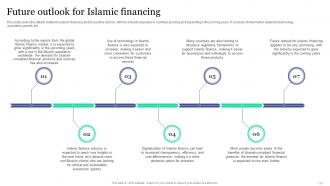
Slide 110: This slide represents Future outlook for Islamic financing.
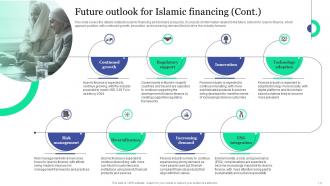
Slide 111: This is another slide continuing Future outlook for Islamic financing.
Slide 112: This slide contains all the icons used in this presentation.
Slide 113: This slide is titled as Additional Slides for moving forward.
Slide 114: This slide provides Clustered Column chart with two products comparison.
Slide 115: This slide provides 30 60 90 Days Plan with text boxes.
Slide 116: This is an Idea Generation slide to state a new idea or highlight information, specifications etc.
Slide 117: This slide presents Roadmap with additional textboxes.
Slide 118: This slide showcases Magnifying Glass to highlight information, specifications etc
Slide 119: This is a Thank You slide with address, contact numbers and email address.
Islamic Banking And Finance Fin CD V with all 121 slides:
Use our Islamic Banking And Finance Fin CD V to effectively help you save your valuable time. They are readymade to fit into any presentation structure.










FAQs for Islamic Banking And Finance
So basically it's all about following Sharia law. No interest allowed - that's the biggest thing that flips everything upside down from regular banking. Can't do gambling or super risky uncertain stuff either. You also can't invest in "bad" industries like alcohol or weapons. Both people have to share the actual risk instead of one person getting guaranteed money back. Everything needs real assets behind it too, not just made-up financial stuff. Honestly, once you get how profit-sharing works instead of interest, the rest starts making sense. That's where I'd start if I were you.
So basically with Islamic banking, you're sharing real business risks instead of getting guaranteed interest. Your returns actually depend on how the business performs - lose money? You might too. Wild difference from regular savings accounts where you get that fixed percentage no matter what happens to your cash after the bank uses it. With mudarabah or musharakah, you're genuinely partnering in actual economic activity. Honestly, it's way more transparent than traditional banking when you think about it. Just heads up though - your returns will bounce around based on real performance, not stay steady.
So Shariah compliance basically controls everything in Islamic banking - what products they can sell and how they're built. No interest allowed (that's riba), no gambling-type investments, and they can't touch stuff like alcohol or pork companies. Banks actually have entire Shariah boards that approve products before launch, which is pretty interesting. The rules get super detailed too. If you're dealing with Islamic banking clients, figure out their compliance stuff early on. Trust me, it'll prevent major headaches when you're trying to structure deals later.
Dude, Islamic banking has grown insanely fast - like from $200 billion to over $3 trillion in just 20 years. It's not just Middle East stuff anymore either. Malaysia and Indonesia are huge now, and even the UK has gotten into it. The sukuk bond market is massive. Actually, most regular banks offer Sharia-compliant products now alongside their normal ones, which is kinda wild when you think about it. If you're looking at ESG or emerging market investing, you should probably learn the basics since there's tons of overlap with sustainable finance trends. Pretty solid space to understand honestly.
So Islamic banks can't touch interest-based stuff, which changes everything about how they handle risk. They're way more into asset-backed deals and profit-sharing instead. Honestly, they're pretty conservative - Sharia law blocks them from crazy speculation and sketchy investments. No derivatives either, which makes hedging a real pain. They work around it with takaful insurance and commodity hedging instead. The interesting part is their risk-sharing partnerships - that's where you see the biggest difference from regular banks. Makes sense when you think about it, just a totally different approach.
So there's four main types you'll run into. Murabaha is the big one - like 70% of all Islamic banking because it's pretty simple cost-plus financing. Then there's Ijara which is basically leasing but the bank actually owns whatever you're using. Musharaka is way more interesting though - you split profits AND losses with the bank instead of paying boring fixed rates. Oh and Sukuk are their version of bonds but backed by real assets to stay halal. Honestly I'd focus on understanding Murabaha first since that's what you'll see everywhere.
Honestly, Islamic banking is pretty smart about including people who got left out of regular finance. Millions couldn't use conventional banks because of their religious beliefs - especially in Muslim countries where the interest thing was a dealbreaker. What's cool is they focus on actual stuff, not just moving money around. Asset-backed deals, risk-sharing, financing real projects like manufacturing and trade. Way less speculation too, which keeps things from getting too crazy. In emerging markets especially, it's driving growth because they're pushing productive investment instead of just financial gambling. Makes sense why it's taking off.
Dude, Islamic banks are stuck in this weird spot where they have to follow Shariah rules but still compete with regular banks. They can't use a ton of financial tools that conventional banks rely on - like derivatives are totally off limits, which makes managing risk way harder. The operational costs are brutal too since they need Shariah boards overseeing everything plus all these complex profit-sharing setups. Finding people who actually know Islamic finance well enough? Good luck with that. Honestly though, if you're thinking about this sector, look for banks that are really pushing innovation while keeping their religious compliance tight.
So sukuk are basically Islamic bonds - they've exploded into this massive $500+ billion market. The cool thing is they're backed by actual assets instead of just debt, so they stay Shariah-compliant. Governments and companies use them to raise money without breaking religious rules. Malaysia and the GCC countries are absolutely killing it in this space, though honestly I've seen growth pretty much everywhere. Oh and here's the thing - sukuk issuances are like a crystal ball for where Islamic finance is headed. Worth watching if you're thinking about opportunities in that sector.
So Islamic banks are literally built around social responsibility - it's not optional. They won't touch alcohol, gambling, or weapons investments. Instead they focus on stuff that actually helps communities. Plus they have to pay zakat (basically religious charity) which is pretty cool. Honestly, it drives their real business decisions way more than regular banks' CSR departments. When you're checking them out, peek at their investment portfolios and community programs. That'll show you if they're walking the walk or just talking a good game about being socially responsible.
So Islamic banks have these Sharia compliance boards - basically independent religious scholars who audit everything to make sure it follows Islamic law. They can't invest in stuff like alcohol or gambling, and they have to publish reports showing exactly where your money goes. The whole system is built on profit-sharing instead of guaranteed interest, which honestly makes way more sense ethically. It's actually super transparent once you dig into it. If you're looking at a specific bank, just grab their annual Sharia report - shows you everything they're doing to stay legit.
Oh man, digital tech is completely changing Islamic banking right now. Fintech companies are building these sick digital sukuk platforms and apps that help Muslims find halal investments super easily. The automated Sharia compliance stuff is pretty cool too - no more manual checking everything. Blockchain's great for keeping Islamic contracts transparent, which honestly makes total sense. Malaysia and UAE banks are killing it with this digital transformation if you want to see what's working. Only tricky part is making sure all these new digital products still follow Islamic principles properly. The governance side gets complicated fast.
Actually Islamic finance handles climate stuff pretty well - they've banned harmful industries forever and need real assets behind everything. Green sukuk are huge now, basically their version of green bonds but way stricter on ethics. Renewable energy projects, sustainable infrastructure, all that. Plus they can't do speculation, so none of those weird carbon trading schemes that honestly seem kinda sketchy anyway. If you're into ESG investing you should totally look into their principles - they've been doing ethical screening since like... forever? Way before it was trendy.
So basically, Malaysia and UAE have way more developed systems - they're doing complex stuff like sukuk bonds. Indonesia's still catching up with just basic banking products, honestly. Regulations are totally different too. Malaysia's pretty much crushing it as the global leader in Islamic finance. Each region interprets Sharia compliance differently which gets confusing. Southeast Asia's infrastructure is still developing compared to Middle Eastern markets. If you're serious about diving into this, definitely study Malaysia's approach first - they've basically perfected the model everyone else tries to copy.
Yeah, it's a massive factor honestly. So many people think Islamic finance is Muslims-only or somehow sketchy compared to regular banks. Total BS but whatever - perception is reality, right? The whole thing gets written off as too complicated or restrictive. But here's the thing - principles like asset-backing actually make more sense than traditional banking when you think about it. The industry's been doing tons of education campaigns lately, trying to show non-Muslims how the risk-sharing stuff benefits everyone. If they crack that code and expand beyond Muslim countries... could be huge. We'll see though.
-
SlideTeam is the way to go when you are in a time crunch. Their templates have saved me many times in the past three months.
-
Awesome use of colors and designs in product templates.
-
Wonderful ideas and visuals. I'm really pleased with the templates, which are unique and up to date.
-
A big thanks to SlideTeam! An incredible and diverse library of templates helped me with my business project presentation.