


Employee Talent Development Powerpoint Presentation Slides





Try Before you Buy Download Free Sample Product
 Impress Your
 Audience
 100%
100% Editable
 Save Hours
 of Time


Provide benefits to your team members and maintain a positive work culture in your organization by using the Employee Talent Development PowerPoint Presentation Slides. You can outline the steps that help you to recruit the right candidate in your company with the aid of the employee value proposition PPT theme. Use employer branding PowerPoint graphic to measure the capabilities and potentials of the staff members. With the help of employee talent development presentation templates, you can maintain a report on the overall employee progression. Employ the human resource management PPT theme to maximize the performance standards of your subordinates. Take the assistance of employee relationship management PPT deck to showcase the different functions like employee relations, payroll, benefits, and training. There are various high-quality slides present in the deck that helps to portray your ideas in a visual manner. You can focus on human resource strategy by downloading our ready-to-use talent management PowerPoint layout.
People who downloaded this PowerPoint presentation also viewed the following :
Content of this Powerpoint Presentation
Slide 1: This slide introduces Employee Talent Development. State Your Company Name and begin.
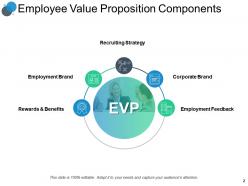
Slide 2: This slide shows Employee Value Proposition Components as- Rewards & Benefits, Employment Brand, Recruiting Strategy, Corporate Brand, Employment Feedback.
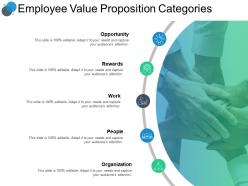
Slide 3: This slide presents Employee Value Proposition Categories as- Opportunity, Rewards, Work, People, Organization.
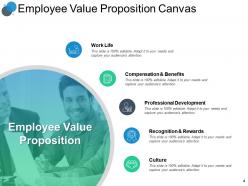
Slide 4: This slide displays Employee Value Proposition Canvas describing- Work Life, Professional Development, Compensation & Benefits, Culture, Recognition & Rewards.
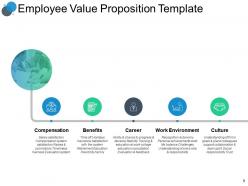
Slide 5: This slide shows Employee Value Proposition Template describing- Career, Culture, Work Environment, Compensation, Benefits.
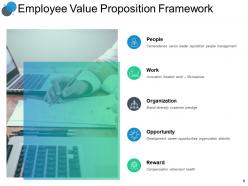
Slide 6: This slide showcases Employee Value Proposition Framework describing- People, Work, Opportunity, Reward, Organization.
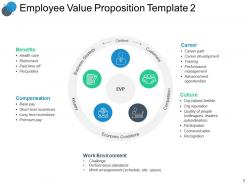
Slide 7: This slide shows Employee Value Proposition Template 2 describing- Career, Culture, Work Environment, Compensation, Benefits.
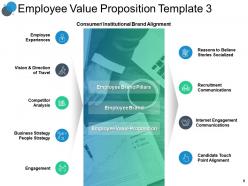
Slide 8: This slide presents Employee Value Proposition Template 3.
Slide 9: This slide reminds about a Coffee Break.
Slide 10: This slide is titled as Additional Slides for moving forward.
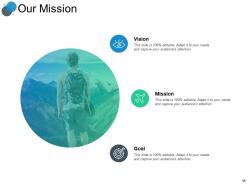
Slide 11: This is Our Mission slide with related imagery and text.
Slide 12: This is Our Team slide with names and designation.
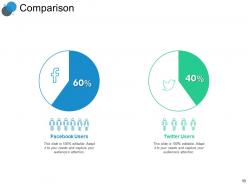
Slide 13: This is a Comparison slide to state comparison between commodities, entities etc.
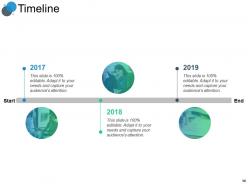
Slide 14: This is a Timeline slide to show information related with time period.
Slide 15: This is a Bulb or Idea slide to state a new idea or highlight information, specifications etc.
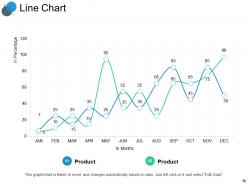
Slide 16: This slide shows Line Chart with two products comparison.
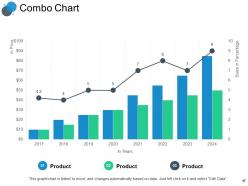
Slide 17: This slide presents Combo Chart with three products comparison.
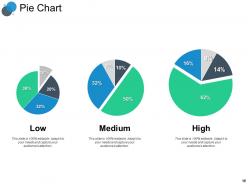
Slide 18: This slide displays Pie Chart with data in percentage.
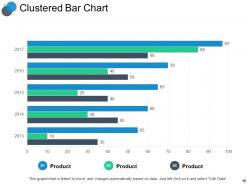
Slide 19: This slide showcases Clustered Bar Chart with three products comparison.
Slide 20: This is a Thank You slide with address, contact numbers and email address.
Employee Talent Development Powerpoint Presentation Slides with all 20 slides:
Use our Employee Talent Development Powerpoint Presentation Slides to effectively help you save your valuable time. They are readymade to fit into any presentation structure.
FAQs for Employee Talent Development
Okay so basically you need four things: figure out what skills people actually have, make custom learning plans, set up mentoring, and do regular check-ins. Most companies totally blow the first part though - they never properly assess where people are at or what they want. Then everything's built on quicksand. Pair folks with mentors internally and create specific milestones they can hit. Don't make it some once-a-year thing either, that's useless. I'd honestly start with your best people first to show it works, then expand from there. Way easier to get buy-in that way.
Honestly, I'd start with informal chats about what actually gets your team excited - you'll be surprised what comes up. Skills assessments work great too, but don't make them feel like tests. One-on-ones are where the magic happens though. People will tell you about talents they're not even using right now. 360 reviews give you the full picture from all angles. Oh, and try rotating people through different projects - nothing shows what someone can really do like putting them somewhere totally new. Just don't make it a once-yearly thing that everyone dreads. Keep it flowing throughout the year.
Honestly, mentorship is like having a cheat code for developing talent. Your people get real feedback and guidance that's way more personal than whatever's in those boring training modules. I've seen mentors catch potential that managers totally miss - probably because they're not drowning in paperwork and reviews all the time. The trick is actually matching people thoughtfully based on personalities and career goals. Don't just randomly pair folks up because that usually backfires. Start small with volunteers if you're launching something new. Success stories will sell the program way better than you ever could.
Honestly, start with an audit of what you've got already - then pick one new thing to try this quarter. AI platforms are great because they actually adapt to how each person learns best and fill in their specific skill gaps. Your LMS can track who's crushing it and who needs help. VR training is pretty cool for hands-on practice without the risk. Mobile learning is huge - people genuinely love doing quick modules on their commute or whatever. Oh, and don't sleep on video platforms for peer sharing. The analytics will show you exactly where people are struggling so you can jump in.
Track the obvious stuff first - promotion rates, who's sticking around (especially your good people), and how fast new hires pick up skills. Engagement scores matter too, plus whether people can actually move around internally. I'd also watch program completion rates and if people use what they learned. Honestly, measuring skill improvements is harder than it sounds but worth it. Pick maybe 3-4 things that match your actual business goals instead of going crazy with data. Check quarterly and drop whatever isn't helping your team grow.
Honestly, just make learning part of the regular routine instead of this big extra thing. Give people like an hour a week for development stuff. Have managers ask "what are you learning?" in those weekly check-ins - and they should share what they're picking up too. Set up some lunch-and-learns or casual knowledge sharing. People love teaching each other anyway. The main thing is connecting growth to actual career moves and recognition. Don't just reward hitting numbers - reward curiosity and skill-building too. Oh, and start with one small thing rather than overhauling everything at once.
Honestly, just talk to people about what they actually want. Not in some formal review meeting - like, real conversations about where they're headed. Let them pick their own training stuff instead of forcing courses on everyone. Peer mentoring works surprisingly well, way better than I expected when we first tried it. Give them projects they're excited about, not just busy work. And celebrate wins publicly - people eat that up. The whole thing falls apart if you can't connect their growth to stuff they genuinely care about. Some want promotions, others just want cooler work.
Honestly, you've gotta bake feedback into everything instead of saving it for those awkward annual reviews. Build it into team meetings, project debriefs, whatever you're already doing. Make it specific though - none of that "great work!" fluff that doesn't help anyone grow. Mix up your sources too: peer feedback, having people review their managers (always interesting), self-assessments. Oh, and here's the part most companies mess up - actually show people how their feedback connects to real development opportunities. Otherwise it just feels like busy work, you know?
Ugh, budget issues are the worst - plus convincing higher-ups it's worth it. Finding time is impossible when everyone's drowning in regular work. ROI tracking? Good luck with that since you can't really measure development like sales figures. Some people just don't care about growing professionally either, which is honestly pretty demotivating. Programs that try to work for everyone usually suck because we all learn totally differently. Oh, and tie everything to business results when you pitch it or executives will zone out. Start with something small first - maybe just test it with one team and see what actually gets people engaged.
Honestly, you've gotta figure out what each person actually wants first - some are gunning for promotions, others just want to master their craft. Skip those boring checkbox conversations and have real talks about their goals. Mix it up from there: mentoring works great for relationship people, throw challenging projects at your ambitious ones, run skill workshops for detail nerds. Oh and definitely survey them about learning styles upfront - saves you from guessing wrong. The whole point is giving people different paths instead of shoving everyone through identical programs.
Honestly, leadership makes or breaks the whole thing. Without them actually caring, your talent programs just sit there doing nothing. They control the money and time, so if they're not bought in, forget it. What works is showing them the numbers they already obsess over - like retention rates and performance stuff. Once they see how development directly hits those metrics, they usually get it. The best leaders I've worked with don't just approve programs, they're out there giving feedback and learning new things themselves. Makes all the difference when people see that commitment from the top.
Honestly, most companies totally mess this up by just doing random training. Start with what you're actually trying to achieve business-wise. Expanding into Asia? Focus on cross-cultural skills for those markets specifically. Pick the roles that'll really move the needle, then build development around those exact competencies. Don't waste time on generic leadership stuff unless it connects to your goals. And here's the thing - track real impact, not just who finished the course. Like, did sales actually improve after that product training? That's what matters.
Honestly, just sit down and actually talk to each person first. Find out what they want and where they're struggling - generic plans are useless. Get them involved in creating it too, don't just dump something on their desk. Mix it up with real training, challenging projects, maybe some mentoring. Oh and make it specific with actual deadlines, not vague "someday" stuff. Check in every few months. The biggest thing? Connect their development to projects they're already doing. Nobody wants development that feels like homework on top of their real job. Trust me on that one.
External programs are like turbo boost for your internal training. Use them to plug skill gaps - you know, specialized certifications or niche industry stuff your team can't teach internally. They're perfect for getting fresh perspectives too, since honestly we all get tunnel vision working in the same place. Just be smart about it though. Map each program to actual competencies you're building, don't just send people to random events because they sound cool. The real magic happens when employees come back and actually apply what they learned to their day-to-day work.
Oh, this is so true! People who get growth opportunities stick around way longer and actually like their jobs. Nobody wants to feel trapped in the same role forever - that's miserable. Investment in skills shows you value them as people, not just bodies filling seats. Plus the numbers don't lie - companies with solid development programs have way less turnover. Honestly, I've seen this firsthand at my old job. Regular career chats help too. Just ask what kind of growth they're after.
-
Informative design.
-
Appreciate the research and its presentable format.