


Kotters 8 Step Model Guide For Leading Change CM CD




Try Before you Buy Download Free Sample Product
 Impress Your
 Audience
 100%
100% Editable
 Save Hours
 of Time


Check out our professionally designed Kotters 8-Step Model Guide for Leading Change presentation deck. This Change Management Model PPT unveils the core concepts of change management and immerses you in the intricacies of John Kotters renowned 8-Step Change Model. Moreover, the Change Leadership Model PowerPoint discovers the art of crafting an effective change management process CMP and unravels its pivotal significance in todays evolving business landscape. Further, the Organizational change model template delves into the strategic prowess of Kotters Model as we navigate through each steps principles, implementation, and real-world examples. Lastly, the Change Management Framework PowerPoint presentation gives a blazing sense of urgency to foster a guiding coalition that navigates through barriers you will master the art of steering change. Learn to forge a strategic vision, communicate change effectively, generate short-term wins, and make change a perpetual force in your organizations DNA. Are you ready to revolutionize your leadership approach. Download our presentation deck now and embark on your journey to become a change catalyst. Embrace Kotters 8-Step Model and reshape the future of your organization.
People who downloaded this PowerPoint presentation also viewed the following :
Content of this Powerpoint Presentation
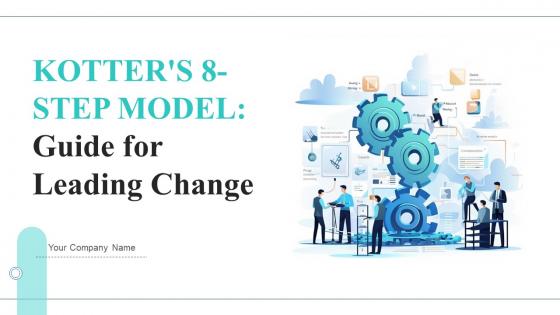
Slide 1: The slide introduces KOTTER'S 8-STEP MODEL: Guide for Leading Change. State your Company name.
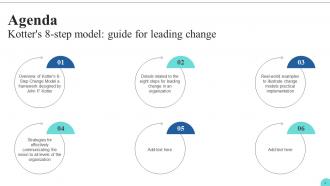
Slide 2: This is an Agenda slide. State your agendas here.
Slide 3: The slide introduces the 8-step process for leading change with a message to readers.
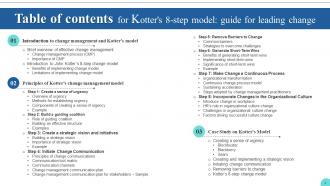
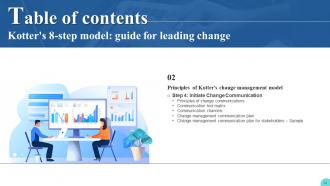
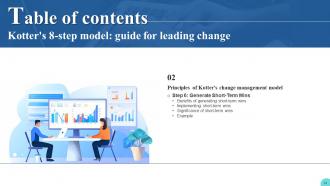
Slide 4: The slide displays Table of contents for presentation.
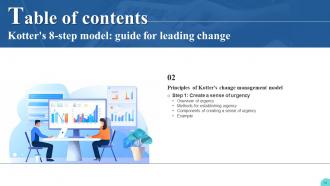
Slide 5: The slide again represents Table of contents further.
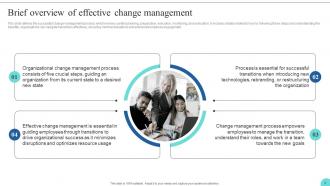
Slide 6: This slide defines the successful change management process, which involves careful planning, preparation, execution, monitoring, and evaluation.
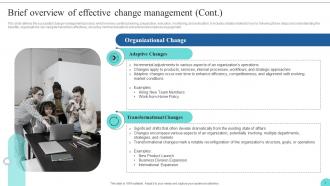
Slide 7: This slide continues the successful change management process, which involves careful planning, preparation, execution, monitoring, and evaluation.
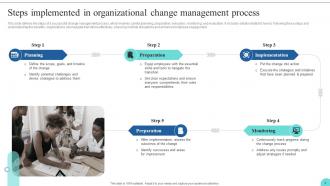
Slide 8: This slide shows the steps of a successful change management process, which involves careful planning, preparation, execution, monitoring, and evaluation. It includes details related to how by following these steps and understanding the benefits, organizations can navigate transitions effectively, ensuring minimal disruptions and enhanced employee engagement.
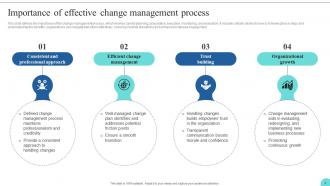
Slide 9: This slide defines the importance of the change management process, which involves careful planning, preparation, execution, monitoring, and evaluation.
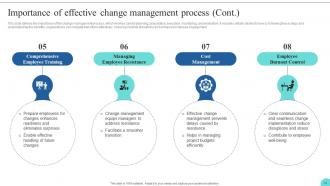
Slide 10: This slide continues the importance of the change management process, which involves careful planning, preparation, execution, monitoring, and evaluation.
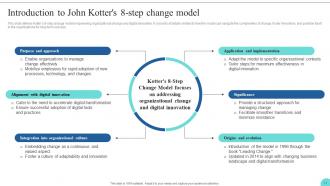
Slide 11: This slide defines Kotter’s 8-step change model empowering organizational change and digital innovation.
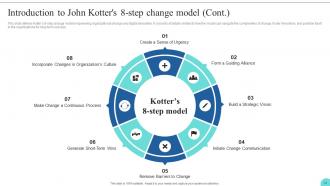
Slide 12: This slide defines Kotter’s 8-step change model empowering organizational change and digital innovation.
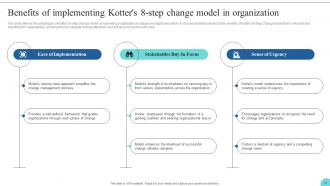
Slide 13: This slide defines the advantages of Kotter's 8-step change model, empowering organizational change and digital innovation.
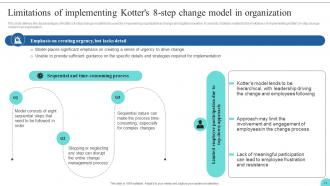
Slide 14: This slide defines the disadvantages of Kotter’s 8-step change model that is used for empowering organizational change and digital innovation.
Slide 15: The slide renders Title of contents further.
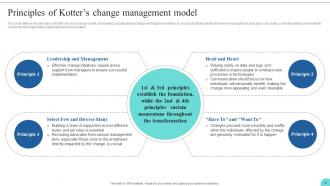
Slide 16: This slide highlights the principles of Kotter’s 8-step change model, empowering organizational change and digital innovation.
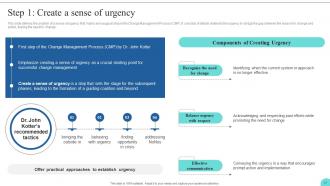
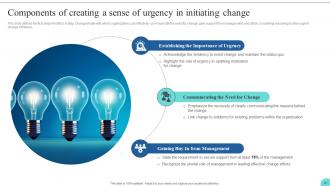
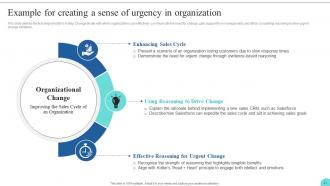
Slide 17: This slide defines the creation of a sense of urgency that marks an inaugural step in the Change Management Process (CMP).
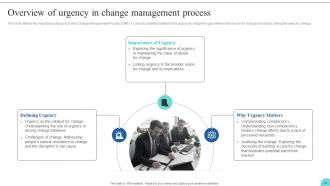
Slide 18: This slide illustrates the importance of urgency in the Change Management Process (CMP).
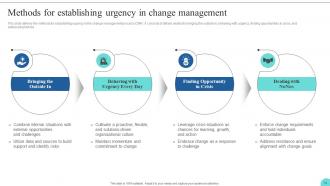
Slide 19: This slide depicts the methods for establishing urgency in the change management process (CMP).
Slide 20: This slide describes the first step in Kotter’s 8-Step Change Model.
Slide 21: This slide continues the first step in Kotter’s 8-Step Change Model.
Slide 22: The slide renders Title of contents further.
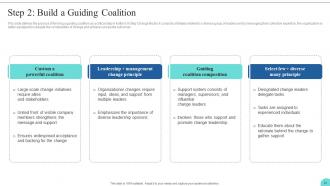
Slide 23: This slide defines the process of forming a guiding coalition as a critical step in Kotter's 8-Step Change Model.
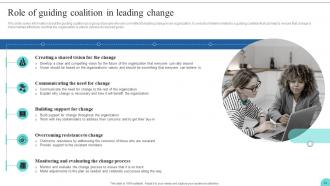
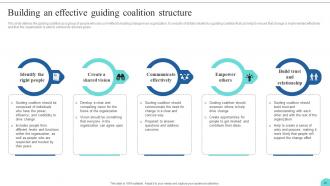
Slide 24: This slide covers information about the guiding coalition as a group of people who are committed to leading change in an organization.
Slide 25: This slide illustrates the guiding coalition as a group of people who are committed to leading change in an organization.
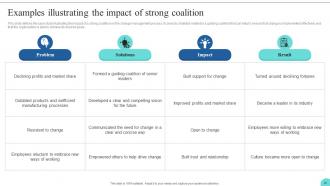
Slide 26: This slide defines the case study illustrating the impact of a strong coalition on the change management process.
Slide 27: The slide depicts Title of contents which is to be discussed further.
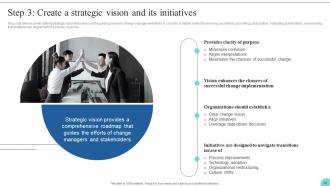
Slide 28: This slide defines a well-defined strategic vision that serves as the guiding source in change management efforts.
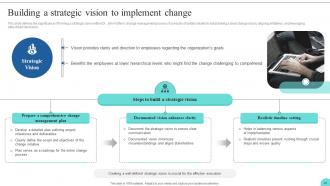
Slide 29: This slide represents the significance of forming a strategic vision within Dr. John Kotter's change management process.
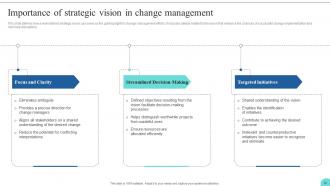
Slide 30: This slide defines how a well-defined strategic vision can serve as the guiding light for change management efforts.
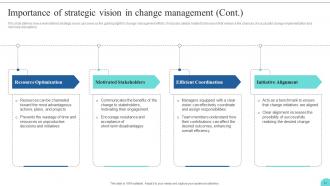
Slide 31: This slide continues how a well-defined strategic vision can serve as the guiding light for change management efforts.
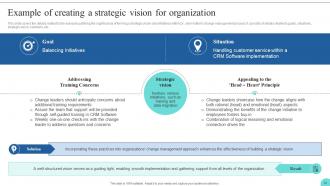
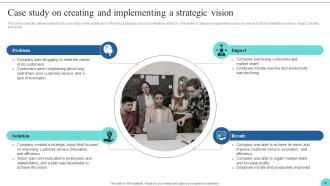
Slide 32: This slide covers the details related to the example justifying the significance of forming a strategic vision and initiatives.
Slide 33: The slide demonstrates Title of contents further.
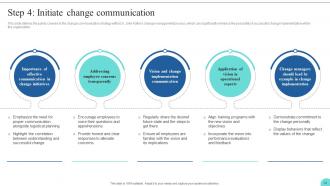
Slide 34: This slide defines the points covered in the change communication strategy within Dr. John Kotter's change management process.
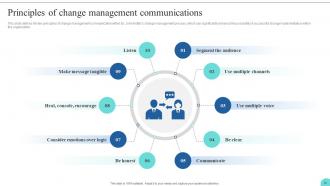
Slide 35: This slide displays the ten principles of change management communication within Dr. John Kotter's change management process.
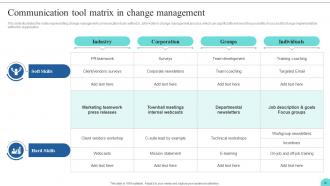
Slide 36: This slide illustrates the matrix representing change management communication tools within Dr. John Kotter's change management process.
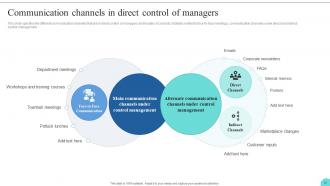
Slide 37: This slide specifies the different communication channels that are in direct control of managers and leaders.
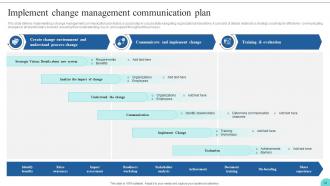
Slide 38: This slide defines implementing a change management communication plan that is a crucial step in successfully navigating organizational transitions.
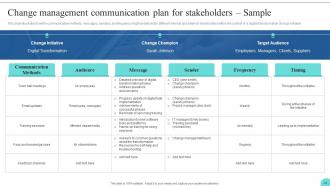
Slide 39: This slide illustrates how the communication methods, messages, senders, and frequency might be tailored to different internal and external stakeholders.
Slide 40: The slide renders Title of contents further.
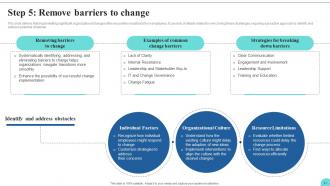
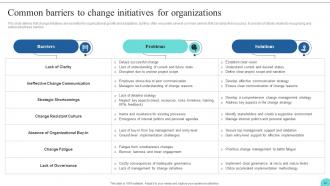
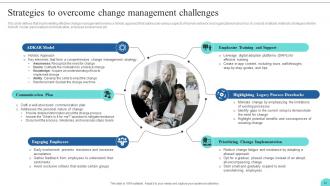
Slide 41: This slide defines that implementing significant organizational changes often encounters resistance from employees.
Slide 42: This slide highlights that change initiatives are essential for organizational growth and adaptation.
Slide 43: This slide defines that Implementing effective change management involves a holistic approach that addresses various aspects of human behavior.
Slide 44: The slide renders Title of contents which is to be discussed further.
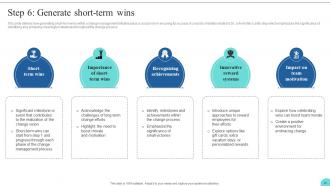
Slide 45: This slide defines how generating short-term wins within a change management initiative plays a crucial role in ensuring its success.
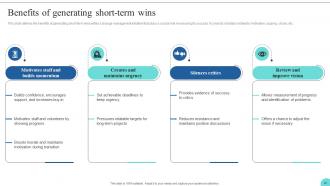
Slide 46: This slide highlights the benefits of generating short-term wins within a change management initiative that plays a crucial role in ensuring its success.
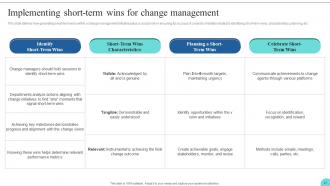
Slide 47: This slide defines how generating short-term wins within a change management initiative plays a crucial role in ensuring its success.
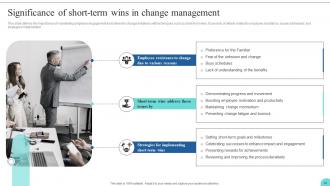
Slide 48: This slide depicts the importance of maintaining employee engagement and interest in change initiatives with techniques such as short-term wins.
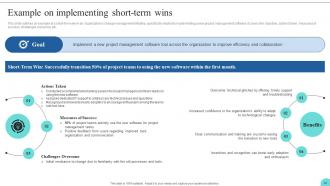
Slide 49: This slide outlines an example of a short-term win in an organization's change management initiative.
Slide 50: The slide renders Title of contents further.
Slide 51: This slide defines the key concepts of sustaining change as a continuous process.
Slide 52: This slide represents the key concepts of sustaining change as a continuous process.
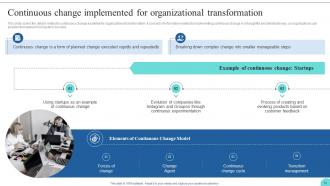
Slide 53: This slide covers the details related to continuous change essential for organizational transformation.
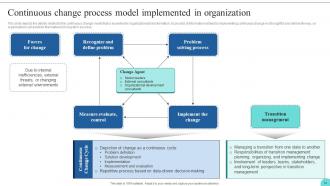
Slide 54: This slide depicts the details related to the continuous change model that is essential for organizational transformation.
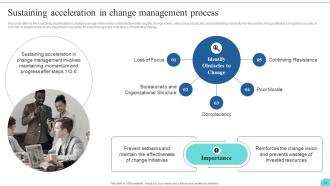
Slide 55: This slide defines the sustaining acceleration in change management involves consistently reinforcing the change vision, etc.
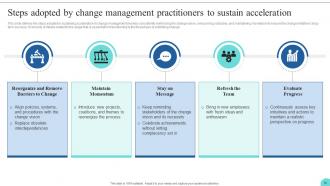
Slide 56: This slide displays the steps adopted in sustaining acceleration in change management.
Slide 57: The slide shows Title of contents further.
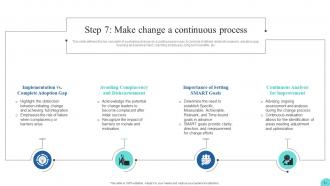
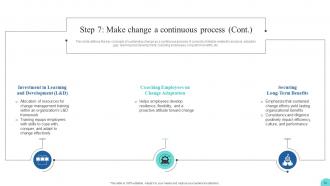
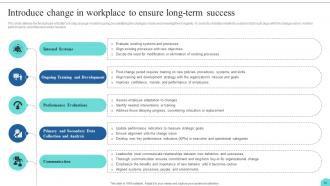
Slide 58: This slide defines that the change initiatives are not just about implementing new processes; they require a fundamental shift in behaviors and attitudes.
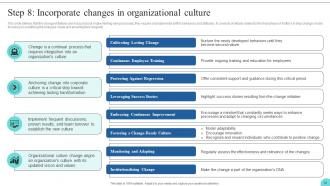
Slide 59: This slide represents the final phase of Kotter’s 8-step change model focusing on solidifying the changes made and ensuring their longevity.
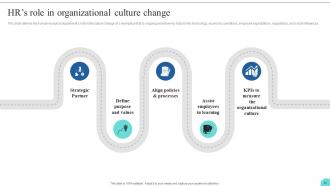
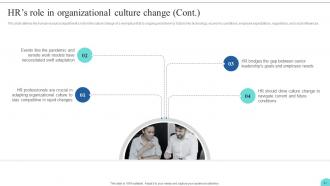
Slide 60: This slide defines the human resource department’s role in the culture change of a workplace that is ongoing and driven by factors.
Slide 61: This slide continues the human resource department’s role in the culture change of a workplace that is ongoing and driven by factors.
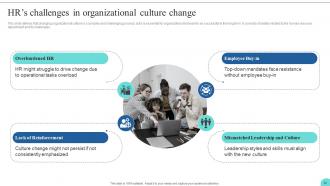
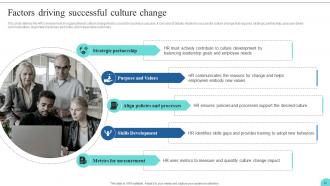
Slide 62: This slide defines that changing organizational culture is a complex and challenging process.
Slide 63: This slide highlights the HR’s involvement in organizational culture change that is crucial for business success.
Slide 64: The slide renders Title of contents further.
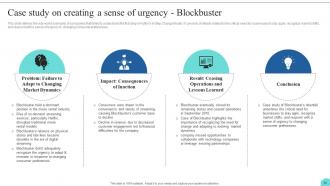
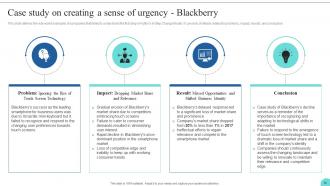
Slide 65: This slide defines the real-world examples of companies that failed to understand the first step in Kotter’s 8-Step Change Model.
Slide 66: This slide continues the real-world examples of companies that failed to understand the first step in Kotter’s 8-Step Change Model.
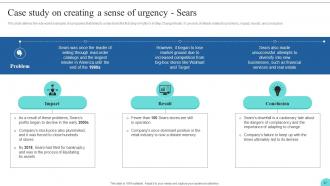
Slide 67: This slide again shows the real-world examples of companies that failed to understand the first step in Kotter’s 8-Step Change Model.
Slide 68: This slide covers the details related to the case study on the significance of forming a strategic vision and initiatives.
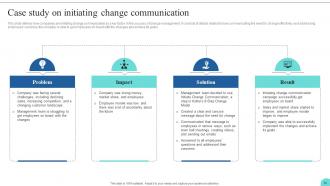
Slide 69: This slide defines how companies are initiating change communication as a key factor in the success of change management.
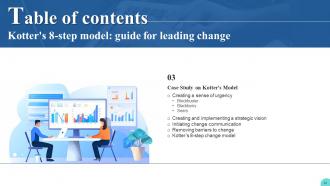
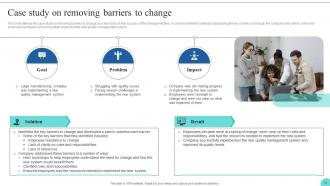
Slide 70: This slide highlights the case study on removing barriers to change as a key factor in the success of the change initiative.
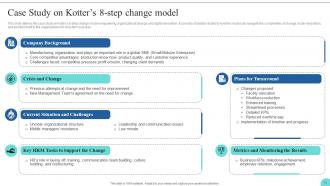
Slide 71: This slide defines the case study on Kotter’s 8-step change model empowering organizational change and digital innovation.
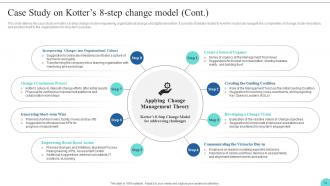
Slide 72: This slide continues the case study on Kotter’s 8-step change model empowering organizational change and digital innovation.
Slide 73: This slide shows all the icons included in the presentation.
Slide 74: This slide is titled as Additional Slides for moving forward.
Slide 75: This is Our Target slide. State your targets here.
Slide 76: This is an Idea Generation slide to state a new idea or highlight information, specifications etc.
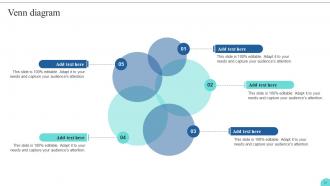
Slide 77: This slide depicts Venn diagram with text boxes.
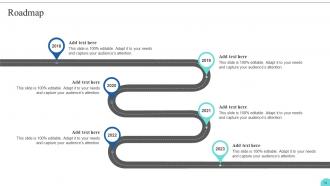
Slide 78: This slide presents Roadmap with additional textboxes.
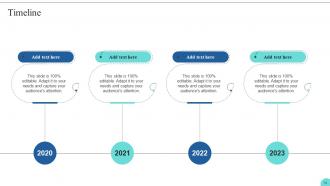
Slide 79: This is a Timeline slide. Show data related to time intervals here.
Slide 80: This is a slide with address, contact numbers and email address.
Kotters 8 Step Model Guide For Leading Change CM CD with all 88 slides:
Use our Kotters 8 Step Model Guide For Leading Change CM CD to effectively help you save your valuable time. They are readymade to fit into any presentation structure.









FAQs for Kotters 8 Step Model Guide For Leading
So there are 8 steps you gotta follow in order: create urgency, build a guiding coalition, develop vision/strategy, communicate that vision, empower action, generate quick wins, keep momentum going, then make it stick. Sounds overwhelming when I type it all out! But here's the thing - you can't skip around. Most people mess up by jumping ahead without doing the groundwork first. Like, they'll try empowering everyone before getting leadership on board. That never works. The urgency part is huge too - figure out what's actually forcing this change in your situation first.
Honestly, you've got to make staying put feel scarier than making a change. Hit them with real numbers - "Our competitor grabbed 15% market share while we dropped 8%" works way better than some vague "we have challenges" nonsense. I've watched too many leaders try to sugarcoat this stuff and it never works. Tell stories they'll actually connect with. Show how doing nothing screws them over personally. The whole point is getting everyone to go "we can't keep this up" instead of "ugh, this looks complicated."
Here's the thing - you can't just grab whoever shows up to meetings. Map out who actually has pull in your company first. Target senior people, department heads, anyone with real credibility. I learned this the hard way at my last job! One-on-one conversations work way better than group pitches initially. Make sure you're hitting the areas that'll be most impacted by whatever you're changing. You need people who genuinely care about this stuff, not just the ones who nod along. Coalition building is honestly more about reading the room than following some playbook.
So Step 3 is basically creating your roadmap - this is what gets everyone moving together instead of scattered everywhere. Trust me, I've watched teams fall apart because nobody knew what they were actually working toward. Your vision has to paint a clear picture people can get excited about, you know? Then the strategy maps out how you'll actually get there. It's like having directions instead of just wandering around hoping for the best. Oh and here's the thing - if you can't explain both in under two minutes to literally anyone, you need to simplify. People zone out fast when things get too complicated.
Honestly, repetition is your best friend here. Tell the story behind your vision - people remember stories way better than boring bullet points. Town halls help, but don't stop there. Bring it up in random meetings, send updates, maybe throw together some visuals or videos. Your leadership team better be on the same page though, or you'll confuse everyone. The real trick? Don't announce it once and call it done. Keep hammering it home until people know it by heart. I've seen too many great visions die because someone got lazy with the follow-through.
Here's what worked for me - give your team real decision-making power instead of making them jump through approval hoops. Bureaucracy is honestly the fastest way to kill any momentum you've built up. Train people properly so they're not scared to mess up the changes you're implementing. Sometimes you gotta move the stubborn blockers out of the way (not fun but whatever). The biggest thing though? Fix the systems that are literally fighting against what you're trying to do. Don't just tell people to change - actually make it simpler for them to do it.
Dude, you NEED those quick wins or your whole change thing will just die. Seriously. People get so burned out on these long projects - I've seen it happen everywhere. Celebrating early victories shows the doubters that stuff is actually happening, not just more corporate BS. It's like proving your point before anyone can shoot it down. Plus everyone gets recharged when they see progress. Find some wins you can knock out in like 6-12 months, then make noise about them when they happen. Without that fuel, you'll lose people way before you cross the finish line.
Don't just send some generic "great work everyone" message and think you're done. Share the actual numbers - people get excited seeing real progress. Call out specific people by name in company emails or team meetings and explain exactly how their work moved the needle. Like, "Sarah's new process saved us 3 hours daily" instead of vague praise. Connect it back to your bigger goals too. Honestly, most companies treat this like checking a box, but when you make it genuine and specific, people actually feel seen. Skip the corporate fluff - just be real about what happened and why it mattered.
Don't celebrate too early - that's honestly where most changes just die out. Keep that sense of urgency going while you tackle the next round of improvements. Quick wins are your friend here, build on what's already working. Communication is huge too, don't slack off just because things seem good right now. People burn out on change super fast! Bring in new people to champion the next phase, and make sure everyone can actually see the progress happening. Oh, and figure out what's next before your current success gets old. That momentum thing is real.
Honestly, the culture piece is the hardest part - it's so messy and hard to pin down. But you've gotta embed this stuff into your daily operations or it'll just fade away. Update your hiring to find people who actually match the new vibe. Change performance reviews so they reward the behaviors you want. Share stories about wins that show what you're going for. Also tweak your policies and procedures to back up the changes. Even think about workspace design if that matters. Look at what systems currently prop up the old ways and swap them out. It takes time but it works.
Kotter's 8-step thing is perfect for massive changes - like when companies merge or go fully digital. Works great in big corporations where you need everyone marching in the same direction. Smaller stuff though? Total overkill. I've seen teams waste months on his framework for simple process changes. Startups especially should skip it - way too slow and rigid when you need to move fast. It really depends on your company's vibe. Traditional, hierarchical places eat this up. But if you're in an agile environment or dealing with quick pivots, you'll want something way more flexible.
Honestly, you've gotta track different stuff at each phase. Start by checking if leadership is actually engaged and if employees get why this change matters - surveys work great for that. Then see if your coalition is working and people believe in the vision. Are they buying in or just nodding along? Later on, count your quick wins and watch resistance levels. Also track whether changes are actually sticking in how people work day-to-day. Oh, and set measurable goals upfront for each step - otherwise you're just crossing your fingers and hoping everything works out.
Honestly, most people just rush through everything when they're panicking about results. Bad move. Companies think building urgency happens overnight, then they celebrate way too early after like one small win. Leadership tries to dump it all on middle managers instead of actually stepping up themselves. Here's the thing though - you've got to communicate that vision constantly. Kotter literally says 10x more than what feels normal, which sounds insane but whatever. Don't skip ahead in the sequence just because it gets awkward. I know it's tempting when things feel slow, but stick with the process.
You can't just flip a switch and expect people to follow along - engagement matters at every step. The first four phases get people emotionally invested (creating urgency, building coalitions, developing vision, communicating). Steps 5-6 are where employees become active participants instead of just sitting on the sidelines. Honestly, the last two steps only work if people genuinely bought in earlier. Otherwise everything just reverts back, which is super frustrating. Oh, and don't forget to track engagement metrics from day one - you're basically hoping for the best if you're not measuring how people actually feel throughout the process.
Totally! Kotter works great with other frameworks. I'd pair it with ADKAR since that one actually covers the individual stuff Kotter kind of glosses over. Lean Six Sigma is solid for the process side too. Oh, and if you're doing agile changes, they mesh pretty well together. Just use Kotter as your main structure - then let the other frameworks handle specific pieces like communication or dealing with pushback. Don't try cramming everything together though. Pick what actually fits your situation. Some combinations just feel forced, you know?
-
Excellent work done on template design and graphics.
-
The designs are very attractive and easy to edit. Looking forward to downloading more of your PowerPoint Presentations.