


Presentación de diapositivas de la propuesta de préstamo





Try Before you Buy Download Free Sample Product
 Impress Your
 Audience
 100%
100% Editable
 Save Hours
 of Time


Con nuevas vías para diferentes negocios que surgen a un ritmo tan acelerado, existe una demanda creciente de inversión de capital entre los emprendedores emergentes. Si bien existen múltiples rutas para obtener financiación en el escenario actual, el método más conocido sigue siendo un préstamo de inversión. Convence a tus clientes potenciales de los méritos de hacer negocios con tu empresa con nuestras Diapositivas de Presentación de Propuesta de Préstamo. Con las características destacadas de la presentación completa organizadas dentro de la tabla de contenido de este conjunto de propuestas de PPT, asegúrate de que tus clientes entiendan el alcance completo de tu oferta de financiación. Simplificar los principales objetivos de tu proyecto de provisión de capital dentro del contexto de la propuesta de esta plantilla de presentación de PPT permitirá que ambas partes permanezcan en la misma página. Educa a tu posible empresa prestataria sobre la amplia variedad de opciones de financiación disponibles con tu empresa de inversión de capital en el hermoso diagrama informativo de la diapositiva de PPT incluido en este conjunto de propuestas. Exhibe las virtudes de tu firma bancaria a través de un gráfico comparativo detallado que incluye la tasa de interés y la facilidad de hacer negocios en esta presentación de PowerPoint. Explica el procedimiento para obtener el préstamo comercial en un diagrama de flujo fácil de entender diseñado dentro de la diapositiva del proceso de aprobación de esta presentación. Representa el rango y la línea de tiempo de la división y el monto de las cuotas mensuales en una tabla de datos detallada y profesional organizada dentro de este diseño de presentación de PowerPoint. Impresiona a tus posibles clientes con los beneficios adicionales de trabajar con tu banco, como tarjetas de crédito, préstamos personales, servicios especializados, etc., dentro de esta presentación de propuesta de PPT. Aumentar la confianza de tus clientes en tu empresa se puede lograr mediante una sección diseñada con inteligencia para las credenciales y la historia de la empresa. Un mapa mundial que muestra el amplio alcance de las operaciones de tu empresa asegura que tus clientes potenciales aprendan sobre el alcance de las múltiples oportunidades de negocios a través de esta presentación de propuesta de préstamo en PPT.
People who downloaded this PowerPoint presentation also viewed the following :
Contenido de esta presentación de Powerpoint
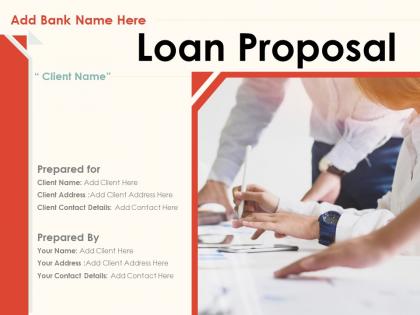
Diapositiva 1: Esta diapositiva presenta la Propuesta de Préstamo. Indique los detalles del cliente y comience.
Diapositiva 2: Esta diapositiva muestra la Tabla de Contenido de la presentación.
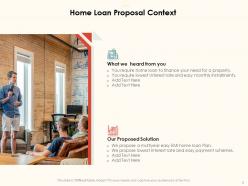
Diapositiva 3: Esta diapositiva muestra el Contexto de la Propuesta de Préstamo Hipotecario.
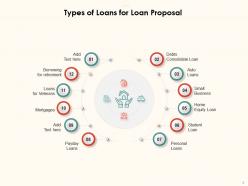
Diapositiva 4: Esta diapositiva muestra los Tipos de Préstamos para la Propuesta de Préstamo, como Deudas, Préstamo Consolidado, Préstamos para Automóviles, Pequeña Empresa, Préstamo con Garantía Hipotecaria, Préstamo Estudiantil, Préstamos Personales, Préstamos de Día de Pago, etc.
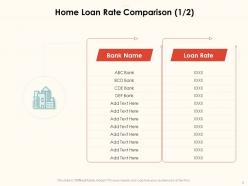
Diapositiva 5: Esta diapositiva representa la Comparación de Tasas de Préstamos Hipotecarios.
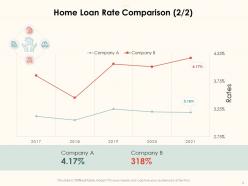
Diapositiva 6: Esta diapositiva muestra la Comparación de Tasas de Préstamos Hipotecarios.
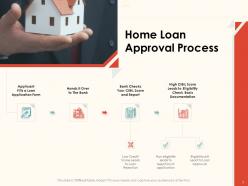
Diapositiva 7: Esta diapositiva muestra el Proceso de Aprobación de Préstamos Hipotecarios.
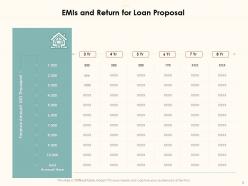
Diapositiva 8: Esta diapositiva representa las Cuotas Mensuales y el Retorno para la Propuesta de Préstamo.
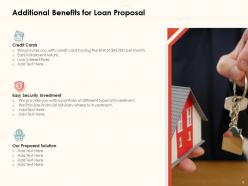
Diapositiva 9: Esta diapositiva representa los Beneficios Adicionales para la Propuesta de Préstamo.
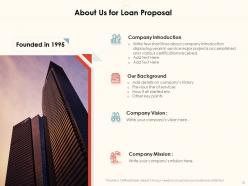
Diapositiva 10: Esta es la diapositiva Sobre Nosotros. Escriba algunas líneas cortas sobre la introducción de la empresa, mostrando los años de servicio, los principales proyectos realizados y las diversas certificaciones recibidas.
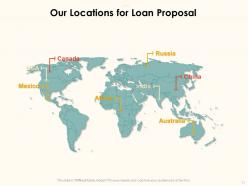
Diapositiva 11: Esta diapositiva muestra Nuestras Ubicaciones para la Propuesta de Préstamo.
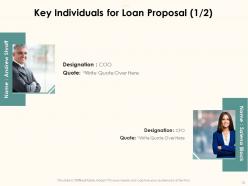
Diapositiva 12: Esta diapositiva presenta a las Personas Clave para la Propuesta de Préstamo con sus Nombres y Cargos.
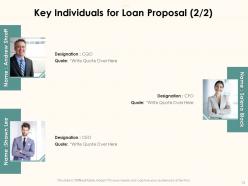
Diapositiva 13: Esta diapositiva presenta a las Personas Clave para la Propuesta de Préstamo con sus Nombres y Cargos.
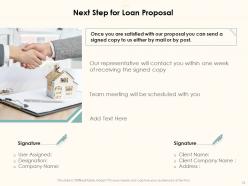
Diapositiva 14: Esta diapositiva muestra el Siguiente Paso para la Propuesta de Préstamo. Una vez que esté satisfecho con nuestra propuesta, puede enviarnos una copia firmada por correo o por correo postal.
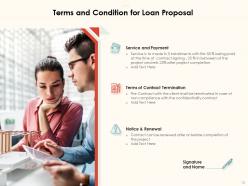
Diapositiva 15: Esta diapositiva muestra los Términos y Condiciones para la Propuesta de Préstamo.
Diapositiva 16: Esta es la diapositiva de Contáctenos con la Dirección de la Empresa, Sitio Web y Cuentas de Redes Sociales, Logotipo de la Empresa y Nombre.
Diapositiva 17: Esta es la Diapositiva de Iconos para la Propuesta de Préstamo.
Diapositiva 18: Esta diapositiva se titula Diapositivas Adicionales para avanzar.
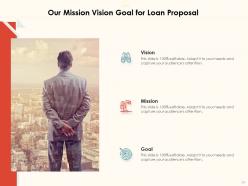
Diapositiva 19: Esta diapositiva muestra Nuestra Misión, Visión y Objetivo para la Propuesta de Préstamo.
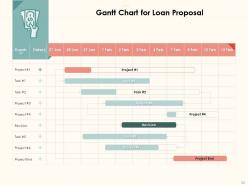
Diapositiva 20: Esta diapositiva presenta el Diagrama de Gantt para la Propuesta de Préstamo.
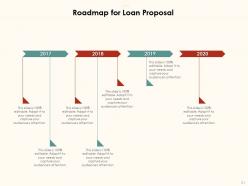
Diapositiva 21: Esta diapositiva representa la Hoja de Ruta para la Propuesta de Préstamo.
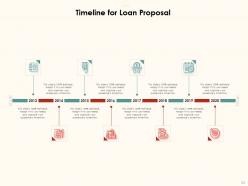
Diapositiva 22: Esta diapositiva muestra la Línea de Tiempo para la Propuesta de Préstamo.
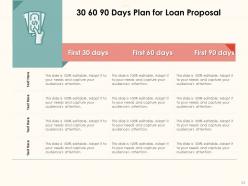
Diapositiva 23: Esta es la diapositiva del Plan de 30, 60 y 90 Días.
Diapositivas de presentación de la propuesta de préstamo con las 23 diapositivas.
Resalte la contribución de los elementos importantes con nuestra Presentación de Diapositivas de Propuesta de Préstamo. Identifique los elementos integrales.



FAQs for Loan proposal
So you need your business plan with all the financial stuff, plus credit history and whatever collateral you've got. Banks are obsessed with cash flow projections - show them realistic numbers proving you can pay back the loan. State exactly how much you want and what it's for. If it's for business, yeah you'll probably need personal guarantees (which honestly sucks but whatever). Include your team's background too. Industry experience helps you look legit. The whole point is making it seem like they're missing out if they don't fund you.
Look, you've gotta paint a picture that makes total sense to them. Walk them through what problem you're solving and who's paying for it. Show your revenue streams and market size, but here's the thing - don't just throw numbers at them like you're reading a spreadsheet. That's painfully boring. Explain why your projections make sense and prove you actually get the risks in your industry. Honestly, specific milestones help a ton because lenders love seeing concrete checkpoints. Make it dead simple for them to imagine you succeeding and they'll want to bet on you.
Start with your debt-to-income ratio - lenders are crazy obsessed with that number. Cash flow statements are huge too, especially showing consistent monthly revenue over 2-3 years. Your credit score, obviously. Collateral value matters, plus they'll want to see your profit margins. Oh, and present everything super clean with clear numbers - none of that messy spreadsheet stuff. Honestly? The cash flow piece usually makes or breaks it since that's where they see if your business actually runs well. I've seen people with decent credit get denied because their monthly numbers were all over the place.
Dude, definitely add some charts to your loan proposal. Most loan officers are stuck reading boring text all day, so yours will actually stand out. Turn those cash flow numbers into line graphs instead of ugly spreadsheets. Maybe throw in a pie chart showing where the money's going. Charts help highlight the good stuff - like your debt ratios or projected returns - without making people dig through paragraphs. I learned this the hard way on my first proposal attempt, honestly. Just don't go crazy with them. Keep it clean and focus on maybe 3-4 charts that back up your best points. Cluttered visuals are actually worse than none at all.
Dude, biggest thing is being way too vague about the money. Don't just say "business stuff" - actually explain what equipment or inventory you're buying. Your financial docs need to be complete too, and honestly, banks can smell BS projections from a mile away. If your credit's messy, just own it upfront instead of pretending it doesn't exist. Also this sounds dumb but proofread everything! Nothing says "I'm bad with details" like typos on a loan application. Oh and make your repayment plan realistic - they've seen every overly optimistic timeline before.
Look, your executive summary is basically make-or-break time. Loan officers are swamped, so this is your one shot to grab their attention right off the bat. You want to front-load all your best stuff - your track record, solid finances, how you'll actually pay them back. It shows you can think clearly about your business too. Honestly, most people mess this part up and wonder why they get rejected. Get this section right and lenders will actually want to keep reading instead of tossing your proposal in the "maybe later" pile.
Bank statements and tax returns from the last 2-3 years are your best friends here. Pay stubs work great if you're traditionally employed, but grab those profit/loss statements if you work for yourself. Calculate your debt-to-income ratio beforehand - honestly, lenders eat that stuff up when it's already done for them. Got any loans you've been crushing the payments on? Definitely mention that track record. Oh, and list out your assets too. The whole point is making their decision brain-dead easy. They shouldn't have to guess whether you're good for the money.
Banks want real stuff they can sell - property, equipment, inventory, that kind of thing. You'll need appraisals, ownership docs, and current values for everything. Honestly, I've watched so many people mess this up by being lazy with their paperwork. Your collateral needs to be worth more than the loan, usually like 20-30% extra. Make a simple table showing each asset and its value. Oh, and get fresh appraisals - nothing over six months old or they'll probably give you grief about it.
Here's the deal - each lender type has totally different priorities, so you've gotta tailor your pitch. Banks are super conservative and want rock-solid financials plus collateral. Credit unions care way more about your relationship with them and community stuff. Online lenders? They're all about speed and your digital presence. Private investors are honestly the most interesting - they actually want to hear your story and passion, not just boring spreadsheets. Oh, and they're obviously chasing good returns. Research what each group typically funds first. Then adjust your whole approach - the tone, metrics, everything. Lead with whatever they care about most.
Dude, you gotta nail that executive summary first - hook them right away. Back everything up with real numbers though. Cash flow projections, your credit score, what collateral you've got. Don't try to hide any red flags either, address them upfront before they even ask. Oh and definitely research who you're pitching to. Banks hate generic proposals that could've been sent to anyone. Testimonials help too if you have decent ones. Honestly, just make it super easy for them to say yes. The less risky you seem, the better your chances.
Look, lenders want proof, not pipe dreams. Market research gives you that backup – like actual survey data showing people want your product instead of just saying "trust me, they'll buy it." You can show competitor gaps, demographic info, whatever supports your case. Banks are skeptical by nature (honestly, can you blame them?). Hard data turns your loan pitch from hopeful guessing into something credible. Charts help too if you've got them. Visual stuff is way easier to digest than paragraph after paragraph of explanations.
Risk assessment is like the make-or-break part of your loan proposal. Banks want to see you've looked at the borrower's credit, income stability, debt ratios - all that financial stuff. Address any red flags upfront instead of hoping they won't notice (spoiler: they will). Show them you've thought through what could go wrong and how you'd handle it. Honestly, including a backup plan for worst-case scenarios makes you look way more prepared than most people. The more thorough you are with risk analysis, the better your chances of getting approved with decent terms.
Make a "Key Personnel" section and show off what your team's actually done - not just their job titles. Like "managed $2M budget" or "led team through 15% growth." Banks really care about the people behind the business, honestly more than you'd think. Highlight anyone with industry experience or leadership chops that connect to what you need the loan for. Oh, and if someone on your team has handled debt well before or paid off loans successfully, definitely throw that in there. They love seeing you're not gonna be their problem child.
Okay so you'll need your financial statements from the last 2-3 years, plus cash flow projections and your business plan. Tax returns too - both personal and business. If you're putting up collateral, bring those docs. They'll pull your credit report anyway, but having it ready makes you look prepared. Articles of incorporation, partnership stuff, any contracts that back up your revenue numbers - basically anything that proves your business is legit. Oh and here's something nobody tells you - organize it all in folders. Seriously, loan officers deal with messy applications all day and they remember the organized ones.
Okay so definitely go for "confident business partner" vibes, not desperate borrower energy. Be direct about your numbers and what you need the money for - lenders actually hate vague estimates and flowery BS. Use "request" instead of "ask for" and skip contractions in the formal parts. Your business plan should do most of the work here, honestly. Keep sentences clear and let your financials speak for themselves. Professional but not stuffy, you know? And whatever you do, don't overthink the language - they want facts, not poetry.
No Reviews