

Manufacturing Company Profile Powerpoint Presentation Slides CP CD




Try Before you Buy Download Free Sample Product
 Impress Your
 Audience
 100%
100% Editable
 Save Hours
 of Time


A company profile provides an overview of an organizations most critical points, which helps the investors and stakeholders evaluate the business value and performance. Check out our professionally designed Manufacturing Company Profile PowerPoint presentation. Firstly, the manufacturing PPT covers the executive summary, company introduction, business model, global presence, product portfolio, key facts, and our clients. Also, this profile shows the Board of Directors and revenue growth from 2018 to 2022. Moreover, this aerospace PowerPoint outlines business finances, such as revenue by segment and region. It also outlines the total deals done and deal value. Finally, this airplane manufacturing PowerPoint illustrates business performance evaluation with a competitor and SWOT analyses. It further outlines a future plan and SWOT analysis. Lastly, it shows CSR activities. Download our 100 percent editable and customizable template, also compatible with Google Slides.
People who downloaded this PowerPoint presentation also viewed the following :
Content of this Powerpoint Presentation
Slide 1: This slide showcase title Manufacturing Company Profile.
Slide 2: This slide exhibit Table of content.
Slide 3: This slide exhibit Table of content.
Slide 4: The slide showcases the executive summary to provide brief insights of company.
Slide 5: The slide showcases the overview of the company. It includes elements such as type, founding year, industry type, employees strength, stock symbol.
Slide 6: The slide showcases the mission and approach and mission.
Slide 7: This slide showcases the key products of an aerospace company. It includes product categories such as commercial planes and space equipments.
Slide 8: This slide showcases the key products of aerospace company company.
Slide 9: This slide represents the history and milestones for the aerospace company, highlighting company establishment, establishment of the new segment.
Slide 10: This slide showcases the awards and recognition of tech company.
Slide 11: This slide represents global presence of tech company which covers regions such as North America, Latin America, Middle East, Europe, India, Asia Pacific and China.
Slide 12: This slide showcases the key members of management board with their designation roles.
Slide 13: This slide showcases the organization structure of aerospace company.
Slide 14: This slide showcases the combined shareholding pattern of aerospace company.
Slide 15: This slide showcases the employee count of aerospace company.
Slide 16: This slide showcases the employee count of aerospace company. It includes employees count by location and employees count by group.
Slide 17: This slide represents statistics related to employee diversity at aerospace company.
Slide 18: This slide showcases business expenditure on product research and development.
Slide 19: This slide showcases the airplane orders and deliveries of an aerospace company. It includes elements such as unfilled orders, TYD deliveries and YTD Gross orders.
Slide 20: This slide showcases the total shareholder return of and aerospace company. It includes aerospace company, S&P 500 Aerospace & defense and S&P 500 Index.
Slide 21: This slide focuses on business model canvas of aerospace company. It covers key partners, key activities, value proposition, customer relationships
Slide 22: This slide showcases the tech company competitors comparison. It includes key metrics such as number of employees, founding year, valuation, revenue.
Slide 23: This slide showcases aerospace company previous five years revenue along with year on year growth and decline.
Slide 24: This slide showcases aerospace company revenue distribution by products and services.
Slide 25: This slide showcases aerospace company revenue distribution by region such as America, Europe, Greater China, Japan and rest of Asia Pacific.
Slide 26: This slide represents the net sales of an aerospace company. It includes net sales by region such as United states, China and other countries.
Slide 27: This slide showcases aerospace company operating expenses in US$ and operating margin.
Slide 28: This slide showcases Aerospace company operating income earned during last five years.
Slide 29: This slide showcases the net profit of an Aerospace company.
Slide 30: This slide represents the balance sheet financials (Assets) of Aerospace company.
Slide 31: This slide represents the balance sheet financials (Liabilities) of Aerospace company.
Slide 32: This slide represents the cash flow statement of Aerospace company. It includes elements such as operating activities, investing activities and finance activities.
Slide 33: This slide represents the earning per share of an Aerospace company. It includes elements such as basic share and diluted share.
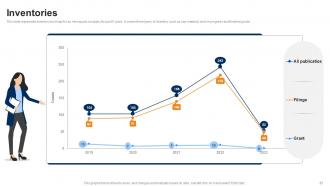
Slide 34: This slide represents inventory summary for an Aerospace company for past 5 years.
Slide 35: This slide showcases the total number of deals done by Aerospace company.
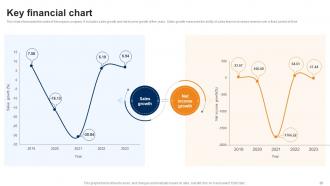
Slide 36: This slide showcases the sales of Aerospace company. It includes sales growth and net income growth of five years.
Slide 37: This slide represents inventory summary for an Aerospace company for past 5 years.
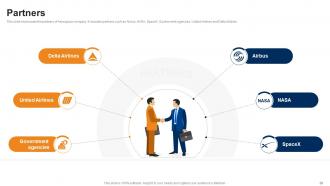
Slide 38: This slide showcases the partners of Aerospace company. It includes partners such as Airbus, NASA, SpaceX, Government agencies, United Airlines and Delta Airlines.
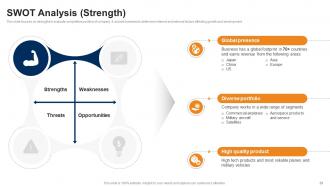
Slide 39: This slide focuses on strengths to evaluate competitive position of company.
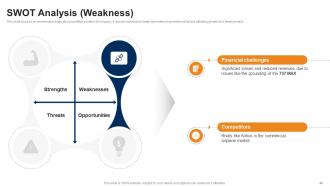
Slide 40: This slide focuses on weakness to evaluate competitive position of company.
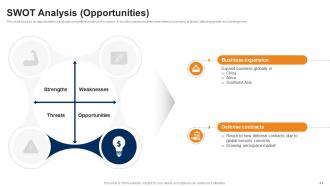
Slide 41: This slide focuses on opportunities to evaluate competitive position of company.
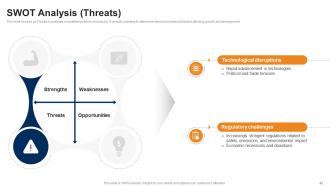
Slide 42: This slide focuses on Threats to evaluate competitive position of company.
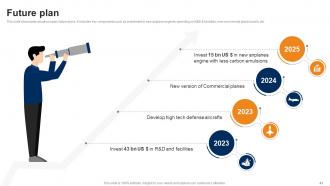
Slide 43: This slide showcases about company future plans.
Slide 44: This slide showcases the glimpse of sustainability statistics of an Aerospace company.
Slide 45: This slide showcases the information about various CSR initiatives and activities conducted by company.
Slide 46: This slide showcase the information about company Corporate Social Responsibility targets.
Slide 47: This slide highlights the various platforms to follow and contact an Aerospace company.
Slide 48: This slide shows all the icons included in the presentation.
Slide 49: This slide is titled as Additional Slides for moving forward.
Slide 50: This slide depicts Venn diagram with text boxes.
Slide 51: This slide contains Puzzle with related icons and text.
Slide 52: This is Our Target slide. State your targets here.
Slide 53: This slide shows Post It Notes for reminders and deadlines. Post your important notes here.
Slide 54: This is a financial slide. Show your finance related stuff here.
Slide 55: This slide showcases Magnifying Glass to highlight, minute details, information, specifications etc.
Slide 56: This is a Thank You slide with address, contact numbers and email address.
Manufacturing Company Profile Powerpoint Presentation Slides CP CD with all 64 slides:
Use our Manufacturing Company Profile Powerpoint Presentation Slides CP CD to effectively help you save your valuable time. They are readymade to fit into any presentation structure.
-
Manufacturing Company Profile
-
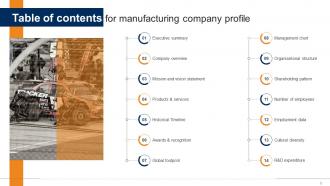
Table of contents for manufacturing company profile
-
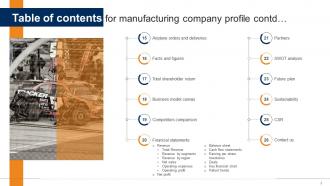
Table of contents for manufacturing company profile contd
-
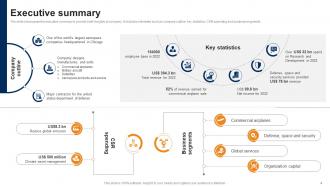
Executive summary
-
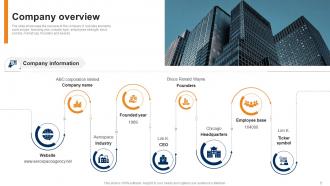
Company overview
-
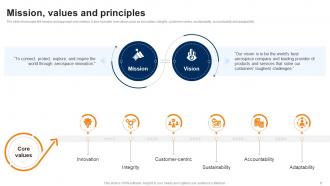
Mission values and principles
-
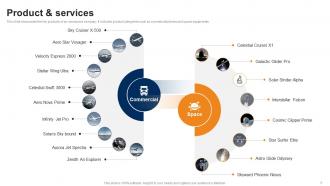
Product services
-
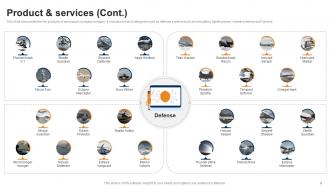
Product services Cont
-
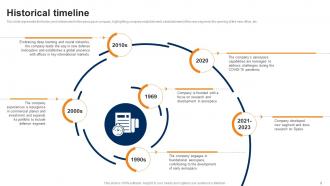
Historical timeline
-
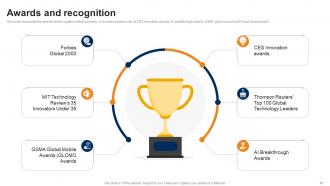
Awards and recognition
-
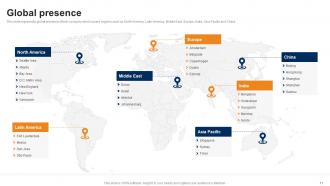
Global presence
-
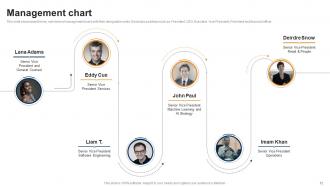
Management chart
-
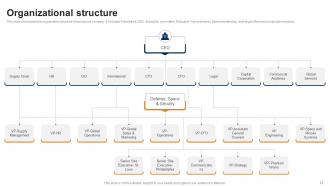
Organizational structure
-
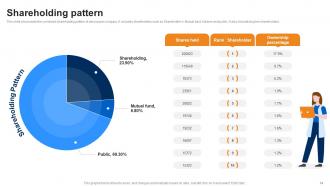
Shareholding pattern
-
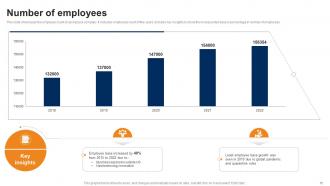
Number of employees
-
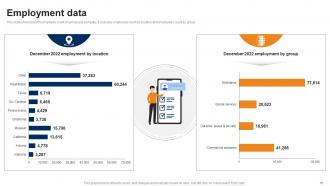
Employment data
-
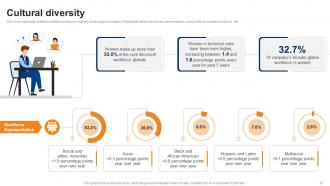
Cultural diversity
-
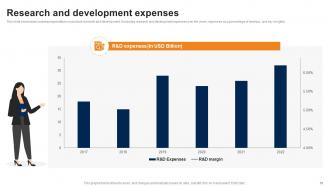
Research and development expenses
-
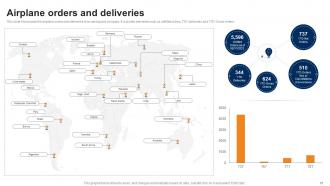
Airplane orders and deliveries
-
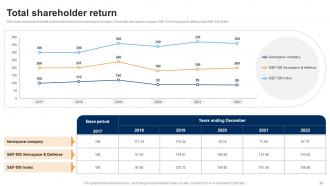
Total shareholder return
-
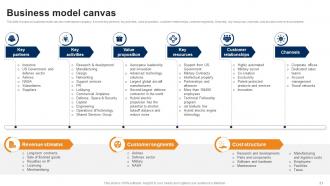
Business model canvas
-
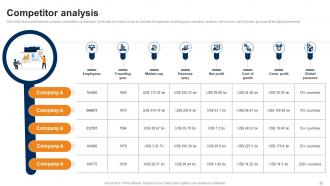
Competitor analysis
-
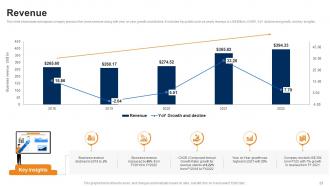
Revenue
-
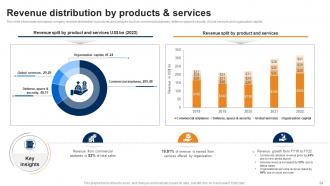
Revenue distribution by products services
-
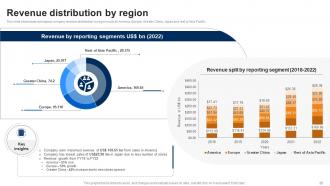
Revenue distribution by region
-
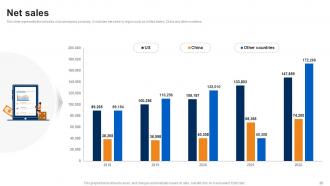
Net sales
-
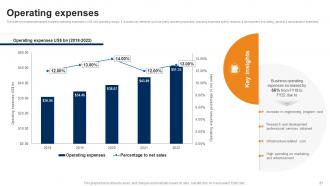
Operating expenses
-
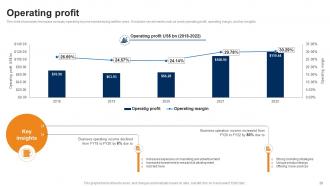
Operating profit
-
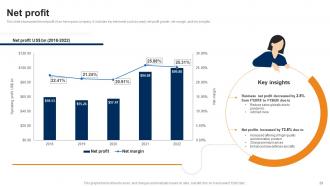
Net profit
-
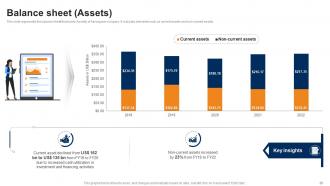
Balance sheet Assets
-
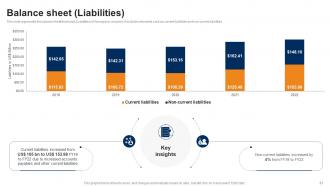
Balance sheet Liabilities
-
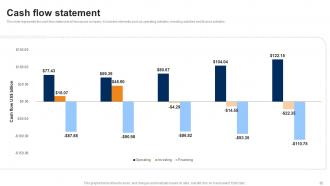
Cash flow statement
-
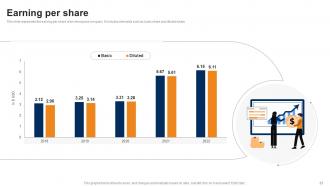
Earning per share
-
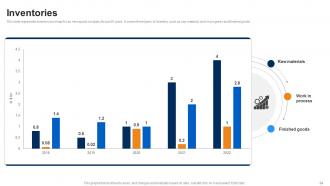
Inventories
-
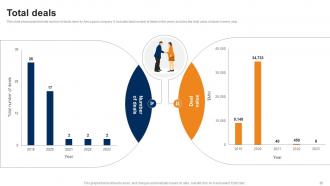
Total deals
-
Key financial chart
-
Inventories
-
Partners
-
SWOT Analysis Strength
-
SWOT Analysis Weakness
-
SWOT Analysis Opportunities
-
SWOT Analysis Threats
-
Future plan
-
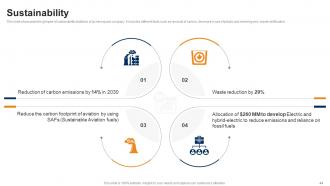
Sustainability
-
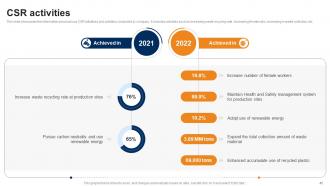
CSR activities
-
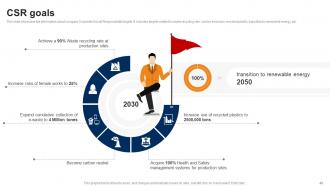
CSR goals
-
Contact us
-
Icons slide for Manufacturing company profile
-
Additional slides
-
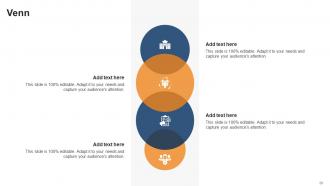
Venn
-
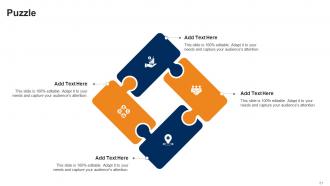
Puzzle
-
Target
-
Post it notes
-
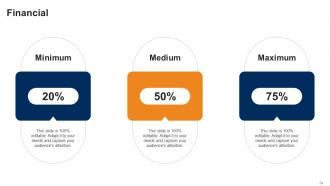
Financial
-
Magnifying glass
-

Manufacturing Company Profile Cp Cd
-

-

-

-

-

-

-

-

FAQs for Manufacturing Company Profile Powerpoint Presentation
So we've got three main things going on here - injection molding for all the plastic stuff, CNC machining for metal parts that need to be super precise, and then assembly where it all gets put together. Quality testing happens throughout, which honestly saves us from major headaches later. The assembly line's pretty cool to watch actually - that's where you really see the whole operation come together. Oh, and if you want the full picture, try to check it out during shift change. You'll see everything running at once and it's kind of impressive how it all flows.
So we've got this multi-stage setup that catches stuff before it becomes a headache. Raw materials get checked first, then there's a mid-production checkpoint, plus final inspection. Honestly feels like overkill sometimes but whatever, it works. Both automated testing and manual reviews happen at each stage - our QC techs are all certified too. Anyone on the team can stop the whole line if something looks weird, which is pretty cool. We maintain ISO 9001 and do regular audits. Oh, and check your daily reports on the dashboard to spot any patterns or recurring issues.
We've got CNC machining centers and automated assembly lines doing most of the heavy lifting. The robotics are pretty slick - that's honestly where I'd start if you visit because the efficiency gains are wild to watch. Quality control runs in real-time with monitoring throughout production. Our newer facility has these IoT sensors tracking temperature, vibration patterns, all that stuff. It's like the machines actually communicate with each other, which sounds weird but works. Oh, and we use lean manufacturing software to optimize workflows and cut waste. Definitely hit the robotics bay first though.
So basically we work directly with suppliers plus use third-party logistics for getting stuff out. Our procurement team runs vendor scorecards and does quarterly reviews - keeps quality in check. The warehouse management system we switched to recently has been a game changer, honestly. Everything's tracked in real-time now. Orders get routed to fulfillment centers based on where customers are and what inventory we've got. Sarah in procurement can hook you up with supplier portal access if you need it. She's pretty responsive - just shoot her a message about whatever tracking stuff you need.
So we actually do a bunch of stuff now. LED lights everywhere, better HVAC systems, that kind of thing. About 70% of our power comes from renewable sources which is honestly pretty decent. Our waste program's been solid - recycling more, way less packaging, and somehow we cut water usage by 30% in two years. Supply chain only works with vendors who don't suck environmentally. Oh, and if you need details for your specific area, check that sustainability dashboard thing on the intranet or just text Sarah in ops.
Honestly, we spend a ton on training but it pays off. Start with figuring out your biggest skill gaps first. Apprenticeships work great for technical stuff, and cross-training keeps people from getting stuck in one area forever. We partner with community colleges too - way cheaper than fancy corporate programs. The trick is making it actually useful for their day-to-day work, not just boring theory. Oh, and peer mentoring is huge. Sometimes Janet from accounting explains Excel better than any instructor ever could. Make sure it's hands-on though - people learn by doing, not sitting through PowerPoints.
So we've done three things that actually made a difference. Got these IoT sensors now that catch equipment problems before everything breaks down - seriously cuts the downtime. Then we redid the assembly line with lean automation, which was honestly overdue, and it shaved 30% off production time. The inventory software is probably my favorite though - connects directly with suppliers so we're not drowning in stock we don't need. Oh, and the dashboard shows all the efficiency numbers if you want to take a look. Might spark some ideas for your team.
We work with automotive, aerospace, and medical device companies. Automotive's all about cranking out high volumes cheaply - they want durability but at rock-bottom prices. Aerospace is the opposite nightmare - everything has to be perfect down to like 0.0001 inches, plus you'll drown in compliance paperwork. Medical devices need special biocompatible materials and FDA hoops to jump through. Here's the thing though - your sales pitch has to completely change for each one. Auto buyers obsess over unit costs. Aerospace people? They don't care what it costs if it won't fail at 30,000 feet.
Get a tracking system going first - figure out which regs actually hit your stuff specifically. Deadlines are sneaky so I'd do a compliance calendar (learned that the hard way). Regular internal audits help catch things early. Make sure someone owns each requirement, can't have that floating around. Document literally everything - seriously, your future self will thank you when inspectors show up. Oh and reach out to the regulatory people directly sometimes. They're way more helpful than you'd think if you're not scrambling last minute. Just bake it into your regular routine instead of treating it like this big scary thing.
So automation is pretty much everything for us in manufacturing. We throw it at repetitive stuff, quality checks, inventory - you name it. Cuts down on mistakes and we don't have to keep hiring people every time we want to scale up. Your team gets to do the actually interesting work instead of boring assembly line stuff. Honestly, we'd be screwed without it at this point - competition's too fierce. Oh, and whenever you're looking at fixing processes, just ask if a robot can do it first. Usually saves you a headache later.
Honestly, we've got a few things that save our butts regularly. Predictive maintenance is huge - catches problems before they blow up. Cross-trained staff helps too since people can cover for each other. We keep backup equipment for the critical stuff and extra components on hand (chip shortage taught us that lesson). Monitoring systems are probably the biggest win though - gives us early warnings. Oh, and backup suppliers are clutch. If you're thinking about this for your place, I'd map out where you're most vulnerable first. Those single points of failure will bite you.
Equipment bottlenecks and finding good operators are absolutely crushing us right now. You can't just throw money at new machines - without skilled people running them, you're screwed. The supply chain chaos makes it worse too, like trying to plan blindfolded. Oh, and don't get me started on facility layout nightmares when you're cramming more stuff into the same space. Honestly though? Figure out your real constraint first. Is it the machines, your team, or just not enough room? That'll tell you where to focus your energy instead of guessing.
So we collect feedback a few ways - surveys after delivery, check-ins with big clients, tracking complaints and returns. Your sales team is honestly gold for this stuff since customers vent to them about everything. Feed all that intel straight into production meetings and QC reviews. The trick is actually acting on it, not just hoarding spreadsheets of data. Monthly trend reviews work well - look at patterns and make real changes to processes, materials, whatever needs fixing. Sometimes I get sidetracked analyzing every tiny detail, but focus on the big themes that keep popping up.
Honestly, our supplier partnerships saved us during that whole supply chain nightmare - got us priority access and way better pricing. That logistics company we partnered with last year? Total game changer. I was super hesitant about outsourcing at first, but now we've got tons more warehouse space for production. Plus our distributors actually get our market, which makes a huge difference. Oh, and random tip - partnerships work best when they either solve a major headache or bring in new revenue. Don't overthink it.
Honestly, the whole "mass produce identical stuff" game is pretty much over. Manufacturing's moving toward this hyper-customization thing where everyone wants products made just for them - and they want it yesterday. You're gonna need to sink serious money into smart factory tech and data analytics just to keep up. Companies that can't pivot fast are toast. The winners? They're using AI to figure out what customers want before customers even realize it themselves (kinda creepy but whatever). Mass customization is where it's at now. If I were you, I'd start planning those tech upgrades like, now.
-
Well-designed and informative templates. Absolutely brilliant!
-
SlideTeam was so customer-centric and quick service-provider that I doubted the amount I was paying and literally re-checked the transaction.