


FMCG Manufacturing Company Profile Powerpoint Presentation Slides




Try Before you Buy Download Free Sample Product
 Impress Your
 Audience
 100%
100% Editable
 Save Hours
 of Time


Manufacturing involves the transformation of raw materials into finished goods through the use of machines, labor, and chemical processes. Grab our well crafted FMCG Manufacturing Company Profile template that provides a comprehensive overview of the companys essential products, vision, mission, and core values. Our Product Manufacturing deck highlights the companys manufacturing facilities, management team, and geographic presence. In addition, it provides details on the companys product portfolio, including net earnings, revenue growth, ROA, and a timeline from 1992 to 2021. Further, our FMCG Company PPT covers the companys business model, corporate strategy, and sustainable development practices. It also provides information on the companys financials, including revenue by segment, operating cash flow, dividends per share, and any mergers and acquisitions. Moreover, our Company profile module emphasizes the companys CSR initiatives and value creation model. Lastly, it provides an export analysis and development opportunities for potential investors, along with dashboards to monitor the companys performance. Our presentation is fully editable and incorporates extensive research and skillful design. Download our company profile ppt now to gain valuable insights into the world of manufacturing.
People who downloaded this PowerPoint presentation also viewed the following :
Content of this Powerpoint Presentation
Slide 1: This slide introduces FMCG Manufacturing Company Profile. Commence by stating Your Company Name.
Slide 2: This slide depicts the Agenda of the presentation.
Slide 3: This slide incorporates the Table of contents.
Slide 4: This slide highlights the Title for the Topics to be covered further.
Slide 5: This slide highlights the company background information overview.
Slide 6: This slide includes the Company vision, mission, and core values.
Slide 7: This slide reveals the Company presence around the world with manufacturing facilities.
Slide 8: This slide showcases the ABC group leadership and management team.
Slide 9: This slide presents the Heading for the Contents to be discussed next.
Slide 10: This slide displays the Company products and brand overview with net earnings.
Slide 11: This slide exhibits the Company product analysis with revenue growth and return on assets.
Slide 12: This slide depicts the Company leading products in different categories.
Slide 13: This slide displyas the Title for the Ideas to be covered in the upcoming template.
Slide 14: This slide highlights the journey of company from 1992 to 2023.
Slide 15: This slide mentions about the Heading for the Ideas to be discussed further.
Slide 16: This slide reveals the Business model for goods production company.
Slide 17: This slide exhibits the Business improvement and sustainable development strategies.
Slide 18: This slide presents the Business development strategy for different categories.
Slide 19: This slide highlights the business corporate strategy.
Slide 20: This slide reveals the Constructive disruption strategy for value chain development.
Slide 21: This slide shows the Route to market strategy with distribution and warehousing.
Slide 22: This slide incorporates the Title for the Contents to be covered next.
Slide 23: This slide highlights the distribution network of the company which includes urban and rural sector.
Slide 24: This slide displays the Heading for the Topics to be discussed further.
Slide 25: This slide represents the Company revenue by segment and geographical region.
Slide 26: This slide highlights company financial summary in tabular format.
Slide 27: This slide depicts the Business sales contribution for domestic and international market.
Slide 28: This slide showcases the sales projection of the company in graphical format.
Slide 29: This slide illustrates the Merger and acquisitions deals of the company.
Slide 30: This slide portrays the Title for the Topics to be covered next.
Slide 31: This slide focuses on Building corporate citizenship with environment social and governance aspects.
Slide 32: This slide indicates the Heading for the Contents to be discussed further.
Slide 33: This slide highlights the input based value creation model.
Slide 34: This slide displays the Company materiality matrix assessment with economic and social aspects.
Slide 35: This slide reveals the Operational excellence capability assessment model.
Slide 36: This slide mentions the Title for the Ideas to be covered next.
Slide 37: This slide highlights the market segmentation and export potential analysis.
Slide 38: This slide represents the Market development opportunities for business investors.
Slide 39: This slide displays the Advantage of investing in retail manufacturing sector.
Slide 40: This slide includes the Heading for the Ideas to be discussed next.
Slide 41: This slide focuses on Manufacturing company dashboard with downtime causes and production volume.
Slide 42: This slide illustrates the manufacturing company production dashboard.
Slide 43: This is the Icons Slide containing all the Icons used in the plan.
Slide 44: This slide is used for depicting some Additional information.
Slide 45: This is the Puzzle slide with related imagery.
Slide 46: This slide incorporates the Mind map of the company.
Slide 47: This is the Venn diagram slide.
Slide 48: This is the Idea generation slide for encouraging fresh ideas.
Slide 49: This slide contains the Post it notes for reminders and deadlines.
Slide 50: This is the Thank You slide for acknowledgement.
FMCG Manufacturing Company Profile Powerpoint Presentation Slides with all 55 slides:
Use our FMCG Manufacturing Company Profile Powerpoint Presentation Slides to effectively help you save your valuable time. They are readymade to fit into any presentation structure.
-
FMCG Manufacturing Company Profile
-

Agenda for FMCG manufacturing company profile
-

FMCG manufacturing company profile
-
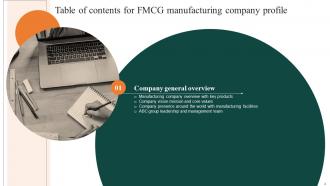
Table of contents for FMCG manufacturing company profile
-

Manufacturing company overview with key products
-
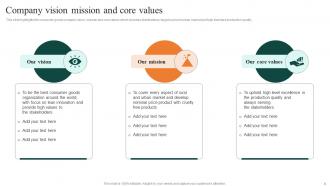
Company vision mission and core values
-

Company presence around the world with manufacturing facilities
-

ABC group leadership and management team
-

Table of contents for FMCG manufacturing company profile
-

Company products and brand overview with net earnings
-

Company product analysis with revenue growth and return on assets
-

Company leading products in different categories
-

Table of contents for FMCG manufacturing company profile
-
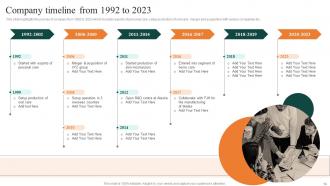
Company timeline from 1992 to 2023
-

Table of contents for FMCG manufacturing company profile
-
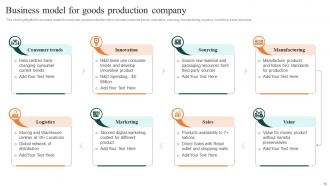
Business model for goods production company
-

Business improvement and sustainable development strategies
-
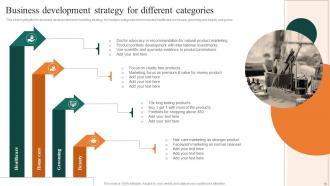
Business development strategy for different categories
-

Business corporate strategy for product positioning and investment
-

Constructive disruption strategy for value chain development
-
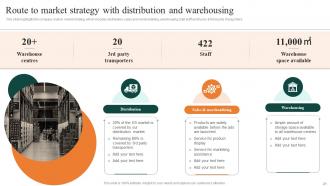
Route to market strategy with distribution and warehousing
-

Table of contents for FMCG manufacturing company profile
-

Company urban and rural distribution network
-

Table of contents for FMCG manufacturing company profile
-

Company revenue by segment and geographical region
-

Company financial summary with operating cash flow and dividends per share
-
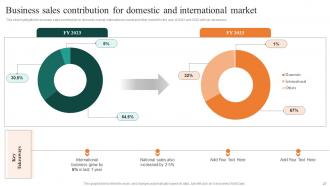
Business sales contribution for domestic and international market
-

Company sales projection with positive and negative impacts
-

Merger and acquisitions deals of our company
-
Table of contents for FMCG manufacturing company profile
-
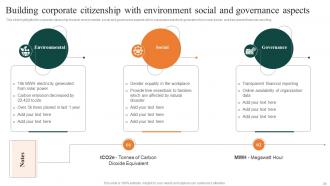
Building corporate citizenship with environment social and governance aspects
-
Table of contents for FMCG manufacturing company profile
-
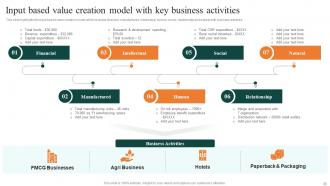
Input based value creation model with key business activities
-
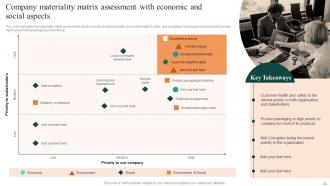
Company materiality matrix assessment with economic and social aspects
-

Operational excellence capability assessment model
-

Table of contents for FMCG manufacturing company profile
-

Market segmentation analysis and export potential
-

Market development opportunities for business investors
-

Advantage of investing in retail manufacturing sector
-
Table of contents for FMCG manufacturing company profile
-

Manufacturing company dashboard with downtime causes and production volume
-

Manufacturing company production dashboard with active machines
-
FMCG manufacturing company profile
-

Additional Slides
-

Puzzle
-
Mind map
-

Venn diagram
-

Idea generation
-
Post it notes
-

Fmcg Manufacturing Company Profile
-

-

-

-

-

FAQs for FMCG Manufacturing Company Profile
Honestly, it's all about convenience and how people live now. Urbanization is driving demand big time, plus everyone has more spending money and wants stuff that saves time. E-commerce changed everything - brands going direct to consumers is massive. People are obsessed with health and sustainability too, so organic and eco-friendly products are killing it. Emerging markets keep growing as more folks hit middle class status. My advice? Look for FMCG brands that get convenience right and have solid digital game. Oh, and health positioning - that's where you'll see the real momentum happening.
Honestly, consumer trends are everything in product development. Your R&D teams have to pivot fast when people start caring about health, sustainability, whatever. Look at plant-based stuff - companies went crazy reformulating because customers were actually buying it. Most smart brands now throw serious money at trend forecasting teams to catch shifts early. You don't want to be chasing after your competitors already grabbed market share. Though I guess some companies are just slow learners and keep playing catch-up instead of getting ahead of things.
Honestly, sustainability isn't optional anymore for FMCG brands - younger consumers will literally boycott you if you don't care about the environment. But here's the thing: you can't fake it. I've watched so many companies get absolutely roasted online for greenwashing. You need actual sustainable packaging and sourcing, not just green labels. Show real numbers and concrete goals instead of vague "eco-friendly" claims. My cousin works in marketing and says transparency is everything now. Make genuine commitments, then talk about them honestly.
Dude, FMCG marketing is night and day from what it used to be. You can actually target people super precisely now instead of throwing money at TV ads and crossing your fingers. The data from e-commerce shows exactly what's driving sales - no more guessing if that expensive billboard did anything. Social media changed everything too, brands can talk directly to customers. Oh and influencer stuff works really well for reaching specific groups without breaking the bank. Honestly I'd start by looking at where you're spending digital dollars right now. Most companies in that space still aren't putting enough into performance marketing.
So pretty much every big FMCG company is obsessing over supply chain tech right now. AI demand forecasting is huge, plus automated warehouses and those direct-to-consumer centers that skip retailers entirely. Everyone's also doing the sustainability thing - carbon-neutral shipping, local sourcing, whatever (honestly half of it's just good PR). Real-time inventory tracking is basically expected now. If I were you? Start with demand forecasting software first. It's the easiest win and you won't have to tear apart your whole system to make it work.
Honestly, it's wild how much data these big brands collect on us. They're tracking purchase patterns, social media sentiment, loyalty card swipes - basically building a complete picture of what we want before we even know it ourselves. Most of them use AI now to catch patterns that would totally fly over a human's head. Like, they'll mix your age and location with seasonal trends to figure out which products to stock where and when to run ads. Pretty sneaky but also kind of brilliant? If you're thinking about this for your business, just start with whatever customer data you've got. Even basic purchase history can show you surprising stuff about timing and what people actually buy together.
Dude, FMCG in emerging markets is rough. Distribution is a total mess - imagine trying to get products to tiny villages with basically no infrastructure. People don't have money for premium stuff either, so you'll need rock-bottom prices. Regulations? They change every five minutes and differ everywhere you look. Honestly, the whole supply chain thing becomes this constant headache. My advice? Start really small. Find local partners who actually know the area. Oh, and be ready to completely rethink how you do business - what works in developed markets probably won't fly there.
Yeah, regulatory changes are brutal for FMCG. You're constantly dealing with new labeling rules, ingredient bans, packaging requirements - the whole mess. Sometimes you'll have to reformulate entire products or yank them off shelves. The compliance costs alone are insane, especially when every market has different rules. I swear it's like they coordinate to make things complicated. But honestly? Smart companies use this stuff to their advantage by adapting quicker than competitors. Set up regulatory alerts for your main markets and get a good consultant on speed dial before you need one.
Dude, sustainable materials are absolutely crushing it right now. Biodegradable plastics, plant-based films, refillable stuff - consumers won't shut up about it (in a good way). Smart packaging is wild too. QR codes for tracking, temperature strips, those color-changing freshness sensors. I swear the tech moves faster than I can follow sometimes. Then there's AI making packages smaller and less wasteful during shipping, which is pretty cool I guess. My advice? Pick one eco-friendly thing first and see how people react before you go crazy with it.
Honestly, brand loyalty is everything in FMCG. Once customers get attached to their go-to detergent or cereal, they'll keep buying it for years without thinking twice. Low switching costs but crazy emotional bonds - that's the weird thing about this industry. Companies dump millions into brand building instead of just cutting prices because they know it works. My old marketing prof used to say acquiring new customers costs like 5x more than keeping loyal ones. So yeah, focus on building that emotional hook early. People are creatures of habit, especially with stuff they buy every week.
Honestly, TV's still king for FMCG - nothing beats that mass reach when you need to hit everyone fast. But don't sleep on digital, especially social and influencers since people actually trust those recs for stuff they buy regularly. Here's the thing though - retail partnerships will make or break you. Doesn't matter how good your ads are if you're not on shelves or Amazon, right? Trade marketing's boring but it's what gets you shelf space in the first place. I'd build that retail foundation first, then add digital for awareness. Save TV for big launches. Oh and test influencers small before going all in.
Hey, so most FMCG companies have their shit together with batch tracking systems - they can pinpoint exactly which products got contaminated pretty fast. They've got direct lines to retailers for quick shelf pulls, plus quality labs running 24/7 at their factories. Speed matters because people eat this stuff every day, right? Most keep detailed records on suppliers and ingredients too. They usually have recall playbooks already written and crisis teams on standby. Oh and specialized insurance for recalls - learned that the hard way at my last job. Honestly, invest in good tracking tech from day one. Way cheaper than dealing with a recall disaster later.
Dude, e-commerce is absolutely massive for consumer goods companies now. COVID basically forced everyone online and there's no going back. Direct-to-consumer brands are skipping stores entirely. Meanwhile, big companies are using Amazon to hit customers they'd never reach otherwise. The data alone is insane - you can actually see what people buy and when. Plus companies get way better control over their pricing and messaging instead of depending on Target or whatever to do it right. I mean, my mom even orders laundry detergent online now. If you're working in this industry, you've gotta have a digital game plan.
Honestly, don't get sucked into just matching their prices - that's how everyone loses money. Focus on what makes you different instead. Better quality, cooler features, maybe packaging that doesn't suck? Price wars are brutal when that's all you're competing on. Target customers who actually care about more than just the cheapest option - like niche markets where people will pay extra for what they want. Oh, and work on building real brand loyalty through customer experience. The companies that survive these things give people actual reasons to pick them beyond just being the cheapest.
Dude, globalization totally changes the FMCG game. You're dealing with way more complexity - like, you need to balance keeping your brand consistent while adapting to local tastes in dozens of markets. Supply chains become these massive global networks. Plus you're competing against local players who really know their stuff AND other huge companies. It's honestly overwhelming sometimes. The trick is finding that balance between global efficiency and local relevance. Figure out what parts of your brand can stay the same everywhere versus what needs tweaking for each market. That's where you'll win.
-
The templates are handy and I can personalize them as per my needs. Glad to be your subscriber!
-
You can rely on SlideTeam whenever you run out of designs for your presentation. Thank you so much SlideTeam!