


Marketing Research Company Profile Powerpoint Presentation Slides CP CD V
A Company profile briefly outlines the organizations primary functions to investors, shareholders, government, and other stakeholders. Grab our Marketing Research Company Profile template. It shows the company's business plan and expansion strategy for the future to the investors. Our Market Research Company deck illustrates an executive summary showing the chief executive officer, a business synopsis, a financial summary, significant acquisitions, etc. It further provides a brief overview of the firm, offering the company website, industry, headquarters, founder, chief executive officer, type, and specialties. Moreover, our Global Research Panel PPT includes the mission, vision, core values, and business model canvas to show the company's operations, revenue stream, and future growth prospects. Additionally, it delivers robust solutions and services offered by the company, including research services, programming services, analytics services, etc. Further, our Marketing Firm module captures the international presence of businesses, firm subsidiaries, and business divisions. Finally, it highlights the strategic acquisitions, corporate strategy and progress, website performance, and environmental and social governance. Download our 100 percentage editable company profile and get access to our highly researched and skillfully designed product.
A Company profile briefly outlines the organizations primary functions to investors, shareholders, government, and other st..



















-

- Google Slides is a new FREE Presentation software from Google.
- All our content is 100% compatible with Google Slides.
- Just download our designs, and upload them to Google Slides and they will work automatically.
- Amaze your audience with SlideTeam and Google Slides.
-

Want Changes to This PPT Slide? Check out our Presentation Design Services
-

- WideScreen Aspect ratio is becoming a very popular format. When you download this product, the downloaded ZIP will contain this product in both standard and widescreen format.
-

- Some older products that we have may only be in standard format, but they can easily be converted to widescreen.
- To do this, please open the SlideTeam product in Powerpoint, and go to
- Design ( On the top bar) -> Page Setup -> and select "On-screen Show (16:9)” in the drop down for "Slides Sized for".
- The slide or theme will change to widescreen, and all graphics will adjust automatically. You can similarly convert our content to any other desired screen aspect ratio.
Compatible With Google Slides

Get This In WideScreen
You must be logged in to download this presentation.


Do you want to remove this product from your favourites?
PowerPoint presentation slides
Deliver this complete deck to your team members and other collaborators. Encompassed with stylized slides presenting various concepts, this Marketing Research Company Profile Powerpoint Presentation Slides CP CD V is the best tool you can utilize. Personalize its content and graphics to make it unique and thought-provoking. All the fifty three slides are editable and modifiable, so feel free to adjust them to your business setting. The font, color, and other components also come in an editable format making this PPT design the best choice for your next presentation. So, download now.

People who downloaded this PowerPoint presentation also viewed the following :
Content of this Powerpoint Presentation
Slide 1: This slide introduces Marketing Research Company Profile. Commence by stating Your Company Name.
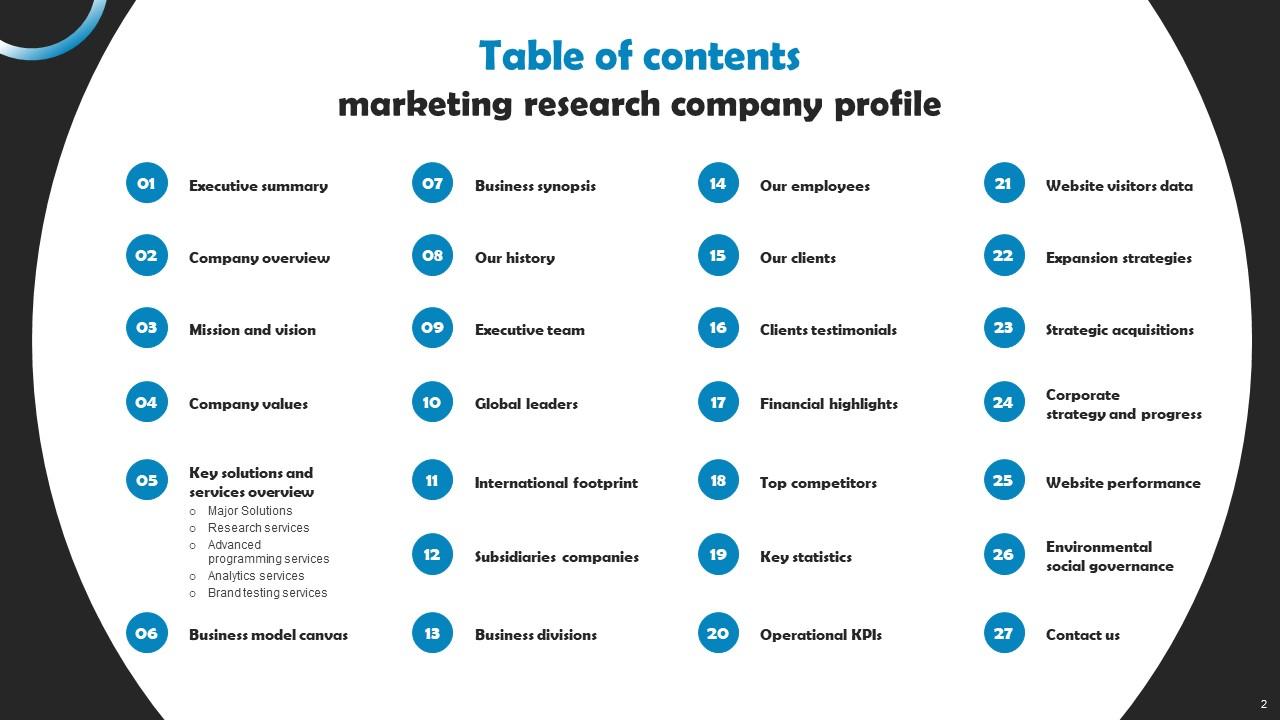
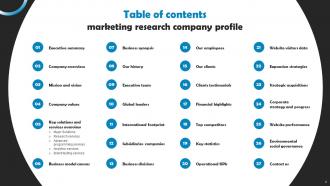
Slide 2: This slide includes the Table of contents.
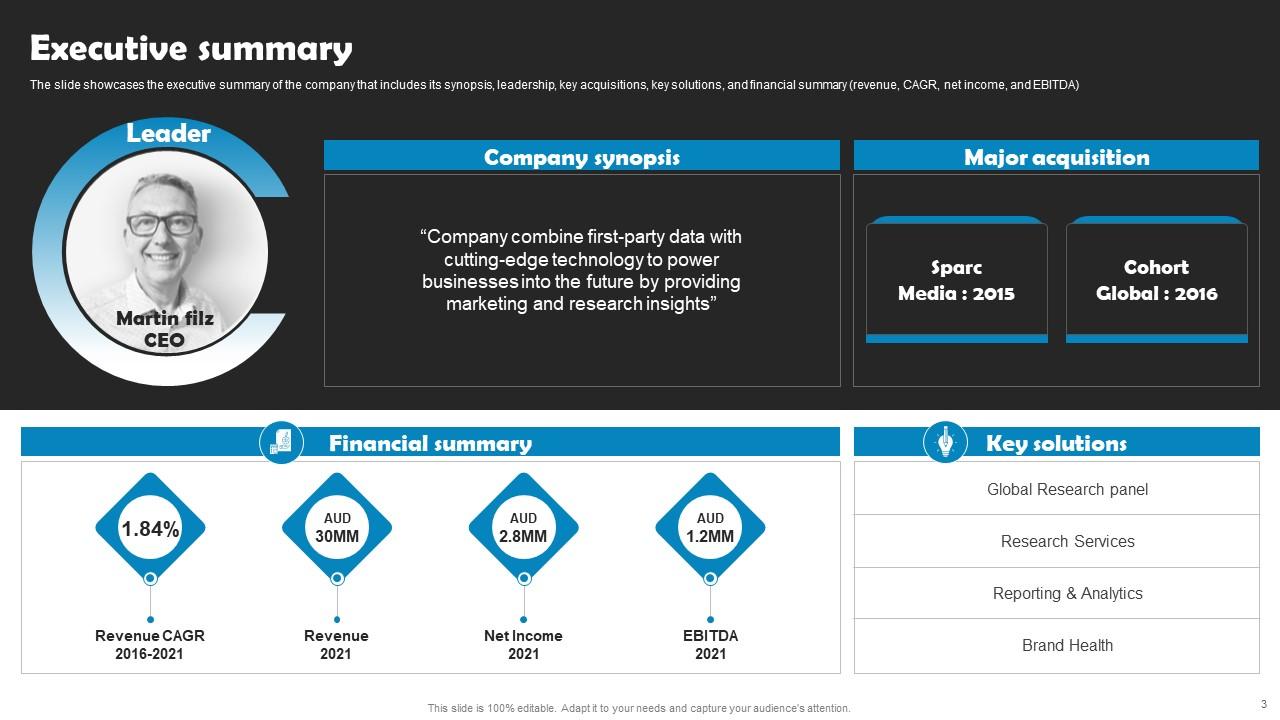
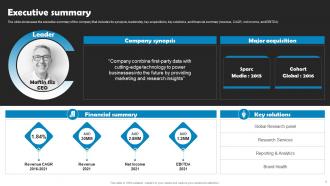
Slide 3: The slide showcases the executive summary of the company.
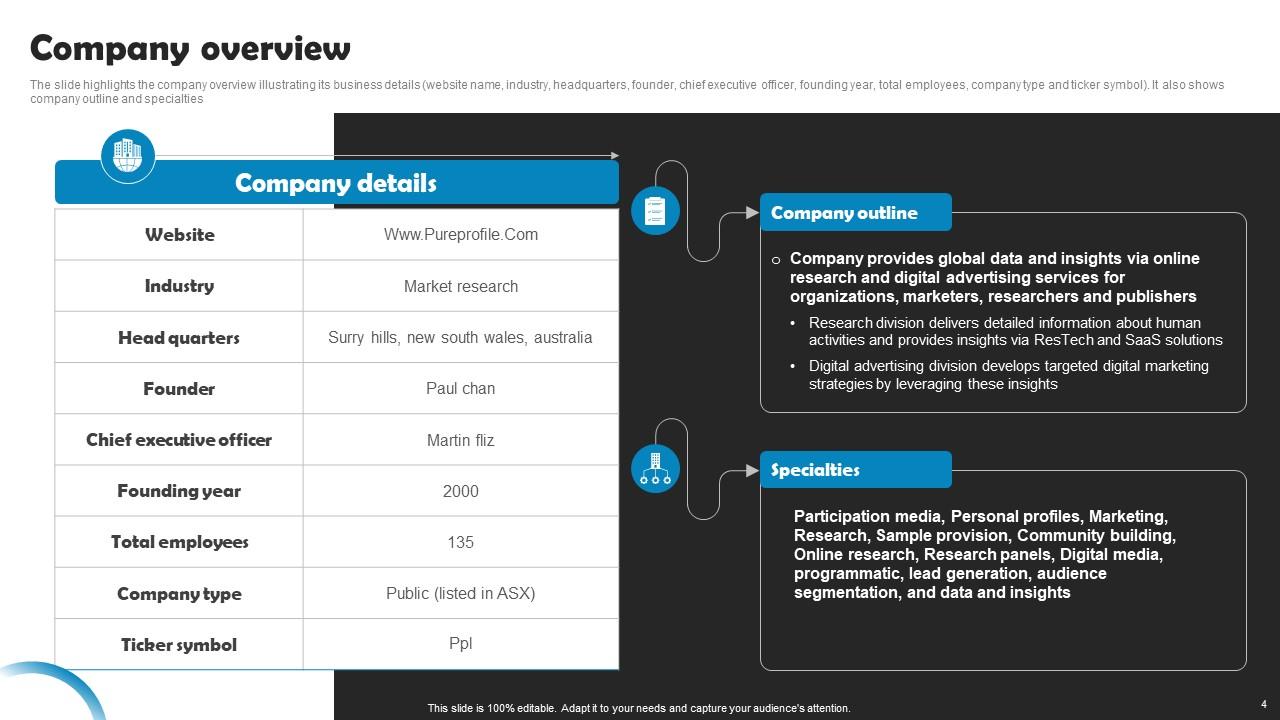
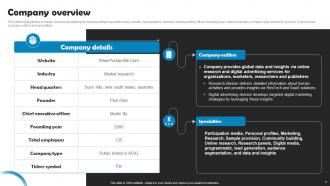
Slide 4: The slide highlights the company overview illustrating its business details.
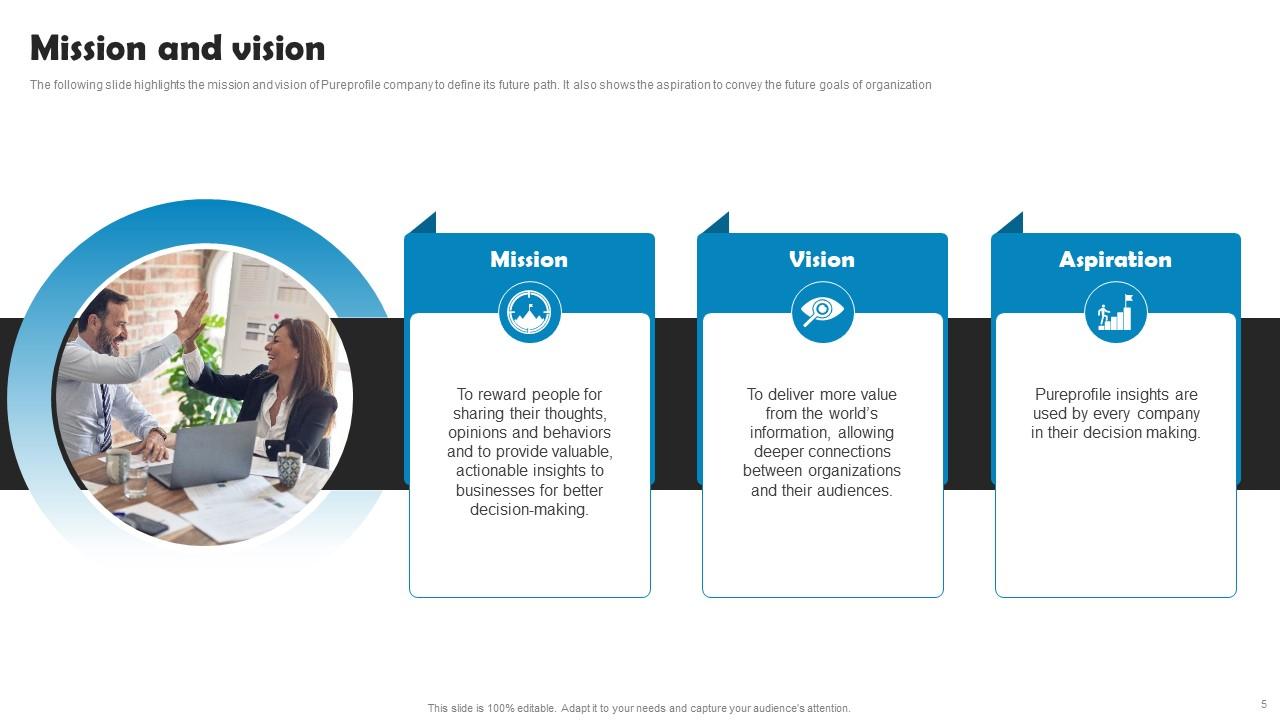
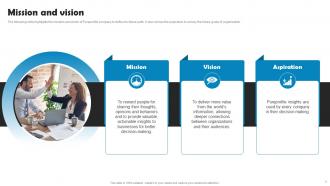
Slide 5: The following slide portrays the mission and vision of Pureprofile company to define its future path.
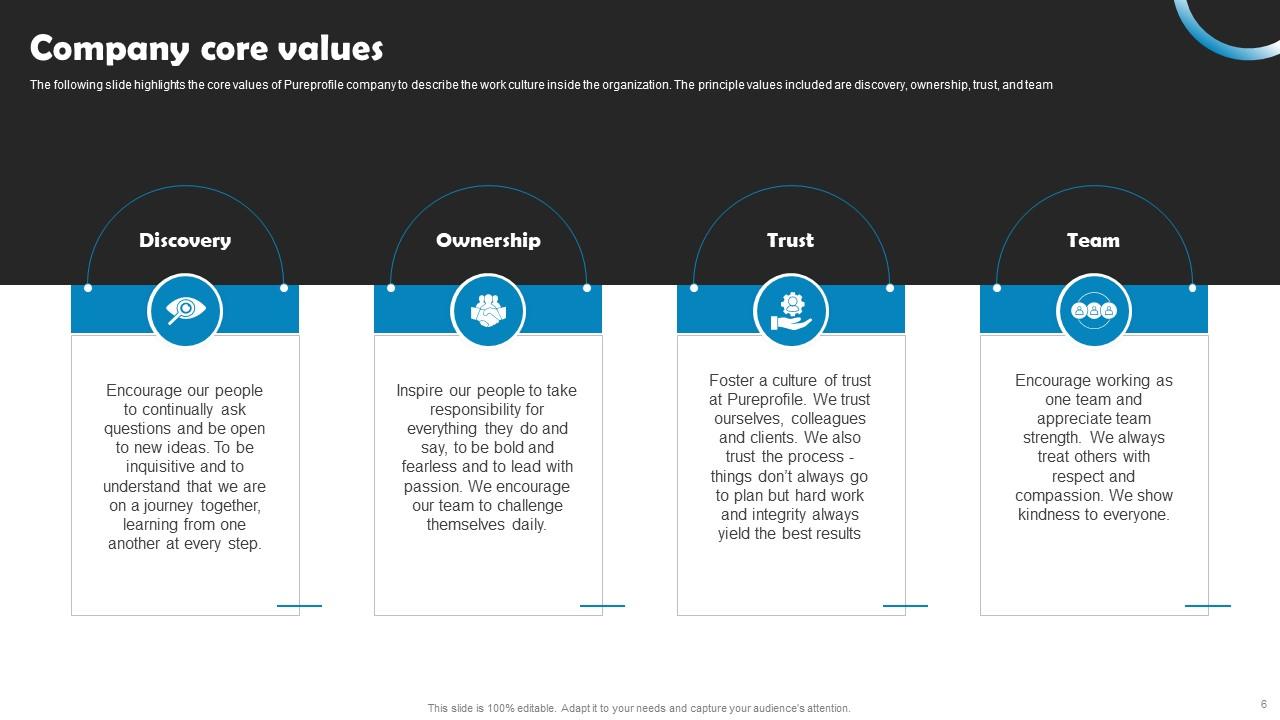
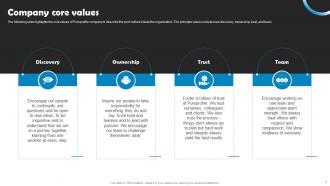
Slide 6: This slide indicates the core values of Pureprofile company to describe the work culture inside the organization.
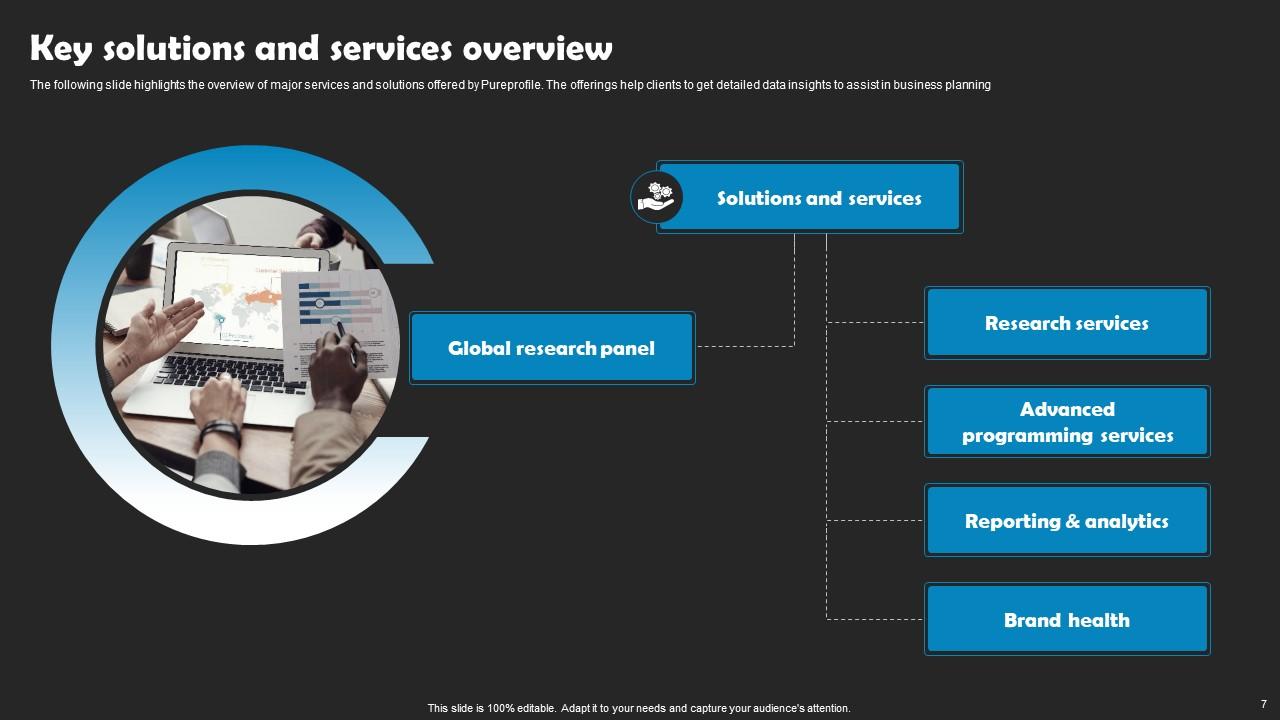
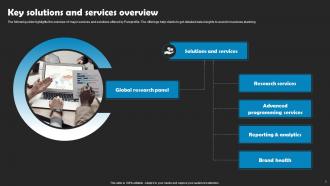
Slide 7: This slide depicts the Key solutions and services overview.
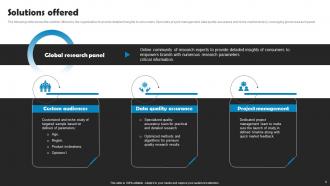
Slide 8: The following slide shows the solution offered by the organization to provide detailed insights to consumers.
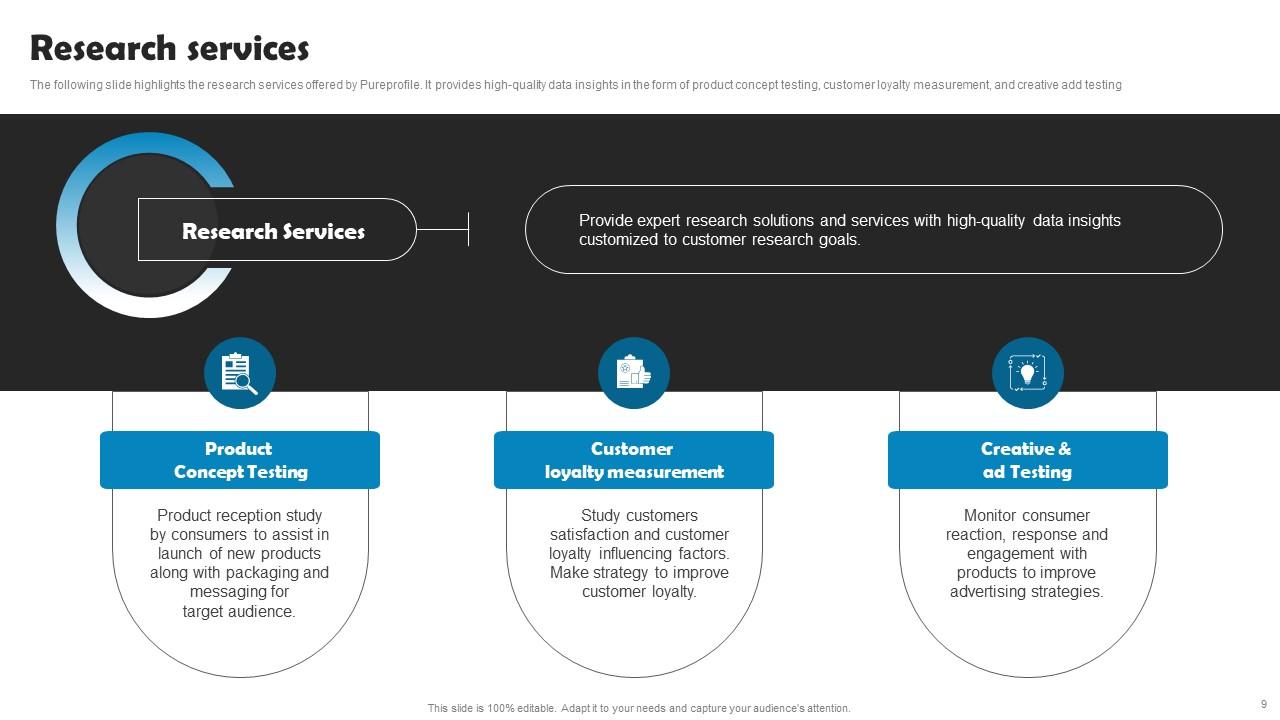
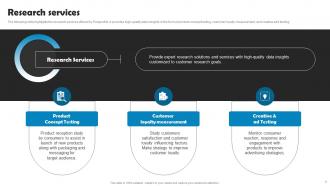
Slide 9: This slide highlights the research services offered by Pureprofile.
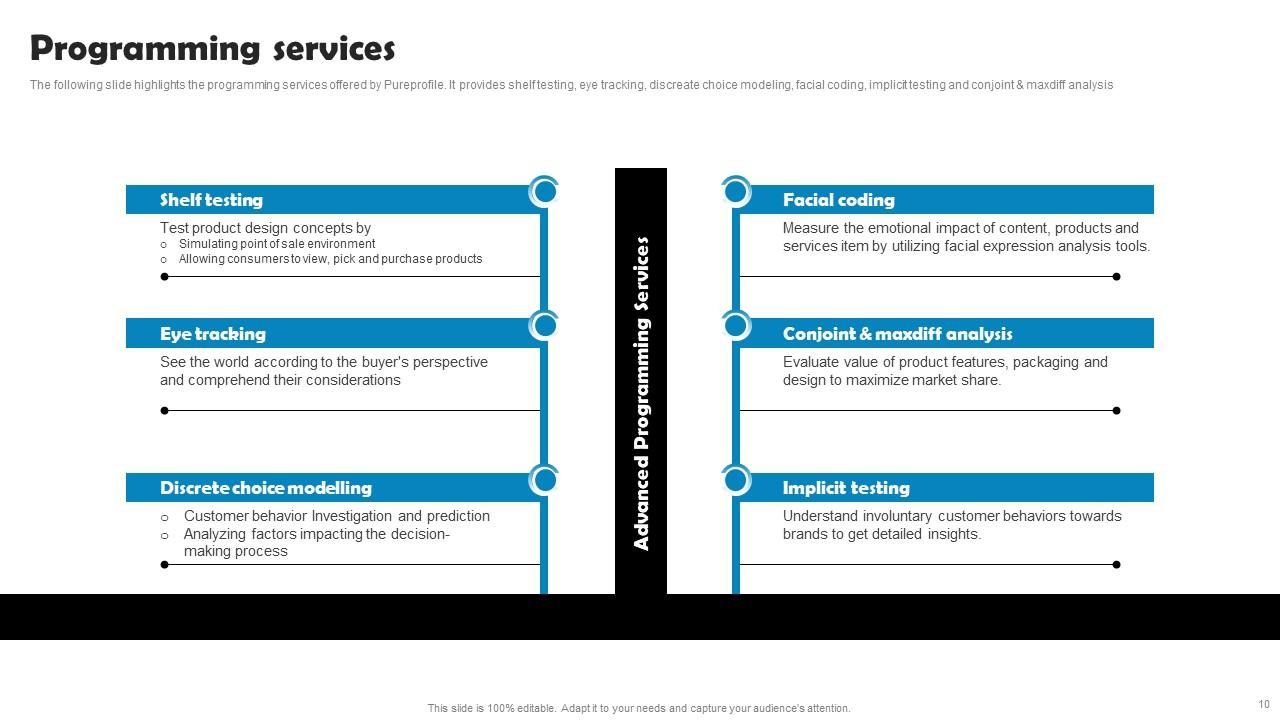
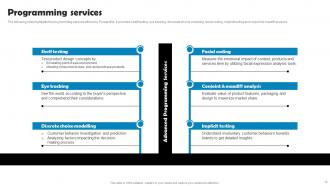
Slide 10: The following slide portrays the programming services offered by Pureprofile.
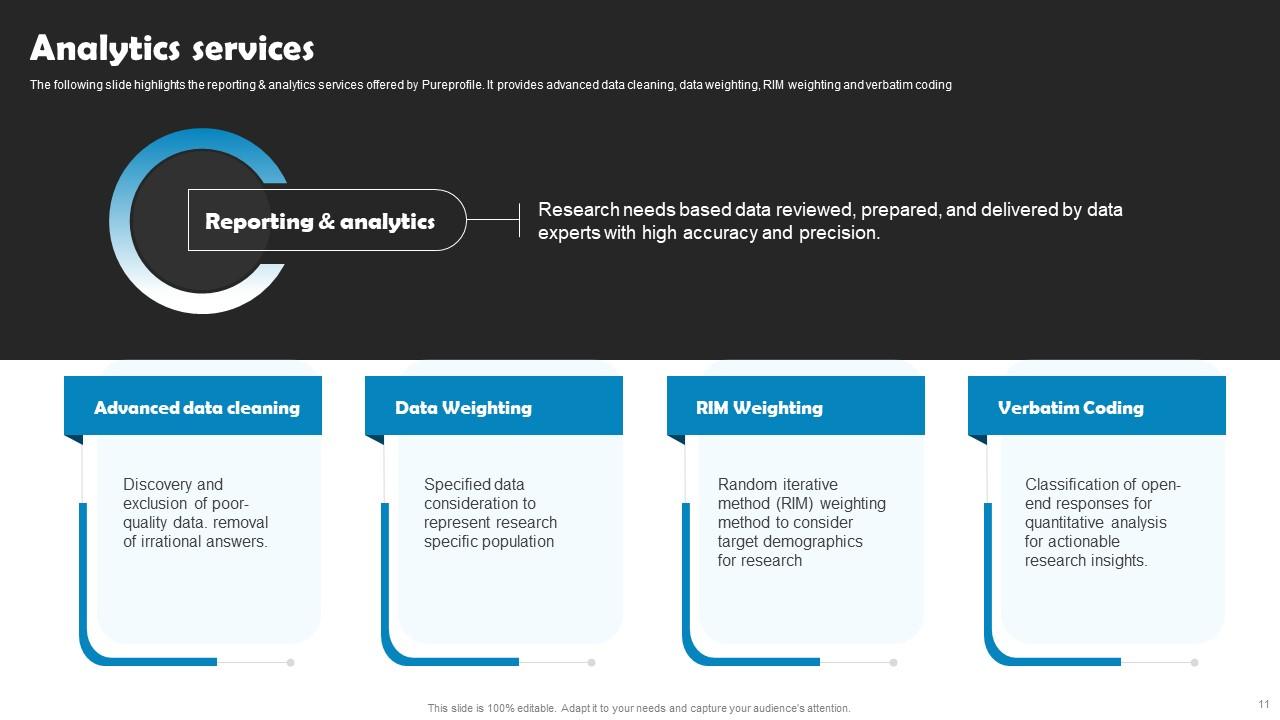
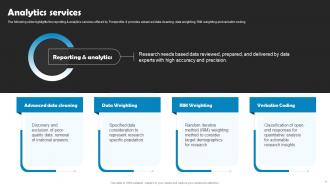
Slide 11: This slide indicates the reporting & analytics services offered by Pureprofile.
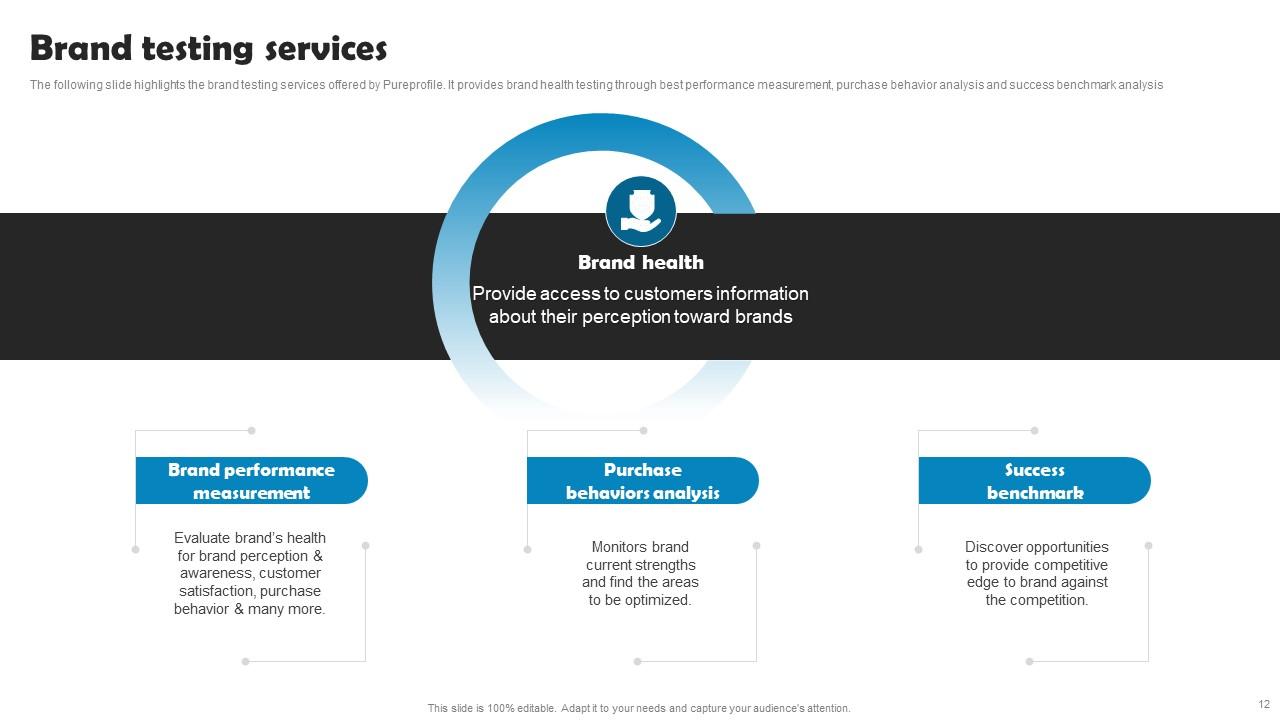
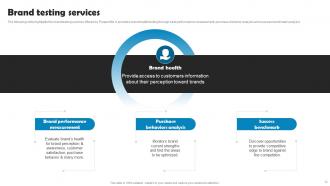
Slide 12: This slide provides information about the Brand testing services.
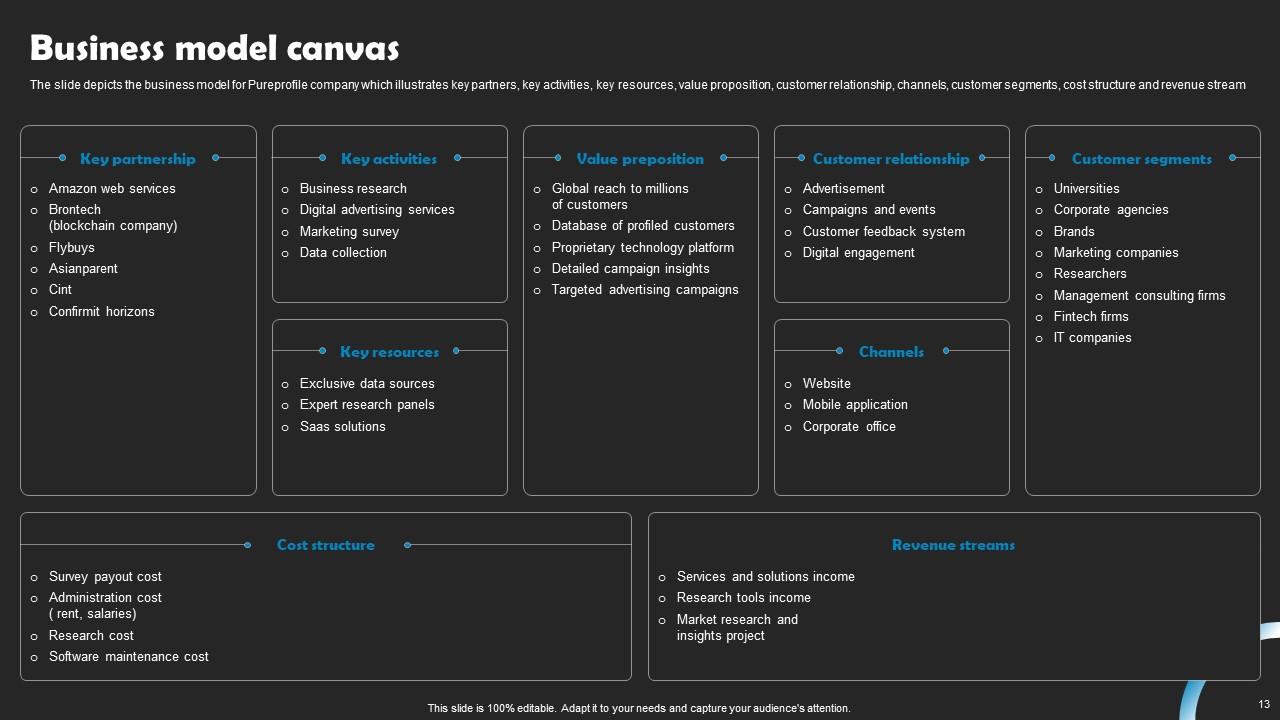
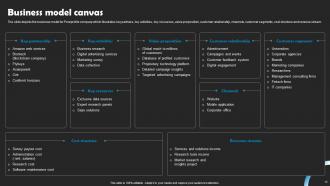
Slide 13: The slide depicts the business model for Pureprofile company.
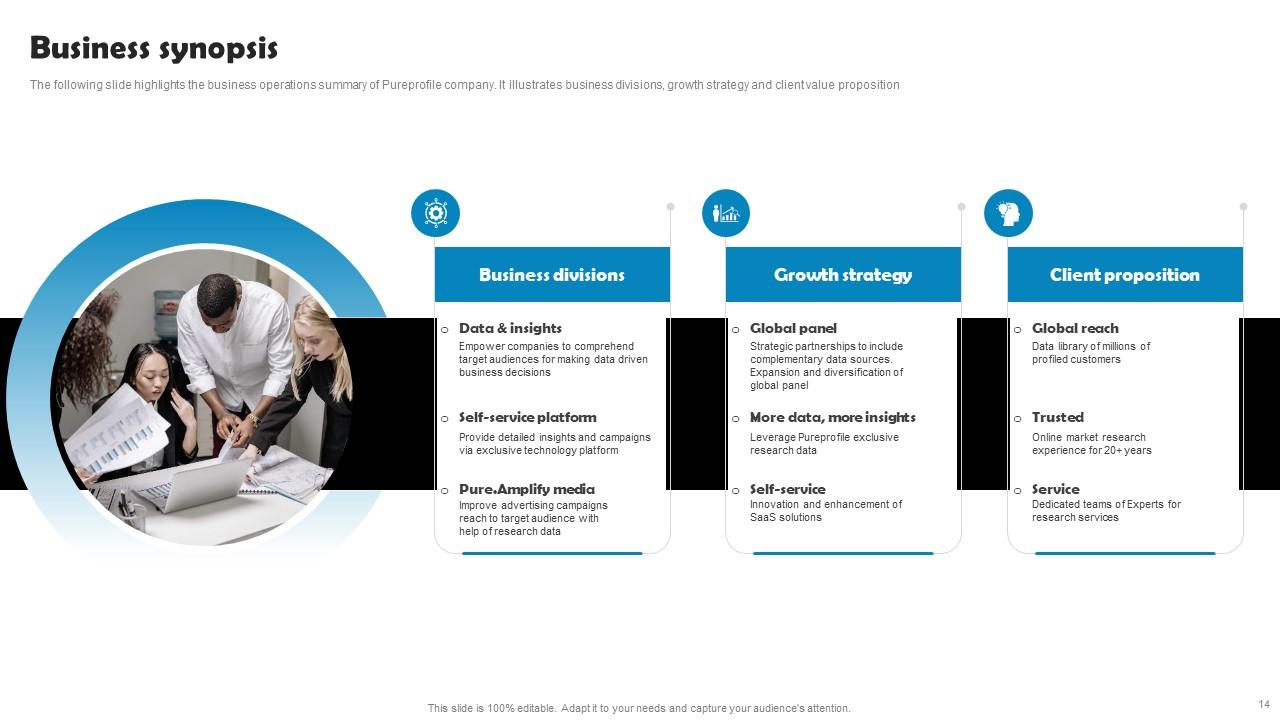
Slide 14: The following slide highlights the business operations summary of Pureprofile company.
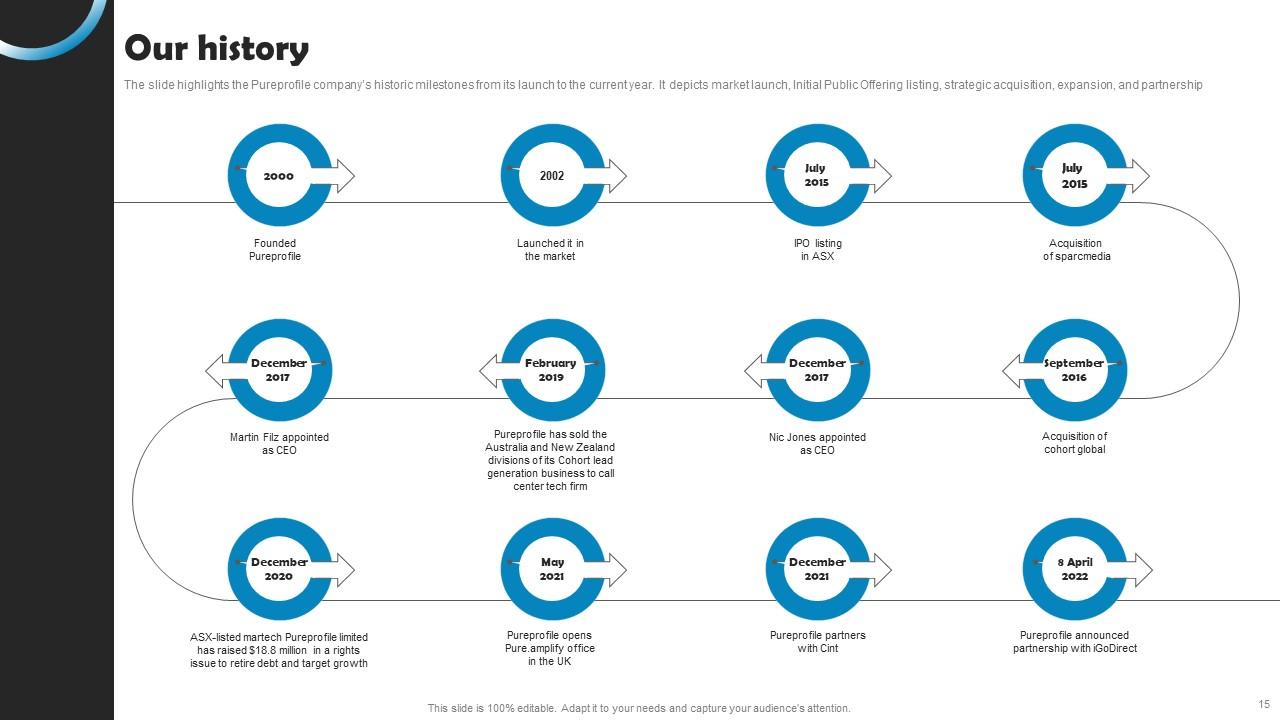
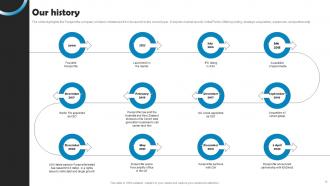
Slide 15: The slide showcases the Pureprofile company’s historic milestones from its launch to the current year.
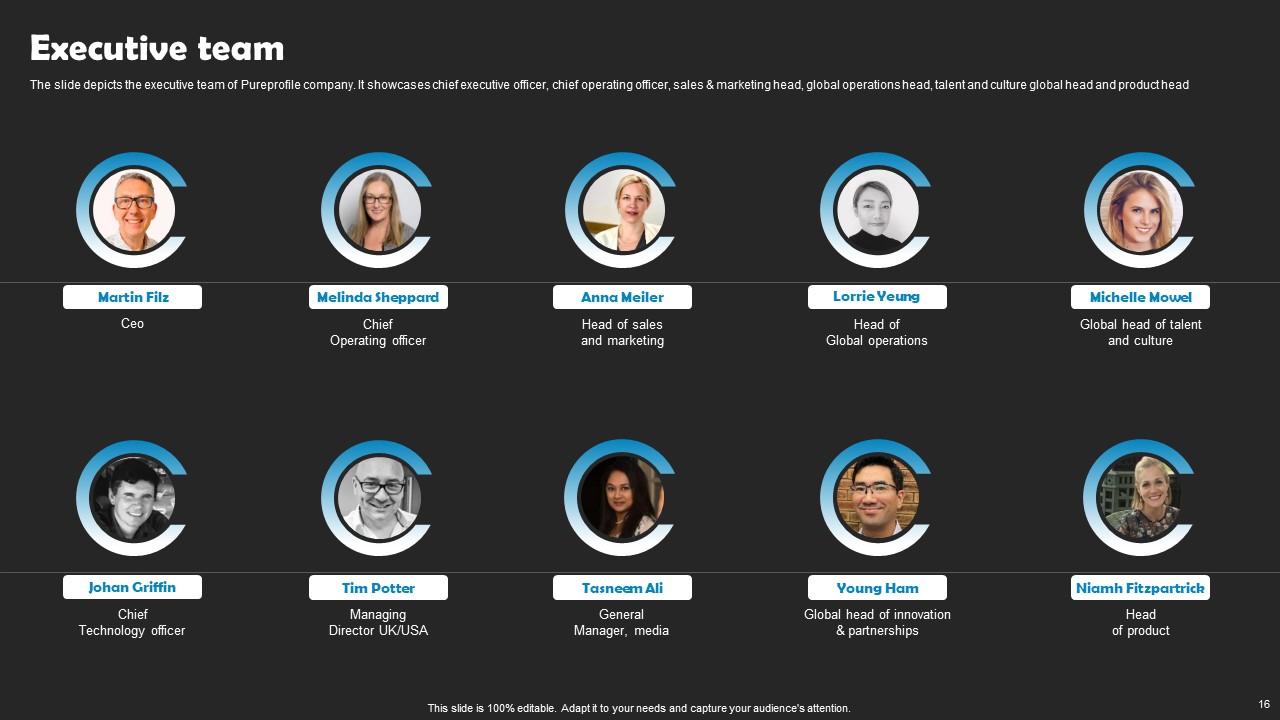
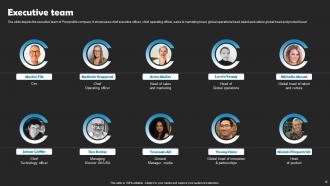
Slide 16: The slide displays the executive team of Pureprofile company.
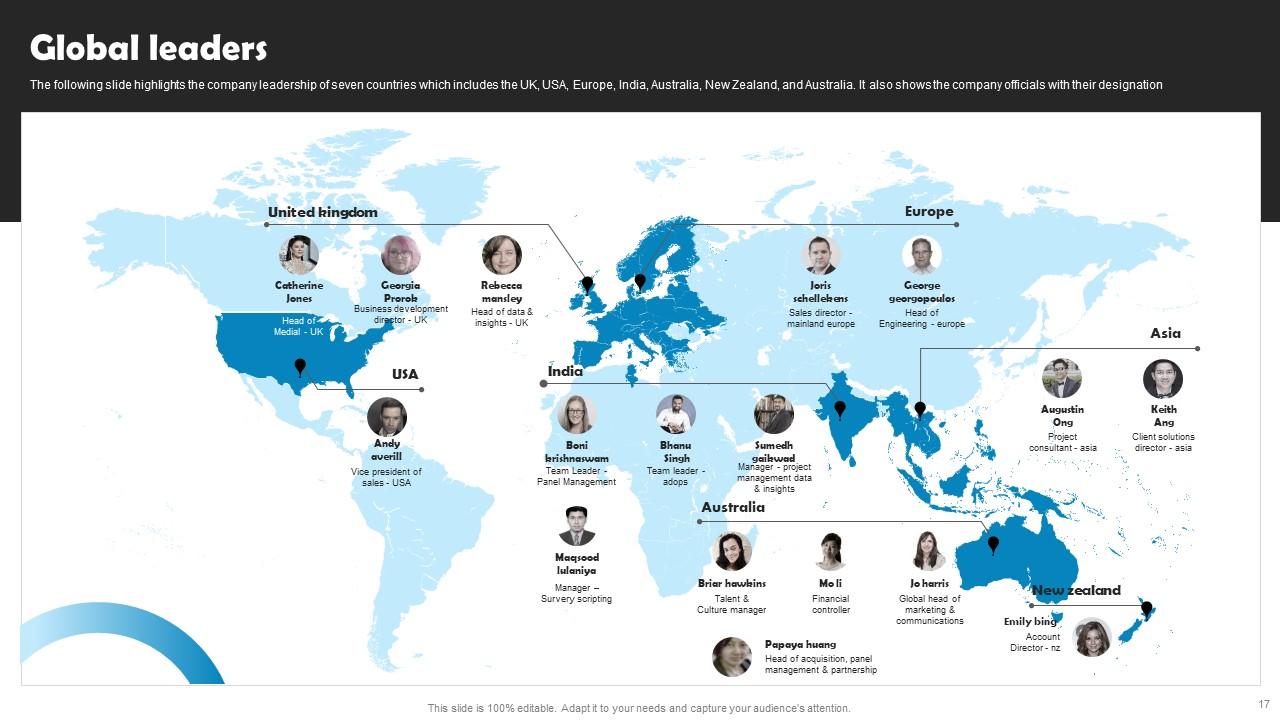
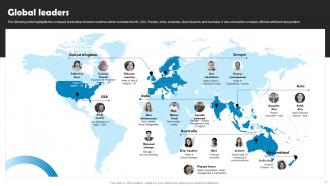
Slide 17: The following slide highlights the company leadership of seven countries, including the UK, USA, Europe, India, etc.
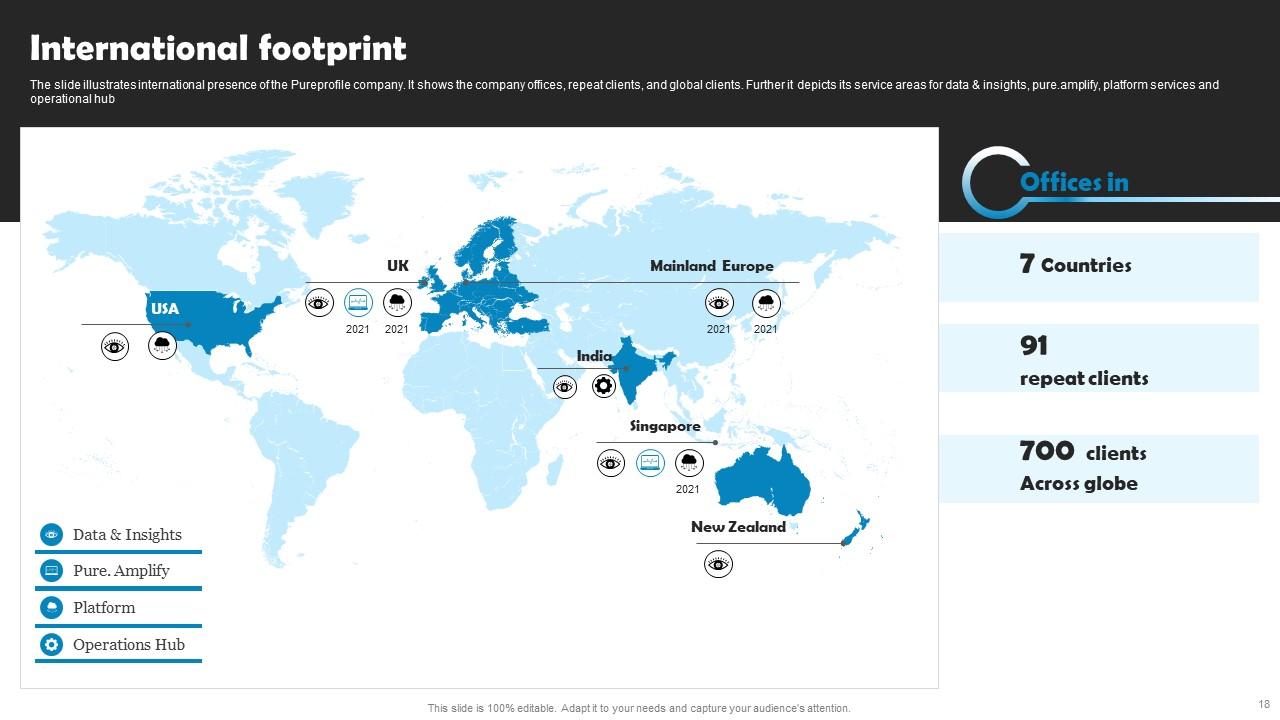
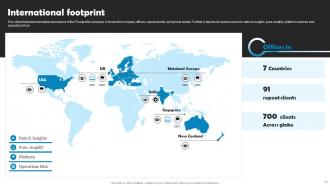
Slide 18: The slide illustrates international presence of the Pureprofile company.
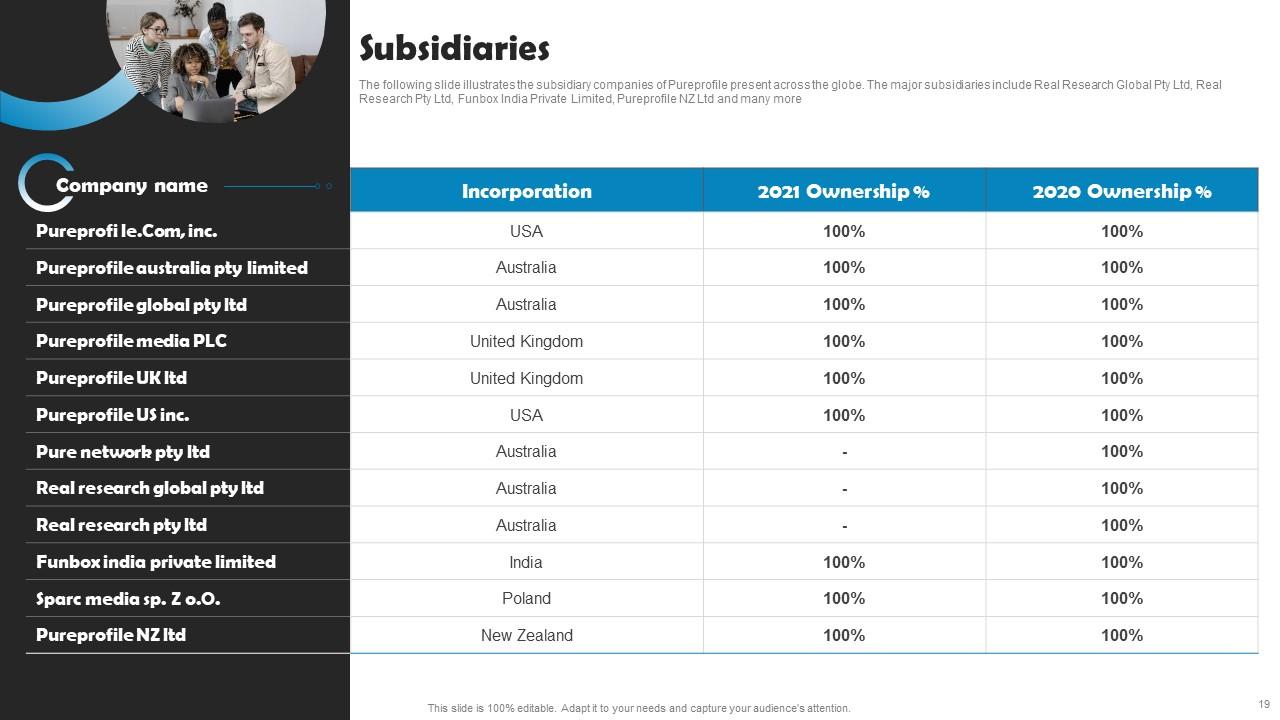
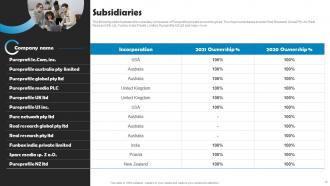
Slide 19: This slide mentions the subsidiary companies of Pureprofile present across the globe.
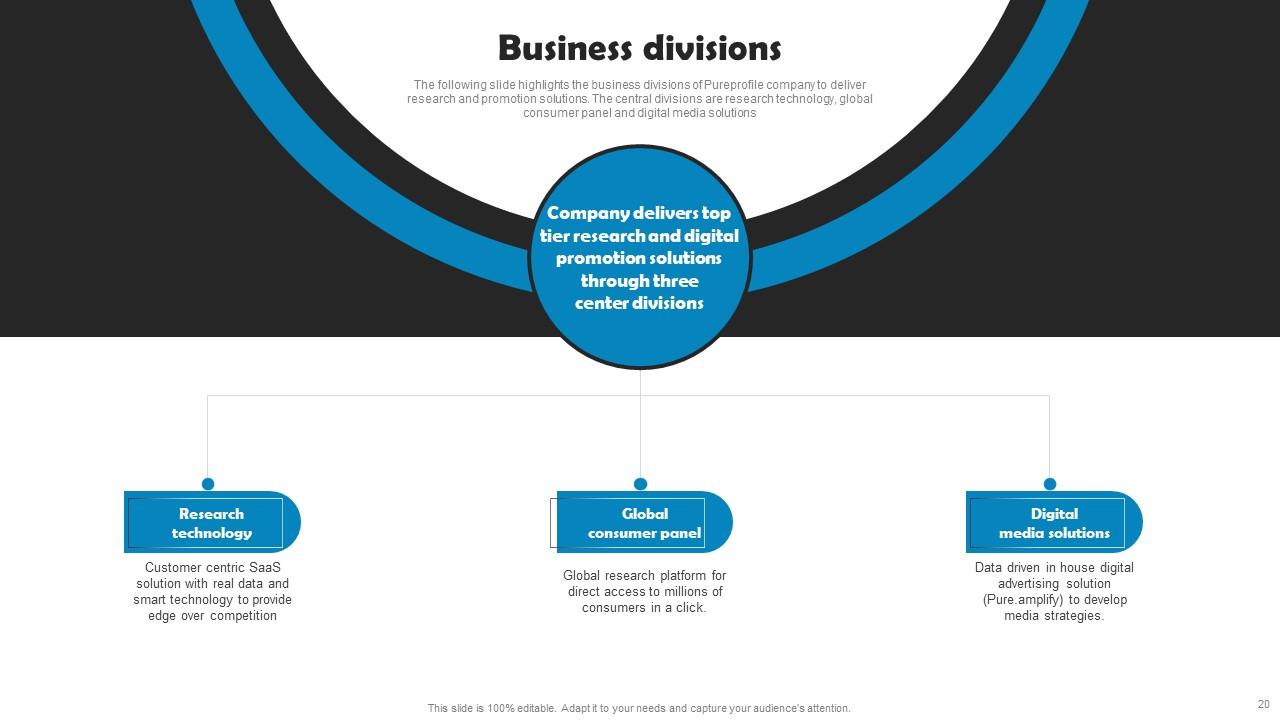
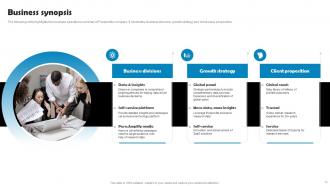
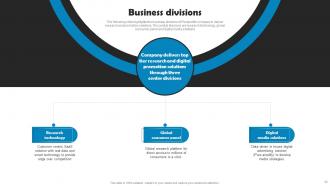
Slide 20: This slide indicates the business divisions of Pureprofile company to deliver research and promotion solutions.
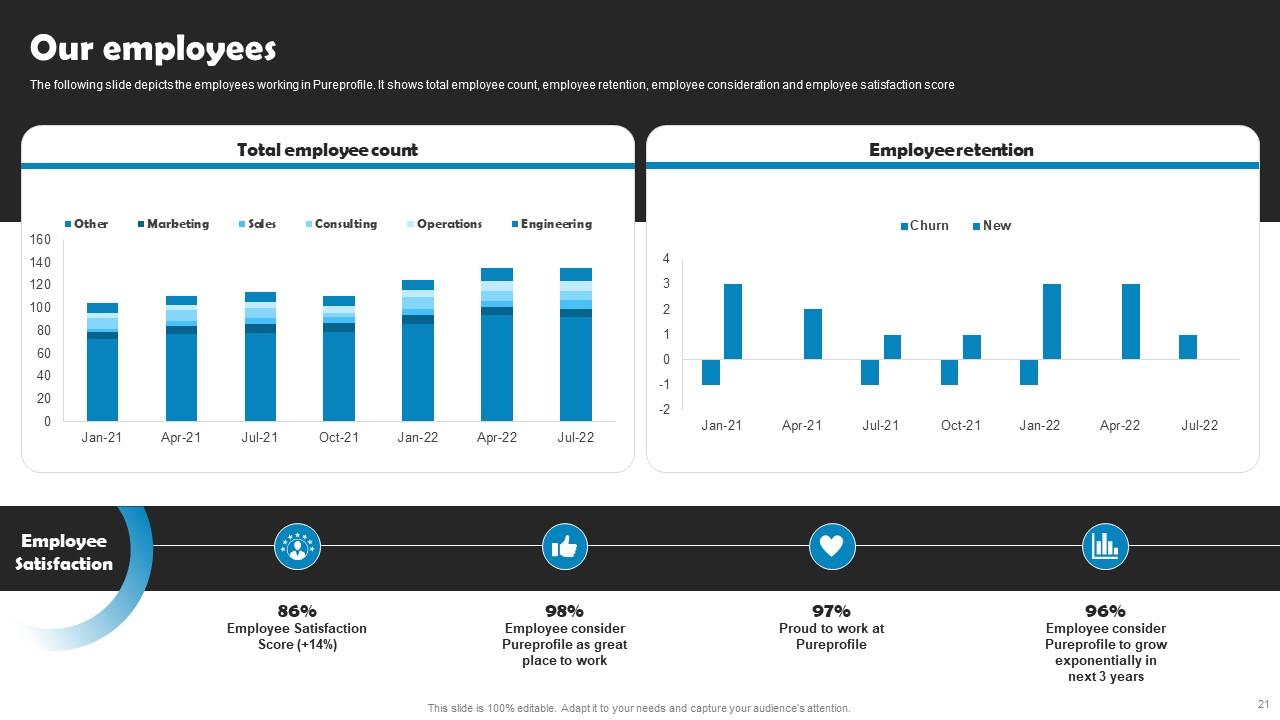
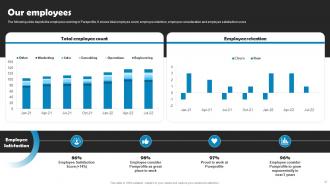
Slide 21: The following slide depicts the employees working in Pureprofile.
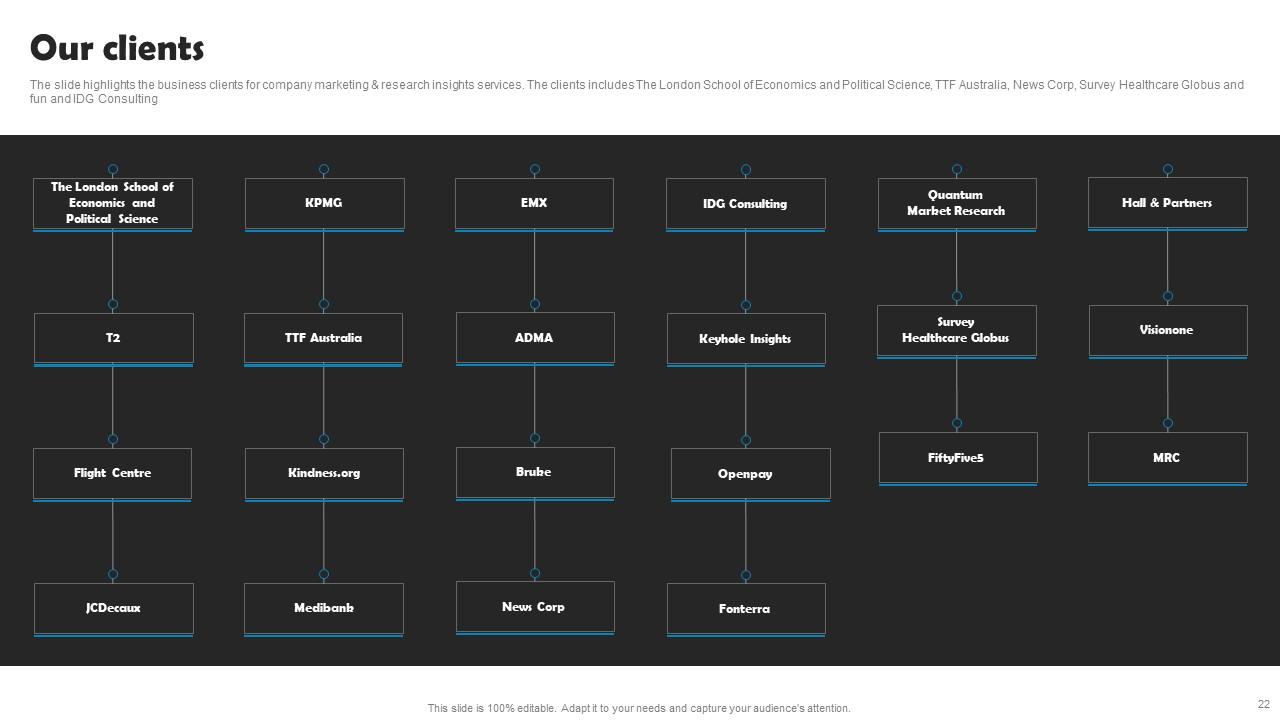
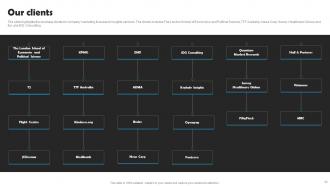
Slide 22: This slide highlights the business clients for company marketing & research insights services.
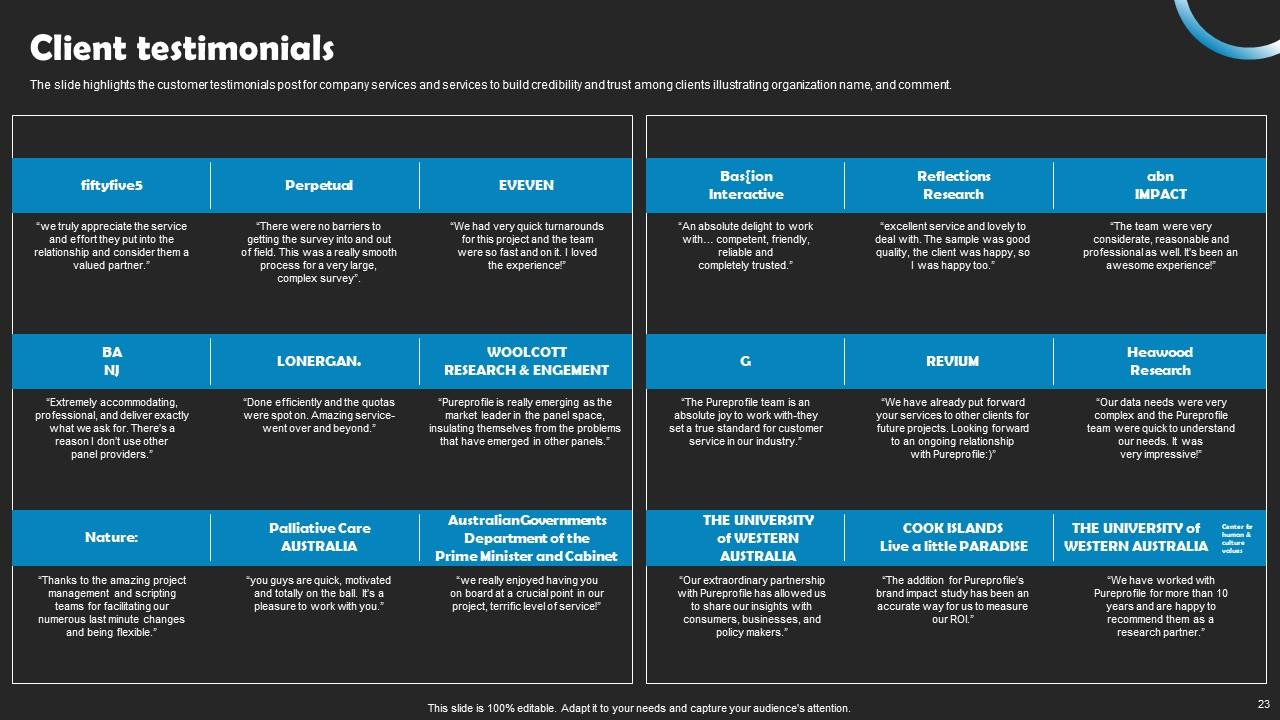
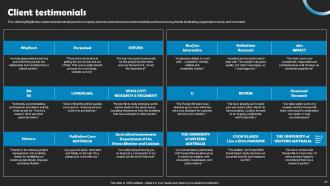
Slide 23: The slide presents the customer testimonials post for company services.
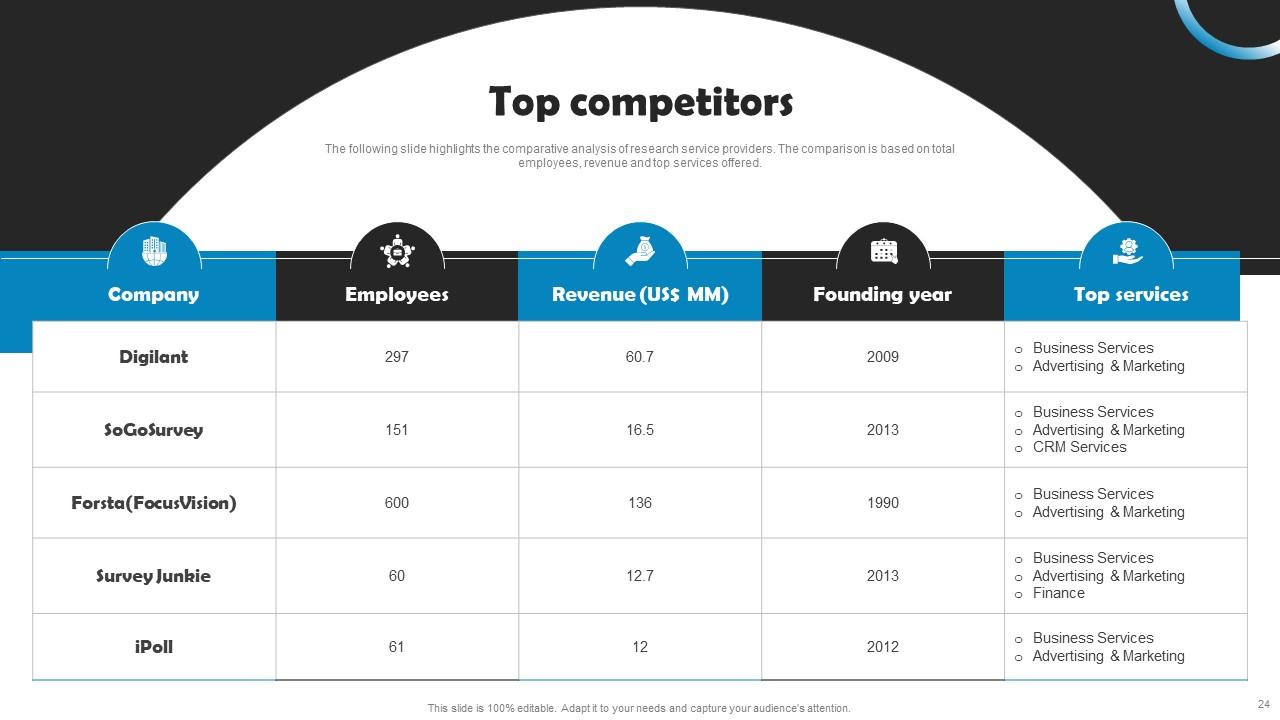
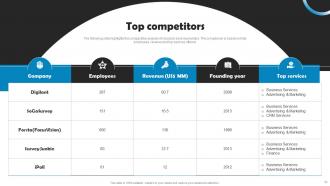
Slide 24: This slide reveals the comparative analysis of research service providers.
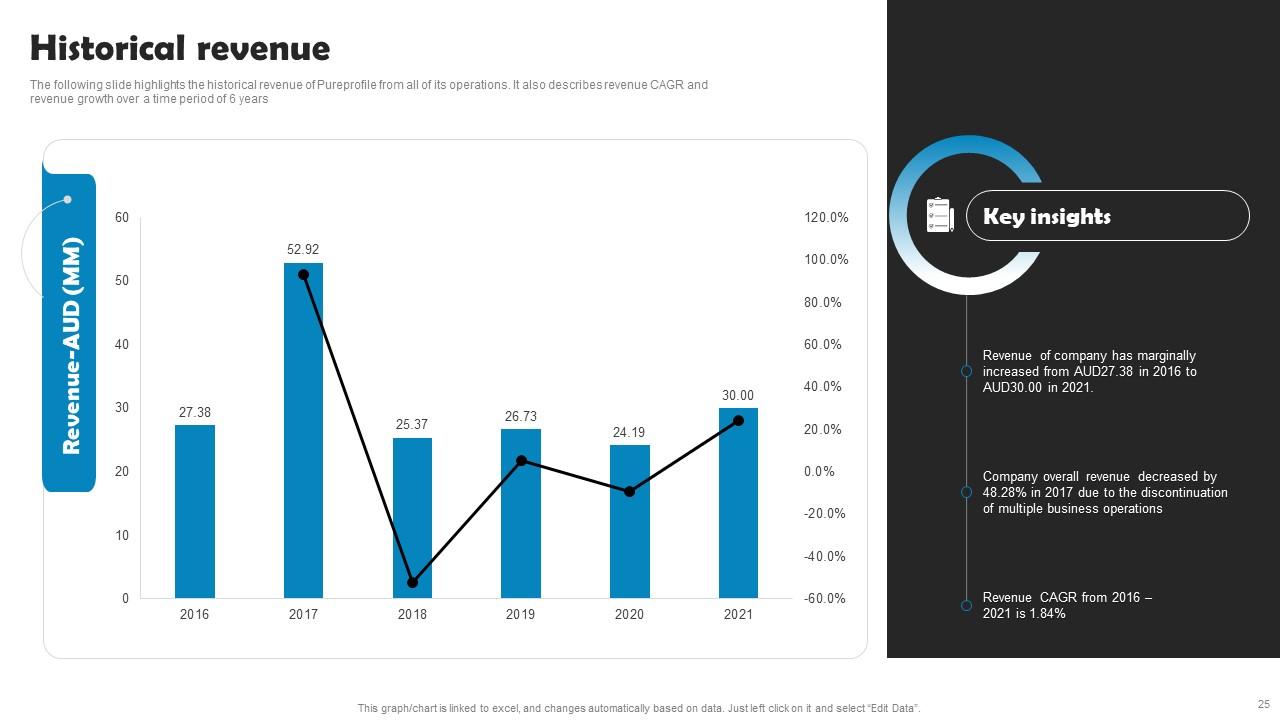
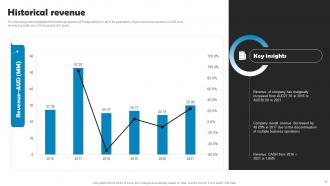
Slide 25: This slide presents the historical revenue of Pureprofile from all of its operations.
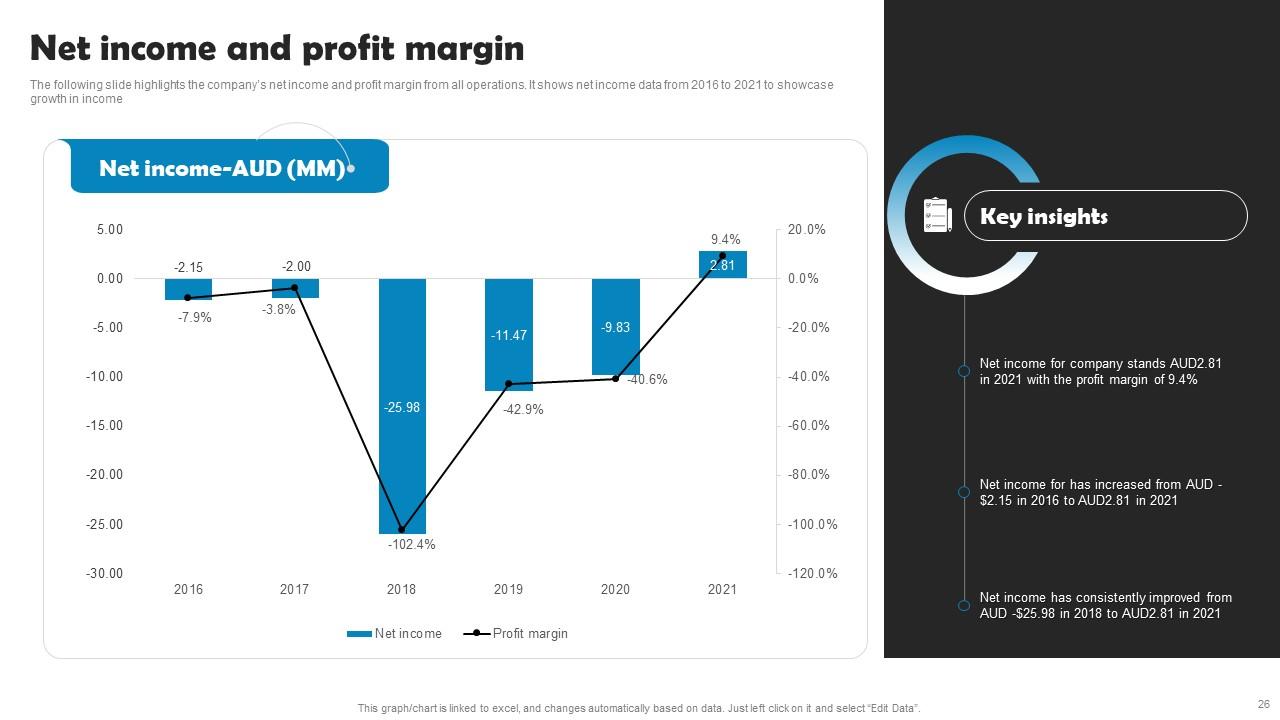
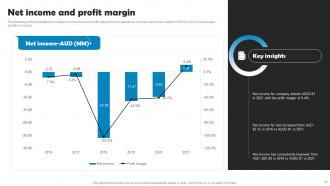
Slide 26: The following slide highlights the company’s net income and profit margin from all operations.
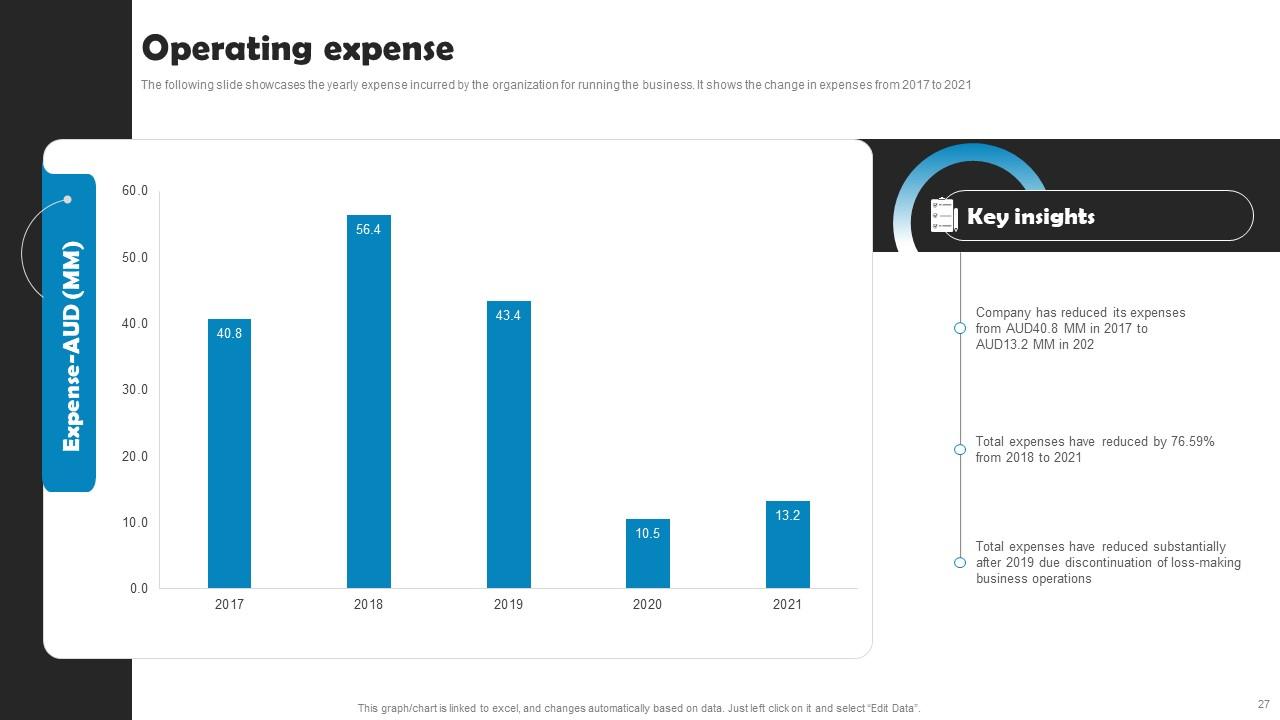
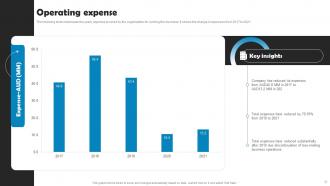
Slide 27: This slide showcases the yearly expense incurred by the organization for running the business.
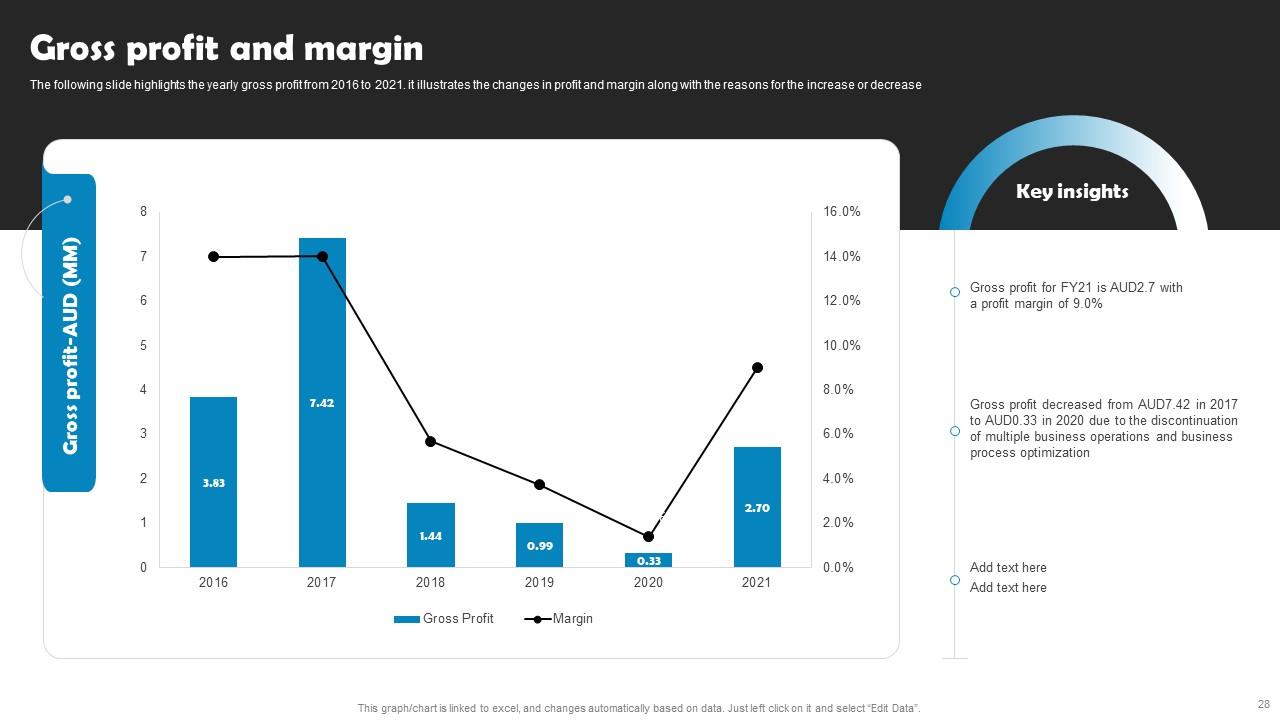
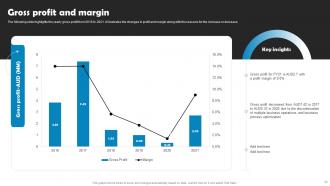
Slide 28: The following slide highlights the yearly gross profit from 2016 to 2021.
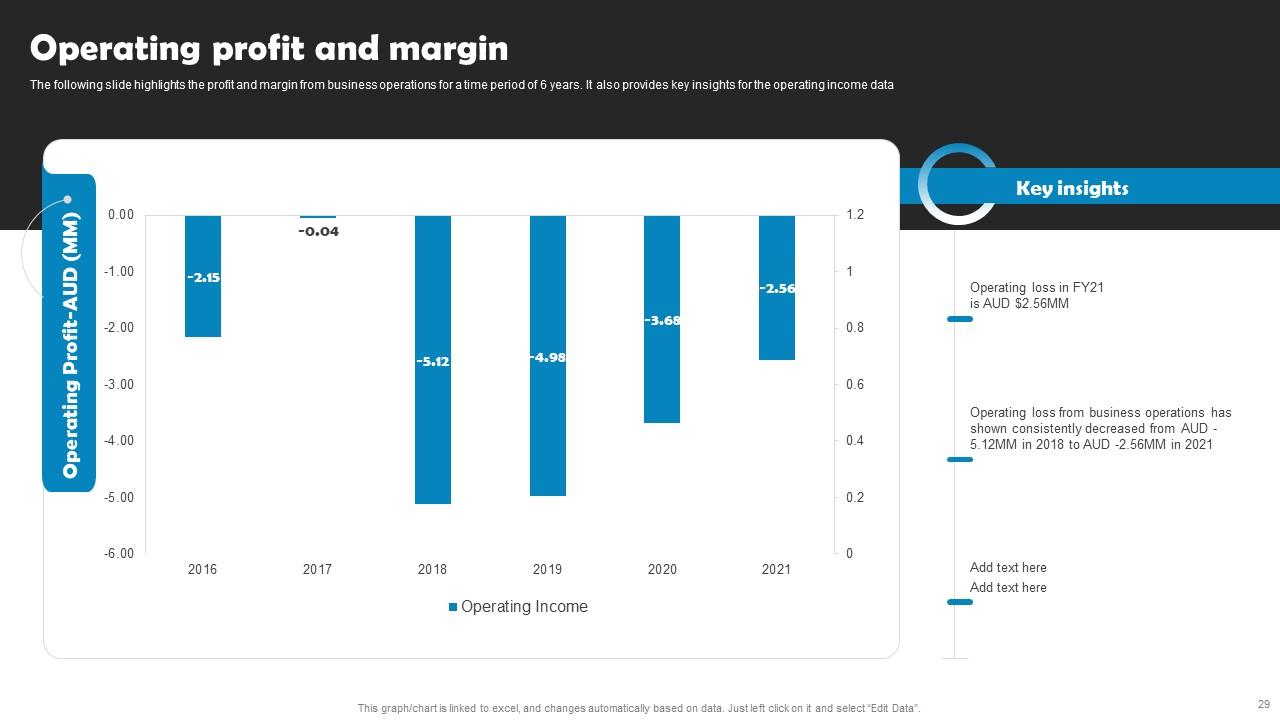
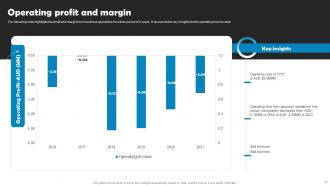
Slide 29: This slide talks about Operating profit and margin.
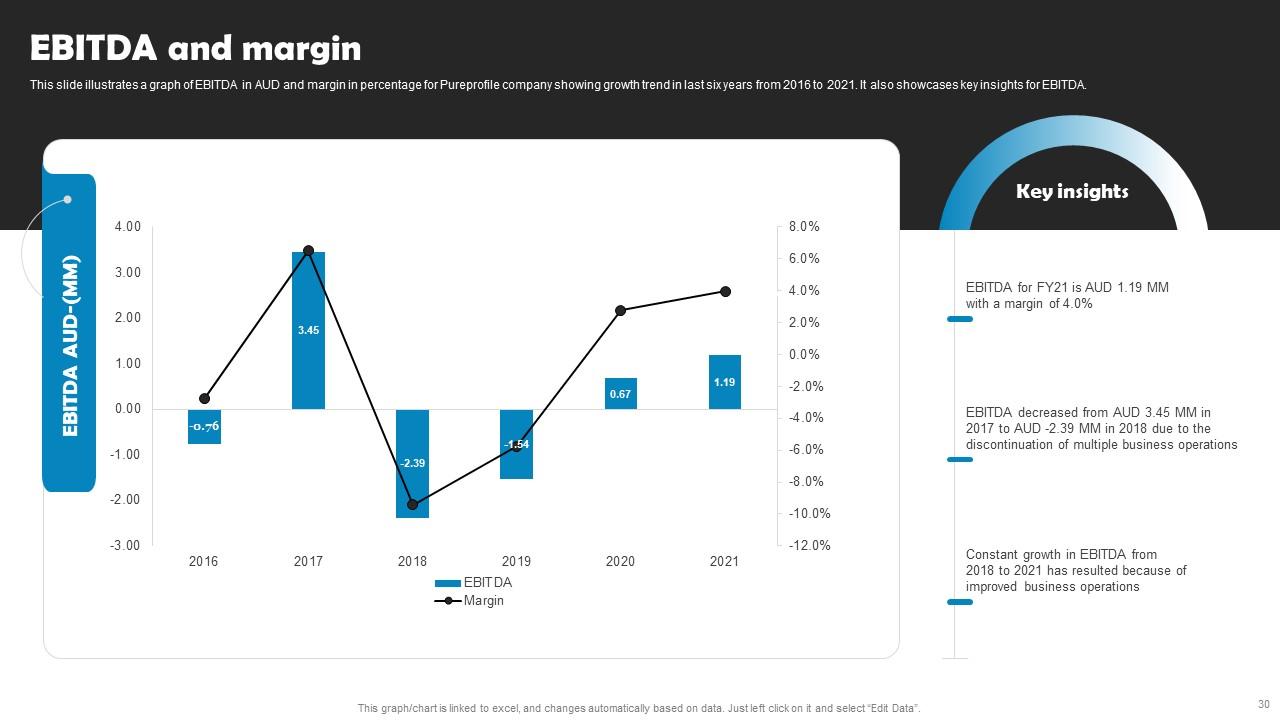
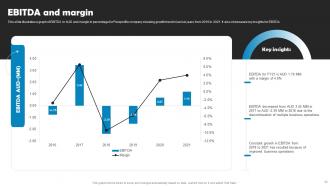
Slide 30: This slide illustrates a graph of EBITDA in AUD and margin in percentage for Pureprofile company.
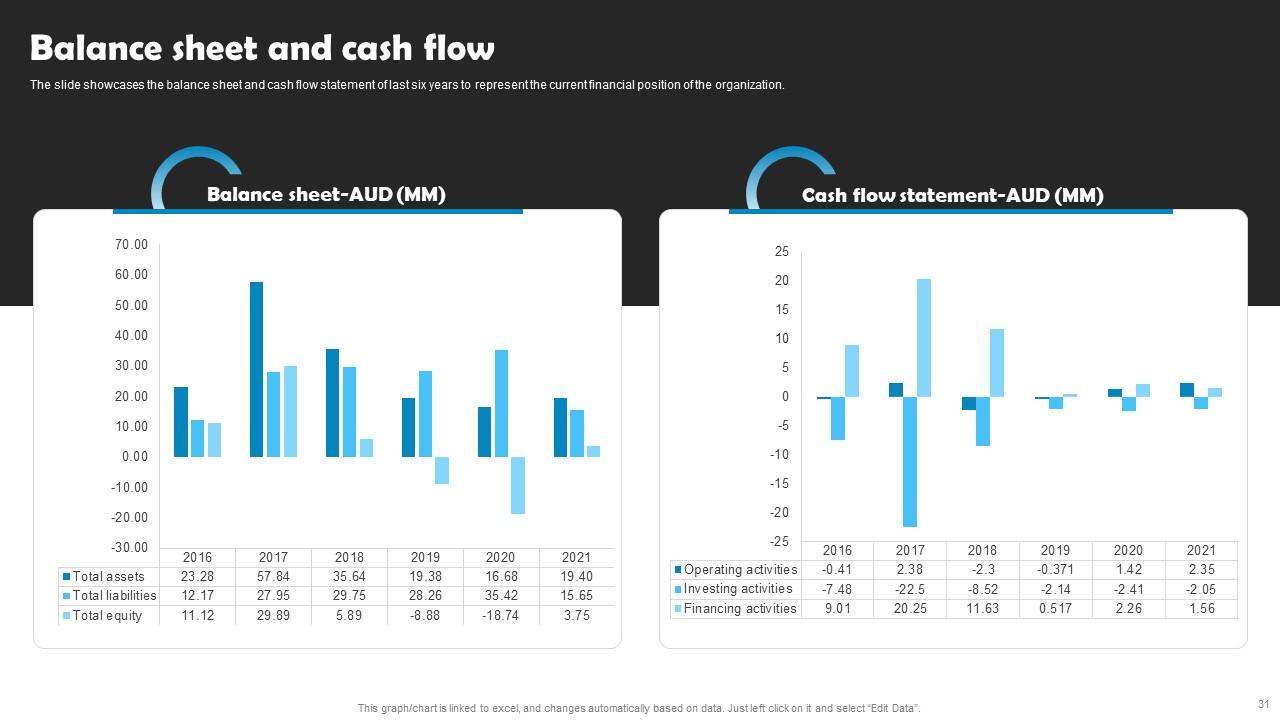
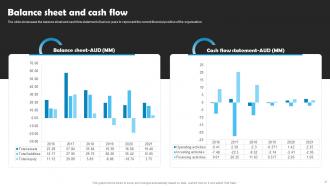
Slide 31: The slide showcases the balance sheet and cash flow statement of last six years.
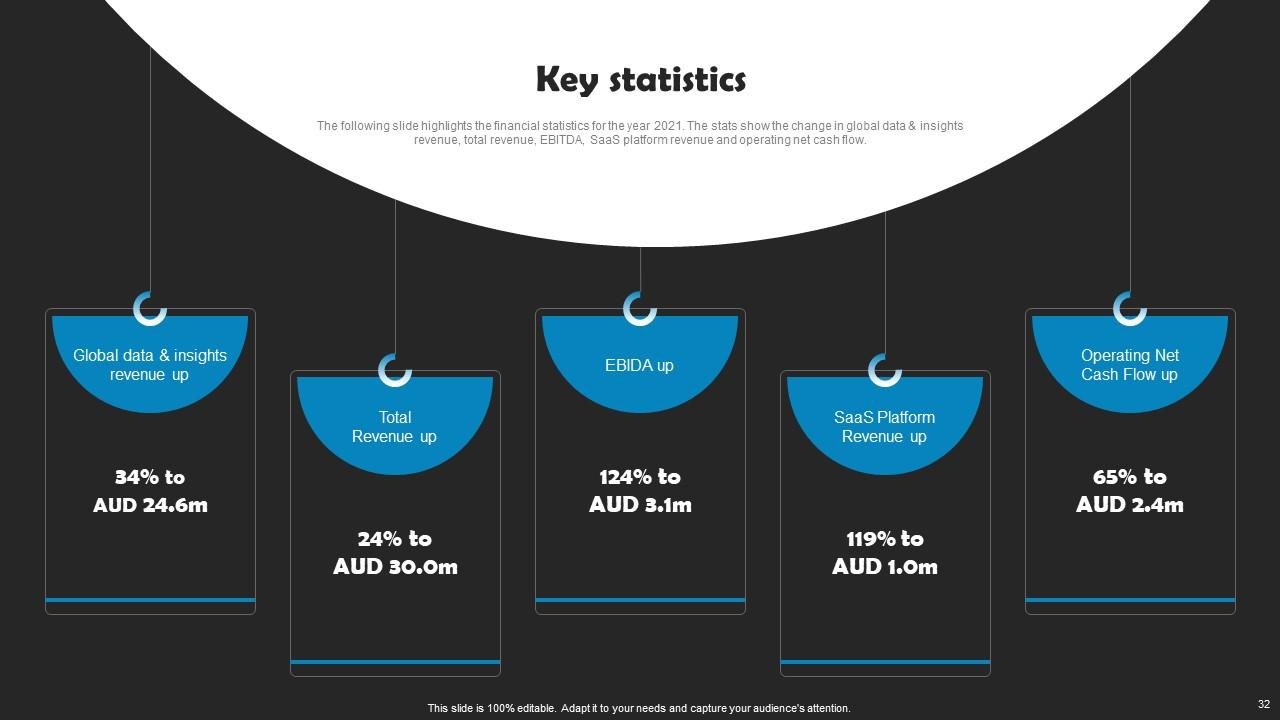
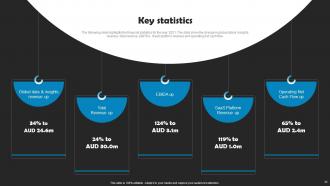
Slide 32: This slide exhibits the financial statistics for the year 2021.
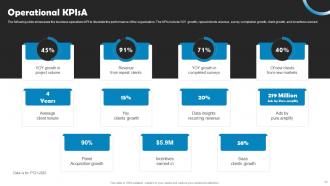
Slide 33: The following slide showcases the business operations KPI to illustrate the performance of the organization.
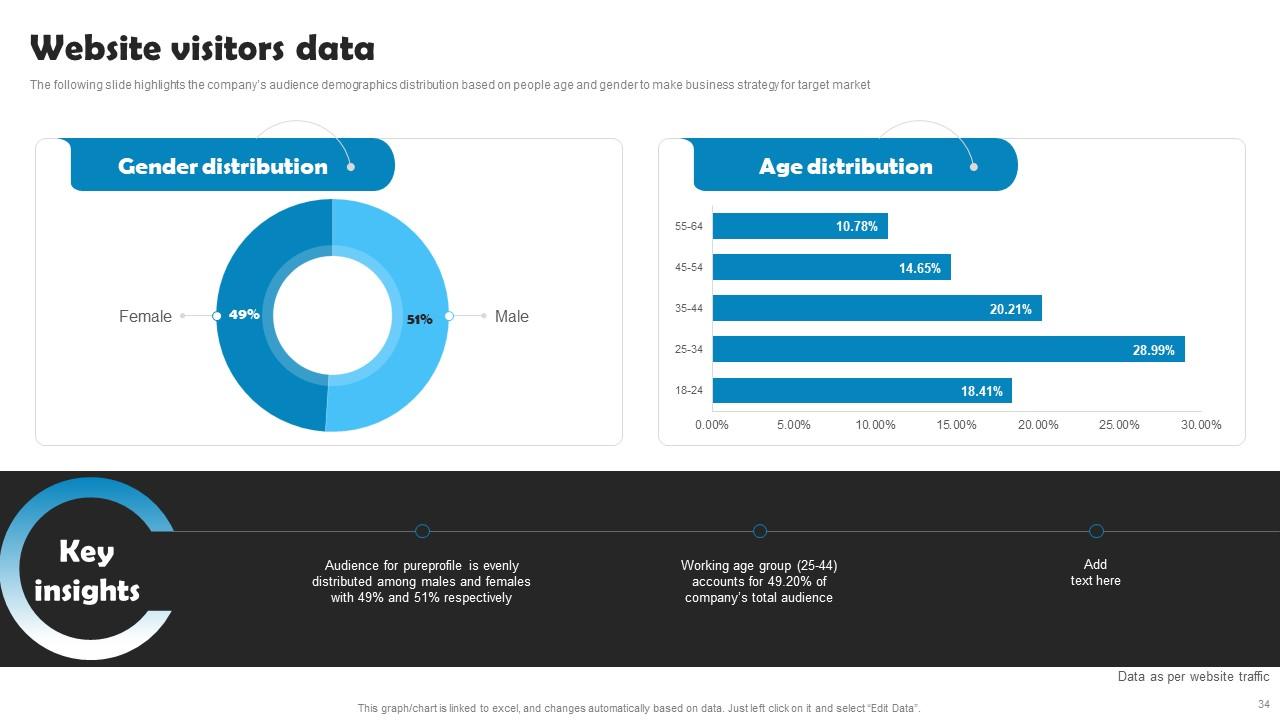
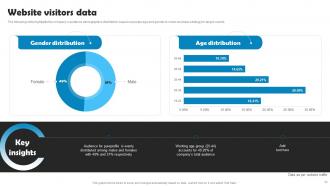
Slide 34: This slide highlights the company’s audience demographics distribution.
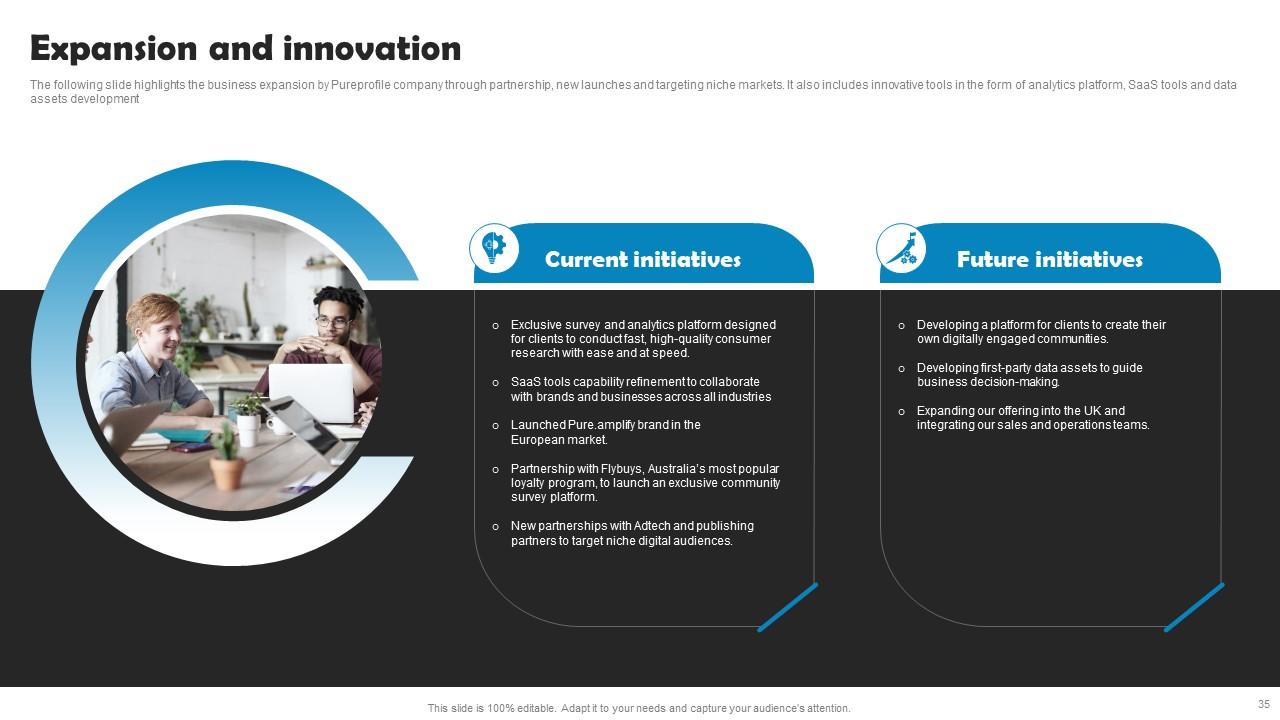
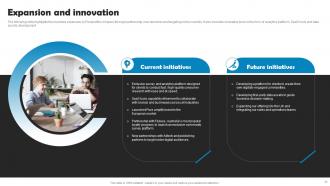
Slide 35: This side deals with Expansion and innovation.
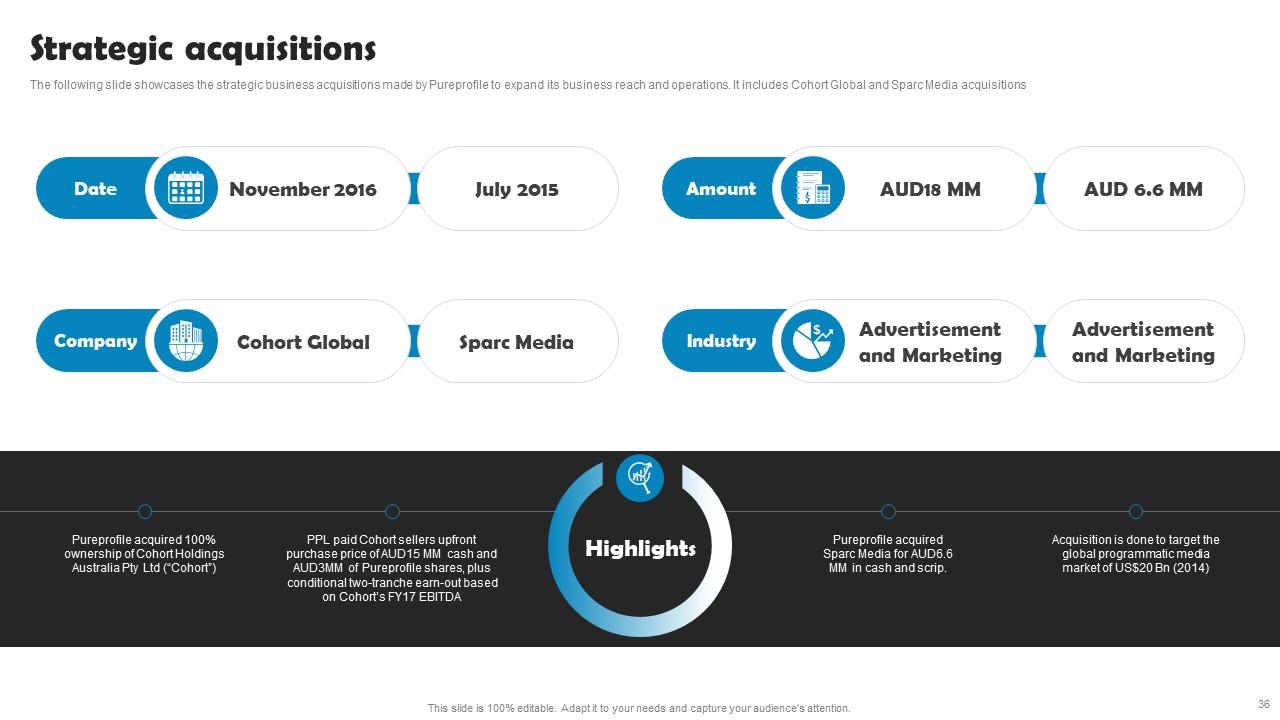
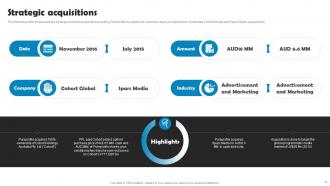
Slide 36: The following slide showcases the strategic business acquisitions made by Pureprofile to expand its business reach and operations.
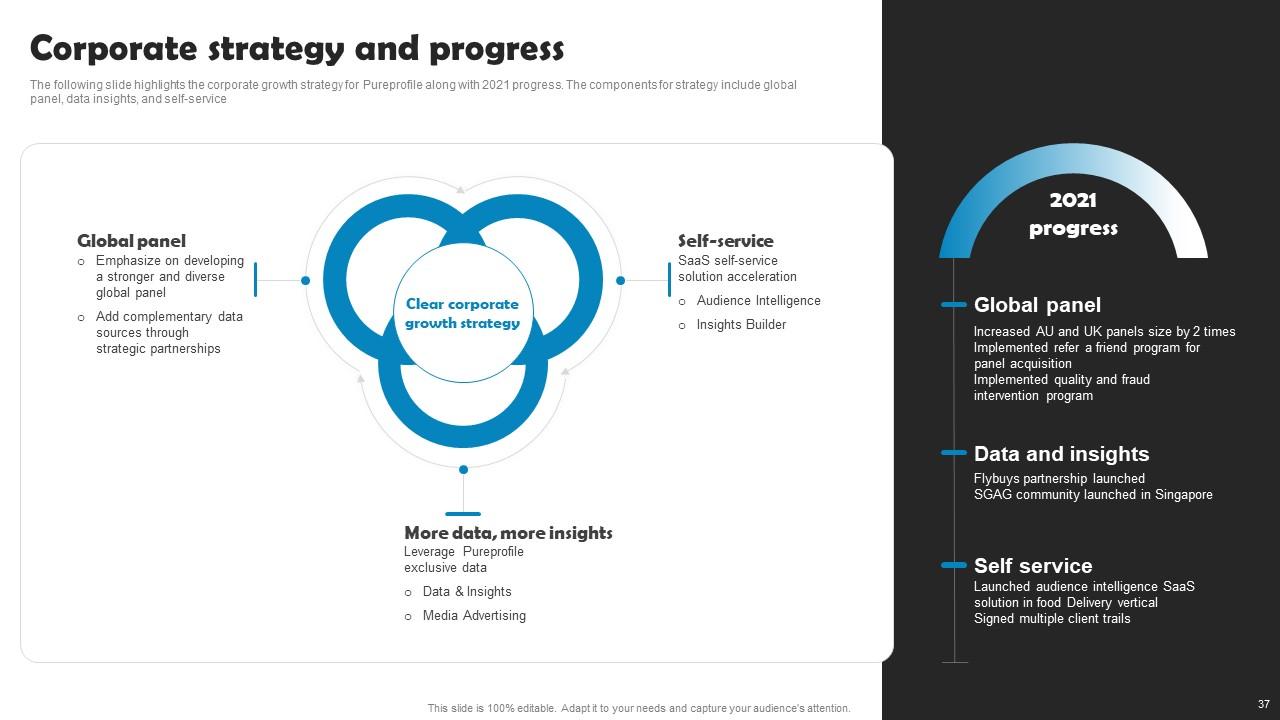
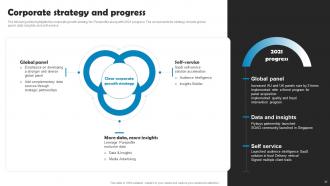
Slide 37: This slide indicates the Corporate strategy and progress.
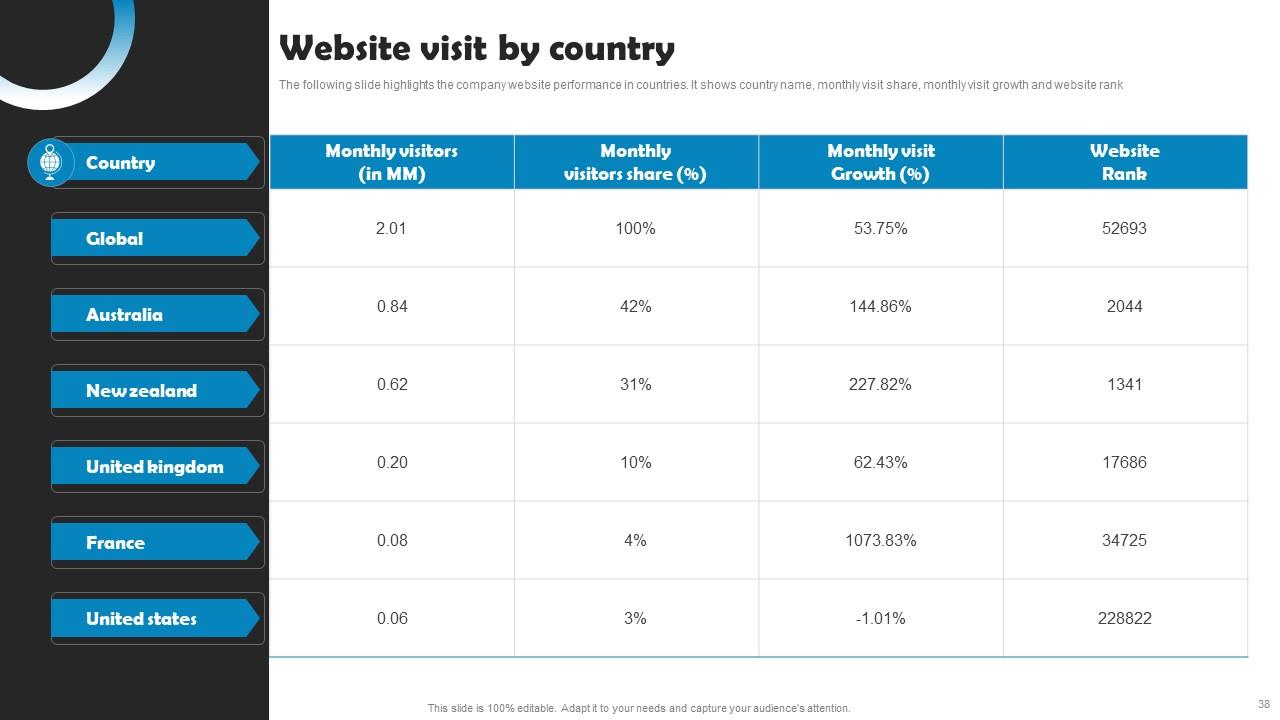
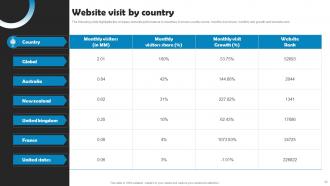
Slide 38: The following slide highlights the company website performance in countries.
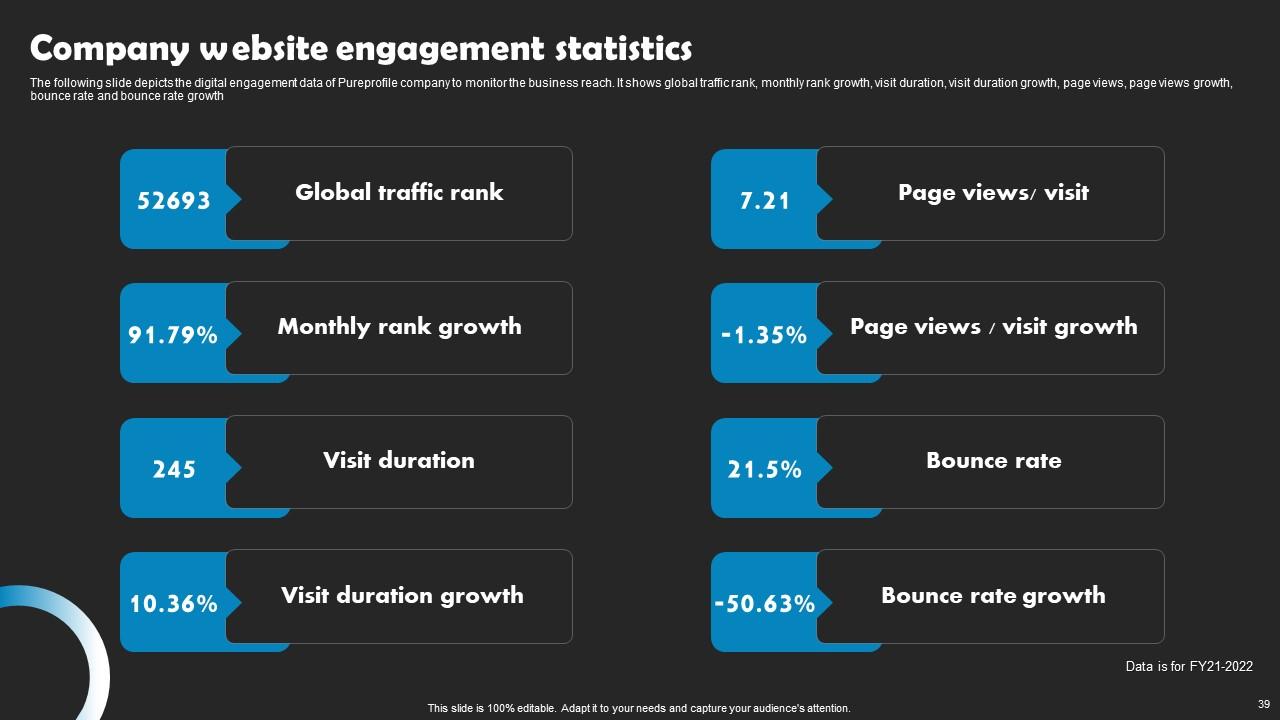
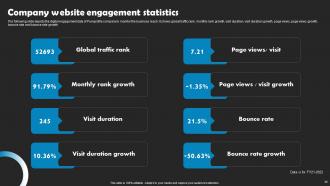
Slide 39: This slide depicts the digital engagement data of Pureprofile company to monitor the business reach.
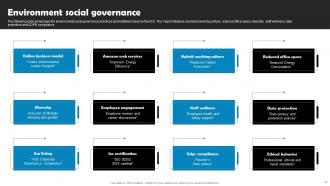
Slide 40: This slide represents the Environment social governance.
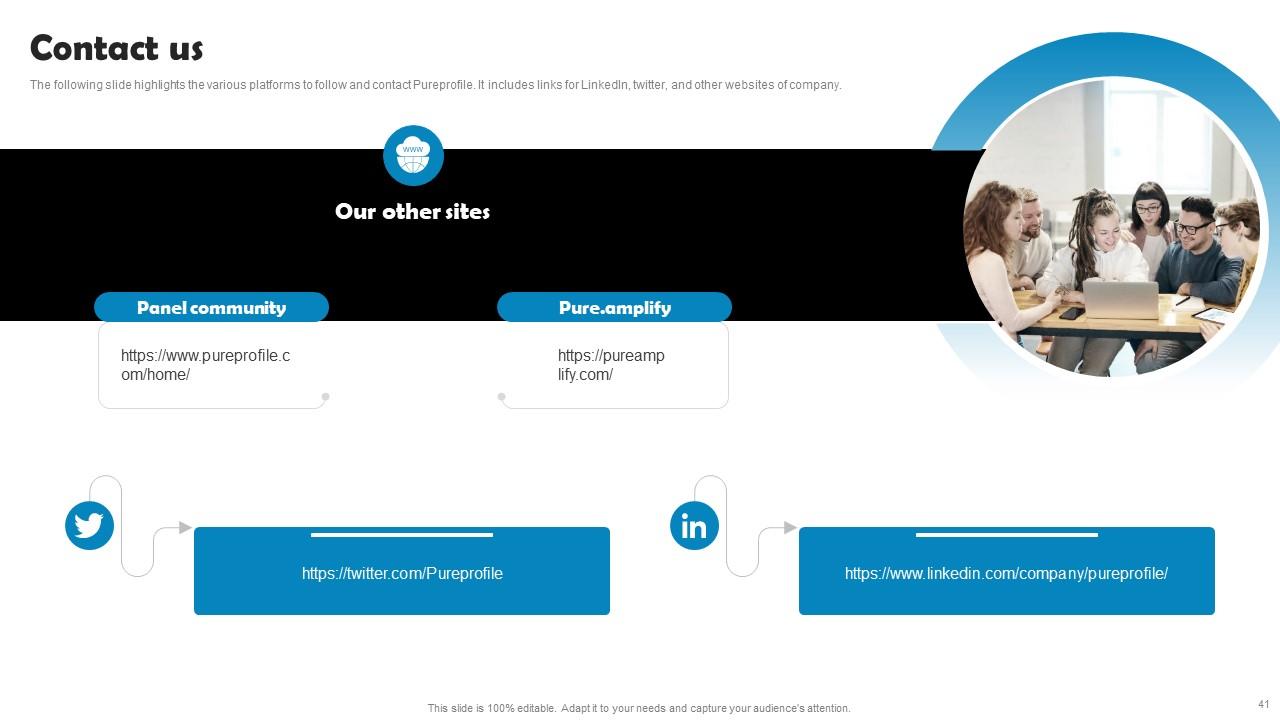
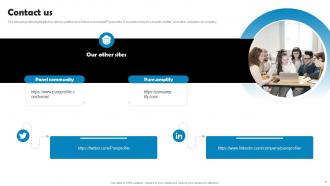
Slide 41: The following slide highlights the various platforms to follow and contact Pureprofile.
Slide 42: This is the Icons slide containing all the Icons used in the plan.
Slide 43: This slide is used for displaying some Additional information.
Slide 44: This is Our team slide. State your team-related information here.
Slide 45: This is Our target slide. State your organizational targets here.
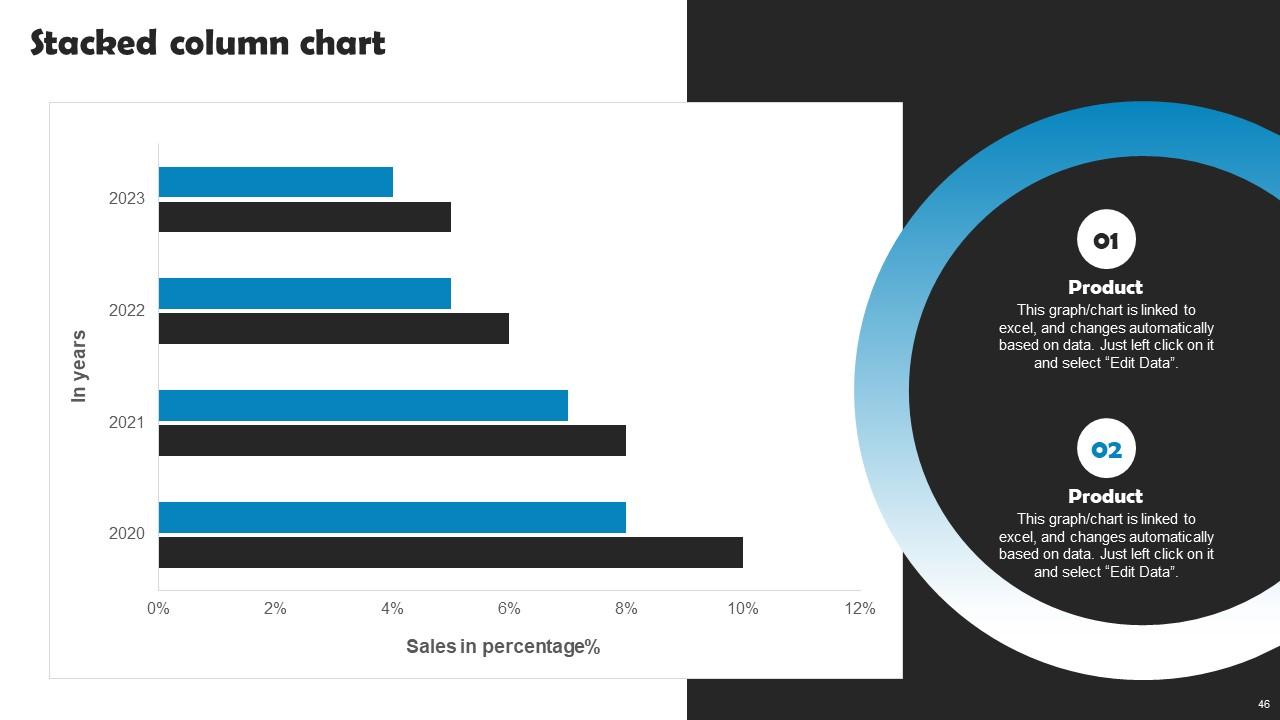
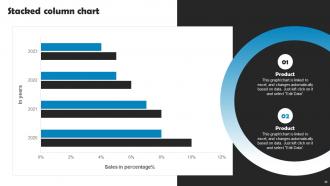
Slide 46: This is the Stacked column chart chart.
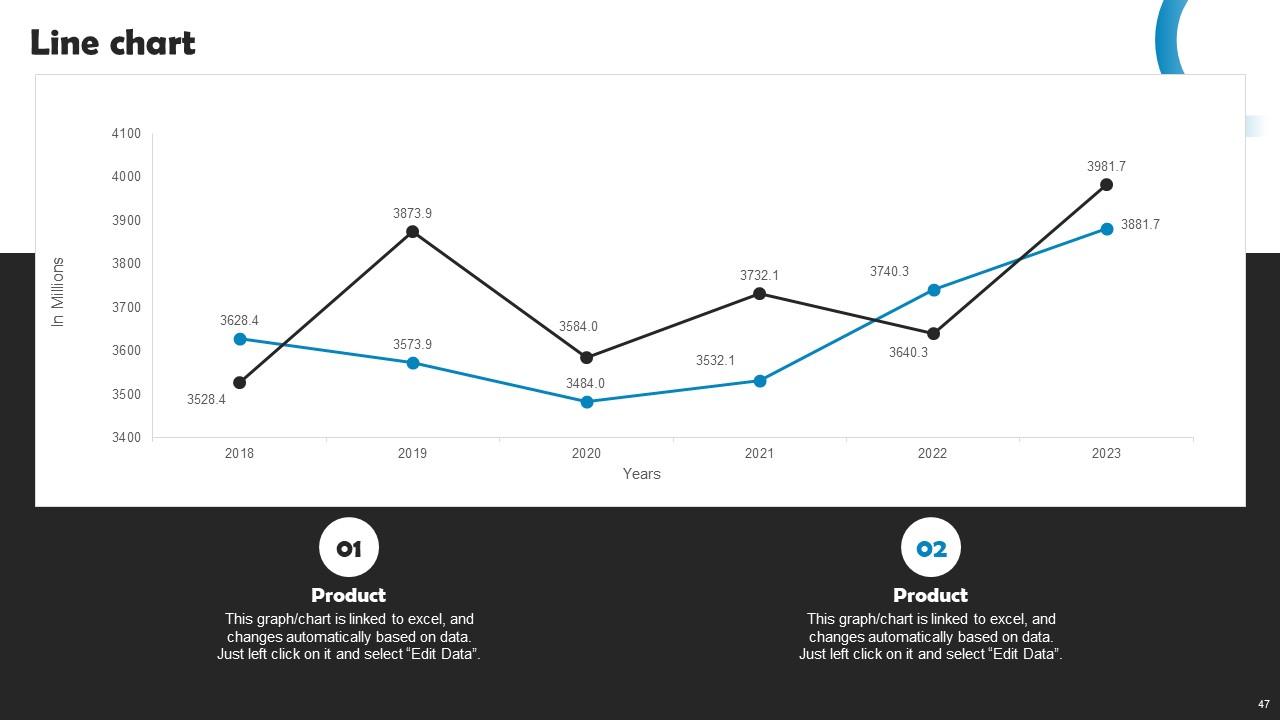
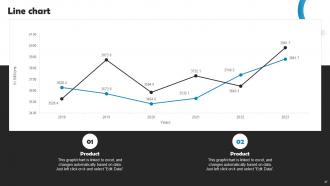
Slide 47: This slide displays the Line chart.
Slide 48: This is the Venn diagram slide.
Slide 49: This slide contains the Post it notes for reminders and deadlines.
Slide 50: This is the Puzzle slide with related imagery.
Slide 51: This is the 30-60-90 days plan slide for effective planning.
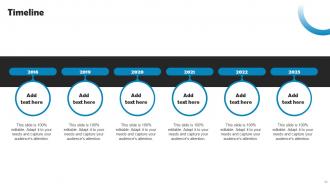
Slide 52: This slide shows the Timeline of the company.
Slide 53: This is the Thank You slide for acknowledgement.
Marketing Research Company Profile Powerpoint Presentation Slides CP CD V with all 58 slides:
Use our Marketing Research Company Profile Powerpoint Presentation Slides CP CD V to effectively help you save your valuable time. They are readymade to fit into any presentation structure.
-
Commendable slides with attractive designs. Extremely pleased with the fact that they are easy to modify. Great work!
-
Mesmerized with the fantastic collection! Super sleek, relevant infographics.
