


Manufacturing Process Powerpoint Ppt Template Bundles




Try Before you Buy Download Free Sample Product
 Impress Your
 Audience
 100%
100% Editable
 Save Hours
 of Time


Our Manufacturing Process Powerpoint Ppt Template Bundles are topically designed to provide an attractive backdrop to any subject. Use them to look like a presentation pro.
People who downloaded this PowerPoint presentation also viewed the following :
Content of this Powerpoint Presentation
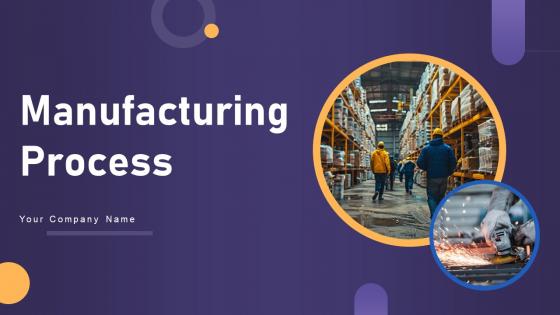
Slide 1: This slide introduces Manufacturing Process. State your company name and begin.
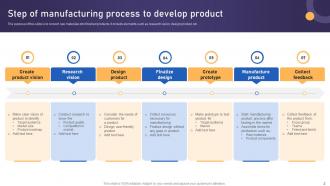
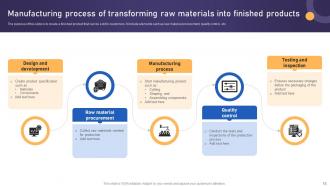
Slide 2: The purpose of this slide is to convert raw materials into finished products. It include elements such as research vision, design product, etc.
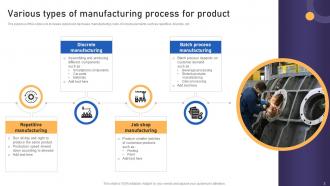
Slide 3: The purpose of this slide is to increase output and decrease manufacturing costs. It include elements such as repetitive, discrete, etc.
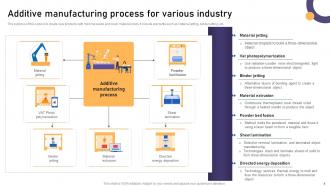
Slide 4: The purpose of this slide is to create new products with minimal waste and lower material costs. It include elements such as material jetting, binder jetting, etc.
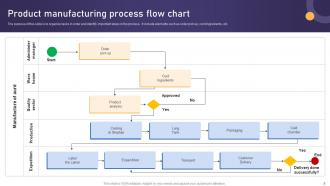
Slide 5: The purpose of this slide is to organize tasks in order and identify important steps in the process. It include elements such as order pick up, curd ingredients, etc.
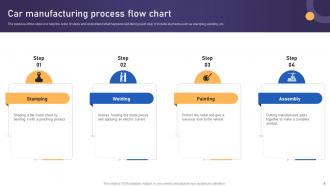
Slide 6: The purpose of this slide is to help the order of steps and understand what happens next during each step. It include elements such as stamping, welding, etc.
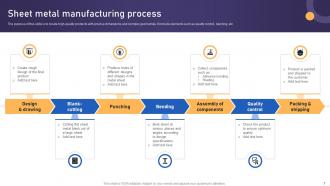
Slide 7: The purpose of this slide is to create high-quality products with precise dimensions and complex geometries. It include elements such as quality control, bending, etc.
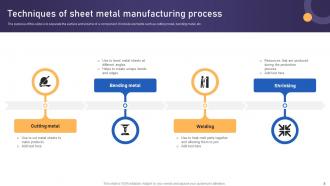
Slide 8: The purpose of this slide is to separate the surface and volume of a component. It include elements such as cutting metal, bending metal, etc.
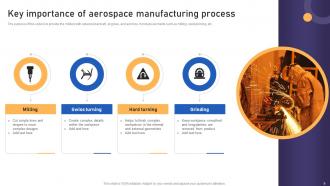
Slide 9: The purpose of this slide is to provide the military with advanced aircraft, engines, and avionics. It include elements such as milling, swiss turning, etc.
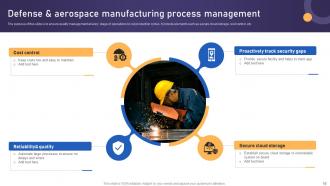
Slide 10: The purpose of this slide is to ensure quality management at every stage of operations to cut production cycles. It include elements such as secure cloud storage, cost control, etc.
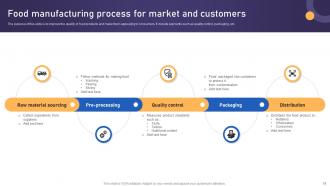
Slide 11: The purpose of this slide is to improve the quality of food products and make them appealing to consumers. It include elements such as quality control, packaging, etc.
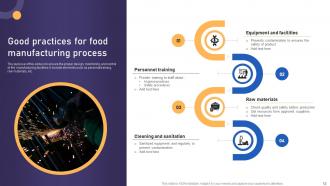
Slide 12: The purpose of this slide is to ensure the proper design, monitoring, and control of the manufacturing facilities. It include elements such as personal training, raw materials, etc.
Slide 13: The purpose of this slide is to create a finished product that can be sold to customers. It include elements such as raw material procurement, quality control, etc.
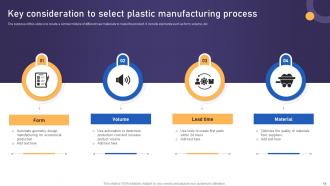
Slide 14: The purpose of this slide is to create a similar mixture of different raw materials to make the product. It include elements such as form, volume, etc.
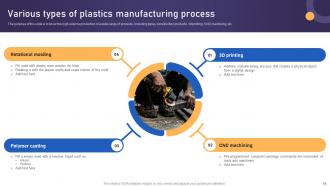
Slide 15: The purpose of this slide is to know the high-volume production of a wide range of products, including pipes, construction products. 3d printing, CNC machining, etc.
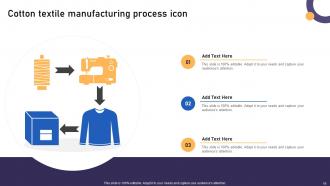
Slide 16: The purpose of this slide Cotton textile manufacturing process icon
Slide 17: The purpose of this slide Plastic bottle manufacturing process icon
Slide 18: The purpose of this slide Product automation manufacturing process icon
Slide 19: This is a Thank You slide with address, contact numbers and email address.
Manufacturing Process Powerpoint Ppt Template Bundles with all 27 slides:
Use our Manufacturing Process Powerpoint Ppt Template Bundles to effectively help you save your valuable time. They are readymade to fit into any presentation structure.










FAQs for Manufacturing Process Powerpoint
So you'll need to tackle planning first - figure out your product design and what materials you actually need. Then comes sourcing all those raw materials and components. Production is honestly the messiest part, tons of moving pieces depending on what you're making. Quality checks should happen throughout the whole thing, not just at the end (learned that one the hard way). After that it's packaging and getting stuff shipped out to customers. Oh, and definitely write down each step clearly so your team isn't constantly asking what comes next.
Honestly, automation can be a game changer - you're looking at 20-50% efficiency gains because machines don't get tired or make stupid mistakes. The upfront costs will hurt your wallet though, not gonna lie. But once it's running? Your labor costs drop big time and everything becomes way more predictable. I'd focus on your most repetitive stuff first - that's where you'll see money back fastest. Oh, and the data tracking is actually pretty sweet since everything gets logged automatically. Makes it easier to prove ROI when you want to automate more areas later.
Honestly, QC is like having insurance for your manufacturing - catches problems before they blow up in your face. Start by checking incoming materials, then monitor stuff as it moves through production. Final inspections before shipping are crucial too. I know it feels boring but trust me, skip it once and you'll regret it when customers start complaining. The whole point is stopping issues before they happen, not just finding them later. Set checkpoints at the important stages and write everything down - you'll start seeing patterns that help you fix processes. Way better than dealing with angry customers.
So basically, lean manufacturing is all about cutting waste by figuring out what your customers actually value - then ditching everything else. There's seven types of waste to hunt down: overproduction, waiting, transportation, over-processing, inventory, motion, and defects. Map out your current processes first so you can spot where things get stuck or messy. The 5S thing might sound boring but honestly it works - just organize your workspace and standardize how you do things. Focus on continuous flow instead of batching everything together. Oh, and tackle your biggest time-wasters first, obviously.
So basically, make-to-stock means you're making stuff before anyone orders it - building up inventory. Make-to-order is the opposite. You wait for orders first, then start production. Stock works well when demand's predictable and customers want fast shipping. But honestly, you might end up with tons of unsold product sitting around. Order-based production cuts waste and lets you customize things, though customers have to wait longer. Planning gets messier too. Really depends on your product and how well you can predict what people want. Some companies do a mix of both approaches - probably the smartest move if you can swing it.
So basically you want your suppliers and production floor talking to each other constantly. When materials show up should match exactly when you need them - not sitting around gathering dust for weeks. Most places now have software that connects everything, which honestly makes life way easier than the old spreadsheet chaos. Your procurement people need to buddy up with production planning so nobody's scrambling when deliveries run late. Just-in-time delivery is the goal, but it's gotten pretty high-tech. I'd start by figuring out where purchasing and production aren't communicating well. That's usually where you'll find the biggest headaches to fix.
Honestly, start with IoT sensors on your main equipment - that data will blow your mind and pay for itself fast. AI automation is crushing it right now, handling production schedules that used to take forever to figure out. 3D printing changed everything too - you can prototype weird shapes that were basically impossible before. My buddy's factory has sensors tracking vibration, heat, all that stuff, and they catch problems before machines even break down. Oh and digital twins are pretty wild - basically you can test your whole production line virtually before touching the real thing. IoT first though, trust me on that one.
Dude, regulations control literally everything in manufacturing - your equipment, safety stuff, quality checks, waste disposal, all of it. Build compliance into every step or you're screwed later. Yeah, it slows things down at first but trust me on this. FDA handles food/pharma, EPA does environmental, OSHA covers workplace safety. They can shut you down overnight if you mess up. Oh and regulations change constantly, so stay on top of that. Budget for compliance costs from the start - they add up quick.
Yeah, manufacturing's pretty rough on the environment tbh. Energy consumption from fossil fuels is massive, plus you've got all these toxic chemicals getting dumped into water and air. The waste generation alone is crazy - I saw some stats recently that were honestly shocking. Carbon emissions are through the roof too. Then there's the whole resource extraction thing that leads to deforestation and habitat loss. Water contamination is another big issue. Oh and your supply chains probably aren't helping either. I'd start with an environmental audit to see where you're hitting hardest first.
Start with the easy wins - LED lights and better equipment scheduling. Solar panels are worth it if you've got the roof space. Waste reduction is where you'll see quick results though. Lean manufacturing principles work, plus switching to recyclable materials where you can. Honestly, water conservation saved us way more money than I expected - closed-loop systems and wastewater treatment pay for themselves. Don't forget your supply chain either. Pick vendors who actually care about this stuff. My advice? Pick one thing, track the numbers, then expand from there.
Dude, you NEED to prototype first - trust me on this one. Think of it as your safety net before dropping serious cash on production. Test everything early when fixes are cheap, not after you've already ordered 10,000 units (been there, it sucks). Your stakeholders will actually get excited when they can hold something real instead of squinting at technical drawings. Even a rough mock-up works. You'll catch design flaws, get user feedback, and validate your assumptions without blowing your budget. Honestly, I've seen too many "brilliant" ideas crash because someone skipped this step.
Hey! So it totally depends on what you're making. Auto companies use those crazy fast assembly lines with robots everywhere. Pharma is the opposite - everything's sterile, batch-by-batch, super controlled. Food processing is wild though, like the speeds they package stuff would blow your mind! Electronics need those ultra-clean rooms for placing tiny components. Textiles are more traditional - weaving, dyeing, cutting. Honestly, just figure out what your product actually needs first. Is it durability? Safety? How long it sits on shelves? Then build your process backwards from there.
Focus on the big four first: OEE, quality stuff like defect rates, cycle time, and cost per unit. OEE's honestly the best one since it rolls availability, performance, and quality into a single number. Also watch first-pass yield, throughput, and downtime. Safety metrics matter too - one accident screws everything else up fast. My buddy at Toyota always says start with maybe 3-4 that actually matter for your process. You can add more later. Otherwise you'll be drowning in spreadsheets instead of fixing problems.
Your material choice pretty much controls your entire manufacturing setup. Each material needs its own temps, pressures, and tooling - you can't just switch from aluminum to steel and expect things to work the same way. Costs and availability matter too, obviously. Plus different materials act totally different when you're cutting, forming, or molding them. I learned this the hard way on a project once. Get your material specs nailed down early so your manufacturing team can build the right process around it. Trust me, changing materials mid-stream is a nightmare.
Honestly, cost is the killer - you're dropping serious cash on equipment, software, plus training everyone. Legacy systems are another nightmare since they hate talking to modern IoT stuff. Cybersecurity becomes this whole thing once you connect everything online. Good luck finding people who actually know this tech too, the talent pool is pretty thin right now. My advice? Start super small with like one production line, prove it actually makes money, then expand. Way better than going all-in and potentially face-planting on a massive scale.
-
One-stop solution for all presentation needs. Great products with easy customization.
-
Awesome use of colors and designs in product templates.