


Market approach powerpoint presentation slides





Try Before you Buy Download Free Sample Product
 Impress Your
 Audience
 100%
100% Editable
 Save Hours
 of Time


Explain how to monitor the position of your business in the marketplace by using our content ready Market Approach PowerPoint Presentation Slides. With the aid of this attractive market assessment PPT layout, you can showcase the different strategies to launch your product in the market. Use product analysis presentation templates and determine the key statistics of your product in an effective way. Take the assistance of a market survey presentation theme to showcase the steps that helps to understand the overall market landscape. Employ this professionally designed market segmentation PowerPoint graphic and highlight the key points to improve the quality of the product. You can emphasize on customer needs and requirements with the help of this market value presentation complete deck. Talk about your brand position in the market by using a market survey and analysis PowerPoint presentation. Thus, download our ready-to-use target market approach presentation theme to increase sales of your product.
People who downloaded this PowerPoint presentation also viewed the following :
Content of this Powerpoint Presentation
Slide 1: This slide introduces Market Approach. State your company name and begin.
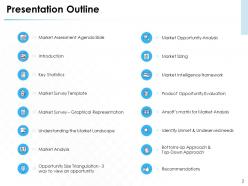
Slide 2: This slide showcases the Outline of the Presentation.
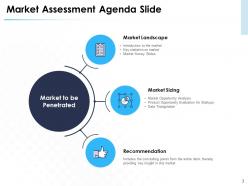
Slide 3: This is Market Assessment Agenda Slide. State your agendas here.
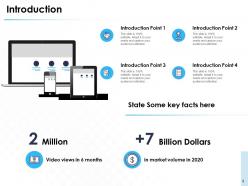
Slide 4: This is Introduction slide. State some key facts here.
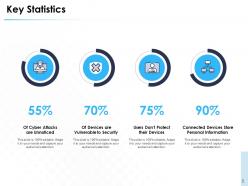
Slide 5: This slide showcases the Key Statistics.
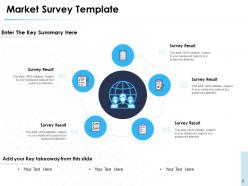
Slide 6: This is Market Survey Template slide. Add your key summary here.
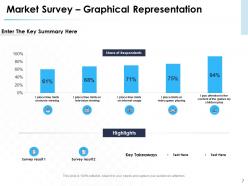
Slide 7: This slide presents Market Survey – Graphical Representation. Enter the key summary here.
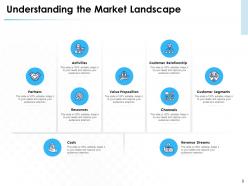
Slide 8: This slide discusses about Understanding the Market Landscape.
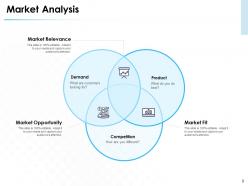
Slide 9: This slide showcases Market Analysis.
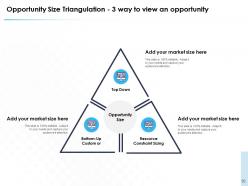
Slide 10: This slide showcases Opportunity Size Triangulation - 3 way to view an opportunity.
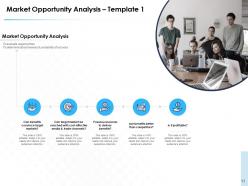
Slide 11: This slide depicts Market Opportunity Analysis – Template 1.
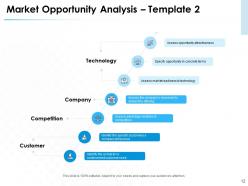
Slide 12: This slide showcases Market Opportunity Analysis – Template 2 with- Technology, Company, Customer, Competition, Identify the unmet and/ or underserved customer need, Identify the specific customers a company will pursue, etc.
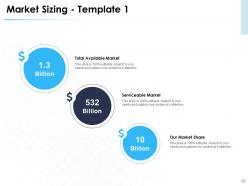
Slide 13: This slide depicts Market Sizing - Template 1.
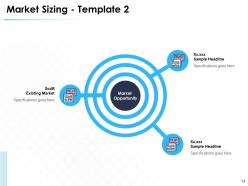
Slide 14: This slide showcases Market Sizing - Template 2 displaying- Market Opportunity, Existing Market, Specifications.
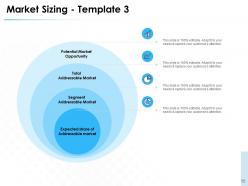
Slide 15: This is Market Sizing - Template 3 with- Expected share of Addressable market, Segment Addressable Market, Total Addressable Market, Potential Market Opportunity.
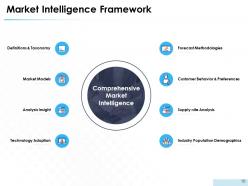
Slide 16: This slide depicts Market Intelligence framework with- Comprehensive, Market Intelligence, Market models, Analyst Insight, Technology adoption.
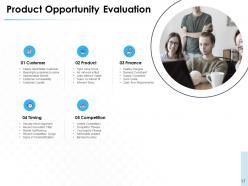
Slide 17: This slide showcases Product Opportunity Evaluation.
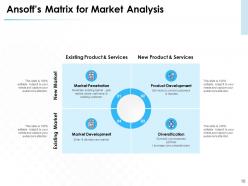
Slide 18: This slide represents Ansoff’s Matrix for Market Analysis.
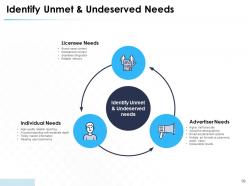
Slide 19: This slide discusses Identifying Unmet & Undeserved needs.
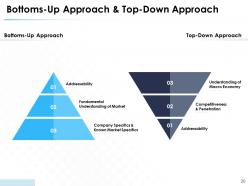
Slide 20: This slide describes Bottoms-Up Approach and top-down approach.
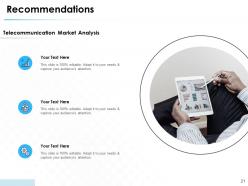
Slide 21: This slide depicts Telecommunication market analysis Recommendations.
Slide 22: This is Market Approach Icons Slide.
Slide 23: This slide displays the Graphs & Charts
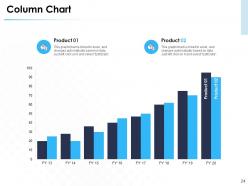
Slide 24: This slide displays Column Chart with product comparison.
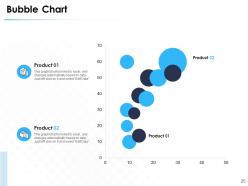
Slide 25: This slide displays Bubble Chart with comparison of different products.
Slide 26: This slide is titled as Additional Slides for moving forward.
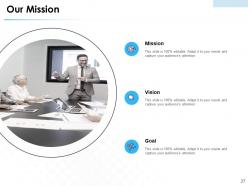
Slide 27: This is Our Mission slide with Mission, Vision and Goal.
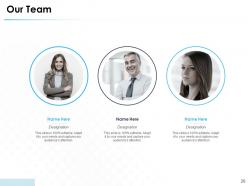
Slide 28: This is Our Team slide with names and designation.
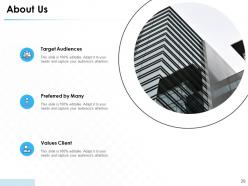
Slide 29: This is About Us slide to showcase company specifications.
Slide 30: This is Our Goal slide. State your important goals
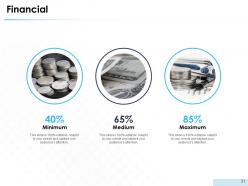
Slide 31: This is Financial slide. Showcase finance related stuff here.
Slide 32: This is Quotes slide to convey message, beliefs etc.
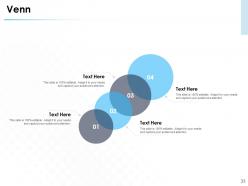
Slide 33: This is Venn slide.
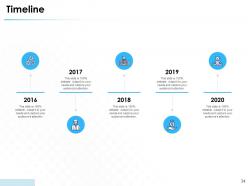
Slide 34: This is five years Timeline slide.
Slide 35: This is Thanks for Watching slide with address, contact number and email address.
Market approach powerpoint presentation slides with all 35 slides:
Use our Market Approach Powerpoint Presentation Slides to effectively help you save your valuable time. They are readymade to fit into any presentation structure.

FAQs for Market approach
Start by figuring out who you're actually competing against - your top 3-5 direct competitors. Then dig into what makes you different in ways customers actually care about. Most people totally botch the pricing part by just guessing instead of looking at what competitors charge and what value you're bringing. You need solid market research and clear target segments too. Oh, and don't just set this once and forget it - markets change crazy fast these days. Track feedback and trends regularly. The whole point is finding those gaps where your solution fits perfectly and others don't.
Look at who's already buying from you - their demographics, what they purchase, why they picked you instead of competitors. Surveys and focus groups are gold for understanding what people actually need. Honestly, most companies are terrible at this part because they never bother asking real customers anything. Social media listening helps too. Check out who your competitors are targeting and spot the gaps. Oh, and don't just guess at buyer personas - base them on actual data you collect. Pick one solid segment first, test your messaging there, then expand once you know what works.
Look, market research is like having GPS instead of just winging it. You'll figure out where your audience actually hangs out (spoiler: probably not where you think). I've watched so many businesses completely change direction after doing proper research - it's wild how wrong our assumptions can be. Customer interviews are honestly where the magic happens. The data helps you tweak your messaging and pricing before you blow money on the wrong approach. Oh, and you'll probably discover competitors are doing something totally different than what you assumed too.
Looking at your competition is huge for figuring out your market strategy. You'll spot pricing gaps and see what customers actually want. Plus you get to watch competitors mess up their messaging - honestly some campaigns are so bad they're educational lol. This stuff helps you find your unique angle instead of just copying everyone else. Don't make it a one-time thing though. I set up Google alerts and peek at what they're doing every few months. Way better than getting blindsided by their next move.
Digital marketing basically gives you superpowers compared to old-school advertising. Real-time data shows you exactly what's working instead of throwing money at billboards and hoping for the best. You can A/B test everything, target super specific audiences, and actually measure results. Social media is huge for building relationships directly with customers - way more personal than traditional ads. Content marketing and SEO help establish you as the expert in your space. Honestly, the targeting options are kind of scary good these days. Start with whatever platform your customers are already using.
Track the stuff that actually moves the needle - market share, customer acquisition cost, conversion rates. Revenue growth and customer lifetime value are obvious but crucial. Brand awareness surveys matter too since they predict what's coming down the pipeline. Honestly, most companies go overboard tracking meaningless vanity metrics. Pick 5-7 that directly connect to your goals and stick with those. Weekly dashboard reviews work better than perfect monthly deep-dives. Oh, and customer satisfaction scores - don't sleep on those either.
Honestly, social media's where your customers are already scrolling anyway, so meet them there. Figure out which platforms they actually use first - no point posting on TikTok if your audience is all on LinkedIn, you know? Create stuff that's genuinely helpful instead of just "buy my thing" posts. Social listening tools are seriously underrated for figuring out what people think about your industry. The engagement data you'll get is pure gold for tweaking your strategy. Oh, and don't spread yourself thin across like 10 platforms. Pick 2-3 and actually do them well.
Dude, customer feedback is everything. Your strategy might look amazing on paper, but if people aren't buying it? Time to change course. I've watched teams get so obsessed with their "genius" ideas that they completely ignore what customers are actually telling them. That's just dumb. Feedback shows you the gap between what you think they want versus reality. Use surveys, read reviews, talk to people directly - whatever it takes. The data will tell you if your messaging is hitting or totally missing the mark. Trust me on this one.
Honestly, segmentation is a game-changer for your marketing. You can't just spray and pray with one message for everyone - that's how you blow through budget with nothing to show for it. Break your audience into 2-3 groups based on what they actually do or who they are. Then write different messages for each group. It's way more work upfront but the results are so much better. Think sniper vs shotgun approach, you know? I learned this the hard way on my last campaign. Pick the right channels for each segment too, and suddenly you're not wasting money on people who'll never buy from you.
Biggest mistakes? Using old data that doesn't match current market conditions. Don't cherry-pick comps just because they support what you want to prove - I've seen people burn their credibility doing this. You need enough data points to actually mean something, and adjust for major differences between properties. Market timing matters too since conditions change fast. Oh and document why you made each adjustment because someone will definitely question your logic later. I usually start broad when searching for comps, then get pickier. Sample size can make or break your analysis.
Honestly, you've gotta find what the big guys are completely ignoring. Get super specific with your niche - like ridiculously narrow at first. What's driving people crazy about existing options? That's your goldmine right there. Sometimes the answer is stupidly obvious, like actually picking up the phone when customers call (shocking concept, I know). Really dig into understanding your people better than anyone else bothers to. Don't try being good at everything - that's how you end up mediocre at everything. Pick one thing and absolutely crush it. Oh, and look for segments everyone's written off as "too small" - those can be surprisingly profitable.
Honestly, going multichannel is just smart business - you're not betting everything on one platform. Meet customers where they actually hang out, whether that's Instagram, your website, or brick-and-mortar stores. Algorithms are constantly shifting (don't even get me started on Facebook's latest changes), so diversifying protects you. You'll gather way better data about how people actually shop when you're everywhere they are. Plus it builds trust when customers can find you easily. Start with wherever your audience spends most of their time, then expand from there.
Honestly, partnerships are a game-changer for reaching more people without breaking the bank. You get access to their customer base while they get yours. Split marketing costs too, which is huge when you're watching every penny. Plus their expertise fills in where you're weak - super clutch in B2B especially. I've watched companies get meetings they'd never land solo just because they had the right partner backing them. The trick is finding someone who complements what you do, not someone doing the exact same thing. Map out what you need vs. what you bring to the table first, then hunt for companies with similar customers but different products.
Mobile's where it's at now - people want everything to work perfectly on their phones. Sustainability matters way more than it used to, especially if you're targeting younger customers who actually research whether companies align with their values. Privacy stuff is getting real serious too. AI is changing how people expect to interact with brands, though honestly I'm still figuring out what that means long-term. Don't overhaul everything at once - test small tweaks first and maybe check in on your strategy every few months to see what's working.
Honestly? Adaptability is everything in marketing right now. Markets are crazy volatile - like, way more than they used to be. You can't just stick to your original plan and hope it works out. Keep adjusting based on what competitors do, how customers react, all that stuff. Quick pivots are what separate winners from losers. I'd set up regular check-ins (maybe weekly?) to review data and spot trends early. Your pricing and positioning should shift with real-time feedback. Companies that stay rigid get left behind fast. It's kinda wild how much faster everything moves now compared to even five years ago.
-
Informative design.
-
Innovative and attractive designs.
-
Wonderful templates design to use in business meetings.
-
It saves your time and decrease your efforts in half.