Market Trend Analysis PowerPoint Presentation Slides
Try Before you Buy Download Free Sample Product
Audience
Editable
of Time
Our Market Trend Analysis PowerPoint Presentation Slides are topically designed to provide an attractive backdrop to any subject. Use them to look like a presentation pro.
People who downloaded this PowerPoint presentation also viewed the following :
Content of this Powerpoint Presentation
Slide 1: This slide introduces Market Trends Analysis. State Your Company Name and begin.
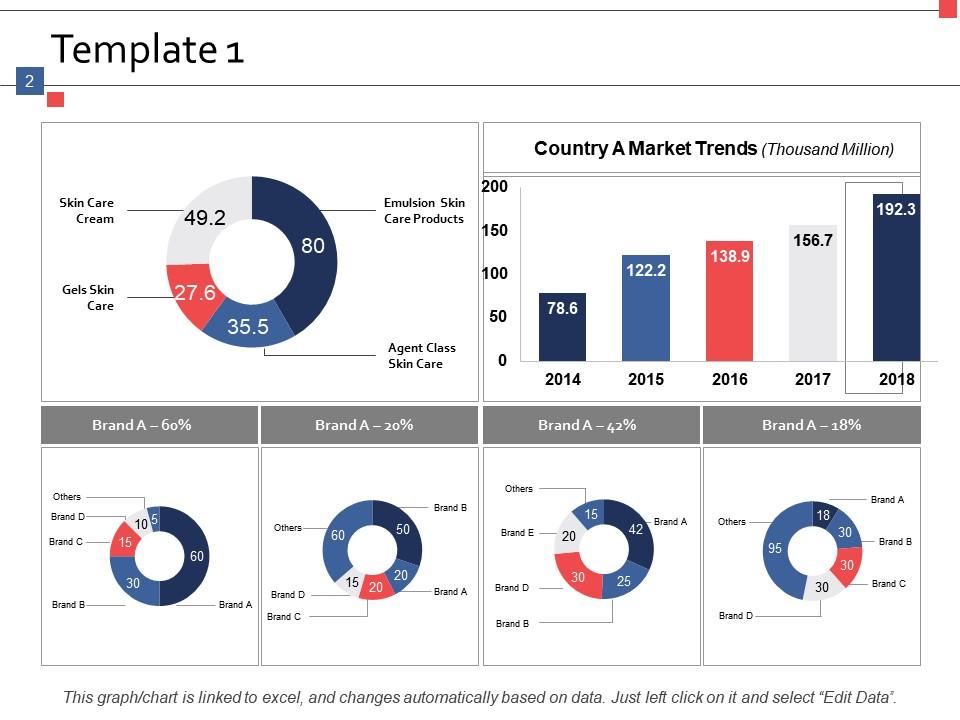
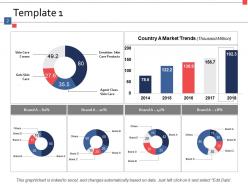
Slide 2: This slide shows Template 1 for market trends analysis with bar graph and pie charts for analysis.
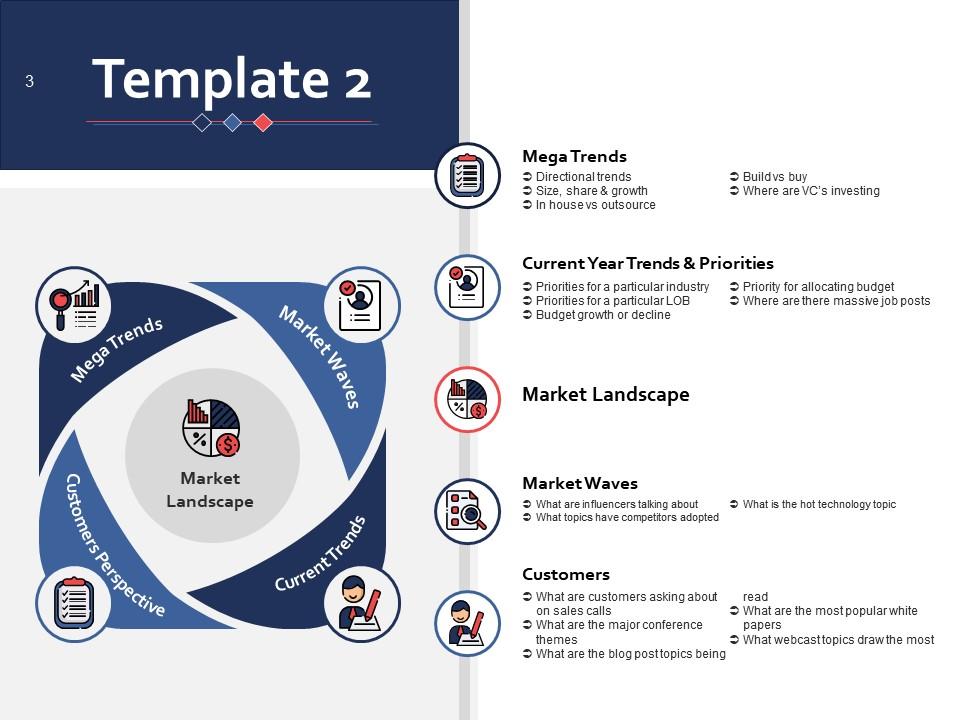
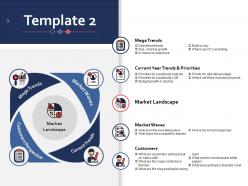
Slide 3: This slide presents Template 2 for market trends analysis describing- Market Waves, Mega Trends, Current Trends, Customers Perspective, Market Landscape.
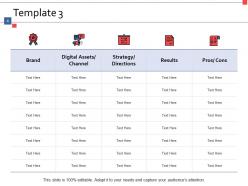
Slide 4: This slide displays Template 3 for market trends analysis in a tabular form with categories as- Brand, Digital assets/ channel, Strategy/ directions, results, Pros/ cons.
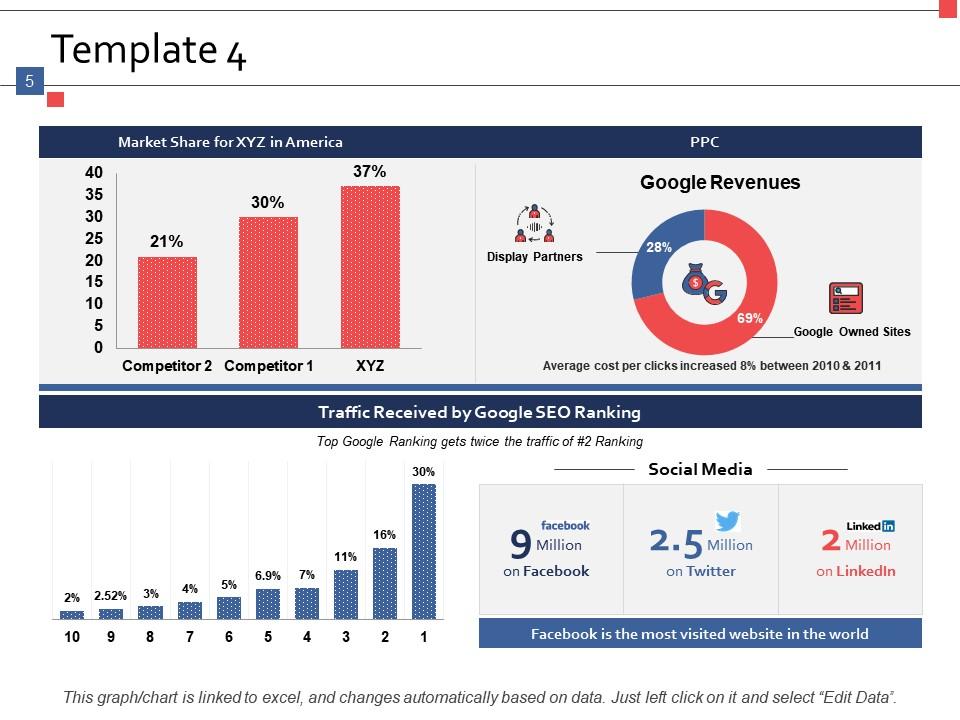
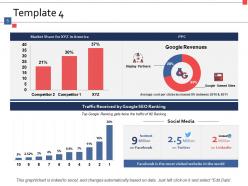
Slide 5: This slide represents Template 4 for market trends analysis describing traffic received, market share, PPC etc.
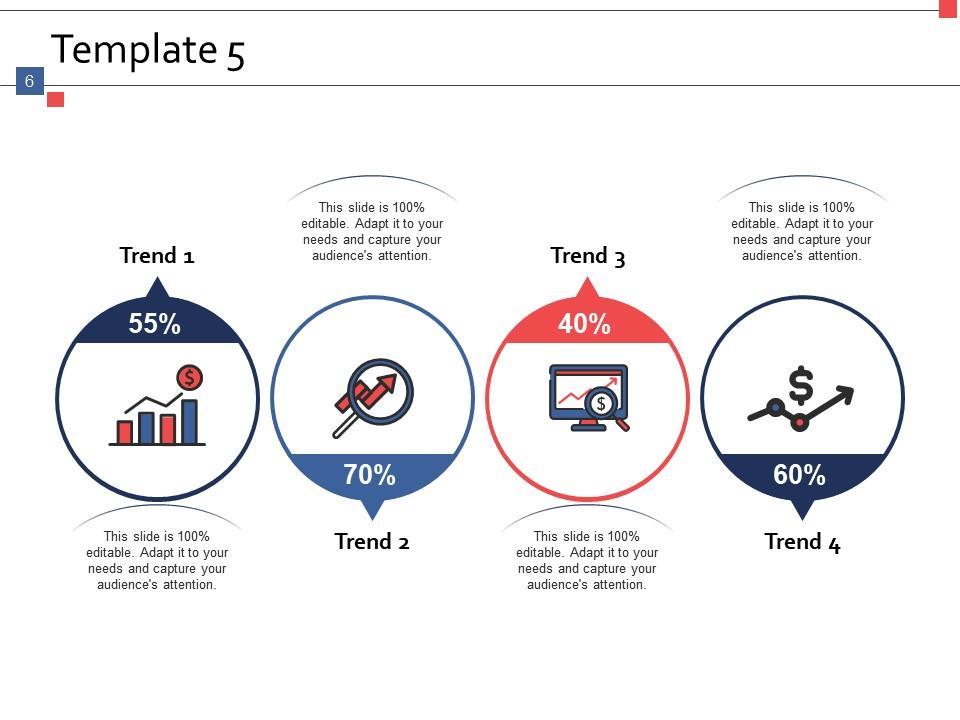
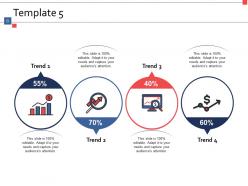
Slide 6: This slide showcases Template 5 for market trends analysis with imagery and text boxes to show information.
Slide 7: This slide shows Market Trends analysis Icons.
Slide 8: This slide is titled as Additional Slides for moving forward.
Slide 9: This is Our Mission slide with imagery and text boxes.
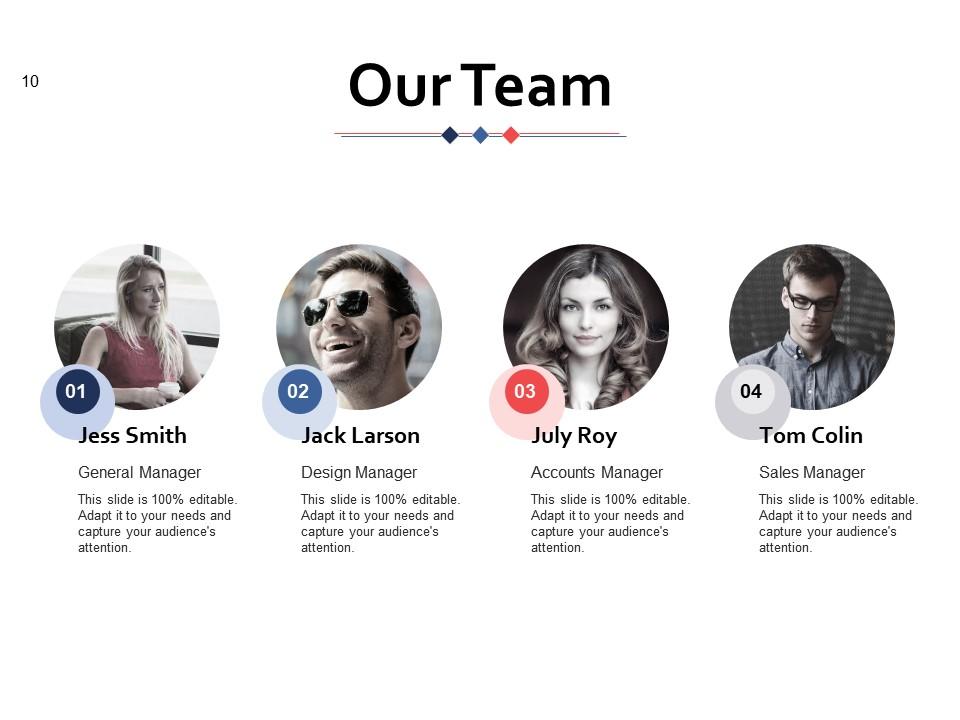
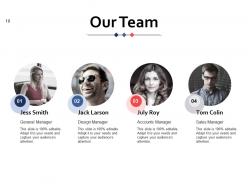
Slide 10: This is Our Team slide with names and designation.
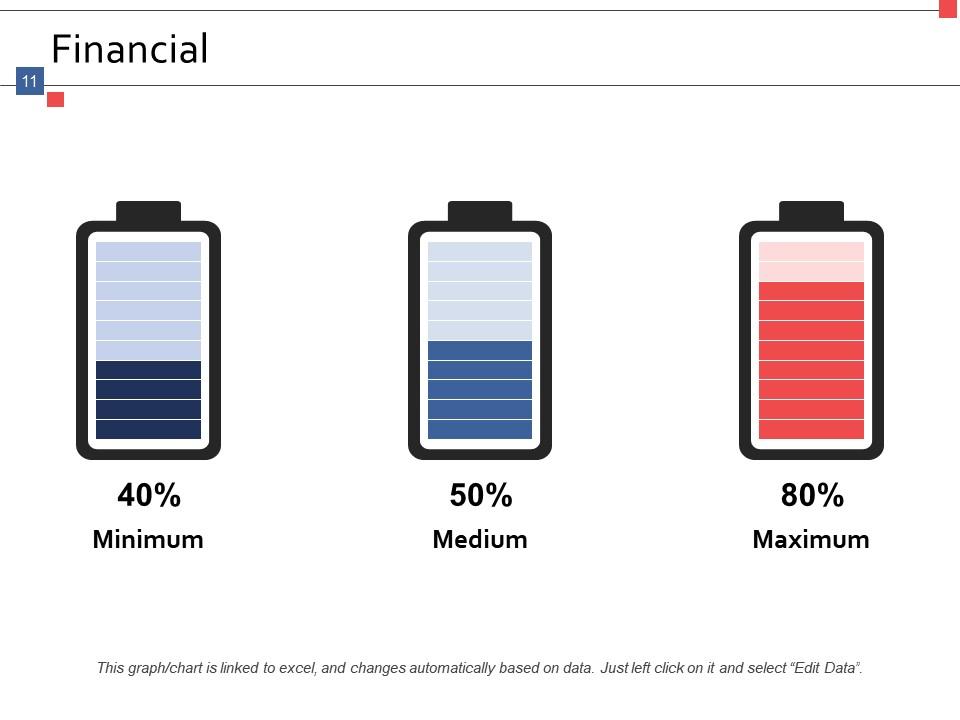
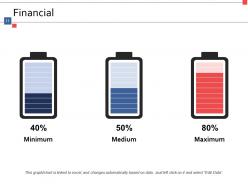
Slide 11: This is Financial slide. Show your finance related stuff here.
Slide 12: This is Our Main Goal slide. State your important goals here.
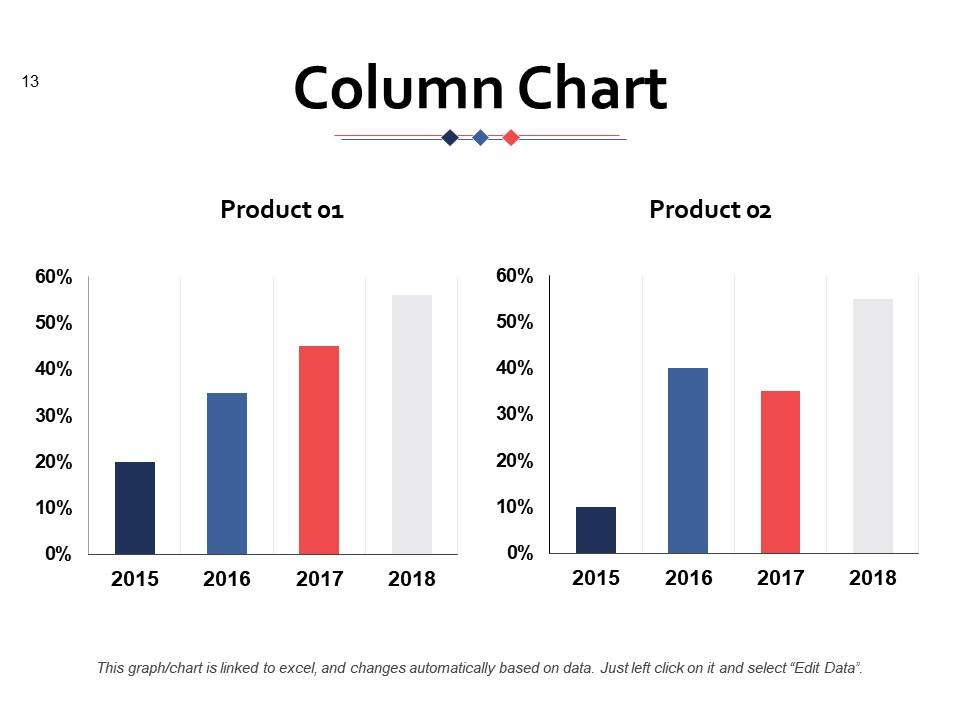
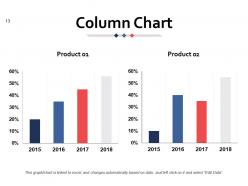
Slide 13: This slide displays Column Chart with two products comparison.
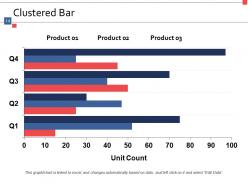
Slide 14: This slide shows Clustered bar chart with three products comparison.
Slide 15: This is a Thank You slide with address, contact numbers and email address.
Market Trend Analysis PowerPoint Presentation Slides with all 15 slides:
Use our Market Trend Analysis PowerPoint Presentation Slides to effectively help you save your valuable time. They are readymade to fit into any presentation structure.
FAQs for Market Trend Analysis
Honestly, just focus on the basics first. Price action and volume are huge - that's where you'll see the real momentum shifts happening. Moving averages show you which way things are trending overall. RSI and MACD are solid for catching when stuff's gotten too hot or too cold. Support and resistance levels matter too since traders actually pay attention to those psychological zones. Oh, and sector rotation data is pretty useful if you're into that. But seriously, don't go crazy with like 20 different indicators. Pick maybe 4 or 5 that click with how you trade and stick with those.
Honestly, consumer behavior is what makes or breaks market trends. People change how they shop or what they care about, and boom - whole industries have to scramble. Think about it: everyone got obsessed with sustainability, so fast fashion brands rushed to create "eco-friendly" lines. Remote work blew up? Suddenly home office furniture was everywhere. Tech companies pivot super fast when they spot these shifts, but manufacturing takes forever to catch up - kind of frustrating tbh. Your best bet is watching for behavioral changes early through surveys and social media chatter. Beat your competitors to the punch, you know?
Honestly, tech is driving pretty much everything in the markets right now. AI's flipping entire industries - retail, healthcare, you name it. Social media completely changed how companies find customers too. Going mobile-first isn't even a choice anymore, it's just what you have to do to survive. Oh, and the data analytics stuff is crazy - you can actually predict what people will buy now in ways that seemed like sci-fi before. Even boring old industries are getting shaken up by fintech and all that. My take? Always check tech adoption rates first when you're looking at any sector. That'll tell you where things are going way better than traditional metrics.
Look, socio-economic stuff is what really drives markets long-term. Rising unemployment? People stop buying random crap they don't need. Income inequality messes with who's shopping where - luxury brands vs discount stores. Demographics are huge too. Boomers aging out changes entire industries. Housing costs, education levels, even cultural trends - they all affect spending in ways technical analysis totally misses. Honestly, I learned this the hard way watching retail stocks a few years back. Now I actually pay attention to those boring economic reports and think about how they hit my sectors' customers. Way more useful than you'd expect.
Look, mixing numbers with gut feelings works best. Technical stuff like moving averages and RSI help with timing. But also dig into the fundamentals - earnings, economic data, that boring stuff that actually matters. Here's what's weird: checking social media sentiment actually helps because emotions move markets way more than they should. I learned this the hard way lol. Don't try mastering everything though. Pick 2-3 approaches you get and stick with those. Also watch for outside drama - regulations, wars, whatever. Cross-check different timeframes too.
Look at trend data to move faster than your competition. Find trends that actually matter to your business - ignore the LinkedIn hype machine, it's mostly noise anyway. Adjust your product plans, messaging, or pricing based on what you're seeing. Say customers are going green. Fast-track those eco features or find sustainable suppliers. Don't chase every trend though. Pick 2-3 that'll really impact your business and work them into quarterly planning. The whole point is acting early without getting distracted by every shiny new thing.
Cultural shifts completely change what people buy and how they shop. Values shift toward sustainability or remote work goes mainstream? Boom - entire markets explode or die. Plant-based foods blew up once everyone got health-obsessed. Athleisure happened because casual became acceptable everywhere (thank god, honestly). Social media makes everything move crazy fast now. A trend that used to take years spreads in months. My advice? Pay attention to what people are talking about early - like, before it hits mainstream. Those conversations become tomorrow's big opportunities. You don't want to be playing catch-up when everyone's already figured it out.
Google Analytics and Google Trends are your best bet to start - both free and actually pretty solid. I'd just use Excel or Google Sheets for most stuff, though Tableau does make things look way prettier if you're into that. Oh, and Hootsuite or Sprout Social are great for tracking social media vibes and engagement. Honestly? I live in spreadsheets these days, probably more than I should. If you need industry-specific data later, SEMrush and Ahrefs are worth the money. But seriously, stick with free tools first. Only upgrade when you're actually hitting walls.
Your biggest edge over huge companies? Speed. Watch social media, Google Trends, customer feedback - spot patterns before everyone else does. Corporate giants need months to change direction, but you can pivot in weeks. Don't chase every trend though (learned that lesson!). Pick ones that actually fit what you're already good at. Sustainability caught me totally off guard because I waited too long to jump on it. Here's what I'd do: choose one trend this month that makes sense for your business. Then brainstorm three simple ways to weave it into what you're selling now.
Honestly, the worst part is just how messy all the data gets. You're drowning in information but half of it's garbage or incomplete. Sources contradict each other constantly. Then right when you think you've spotted a real trend, boom - some random economic thing happens or new regulations drop and your whole analysis is worthless. I've learned to double-check everything multiple times now. Always have backup plans too because your first guess is probably wrong anyway. Oh, and don't get me started on trying to figure out what's actually important versus just temporary noise - that alone will drive you crazy.
Honestly, quarterly reviews are the bare minimum - but it really depends on your industry. Tech and fashion move crazy fast, so monthly checks make way more sense there. Stable industries can probably get away with quarterly. Set up some alerts though, so you're not completely in the dark between reviews. I always do a quick check whenever sales data starts looking weird or customers are saying strange things. Schedule those regular reviews but don't be too rigid about it. Sometimes you just gotta dig deeper when your gut tells you something's off, you know?
Honestly? Both matter, but it really comes down to what you're trying to do. Global trends show you the massive stuff - economic crashes, tech that changes everything, political drama that affects markets worldwide. Local trends tell you what's happening right in your backyard though. I've watched businesses totally mess up by only caring about one side. Are you planning to go international? Focus more on global patterns. Sticking to your region? Local data is where the money is. Oh, and figure out which trends actually hit your customers and bottom line first - saves you from chasing random shiny objects.
Honestly, demographics are like having a cheat code for predicting what people will buy. Aging population? Healthcare stuff is about to explode. More babies being born means parents will spend crazy money on kid products. You've gotta look at WHERE people are moving too - no point targeting areas that are emptying out. Millennials shop totally different than Gen Z, so knowing which group is growing in your market matters a ton. Just grab some census data for your area and see what patterns jump out. Then connect those dots to whatever you're selling.
Oh man, Netflix is like the textbook example here - they basically killed their own DVD business with streaming before Blockbuster could figure it out. Adobe did something similar when they ditched the whole "buy software in a box" thing for subscriptions (which honestly annoyed everyone at first). Best Buy's pretty smart too - when Amazon was destroying them, they pivoted hard into being more service-focused instead of just another electronics store. Microsoft under Nadella was huge - going from "Windows everything" to cloud-first. The trick is spotting these shifts early and not being precious about your current money-makers, even when they're still working.
Honestly, seasonal stuff will mess with your head if you're not careful about it. Track like 3-5 years of data so you know what's actually normal - I've watched whole teams freak out and change everything because of regular Q4 weirdness. Super painful to see. You want to separate the predictable ups and downs from real market shifts, right? Build those seasonal expectations into your forecasts upfront. That way when something genuinely different happens, you'll actually notice it instead of getting thrown off by the same patterns that happen every year.
-
Presentation Design is very nice, good work with the content as well.
-
Excellent Designs.
-
Colors used are bright and distinctive.
-
Out of the box and creative design.
-
Best way of representation of the topic.