


Marketing Go To Market Roll Out Plan New Product Launch Powerpoint Presentation Slides





Try Before you Buy Download Free Sample Product
 Impress Your
 Audience
 100%
100% Editable
 Save Hours
 of Time


You’re going to launch a new product but struggling to get your product launch strategy, right? Get your hands on our content ready marketing go to marketing roll-out plan new product launch PowerPoint presentation slides. Our product launch PPT presentation will get your product under the limelight and highlight the product’s best features. This product line extension PowerPoint presentation involves slides like item review, target audience, item/service positioning, product marketing, commodity strategy, goods management, product lifecycle, product development, goods\services pipeline, market opportunity, etc. If you are planning to make templates on the goods requirements document, marketing requirement document, new good development, new commodity introduction, marketing strategy, software goods launch, marketing plan, etc., our new product marketing plan PowerPoint presentation will be helpful for you. Hurry up! Download this professionally designed, well-researched marketing go to marketing roll-out plan new product launch presentation templates. It will help you clinch the business deal, impress your clients and boss. Enter the long haul with our Marketing Go To Market Roll Out Plan New Product Launch Powerpoint Presentation Slides. They bestow you with greater endurance.
People who downloaded this PowerPoint presentation also viewed the following :
Content of this Powerpoint Presentation
Slide 1: This slide introduces Marketing Go To Market Roll Out Plan New Product Launch. State Your company name and get started.
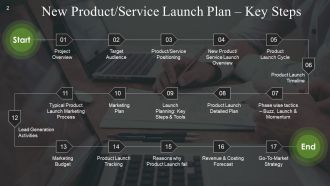
Slide 2: This slide showcases New Product/Service Launch Plan – Key Steps: Project Overview, Target Audience, Product/Service Positioning, New Product/Service Launch Overview, Product Launch Cycle, Product Launch Timeline, Phase wise tactics – Buzz, Launch & Momentum, Product Launch, Detailed Plan, Launch Planning: Key Steps & Tool, Marketing Plan, Typical Product Launch Marketing Process, Lead Generation Activities, Marketing, Budget, Product Launch Tracking, Reasons why Product Launch fail, Revenue & Costing Forecast, Go-To-Market Strategy.
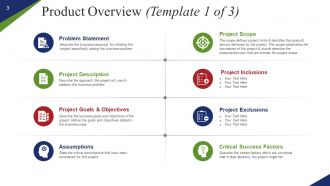
Slide 3: This slide presents Product Overview showcasing- Problem Statement, Project Description, Project Goals & Objectives, Assumptions, Project Scope, Project Inclusions, Project Exclusions, Critical Success Factors.
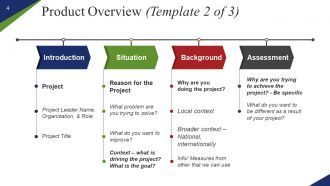
Slide 4: This is another slide presenting Product Overview showcasing- Project, Project Title, Reason for the Project, Introduction, Situation, Background, Assessment, Local context, Broader context – National, internationally.
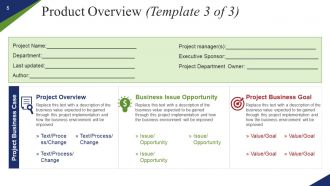
Slide 5: This is another slide presenting Product Overview showcasing- Project Name, Department, Last updated, Author, Project manager(s), Executive Sponsor, Project Department Owner, Project Business Case, Project Overview, Business Issue Opportunity, Issue, Opportunity, Value/Goal, Project Business Goal.
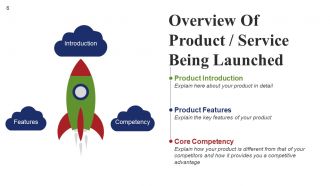
Slide 6: This slide showcases Overview Of Product / Service Being Launched with- Introduction, Features, Competency, Product Introduction, Core Competency, Product Features.
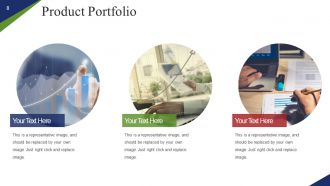
Slide 7: This slide is titled Product Portfolio. You may change the content as per need.
Slide 8: This is a Product Portfolio slide. State product specifications here.
Slide 9: This slide presents the Elevator Pitch For Product displaying- Value Proposition Framework, Target Customers, Product/Solution Description, Main Problem, Competitive Advantage, Primary Benefit To Customer, Product/Solution Substitute.
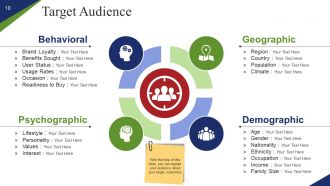
Slide 10: This slide showcases Target Audience segregated as- Geographic, Demographic, Psychographic, Behavioral. With the help of this slide, you can explain your audience about your target customers.
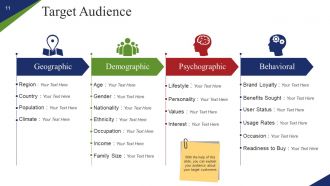
Slide 11: This slide showcases Target Audience segregated as- Geographic, Demographic, Psychographic, Behavioral. With the help of this slide, you can explain your audience about your target customers.
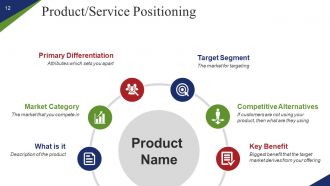
Slide 12: This slide showcases Product/Service Positioning displaying- Key Benefit, Competitive Alternatives, Target Segment, What is it, Market Category, Primary Differentiation.
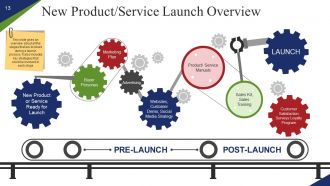
Slide 13: This slide showcases New Product/Service Launch Overview showcasing- Marketing Plan, Advertising, Product/ Service Manuals, Buyer Personas, Sales Kit, Sales Training, Customer Satisfaction Surveys Loyalty Program, Websites, Customer Demo, Social Media Strategy. This slide gives an overview about all the stages that are involved during a launch process. It also includes key strategies that could be involved in each stage.
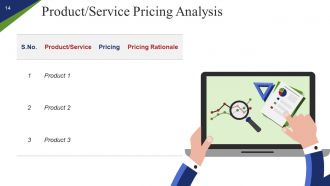
Slide 14: This slide showcases Product/Service Pricing Analysis with imagery.
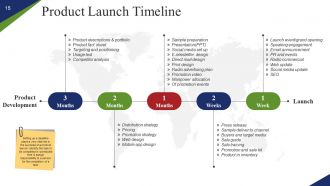
Slide 15: This is a Product Launch Timeline slide displaying- Development, Product descriptions & portfolio, Product fact sheet, Targeting and positioning, Usage test, Competitor analysis, Sample preparation, Presentation(PPT), Social media set up, E-newsletter design, Direct mail design, Print design, Radio advertising plan, Promotion video, Manpower allocation, Of promotion events, Launch event\grand opening, Speaking engagement, Email announcement, PR and events, Radio commercial, Web update, Social media update, SEO, Press release, Sample deliver to channel, Buyers and target media, Sale guide, Sale training, Promotion and sale kit, Product in inventory, Distribution strategy, Pricing, Promotion strategy, Web design, Mobile app design.
Slide 16: This slide presents Launch Planning: Key Steps And Tools.
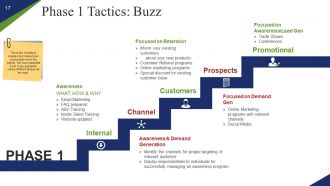
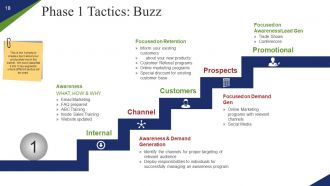
Slide 17: This slide shows Phase 1 Tactics: Buzz categorized as- Internal, Channel, Customers, Prospects, Promotional, Awareness. This is the 1st step to create a buzz about your product/service in the market. We have classified it into 5 key segments where different tactics will be used.
Slide 18: This slide shows Phase 1 Tactics: Buzz categorized as- Internal, Channel, Customers, Prospects, Promotional, Awareness. This is the 1st step to create a buzz about your product/service in the market. We have classified it into 5 key segments where different tactics will be used.
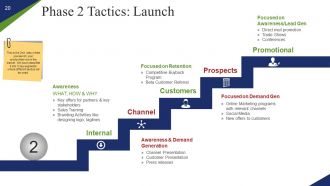
Slide 19: This slide presents Phase 2 Tactics: Launch displaying- Internal Channel Customers Prospects Promotional This is the 2nd step where you launch your product/service in the market. We have classified it into 5 key segments where different tactics will be used.
Slide 20: This slide presents Phase 2 Tactics: Launch displaying- Internal, Channel, Customers, Prospects, Promotional. This is the 2nd step where you launch your product/service in the market. We have classified it into 5 key segments where different tactics will be used.
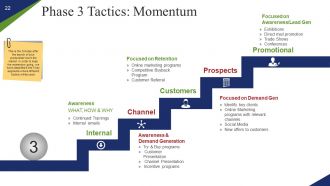
Slide 21: This slide showcases Phase 3 Tactics: Momentum categorized as- Internal, Channel, Customers, Prospects, Promotional. This is the 3rd step after the launch of your product/service in the market. In order to keep the momentum going, we have classified it into 5 key segments where different tactics will be used.
Slide 22: This slide showcases Phase 3 Tactics: Momentum categorized as- Internal, Channel, Customers, Prospects, Promotional. This is the 3rd step after the launch of your product/service in the market. In order to keep the momentum going, we have classified it into 5 key segments where different tactics will be used.
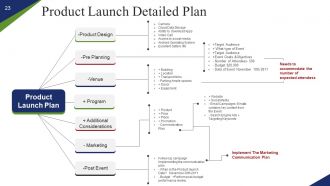
Slide 23: This slide presents a Product Launch Detailed Plan.
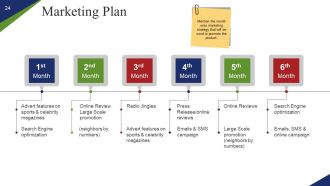
Slide 24: This slide shows a Marketing Plan showcasing- Advert features on sports & celebrity magazines, Search Engine optimization, Online Review, Large Scale promotion (neighbors by numbers), Radio Jingles, Advert features on sports & celebrity magazines, Press Release/online reviews, Emails & SMS campaign, Online Reviews, Large Scale promotion (neighbors by numbers), Search Engine optimization, Emails, SMS & online campaign. Mention the month wise marketing strategy that will be used to promote the product.
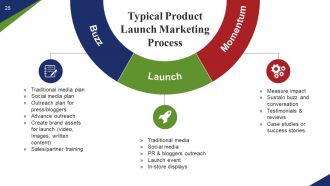
Slide 25: This slide shows Typical Product Launch Marketing Process divided into- Buzz, Launch, Momentum.
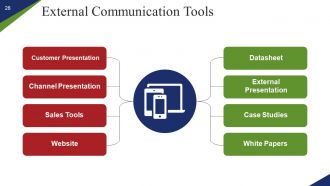
Slide 26: This slide shows External Communication Tools with- Customer Presentation, Channel Presentation, Sales Tools, Website, Datasheet, External Presentation, Case Studies, White Papers.
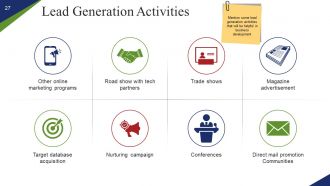
Slide 27: This slide displays Lead Generation Activities such as- Target database acquisition, Conferences, Direct mail promotion, Communities, Nurturing campaign, Other online marketing programs, Trade shows, Magazine advertisement, Road show with tech partners. Mention some lead generation activities that will be helpful in business development.
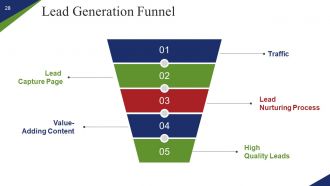
Slide 28: This slide presents a Lead Generation Funnel displaying- Traffic, Lead Nurturing Process, High Quality Leads, Lead Capture Page, Value- Adding Content.
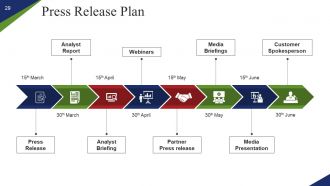
Slide 29: This slide shows a Press Release Plan.
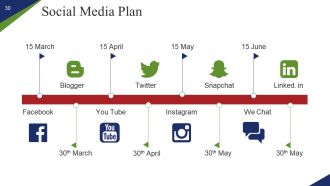
Slide 30: This slide displays a Social Media Plan.
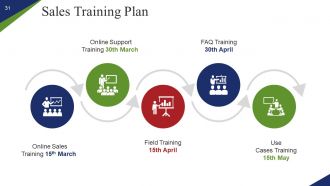
Slide 31: This slide showcases Sales Training Plan.
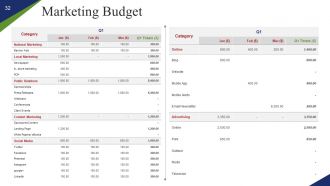
Slide 32: This slide presents the Marketing Budget.
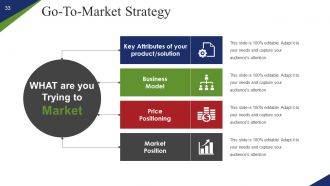
Slide 33: This slide showcases the Go-To-Market Strategy stating- WHAT are you Trying to Market divided into: Key Attributes of your product/solution, Business Model, Price Positioning, Market Position.
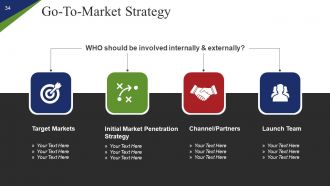
Slide 34: This slide presents Go-To-Market Strategy showcasing- Initial Market Penetration Strategy Launch Team Channel/Partners Target Markets.
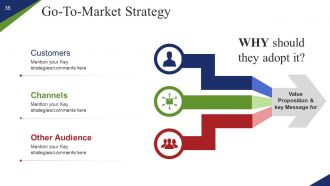
Slide 35: This slide shows Go-To-Market Strategy displaying- Other Audience, Customers, Channels. Value Proposition & key Message.
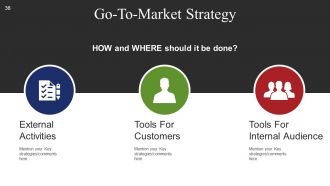
Slide 36: This slide shows Go-To-Market Strategy displaying- HOW and WHERE should it be done? External Activities, Tools For Customer, Tools For Internal Audience.
Slide 37: This slide showcases Channel Partner Training Plan.
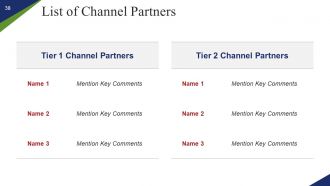
Slide 38: This slide showcases List of Channel Partners selected.
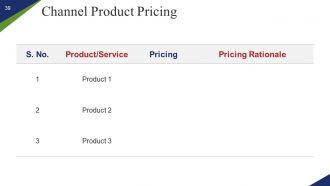
Slide 39: This slide states Channel Product Pricing.
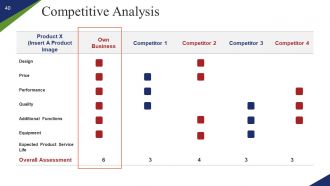
Slide 40: This slide presents Competitive Analysis in tabular form.
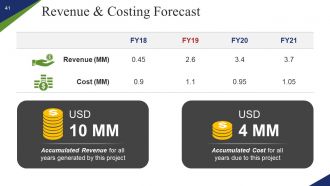
Slide 41: This slide shows Revenue & Costing Forecast in tabular form.
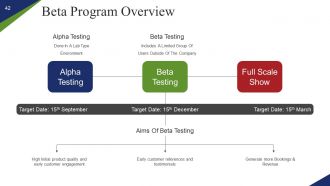
Slide 42: This slide presents a Beta Program Overview.
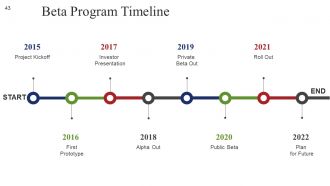
Slide 43: This slide displays a Beta Program Timeline showing- Project Kickoff, Investor, Presentation, Private, Beta Out, Roll Out, First Prototype, Alpha Out, Public Beta, Plan for Future.
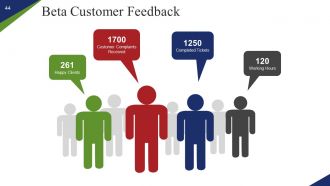
Slide 44: This slide showcases Beta Customer Feedback.
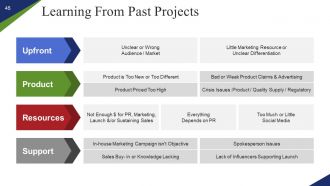
Slide 45: This slide shows Learning From Past Projects divided into- Upfront, Product, Resources, Support as parameters.
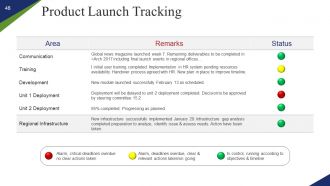
Slide 46: This slide presents Product Launch Tracking in tabular form.
Slide 47: This is a Marketing Plan For A New Product Launch Icon Slide. Use the icons as per need.
Slide 48: This slide is titled Charts and Graphs. You may change content as per your need
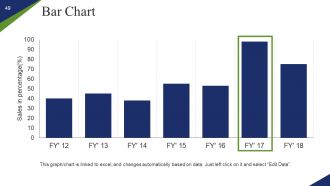
Slide 49: This is a Bar Chart slide to show product/entity comparison, specifications etc.
Slide 50: This slide shows a Radar Chart for two product/entity comparison, information, specifications etc.
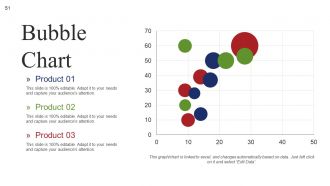
Slide 51: This is a Bubble Chart slide to show product/entity comparison, specifications etc.
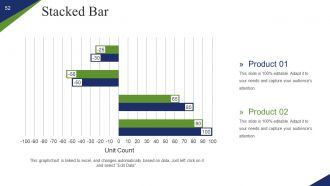
Slide 52: This slide shows a Stacked Bar Graph slide for two product/entity comparison, information, specifications etc.
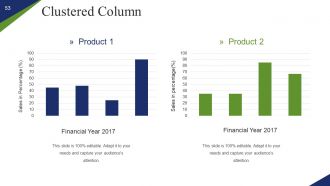
Slide 53: This is a Clustered Column Line Chart slide to show information, comparison specifications etc.
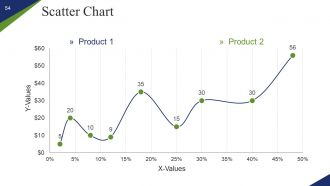
Slide 54: This is Scatter Chart slide to show product/entity comparison, specifications etc.
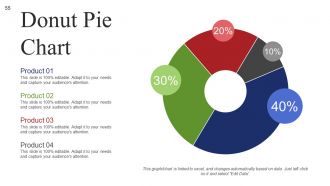
Slide 55: This is a Donut Pie Chart slide to show product/entity comparison, specifications etc.
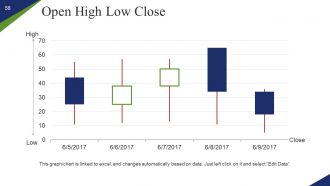
Slide 56: This is an OPen High Low Close Chart slide to show product/entity comparison, specifications etc.
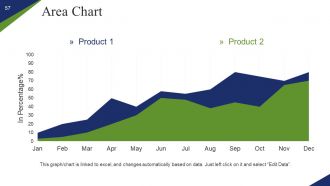
Slide 57: This is an Area Chart slide to show product/entity comparison, specifications etc.
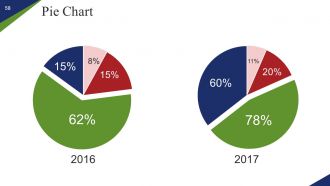
Slide 58: This is a Pie Chart slide to show product/entity comparison, specifications etc.
Slide 59: This slide is titled Additional Slides. You may change content as per your need
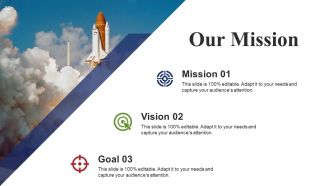
Slide 60: This is Our Mission slide with Goal and Vision. State all these aspects here.
Slide 61: This is an About Us slide. State your position, facts or anything business here.
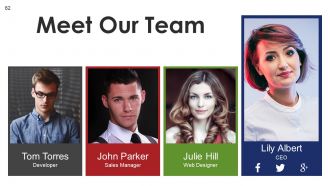
Slide 62: This is Meet Our Team slide with name, image & text boxes to put the required information.
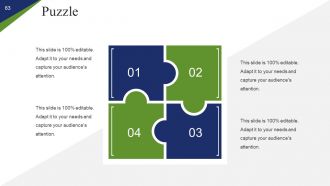
Slide 63: This is a Puzzle image slide to show information, specifications etc.
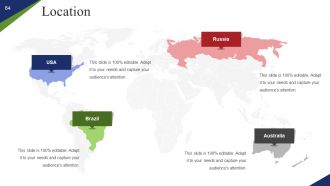
Slide 64: This is a Location slide of world map image to show global presence, growth etc.
Slide 65: This is a Mind map image slide to show information, segregations, specifications etc.
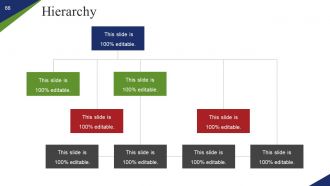
Slide 66: This is a Hierarchy image slide to show information, specifications etc.
Slide 67: This is a Silhouettes image slide to show people specific information, specifications etc.
Slide 68: This is a Bulb With Idea image slide to show information, specifications, innovative aspects etc.
Slide 69: This is an Important Notes slide to mark events, important information etc.
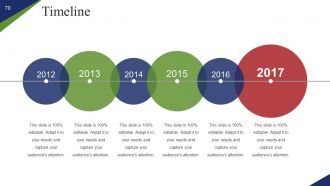
Slide 70: This is a Timeline slide to show evolution, growth, milestones etc.
Slide 71: This Our Goal slide. State goals etc. here.
Slide 72: This is a Quotes slide to convey company messages, beliefs etc. You can change the slide contents as per need.
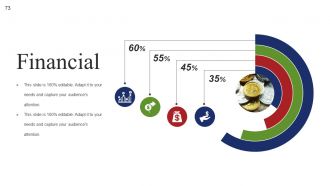
Slide 73: This is a Financial score slide. State financial aspects etc. here.
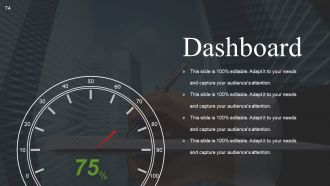
Slide 74: This is a Dashboard slide to state metrics, kpis etc.
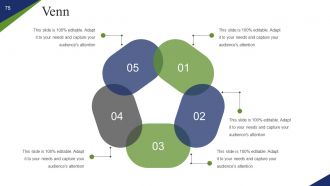
Slide 75: This is a Venn diagram image slide to show information, specifications etc.
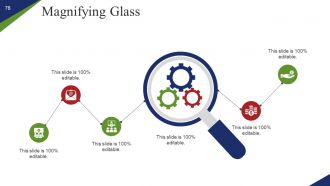
Slide 76: This is a Magnifying glass image slide to show information, specifications etc.
Slide 77: This is a Thank You slide with Address# street number, city, state, Contact Numbers, Email Address.
Marketing Go To Market Roll Out Plan New Product Launch Powerpoint Presentation Slides with all 77 slides:
Discover an assortment of choices with our Marketing Go To Market Roll Out Plan New Product Launch Powerpoint Presentation Slides. Find an entire array of alternatives.










FAQs for Marketing Go To Market Roll Out Plan New Product Launch
You'll need five main things: target market, value proposition, pricing, sales channels, and messaging. Start with your ideal customer profile - don't just say "small businesses," get really specific about which ones and why they'd care. From there, figure out how you'll actually reach them. Direct sales? Partnerships? Digital stuff? Honestly, the messaging part trips up most people - you need the same story everywhere. Oh, and pricing strategy matters way more than people think. It's like building a house though, foundation first. Work backwards once you nail down that perfect customer.
Figure out what problem your product actually solves and who's desperately dealing with that issue. I'd dig into demographics and how people behave - honestly, talking to real customers beats guessing every time. Create maybe 2-3 super specific buyer personas instead of trying to appeal to everyone (that never works anyway). Your competitors already figured out who pays for this stuff, so steal those insights. Then test everything with actual conversations and surveys. The trick is being brutally honest about who'll actually hand over money vs. who just thinks your idea is "cool." That distinction matters way more than you'd think.
Honestly, competitive analysis is like doing your homework before a big test. Map out 3-5 direct competitors first - see how they price stuff, what they're saying in their messaging, and how they position themselves. Customer reviews are goldmines for this btw. You'll spot gaps in the market and learn from their screwups. Without this intel, you're basically flying blind into a potentially crowded space. The whole point? Figure out what actually makes you different so you can craft a value prop that doesn't sound like everyone else's.
So here's the thing - personas stop you from throwing marketing at a wall and hoping something sticks. Talk to 5-10 actual customers first about their problems and how they make decisions. You'll figure out their pain points and the exact words they use. Then your messaging won't sound like corporate BS anymore, it'll actually hit different. Your team stays on the same page too instead of everyone doing random campaigns. I can't tell you how much money I've watched companies blow on generic stuff that sounds good to nobody. It's honestly painful to watch sometimes.
Honestly, you need both the quick wins and the long-term stuff to really see what's happening. Customer acquisition cost and conversion rates are clutch - track those at every stage. Monthly recurring revenue, deal size, customer lifetime value... the usual suspects. But here's what people miss: product adoption rates matter way more than they think. Someone buying your product doesn't mean they're actually using it, you know? Brand awareness is good too if you can get solid data on it (which is harder than it sounds). Keep it to maybe 5-7 metrics tops and check them weekly. Otherwise you'll drown in numbers.
Get both teams on the same page first - create shared definitions for your ideal customer and what makes a lead "sales-ready." Marketing needs to understand what objections sales faces daily. Sales should know what messaging is actually on your website (seriously, nothing's more awkward than a prospect referencing content your rep has never seen). Weekly pipeline reviews help catch disconnects early. Maybe throw in some cross-training sessions too. The key thing is tying both teams' bonuses to the same revenue goals - suddenly everyone cares about the same outcomes.
Honestly, the worst thing you can do is rush to launch without knowing who you're actually selling to. I've watched so many people burn through cash on completely wrong messaging - it's painful to see. Don't try targeting everyone either, that's a recipe for disaster. Skip the competitive research and you're flying blind. Oh, and sales cycles? They always take way longer than you think they will. My advice: pick one focused segment to start. Get your positioning rock solid first. Have some way to measure what's actually working so you can change course fast if things go sideways.
Figure out your costs first, then add whatever margin keeps you sane. Look at what competitors charge – not to copy them, but so you're not wildly off. Most people expect options, so maybe do 2-3 tiers? Honestly, customers are weird about choices but it works. Survey some potential users or run a small pilot to test your assumptions. The pricing doesn't have to be perfect right away (spoiler: it won't be). You can tweak it once you see how the market actually responds. Better to launch with something reasonable than spend forever trying to nail the "ideal" price that probably doesn't exist anyway.
Honestly, it all comes down to where your people actually spend their time. B2B folks? They're probably on LinkedIn during their coffee breaks or reading industry emails. B2C is more Instagram and TikTok these days - though I swear the algorithm changes every week. Don't try to be everywhere at once though, you'll burn out. Pick maybe 2-3 platforms where your audience lives and test the hell out of them. Once something's working, put more money there. Track everything obsessively - conversions matter way more than likes and hearts.
Oh man, storytelling completely changes the game for GTM. People remember stories way better than boring feature lists - it's just how our brains work. When you tell prospects about how another customer solved the exact same headache they're dealing with, suddenly they get it. Your sales team will thank you too because stories are so much easier to remember than technical specs. Plus you'll stand out from all the competitors droning on about capabilities and whatever. Honestly, I'd start simple - just write down 2-3 real customer stories that show different problems you solve. Trust me, it works.
Honestly, your value prop is like the foundation of your whole go-to-market thing. Everything else builds on top of it. I learned this the hard way when I was just randomly trying different marketing stuff without being clear on what we actually offered (spoiler: it was a mess). Once you nail down your value prop, it guides literally everything - your messaging, who you target, pricing decisions, which channels to focus on. Your sales team and marketing need to be telling the same story, otherwise you'll just confuse people. Oh and your product positioning too, obviously. Get this right first, then figure out the rest.
Think of social media as your hype machine, not just somewhere to dump announcements. I'd start teasing stuff 2-3 weeks early - behind-the-scenes content, sneak peeks, maybe some early access for your followers. LinkedIn's solid for B2B, but honestly? TikTok can literally make or break consumer launches now (Instagram too). Create moments people actually want to share and get your first users posting about it. Reply to everything to keep that momentum rolling. Oh, and use tracking links so you know what's actually working - not just likes and follows that don't pay the bills.
Oh man, customer feedback during rollout is everything. It's your reality check on whether stuff actually works when real people use it. You'll catch problems you never saw coming, plus users will surprise you with ways they use your product that you didn't even think of. I've seen teams completely change direction because of feedback that totally blindsided them - and it saved their ass. People will tell you what's confusing, what's missing, what's better than expected. Set up feedback loops fast - surveys, calls, whatever. Better to know early than find out months later that something's been broken the whole time. Trust me on this one.
Partnerships can seriously speed up your GTM. You get instant access to audiences that would take forever to build yourself - plus their distribution channels and credibility. Why fight to reach new customers when your partner already has their trust? Their sales team becomes yours, basically. Marketing reach expands overnight. Even their reputation helps validate your solution. The trick is finding partners whose customers actually need what you're selling. Don't just partner with anyone - that's honestly a waste of time. Map out who's already serving your ideal customers in ways that complement you, not compete. Those are your goldmine partnerships.
Honestly, you gotta start way before launch - like warming up a crowd before the main act. Build your email list first (seriously, this is gold). Post helpful stuff on social where your people actually are, not just promo garbage. Partner with influencers or experts who already have ears listening. Oh, and if you can get on podcasts or speak somewhere, do it! The whole thing is about being visible and actually useful to people. Track what gets engagement early on so you're not just shouting into the void. It's basically relationship-building disguised as marketing.
-
The Designed Graphic are very professional and classic.
-
Easily Understandable slides.