


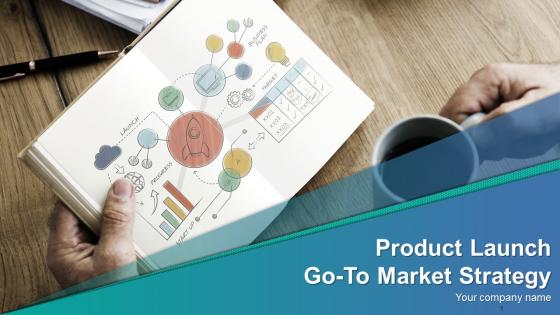
Product Launch Go To Market Strategy Powerpoint Presentation Slides





Try Before you Buy Download Free Sample Product
 Impress Your
 Audience
 100%
100% Editable
 Save Hours
 of Time


Enable the existence of communal harmony with our Product Launch Go To Market Strategy Powerpoint Presentation Slides. Encourage an anti inflammatory approach.
People who downloaded this PowerPoint presentation also viewed the following :
Content of this Powerpoint Presentation
Are you launching a product soon? Well, if you are, you need a product launch go-to-market strategy. However, it is not just needed when you are about to launch a product or a service. Ideally, a product launch strategy should be running parallel to product testing. This means that as soon as the product looks usable, you should develop its market strategy.
Not that easy right? Well, there is nothing to worry about! Our product launch go-to-market strategy PowerPoint template helps you maximize your returns by helping you create a perfect presentation slide. This slide brings you levels of numeric customization and a sense of organization. This go-to-market strategy PowerPoint template helps you in presentation and planning for a successful product launch.
Template 1: Overall Understanding Needed To Create a Product Launch Go-To-Market Strategy
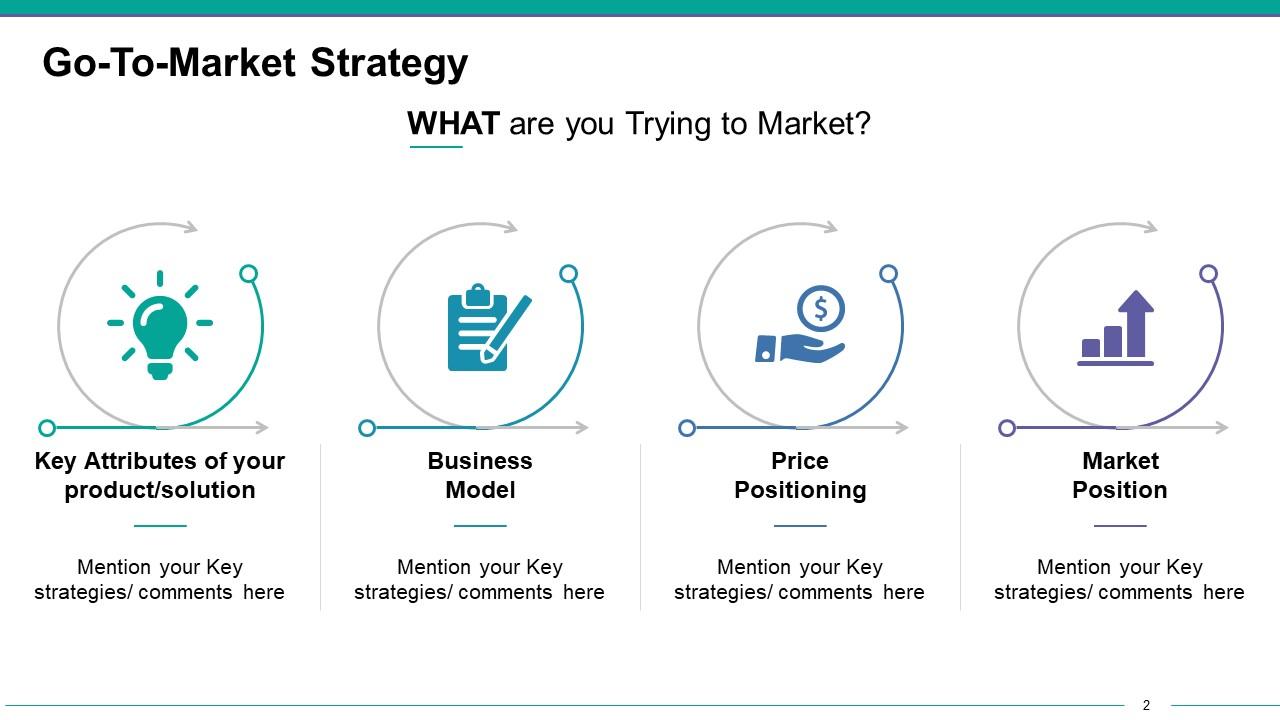
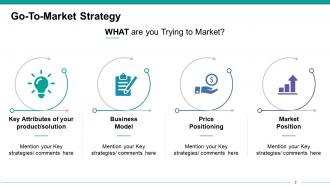
The first slide of our product launch go-to-market strategy PPT template is an introductory slide that helps you determine and portray basic components involved in launch strategies. The slide includes attributes of the product, service or solution you are selling. You can mention your key strategies and comments in this section. The next attribute is that of a business model in which you can mention your principal strategies and your business models. This slide also includes has a market position section, where you can mention your brand’s market positioning.
All of the above aspects are required while formulating a product launch market strategy and this PPT gives you the added advantage of adding your personalized brand information into previously formulated information tabs.
Template 2: Key Aspects Involved in Creating a Product Launch Go-To-Market Strategy
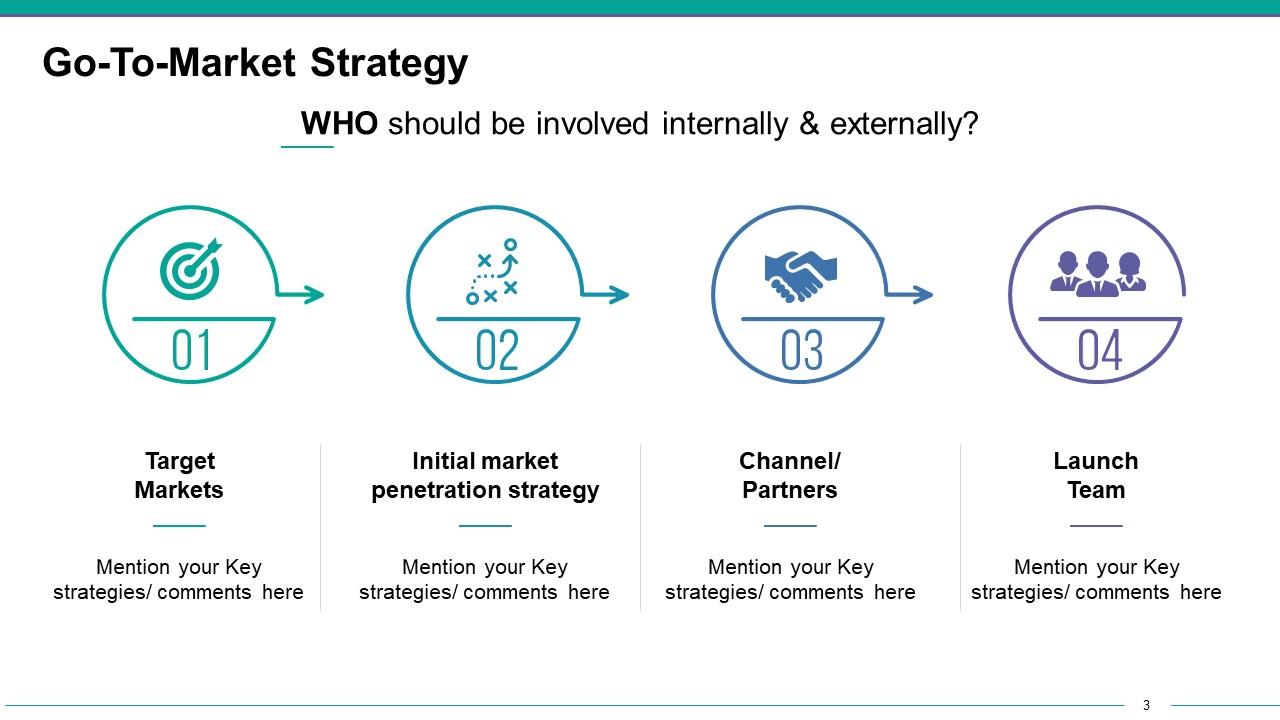
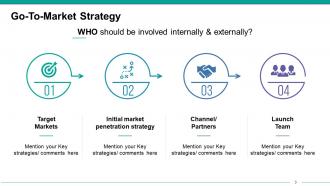
This PPT Template covers key aspects involved in creating a product launch go-to-market strategy. Even if you do not have a product launch market strategy ready, this PPT can help you design one! All you need to do is just follow the slides and input the information as sought. Voila, you have your very own personalized brand marketing strategy for product launch.
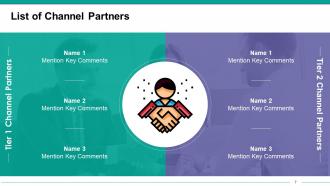
As a step-by-step guide, this slide also asks you to think about collaborations, channels and partners that will be involved in the product launch. The final and fourth step includes the decision-making involved in deciding and mentioning the team in-charge of this particular launch.
Template 3: Setting Value Propositions and Key Messages
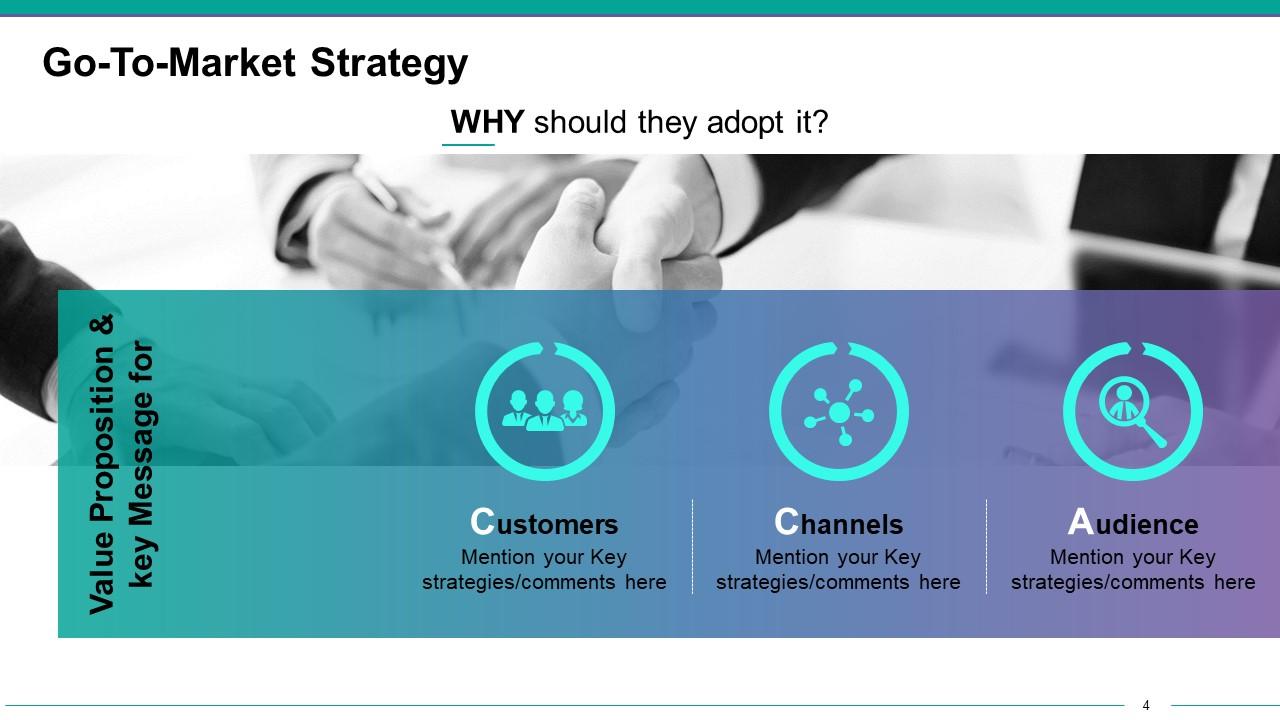
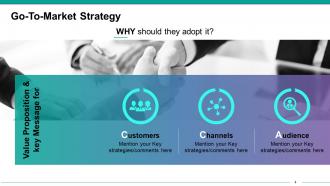
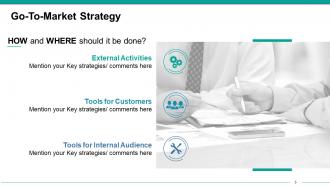
Use this PowerPoint Slide to create a voice for your go-to-market strategy with sub-sections including that of customers, channels and audience. It helps you organize your value propositions and key messages for all three sections mentioned above.
You can also check out our Product Launch Timeline Powerpoint Presentation Slides which will help you in creating a very precise product launch strategy.
Template 4: Channel Product Pricing for Launch
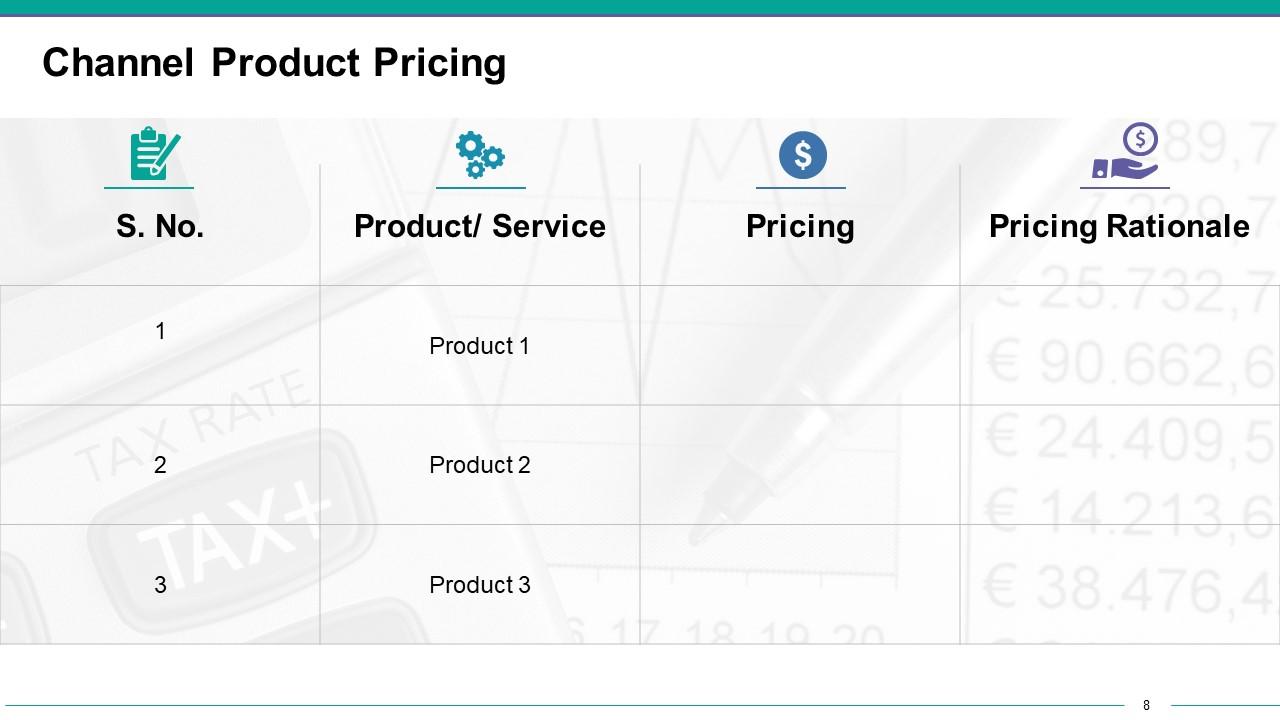
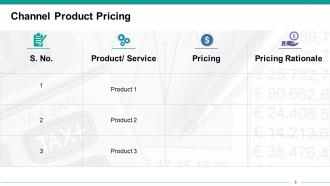
The channel product pricing slide is a wholesome package for administering your products or services and their associated pricing and pricing rationale behind them. The simple math is that this not only helps you keep your product pricing strategic but also intends to keep them all in one place.
Ideally, you should have a product listing and set prices handy all the time, it is the best thing you can prepare in advance to make quirky and favorable decisions.
You can also access our Product Launch Checklist Go To Market Roll Out Marketing Plan Powerpoint Presentation Slides for creating a comprehensive market plan.
Template 5: Competitive Analysis Product Launch Go-To-Market Strategy PPT Template
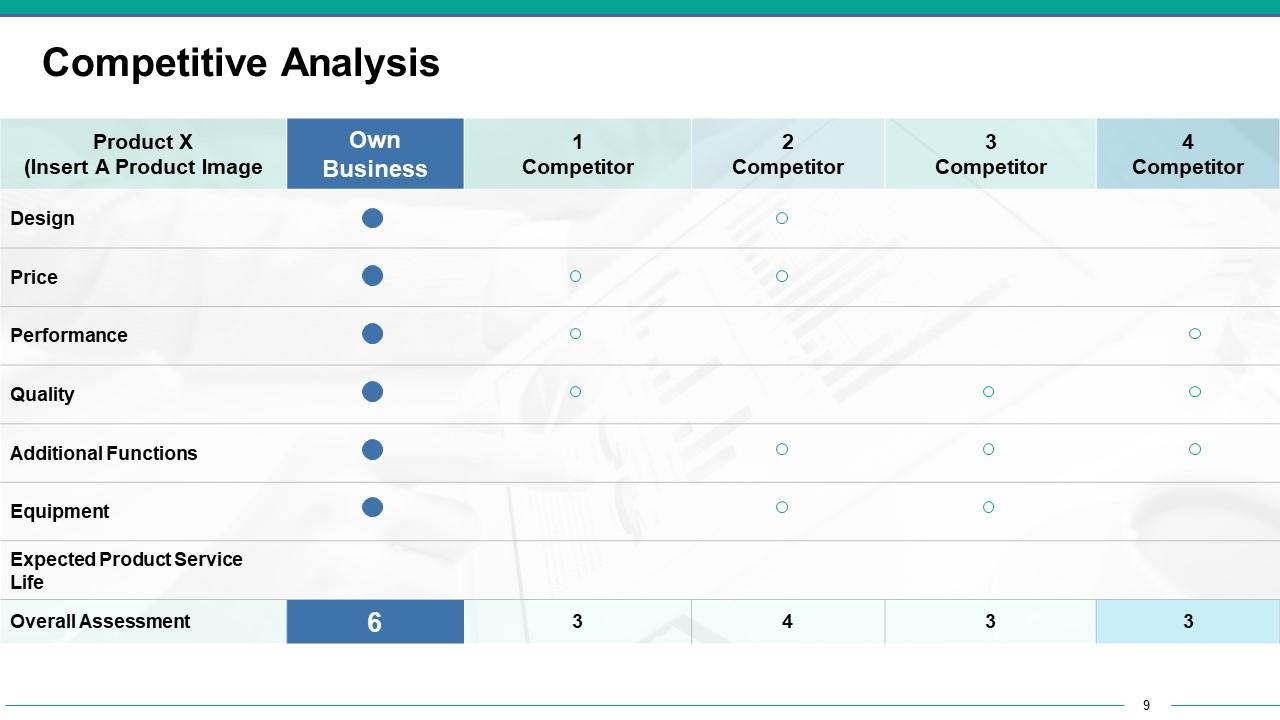
This particular slide of the product launch go-to-market strategy PowerPoint presentation slide features a comprehensive competitive analysis dashboard. This is a very crucial aspect of product launch services as it is of persistent need throughout the journey of the product. The slide lets you measure your product or service in comparison to that of your competitor's product or service. The wholesome parameters that it includes are design, price, quality, additional functions, equipment, expected product service life and quality assessment. You can even rate your product or compare it with the competition.
This slide builds up your research and infant will help you in the betterment of your product by introducing some competitor points taken from this research. It is up to you to add or delete the number of competitors you would like to add. You can also rank your competition against your product and formulate a comprehensive competitive strategy.
Template 6: Revenue and Costing Forecast Product Launch Strategy PPT Template

The revenue a product is going to generate and the expenditure that will be spent are one of the most important goals of any product launch. Even before a product or service is launched in the market, the revenue goals should have been entirely formulated from start to launch. To help you and your business with revenue goals we have our revenue and cost forecast slide. You can simply assemble your financial goals for the product and estimated expenditure on a fiscal year basis.
The slide features the bottom lines for both revenue and expenditure on the basis of past financial years and the projected ones. It also features two graphical representations of the total accumulated revenue for all years generated by the product or service and the accumulated cost for all years generated by the same. Here, you can put in the planned costs and expenses and plan.
Template 7: Beta Program Overview For Product Launch PPT Template
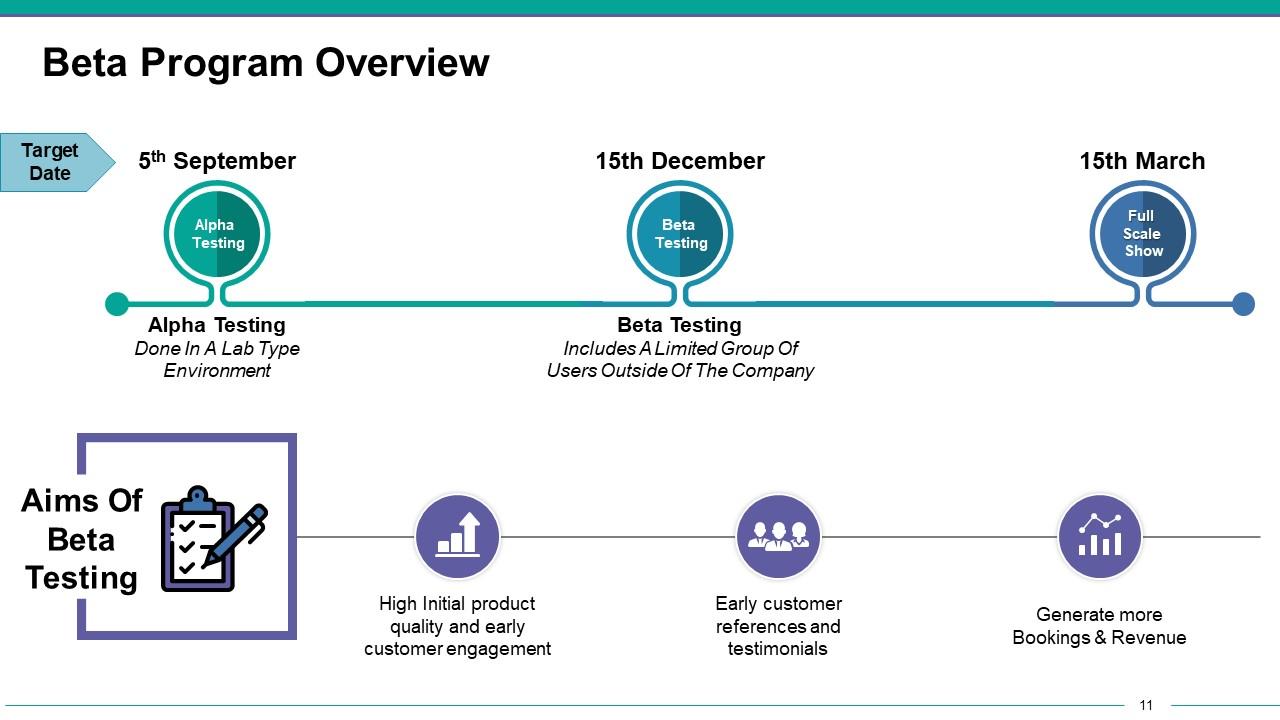
This portion of the product launch PowerPoint slide helps you in compiling an overview of the beta program. Ideally, this is a timeline you set for yourself or your company with dates and a pathway. There is also a section in which you can organize your aims of beta testing that are customized to your business needs and further act upon them to achieve humongous results. You can also build collapsible timelines that can expand further starting from alpha testing leading to beta testing and then to full-scale testing each with its deadlines. These can contain in-house and external checking. It is also ideal to run a pilot test with your potential consumers. This technique often brings out the best results while formulating a kicking product launch go-to-market strategy PowerPoint. You can further add your elements, timelines.
Template 8: Customer Feedback Slide For Go-To-Market Strategy PPT Template
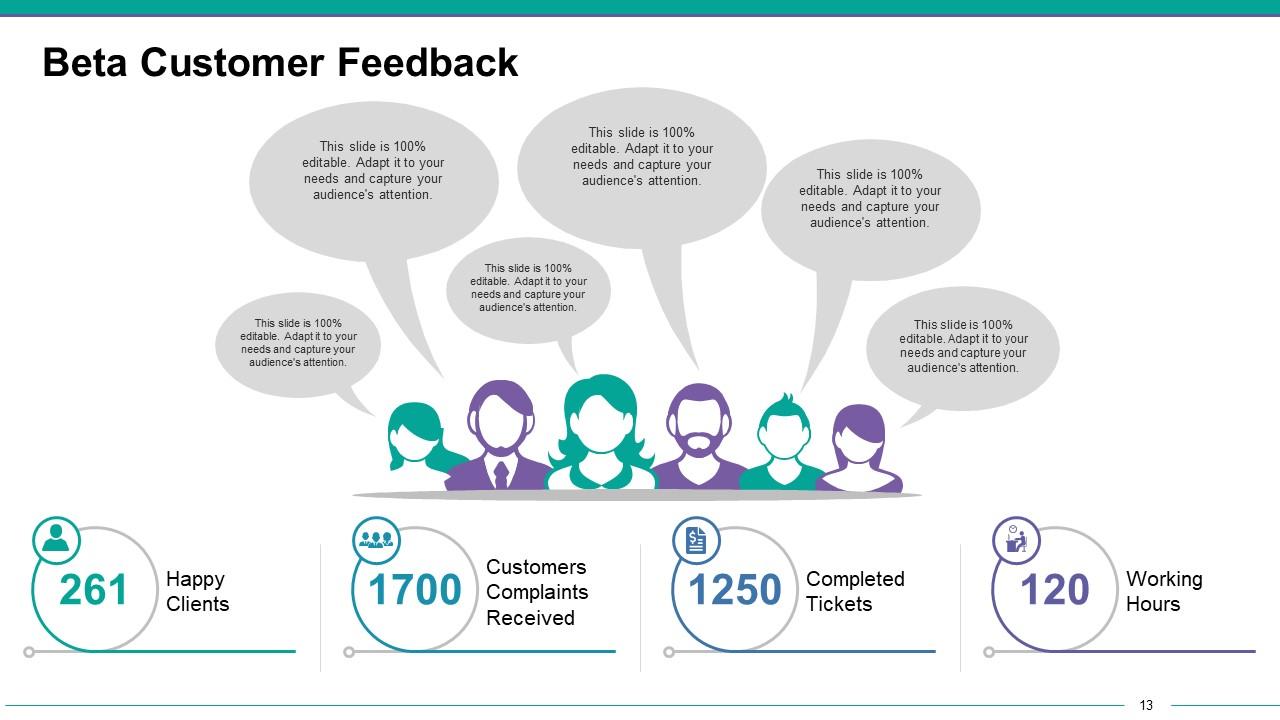
Not just a product launch strategy, this slide also helps you put in perspective customer feedback to measure the impacts of your launch strategy, empowering you to improve and make a comeback. In this particular segment of the product launch go to market strategy PowerPoint, you can record customer responses and feedback. It has options from mentioning the total number of happy clients, customer complaints & their numbers, the total number of issues resolved and how many working hours it took to do the same. It also has space for putting beta customer feedback that you can study later and make improvements in the launch services to gather and attract more customers.
To make a more comprehensive plan you can also access our product launch plan powerpoint presentation and combine both of these templates for a successful launch.
Template 9: Product Launch Tracking For Go-To-Market Strategy PPT Template
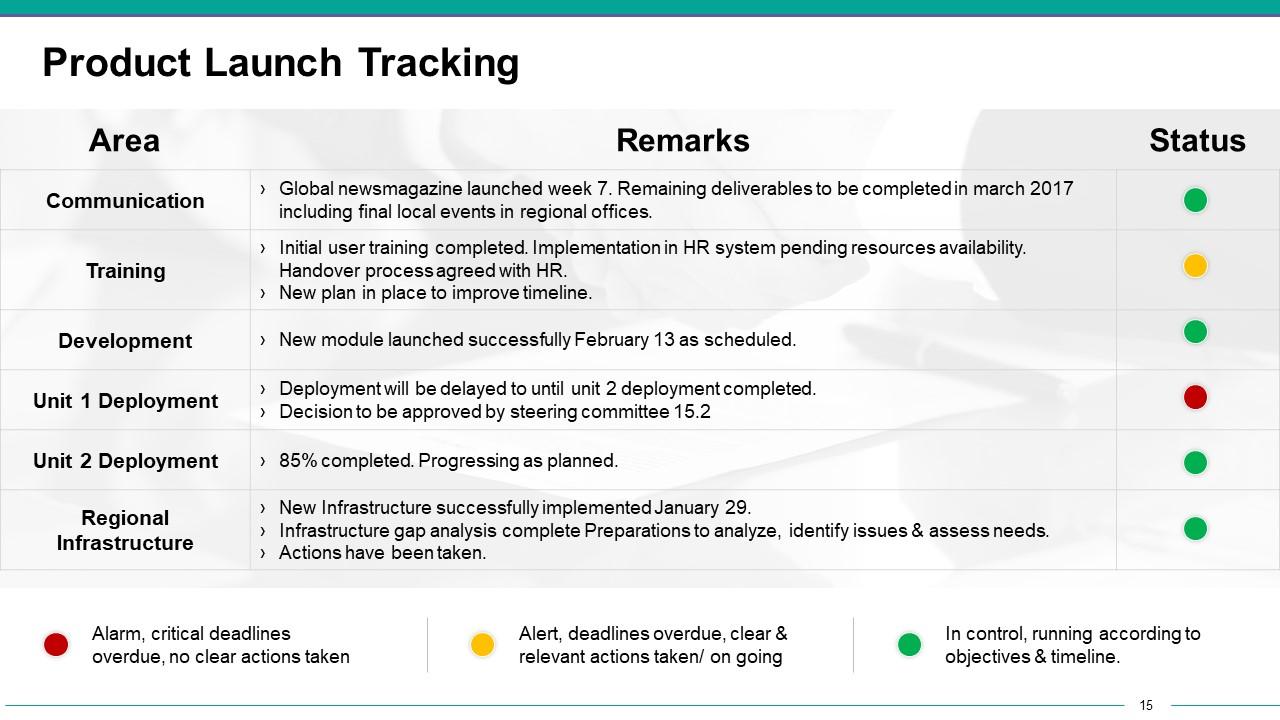
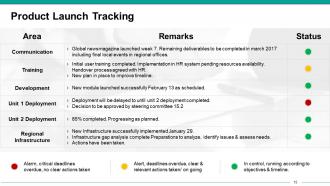
This slide is of our product launch go-to-market strategy PowerPoint is of utmost importance. It gives you a product launch tracking dashboard where you can keep all your information in one go. The comprehensive sections of area, remarks and status help you organize your launch strategy in one place. The curated status section has three colored (Green, Yellow and Red) systems with a hierarchical order of red to green. You can select red for places where it is almost alarming or no actions have been taken yet.
The yellow is more like an alert to-do which will help you prioritize. Finally, the green indicates everything turning out well and as planned. If you are struggling with how to organize your product launch strategy, this slide helps you put in perspective some basic parameters. The column includes putting in your regional infrastructure, unit 1 & 2 development actions and plans, training and communication.
******
GET THE EDGE!
Our product launch go-to-market strategy gives you an overall edge to launch your product or services in the market by preparing. The slide gives you access and knowledge to create product launch tracking, income & expenditure from the product, launch strategies, comprehensive feedback & their analysis, channeling & product pricing, BETA testings and an overall research-based informative presentation to convince your stakeholders. This slide not only serves businesses for their products, this also services individuals launching their services in the market.
Get your hands now on our product launch go-to-market strategy and deliver a solid product launch strategy that will impress everyone, now!
Product Launch Go To Market Strategy Powerpoint Presentation Slides with all 36 slides:
Function fearlessly with our Product Launch Go To Market Strategy Powerpoint Presentation Slides. The arena will be free of any adversity.
-

Product Launch Go To Market Strategy
-
Go To Market Strategy
-
Go To Market Strategy
-
Go To Market Strategy
-
Go To Market Strategy
-
Channel Partner Training Plan
-
List of Channel Partners
-
Channel Product Pricing
-
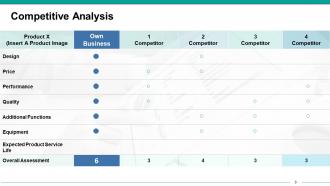
Competitive Analysis
-
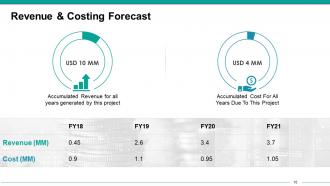
Revenue Costing Forecast
-
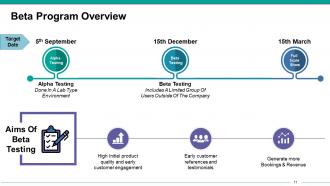
Beta Program Overview
-
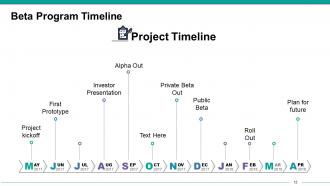
Beta Program Timeline
-

Beta Customer Feedback
-
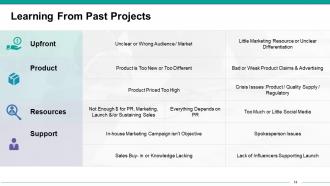
Learning From Past Projects
-
Product Launch Tracking
-
Product Launch Go to Market Strategy Icon Slide
-
Coffee Break
-

Charts Graphs
-
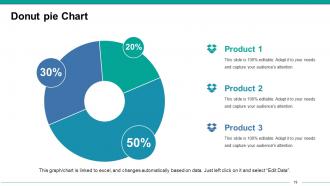
Donut pie Chart
-
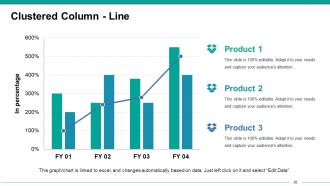
Clustered Column Line
-
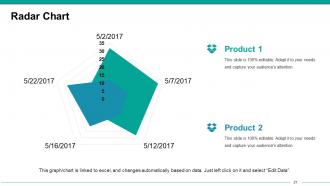
Radar Chart
-
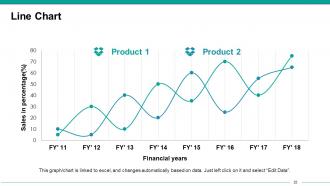
Line Chart
-
Additional Slides
-

Our Mission
-
Our Team
-
About Us
-
Our Goal
-
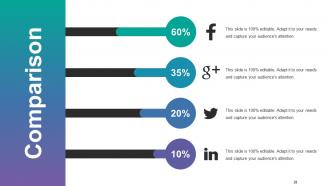
Comparison
-
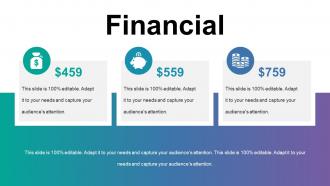
Financial
-
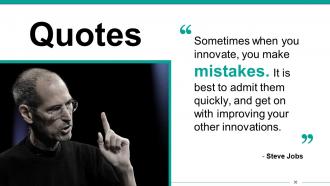
Quotes
-
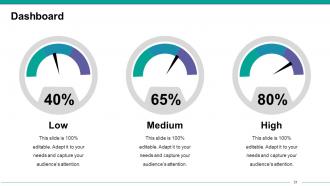
Dashboard
-
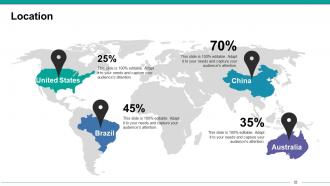
Location
-
Bulb Or Idea
-
Mind Map
-
Magnifying Glass
-
Thank You
FAQs for Product Launch Go To Market Strategy
Okay so first figure out who you're actually selling to and why they'd want it. Pricing is huge too - don't wing that part. Then map out how you'll get it to people and when all your marketing stuff happens. Honestly the timing coordination is what kills most launches, everything has to line up perfectly. Your sales team needs their materials ready and all your messaging should match everywhere. Oh and seriously, add extra time to your timeline because I've never seen a launch go exactly as planned lol. Start this whole process like 3-4 months out minimum.
So basically, your research tells you exactly when to pull the trigger on launch. Like, if people don't even know they have the problem you're solving? You'll need way more time upfront for education stuff. Competitive analysis is huge too - sometimes you'll spot this perfect window when your rivals are sleeping. Don't be that person launching winter coats in summer though, check seasonal patterns first! Here's the thing that always gets people: whatever timeline you think you need, add more buffer time. Your gut instinct is probably wrong. I learned this the hard way honestly.
Honestly, segmentation is everything when you're launching something new. You can't just throw messaging at everyone and hope it sticks - I've watched too many launches crash and burn that way. Pick 2-3 specific groups and really dig into what makes them tick. Your messaging hits so much harder when you're talking directly to someone's actual problems instead of being all vague and generic. Each segment needs its own mini-strategy too - different channels, timing, the works. It's more work upfront but trust me, the results speak for themselves.
Honestly, just start with the pain point your customers actually deal with. Make your product the solution, not the star of some boring feature list. Nobody remembers specs anyway. Try this flow: show the struggle people were having → explain what you built → prove how it actually helped them. Real customer quotes work way better than corporate BS if you've got them. Don't just slap the story at the beginning either - weave it through everything. Short sentences work. So do longer ones that actually flow naturally when you're explaining the transformation. Make them feel something and they'll remember you later.
Look at both the immediate stuff (sign-ups, downloads) and the bigger picture metrics. Daily/monthly active users tell you if people actually stick around - way more important than just getting them in the door. Revenue tracking is obvious but track acquisition costs too, not just raw sales. The fuzzy metrics matter more than people think - customer satisfaction, social sentiment, brand awareness. Honestly, I'd just pick your top 5-6 metrics for a dashboard. Otherwise you'll get lost in spreadsheets and miss what's actually happening. Oh, and feature usage rates are clutch for figuring out what's working.
Start dropping hints about 6-8 weeks out - behind-the-scenes stuff, countdowns, little sneak peeks. Get your beta users posting about it because that's pure gold. Mystery campaigns work crazy well too where you slowly reveal features. Honestly, micro-influencers beat the big names every time for engagement in my experience. You want people hyped but not spoiling everything - like a good movie trailer, you know? Oh, and set up your hashtag early so you can actually see all the buzz happening. The whole thing's about building that anticipation without showing your whole hand.
Honestly, most teams mess up by rushing to launch without testing with actual users first. Big mistake. Don't skip market validation - I can't tell you how many products I've watched crash because of this. Also that whole "if you build it they'll come" thing? Total myth without a real plan to get people's attention. Your marketing and sales teams need to be on the same page too, otherwise you'll confuse everyone with mixed messages. Oh and definitely start small! Test everything with a limited launch before going all-out. Saves you so much headache later.
Honestly, influencers are a game-changer for product launches. They've already got people who trust them, so when they recommend your stuff, it doesn't feel like an ad. Way better than screaming into the void on your own social media. Just don't get caught up in follower counts - I've seen micro-influencers with 10K followers crush it because their audience actually cares. The content feels real too, which is huge. Start hitting them up like 6-8 weeks early though, because good content takes time and you don't want them rushing it.
Honestly, you need multiple ways for users to complain to you - and trust me, they will. In-app surveys and user interviews tell you *why* something sucks. Analytics show the cold hard numbers like where people bail out. Don't sleep on social media monitoring either - half the time people will tweet about your broken feature before bothering to email support. Set up alerts so you're not glued to dashboards 24/7. But here's the thing: make it stupidly easy for users to reach you, then actually respond fast when they do.
Make a messaging doc that's like your product's bible - core value prop, benefits, pain points, all laid out. Get it to everyone who touches customer stuff: marketing, sales, support, social. I've watched launches completely tank when teams just make up their own version of the story. Have alignment meetings beforehand and pick someone to be the messaging cop who reviews everything. Oh, and honestly? Don't skip the "cop" part - people will drift if you don't stay on them. Your customers should hear the exact same story everywhere they go.
Honestly, the real work starts after launch day. Keep dropping new features and share those customer win stories - people eat that stuff up. Educational content showing different use cases works great too. User-generated content is gold because everyone wants to see how real people actually use your product. Plan some smaller moments throughout the year - webinars, partnerships, maybe seasonal stuff. I learned this the hard way, but map out your content calendar before you launch. Trust me, you don't want to be scrambling for ideas when you should be celebrating your success.
Dude, you HAVE to get all your teams talking early or you're screwed. Marketing needs to know when stuff's actually shipping. Sales has to understand what they're selling - sounds obvious but you'd be shocked how often this doesn't happen. Customer support better be ready for the flood of questions coming their way. Operations too, because demand spikes are real. I've watched launches completely tank when departments just do their own thing. Customers pick up on mixed messages instantly, and those gaps between teams? Super obvious to everyone except the teams themselves. Create shared timelines with clear handoffs. Trust me on this one.
Honestly, start with Asana or Monday.com for project management - you'll go insane trying to coordinate everyone without it. Slack is pretty much non-negotiable for quick communication during launch madness. Figma's great for design stuff, and I've been using Notion lately for all our documentation (though it can get messy if you're not careful). HubSpot handles email sequences well if you need marketing automation. Don't try to implement everything at once though - pick your project management tool first, then add others when specific problems come up. Trust me on that one.
Honestly, each market is totally different so you can't just copy-paste your strategy. What kills it in the US might be a complete disaster in Japan - cultural preferences are huge. I'd start small and test everything first. Look into how people actually shop there, what messaging resonates, even seasonal stuff that might throw off your timing. Pricing needs to fit too. Local influencers or retail partners can be gold since they already have trust built up. Oh, and don't forget regulatory headaches - some countries are way pickier about that stuff. Basically treat each place like its own puzzle.
Honestly, don't just show off features - solve an actual problem people care about. Tell a story that hits emotionally, then demo your product doing real work. The Q&A is where things get interesting, so leave plenty of time for that. Too many launches feel like boring sales pitches (yawn). Mix in polls or chat to keep it interactive. Practice your demo until you could do it blindfolded - tech always fails at the worst moment. Have your next steps ready, and get those follow-up materials out within 24 hours. People forget fast.
-
Very unique and reliable designs.
-
Use of different colors is good. It's simple and attractive.