


Media planning briefing powerpoint presentation slides





Try Before you Buy Download Free Sample Product
 Impress Your
 Audience
 100%
100% Editable
 Save Hours
 of Time


Apt media planning is an opportunity for a corporate house to gain public attention and create buzz in the market. Therefore, to hone up media briefing skills of your employees here we have come up with a complete set of pre designed good PPT example. Public relation managers or marketing experts can download this PPT sample to emphasize significant features of media planning and briefing. Highlight of our PowerPoint show is that to meticulously address each aspect we have incorporated PowerPoint templates like communication strategy, audience research, media objectives, target audience, media budget etc. In short, with this complete presentation deck you can share insights of briefing to prepare your employees for the big occasion. Apparently giving prior guidance with engaging colorful visuals ensures smooth briefing show so as to maintain firm relation with media agencies.
People who downloaded this PowerPoint presentation also viewed the following :
Content of this Powerpoint Presentation
Slide 1: This slide introduces Media Planning Briefing. State your company name here and get started.
Slide 2: This slide presents Agenda to discuss and present solutions accordingly. State your agendas here.
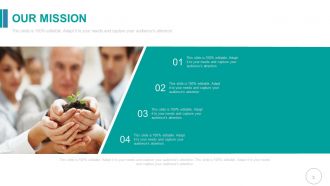
Slide 3: This slide captures Our Mission along with visions and goals of the company.
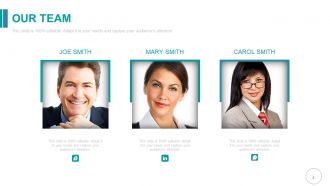
Slide 4: This slide introduces Our Team with name, designation and text boxes.
Slide 5: This is an About Us slide to present information about name, designation etc.
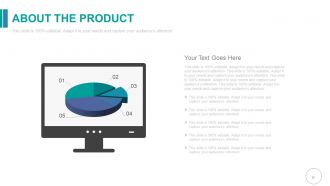
Slide 6: This is About The Product slide to give a product intro. Give a brief introduction of your product here.
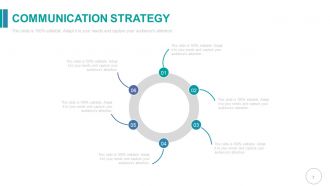
Slide 7: This slide showcases Communication Strategy to be implemented.
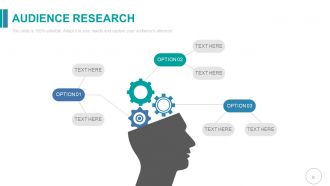
Slide 8: This is an Aundience Research slide with imagery. You can alter as per need.
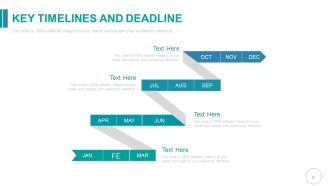
Slide 9: This slide displays Key Timelines and Deadlines to be met. It also highlights important milestones, growth prospects etc.
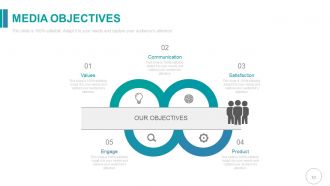
Slide 10: This is Media Objectives slide showcasing- Values, Communication, Satisfaction, Product, Engage.
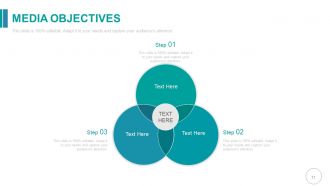
Slide 11: This is another Media Objectives slide represented with a venn diagram.
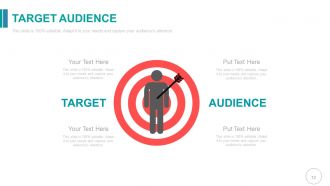
Slide 12: This slide showcases TARGET AUDIENCE using human and target imagery.
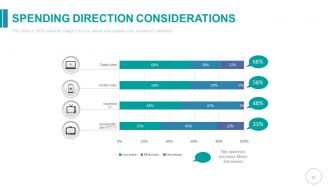
Slide 13: This is Spending Direction Consideration slide showcasing Net optimism (increase Minus Decrease).
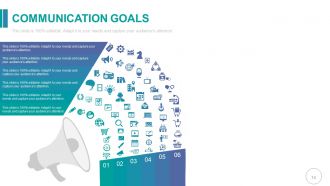
Slide 14: This slide states Communication Goals with creative icons and imagery to be used as per need.
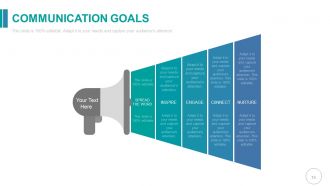
Slide 15: This is another Communication Goals slide which include- Spread The Word, Inspire, Engage, Connect, Nurture.
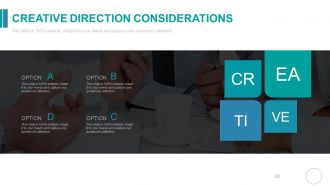
Slide 16: This slide presents Creative Direction Considerations wih text boxes to be filled as per requirement.
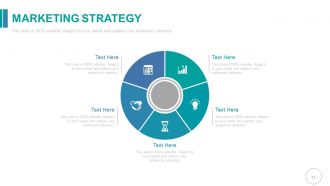
Slide 17: This slide showcases Marketing Strategy in a circular format with icons and text boxes.
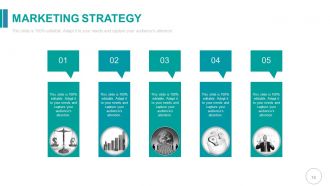
Slide 18: This is another Marketing Strategy slide.
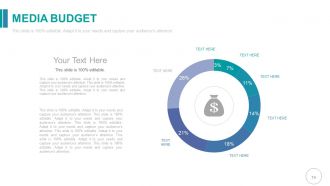
Slide 19: This slide showcases Media Budget with text boxes.
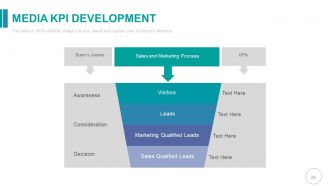
Slide 20: This slide provides an insight about Media KPI Developement involving- Buyer’s Journey, KPIs, Sales and Marketing Process.
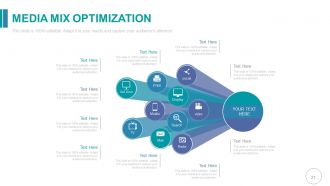
Slide 21: This is a Media Mix Optimization slide with text boxes and respective icons.
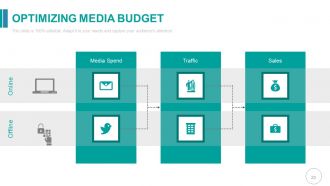
Slide 22: This slide presents Optimizing Media Budget mentioning both offline and online modes.
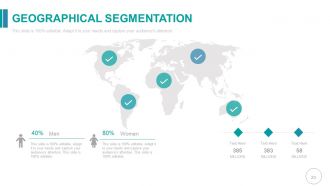
Slide 23: This slide showcases Geographical Segmentation on a world map image.
Slide 24: This slide showcases Target Group Segmentation involving Primary & Secondary Target Group
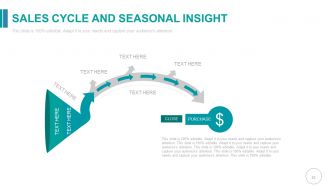
Slide 25: This slide presents Sales Cycle And Seasonal Insight in a funnel form.
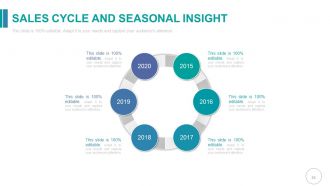
Slide 26: This is another Sales Cycle And Seasonal Insight slide with years.
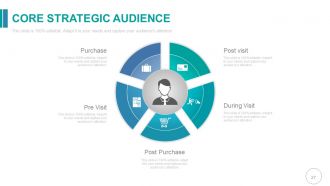
Slide 27: This slide states Core Strategic Audience which include- Purchase, During Visit, Pre Visit, Post visit, Post Purchase.
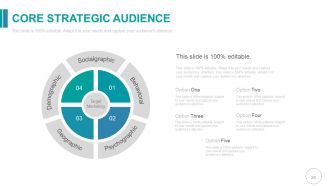
Slide 28: This is another slide stating Core Strategic Audience in a circular format with respect to the following parameters- Demographic, Socialgraphic, Behavioral, Geographic, Psychographic.
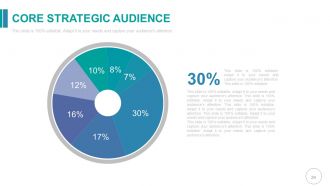
Slide 29: This is another slide showcasing Core Strategic Audience.
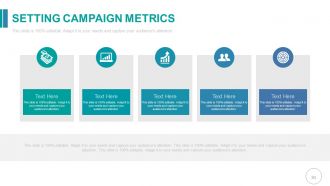
Slide 30: This slide showcases Setting Campaign Metrics for product advertising.
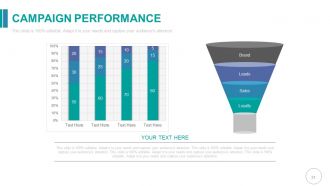
Slide 31: This slide presents Campaign Performance through a bar graph and funnel.
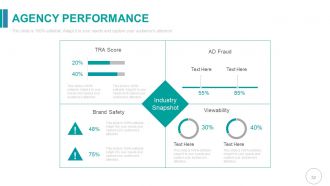
Slide 32: This slide showcases Agency Performance with a matrix and Industry Snapshot as its central criteria
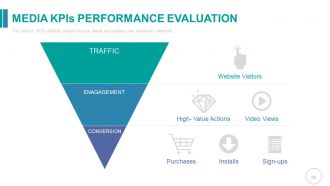
Slide 33: This slide showcases Media Kpis Performance Evaluation with an inverted pyramid image.
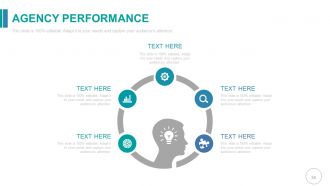
Slide 34: This is another Agency Performance slide presented in a circular format.
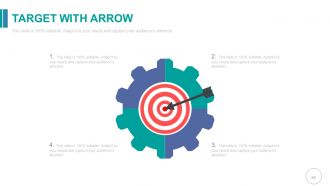
Slide 35: This slide showcases Target With Arrow imagery and text boxes to go with.
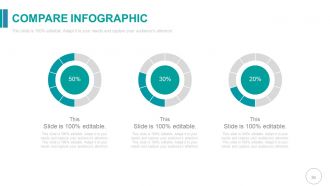
Slide 36: This is Compare Infographic slide in donut chart form.
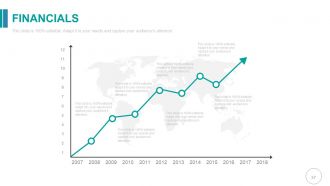
Slide 37: This slide showcases Financial aspects with a bar graph.
Slide 38: This is Business Quotes slide for motivation and inspiration. State them here. You can also change/ alter them as per need.
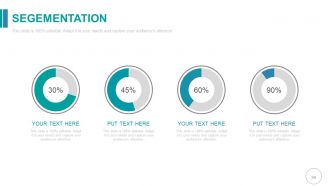
Slide 39: This slide showcases Segmentation to be adapted as per need.
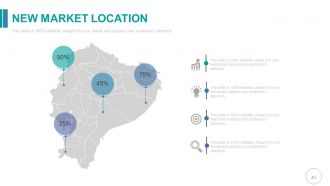
Slide 40: This slide showcases New Market Location on a map image.
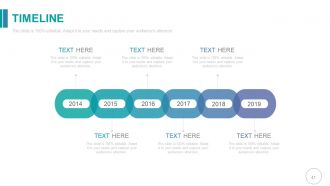
Slide 41: This slide presents a Timeline highlighting growth, milestones etc.
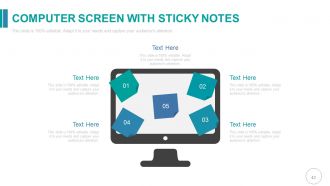
Slide 42: This slide presents Computer Screen With Sticky Notes to pin and post important information, guidelines etc.
Slide 43: This slide presents Newspaper Layouts to highlight information, news etc.
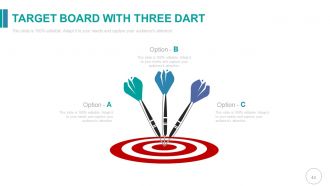
Slide 44: This is Target Board With Three Dart image slide. State your targets etc. here.
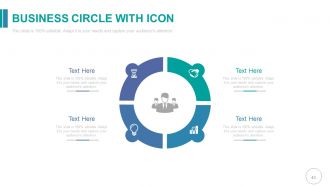
Slide 45: This slide showcases Business Circle With Icon and text boxes to go with. You can add/ remove text as per need.
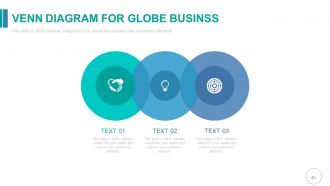
Slide 46: This slide showcases Venn Diagam For Globe Business. You can edit/ modify on the basis your requirement.
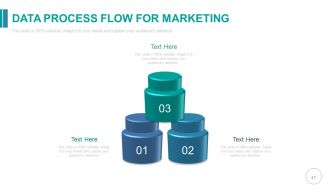
Slide 47: This slide presents Data Process Flow For Marketing in a lego box format.
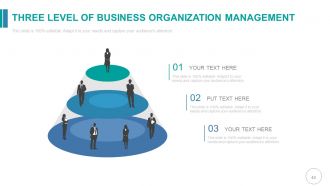
Slide 48: This slide states Three Level Of Business Organization Management in a silhoutte hierarchy form.
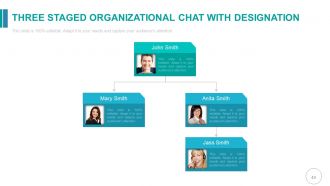
Slide 49: This slide showcases Three Staged Organizational Chat With Designation and name.
Slide 50: This slide presents Business Infographic with bulb imagery and text boxes.
Slide 51: This slide showcases Alternatives Evaluation with magnifying glass imagery.
Slide 52: This is a Bar Graph image slide to show product/entity comparison, information etc.
Slide 53: This is a Funnel image slide to showcase funneling aspects, information etc. here.
Slide 54: This is a Thank You slide to mark an end to the presentation.
Media planning briefing powerpoint presentation slides with all 54 slides:
Have you noticed that ninety nine percent of all presentations only succeed to send their audience to sleep? Well our Media Planning Briefing Complete Powerpoint Deck With Slides are bound to help you have an engaging and interactive session with your audience.


FAQs for Media planning briefing
You'll want to nail down your target audience first - like actually know their habits and where they spend time online. Budget's probably your biggest constraint, so figure that out early since it controls everything else. Set goals that you can actually measure (conversions, awareness, whatever makes sense). Honestly, most people pick channels based on assumptions instead of data, which is backwards. Map out how your audience moves from awareness to purchase - makes choosing platforms so much easier. Oh and don't sleep on timing and frequency planning. Seems obvious but you'd be surprised how many campaigns fall flat just because of poor scheduling.
Honestly, data analytics is a game-changer because it shows you what's actually working instead of just guessing. You can see which platforms bring in the most customers and when people are actually paying attention to your ads. Sometimes the results totally go against what you'd expect! It also reveals patterns in how different groups respond to your campaigns. Rather than throwing money everywhere and hoping something sticks, you'll know exactly where to focus your budget. Oh, and definitely set up tracking first - you need that baseline data or you're flying blind.
Think of audience segmentation as your secret weapon for not wasting money on ads. You're basically splitting your target market into smaller groups - by age, interests, behavior, whatever makes sense. Then you can actually target them where they hang out. Millennials are scrolling Instagram while your C-suite folks are probably on LinkedIn (shocking, I know). Way smarter than just blasting generic ads everywhere and crossing your fingers. First figure out who your main segments are. Then map out their media habits and go from there.
Look, it really depends what you're trying to do and who you're after. Digital stuff like Facebook ads and Google are usually cheaper to start with, plus you can actually see what's working. TV and radio cost more upfront but they hit way more people at once. Print? Honestly I'd skip it unless you're going after like, super specific groups. Here's the thing though - don't just look at what each ad costs. A $500 TV spot that gets you 20 customers beats some $50 Facebook thing that only converts one person. My advice? Test small budgets on maybe 2-3 different channels first and see what actually works for your business.
Pick 3-4 metrics that actually connect to what you're trying to achieve - don't get lost in the data weeds. Reach and frequency show if you're hitting the right people. Then track your cost efficiency with CPM, CPC, or CPA depending on your goals. Brand lift studies are honestly the best if you can afford them since they prove people actually remember your ad. Attribution metrics help you see the whole customer journey too. Oh, and definitely set this stuff up before you launch - trust me on that one. Otherwise you'll be scrambling to figure out what worked and what didn't after it's already over.
Dude, the media landscape is nuts right now. AI's doing all the heavy lifting for predictions and programmatic ads are optimizing while you sleep. Connected TV is basically making traditional/digital boundaries pointless - which honestly confuses half my clients still. Voice search completely flipped keyword strategies on their head. AR and VR ads are getting pretty wild too. Oh, and with cookies dying, first-party data is everything now. I always tell people to set aside maybe 15% of budget for testing new stuff. Better to experiment early than play catch-up later when everyone's already there.
So paid media is basically anything you're spending money on - ads, sponsored content, PPC stuff. Your owned media is the things you actually control, like your website, email lists, and blog. Earned media happens when other people mention you without being paid - reviews, shares, that kind of thing. Honestly, the magic happens when you use all three together instead of treating them separately. Your paid campaigns should send people to your owned content, which then (hopefully) gets people talking organically. Don't just dump money into ads without thinking about where you're sending that traffic - it's kinda pointless otherwise.
Honestly, just follow where your audience actually hangs out. Check your data first - are they scrolling Instagram all day or still watching regular TV? Don't dismiss traditional channels just because digital seems cooler right now. Think about what you're trying to do too. Building awareness? Go heavy on video and display ads. Need conversions? Search and retargeting are your best friends. Start small with testing - I learned this the hard way after blowing budgets on assumptions. Once you see what's actually working, throw more money at those channels instead of spreading everything thin.
Oh man, where do I even start? Algorithms change every five minutes, new platforms keep launching, and iOS updates randomly destroy your tracking setup. Privacy stuff makes attribution a nightmare too. Your audience switches up their behavior before you can even adjust your strategy - it's honestly exhausting sometimes. Data's scattered across like 20 different platforms so you never get the full picture. My biggest tip? Plan for chaos from the beginning. Have backup ways to measure everything because your main tracking will definitely break at some point. Stay flexible or you'll lose your mind.
So basically A/B testing is where you pit different strategies against each other to see what actually works. Test one thing at a time though - maybe start with two audience segments on the same platform. Creative formats, ad placements, budget splits... you can test pretty much anything. Once you get going it's weirdly satisfying watching the data come in. Just don't get impatient - you need enough time and spend for the results to mean something. Then take whatever wins and scale it up from there.
Start by figuring out your customer journey - where does TV/radio work for awareness, then digital swoops in for retargeting. Keep your messaging consistent but adapt creative for each platform's vibe. Cross-pollination works great here - take that TV spot and run it as pre-roll, turn radio into podcast ads, whatever makes sense. Track everything with unified attribution so you're not stuck in silos wondering what's actually working. Honestly, attribution is still kind of a mess but it's better than flying blind. Write up one strategy doc covering touchpoints, timing, and how you'll measure success across everything.
Honestly, social media analytics are a goldmine for figuring out who's actually paying attention to your stuff. You can see ages, interests, when people are most active - Facebook's audience insights even shows lifestyle data which is pretty cool. Use all this to nail down your buyer personas and figure out where to spend your ad money. Like if 25-34 year olds are going crazy for your Instagram posts but totally ignoring you on LinkedIn, obviously move your budget to Insta. I'd pull weekly reports to catch trends early. Way better than just guessing what might work, you know?
Honestly, the whole landscape is shifting fast right now. AI automation is taking over campaign management, which is actually pretty helpful. But the real pain? Cookieless targeting since privacy rules killed third-party cookies. You'll need solid first-party data collection - like, yesterday. Amazon and Walmart's ad platforms are huge now too. Connected TV budgets are everywhere but attribution across channels is finally getting decent. My take? Test cookieless strategies before you're scrambling to catch up. Also maybe grab coffee first because this stuff gets overwhelming quick.
Dude, you've gotta get your creative and media people talking from the jump. The difference is honestly crazy - instead of just slapping random ads wherever, you get content that's actually built for each platform. TikTok needs to feel totally different from LinkedIn, you know? Your media folks have all the audience intel while creative knows what makes people stop scrolling. I always tell teams to crash each other's planning sessions. Sounds chaotic but the insights are wild. Plus your campaigns will actually perform instead of just... existing.
Honestly, just be transparent about everything - sponsored posts, data collection, all of it. People hate feeling tricked. Audit where your ads actually show up too because you don't want your brand next to some conspiracy theory nonsense (trust me on this one). If you're targeting vulnerable groups like kids or folks with money problems, that's where it gets tricky ethically. Oh, and work with platforms that don't make you cringe when you tell people about it. Brand safety isn't just legal stuff - it's about sleeping well at night.
-
Use of different colors is good. It's simple and attractive.
-
Appreciate the research and its presentable format.