

Project Brief Summary Powerpoint Presentation Slides





Try Before you Buy Download Free Sample Product
 Impress Your
 Audience
 100%
100% Editable
 Save Hours
 of Time


We proudly present to you our Project Brief Summary PowerPoint Presentation Slides. This slideshow can be used if you wish to give a concise description of the project to your employees or anybody. A summarized overview of the full and final plan can be easily presented to your fellow mates if you use our business template. This is a complete deck of 30 slides designed exclusively by our trained business specialists for professionals like you who do not have a lot of time to design the PPT. This slideshow will be multi-purpose for you as it consists of various diagrams and illustrations for example, tabular reports, column bar graphs, area charts, colorful inspirational slides which will help you guide your team efficiently. This business template can be multifunctional, as it will let you tell others about your team, your goals, your mode of functioning, and about your excellent success rate. This PowerPoint presentation can be used when your team or the employees already have an idea about the project as by using this PPT you will give them a short but important narrative about the assignment plan. Highlight the essence of project management of your business through this professionally crafted PPT slides on project summary PowerPoint presentation slides. Use this project summary PPT diagram to explain the objective of your project. The most imperative fact that can be very much characterized with this PowerPoint diagram is to express different business project accomplishments based on their occurrence and as per the project priority to achieve those project objectives. Further, make use of this project brief overview PowerPoint template to describe the number of advantages of managing your business projects through this technically designed PPT slides. With this imaginative and exceptional project brief description presentation image, you will able to define various divergent business plans or procedures identified with your business projects or other areas with their effect and sustainability on your business framework. Thus, click on the download button and start engaging your project essential for the audiences with this exceptional PPT design right away. Enthuse across generations with our Project Brief Summary Powerpoint Presentation Slides. Age is no bar for them.
People who downloaded this PowerPoint presentation also viewed the following :
Content of this Powerpoint Presentation

Picture this: An entrepreneur presents an innovative project. The concept is exceptional, and the team is in place. However, after six months, the project has gone nowhere, and chaos is the dominant narrative around it. What's the issue? It's often not the idea itself but the internal communication, or the lack of it, that invariably takes the blame.
That initial clarity is an absolute must. It guides your project's voyage and ensures everyone is not just rowing but rowing together in perfect harmony towards a shared destination. Without it, you might find your resources wasted in a fog of confusion, time wasted in a maze of misdirection, and the project's vision never looking out it will touch base and turn into reality.
SlideTeam’s Project Brief Summary Templates are the relevant frameworks upon which successful projects are built. They encapsulate objectives, deliverables, and scopes, aligning every team member to the project’s heartbeat. Downloading these 100% editable templates is a decision to gear up for success. It’s about giving your project a starting point and a clear, actionable path forward.
Let’s get started!
Template 1: Project Timeline
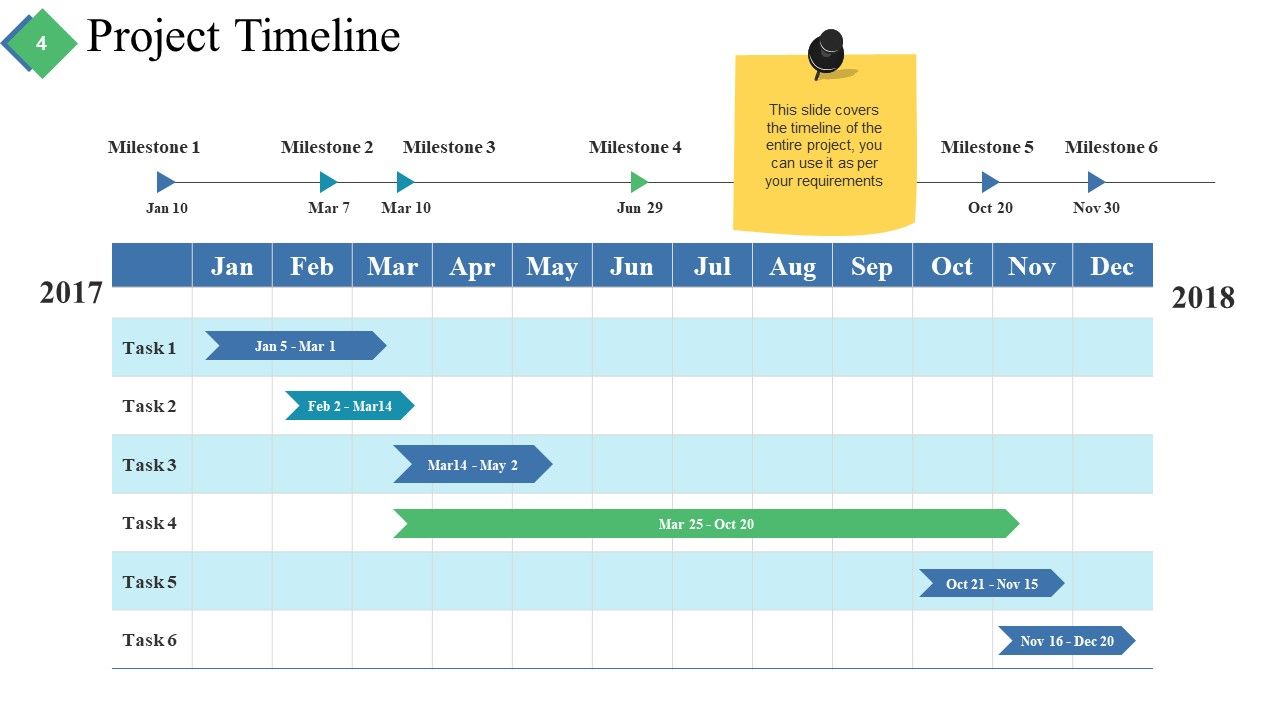
This PowerPoint Slide is an essential tool for managers and teams to chronicle the journey of a project from start to finish. It presents a clear, horizontal timeline with key milestones and associated tasks over a year. Each phase is color-coded, allowing for a quick assessment of project progress and upcoming deadlines. The timeline facilitates strategic planning, ensures deadlines are transparent, and helps maintain a bird's-eye view of the project's lifecycle, enhancing communication and efficiency. This slide lets teams easily track their progress and anticipate the road ahead.
Template 2: Project Progress Summary
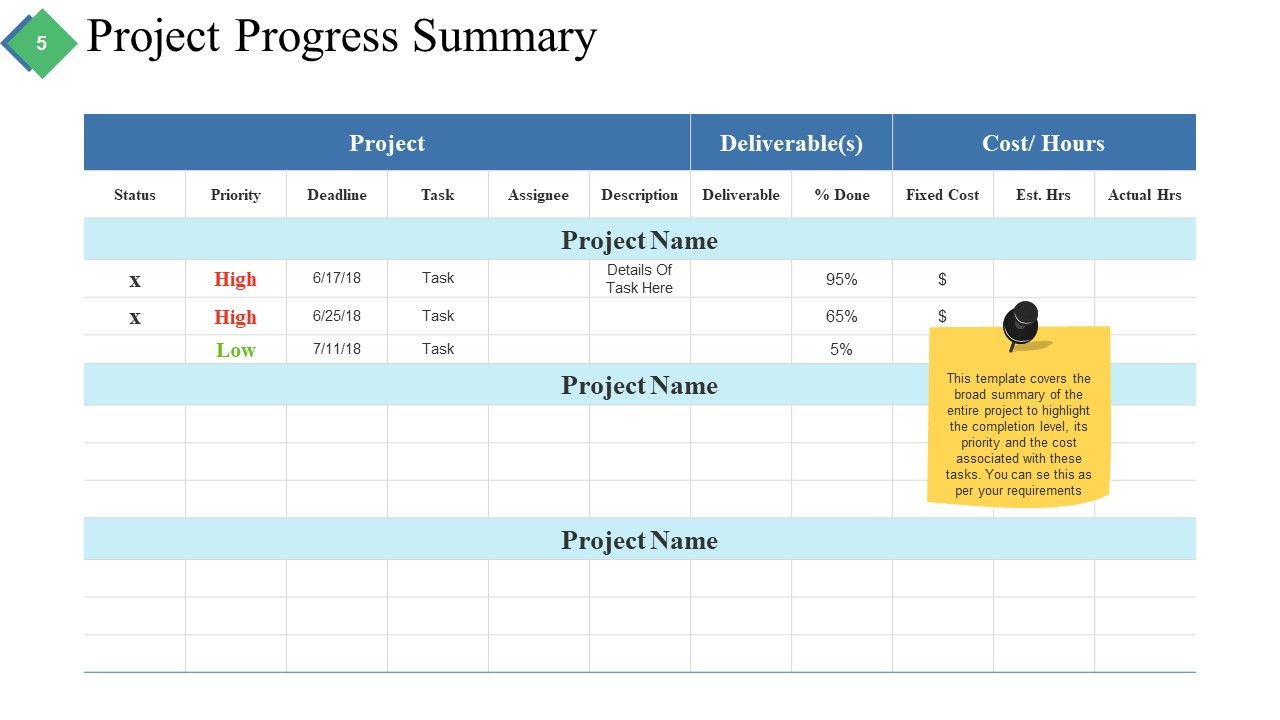
This PPT Slide is a relevant tool for project management, offering an at-a-glance view of components of a project's status. This slide outlines the tasks, their respective priorities, deadlines, assignees, and the progress in percentage completion. It also includes a financial overview detailing the fixed costs, estimated hours, and actual hours spent, providing a comprehensive picture of the project’s fiscal health. With this, stakeholders can measure the progress and efficiency of tasks, identify high-priority areas needing attention, and manage resources effectively, ensuring that the project remains on track operationally and financially.
Template 3: Project Status Report
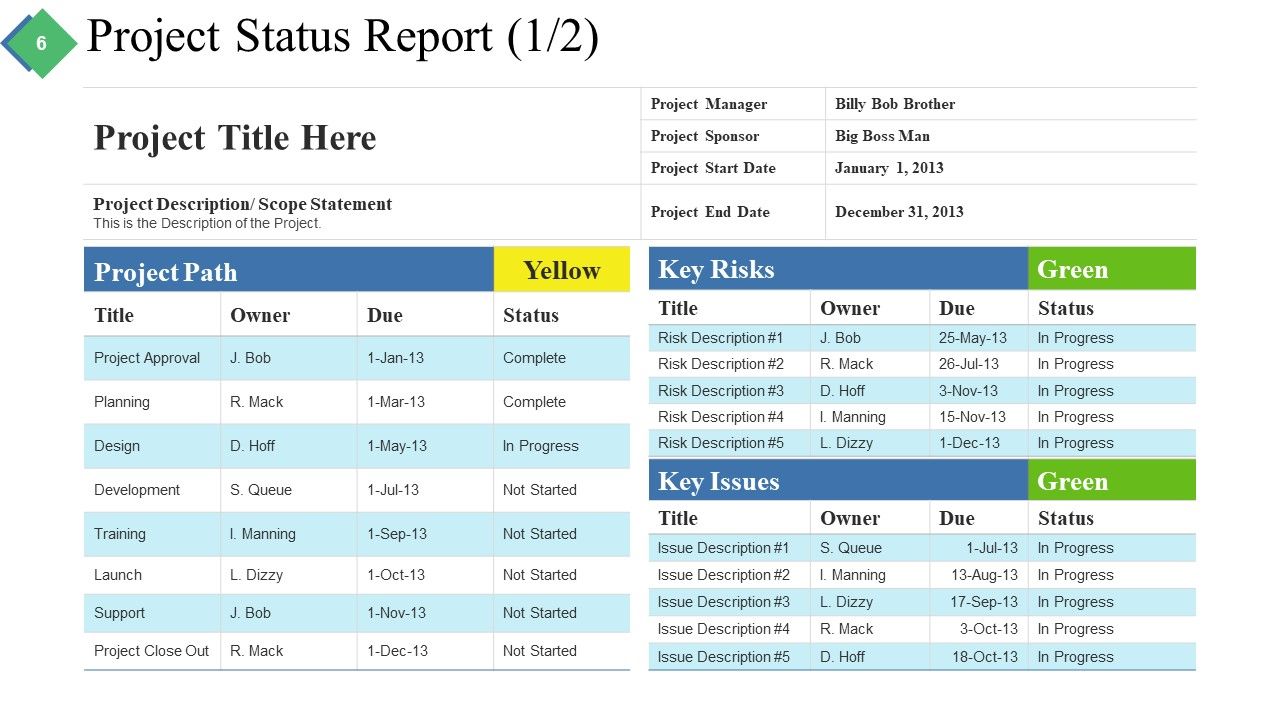
This slide presents a comprehensive project status report, providing clear status of project milestones, key risks and issues, and their ownership and due dates, contributing to a project's transparency and control. Color-coded for at-a-glance understanding, it allows teams and stakeholders to identify areas that are on track, warrant attention, or require immediate action, facilitating efficient project management and communication.
Template 4: Project Status Report (Version 2)
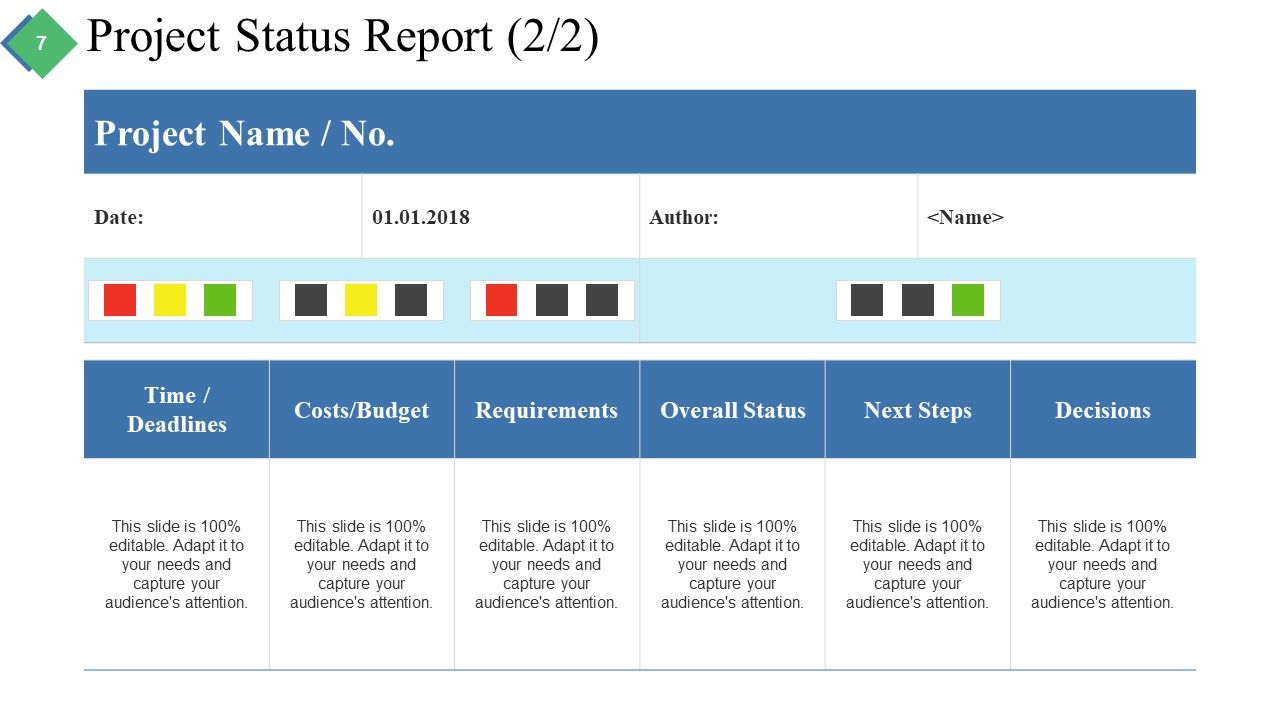
This PPT Set offers an overview of a project's critical aspects at a specific checkpoint. It distills complex information into key metrics, including timeframes, budget adherence, requirement fulfillment, project status, impending steps, and decision points. A color-coded status bar provides immediate visual cues to project health, aiding in quick assessment and facilitating informed decisions.
Template 5: Project Health Card
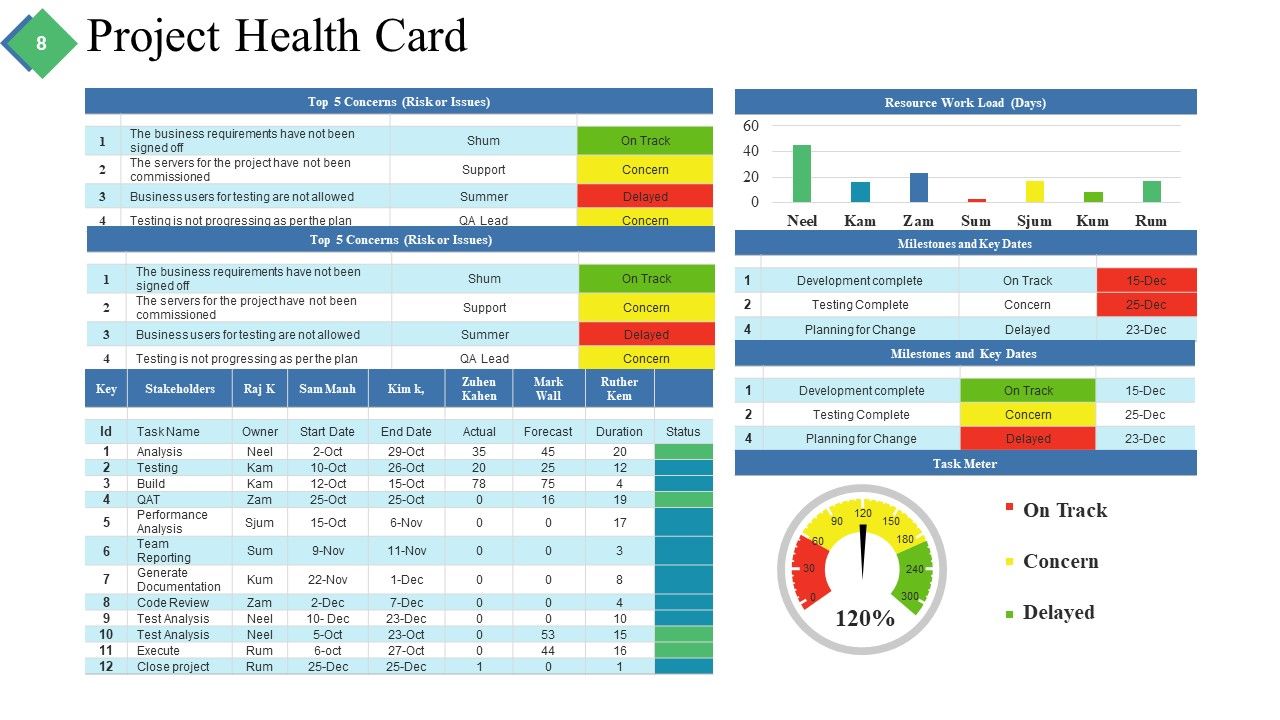
This PPT Slide offers an at-a-glance evaluation of your project's vitals, highlighting key concerns and the workload distribution. It identifies the top five risks and issues, classifying them by status to prioritize action, with a color-coded system indicating whether items are on track, a concern, or delayed. A histogram represents the workload of individual resources, enabling efficient allocation and potential overload prevention.
Template 6: Project Dashboard
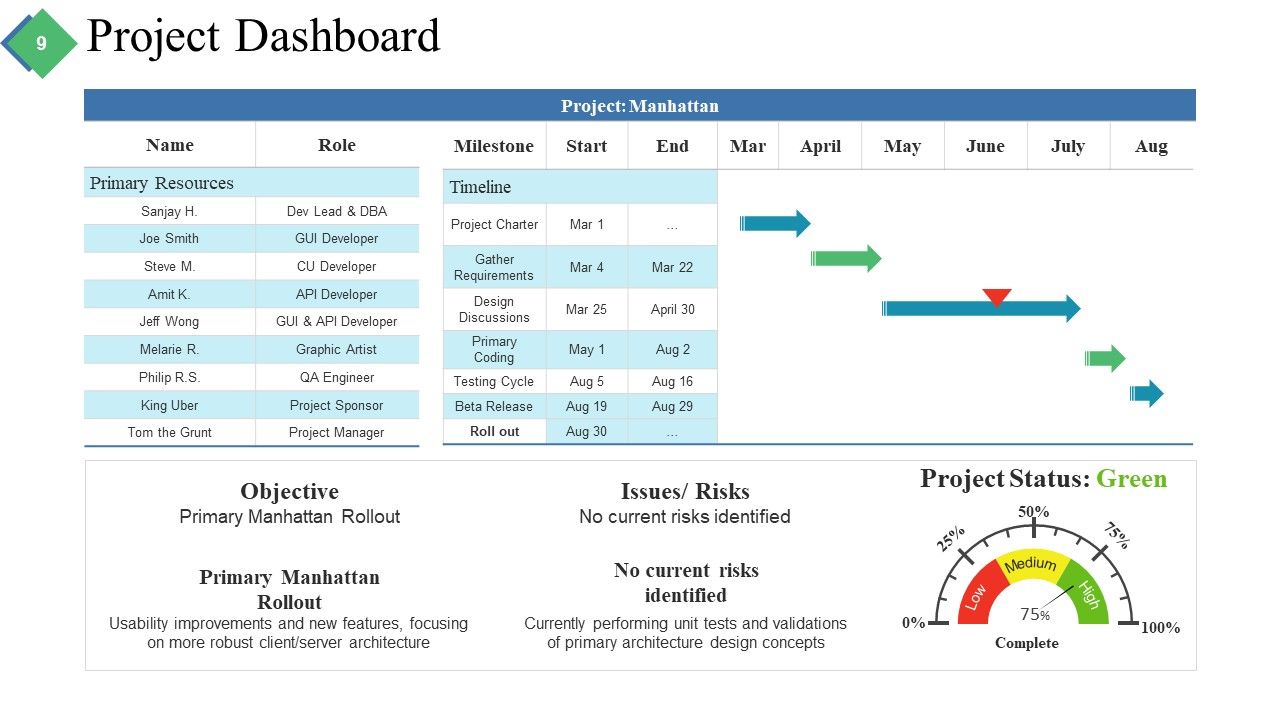
This PPT Dashboard is a central hub for tracking the progress and health of your project. It provides a snapshot of key activities and timelines, team roles and responsibilities, and the status of project milestones. A visual timeline depicts the stages of development, from initiation to rollout, while a status gauge indicates project health. It aligns the team to roll out new client/server architecture enhancements, ensuring stakeholders are informed and focused on the project's goals.
Template 7: Project Closure Report
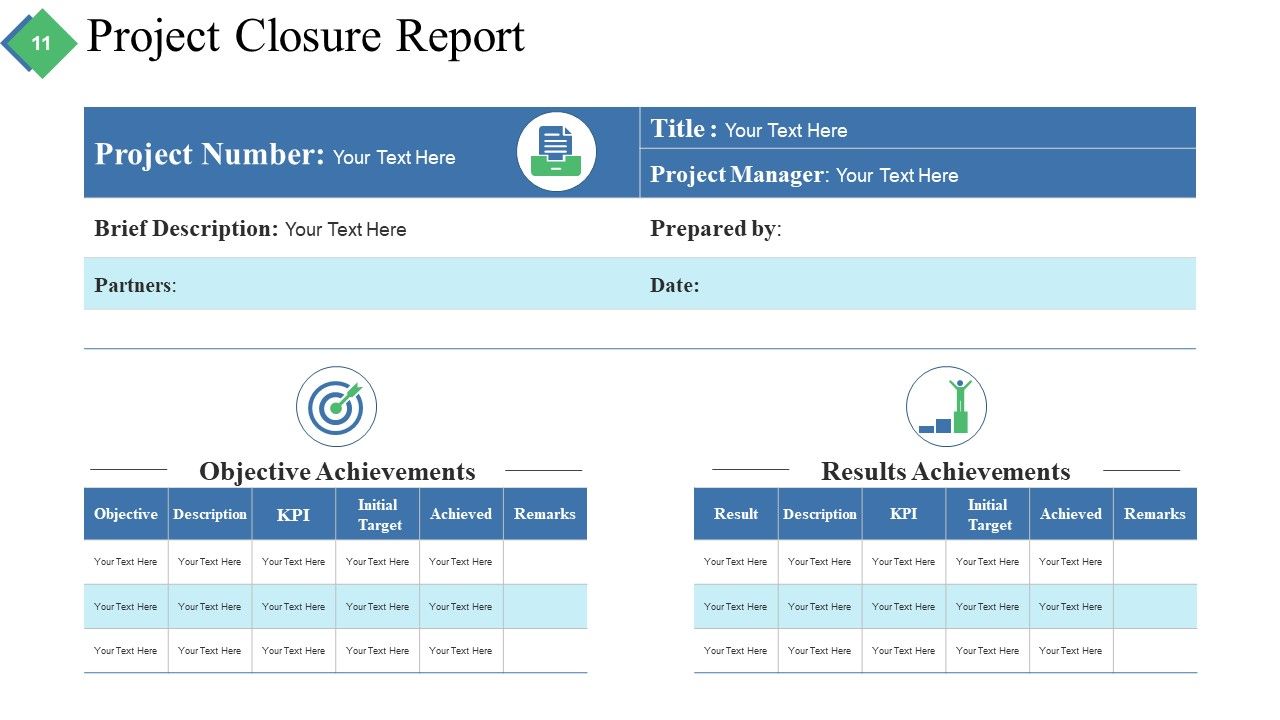
This PPT Design facilitates the final assessment and summary of a completed project. It allows project managers to document key deliverables, compare the initial project objectives against what was achieved, and note any significant remarks regarding the project's outcome. The layout includes a section for a brief description of the project, details of the project team, and room for outlining the primary partners involved. Additionally, it provides a clear visual representation of KPIs and targets set versus results achieved, offering a brief overview of the project's success and areas for improvement.
Template 8: Work Breakdown Structure
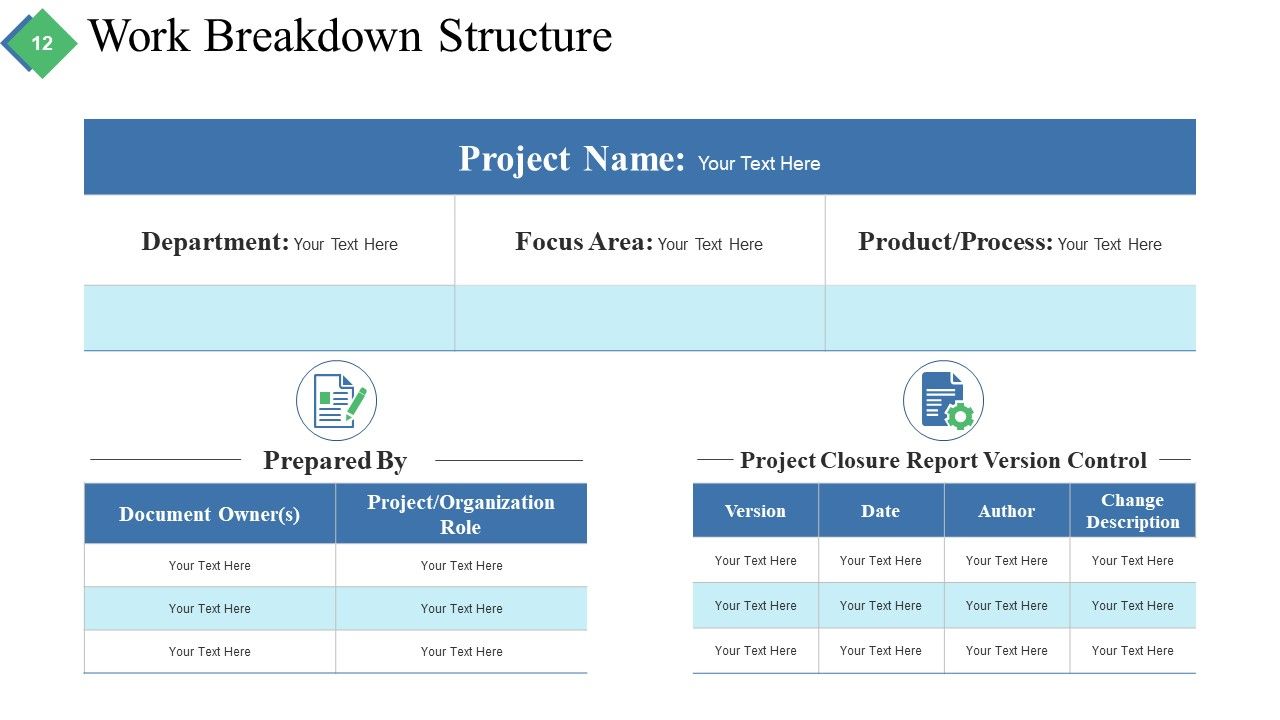
This PowerPoint Slide offers a methodical breakdown of a project's components. The slide is partitioned into sections that detail aspects of the project, such as the department responsible, the central focus area, and the specific product or process under scrutiny. A separate segment is dedicated to documenting the preparation details and listing document owners and respective roles within the project or organization. An additional feature of this slide is the project closure report version control, which allows for tracking of document iterations, capturing information such as version number, date of issue, authorship, and a summary of changes.
Template 9: Project Conclusion Report - Performance Analysis
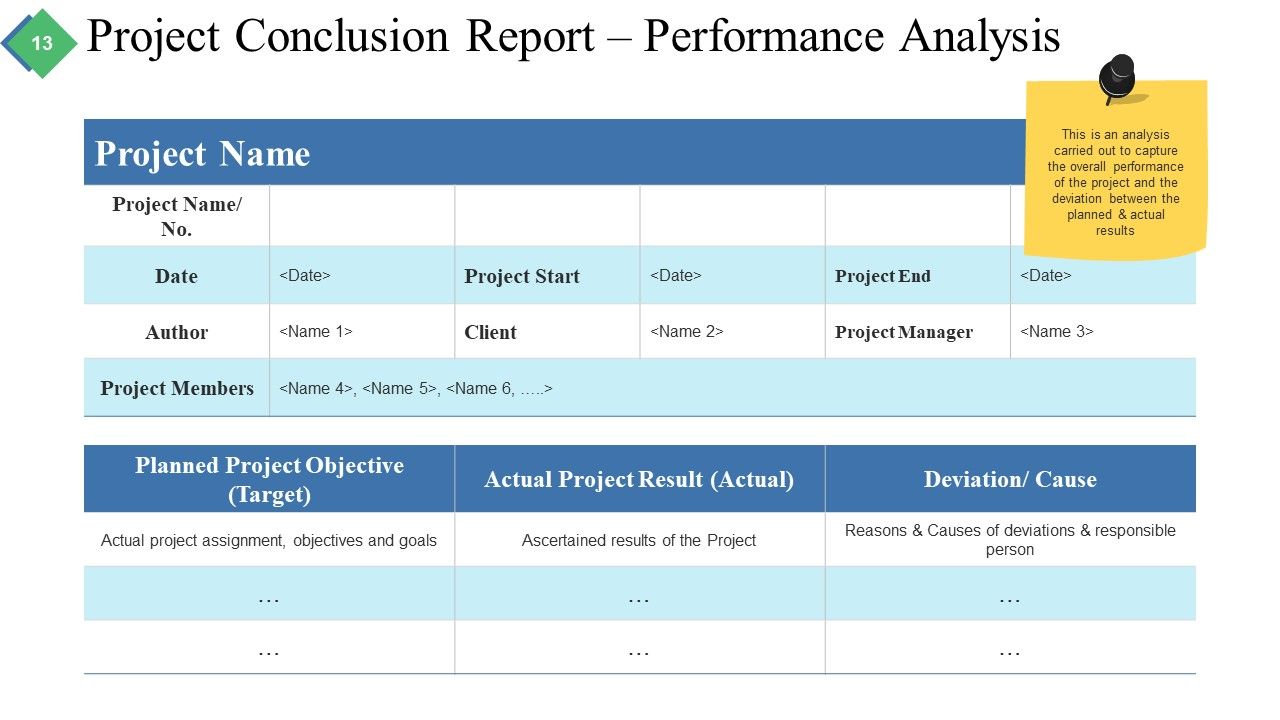
This PPT Preset is a tool for evaluating the overall performance of a project against its initial targets. It provides a structured overview, capturing key details such as the project name, relevant dates, the author, and team members. The table format allows for a direct comparison of the planned project objectives and the actual results achieved, offering clear visibility into where the project has met its goals or deviated.
Template 10: Project Conclusion Report - Budget/Costs
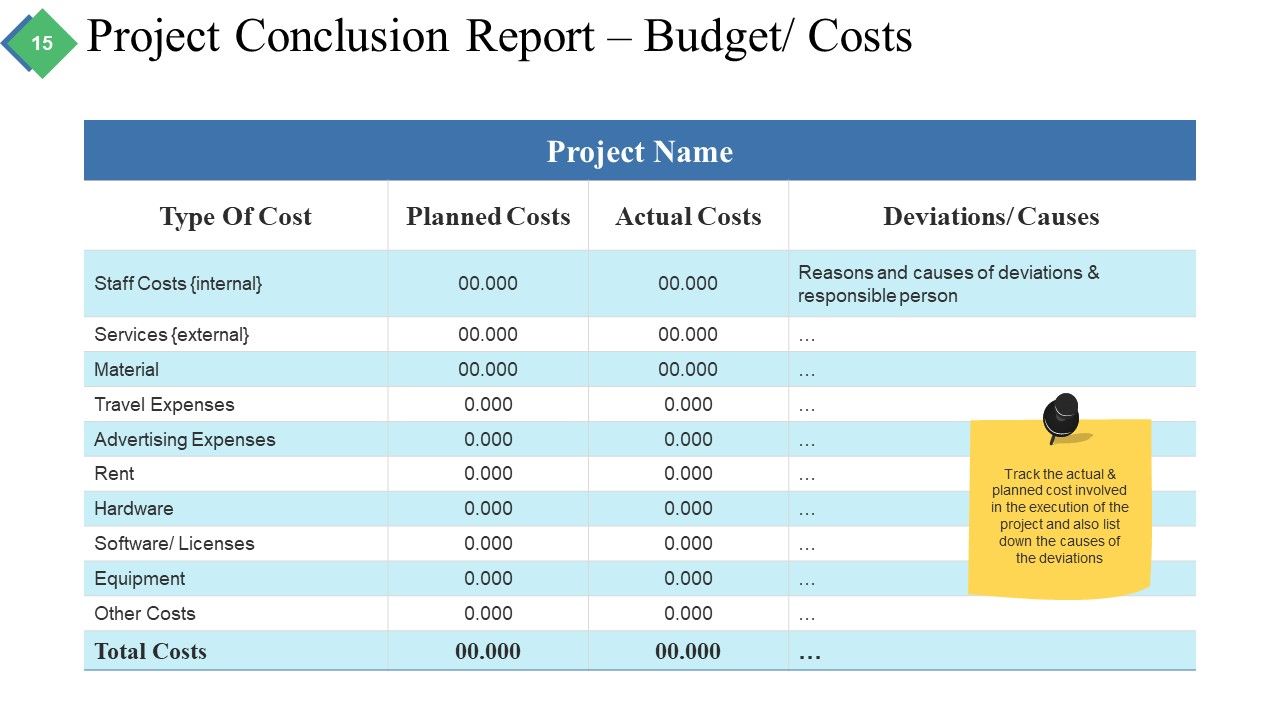
This PPT Set presents a clear breakdown of a project's financial details, which is crucial for post-project reviews. It lists types of costs, including staff, services, materials, travel, and more, and compares planned budgets against actual expenditures. This aids in identifying any deviations and their causes, ensuring that all financial aspects of the project are transparent and can handle the strictest of audits. This slide helps stakeholders understand the financial fidelity of a project.
Precision Planning
Every great achievement begins with a clear and concise plan. Our Project Brief Summary Templates are designed to condense your project's essence, deliverables, and deadlines in a cohesive narrative. They serve as your guide in the bustling marketplace of ideas, ensuring your vision is communicated with clarity, and your objectives are met with precision. Download these now and get started!
Simplify project planning with our intuitive Project Brief PowerPoint Template, engineered for clarity and impact.
Dive into our detailed Project Brief Objectives presentation to establish clear project milestones and objectives.
Project Brief Summary Powerpoint Presentation Slides with all 31 slides:
Cause a buzz with our Project Brief Summary Powerpoint Presentation Slides. Your ideas will generate healthy debate.
-

Project Brief Summary
-
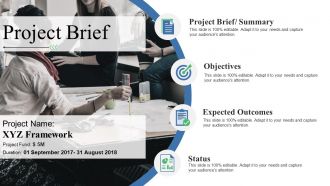
Project Brief
-
Project Description
-
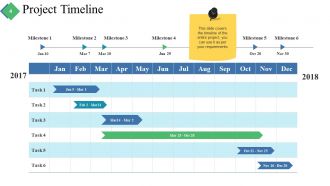
Project Timeline
-
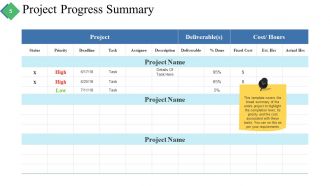
Project Progress Summary
-
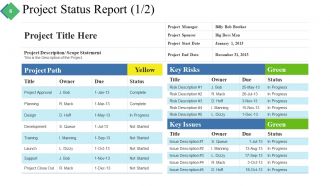
Project Status Report 1 2
-
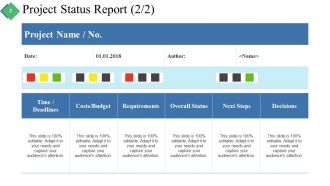
Project Status Report 2 2
-
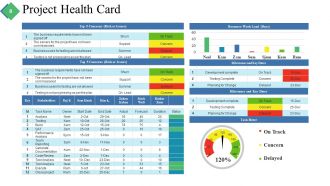
Project Health Card
-
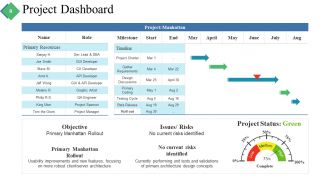
Project Dashboard
-
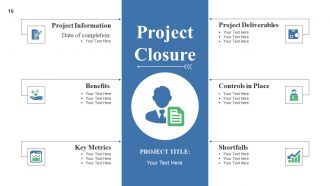
Project Closure
-
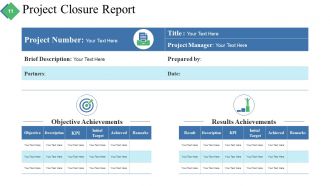
Project Closure Report
-
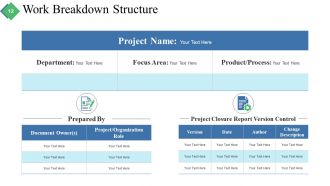
Work Breakdown Structure
-
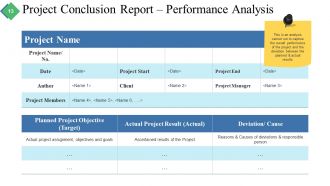
Project Conclusion Report Performance Analysis
-
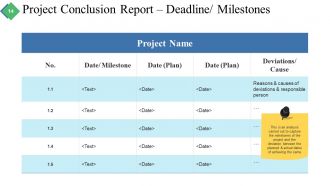
Project Conclusion Report Deadline Milestones
-
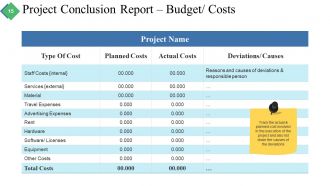
Project Conclusion Report Budget Costs
-
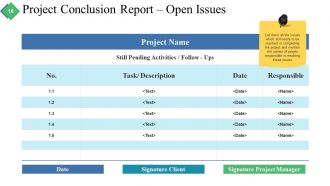
Project Conclusion Report Open Issues
-
Coffee Break
-

Charts Graphs
-
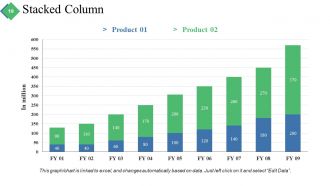
Stacked Column
-

Area Chart
-
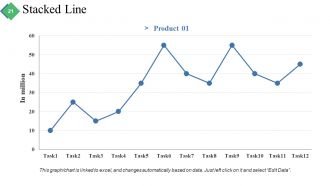
Stacked Line
-

Additional Slides
-

Our Mission
-

About Our Company
-

Our Team
-
Our Goal
-
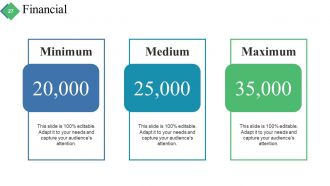
Financial
-
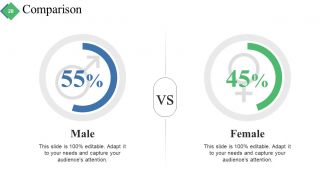
Comparison
-
Our Target
-

Mind Map
-
Thank You
FAQs for Project Brief Summary
You need the basics first - what you're doing, who it's for, timeline with milestones, and budget limits. Stakeholder contact info is huge too (seriously, you'll be scrambling for approvals later without it). Include any brand guidelines or tech specs that might bite you halfway through. The whole thing should nail down "what, why, who, when, and how much" so nobody's confused. Oh and keep it short - like 1-2 pages max. People won't read a novel, trust me. Cover your deliverables too so expectations are crystal clear from the start.
Think of a project brief as your "receipts" folder - it saves your butt later. Document everything upfront: goals, timeline, budget, what you're actually delivering. Get stakeholders to sign off on it in writing (trust me on this one). When someone inevitably says "wait, I thought we were doing something completely different," you can pull out that brief and be like "nope, here's what we all agreed on." It stops scope creep dead in its tracks. Yeah, it feels like extra work at the beginning, but you'll thank yourself when things get messy.
Ugh, the worst thing you can do is be super vague about your goals. Like saying "make it better" tells nobody anything useful. Get specific and measurable instead. Also don't promise crazy deadlines just because your boss wants them - you'll hate yourself later. Budget limits and tech constraints? Yeah, write those down too or you'll forget them exist. Define what success actually looks like upfront. Trust me on this one. Scope creep is real and brutal. Spend that extra hour being clear about boundaries now. Otherwise stakeholders will definitely hit you with "one tiny addition" that's never actually tiny.
Look, nobody wants to read a wall of text - I sure don't when I get those monster project briefs. Charts and timelines are lifesavers because they actually show scope and deadlines at a glance. Your stakeholders will thank you. Even simple stuff works: flowcharts for processes, mockups for what you're building, bullet points with little icons. People get visuals way faster than paragraphs, and honestly? It catches problems early when everyone's looking at the same diagram. Just throw in one timeline or chart next time - you'll see the difference immediately.
Honestly, you've gotta figure out your audience before writing anything else - it changes everything. Like, your CEO just wants the big picture and budget stuff, but your dev team needs all the technical details and deadlines. Same project, completely different angles. I learned this the hard way when I once sent way too much detail to executives who clearly didn't care about the nitty-gritty. Without knowing who's reading it, you'll either bore people with irrelevant info or leave them confused. Quick tip: list out who's gonna read it first, then figure out what each person actually needs to know.
Dude, seriously - spend that extra hour writing a proper project brief. I know it feels like busywork, but it saves so much headache later. You'll have goals, timelines, who's doing what, all spelled out clearly. No more of those painful standup meetings where everyone's staring at each other like "I thought YOU were handling that." Trust me, I've watched projects completely fall apart because nobody bothered to define what "done" actually meant. The brief becomes your go-to reference when things get messy (and they always do). Your team will actually know what they're working toward instead of just winging it.
Honestly, one-on-one interviews are your best bet - people are way more honest when they're not worried about looking stupid in front of others. Surveys are clutch if you've got tons of stakeholders and need quick feedback. Focus groups can be amazing since ideas tend to snowball, but they're also kinda unpredictable. Workshops work well for the brainstormy stuff. Oh, and stakeholder mapping is useful for visualizing who thinks what. I'd pick maybe 2-3 of these depending on your timeline. Mixing different approaches usually gives you the full story instead of just one angle.
Check your project brief whenever big stuff happens - scope changes, budget shifts, new stakeholders throwing curveballs. End of each phase is the bare minimum, but honestly? Treat it more like a living doc. If you're constantly saying "oh wait, that's changed since we wrote this," time for an update. The brief needs to match what's actually happening, not your wishful thinking from months ago. I set a monthly calendar reminder for mine (sounds nerdy but whatever, it works). Your project will stay way more on track.
So a project brief is like your elevator pitch on paper - you're trying to sell the idea and get people excited. Once that's approved, then you write the charter, which is where all the boring but necessary stuff lives: who's doing what, when things are due, how you'll know if you succeeded. Honestly, I've seen charters that are like 20 pages long. Briefs are usually way shorter - maybe 3-4 pages max. Don't stress about the charter yet though. Get your brief solid first because there's no point planning execution for something that might not even get the green light.
Think of your project brief as boundary control - it spells out what you're doing and what you're NOT doing right from the start. Honestly, stakeholders will try to sneak in extra stuff constantly. When they do, just point to the brief and go "nope, that's a change request conversation." Your team won't drift into random nice-to-have features either. The trick is being super specific so there's zero wiggle room on what the boundaries actually are. I always keep mine pulled up during meetings because you'll need it way more than expected.
Honestly, just do a one-page summary with the basics - scope, timeline, budget, success metrics. Most people won't read past that anyway, so nail those key requirements and constraints upfront. Bullet points are your friend for deliverables and milestones. Way easier to scan. If there's multiple phases, throw in a simple timeline visual - doesn't have to be fancy. Keep it under 300 words max. Oh, and don't forget contact info at the bottom! You'll definitely need it later when someone asks you to explain everything again five minutes before a meeting.
Look, your project brief is basically your money map - it tells you exactly what you're dealing with before you start throwing cash around. I learned this the hard way on a project that went completely sideways last year. The brief shows you what skills you need, how many people, timeline stuff, all that. Plus it keeps everyone on the same page about costs upfront. Short version? The more detailed your brief, the fewer nasty budget surprises you'll get hit with later. Trust me, spending time on it now beats scrambling to find extra money when you're halfway through.
Start with the "so what" - what you're doing and why anyone should care. Bullet points are your friend for requirements and deliverables. Dense paragraphs? Nobody's got time for that. Keep it to one page max - trust me, people's attention spans are terrible. Include your success metrics and timeline, but ditch all that background stuff everyone already knows anyway. Honestly, that fluff just makes people's eyes glaze over. End with next steps and who's responsible for what. Your brief needs to answer three things: what we're doing, why it matters, and how we'll know if we nailed it. Should take under 5 minutes to read, tops.
Dude, templates are a game changer - Notion or Asana have solid ones you can just customize. No more starting from scratch every time. Real-time collaboration tools save you from that endless email back-and-forth (honestly the worst part of any project). AI writing tools help when you're totally blanking on how to phrase something. But here's what actually changed my life: proper version control. Remember those "final_final_v3" disasters? Yeah, never again. I'd start simple with just a template system first. You can always add more fancy stuff later once you've got the basics down.
Oh totally, cultural context changes everything when you're writing project briefs. Some audiences want super direct, no-fluff communication. Others expect formal language with tons of background detail - especially in cultures where hierarchy matters more. I bombed a project once because I didn't get this! Your brief might need extra approval stages too if consensus-building is big there. Don't forget practical stuff like local regulations and business norms. Pro tip: definitely have someone from that culture review it first. Even colors can mean different things, which sounds minor but... yeah, it matters.
-
Great presentation..
simply impressing -
Design layout is very impressive.
-
Design layout is very impressive.
-
I like the slides and examples.