


Media planning powerpoint presentation slides




Try Before you Buy Download Free Sample Product
 Impress Your
 Audience
 100%
100% Editable
 Save Hours
 of Time


Implement extraordinary marketing techniques using these Media Planning PowerPoint Presentation Slides. Take the assistance of these media mix PPT templates to showcase the distinct media types including authority, paid media, social media amongst others. Take advantage of these advertising PPT slides to depict the categories of media mix such as media activity, promotions, price, economic conditions, etc. Utilize this product promotion PPT slideshow to reveal the most effective promotion channels like events/conferences, email marketing, traditional advertising, etc. Demonstrate different media platforms like print, digital marketing, strategic planning, traditional ads, relationship management, website, brand management amongst others. Define marketing problems, convert marketing needs into aims and finally create an effective strategy depending on the situation using this media mix PPT deck. Consider numerous factors for comparing different advertising media like reach, frequency, selectivity, impact, cost per point, etc. with these promotion channels PPT graphics. Download these amazing product promotion PowerPoint infographics and earn exponential revenue.
People who downloaded this PowerPoint presentation also viewed the following :
Content of this Powerpoint Presentation
Slide 1: This slide introduces Media Planning. State Company name.
Slide 2: This slide displays Our Agenda.
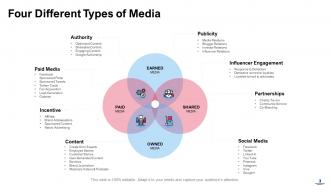
Slide 3: This slide showcases Four Different Types of Media containing- Media Relations, Blogger Relations, Investor Relations, Influencer Relations, Partnerships.
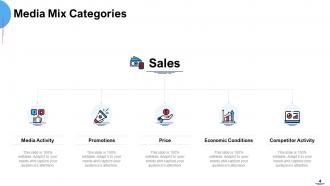
Slide 4: This slide depicts Media Mix Categories Media Activity, Promotions, Price, Economic Conditions, Competitor Activity.
Slide 5: This slide displays Most Effective Media Channels.
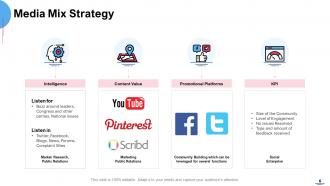
Slide 6: This slide showcases Media Mix Strategy.
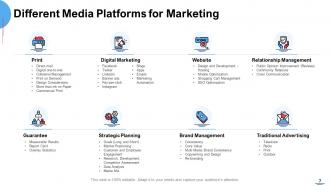
Slide 7: This slide represents Different Media Platforms for Marketing containing- Direct mail, Digital one-to-one, Collateral Management, Print on Demand, Design Consideration, More than ink on Paper, Commercial Print, Print, Facebook, Twitter, Linkedin.
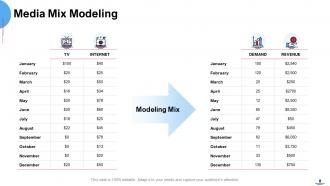
Slide 8: This slide shows Media Mix Modeling with- Modeling Mix
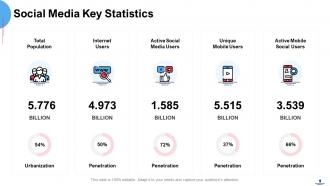
Slide 9: This slide depicts Social Media Key Statistics.
Slide 10: This is Media Planning Icons Slide.
Slide 11: This slide is titled as Additional Slides for moving forward.
Slide 12: This is About Us slide to showcase Company specifications.
Slide 13: This is Our Mission slide with Mission, Vision and Goal.
Slide 14: This slide depicts Timeline process.
Slide 15: This is Idea Generation slide to highlight important facts, ideas etc.
Slide 16: This slide shows Comparison between male and female Facebook user.
Slide 17: This is Our Team slide with Names and Designations.
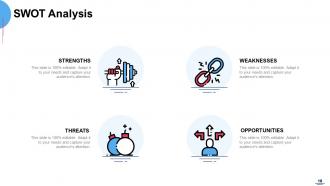
Slide 18: This slide depicts SWOT Analysis.
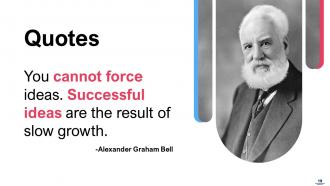
Slide 19: This is Quotes slide to convey ideas, beliefs etc.
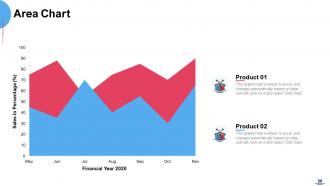
Slide 20: This slide displays Area Chart with product comparison.
Slide 21: This is Thank you slide with Email address, Address and Contact number.
Media planning powerpoint presentation slides with all 21 slides:
Get the best to emerge with our Media Planning Powerpoint Presentation Slides. They are good at churning out the cream.





FAQs for Media planning
Honestly, start with your audience - like really dig into who they are, what they do online, all that stuff. Everything else kinda builds from there. Set some actual measurable goals (conversions, brand awareness, whatever makes sense). Budget's obviously huge - figure out how much you can spend and where. Channel mix is tricky but you gotta pick what works for your people. Digital's great but don't sleep on traditional if it fits. Map out your timing too. Oh and definitely scope out what competitors are doing - I always forget that part but it's super helpful. Performance tracking's a given.
Start with your customer data - who's buying, how they behave, what they're purchasing. Then dig into market research to find similar prospects. Honestly, the psychographic stuff is where it gets interesting because you learn *why* people buy, not just who they are. Check out your competitors' audiences too - might spot something you missed. Be super specific though. "Women 25-45" is way too broad nowadays. Think more like "working moms who prioritize convenience and do their online shopping after 8pm." Build detailed personas from this and make sure they're backed by real data before you start spending money on ads.
Honestly, market research is like having a roadmap instead of driving around lost. You'll know exactly where your audience spends time online and what actually gets their attention. Without it? You're basically gambling with your budget - and trust me, that never ends well. The data shows you which channels are worth the money and when to time your campaigns. Oh, and it keeps you from stepping on competitors' toes too. Just dig into whatever research you've got first. Then figure out what's missing before you plan your next big push.
Look, your budget is basically what decides everything in media planning. Got a small budget? You're probably going digital instead of TV. Tight on cash means picking fewer markets but hitting them harder. I always think of it like grocery shopping - you've got $50 so you can't buy everything you want. The smart move is starting with what you can actually spend, then building your plan around that. Don't make some perfect campaign first and then realize you can't afford it. Work backwards from your money to get the best reach and frequency possible.
Honestly, digital is just way smarter. You can actually target people who care about your stuff instead of throwing ads at everyone watching TV (who even does that anymore?). Real-time data means you'll know immediately if something's bombing. Traditional media? You're stuck in these long contracts with zero clue if it's working. The targeting alone makes it worth it - why pay for massive reach when you only need the right people? Plus you can test small, see what clicks, then throw more money at what's actually working. Way more control over your budget too.
So it really comes down to what you were trying to do with the campaign. Brand awareness? Look at reach and those brand lift studies. Performance stuff? Focus on cost per acquisition and ROAS. Track the usual suspects - reach, frequency, CTR, conversions. But honestly, don't just stare at raw numbers. Compare them to your benchmarks or you'll have no clue if you're actually doing well. Oh and set up your tracking before you launch. I learned that the hard way - scrambling to figure out measurement after everything's live is the worst.
Focus on reach, frequency, and conversions that match your actual goals. Reach shows unique viewers. Frequency is how often they see your stuff - balancing this is honestly a pain but super important. Track conversions that actually move the needle, not just random impressions (those are pretty much useless on their own). Sales, leads, brand lift - whatever fits your campaign. Set benchmarks for these three first. Once you've got that down, add cost metrics like CPA or ROAS. Don't overthink it initially though - I see people get lost in the weeds with too many metrics right off the bat.
Honestly, just nail down your brand guidelines first and actually follow them - I can't stress this enough. Write down your messaging, visuals, tone, all that stuff in one doc everyone can access. Your creative teams need to work from the same playbook, whether they're doing social posts or billboards. I've seen campaigns where nothing matches and it's so confusing for customers. Have someone review everything before it goes live. Sounds obvious but you'd be surprised how often people skip this step. Regular check-ins help too so nobody goes rogue halfway through.
Social media works best when it amplifies your other campaigns, not when you're just dumping TV ads onto Instagram (nobody wants that). Map your content calendar to match your paid media timing. Each platform needs its own vibe though - what works on TikTok won't fly on LinkedIn. Social listening gives you goldmine data for targeting across all your channels. Oh, and use that social data to tweak your broader strategy too. The whole thing should feel connected, like you planned it that way from the start instead of scrambling to add social at the end.
So basically your audience is moving around constantly and your budget needs to chase them. Everyone's ditching regular TV for streaming now, and don't even get me started on how TikTok just exploded again out of nowhere. You can't keep throwing money at the same old channels just because they worked before - that's honestly just asking to waste your budget. I'd start by checking where your people actually hang out online these days, then move your spending there. The whole thing requires staying super flexible because trends shift so fast now. Quick pivots are everything.
Depends on your budget really. If you're working with bigger clients, MediaForte and Strata are solid for planning and buying. Google Ads and Facebook Ads Manager are pretty much mandatory at this point. Nielsen Ad Intel is clutch for competitive research too - saved my butt on a few pitches actually. The enterprise stuff has crazy learning curves though, fair warning. Starting out? Just focus on Google Analytics and Facebook Audience Insights first. Maybe throw in Hootsuite for social planning. Don't try to learn everything at once or you'll burn out. Master one platform, then add more.
Dude, data analytics is a total game changer for media planning. Instead of throwing money around and hoping for the best, you actually know what's working. Real-time data shows you which channels convert, your best audience segments, peak performance times - all that good stuff. Oh and you'll catch trends way before everyone else jumps on them (honestly one of my favorite parts). Budget allocation becomes so much smarter. Less waste, better predictions for future campaigns. My advice? Start simple with one metric like cost per acquisition. Don't go crazy trying to track everything at once. You'll be shocked how much better your media buys get.
Honestly, the biggest thing right now is AI taking over ad buying - it's everywhere. Connected TV is crushing traditional TV too, which makes sense since everyone's streaming now. You really need to start collecting your own customer data because third-party cookies are basically dead. Privacy stuff means we're going back to contextual ads instead of creepy behavioral tracking, which is probably better anyway? Amazon and Walmart's ad platforms are blowing up too. Attribution tools are actually getting decent for once. Post-pandemic consumers change their minds constantly, so you gotta be ready to pivot fast. I'd audit your data collection first, then maybe test some CTV if you haven't.
Okay so cross-channel planning is basically about connecting the dots instead of treating each platform like it's separate. You map out how customers actually move around - maybe they see your Instagram ad, then Google you later, visit your site but don't buy. That's when you hit them with a Facebook retargeting ad. Budget gets tricky because you're not just looking at individual channel performance anymore. You have to think about how they influence each other, which honestly makes my brain hurt sometimes. Start by sketching out your customer's typical path and figure out where each channel does its best work.
Dude, copyright and trademark stuff is huge - get proper licensing for any music, images, or video you're using. FTC guidelines are no joke either, especially with influencer partnerships or if you're making health/financial claims. Privacy laws like GDPR matter if you're collecting data too. The regulatory stuff changes constantly which is honestly super annoying to keep up with. Run anything edgy past your legal team first though. I've seen companies get absolutely wrecked by lawsuits they could've avoided. Better to be boring than broke, you know?
No Reviews