


Medical Billing Process Powerpoint Ppt Template Bundles





Try Before you Buy Download Free Sample Product
 Impress Your
 Audience
 100%
100% Editable
 Save Hours
 of Time


Introducing our comprehensive PPT on the Medical Billing Process your ultimate guide to mastering the intricacies of healthcare financial management. This presentation delves into every facet, starting from the crucial Patient Registration stage to streamlined Healthcare Billing and efficient Medical Coding. Explore the benefits of Medical Billing Outsourcing, understanding its role in optimizing the Healthcare Process. With visually engaging slides, simplified explanations, and expert insights, this PPT is an indispensable resource for healthcare professionals, administrators, and students seeking to navigate the complex landscape of medical financial procedures. Elevate your understanding and streamline your operations with this informative and user-friendly presentation.
People who downloaded this PowerPoint presentation also viewed the following :
Medical Billing Process Powerpoint Ppt Template Bundles with all 22 slides:
Use our Medical Billing Process Powerpoint Ppt Template Bundles to effectively help you save your valuable time. They are readymade to fit into any presentation structure.








FAQs for Medical Billing Process Powerpoint
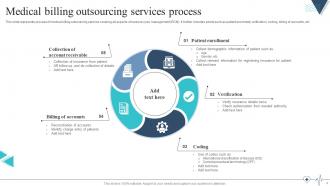
So basically you've got patient registration first, then verify their insurance coverage. After that comes the coding part - ICD-10 and CPT codes, which honestly gets pretty tedious but you can't mess it up or you won't get paid. Submit the claims to insurance, then chase down payments when they inevitably drag their feet or deny stuff. Don't forget about billing patients for whatever's left after insurance pays. Most places use billing software now which saves your sanity. Oh, and seriously - nail down your verification process from day one. Trust me, it'll save you so many headaches when claims don't get rejected for dumb coverage issues later.
Dude, coding accuracy is literally make-or-break for getting paid right. Wrong CPT or ICD-10 codes? You're getting denials, underpayments, or compliance nightmares that drag on forever. Insurance systems automatically reject stuff for tiny mistakes too. Payers have gotten super picky about specificity - your codes have to match the provider's documentation perfectly or forget it. Honestly, I've seen practices lose thousands over simple coding errors. Double-check everything before you hit submit. Maybe get your team some training refreshers? Trust me, it beats dealing with rejected claims later.
Think of insurance verification as your lifeline - it checks if their coverage is still active and what's actually covered before you do anything. Trust me, you don't want to find out afterwards that their policy expired or doesn't cover what you did. That's just asking for a headache. Do it 24-48 hours before appointments so you've got time to fix problems. It'll also help you get the right copays upfront instead of chasing people later. Honestly, once you make it part of your routine workflow, it becomes second nature and saves you so much drama.
Oh man, those healthcare law changes mess with literally everything we do. Your billing codes get scrambled. Reimbursement rates shift around. Then compliance requirements change overnight - it's honestly exhausting sometimes. New regulations mean updating coding practices and tweaking documentation standards. Sometimes you're basically rebuilding entire billing procedures from scratch. Don't even get me started on ICD updates! Insurance companies adjust their policies to match new laws too, so authorization processes and claim stuff changes. Different audit rules, new penalty structures - the whole nine yards. Just stay on top of CMS updates and keep training your team regularly.
Ugh, it's usually the dumbest stuff that gets claims denied. Missing patient info is huge - like one wrong digit in an insurance ID and boom, rejected. Coding mismatches are another pain, especially when your diagnosis doesn't line up with what you're billing for. Prior auth issues probably cause half the headaches I see because someone forgot to get approval first. Oh, and typos in names or birthdates will absolutely tank a claim (insurance systems are so unforgiving). Don't even get me started on eligibility verification failures. Just double-check everything before submitting, honestly.
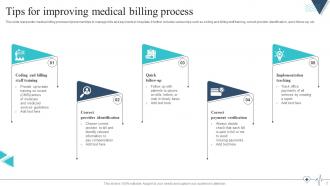
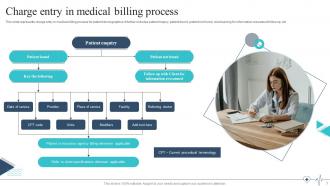
Honestly, automation is your best friend here - get your claims submission and eligibility checks running automatically. Electronic remittance advice will save you hours since payments just post themselves. Make sure your team really knows the billing process inside and out because fixing errors later is such a nightmare (learned that the hard way). Your practice management software should flag denials right away so you can jump on them. Oh, and batch similar stuff together instead of bouncing around between different tasks all day. The real game-changer though? Get your charge entry clean from the start. Trust me, you don't want to be hunting down missing info constantly.
Honestly, AI stuff is where it's at right now. RPA handles all the boring repetitive work way better than people do - fewer mistakes too. Cloud systems make everything so much easier to access and scale up when you need to. Oh, and those electronic health records are finally playing nice with other software (took forever!). Machine learning can actually predict which claims will get denied before you even submit them, which is pretty wild. My advice? Don't try to change everything overnight. Pick tech that works with what you already have instead of starting from scratch.
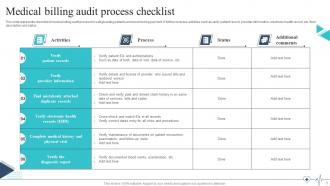
Okay so three main things will help with those billing headaches. Train your staff constantly on coding updates - I swear they change every five minutes. Also, double-check insurance info before appointments, not after when it's too late. Quality checks are huge too - review stuff when coding, before sending claims, and after you get responses back. Honestly though, the best thing I did was set up alerts in our billing system for common screw-ups. We catch so much more now. I'd start with staff training first since that's where most mistakes happen anyway.
Oh man, training is HUGE for this stuff. Your team has to know coding systems, insurance rules, compliance - all of it. One person at my old job didn't catch updated Medicare guidelines and we lost like $3K that month, it was brutal. Healthcare regs change all the time too, so you can't just do it once. Get your main people certified if you can. Yeah the training costs money upfront but honestly? It saves you way more in the long run when claims actually go through right the first time.
Oh man, confidentiality in billing is huge - you're dealing with protected health info that's covered under HIPAA. Only share billing details with authorized people like insurance companies and the patient. Seriously, I've seen coworkers get written up for leaving billing statements out where others could see them. Always double-check who you're talking to before discussing anything. Use secure methods when sending documents around. Your billing system access should match what you actually need for your job, nothing more. Honestly, just pretend it's your own medical stuff - that's how carefully you should handle it.
So you've got three shots at this basically. Start with the internal appeal - your insurance company gives you 180 days to prove they screwed up with documentation. That fails? Move to external review through some independent group. States sometimes have their own weird extra steps too, which is annoying but whatever. Here's the thing though - deadlines are brutal so don't wait around. Always submit everything in writing with your medical records attached. Work your way up level by level if you have to. It's tedious but that's how you fight these denials.
Dude, delayed billing is a cash flow killer. You're basically loaning money to insurance companies for free while still paying rent and salaries. Wait too long and your denial rates go through the roof - insurers love rejecting stale claims. Most payers have these "timely filing" deadlines too, usually 90-365 days depending on who it is. After that? Automatic rejection, game over. The whole thing snowballs crazy fast. I'd set up a system to push claims out within 24-48 hours max. Even waiting an extra week tanks your collection rates - learned that one the hard way.
Honestly, it's a lifesaver for all that manual stuff you're probably drowning in right now. Automatically submits claims, tracks payments, catches those annoying coding errors before they become a problem. Way less time spent on data entry and chasing down payments. The reporting is clutch too - shows you exactly where money's getting hung up in the process. Oh, and it flags denied claims so you don't miss follow-ups. I'd definitely test out 2-3 different systems first though, since the interfaces can be pretty different and you want something that actually makes sense for how you work.
Cloud systems are everywhere now - way better than those old clunky setups we dealt with before. AI's handling basic coding stuff automatically, which is pretty wild. Real-time claim processing is becoming standard too. Patient portals got way smarter with payment plans and upfront cost info. Compliance is getting stricter though - they want detailed audit trails for everything now. Honestly, if you're still doing manual claims processing, you're bleeding money. I'd check what tech you're actually using because catching up later is gonna be way more expensive than upgrading now.
So fee schedules are basically the max you'll get paid by each insurance company, which totally affects your cash flow predictions. Each payer is different - Medicare has their rates, Medicaid has theirs, and private insurers are all over the map. Your billing team needs to check the right schedule for each patient or you'll get hit with surprise low payments later. They help estimate reimbursement during pre-auth too. Honestly the worst part is keeping them updated - such a hassle but you really can't skip it. Otherwise you're flying blind on what revenue to expect.
-
I’ve been your client for a few years now. Couldn’t be more than happy after using your templates. Thank you!
-
I downloaded some of the presentations for work. They were simple to modify and saved me a lot of time and effort.