


Movie timeline powerpoint presentation slides




Try Before you Buy Download Free Sample Product
 Impress Your
 Audience
 100%
100% Editable
 Save Hours
 of Time


You may have the best ideas but you may not be skilled to present it correctly. You can make use of our well designed Movie Timeline Powerpoint Presentation Slides to ensure you pass across the message correctly.
People who downloaded this PowerPoint presentation also viewed the following :
Movie timeline powerpoint presentation slides with all 29 slides:
Our Movie Timeline Powerpoint Presentation Slides are reviewed from day to day. They are designed to keep you in front.
-
Movie Timeline
-
Movie Timeline
-
Movie Timeline
-
Movie Timeline
-
Movie Timeline
-

Movie Timeline
-
Movie Timeline
-
Movie Timeline
-
Movie Timeline
-
Movie Timeline
-
Movie Timeline
-
Movie Timeline
-

Movie Timeline
-
Movie Timeline
-
Movie Timeline
-
Movie Timeline
-
Movie Timeline
-
Movie Timeline
-
Movie Timeline
-
Movie Timeline
-
Movie Timeline
-
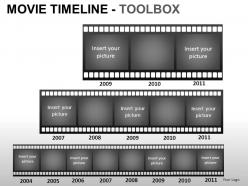
Movie Timeline Toolbox
-
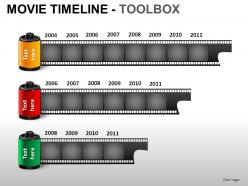
Movie Timeline Toolbox
-

Movie Timeline Toolbox
-
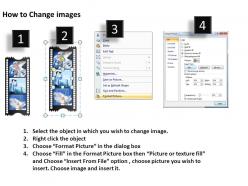
How to Change images
-
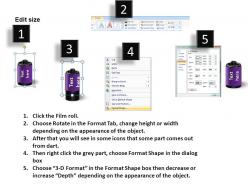
Movie Timeline
-
Movie Timeline
-
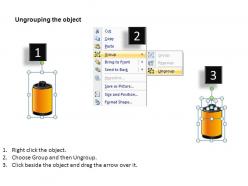
Ungrouping the object
-
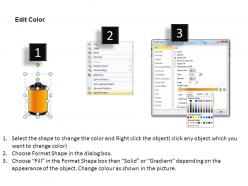
Edit Color
FAQs for Movie timeline
Movie timelines started super basic with silent films - just straight storytelling. Then "Citizen Kane" came along in the '40s with flashbacks, which was huge. The French New Wave totally blew things up though - Godard was doing crazy jump cuts that made everyone's heads spin. "Pulp Fiction" made fragmented timelines cool for mainstream audiences, and then "Memento" and "Inception" basically turned time into this whole puzzle thing. I swear Netflix has made us all way better at following complicated plots. Just make sure people can still connect emotionally even when you're jumping around chronologically.
So timeline stuff really depends on your genre. Horror jumps around to mess with you and slowly reveal creepy details. Sci-fi goes crazy with time travel and alternate realities - they love that "what if" stuff. Action movies? Usually just straight chronological because who wants to figure out flashbacks during an explosion scene, you know? Comedy uses time loops and callbacks for the jokes. Thrillers are sneaky - they'll hide info then hit you with it later. Whatever genre you pick will basically tell you how weird to get with your timeline structure.
Digital editing totally changed everything - now directors can jump around timelines like in *Memento* without breaking a sweat. CGI blends different eras in single shots, which honestly blows my mind sometimes. Motion capture means actors can play themselves across decades without looking ridiculous in old-age makeup. *Pulp Fiction* was probably one of the earlier examples that really nailed this. Plus with streaming, people actually *want* complex narratives since they can pause and figure things out. If you're analyzing this stuff, definitely compare older films to modern ones - the temporal complexity difference is wild.
Dude, nonlinear storytelling is like making your audience become detectives. They're piecing together clues instead of getting everything handed to them chronologically. Look at Pulp Fiction or Memento - total mind games but in the best way. You can drop character reveals at perfect moments and build up emotional payoffs that absolutely wreck people. The mystery and anticipation keeps viewers hooked way more than straight timelines. Just make sure the structure actually helps your story rather than being flashy for no reason. Maybe map out both versions first? See which one hits harder.
Honestly, infographics are a game-changer for movie timelines. People just don't want to wade through walls of text anymore - they want to quickly scan color-coded events and character arcs laid out visually. I've found that charts make it so much easier to catch pacing problems or plot holes you'd totally miss otherwise. Most of us learn better with visuals anyway, right? Canva's pretty solid for this stuff, or even basic PowerPoint works. Just start with a horizontal timeline and throw in some icons for major events. Oh, and don't forget to mark character introductions and big plot twists - those are crucial.
Okay so the biggest shifts were definitely sound films hitting in the late 1920s, then color tech through the '30s-50s. The studio system falling apart in the '60s was huge too. But honestly? Jaws and Star Wars in the '70s basically created modern Hollywood - like, those two movies changed everything about how films get made and marketed. Digital effects in the '90s opened up crazy new storytelling possibilities. Oh, and streaming has completely wrecked the old theatrical model in just the last decade. It's wild how tech and business stuff drives creativity way more than you'd think.
Oh this is such a cool thing to notice! Western movies usually go straight A-B-C timeline style, but Asian films love playing with circular or chopped-up time. Makes sense when you think about it - cultures that grew up on oral storytelling tend to do that episodic thing, jumping around like campfire stories. Meanwhile individualistic places are obsessed with the whole "hero's journey" arc. Religious stuff impacts it too - some films treat time like it's set in stone, others make it feel super fluid. Honestly once you start paying attention to this in foreign films, you can't unsee it.
Oh man, montages are the big one - those quick cut sequences that cram tons of stuff together. Dissolves work too, where scenes just melt into each other. Sometimes they'll literally slap "3 months later" on screen, which honestly feels lazy but whatever. The clock/calendar thing is super old school now. What I think works best is showing the same spot but changed - like a building getting older or seasons shifting. Costume changes are solid for aging characters. Seriously though, once you notice these tricks you can't unsee them in every movie.
Look, when your timeline makes sense, people can actually focus on what matters - the characters and story. Nobody wants to sit there trying to figure out what happened when. It just pisses them off. Think about movies like Inception - totally crazy plot, but it follows its own rules consistently. Your audience will trust you more when they're not confused about basic stuff. Short sentences work. Longer ones give you room to explain why this matters for keeping viewers engaged. Clear storytelling means people will actually recommend your work instead of complaining they didn't get it.
Honestly, the hardest part is not losing your audience completely. You've gotta have super clear visual cues so people know which timeline they're in - different color grading, aspect ratios, whatever works. Editing is brutal because you're basically cutting multiple films simultaneously. Each timeline needs to feel equally important too, which is trickier than it sounds. I've seen experienced editors totally botch this stuff. Short bursts work better than long sequences, at least in my opinion. The key is nailing your visual language early so viewers instantly know where they are.
Oh totally! Sundance has that "New Frontier" section that's basically made for this stuff. Cannes does experimental showcases too. Venice and Toronto are probably your best bet though - they'll literally write "innovative narrative structure" right in their program notes, which is pretty funny when you think about it. Critics eat up anything with flashbacks or reverse chronology. The programmers know this, so they make timeline weirdness a whole selling point. Just look for the "experimental" sections when you're browsing lineups - that's where all the non-linear storytelling ends up.
Okay so timeline is huge for character development - it controls how you reveal their growth. Chronological makes sense because viewers can follow the natural progression. But non-linear? That's where things get fun. You can show the "after" first, then hit them with the "before" for those perfect lightbulb moments. Pulp Fiction does this brilliantly - totally reframes how we see everyone. Just make sure you're not being weird with timeline just to be artsy, you know? It should actually serve your story, not distract from it.
Okay so here's what I do - I actually make a little timeline with timestamps when I'm rewatching stuff. You'd be surprised how much jumps out at you. Water imagery, repeated dialogue, characters making the same dumb choices over and over. The patterns become super obvious once you map things out chronologically instead of just watching normally. Sometimes the story structure itself is doing the work too, like if it's cyclical that usually ties into fate or redemption themes. I know it sounds nerdy but it really works! You'll catch symbolic moments that totally flew by the first time.
Dude, streaming totally broke the old movie release playbook. Most films used to wait like 90 days before hitting your TV - now? That's basically extinct. COVID made everything worse (or better, depending how you look at it). Day-and-date releases are super common now, where movies drop in theaters and streaming the same day. Others might get 30-45 days max in cinemas. Some skip theaters completely and go straight to Netflix or whatever. It's honestly a mess right now since every studio's doing their own thing. Don't assume anything about timing anymore - you gotta check each movie individually.
Movies basically have to cram everything into 2 hours, so they shuffle timelines around like crazy. Scenes that happen months apart in books get mashed together. Plot points get moved up front to grab you right away. Subplots? Gone - RIP Tom Bombadil, we hardly knew ye. Reading takes a totally different pace than watching something unfold visually. A 400-page slow burn becomes this tight, fast experience on screen. Honestly, I think it's pretty cool when it works well. You should definitely read the book after watching though - seeing how they rearranged everything is fascinating.
-
Excellent Designs.
-
Really like the color and design of the presentation.