


Nanotechnology Powerpoint Ppt Template Bundles






Try Before you Buy Download Free Sample Product
 Impress Your
 Audience
 100%
100% Editable
 Save Hours
 of Time


Our Nanotechnology Powerpoint Ppt Template Bundles are topically designed to provide an attractive backdrop to any subject. Use them to look like a presentation pro.
People who downloaded this PowerPoint presentation also viewed the following :
Nanotechnology Powerpoint Ppt Template Bundles with all 17 slides:
Use our Nanotechnology Powerpoint Ppt Template Bundles to effectively help you save your valuable time. They are readymade to fit into any presentation structure.










FAQs for Nanotechnology Powerpoint
So nanotechnology is basically working at the 1-100 nanometer scale, where stuff acts totally different than normal-sized materials. At that tiny level, you get weird quantum effects and huge surface-to-volume ratios that change everything. Carbon nanotubes end up stronger than steel, which is crazy when you think about it. Instead of just making things smaller, you're actually exploiting how physics works differently down there. It's more like molecular engineering than traditional manufacturing - my materials science prof was obsessed with this stuff. If you want to get into it, definitely brush up on quantum mechanics and surface chemistry first.
So basically, nanoparticles are tiny enough to slip through barriers that normally block bigger stuff - like cell walls and even the blood-brain barrier. Pretty crazy when you think about it. This opens up amazing possibilities for targeted drug delivery, like hitting specific organs or cells directly. But here's the thing - we're still learning how our immune systems react to them long-term. The science is honestly moving faster than our safety data sometimes. For medical treatments, the potential is incredible, but you'd want to look closely at biocompatibility studies first. It's one of those "exciting but proceed carefully" situations.
Dude, nanotechnology is basically revolutionizing renewable energy in crazy ways. Solar panels can capture way more sunlight with these tiny quantum dots and nanowires - they grab wavelengths regular panels totally miss. Battery tech is getting insane too. Carbon nanotubes and graphene make them charge super fast and last forever. Storage is actually the bigger deal since you need somewhere to dump all that solar energy when it's cloudy, right? Working at that microscopic level just changes everything. Companies doing nanostructured electrodes are where the real action is - that's honestly where I'd put my money if I were investing.
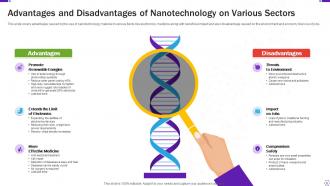
Ugh, honestly the whole nano thing is sketchy on multiple fronts. Safety's huge since these particles can slip through biological barriers we barely understand - imagine sunscreen or food packaging messing with your system long-term. Companies won't label this stuff properly either, which pisses me off because how are we supposed to choose? Environmental damage is another mess - nanoparticles don't decompose and just build up everywhere. I'd say fight for better labeling laws and way more independent testing before this gets out of hand. We're basically guinea pigs right now.
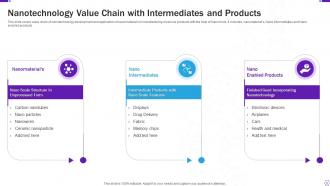
So nanotechnology is basically building stuff atom by atom, which is honestly pretty insane when you think about it. You can create materials with properties that just don't exist in nature - stronger, lighter, better conductors, even ones that repair themselves. Carbon nanotubes are a perfect example - the way those atoms line up makes them crazy strong. Here's the thing though - this isn't just about making existing materials better. You're literally creating entirely new categories of stuff. For your projects, I'd think about what impossible properties would actually solve your current headaches, you know?
Oh man, nanotechnology for environmental cleanup is actually pretty insane when you think about it. Basically you're attacking pollution at the molecular level - way more precise than regular methods. Carbon nanotubes can pull heavy metals out of water, titanium dioxide particles use light to destroy organic pollutants, and iron nanoparticles neutralize contaminated groundwater. Uses way less material and energy too. My cousin's company started using nano-enhanced solutions last year and she says they're everywhere now. If you're doing any remediation work, definitely check it out - this stuff actually works.
Oh man, the size thing is huge! Tiny nanoparticles have way more surface area compared to their volume, so they act totally different from regular materials. Gold ones can look red or purple instead of gold - which honestly blew my mind when I first saw it. More surface area = way more reactive too, that's why they work so well for drug delivery and catalysis stuff. You can actually control their properties just by tweaking the size during synthesis. Pretty cool if you ask me. What size range are you thinking for your project?
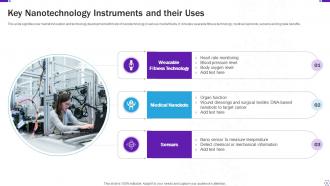
Dude, nanotechnology is seriously changing everything with drug delivery. Instead of your whole body getting hit with medication, these tiny nanoparticles can actually target specific cells - like going straight to cancer cells or even crossing into your brain. The slow-release thing is pretty cool too. Way fewer side effects since drugs aren't just floating around everywhere. Honestly, the precision is kind of wild when you think about it. If you're doing pharma stuff, nanocarrier systems are where it's at right now. Results have been way better than traditional methods.
Yeah so nanomaterial regs are basically a mess right now. Some stuff falls under TSCA or REACH, but those weren't really made for nano risks. EPA has some reporting rules, NIOSH has workplace guidelines - but honestly it's still pretty chaotic out there. The big problem? Regular toxicity tests don't work the same way with nanoparticles since they act totally different from bulk materials. My advice would be to play it safe and check both your local rules plus what industry people are doing. The regulations are way behind the actual science, which is kinda scary when you think about it.
So nanotechnology is basically making everything tiny to boost performance. Your phone's processor? Those transistors are only a few nanometers wide now - that's why it's so powerful but fits in your pocket. We're also getting flexible screens, way better batteries, and those quantum dot displays that look incredible. Oh, and the telecom stuff is pretty cool too - nanomaterials are making fiber optics faster and helping build better 5G antennas. Honestly feels like science fiction sometimes. If you're buying tech components, definitely look for the nano-enhanced ones. They're becoming standard pretty fast.
So it's basically three big things holding nanotech back. Manufacturing costs are still crazy high - the production just hasn't gotten cheap enough yet. Regulatory stuff is a nightmare too, agencies are still scrambling to figure out safety standards for nanomaterials. Plus people hear "nano" and freak out even though most of it isn't dangerous at all. I mean, I get why they're cautious but still. If you're working in this area, focus on stuff where the benefits are super obvious - like targeted drug delivery or maybe advanced materials where performance really matters.
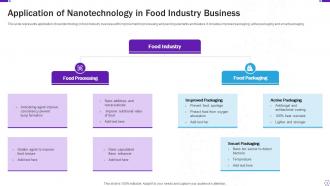
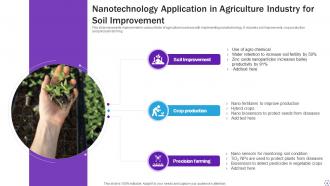
So basically, nanotechnology is getting crazy good at food safety stuff. These tiny sensors can spot contamination at the molecular level - like detecting bacteria in real time as food moves through supply chains. There's also nano-coatings that make food last longer and fertilizers that release nutrients exactly when plants need them. Honestly, the coolest thing is these nanoparticles that can actually track down and kill specific bacteria. Pretty wild, right? For farming, you get super precise pesticide delivery so less chemicals but better crops. Most of this is still in development, but I'd watch companies making nano-sensors for food testing - that's probably hitting the market first.
So nanoparticles are basically tiny missiles that hit cancer cells without wrecking healthy ones - pretty wild stuff. They can sneak past barriers in your body that normally block treatments. Gold nanoparticles are especially cool because they heat up and literally fry tumor cells when doctors activate them. Honestly, the thermal therapy thing sounds like sci-fi but it's real. MIT and Stanford keep dropping new studies on this nano-cancer research - feels like there's a breakthrough every few weeks. Worth checking out their latest papers if you're curious about where treatment's headed.
Honestly, public opinion can totally tank nanotech before it even gets started. Look at sunscreens - people freaked out about nanoparticles and companies had to scramble. Media loves the scary "gray goo" stories too, which doesn't help. But here's the thing: when folks actually get what's in it for them, like cancer drugs that target tumors precisely, they're way more open to it. I've seen this pattern with food packaging rollouts getting delayed because of consumer backlash. Start explaining the real benefits upfront instead of playing defense later when everyone's already spooked.
So the coolest stuff I'm seeing right now? AI-powered nanorobots that can deliver drugs exactly where they need to go. Cancer treatment is getting insane - these tiny particles actually hunt down tumor cells. Self-repairing materials are blowing up too, which sounds like sci-fi but it's real. Oh, and quantum dots for better screens and computers. Honestly though, the manufacturing applications get me way more pumped than the flashy medical stuff. Companies teaming up with biotech are gonna dominate - that's where you'll see real products in maybe 2-3 years.
-
Amazing slides! Unique, attractive, and easy to understand.
-
The best part about SlideTeam is their meticulously prepared presentations (complete-decks and single-slides both), infused with high-quality graphics and easy to edit. All-in-all worthy products.