


Apresentação de slides do perfil da empresa Netflix




Try Before you Buy Download Free Sample Product
 Impress Your
 Audience
 100%
100% Editable
 Save Hours
 of Time


A Netflix é uma plataforma de serviço de streaming online que permite que os usuários assistam a filmes, programas de TV, documentários, etc., pela internet. Baixe nosso modelo de Perfil da Empresa Netflix, projetado com competência, que fornece detalhes sobre o resumo executivo, incluindo uma visão geral da empresa, como fundadores, sede, concorrentes, etc., fatos e números, equipe de gestão e ofertas de serviço. Além disso, ele mostra o ano de fundação, o site, o setor, o público-alvo e o número de contato. Esse perfil também captura a visão, missão e valores fundamentais, a estrutura de propriedade, as propostas de valor, o modelo de negócios, etc. Além disso, ele abrange os planos de assinatura da Netflix, como básico, padrão e premium, história e marcos, disponibilidade global, equipe de gestão, estrutura organizacional e mudança. Também representa o número de funcionários, investimento na produção de conteúdo, assinantes por ano, membros de streaming pagos por região, divisão de usuários, aquisições significativas e parceiros estratégicos. Adicionalmente, mostra as finanças da empresa, como receita anual, lucro líquido, lucro operacional, EBITDA e divisão de receita. Também exibe a pilha de tecnologia e a avaliação comparativa com Hulu, Amazon Prime Video e Disney Plus. Por fim, ele mostra as estratégias de marketing digital, os planos de expansão futura, a análise SWOT e os objetivos e iniciativas de RSC. Baixe agora.
People who downloaded this PowerPoint presentation also viewed the following :
Conteúdo desta apresentação em PowerPoint
Slide 1: Este slide exibe o título, ou seja, 'Perfil da Empresa Netflix' e o Nome da Sua Empresa.
Slide 2: Este slide apresenta a tabela de conteúdos.
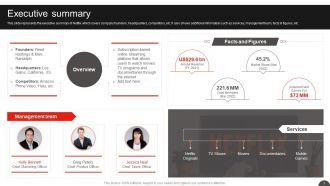
Slide 3: Este slide representa o resumo executivo da Netflix, que cobre os fundadores da empresa, sede, concorrentes, etc.
Slide 4: Este slide mostra a introdução da empresa, que inclui o ano de constituição, website, indústria, tipo, público-alvo e contato.
Slide 5: Este slide representa a visão e a declaração de missão da Netflix, que mostra a posição futura desejada da empresa.
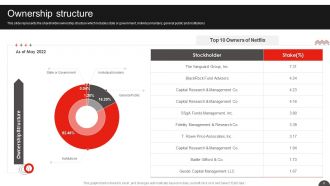
Slide 6: Este slide representa a estrutura de propriedade acionária, que inclui estado ou governo, insiders individuais, público em geral e instituições.
Slide 7: Este slide representa a proposta de valor da Netflix, que inclui acesso ilimitado, opção de compartilhamento de conta, acessível através de qualquer dispositivo, etc.
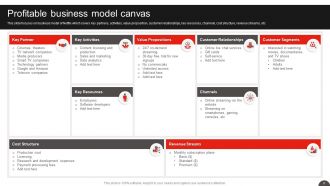
Slide 8: Este slide enfoca o modelo de negócios da Netflix, que cobre parceiros-chave, atividades, proposta de valor, relacionamento com clientes, etc.
Slide 9: Este slide representa os planos de assinatura da Netflix, que incluem básico, padrão e premium.
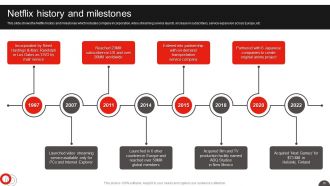
Slide 10: Este slide mostra a história e marcos da Netflix, que inclui a constituição da empresa, lançamento do serviço de streaming de vídeo, etc.
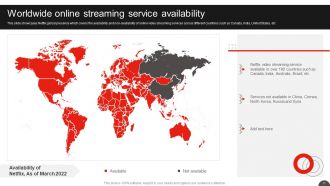
Slide 11: Este slide mostra a presença global da Netflix, que cobre a disponibilidade e indisponibilidade do serviço de streaming de vídeo online.
Slide 12: Este slide cobre a equipe de gestão da Netflix, que inclui diretor executivo, diretor de marketing, consultor geral, etc.
Slide 13: Este slide mostra a estrutura organizacional da Netflix, que inclui hierarquia de forma unitária, divisões geográficas e divisão operacional.
Slide 14: Este slide representa o modelo de mudança organizacional da Netflix, que inclui mudanças anuais, como vender DVDs e aluguéis pelo correio, etc.
Slide 15: Este slide mostra a contagem de funcionários nos últimos quatro anos, de 2018 a 2021, que representa um aumento contínuo no número de funcionários da Netflix.
Slide 16: Este slide mostra o investimento em produção de conteúdo pela Netflix nos últimos 7 anos, de 2016 a 2022, que representa o maior gasto em 2020 até agora.
Slide 17: Este slide representa o número de assinantes pagos da Netflix nos últimos cinco anos, de 2018 a 2022, que mostra um aumento de assinantes ano após ano.
Slide 18: Este slide cobre os membros de streaming pagos da Netflix por geografia, que mostra o maior número de assinantes dos EUA e Canadá e o menor da Ásia-Pacífico.
Slide 19: Este slide representa a divisão de usuários por gênero, que mostra a porcentagem de usuários do sexo masculino e feminino.
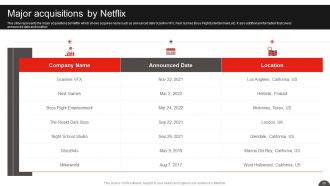
Slide 20: Este slide representa as principais aquisições da Netflix, que mostra o nome da adquirida, como a data anunciada da Scanline VFX, etc.
Slide 21: Este slide mostra as parcerias estratégicas da Netflix, que incluem empresas de TV inteligente, parceiros de tecnologia, etc.
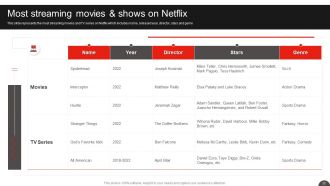
Slide 22: Este slide representa os filmes e séries de TV mais transmitidos na Netflix, que inclui nome, ano de lançamento, diretor, estrelas e gênero.
Slide 23: Este slide mostra as principais estatísticas relacionadas à Netflix, que incluem assinantes pagos, uso da plataforma, idade média do usuário, etc.
Slide 24: Este slide enfoca os destaques financeiros da Netflix, que representa a receita e o lucro líquido dos últimos cinco anos, de 2018 a 2022.
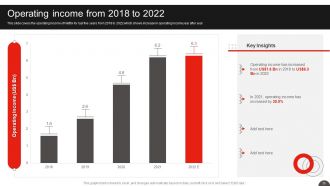
Slide 25: Este slide cobre o lucro operacional da Netflix nos últimos cinco anos, de 2018 a 2022, que mostra um aumento no lucro operacional ano após ano.
Slide 26: Este slide representa o lucro antes de juros, impostos, depreciação e amortização da Netflix nos últimos cinco anos, de 2018 a 2022.
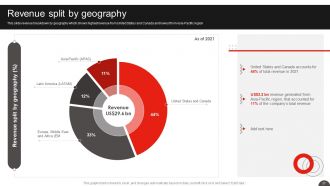
Slide 27: Este slide mostra a divisão de receita por geografia, que mostra a maior receita dos Estados Unidos e Canadá e a menor da região Ásia-Pacífico.
Slide 28: Este slide representa a comparação da Netflix com concorrentes com base na receita, gastos com conteúdo, assinantes e seu crescimento em 2021.
Slide 29: Este slide mostra a comparação competitiva com base no serviço de streaming, que representa o preço mensal, etc.
Slide 30: Este slide mostra o stack de tecnologia da Netflix, que inclui aplicativos e dados, utilitários, DevOps e ferramentas de negócios.
Slide 31: Este slide enfoca as estratégias de marketing digital implementadas pela Netflix, como marketing de conteúdo personalizado, desenvolvimento de site, etc.
Slide 32: Este slide representa os planos de expansão futura da Netflix, que incluem o lançamento do espaço de vídeo sob demanda com suporte de anúncios, etc.
Slide 33: Este slide enfoca os pontos fortes, fraquezas, oportunidades e ameaças para avaliar a posição competitiva da empresa.
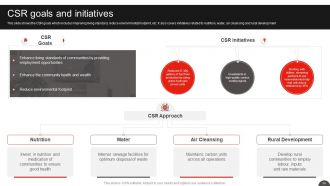
Slide 34: Este slide mostra as metas de RSC, que incluem melhorar o padrão de vida, reduzir a pegada ambiental, etc.
Slide 35: Este é o slide de ícones.
Slide 36: Este slide apresenta o título para slides adicionais.
Slide 37: Este slide mostra postagens de experiências passadas de clientes.
Slide 38: Este slide mostra detalhes dos membros da equipe, como nome, designação, etc.
Slide 39: Este slide exibe Venn.
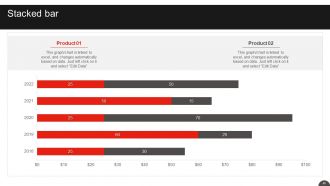
Slide 40: Este slide exibe gráficos de barras empilhadas de lucros anuais para diferentes produtos. Os gráficos estão vinculados ao Excel.
Slide 41: Este slide mostra o plano de 30-60-90 dias para projetos.
Slide 42: Este slide mostra as metas da empresa.
Slide 43: Este slide mostra o roteiro.
Slide 44: Este é o slide de agradecimento e contém os detalhes de contato da empresa, como endereço do escritório, número de telefone, etc.
Apresentação de slides da Netflix
Utilize nossos slides de apresentação do perfil da empresa Netflix para economizar seu tempo valioso. Eles estão prontos para se encaixar em qualquer estrutura de apresentação.
-
Netflix Company Profile
-
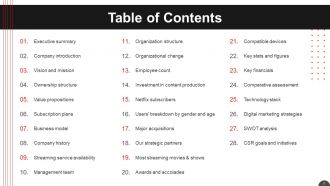
Table of Contents
-
Executive summary
-

Company introduction
-

Vision and mission statement
-
Ownership structure
-

Netflix value propositions
-
Profitable business model canvas
-

Netflix subscription plans
-
Netflix history and milestones
-
Worldwide online streaming service availability
-
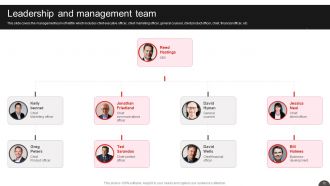
Leadership and management team
-
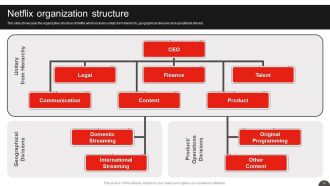
Netflix organization structure
-

Netflix organizational change
-

Employee count from 2018 to 2021
-

Netflix investment in content production
-
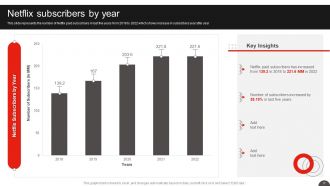
Netflix subscribers by year
-

Netflix paid streaming members by region
-
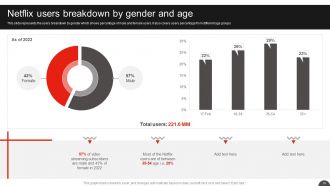
Netflix users breakdown by gender and age
-
Major acquisitions by Netflix
-

Our strategic partners
-
Most streaming movies shows on Netflix
-

Key stats and figures
-

Annual revenue and net income
-
Operating income from 2018 to 2022
-

EBITDA Earning before interest taxes depreciation and amortization
-
Revenue split by geography
-
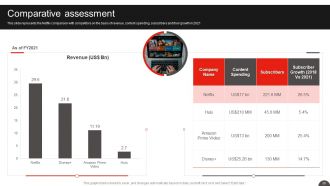
Comparative assessment
-
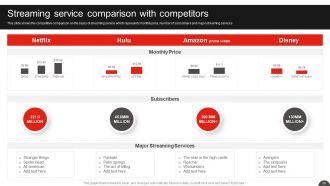
Streaming service comparison with competitors
-

Technology stack
-

Digital marketing strategies
-
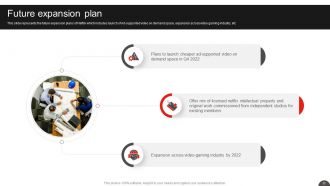
Future expansion plan
-
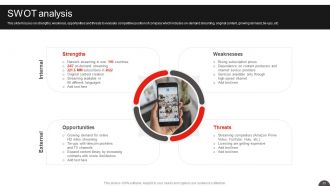
SWOT analysis
-
CSR goals and initiatives
-
Icons slide netflix company profile
-

Additional slides
-
Post it notes
-

Our team
-

Venn
-
Stacked bar
-

30 60 90 days plan
-

Our target
-

Roadmap for process flow
-

Netflix Company Profile Slide44
-

-

-

-

-

FAQs for Netflix Company Profile
So Netflix basically flipped the whole model - monthly fee gets you everything instead of paying per movie. Their algorithm is weirdly spot-on at guessing what you'll binge next. They pour tons of money into original shows, which means they own all the rights globally. Traditional studios depend on ads or box office, but Netflix gets real viewer data. That's how they can greenlight weird experimental stuff or axe shows super quickly when nobody's watching. Honestly it's pretty genius how they cut out the middleman entirely.
So Netflix totally changed their game plan around 2013. They went from just buying other people's shows to making their own stuff. Before that, they were stuck paying whatever studios wanted - or losing popular shows entirely (ugh, still miss The Office being there). House of Cards was like their first big bet on originals, then Orange is the New Black. Smart move honestly, because now they're not dependent on other companies. They dump crazy money into original content but still grab some licensed stuff when it makes sense. For your analysis, the key thing is how this switch gave them way more control over pricing and helped them go global.
So Netflix is basically stalking your viewing habits to figure out what to make next. They're tracking when you pause, rewind, even how long you hover over thumbnails (kinda creepy tbh). All that data tells them what's missing from their catalog and which genres are gonna blow up. They'll look at who's watching what across different age groups, then decide whether to green-light a new series or axe an existing one. It's wild - your binge sessions are literally influencing what shows get produced. Makes you think twice about that guilty pleasure you've been rewatching.
Netflix's global strategy is pretty brilliant, honestly. They've maxed out the US market, so international growth is where all their new subscribers come from. But here's the thing - they don't just dump American shows everywhere anymore. They're making original content specifically for different regions. "Money Heist" for Spain, "Sacred Games" for India, all those K-dramas. People want to see their own stories reflected back at them, you know? It's way smarter than just slapping subtitles on everything. That balance between going global while staying local is what's really driving their success right now.
Yeah so Netflix has been scrambling ever since Disney+ and HBO Max blew up. Your homepage probably feels way more personalized now - that's their data working overtime to keep you scrolling. They're throwing mobile games at people too, which honestly feels random but whatever works I guess. The weekly release thing is smart though. Instead of dumping whole seasons at once, some shows drop episode by episode so you can't just binge and cancel. Plus they're going hard on international content because competition is fierce. If you're studying this stuff, definitely watch how they mess with release schedules - that's where the interesting experiments are happening.
Dude, Netflix basically broke the whole industry when they started throwing billions at original shows. Every major studio freaked out and rushed to make their own streaming thing - Disney+, HBO Max, you name it. It's actually insane how fast everything changed. More platforms means way more jobs for writers and directors, which is cool. But now there's SO much content that shows get buried constantly. The studios that figure out how to use data without making soulless garbage will probably win. Though honestly, I'm getting tired of having like 12 different streaming subscriptions.
So Netflix basically threw money at the problem in two ways. First, they signed massive licensing deals to get shows legally. Then they went all-in on original content - you know, Stranger Things, The Crown, all that stuff. Smart move since they own those shows outright and don't have to worry about losing rights. They also use geo-blocking tech, which is why your Netflix looks totally different when you're traveling (super annoying but makes sense legally). The international copyright stuff is honestly a nightmare to navigate. But yeah, originals became their main strategy to avoid getting screwed over by IP issues.
So Netflix basically locked everyone into that monthly subscription thing, right? Now Disney+, HBO Max, all of them just copy the same playbook. Smart move by Netflix though - they got people used to paying like $8-20 monthly, so new companies can't really charge way more or try weird pay-per-view stuff. Problem is there's only so many subscriptions people will actually pay for before they're like "okay this is getting expensive." I've been watching this whole thing unfold and honestly? Bundling deals are gonna be the next big move companies make.
Netflix has been going hard on diversity since around 2018. They dropped over $100 million supporting underrepresented communities in film and TV. Pretty solid commitment tbh. Their inclusion riders require diverse cast and crew on productions, which is smart business honestly - audiences want to see themselves reflected. They partner with groups like the NAACP too. Oh, and they've got internal teams specifically focused on authentic storytelling across different cultures. If you're pitching anything, definitely lean into diverse perspectives and creators - that's exactly what they're funding right now.
So Netflix's biggest environmental hit is definitely their data centers - those servers streaming billions of hours eat up crazy amounts of energy. They actually hit net-zero emissions by 2022, which is pretty impressive. Now they're pouring money into renewable energy and trying to make their original shows more eco-friendly too. Though let's be real, it's mostly about that streaming infrastructure. You should peek at their environmental reports if you want the nitty-gritty details on how they're offsetting everything and switching to clean energy.
Dude, Netflix basically rewired how we watch stuff. No more waiting for next week's episode - we just binge entire seasons now. Their algorithm is scary good at making things go viral globally. Remember how Squid Game literally broke the internet? Or how everyone was obsessed with Stranger Things for like months? Honestly, if you're doing any marketing or content work, you should probably keep tabs on what they're releasing. I swear they can predict what'll be trending before we even know it ourselves. "Netflix and chill" became a whole thing for a reason - they've changed our viewing habits completely.
Yeah, Netflix is really going after password sharers now. They're limiting accounts to one household and making you pay extra (like $8/month) for people outside your home. Honestly, it's kinda annoying but I get why they're doing it - they were losing billions from shared accounts. They track your IP address and devices to catch people sharing, which is actually pretty clever. My cousin got hit with this last month and had to decide whether to pay more or get her own account. You'll probably get a notification soon if you're sharing with someone.
Netflix basically figured out how to make you binge without even realizing it. Their whole interface learns what you watch and just... puts the next thing right there before you even think about it. Autoplay kicks in, personalized rows everywhere, and honestly? It's kinda scary how well they know your taste. But switching between your phone and TV feels seamless - same design, zero confusion. The whole thing's designed so you never have to make hard decisions about what to watch next. If you're building anything user-facing, copy their homework: make it personal, kill the friction, and always show people the obvious next step.
Netflix basically hit the gas on what they were already planning. During COVID, they started dumping big-budget movies straight to streaming - "The Gray Man" could've easily been a theater blockbuster. They also cut down the wait time between theaters and streaming for other films. Smart timing when we were all trapped inside binge-watching everything, honestly. Global content production went into overdrive too. If you're thinking about distribution for your stuff, definitely check out how they flipped their whole release strategy from theaters-first to digital. Their marketing budgets followed the same shift.
Netflix is pretty smart with their partnerships tbh. They team up with Verizon and T-Mobile so you can bundle streaming with your phone plan - saves you money, gets them more users. Win-win. They're also working with production studios and international broadcasters to create content, plus they've jumped into mobile gaming partnerships now too. What I find interesting is how they don't try to build everything themselves. Instead they partner with local companies to break into new markets, which honestly makes way more sense than starting from zero. They work with device makers too so streaming doesn't suck on different platforms.
-
Amazing product with appealing content and design.
-
I was really impressed with the presentation I created with their templates. I’ll be using their services moving forward.