

Diapositivas de presentación de PowerPoint del proceso de desarrollo de nuevos productos





Try Before you Buy Download Free Sample Product
 Impress Your
Audience
 100%
Editable
 Save Hours
of Time


Con nuestras plantillas de gestión de productos diseñadas profesionalmente, puede presentar fácilmente sus nuevos productos y servicios a su audiencia. SlideTeam le presenta diapositivas de presentación de PowerPoint del proceso de desarrollo de nuevos productos prediseñados, que lo ayudan a eliminar los diversos desafíos e incertidumbres. Este PPT de presentación de diseño de nuevo producto creado profesionalmente listo para contenido cubre varias diapositivas como generación de ideas, tendencias de mercado, selección de ideas, método Delphi, pruebas de concepto, mapa de posicionamiento de productos, entrevista en profundidad, desarrollo de estrategias de marketing, análisis de negocios, proyección de ventas, pruebas de mercado , comercialización, inicio del ciclo de vida del producto y muchos más. No solo esto, al usar estos gráficos NPD PPT PowerPoint, también puede trabajar en muchos otros temas como desarrollo ágil, etapas de diseño de productos, desarrollo y lanzamiento, formulación de estrategias de productos, gestión de marcas, gestión de productos, ciclo de vida de productos, innovación de productos, etc. ¡Date prisa y no lo esperes! Simplemente haga clic y descargue nuestros gráficos de presentación del proceso de desarrollo de nuevos productos y dé a su presentación un aspecto profesional. Nuestro completo proceso de desarrollo de productos con diapositivas de PowerPoint seguramente suscitará muchos aplausos. Harán las delicias de la audiencia más exigente.
People who downloaded this PowerPoint presentation also viewed the following :
Contenido de esta presentación de Powerpoint
Diapositiva 1 : esta diapositiva presenta el proceso de desarrollo de nuevos productos. Indique el nombre de su empresa y comience.
Diapositiva 2 : Esta es una diapositiva de Agenda. Presente sus agendas aquí.
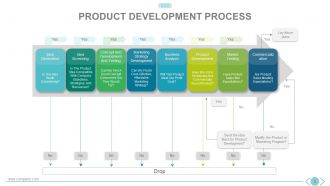
Diapositiva 3 : Esta diapositiva presenta el proceso de desarrollo de productos con: Selección de ideas: ¿Es la idea del producto compatible con los objetivos, estrategias y recursos de la empresa? Concepto, desarrollo y pruebas: ¿Podemos encontrar un buen concepto que los consumidores digan que intentarían? Desarrollo de la estrategia de marketing: ¿Podemos encontrar una estrategia de marketing rentable y asequible? Análisis comercial: ¿Este producto cumplirá con nuestra meta de ganancias? Desarrollo de productos: ¿Tenemos un producto sólido desde el punto de vista técnico y comercial? Pruebas de mercado: ¿Han cumplido las expectativas de ventas de productos? Comercialización: ¿Las ventas de productos cumplen con las expectativas? Generación de ideas: ¿Vale la pena considerar la idea?
Diapositiva 4 : Esta diapositiva se titula Generación de ideas para avanzar. Puede cambiar el contenido según sus necesidades.
Diapositiva 5 : Esta diapositiva muestra Recopilación de ideas para nuevos productos con una imagen de bombilla creativa.
Diapositiva 6 : Esta diapositiva muestra las fuentes para la generación de ideas con los siguientes subtítulos: alta dirección, cliente, investigación científica, competidores, fuentes diversas, distribuidores y representantes.
Diapositiva 7 : Esta diapositiva presenta el ANÁLISIS FODA.
Diapositiva 8 : Esta diapositiva presenta las tendencias del mercado en forma de gráfico.
Diapositiva 9 : Esta diapositiva presenta las tendencias del mercado en forma de gráfico de anillos creativo.
Diapositiva 10 : Esta diapositiva presenta las Tendencias del consumidor en forma de gráfico.
Diapositiva 11 : Esta diapositiva muestra las Tendencias del consumidor en forma de gráfico circular.
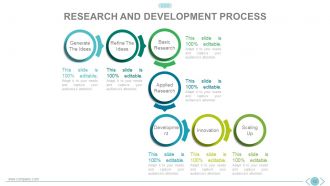
Diapositiva 12 : Esta diapositiva muestra el proceso de investigación y desarrollo con los siguientes puntos: generar las ideas, perfeccionar las ideas, investigación básica, investigación aplicada, desarrollo, innovación, ampliación.
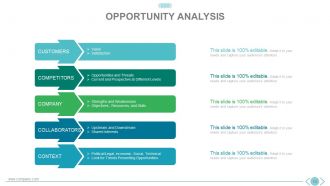
Diapositiva 13 : Esta diapositiva presenta el Análisis de oportunidades con los siguientes subtítulos: CLIENTES: Valor, Satisfacción. COMPETIDORES: Oportunidades y Amenazas, Actual y Prospectiva a Diferentes Niveles. EMPRESA: Fortalezas y Debilidades, Objetivos, Recursos y Habilidades. COLABORADORES: Upstream y Downstream, intereses compartidos. CONTEXTO: Político / Legal, económico, social, técnico, busque tendencias que presenten oportunidades.
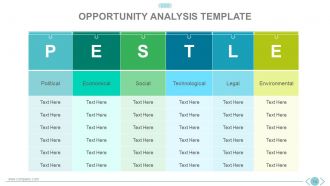
Diapositiva 14 : Esta diapositiva muestra la Plantilla de análisis de oportunidades con análisis PESTLE.
Diapositiva 15 : Esta diapositiva se titula Análisis de ideas. Puede cambiar el contenido según sus necesidades.
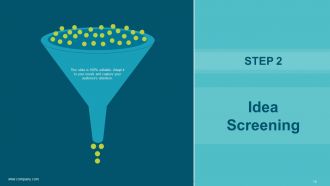
Diapositiva 16 : Esta diapositiva muestra el embudo de detección de ideas con: canal de innovación, pantalla / recomendación, oportunidad, estrategia, viabilidad y efecto financiero.
Diapositiva 17 : Esta diapositiva muestra la tabla de beneficios del Nivel de evaluación de ideas.
Diapositiva 18 : Esta diapositiva muestra la tabla Pros y contras del nivel de selección de ideas.
Diapositiva 19 : Esta diapositiva muestra el nivel de detección de ideas con: tamaño del mercado y pronósticos de crecimiento, mercado total disponible (Tam), mercado objetivo, su participación de mercado, mercado disponible con servicio (Sam).
Diapositiva 20 : Esta diapositiva muestra el nivel de selección de ideas con: presión competitiva para la idea del producto que consta de: nuevos participantes potenciales, compradores, posibles sustitutos, proveedores, presiones competitivas, poder de negociación de los compradores, considerar; Concentración, cambio de reparto, competencia, riesgo / potencial de integración vertical, amenaza de sustitutos, considerar: precio, desempeño del sustituto, lealtad a la marca de los clientes, percepción del mercado del sustituto, poder de negociación de los proveedores, considerar: concentración, costos de cambio de proveedor, riesgo / Potencial de Integración Vertical, Amenaza de entrada, Considere: Escala, Experiencia, Distribución, Requerido en Inversión, Legislación / Regulación.
Diapositiva 21 : Esta diapositiva muestra el nivel de selección de ideas con ventas de la industria y tendencias del mercado.
Diapositiva 22 : Esta diapositiva muestra el nivel de selección de ideas con: evaluación de la viabilidad de nuevos productos
Diapositiva 23 : Esta diapositiva muestra el nivel de detección de ideas con: ¿Será rentable el producto?
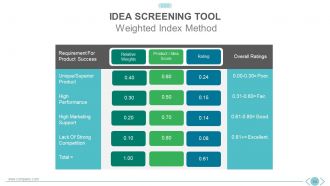
Diapositiva 24 : Esta diapositiva presenta la herramienta de detección de ideas con el método de índice ponderado
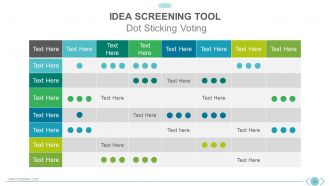
Diapositiva 25 : Esta diapositiva presenta la Herramienta de detección de ideas con: Votación de puntos fijos
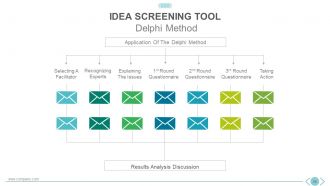
Diapositiva 26 : Esta diapositiva presenta la herramienta de selección de ideas con el método Delphi que consiste en: seleccionar un facilitador, reconocer a los expertos, cuestionario de la primera ronda, explicar los problemas, tomar medidas, cuestionario de la segunda ronda, cuestionario de la tercera ronda, discusión del análisis de resultados, aplicación del Delphi Método.
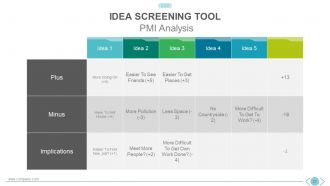
Diapositiva 27 : Esta diapositiva presenta la herramienta de detección de ideas con análisis PMI
Diapositiva 28 : Esta diapositiva muestra la herramienta de detección de ideas con análisis FODA
Diapositiva 29 : Esta diapositiva se titula PASO 3 Prueba de conceptos. Puede cambiar el contenido de la diapositiva según sus necesidades.
Diapositiva 30 : Esta diapositiva muestra la HERRAMIENTA DE PRUEBA (Discusión de grupo focal).
Diapositiva 31 : Esta diapositiva muestra HERRAMIENTA DE PRUEBA (Entrevista en profundidad).
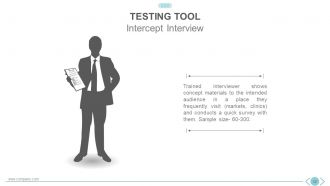
Diapositiva 32 : Esta diapositiva muestra la HERRAMIENTA DE PRUEBA (Entrevista de entrevista).
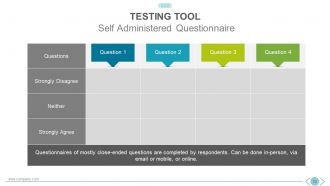
Diapositiva 33 : Esta diapositiva muestra la HERRAMIENTA DE PRUEBA (Cuestionario autoadministrado).
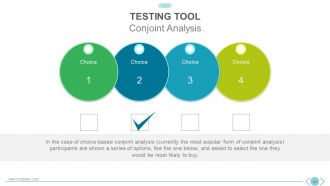
Diapositiva 34 : Esta diapositiva muestra la HERRAMIENTA DE PRUEBA (Análisis conjunto).
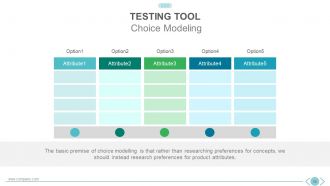
Diapositiva 35 : Esta diapositiva muestra la HERRAMIENTA DE PRUEBA (Modelado de opciones).
Diapositiva 36 : Esta diapositiva presenta una matriz de mapa de posicionamiento de productos.
Diapositiva 37 : Esta diapositiva presenta una matriz de Mapa de posicionamiento de marca.
Diapositiva 38 : Esta diapositiva se titula PASO 4 Desarrollo de la estrategia de marketing. Puede cambiar el contenido de la diapositiva según sus necesidades.
Diapositiva 39 : Esta diapositiva muestra el proceso de estrategia de mercado con los siguientes puntos: comprender al cliente, definir la combinación de marketing, determinar la posición del mercado, el presupuesto de marketing, analizar el mercado, plan de ejecución.
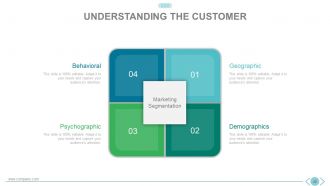
Diapositiva 40 : Esta diapositiva presenta Comprensión del cliente mostrando: segmentación de marketing, geográfica, demográfica, psicográfica, conductual.
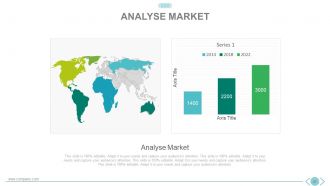
Diapositiva 41 : Esta diapositiva muestra Analizar mercado en forma de gráfico con una imagen de mapa mundial.
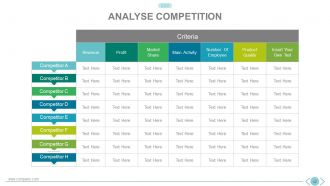
Diapositiva 42 : Esta diapositiva muestra Analizar la competencia en forma de tabla.
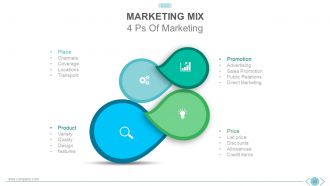
Diapositiva 43 : Esta diapositiva presenta Marketing Mix con 4 Ps del producto de marketing: variedad, calidad, diseño y características. Precio: precio de lista, descuentos, bonificaciones, artículos a crédito. Promoción: Publicidad, Promoción de ventas, Relaciones públicas, Marketing directo. Lugar: Canales, Cobertura, Ubicaciones, Transporte.
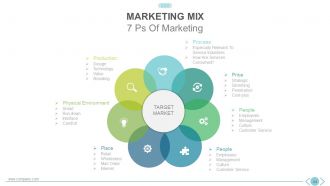
Diapositiva 44 : Esta diapositiva presenta las 7P de la mezcla de marketing de Mrketing con- Lugar: Minorista, Ventas al por mayor, Pedidos por correo, Internet. Precio: Estratégico, Skimming, Penetración, Cost-plus, Producción: Diseño, Tecnología, Valor, Branding, Entorno físico: Inteligente, Deterioro, Interfaz, Confort. Proceso: especialmente relevante para las industrias de servicios, ¿cómo se consumen los servicios? Personas: Empleados, Gerencia, Cultura, Servicio al Cliente. Personas: Empleados, Gerencia, Cultura, Servicio al Cliente.
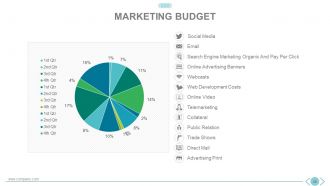
Diapositiva 45 : Esta diapositiva presenta el presupuesto de marketing con: correo electrónico, marketing orgánico en motores de búsqueda y pago por clic, banners publicitarios en línea, transmisiones web, costos de desarrollo web, video en línea, telemarketing, garantías, relaciones públicas, ferias comerciales, correo directo, publicidad impresa, Medios de comunicación social.
Diapositiva 46 : Esta diapositiva se titula PASO 5 Análisis empresarial. Puede cambiar el contenido de la diapositiva según sus necesidades.
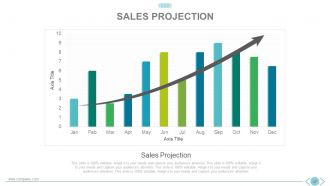
Diapositiva 47 : Esta diapositiva presenta un gráfico de Proyección de ventas.
Diapositiva 48 : Esta diapositiva presenta un gráfico circular de proyección de costos con: costo de marketing, costo de mano de obra, costo de maquinaria, costos de desarrollo, costo de recursos.
Diapositiva 49 : Esta diapositiva presenta un gráfico de proyección de beneficios.
Diapositiva 50 : Esta diapositiva presenta un gráfico de análisis de equilibrio.
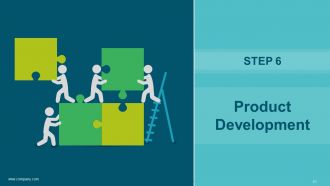
Diapositiva 51 : Esta diapositiva se titula PASO 6 Desarrollo del producto. Puede cambiar el contenido de la diapositiva según sus necesidades.
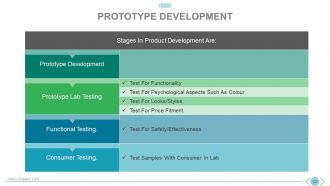
Diapositiva 52 : Esta diapositiva presenta la tabla de desarrollo de prototipos.
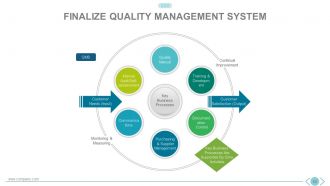
Diapositiva 53 : Esta diapositiva muestra Finalizar el sistema de gestión de la calidad con: Monitoreo y medición, Mejora continua, SGC, Procesos comerciales clave, Manual de calidad, Gestión de compras y proveedores, Documentación, Control, Auditoría interna / Autoevaluación, Comunicaciones de capacitación y desarrollo, Cliente Necesidades (entrada), satisfacción del cliente (salida).
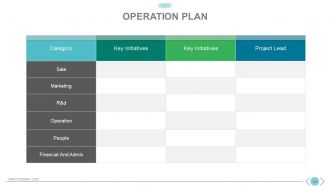
Diapositiva 54 : Esta diapositiva presenta la tabla del plan operativo.
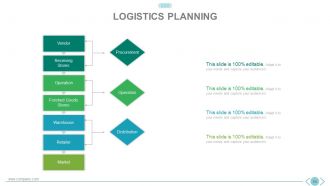
Diapositiva 55 : Esta diapositiva presenta la planificación de la logística mostrando: Proveedor, Almacén, Minorista, Tiendas receptoras, Operación, Tiendas de productos terminados, Mercado, Distribución, Operación, Adquisiciones.
Diapositiva 56 : Esta diapositiva muestra el proceso de planificación logística estratégica que muestra: seguimiento y marketing, proceso de transición al negocio, comentarios, introducción, planificación preliminar, elaboración de estrategias, documento del plan estratégico, autoría, comunicación con las partes interesadas y los ejecutivos.
Diapositiva 57 : Esta diapositiva presagia un plan de contingencia. Puede cambiar el contenido de la diapositiva según sus necesidades.
Diapositiva 58 : Esta diapositiva se titula STEP 7 Market Testing. Puede cambiar el contenido de la diapositiva según sus necesidades.
Diapositiva 59 : Esta diapositiva muestra CUÁNDO COMERCIALIZAR LA PRUEBA en forma de gráfico que muestra las etapas del ciclo de desarrollo del producto, el ahorro de tiempo y costo, el alcance del aprendizaje y la precisión.
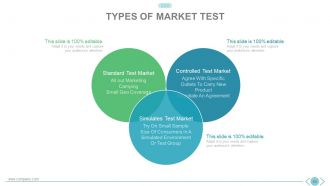
Diapositiva 60 : Esta diapositiva muestra Tipos de prueba de mercado con: Mercado de prueba estándar: Campamento de marketing total, Cobertura geográfica pequeña. Mercado de prueba controlado: acordar con puntos de venta específicos para llevar productos nuevos. Simula el mercado de prueba: negocie un acuerdo, pruebe con un tamaño de muestra pequeño de consumidores en un entorno simulado o en un grupo de prueba.
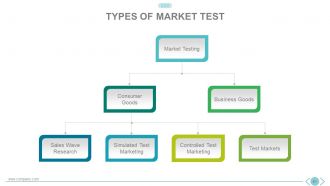
Diapositiva 61 : Esta diapositiva muestra los tipos de jerarquía de prueba de mercado que consta de: investigación de oleadas de ventas, marketing de prueba simulado, marketing de prueba controlado, mercados de prueba, pruebas de mercado, bienes comerciales, bienes de consumo.
Diapositiva 62 : Esta diapositiva se titula PASO 8 Comercialización. Puede cambiar el contenido de la diapositiva según sus necesidades.
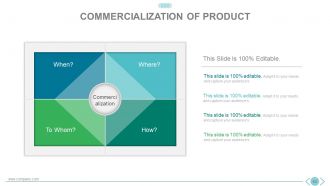
Diapositiva 63 : Esta diapositiva presenta la comercialización del producto en forma de caja matricial mostrando: ¿Cuándo? ¿Dónde? ¿A quien? ¿Cómo?
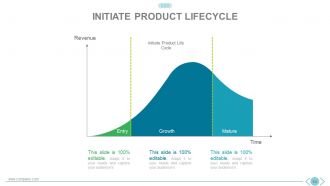
Diapositiva 64 : Esta diapositiva presenta el gráfico Iniciar ciclo de vida del producto que consta de: Tiempo, Madurez, Crecimiento, Entrada, Ingresos.
Diapositiva 65 : Esta es una diapositiva de agradecimiento con dirección # número de calle, ciudad, estado, números de contacto, dirección de correo electrónico.
Diapositivas de la presentación de PowerPoint del proceso de desarrollo de nuevos productos con las 65 diapositivas:
Traiga un aire de celebración con nuestro proceso de desarrollo de nuevos productos Presentación completa de PowerPoint con diapositivas. Sea capaz de llevar a cabo el jubileo.
-
New Product Development Process
-
Agenda Slide
-
PRODUCT DEVELOPMENT PROCESS
-
New Product Development Process Complete with Sl
-
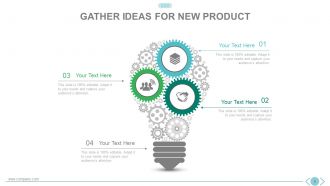
Gather Ideas for New Product
-
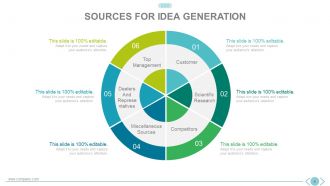
SOURCES FOR IDEA GENERATION
-
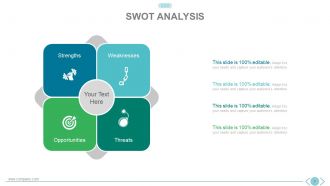
SWOT Analysis
-
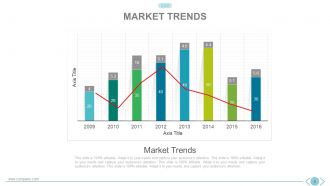
Market Trends
-
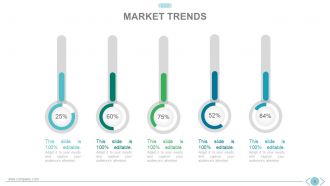
Market Trends
-
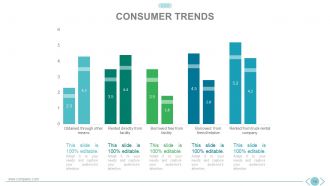
Consumer Trends
-
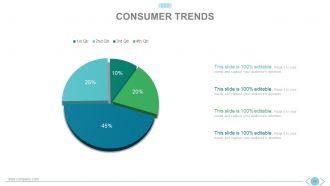
Consumer Trends
-
Research and Development Process
-
Opportunity Analysis
-
Opportunity Analysis Template
-
New Product Development Process Complete with Sl
-
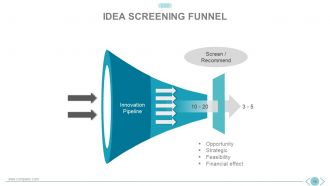
Idea Screening Funnel
-
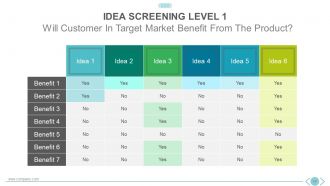
IDEA SCREENING LEVEL 1 Will Customer In Target Market Benefit From The Product
-
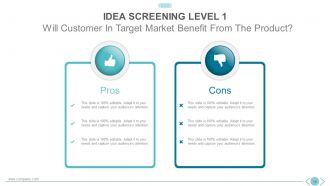
Idea Screening Level 1
-
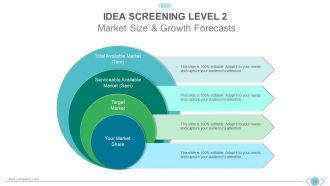
IDEA SCREENING LEVEL 2 Market Size Growth Forecasts
-
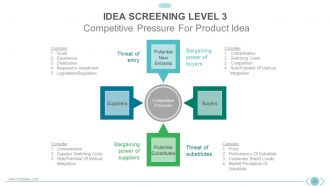
IDEA SCREENING LEVEL 3 Competitive Pressure For Product Idea
-
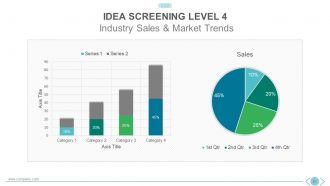
IDEA SCREENING LEVEL 4 Industry Sales Market Trends
-
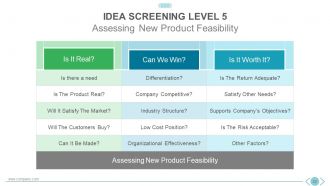
IDEA SCREENING LEVEL 5 Assessing New Product Feasibility
-
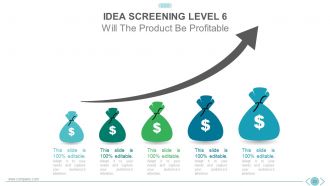
Idea Screening Level 6 Will The Product Be Profitable
-
Idea Screening Tool Weighted Index Method
-
Idea Screening Tool Dot Sticking Voting
-
Idea Screening Tool Delphi Method
-
Idea Screening Tool PMI Analysis
-
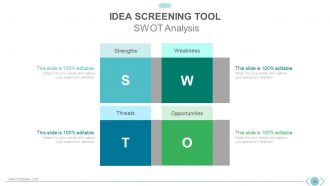
Idea Screening Tool SWOT Analysis
-
Concept Testing
-
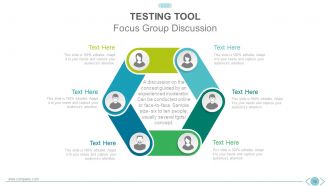
Testing Tool Focus Group Discussion
-
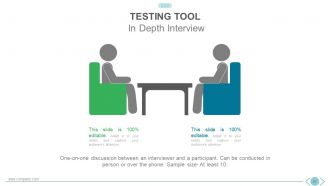
Testing Tool In Depth Interview
-
Intercept Interview
-
Testing Tool Self Administered Questionnaire
-
Testing Tool Conjoint Analysis
-
Testing Tool Choice Modeling
-
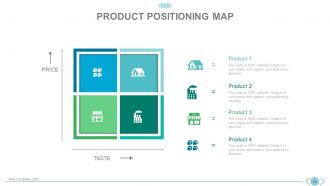
PRODUCT POSITIONING MAP
-
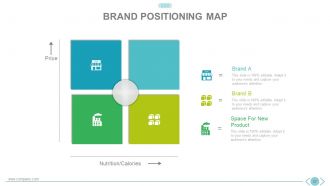
Brand Positioning Map
-
Marketing Strategy Development
-
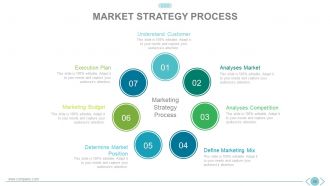
Market Strategy Process
-
Understanding the Customer
-
Analyse Market
-
Analyse Competition
-
Marketing Mix 4 Ps Of Marketing
-
Marketing Mix 7 Ps Of Marketing
-
Marketing Budget
-
New Product Development Process Complete with Sl
-
Sales Projection
-
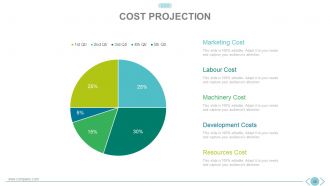
Cost Projection
-
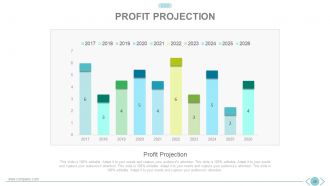
Profit Projection
-
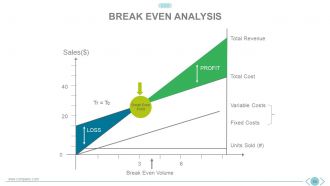
Break Even Analysis
-
New Product Development Process Complete with Sl
-
Prototype Development
-
Finalize Quality Management System
-
Operation Plan
-
Logistics Planning
-
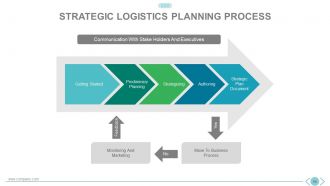
Strategic Logistics Planning Process
-
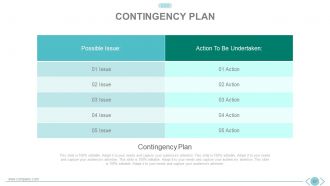
Contingency Plan
-
New Product Development Process Complete with Sl
-
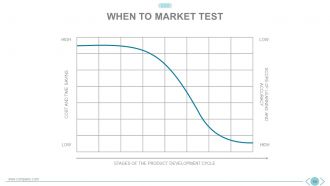
When to Market Test
-
TYPES OF MARKET TEST
-
TYPES OF MARKET TEST
-
New Product Development Process Complete with Sl
-
COMMERCIALIZATION OF PRODUCT
-
INITIATE PRODUCT LIFECYCLE
-

Thank You
FAQs for New product development process
So there's basically six stages you gotta hit: idea generation, concept development, feasibility analysis, prototype development, testing, and launch. Start with brainstorming what people actually need, then flesh out your concept. Here's the thing though - don't skimp on the feasibility check. I've seen too many people skip this part and regret it big time. After that, build your prototypes and test everything. Testing feels like it drags on forever but it's worth it. Launch when you're ready, not before. Oh, and prototyping gets messy - just warning you now!
Your market research is basically a cheat sheet for design decisions that won't flop. Pain points tell you what to tackle first - nobody wants to build the wrong thing. User preferences guide everything from layout to colors (honestly, color debates are the worst). I've watched entire teams do complete 180s after realizing people just wanted simple, not fancy. Happens all the time. The trick? Turn those insights into actual design specs, not vague "make it better" notes. Oh, and stay in touch with your research folks during development. Flying blind sucks.
Dude, cross-functional teams make or break products - I've seen it firsthand. Getting engineering, design, marketing, and ops in the same room from the start saves you from disasters later. Each group sees blind spots the others miss. Engineers build cool features that nobody actually wants (classic), while marketing knows what'll tank with customers. Don't do that thing where teams just toss requirements back and forth - that's garbage. Actually get them collaborating early with regular check-ins. Oh, and make sure everyone gets a real say in big decisions, not just lip service.
Oh man, where do I even start? Technical stuff breaks at the worst possible times - like seriously, why does it always happen right before a demo? Users will give you feedback that's the complete opposite of what you expected, which is honestly kind of hilarious but also frustrating. Timeline pressure gets real when nothing works like you planned it would. Materials and testing eat through your budget crazy fast too. Coordinating with test users is a nightmare - everyone's schedule is different. When people want totally opposite things, turning that feedback into actual changes becomes this whole puzzle. Build in extra time and money upfront, and write everything down so you can spot patterns later.
Get everything documented early - like, as soon as you have an idea worth protecting. File provisional patents right away instead of waiting until your product's done. NDAs are your best friend here, use them with literally everyone (contractors, partners, that random consultant you hired). I learned this the hard way watching other startups get screwed over. Run freedom-to-operate searches regularly so you don't accidentally infringe on someone else's stuff. Oh, and keep a simple tracker of what IP you're creating vs. what belongs to others. Honestly, just bake IP protection into your regular dev process from day one.
Look at three main areas: does the market actually want it, can you make money, and is it technically doable? Market size and customer demand are huge - honestly, this is where most people mess up by building stuff nobody wants. Then check your revenue projections versus development costs and when you'll break even. Technical complexity matters too - how hard is this to actually build with your resources? If you can grab some early customer feedback, even better. I'd score each idea against these categories, maybe 1-10 or whatever works. The winners hit well on all three fronts.
Your customers are gonna tell you straight up what's broken - way more honest than your own assumptions. I've watched so many teams skip this step and then scramble later when nobody uses their product right. Get feedback super early, even on messy prototypes. Each round helps you spot confusing buttons, missing stuff, or features that just don't make sense. Don't wait until launch to ask users what they think - that's like asking for directions after you're already lost. Build those check-ins throughout development. Trust me, it'll save you from major headaches down the road.
Dude, always pad your budget by like 20-30% because something random will definitely blow up your costs. I learned this the hard way lol. Break everything into phases—research, design, testing, launch—so you can see where your money's actually going. Don't hire expensive specialists right away though. Get your core team sorted first, then bring in the fancy people once you know what you need. Monthly check-ins are clutch for staying on track. And honestly? Just use a basic spreadsheet you'll actually update. Those complex budget models look impressive but they're useless if you never touch them again.
So basically, tech helps you move faster by cutting out all the tedious stuff and getting your team on the same page. Tools like Figma or Miro are game-changers - you get feedback instantly instead of those endless email threads (ugh). Project management software catches problems before they blow up. Digital prototyping saves you from building physical stuff too early, which honestly can be a money pit. Analytics give you real user data so you're not just guessing. Here's the thing though - don't go crazy with tools. Pick maybe 2-3 that fix your biggest headaches first.
So competitive analysis basically shows you where the gaps are and how to stand out. Look at what features they're pushing, their pricing, messaging - all that stuff. Sometimes you'll realize your "amazing" idea already exists (awkward but better to know now). The real value is finding white space you can own. Plus you'll see what everyone's already saying so you don't sound like a copycat. I'd focus on crafting positioning that actually highlights what makes you different from the alternatives customers are already looking at. It's honestly one of the most eye-opening exercises you can do early on.
Start by figuring out your actual limits - budget, timeline, what's technically possible. Let the team go wild during brainstorming, but then be brutal about checking if ideas are buildable. Honestly, I've watched so many brilliant concepts crash because nobody did a reality check early enough. Set up regular check-ins to make sure you're being innovative but not delusional. The magic happens when you get creative *within* your constraints instead of pretending they don't exist. Oh, and define your "risk budget" upfront - how much experimentation can you actually handle without everything falling apart?
Honestly, just start doing things at the same time instead of waiting around. Like get your marketing team prepping stuff while the engineers are still figuring out specs - saves tons of time. Cross-functional teams help too because nobody's sitting in boring handoff meetings all day. Build your MVP first, then fix it as you go. I know it sounds backwards but trust me on this one. Those rapid prototyping tools are clutch for getting feedback early. Way better than spending months perfecting something customers might hate anyway. Sometimes shipping something decent beats waiting forever for perfection.
Think of your brand as a decision-making compass for products. Strong brands make choices way easier - you'll instantly know what works and what doesn't. Apple launching a cheap flip phone? Never gonna happen because it clashes with their whole vibe. Map out your brand attributes first, then check new ideas against them. Does the pricing match? What about features and messaging? I honestly think this is where most companies mess up - they skip this filter step. Keep everything consistent with what people already expect from you. Short version: if it doesn't feel like "you," don't do it.
Honestly, start with safety - both physical and mental harm stuff. Data privacy is obvious but people mess it up constantly. Can disabled users actually navigate your thing? That's accessibility and it matters. Supply chain labor practices are tricky but you gotta look into it. Environmental impact is everywhere now, no escaping that conversation. Oh, and think about weird social consequences you didn't predict - products do strange things in the wild. My advice? Build an ethics checklist right at the beginning instead of playing catch-up later when everything's already broken.
Dude, product development is wild right now. AI's everywhere - teams are using it for prototyping and trying to predict what people actually want. Sustainability stuff is huge too, like you literally can't ignore circular design anymore with all the regulations. Remote work changed everything honestly, sometimes our best ideas come from random Zoom calls (weird but true). Companies are obsessed with getting to market faster. Agile's pretty much the standard now, and you've got to keep iterating based on user feedback constantly. Your cycles need to be way shorter than before if you don't want to get left behind.
-
Very good presentation style
-
The content is very helpful from business point of view.
-
Illustrative design with editable content. Exceptional value for money. Highly pleased with the product.